Choosing the right accommodation is essential for experiencing Botswana’s incredible wildlife and landscapes. From the water-rich Okavango Delta to the vast elephant herds of Chobe, the country provides a range of safari experiences. This guide will help you navigate your options and discover the best Botswana safari lodges for an unforgettable African adventure.
We’ll explore what distinguishes Botswana’s lodges, including the types of activities available, dining experiences, and the best times to visit. You’ll also find information on reaching these remote destinations and key considerations for planning your trip, ensuring you find the perfect lodge to match your safari dreams.
Choosing Your Dream Botswana Safari Lodge: A Guide
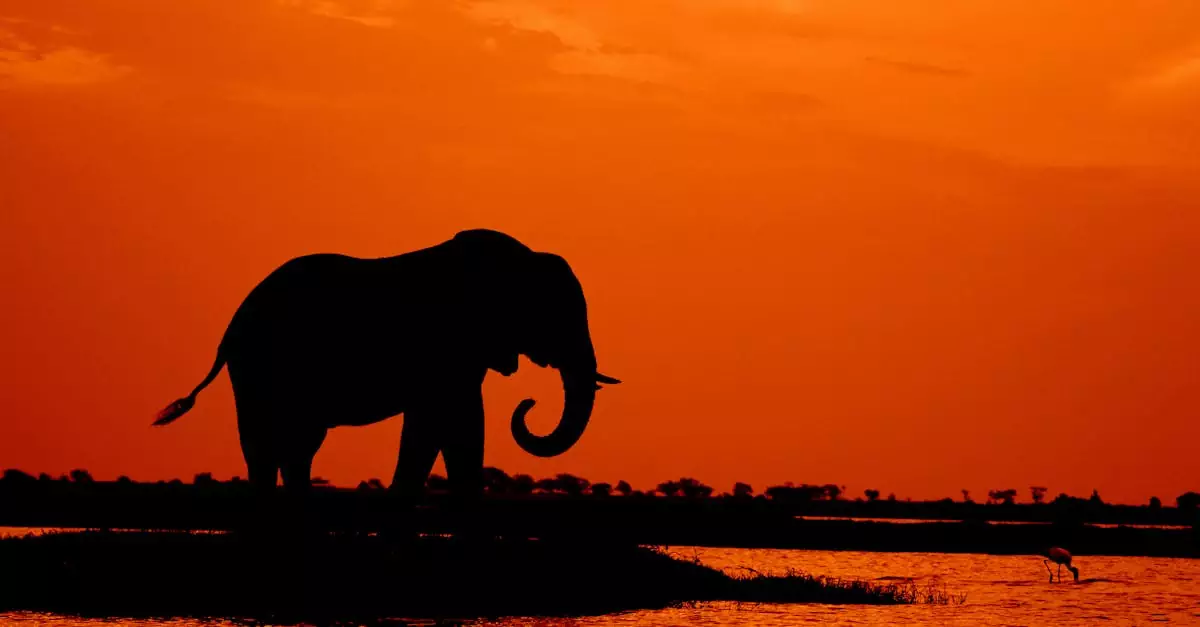
Selecting the right Botswana safari lodge sets the stage for an extraordinary wildlife adventure. The country offers diverse experiences, from the lush Okavango Delta to the expansive elephant herds of Chobe. Your choice will depend on your budget, desired wildlife encounters, and preferred level of exclusivity. Consider the environment you envision for your safari, whether it’s navigating delta channels or exploring dry savanna landscapes.
Luxury Safari Lodges in the Okavango Delta
The Okavango Delta, a UNESCO World Heritage site, is a premier destination for luxury safaris. Lodges here often provide exclusive access to pristine wilderness, offering exceptional game viewing opportunities. Many are located in private concessions, allowing for night drives and walking safaris, which are not permitted in national parks.
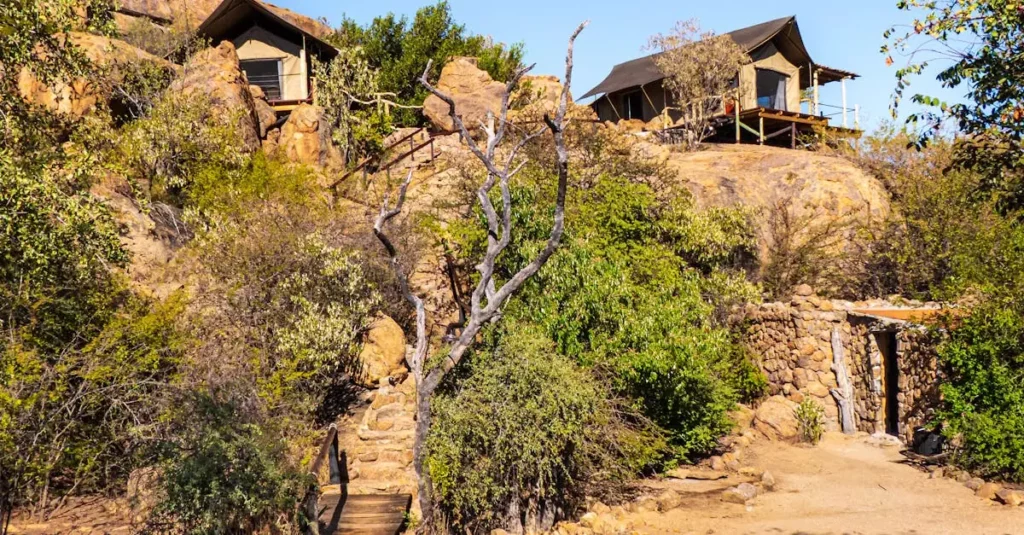
Accommodation in the Delta ranges from lavish tented camps to sophisticated lodges on stilts, minimizing their environmental impact. Expect world-class service, gourmet dining, and private plunge pools with breathtaking views. These lodges are perfect for travelers seeking a high-end, immersive experience with exceptional comfort.
Transportation to most Okavango Delta lodges is typically by light aircraft from Maun or Kasane. This scenic flight provides a bird’s-eye view of the landscape and is often included in the lodge package. Budget for these lodges generally falls at the higher end, reflecting their exclusivity, remote location, and all-inclusive nature.
Exclusive Bush Camps in Chobe National Park
Chobe National Park is famous for its large elephant population and diverse ecosystems, including the Linyanti Wetlands and Savuti Marsh. Lodges in this region offer a distinct safari dynamic, focusing on game drives and boat safaris along the Chobe River.
Exclusive bush camps foster an intimate connection with nature. These smaller camps often operate on private concessions bordering the national park, granting guests access to less trafficked areas. This means more personal wildlife sightings and a greater sense of solitude. Activities typically include guided game drives in open 4×4 vehicles and boat excursions, providing unique perspectives on wildlife, especially along the riverbanks.
When planning your safari here, consider the seasonal factors. The dry season (May to October) concentrates wildlife around water sources, enhancing viewing opportunities. Lodges in the Chobe area range from comfortable to ultra-luxurious, with pricing reflecting the level of service and exclusivity. Access is usually via road from Kasane or through charter flights.
Family-Friendly Lodges Near Moremi Game Reserve
Moremi Game Reserve, often referred to as the “Jewel of Botswana,” is a protected area within the Okavango Delta, known for its rich wildlife and varied habitats, including mopane woodlands, floodplains, and lagoons. Lodges near Moremi cater to families, offering activities and facilities suitable for all ages.
Family-friendly lodges typically feature spacious suites or adjoining rooms, swimming pools, and dedicated children’s programs. Safaris can be tailored for younger travelers, with shorter game drives or educational bush walks. The focus is on creating a safe and engaging environment where both children and adults can learn about and appreciate the African bush.
When selecting a lodge near Moremi, look for those that offer a mix of land and water-based activities, as the reserve supports a rich diversity of wildlife. Some lodges are accessible by road from Maun, while others require a short charter flight. Pricing varies, but family packages are often available, making them more accessible for group travel. Safety is paramount, and reputable lodges employ experienced guides trained to handle family groups.
Here is a comparison of general budget ranges for different types of Botswana safari experiences:
| Lodge Type | Typical Price per Person per Night (USD) | Inclusions | Best For |
|---|---|---|---|
| Luxury Okavango Delta Lodge | $1,000 – $3,000+ | All meals, drinks, scheduled activities, flights | Honeymoons, luxury seekers, exclusive access |
| Exclusive Chobe Bush Camp | $800 – $2,500+ | All meals, drinks, scheduled activities, park fees | Wildlife enthusiasts, photographic safaris |
| Family-Friendly Lodge | $600 – $1,800+ | All meals, drinks, some activities, park fees | Families with children, varied interests |
These figures are approximate and can fluctuate based on the season, specific lodge, and package inclusions. It’s advisable to check directly with the lodge or a reputable African travel operator for the most accurate pricing and availability. Understanding these distinctions will help you narrow down your options and find the best Botswana safari lodges for your unforgettable adventure.
Top Picks for Unique Wildlife Viewing Experiences
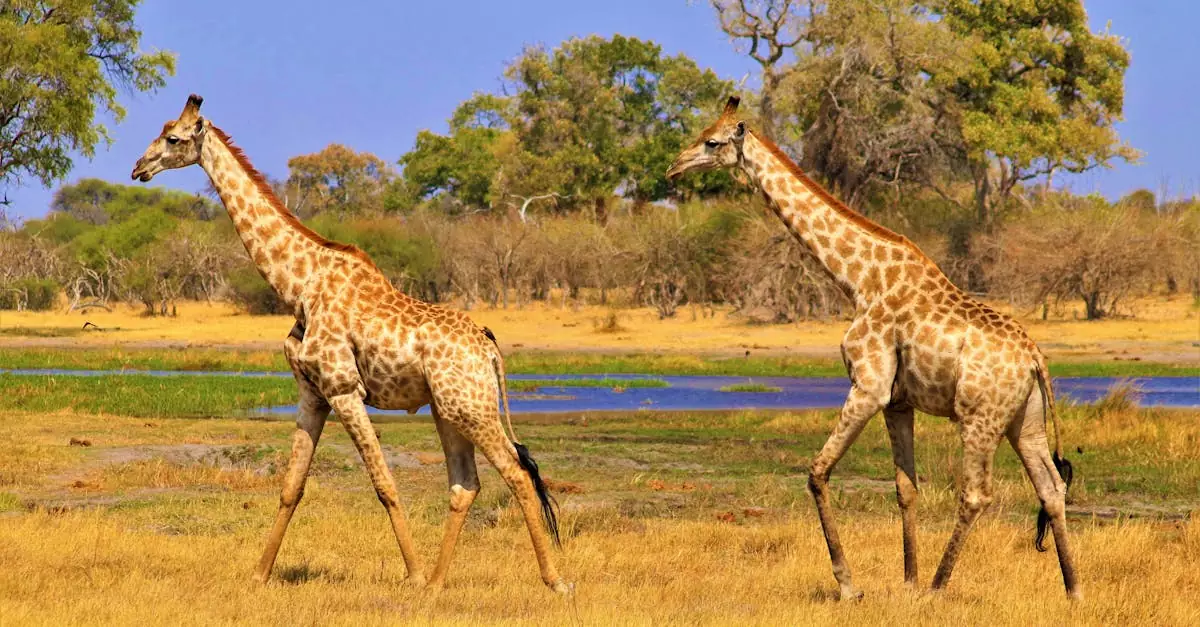
Botswana’s diverse landscapes offer distinct safari opportunities, from vast elephant herds to intricate water-based ecosystems. Choosing a lodge strategically located within these prime wildlife areas ensures an unforgettable encounter with Africa’s natural wonders. This section highlights lodges that excel in providing exceptional viewing experiences tailored to specific interests.
Best Lodges for Elephant Encounters in Chobe
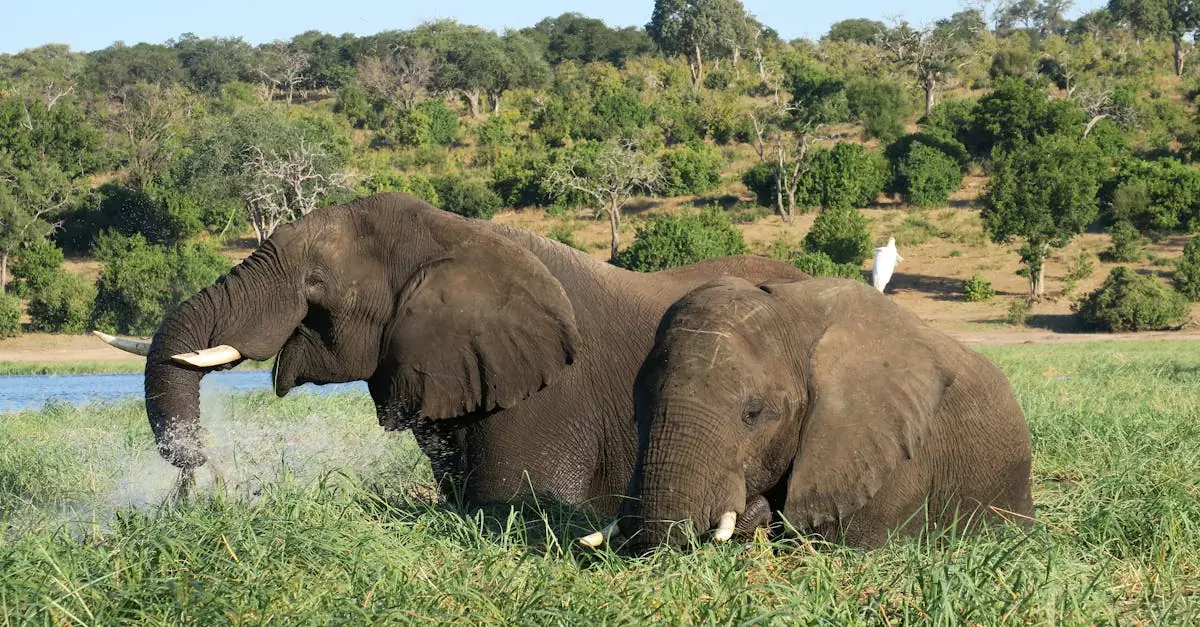
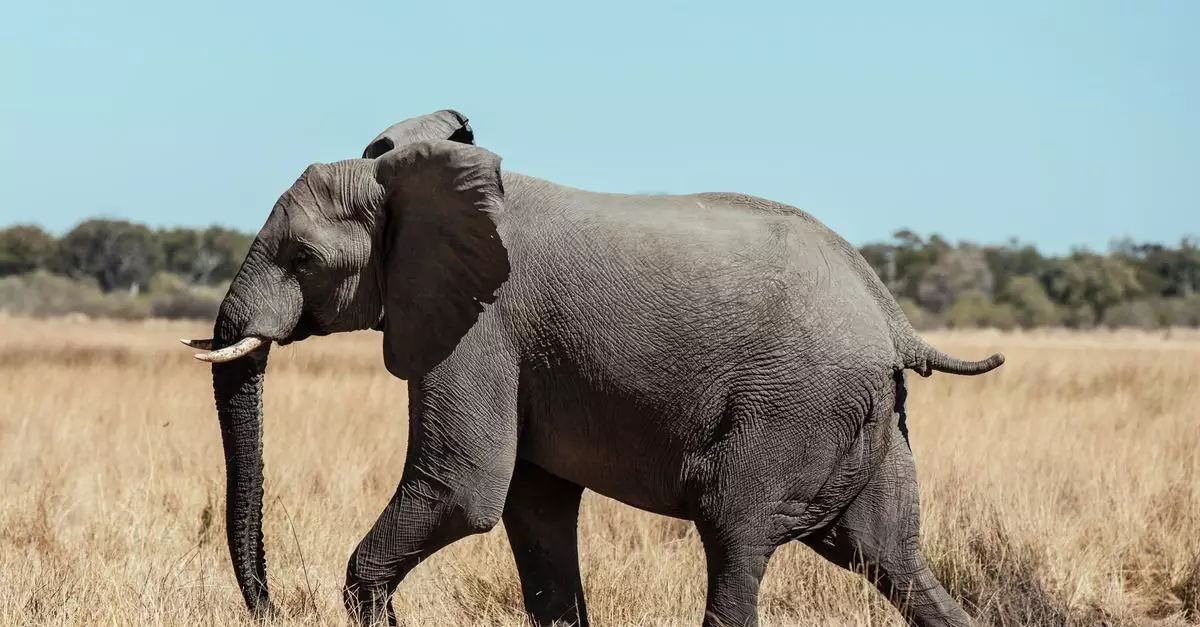
Chobe National Park is renowned for its immense elephant population, particularly along the Chobe Riverfront. During the dry season, hundreds, sometimes thousands, of elephants gather here to drink and socialize, creating a spectacular sight. Lodges situated directly on the riverfront or with private concessions offer unparalleled access.
Consider staying at lodges that provide both game drives and boat safaris. Boat trips on the Chobe River offer a unique perspective, allowing you to observe elephants swimming, bathing, and interacting at close range. Many lodges also operate mobile safaris or have access to exclusive areas away from the main tourist crowds, enhancing the intimacy of the experience.
When planning your visit, aim for the dry season, typically from May to October. This is when the concentration of wildlife is highest. Accommodation ranges from luxury tented camps to more permanent lodges, with varying price points. Early booking is essential, especially for properties with prime riverfront locations.
Top Okavango Delta Lodges for Mokoro Safaris
The Okavango Delta is a labyrinth of waterways, islands, and floodplains, offering a unique safari experience. Here, mokoro (traditional dugout canoe) excursions are a signature activity. Gliding silently through the shallow channels allows for intimate wildlife viewing, often at eye level with animals.
Lodges within the Delta that specialize in mokoro safaris are typically located in areas with permanent water, ensuring year-round access to these waterways. These lodges generally offer a blend of mokoro trips, guided walking safaris, and sometimes limited game drives on larger islands. The focus is on experiencing the Delta’s delicate ecosystem and its unique inhabitants, including large herds of antelope, hippos, crocodiles, and a rich variety of birdlife.
The best time for mokoro safaris is during the Delta’s flood season, which usually peaks between June and September. This is when water levels are highest, and game is concentrated on the islands. Lodges here are generally exclusive and fly-in accessible, contributing to a higher overall budget for a trip to the Okavango Delta. Expect a focus on sustainability and low-impact tourism.
Birdwatching Hotspots: Lodges Near Linyanti Wetlands
The Linyanti region, situated north of Chobe and east of the Okavango Delta, features a mosaic of diverse habitats, including grasslands, woodlands, and the vital Linyanti Wetlands. This area is a haven for birdwatchers, boasting over 400 recorded species, including rare and endemic birds.
Lodges in the Linyanti area often provide specialized birding excursions led by expert guides. These can include early morning drives, boat trips on the Linyanti River, and guided walks focusing on identifying different species. The wetlands attract a spectacular array of waterbirds, while the surrounding bushveld is home to raptors, ground hornbills, and a multitude of smaller passerines.
Beyond birds, the Linyanti is also known for its predator populations, including lions, wild dogs, and cheetahs, as well as large herds of elephants and buffalo. Lodges here typically offer a mix of game drives and water-based activities. The dry season (May to October) is generally best for viewing large mammals, while the green season (November to April) brings migratory birds and vibrant plumage. Many of these lodges operate on private concessions, offering exclusive game viewing and a sense of remoteness.
What to Expect from Botswana’s Premier Safari Lodges
When planning a trip to Botswana, understanding what makes its safari lodges unique is key to choosing the right experience. The country’s commitment to low-impact tourism means that lodges often provide a more exclusive and intimate encounter with wildlife. This approach translates into higher-quality service, smaller groups, and a focus on conservation. The best Botswana safari lodges are more than just a place to sleep; they are gateways to an immersive wilderness adventure.
All-Inclusive Packages vs. Self-Catering Options
Most high-end safari lodges in Botswana operate on an all-inclusive basis. This typically covers accommodation, all meals, standard local beverages, and scheduled safari activities like game drives. This model simplifies budgeting, allowing travelers to focus on the experience without worrying about numerous extra costs. Some exclusive-use villas or very remote camps might offer different arrangements, but the all-inclusive standard is prevalent.
Self-catering is extremely rare, if not non-existent, at lodges catering to the typical safari-goer in Botswana. The logistics of supplying food and provisions to remote areas make this model impractical for most operators. Travelers should budget for the all-inclusive package, which represents the vast majority of offerings from reputable Botswana safari providers. This comprehensive approach ensures a seamless and stress-free safari.
Activities Included: Game Drives, Walking Safaris, and Boat Trips
The heart of any Botswana safari lodge experience lies in its activities, designed to showcase the diverse ecosystems and abundant wildlife. Daily game drives in open-top 4×4 vehicles are a staple, usually conducted in the early morning and late afternoon when animals are most active. These drives are led by experienced guides who possess intimate knowledge of animal behavior and the best locations for sightings.
Walking safaris offer a different perspective, allowing for a more intimate connection with the bush. Under the guidance of an armed ranger, guests can learn about tracking, identify smaller flora and fauna, and experience the thrill of approaching wildlife on foot. These are often offered in specific concessions or national parks where permitted and can provide a unique sense of adventure.
Depending on the lodge’s location, boat-based activities are also common, particularly in the Okavango Delta and Chobe River regions. Mokoro (traditional dugout canoe) excursions offer a low-to-the-water perspective, ideal for birdwatching and observing smaller creatures. Motorized boat trips on the larger waterways are excellent for spotting hippos, crocodiles, and various waterbirds, as well as elephants coming to drink.
Dining Delights: Local Flavors and International Cuisine
Botswana’s safari lodges pride themselves on offering exceptional dining experiences that complement the wilderness setting. Expect a fusion of international flavors and local influences, prepared with fresh, often locally sourced ingredients. Meals are typically served in communal dining areas, often under the stars, or can be arranged as private dining experiences for special occasions.
Breakfasts are usually hearty, with a selection of cereals, fruits, pastries, and cooked-to-order items. Lunches are often lighter, served buffet-style or as plated meals, providing sustenance for an afternoon of relaxation or activity. Dinners are the highlight, featuring multi-course menus with choices for appetizers, main courses, and desserts.
Many lodges incorporate traditional Botswana dishes, such as Seswaa (slow-cooked shredded meat), Morogo (wild spinach), or various bean stews, offering guests a taste of authentic local cuisine. Dietary requirements and preferences are almost always accommodated with advance notice, ensuring all guests can enjoy delicious meals throughout their stay. The quality of food and beverage service at even the most remote lodges is consistently high, reflecting the overall standard of hospitality in Botswana.
When is the Best Time to Book Your Botswana Safari Lodge?
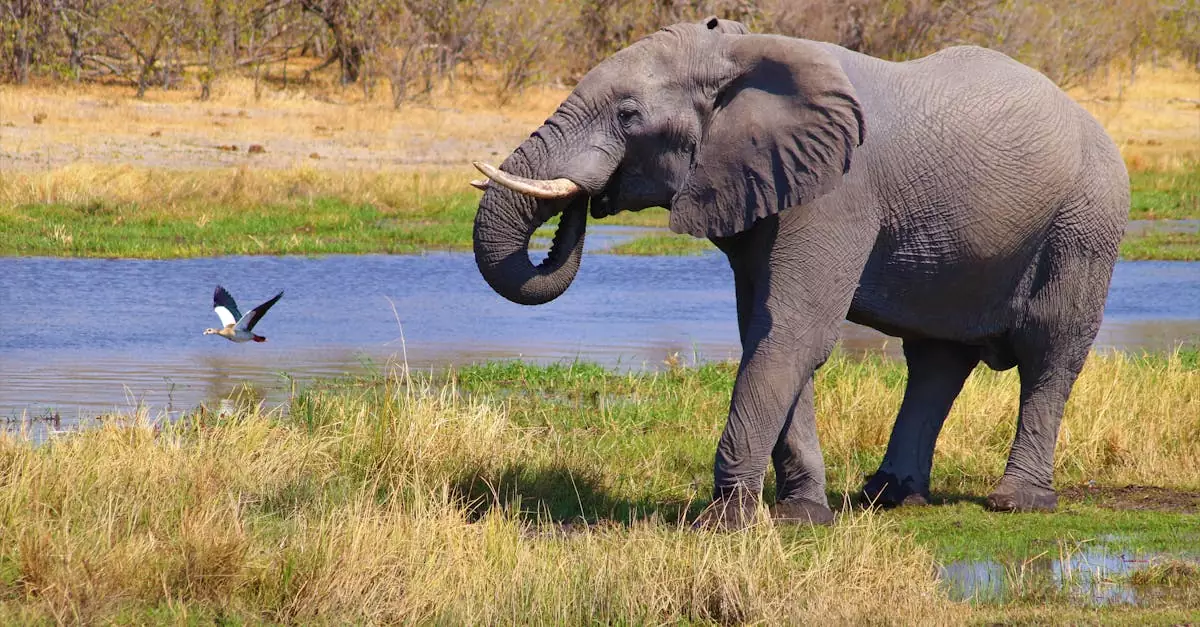
Choosing the right time of year for your Botswana safari is crucial, as it significantly impacts wildlife viewing, weather conditions, and overall cost. Botswana’s seasons are distinct, each offering unique advantages for travelers seeking the best Botswana safari lodges. Understanding these seasonal differences will help you align your expectations with the reality of the African bush.
Peak Season Safari: June to October for Dry-Season Wildlife
The period from June to October represents Botswana’s peak safari season. This is when the country experiences its dry winter months, characterized by clear skies and minimal rainfall. The landscape becomes drier, concentrating wildlife around permanent water sources. This makes for exceptional game viewing, as animals are easier to spot against the sparser vegetation and gather at rivers and waterholes.
During these months, you can expect warm days and cool to chilly nights. Temperatures typically range from 10°C (50°F) to 28°C (82°F). While the days are pleasant for game drives, early mornings and evenings can be quite cold, requiring layers of warm clothing. This is the prime time for spotting large predators like lions and leopards, as well as abundant herds of elephants and buffalo.
Booking your safari lodge during peak season requires advance planning, often six months to a year ahead, especially for the most sought-after Botswana safari lodges. Accommodation prices are generally at their highest during this period due to high demand. However, the unparalleled wildlife viewing opportunities often justify the investment for many travelers.
Green Season Advantages: November to May for Birding and Fewer Crowds
Botswana’s Green Season, running from November to May, coincides with the summer months and the rainy season. This period offers a different, yet equally rewarding, safari experience. While the rains revitalize the landscape, creating lush, green scenery, they also tend to disperse wildlife across a wider area.
This season is particularly renowned for its exceptional birdwatching. Migratory birds arrive, and resident species are often in their most vibrant breeding plumage. The landscape is at its most beautiful, with wildflowers blooming and thunderous afternoon storms providing dramatic skies. Temperatures are warmer, often reaching 30°C (86°F) or higher, with humidity increasing as the rains progress.
The Green Season is also known as the “low season” or “budget season,” meaning you can often find more affordable rates at safari lodges. This makes it an attractive option for travelers looking to experience Botswana’s natural beauty without the peak-season crowds or prices. While game viewing might be more challenging in certain areas due to thicker vegetation, the rewards of a more intimate and cost-effective safari are significant. Many lodges offer special packages during these months.
Shoulder Season Sweet Spots: April, May, and October
The shoulder seasons – April, May, and October – offer a compelling blend of the best aspects of both the dry and wet periods. These months provide a transition, often delivering excellent wildlife viewing with fewer crowds and slightly more moderate prices than the peak dry season.
In April and May, the end of the rainy season means the landscape is still relatively green, but water sources begin to recede, encouraging animals to congregate. The weather is typically pleasant, with warm days and cooler evenings, offering comfortable conditions for game drives. The risk of rain diminishes, and the skies are often clear.
October marks the end of the dry season and the anticipation of the first rains. Wildlife is concentrated around dwindling water sources, making for excellent sightings. Temperatures begin to rise, and the air can be dry and dusty before the storms arrive. These transitional months are often considered a sweet spot for Botswana safaris, balancing good game viewing with more comfortable temperatures and potentially better value for money compared to the absolute peak months.
Seasonal Comparison for Botswana Safaris
To help you decide when to book your trip, consider this comparison of Botswana’s safari seasons:
| Season | Months | Wildlife Viewing | Birding | Crowds | Prices | Weather |
|---|---|---|---|---|---|---|
| Peak | June – October | Excellent | Good | High | Highest | Dry, cool nights, warm days |
| Green | November – May | Good (dispersed) | Exceptional | Low | Lower | Wet, hot, humid, afternoon storms |
| Shoulder | April, May, October | Very Good | Good | Moderate | Moderate | Pleasant transition, diminishing rain |
When planning your visit, remember to book your chosen lodge well in advance, especially if you are targeting the peak season. This ensures availability at the best Botswana safari lodges and allows you to secure your preferred dates and room types. For more information on planning your African adventure, you can consult resources like the African Tourism Board.
Getting to and Around Botswana’s Best Safari Lodges
Reaching Botswana’s premier safari destinations often involves a combination of international flights and smaller charter planes, a common logistical element for accessing remote wilderness areas. Understanding these travel dynamics is key to planning a smooth and enjoyable trip to experience the best Botswana safari lodges.
Flying into Maun (MUB) and Kasane (BBK) Airports
Most international travelers will fly into either Maun Airport (MUB) or Kasane Airport (BBK). Maun serves as the gateway to the Okavango Delta, while Kasane is the primary entry point for the Chobe National Park region. These airports are relatively small but well-equipped to handle the influx of safari-goers. Direct international flights are rare; typically, you’ll connect through a major hub like Johannesburg, South Africa. From these hubs, regional airlines offer regular services to Maun and Kasane. Booking these flights well in advance is crucial, especially during peak safari season, which generally runs from May to October.
Charter Flights: The Most Efficient Way to Reach Remote Lodges
Once you’ve landed at Maun or Kasane, the most efficient way to reach many of the best Botswana safari lodges is via light aircraft charter flights. These small planes, usually carrying between 4 to 12 passengers, hop between airstrips located near the lodges. This mode of transport not only saves significant travel time compared to driving but also offers breathtaking aerial views of the landscape below—a safari experience in itself. Luggage restrictions on these charter flights are strict, typically around 20 kg (44 lbs) per person in a soft-sided bag. Confirming these details with your lodge or charter company is essential before packing. The cost of these charter flights is usually factored into the overall safari package price when booking with a lodge.
Self-Driving Safaris: Routes and Considerations
While not as common for reaching the most exclusive and remote lodges, self-driving is a viable option for exploring certain areas of Botswana, particularly around Chobe National Park. Visitors can rent 4×4 vehicles in Gaborone, Maun, or Kasane. The main roads connecting these towns are generally paved and in good condition. However, venturing into national parks or onto more remote tracks requires a robust 4×4 vehicle and significant preparation.
Key considerations for self-driving include:
- Vehicle Choice: A high-clearance 4×4 is essential for navigating park roads, especially during the wet season (November to April) when some routes can become impassable.
- Navigation: GPS devices or reliable offline maps are highly recommended. Park signage can be sparse.
- Supplies: Carry ample water, food, fuel, and spare tires. Fuel stations are infrequent outside of major towns.
- Safety: Wildlife encounters are common. Always maintain a safe distance from animals and never exit your vehicle in unfenced areas. Be aware of road conditions and potential hazards like sand traps or water crossings.
- Park Fees: Daily entry fees for national parks and reserves will apply.
Self-driving offers flexibility but demands a higher level of self-sufficiency and planning. For many seeking the quintessential experience at the best Botswana safari lodges, especially those deep within the Okavango Delta, charter flights remain the preferred and most practical method of access.
| Airport | Primary Access To | Typical Connections | Notes |
|---|---|---|---|
| Maun (MUB) | Okavango Delta | Johannesburg (JNB) | Main hub for Delta lodges; charter flights depart from here. |
| Kasane (BBK) | Chobe National Park | Johannesburg (JNB) | Gateway to Chobe Riverfront and northern Botswana; close to Victoria Falls. |
Frequently Asked Questions About Botswana Safari Lodges
What is the average cost of a safari lodge in Botswana?
The cost of a Botswana safari lodge varies significantly based on luxury level, location, and inclusions. Generally, expect to pay between $500 and $2,500+ per person per night. This often includes accommodation, all meals, standard drinks, and two safari activities per day (game drives, walking safaris, mokoro excursions). High-end lodges offering exclusive experiences, private plunge pools, and premium beverages will be at the higher end of this spectrum.
For those seeking a more budget-conscious experience, consider visiting during the shoulder seasons (e.g., November to March) or looking for lodges that offer slightly simpler amenities. However, it’s important to note that Botswana is generally a premium safari destination, and very low-cost options are rare.
Are Botswana safari lodges safe for solo travelers?
Yes, Botswana safari lodges are generally very safe for solo travelers. The country has a low crime rate, and safari lodges operate with high security standards. Staff are experienced in hosting guests from all over the world and are trained to ensure guest safety.
Many lodges are fenced, and guides accompany guests on any necessary walks outside of the main lodge areas. During game drives, you are safely within a safari vehicle. Solo travelers often find it easy to connect with other guests at the lodge, sharing stories and experiences around the campfire. Many lodges are accustomed to accommodating solo guests and ensure they feel comfortable and included.
What should I pack for a safari lodge stay in Botswana?
Packing for a Botswana safari lodge focuses on comfort, practicality, and blending in with the environment. Neutral-colored clothing (khaki, beige, olive green) is recommended as bright colors can startle wildlife.
Here’s a breakdown of essentials:
- Clothing:
- Lightweight, long-sleeved shirts and trousers for sun protection and insect repellent.
- T-shirts and shorts for warmer daytime temperatures.
- A warm fleece or jacket for cool early mornings and evenings, especially during winter months (June-August).
- A swimsuit for lodge pools.
- Comfortable walking shoes or hiking boots.
- Sandals or flip-flops for around the lodge.
- Sun Protection:
- Wide-brimmed hat.
- Sunglasses.
- High SPF sunscreen.
- Health & Hygiene:
- Insect repellent with DEET.
- Personal first-aid kit.
- Any personal medications.
- Hand sanitizer.
- Optics & Electronics:
- Binoculars (essential for wildlife viewing).
- Camera with extra batteries and memory cards.
- Power adapter and portable power bank.
- Documents & Money:
- Passport and visa (if required).
- Copies of important documents.
- Some local currency (Botswana Pula) for tips or curio purchases.
Remember to pack light, as luggage space on small bush planes is often limited. Most lodges offer laundry services, so you don’t need to pack an outfit for every day.