Embarking on a safari to witness the big five of Africa is a dream for many, offering an unparalleled opportunity to connect with the continent’s most iconic wildlife. These magnificent creatures—the lion, leopard, elephant, rhinoceros, and buffalo—represent the pinnacle of a wild African experience. This guide aims to demystify the quest for these animals, equipping you with essential knowledge to plan your adventure. You’ll discover the best national parks and reserves for sightings, learn about the optimal times of year for wildlife viewing, and gain insights into crafting an itinerary that balances thrilling game drives with unforgettable moments. Prepare to explore the wild heart of Africa and learn what it takes to find its most celebrated inhabitants.
What Exactly Are the Big Five of Africa?
The term “Big Five” originated from early 20th-century big-game hunters who considered these five animals the most challenging and dangerous to hunt on foot. Today, the term has been embraced by the safari tourism industry, symbolizing the ultimate wildlife-viewing experience. Spotting these magnificent creatures in their natural habitat is a highlight for many travelers to Africa. While the name remains, the modern focus is on respectful observation and conservation.
Lion: The King of the Savannah
The lion, often referred to as the “king of the savannah,” embodies power and majesty. These social cats live in prides, typically consisting of related females, their offspring, and a few adult males. Observing a pride interacting—whether a lioness hunting or cubs playing—is an unforgettable safari moment. Their tawny coats provide excellent camouflage against the dry grasses and acacia trees of the African plains.
While lions inhabit various environments, they are most commonly sighted in open woodlands, grasslands, and savannas. National parks like the Serengeti in Tanzania and Kruger National Park in South Africa are renowned for their healthy lion populations. Dawn and dusk are prime viewing times, as lions are most active during these cooler parts of the day.
Leopard: The Elusive Night Hunter
The leopard is perhaps the most elusive of the Big Five, known for its incredible stealth and solitary nature. These powerful predators master camouflage, their spotted coats blending seamlessly with dappled light and shadow. Leopards are primarily nocturnal, making them challenging to spot, and often drag their kills into trees to keep them safe from scavengers.
To increase your chances of seeing a leopard, visit areas with dense vegetation and a good prey base. Parks such as the Sabi Sands Game Reserve in South Africa, adjacent to Kruger, are famous for their leopard sightings due to the reserve’s specific management and habituated animals. Patience is key, and experienced guides are invaluable in locating these secretive cats.
African Elephant: Gentle Giants of the Bush
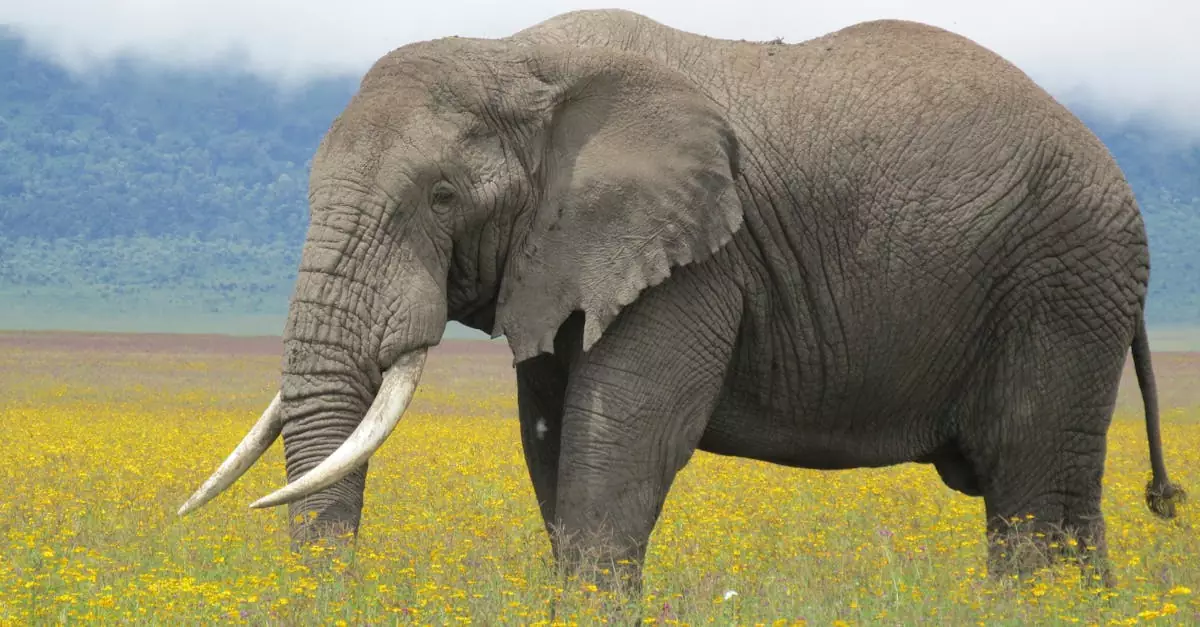
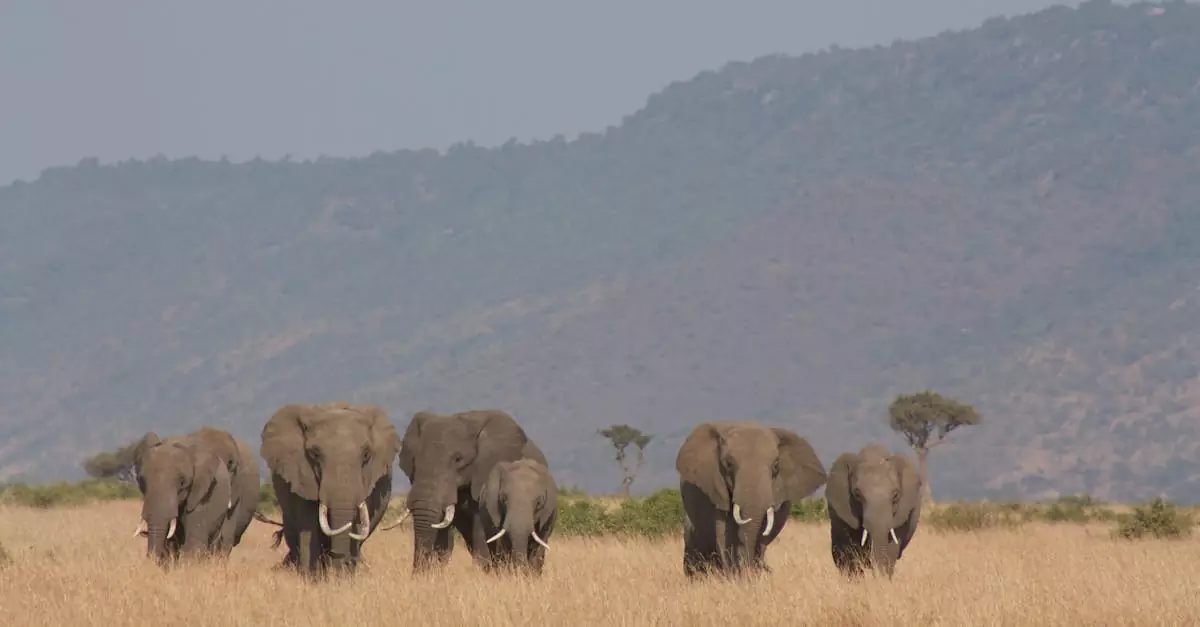
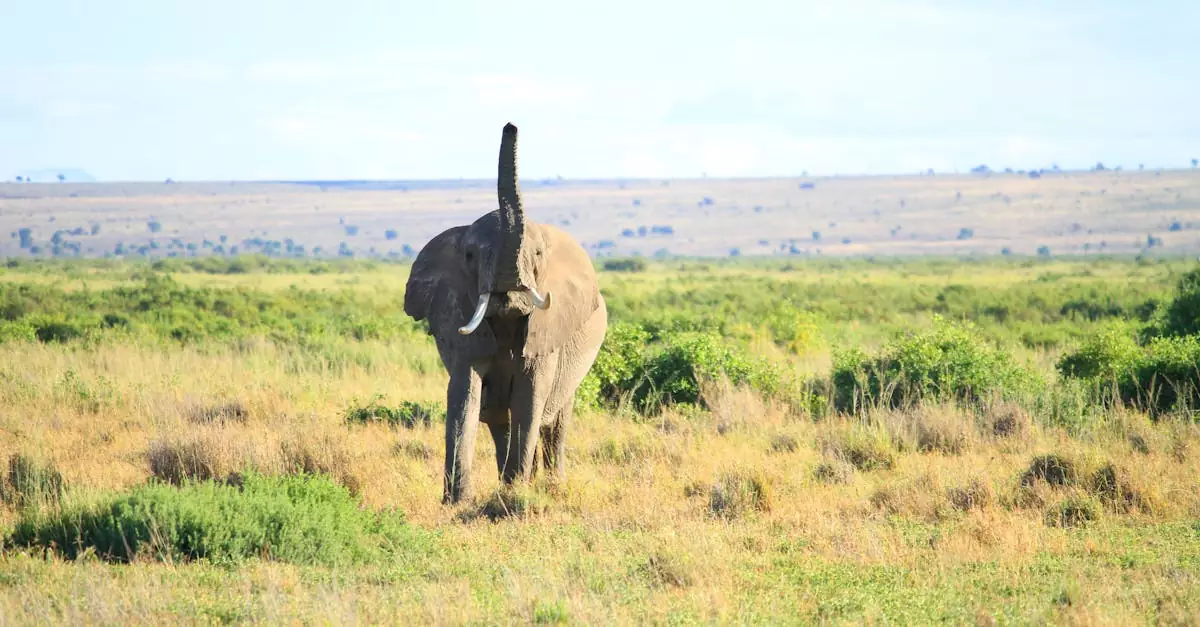
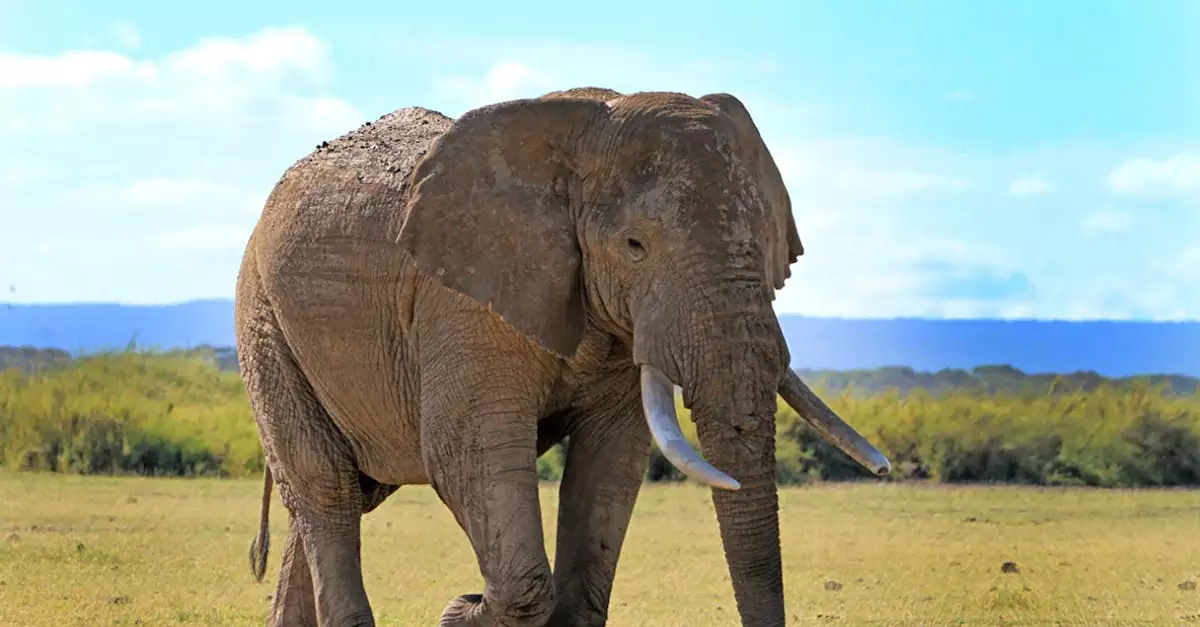
The African elephant is the largest land mammal and an iconic presence on the African savanna. Known for their intelligence, strong family bonds, and gentle demeanor, these herbivores play a crucial role in shaping their environment. Herds are matriarchal, led by the oldest and largest female. Witnessing a herd, especially with calves, is a truly awe-inspiring experience.
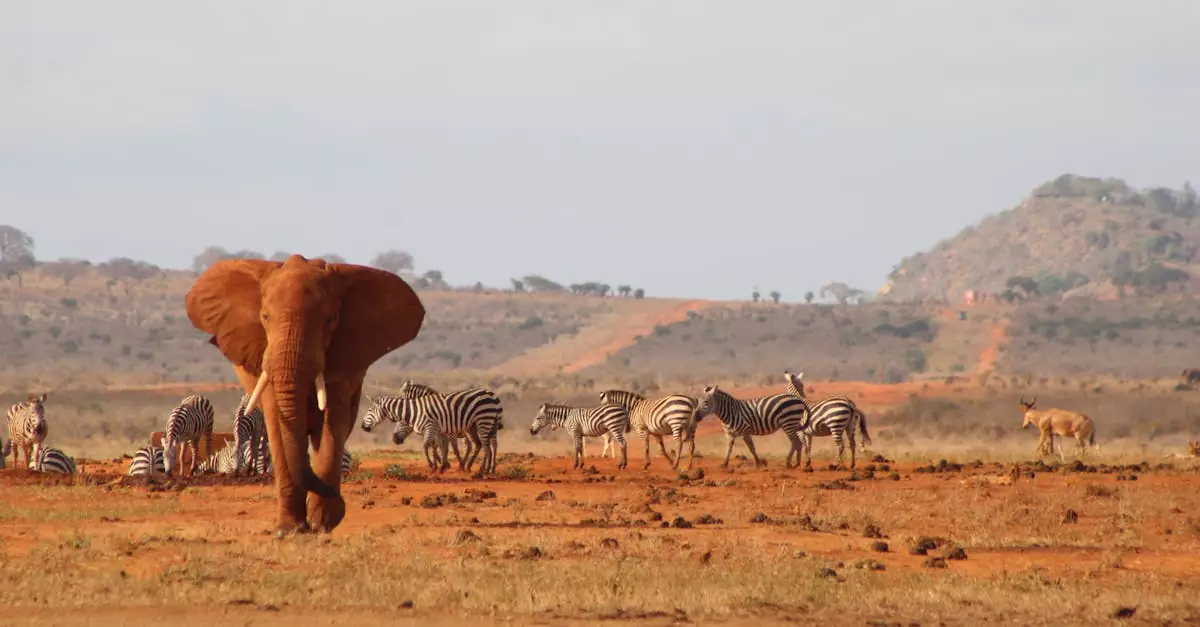
Elephants inhabit a wide range of environments, from savannas and forests to deserts. Botswana’s Chobe National Park is famous for its massive elephant population, particularly along the Chobe River. Kenya’s Amboseli National Park offers stunning views of elephants against the backdrop of Mount Kilimanjaro. They are often seen at waterholes, especially during the dry season.
Rhinoceros: The Critically Endangered Survivor (Black & White)
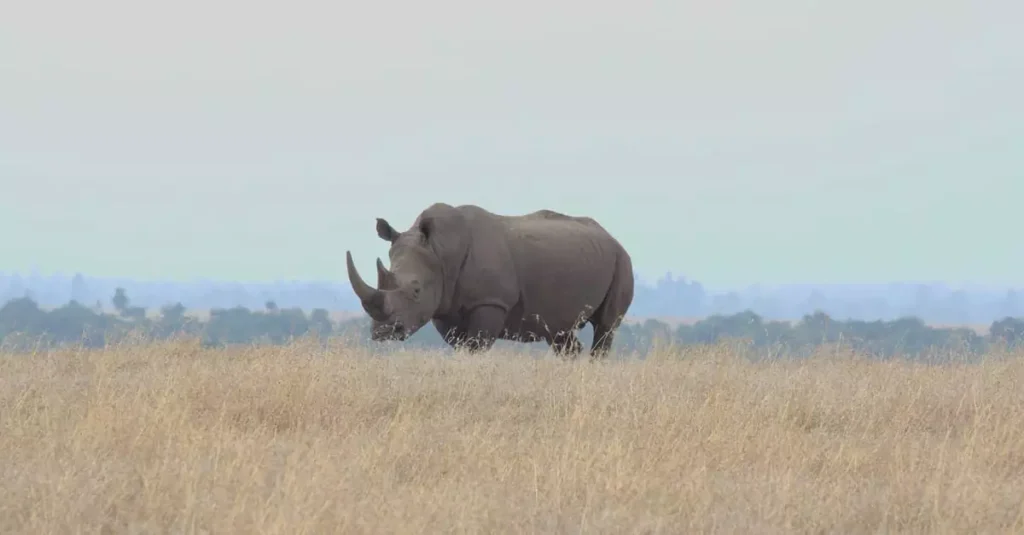
Both the black and white rhinoceros species are critically endangered, making sightings of these ancient creatures particularly poignant. The white rhino is the larger of the two, with a distinctive wide mouth for grazing, while the black rhino has a more pointed upper lip for browsing on leaves and twigs. Poaching remains a significant threat to their survival.
Conservation efforts have led to increased populations in specific protected areas. South Africa’s Addo Elephant National Park and Hluhluwe-iMfolozi Park are vital strongholds for white rhinos. Black rhinos are rarer but can be found in select reserves like Lewa Wildlife Conservancy in Kenya. Tracking rhinos often requires dedicated safaris in areas where conservation is a top priority.
Cape Buffalo: The Formidable Herd Animal
The Cape buffalo is the most dangerous of the Big Five, known for its unpredictable nature and formidable horns. These powerful bovines are often seen in large herds, grazing in grasslands and savannas. While they may appear placid, a wounded or threatened buffalo can be extremely aggressive. They are a common sight in many East and Southern African parks.
Kruger National Park in South Africa and the Masai Mara in Kenya offer excellent opportunities to observe Cape buffalo. They are often found near water sources and significantly impact the ecosystem, influencing vegetation patterns. Observing a large herd moving across the plains is a powerful reminder of the wild nature of Africa.
Best National Parks for Big Five Safaris
Africa’s most iconic wildlife, often referred to as the “big five of Africa,” includes the lion, leopard, elephant, rhino, and buffalo. While sightings are never guaranteed, certain national parks and reserves offer the highest probability of encountering these magnificent creatures. Choosing the right location depends on your priorities, whether that’s accessibility, sheer wildlife density, or a specific landscape.
Serengeti National Park, Tanzania: Witness the Great Migration
The Serengeti is synonymous with vast savannas and unparalleled wildlife drama. It’s most famous for the Great Migration, a spectacular annual movement of over a million wildebeest and zebras. This event, typically occurring from July to October in the western and northern Serengeti, attracts large numbers of predators. Lions are abundant, often seen resting in prides or on the hunt. Leopards are more elusive but can be found in trees along riverbanks. Elephants are present, though often seen in smaller family groups compared to other parks. Buffalo herds are also a common sight.
When to Go:
- June-October: Best for witnessing the Great Migration, especially river crossings in the western Serengeti. Dry season makes wildlife easier to spot.
- January-March: Calving season in the southern Serengeti attracts predators.
Getting There: Fly into Kilimanjaro International Airport (JRO) and take a domestic flight to one of the Serengeti’s airstrips. Road access is possible but time-consuming.
Accommodation: Options range from luxury tented camps and lodges within the park to budget-friendly choices outside its boundaries.
Kruger National Park, South Africa: Accessible Big Five Encounters
Kruger National Park is one of Africa’s largest and most accessible wildlife reserves, making it a top choice for first-time safari-goers. Its well-maintained road network allows for self-drive safaris, offering flexibility and a more intimate wildlife experience. The park boasts a high density of lions, elephants, and buffalo. Leopards are also present, often seen at night or in the central and western regions. Rhinos, both black and white, are found here, though sightings can be more challenging, especially for the critically endangered black rhino.
When to Go:
- May-September (Dry Season): Vegetation thins, and water sources become scarce, concentrating animals and making them easier to spot.
Getting There: Fly into Johannesburg (JNB) and drive (approx. 5-6 hours) or take a domestic flight to one of Kruger’s nearby airports like Hoedspruit (HDS) or Kruger Mpumalanga International Airport (MQP).
Accommodation: A wide spectrum from rustic self-catering camps and basic bungalows to luxurious private lodges bordering the park.
Maasai Mara National Reserve, Kenya: Iconic Wildlife Spectacles
The Maasai Mara is a quintessential African safari destination, renowned for its stunning landscapes and abundant wildlife. It’s particularly famous for its large lion populations and the dramatic wildebeest migration that arrives from the Serengeti between July and October. Leopard sightings are good, especially in the riverine areas. Elephants are plentiful, and large herds of buffalo are common. The Mara is also a good place to spot cheetahs on the open plains. Rhinos are present but are rarer and more challenging to find.
When to Go:
- July-October: Peak season for the Great Migration, offering incredible predator-action viewing.
- January-March: Dry season, with good game viewing as animals congregate around waterholes.
Getting There: Fly into Nairobi (NBO) and take a domestic flight to one of the Mara’s airstrips, or embark on a scenic road trip (approx. 5-6 hours).
Accommodation: Options include luxury tented camps, lodges, and rustic campsites, many situated along the Mara River or overlooking the plains.
Hwange National Park, Zimbabwe: A Haven for Elephants and Buffalo
Hwange National Park is Zimbabwe’s largest wildlife park and a true gem for those seeking authentic safari experiences away from the biggest crowds. It is particularly renowned for its enormous elephant herds, especially during the dry season when they congregate at the park’s pumped waterholes. Buffalo are also present in vast numbers, often forming impressive mixed herds with elephants. Lions are a major draw, and Hwange is considered one of the best places in Africa for leopard sightings due to its diverse habitats, including rocky outcrops and mopane woodlands. While rhinos are present, they are more elusive.
When to Go:
- July-October (Dry Season): Animals are concentrated around waterholes, making game viewing exceptionally rewarding. This is the prime time for spotting the Big Five.
- November-April (Wet Season): The landscape becomes lush, and migratory birds arrive, but animals tend to disperse.
Getting There: Fly into Victoria Falls (VFA) and then arrange a road transfer (approx. 2-3 hours) to Hwange. Alternatively, fly into Bulawayo (BUQ) and transfer by road.
Accommodation: Includes a range of safari lodges and tented camps, some offering guided walks and night drives, enhancing the chances of spotting elusive animals like leopards.
When is the Best Time to See the Big Five?
Choosing the right time to visit Africa for a safari significantly impacts your chances of spotting the iconic Big Five: lion, leopard, elephant, rhino, and buffalo. While these magnificent animals can be seen year-round, certain seasons offer distinct advantages for wildlife viewing. Understanding these seasonal shifts will help you plan a rewarding expedition.
Dry Season Advantages for Wildlife Viewing
The dry season, typically from June to October across much of East and Southern Africa, is widely regarded as the prime time for game viewing. As water sources dwindle, animals congregate around remaining rivers and waterholes, making them more visible and predictable. The thinning vegetation further improves sightlines.
This period also coincides with cooler temperatures, making daytime game drives more comfortable. Fewer insects, particularly mosquitoes, can also be a welcome relief. Lodges and safari operators often report higher occupancy rates during these months, so booking well in advance is crucial.
Wet Season: Lush Landscapes and Newborn Animals
Conversely, the wet season (roughly November to May, though timing varies by region) transforms the landscape into a vibrant, green spectacle. While this lushness can sometimes make spotting animals more challenging due to thicker vegetation, it brings unique rewards. Many species give birth during this time, offering incredible opportunities to see vulnerable newborns with their mothers.
Birdwatching enthusiasts will find the wet season particularly rewarding, as migratory birds arrive, and resident birds are in their breeding plumage. The dramatic African thunderstorms, while intense, provide spectacular photographic opportunities and can be a memorable part of the safari experience. Prices for safaris may also be lower during the wet season, offering a more budget-friendly option.
Seasonal Migration Patterns and Their Impact
Africa is renowned for its spectacular animal migrations, most famously the Great Migration of wildebeest and zebras across the Serengeti and Maasai Mara ecosystems. These movements are heavily influenced by seasonal rainfall patterns and are a major draw for visitors.
The timing of the Great Migration varies, but generally, the herds are in the northern Serengeti or Maasai Mara from July to October, often crossing the Mara River. Understanding these migratory patterns is key to positioning yourself for the best possible sightings. Beyond the Great Migration, numerous smaller, less publicized migrations occur across the continent, driven by the search for water and fresh grazing. Consulting with safari experts or local guides can provide invaluable insights into these movements for your specific travel dates.
Planning Your Big Five Safari Itinerary
Structuring your safari to see Africa’s iconic wildlife requires careful consideration of time, location, and your personal interests. Whether you have a week or two, or wish to blend wildlife viewing with cultural immersion, a well-planned itinerary maximizes your chances of encountering the big five of Africa and experiencing the continent’s diverse landscapes.
Crafting a 7-Day Southern Africa Safari
A week-long safari in Southern Africa, particularly in South Africa or Botswana, offers a concentrated yet rewarding wildlife experience. These regions are known for their accessibility and well-established infrastructure, making them excellent choices for first-time safari-goers. South Africa’s Kruger National Park is a prime destination, offering a vast area with high densities of wildlife, including all of the big five: lion, leopard, elephant, rhino, and buffalo.
For a 7-day trip, consider splitting your time between two distinct areas within Kruger or combining it with a private game reserve bordering the park. Private reserves often provide a more exclusive experience with off-road driving and night drives, increasing your chances of sightings. Botswana’s Chobe National Park is another strong contender, famous for its massive elephant herds and diverse birdlife, and can be combined with a few days in the Okavango Delta for a water-based safari element.
Sample 7-Day Southern Africa Itinerary:
| Day | Location | Focus | Accommodation Type |
|---|---|---|---|
| 1-3 | Greater Kruger National Park (South Africa) | Lion, Leopard, Rhino | Safari Lodge / Rest Camp |
| 4-5 | Sabi Sand Game Reserve (South Africa) | Leopard, Cheetah, Big Cats | Luxury Tented Camp |
| 6-7 | Mabula Game Reserve (South Africa) | Elephant, Buffalo, General Game | Family-Friendly Lodge |
Transportation within this region typically involves flying into a major airport like Johannesburg (JNB) and then taking a smaller charter flight or a pre-booked shuttle to your lodge. Self-driving is also an option in Kruger, but hiring a guide enhances wildlife spotting. Budget-wise, Southern Africa can range from moderately affordable (self-catering in Kruger) to very expensive (luxury lodges in private reserves).
Designing a 10-Day East Africa Wildlife Adventure
East Africa, encompassing countries like Kenya and Tanzania, presents a classic safari experience, particularly renowned for its vast savannas and dramatic wildlife migrations. A 10-day itinerary allows for a more in-depth exploration of multiple parks, increasing your odds of witnessing diverse ecosystems and iconic species. The Serengeti National Park in Tanzania and the Masai Mara National Reserve in Kenya are world-famous for the Great Migration, where millions of wildebeest, zebras, and other herbivores traverse the plains.
A 10-day trip could include visits to the Ngorongoro Conservation Area in Tanzania, a UNESCO World Heritage site with a high concentration of animals within its caldera, and perhaps Lake Manyara National Park, known for its tree-climbing lions. In Kenya, beyond the Masai Mara, consider adding Samburu National Reserve for its unique northern species or Amboseli National Park for its large elephant herds with Mount Kilimanjaro as a backdrop.
East Africa Safari Highlights:
- Serengeti & Masai Mara: Witness the Great Migration (timing dependent).
- Ngorongoro Crater: High density of wildlife in a unique volcanic caldera.
- Amboseli: Iconic views of elephants against Kilimanjaro.
- Samburu: Unique species like the Reticulated Giraffe and Grevy’s Zebra.
Transportation in East Africa often involves a combination of light aircraft flights between parks and 4×4 safari vehicles for game drives. While some lodges are accessible by road, flying saves significant travel time. This region generally caters to a mid-range to luxury budget, especially when utilizing internal flights and higher-end accommodations. For more information on regional travel, consult the African Tourism Board.
Balancing Game Drives with Cultural Experiences
While the primary draw for many travelers is encountering the big five of Africa, a truly enriching safari experience often includes engaging with local cultures and communities. Many safari operators now offer opportunities to visit Maasai villages, interact with local artisans, or learn about conservation efforts firsthand. This can add a profound dimension to your trip, providing insights into the human history and contemporary life of the regions you visit.
When planning your itinerary, look for lodges or tour packages that integrate these cultural elements. For instance, in Kenya, a visit to a Maasai village near the Masai Mara can offer a glimpse into their traditional way of life. In Tanzania, understanding the relationship between the Maasai people and the wildlife in areas like the Ngorongoro Conservation Area provides valuable context.
Consider allocating a half-day or full day for such activities, ensuring they are conducted respectfully and benefit the community. This might involve a guided village tour, a demonstration of traditional crafts, or a cultural performance. Research the ethical implications of such visits and choose operators who prioritize authentic and responsible engagement. Balancing your safari with these experiences ensures a more holistic understanding of the African continent, far beyond just its remarkable wildlife.
Essential Safari Packing List for Big Five Encounters
Preparing for a safari to see Africa’s iconic Big Five involves more than just booking flights and accommodation. The right gear can significantly enhance your comfort, safety, and overall experience. Consider the diverse climates and activities involved, from early morning game drives to relaxed evenings.
Clothing: Layers for Changing Weather
Safari weather can be unpredictable, with cool mornings and evenings giving way to warm, sunny afternoons. Packing versatile, layered clothing is key. Opt for neutral colors like khaki, olive green, or brown; bright colors can startle wildlife, and white can easily get dirty.
- Base Layers: Lightweight, breathable shirts (long-sleeved for sun and insect protection) and comfortable trousers are essential.
- Mid Layers: A fleece jacket or warm sweater is crucial for chilly mornings and evenings, especially during the drier winter months.
- Outerwear: A lightweight, waterproof and windproof jacket protects against unexpected rain showers or strong winds.
Avoid dark colors like black or navy blue, as they can attract tsetse flies in certain regions of sub-Saharan Africa. Consider packing at least two pairs of comfortable trousers and several shirts to rotate.
Footwear: Comfortable and Practical
Your feet will thank you for choosing wisely. You’ll likely spend time on uneven terrain, dusty tracks, and potentially walking around your lodge or camp.
- Walking Shoes/Hiking Boots: A sturdy, broken-in pair of hiking boots or comfortable walking shoes with good ankle support is recommended, especially if your itinerary includes guided bush walks.
- Sandals/Flip-Flops: For relaxing at the lodge or short walks around camp, a pair of comfortable sandals or flip-flops is useful.
Ensure your footwear is breathable and provides good traction. You won’t need heavy-duty mountaineering boots, but something more substantial than casual sneakers will be beneficial for most safari activities.
Photography Gear: Capturing Unforgettable Moments
Witnessing the Big Five is a once-in-a-lifetime opportunity, and you’ll want to capture it. Investing in good photography gear can significantly enhance the quality of your shots.
- Camera Body and Lenses: A DSLR or mirrorless camera with a telephoto lens (e.g., 70-300mm or longer) is ideal for wildlife photography, allowing you to zoom in on distant animals. A wider lens can be useful for landscapes and larger groups of animals.
- Memory Cards and Batteries: Bring plenty of high-capacity memory cards and extra batteries, as charging opportunities can be limited.
- Tripod or Monopod: For stability, especially in low light or when using long lenses, a tripod or monopod can be invaluable.
- Cleaning Kit: Dust is prevalent on safaris, so a lens cloth and cleaning kit are essential to keep your gear in top condition.
Consider bringing a waterproof camera bag or dry bag to protect your equipment from dust and moisture. Many travelers also find a point-and-shoot camera or a good smartphone camera useful for quick snaps.
Health and Safety Essentials
Your well-being is paramount. Being prepared with essential health and safety items ensures a worry-free adventure.
- Insect Repellent: High-DEET content repellent is crucial to protect against mosquitoes and other biting insects, especially during dawn and dusk.
- Sun Protection: A wide-brimmed hat, sunglasses, and high-SPF sunscreen are vital due to the strong equatorial sun.
- First-Aid Kit: A basic kit including bandages, antiseptic wipes, pain relievers, motion sickness medication, and any personal prescriptions is recommended.
- Hand Sanitizer: Useful for maintaining hygiene, particularly before meals when facilities may not be readily available.
- Malaria Precautions: Consult your doctor about malaria prevention medication and vaccinations well in advance of your trip.
Always follow your safari guide’s advice regarding safety protocols. They are experienced professionals who understand the local environment and wildlife behavior. Staying hydrated is also crucial; carry a reusable water bottle and drink plenty of water throughout the day.
Frequently Asked Questions About Africa’s Big Five
What is the easiest Big Five animal to spot?
The easiest of the big five of Africa to spot is generally the lion. Lions often rest in prides during the heat of the day, making them visible near shaded areas or waterholes. Their distinctive roars can also help guides locate them.
Are Big Five safaris safe for tourists?
Big Five safaris are generally very safe when undertaken with reputable tour operators and experienced guides. These professionals are trained to maintain a safe distance from wildlife and understand animal behavior. Always follow your guide’s instructions and stay within your vehicle. Adhering to park rules and regulations is paramount for a secure safari experience.
What is the average cost of a Big Five safari?
The average cost of a Big Five safari can vary significantly, but expect to budget anywhere from $300 to $1,000+ per person per day. This price typically includes accommodation, meals, park fees, and game drives. The final cost depends on the level of luxury, the specific parks visited, and the duration of your trip.
Here’s a general breakdown of potential daily costs:
| Accommodation Type | Estimated Daily Cost per Person | Inclusions |
|---|---|---|
| Budget Tented Camp | $250 – $400 | Basic lodging, meals, shared game drives |
| Mid-Range Lodge | $400 – $700 | Comfortable rooms, all meals, private drives |
| Luxury Safari Lodge | $700 – $1,000+ | High-end suites, gourmet meals, exclusive drives |
These figures do not include international flights or personal expenses.
Can you see the Big Five outside of national parks?
While national parks and private reserves are the primary locations for spotting the big five of Africa, sightings can occasionally occur in areas bordering these protected zones. However, these encounters are less predictable and potentially less safe due to the animals being outside their managed habitats. Sticking to designated wildlife areas offers the most reliable and secure opportunities to see these magnificent animals. Many private concessions adjacent to national parks, such as those in Kenya and Tanzania, offer excellent opportunities for viewing the big five.