Capturing the perfect wildlife photograph is a dream for many, and selecting the right location is essential for making that dream a reality. The best safari photography destinations offer not only high animal densities but also diverse landscapes and unique opportunities that can enhance your portfolio. Whether you aim to photograph iconic big cats, vibrant birdlife, or the dramatic spectacle of the Great Migration, knowing where to go and when is crucial.
This guide will explore top safari spots celebrated for their photographic potential. You’ll learn which parks are havens for specific species, discover the unique advantages of different seasons, and understand why certain reserves are renowned for their exclusivity and photographic focus. Get ready to uncover premier locations that promise unforgettable encounters and breathtaking shots, allowing you to capture the wild heart of Africa through your lens.
Top 5 Safari Photography Destinations for Big Cat Encounters
Capturing the raw beauty and power of Africa’s big cats is a goal for many wildlife photographers. While lions, leopards, and cheetahs can be elusive, certain destinations provide significantly higher chances for remarkable sightings and photographic opportunities. These locations not only boast incredible wildlife density but also landscapes that enhance your portfolio.
Serengeti National Park, Tanzania: The Great Migration’s Photographic Goldmine
The Serengeti is arguably the most famous wildlife park in the world, and for good reason. Its vast, open plains are the backdrop for the Great Migration, an annual event where over a million wildebeest, zebras, and gazelles traverse the landscape in search of fresh grazing. This massive movement attracts an abundance of predators, making it a prime location for photographing lions and cheetahs in action.
Photographers should time their visit to coincide with key migration phases. The river crossings, particularly at the Grumeti and Mara rivers, offer dramatic photographic moments as animals navigate the waters, often with crocodiles lurking below. While the migration dominates, resident lion prides are abundant year-round, often found resting under acacia trees or hunting in the grasslands. Early morning and late afternoon light provide the best conditions for stunning shots.
- Best time for migration: June-July (river crossings), August-October (northern Serengeti).
- Key species: Lions, cheetahs, leopards, wildebeest, zebras.
- Accommodation: Ranges from luxury tented camps to budget-friendly lodges.
Maasai Mara National Reserve, Kenya: Iconic Lion and Cheetah Photography
Adjacent to the Serengeti, the Maasai Mara offers a similar yet distinct photographic experience. It is renowned for its high concentration of big cats, particularly lions and cheetahs. The open savanna landscape, dotted with acacia trees and rocky outcrops (kopjes), provides natural perches and hunting grounds, often bringing predators within easy view of photographers.
The Mara is particularly famous for its resident lion prides, which are habituated to vehicles, offering excellent opportunities for close-up shots. Cheetahs are frequently spotted hunting on the open plains, their speed and grace making for dynamic images. Leopard sightings can be more challenging but rewarding, often found in the riverine forests. Like the Serengeti, the Mara experiences a continuation of the Great Migration, with large herds arriving from July to October.
- Best time for migration: July-October.
- Key species: Lions, cheetahs, leopards, elephants, giraffes.
- Logistics: Access is typically via light aircraft flights from Nairobi to various airstrips within the reserve.
Kruger National Park, South Africa: Diverse Wildlife and Accessible Photography
Kruger National Park stands out for its accessibility and the sheer diversity of its wildlife, making it one of the best safari photography destinations for a wide range of subjects, including big cats. The park features a well-developed road network, allowing for self-drive safaris and easy access to different habitats. This accessibility means you can often focus more on photography than navigating challenging terrain.
Lions are commonly seen, especially in the central and southern regions. Leopards are more elusive but frequently sighted along riverbanks and in denser bush, particularly in northern areas like the Lethaba region. Cheetahs are prevalent in the open grasslands of the southern and western parts. Beyond big cats, Kruger offers exceptional opportunities to photograph elephants, rhinos, buffalo, and a vast array of birdlife, providing a comprehensive photographic experience.
| Region | Big Cat Likelihood | Scenery | Accessibility |
|---|---|---|---|
| Southern Kruger | High (Lion) | Open savanna | Excellent |
| Central Kruger | High (Lion) | Bushveld, riverine | Good |
| Northern Kruger | Moderate (Leopard) | Denser bush, mountains | Fair |
- Best time for sightings: Dry season (May to October) when vegetation is thinner and animals congregate around water sources.
- Accommodation: A wide range, from self-catering rest camps to private luxury lodges.
Okavango Delta, Botswana: Unique Water-Based Photography Opportunities
The Okavango Delta offers a truly unique photographic environment. As Africa’s largest inland delta, it transforms the landscape into a labyrinth of channels, lagoons, and islands, particularly during the flood season. This aquatic setting creates distinct photographic opportunities, especially for capturing wildlife in and around water.
While big cats are present, sightings can be more challenging due to dense vegetation and the need for specialized vehicles or boats. However, the delta is renowned for its large elephant populations, hippos, crocodiles, and incredible birdlife. Photographers can capture lions swimming across channels or leopards perched in trees along the riverbanks. Mokoro (dugout canoe) excursions offer a low-profile way to approach wildlife, providing intimate and unusual perspectives.
- Best time for photography: Dry season (June to October) when water levels are high, concentrating wildlife.
- Key species: Lions, leopards, elephants, hippos, crocodiles, abundant birdlife.
- Getting around: Primarily by small aircraft to remote camps; water-based activities are common.
South Luangwa National Park, Zambia: Leopard Hotspots for Photographers
South Luangwa is often hailed as one of the best places in Africa for leopard sightings, making it a must-visit for photographers targeting this magnificent and often shy cat. The park’s diverse habitats, including riverine woodlands, open grasslands, and dry forests, provide excellent cover and hunting grounds for leopards. Night drives, permitted in South Luangwa, significantly increase the chances of encountering these nocturnal predators.
Beyond leopards, South Luangwa is home to robust populations of lions, wild dogs, and various other mammals. The Luangwa River itself is a focal point, attracting large numbers of hippos and crocodiles, providing a backdrop for dramatic wildlife interactions. The park’s commitment to walking safaris also offers a more immersive and intimate photographic experience, allowing for unique ground-level perspectives. For dedicated leopard encounters, this park is unparalleled.
- Best time for sightings: Dry season (June to October).
- Key species: Leopards, lions, wild dogs, elephants, hippos.
- Unique experience: Famous for its walking safaris and night drives.
Capturing Birdlife: Premier Safari Destinations for Ornithological Photography
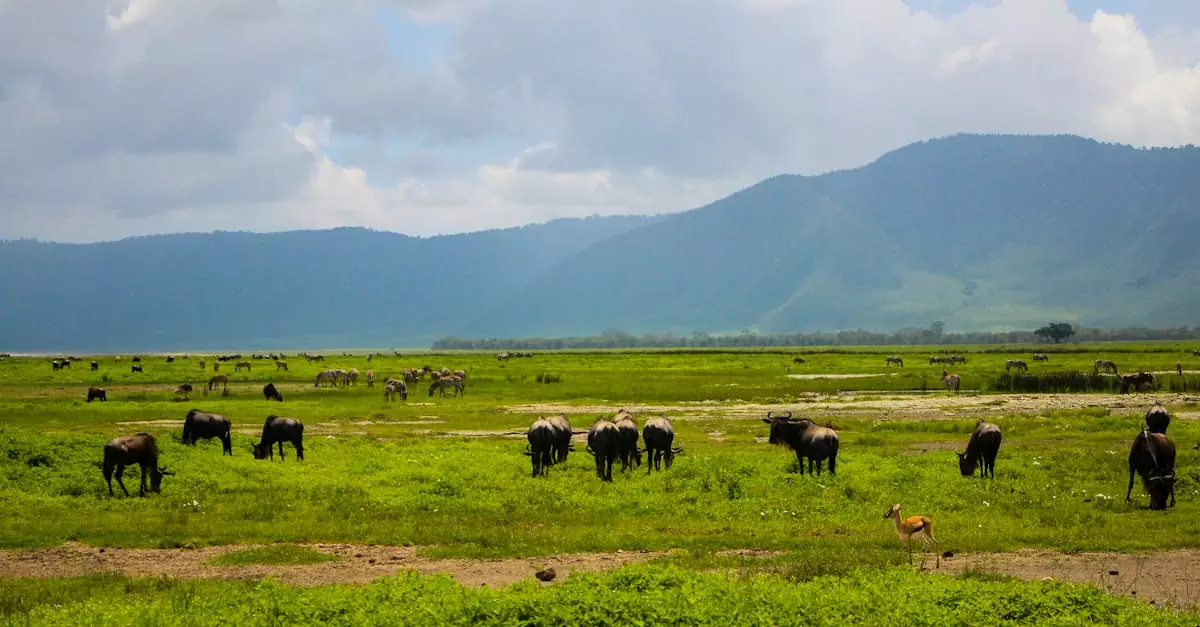
For photographers drawn to the vibrant world of avian life, certain safari destinations offer unparalleled opportunities to capture stunning bird photographs. These locations are renowned for their diverse bird populations, accessible viewing points, and unique spectacles that attract countless species. Focusing on these areas can elevate a wildlife photography trip from good to extraordinary, providing photographers with a wealth of subjects.
Chobe National Park, Botswana: Elephant Herds and Bird Spectacles
Chobe National Park in northern Botswana is a photographer’s paradise, particularly for those interested in birdlife. While famous for its immense elephant herds, the park’s diverse habitats—ranging from the Chobe Riverfront to the Savuti Marsh—support an astonishing array of bird species. Photographers can expect to see everything from majestic raptors like the African Fish Eagle to a dazzling variety of waterbirds and savanna species.
The primary draw for bird photographers is often the Chobe River itself. Boat safaris offer a unique perspective, allowing close encounters with kingfishers, bee-eaters, herons, and egrets fishing along the banks. The sheer numbers of waterbirds, especially during the wet season (November to April), create dynamic photographic opportunities. It’s also common to see large flocks of queleas, creating mesmerizing aerial displays.
Logistics and Timing:
- Best Time: The dry season (May to October) concentrates wildlife, including birds, around permanent water sources. However, the wet season brings migratory birds and lush landscapes, ideal for colorful backdrops.
- Getting There: Flights typically arrive at Kasane Airport (BBK), with transfers to lodges and safari operators.
- Photography Tips: Early morning and late afternoon light are optimal. A telephoto lens is recommended for distant birds, while a wider lens works well for landscape shots with avian subjects.
Lake Nakuru National Park, Kenya: Flamingos and Diverse Avian Species
Lake Nakuru National Park, located in the Great Rift Valley of Kenya, is iconic for its vast flocks of Lesser and Greater Flamingos. At times, the lake’s shores become a breathtaking spectacle of pink, as millions of these birds gather to feed on algae. While the flamingo population can fluctuate due to water levels and food availability, the park remains a top destination for bird photography year-round.
Beyond the flamingos, Lake Nakuru boasts over 450 bird species. Photographers can also capture images of pelicans, cormorants, various storks, and numerous endemic species. The park’s diverse landscape, including acacia woodlands and rocky cliffs, provides varied backdrops for bird portraits and action shots. It’s also an excellent place to spot rhinos and Rothschild’s giraffes, adding to the photographic variety.
Traveler Insights:
- Water Levels: The flamingo numbers can vary significantly. It’s wise to check recent sightings and conditions before booking, especially if flamingos are your primary focus.
- Accessibility: The park is easily accessible from Nairobi, making it a popular addition to a broader Kenyan safari itinerary.
- Accommodation: Options range from lodges within the park to guesthouses and hotels in the nearby town of Nakuru.
Hwange National Park, Zimbabwe: Waterholes Attracting a Variety of Birds
Hwange National Park, Zimbabwe’s largest game reserve, is a haven for birdlife, particularly during the dry season when its numerous waterholes become crucial gathering points. These strategically located water sources attract not only large mammals but also a remarkable diversity of bird species, offering photographers consistent viewing opportunities.
Hwange is home to over 400 bird species, including several rare and endangered ones. Photographers can capture images of raptors like the Bateleur eagle and martial eagle, as well as ground-dwelling birds like the Kori bustard and various sandgrouse. The park’s open woodlands and vast grasslands provide excellent vantage points for observing and photographing birds in their natural habitat.
Photography Opportunities:
- Waterhole Photography: Spending time at well-known waterholes, such as Main Camp or Masuma Dam, can yield spectacular shots of birds coming to drink and bathe.
- Seasonal Variations: While the dry season (May to October) is best for concentrated birdlife at waterholes, the wet season (November to April) brings migratory birds and a more vibrant, green landscape.
- Park Entry: Hwange is accessible via Victoria Falls, making it a logical extension for those visiting the falls.
These destinations provide exceptional environments for photographers keen on capturing the beauty and diversity of African birdlife, offering unique photographic challenges and rewards.
Beyond the Big Five: Lesser-Known Safari Photography Gems
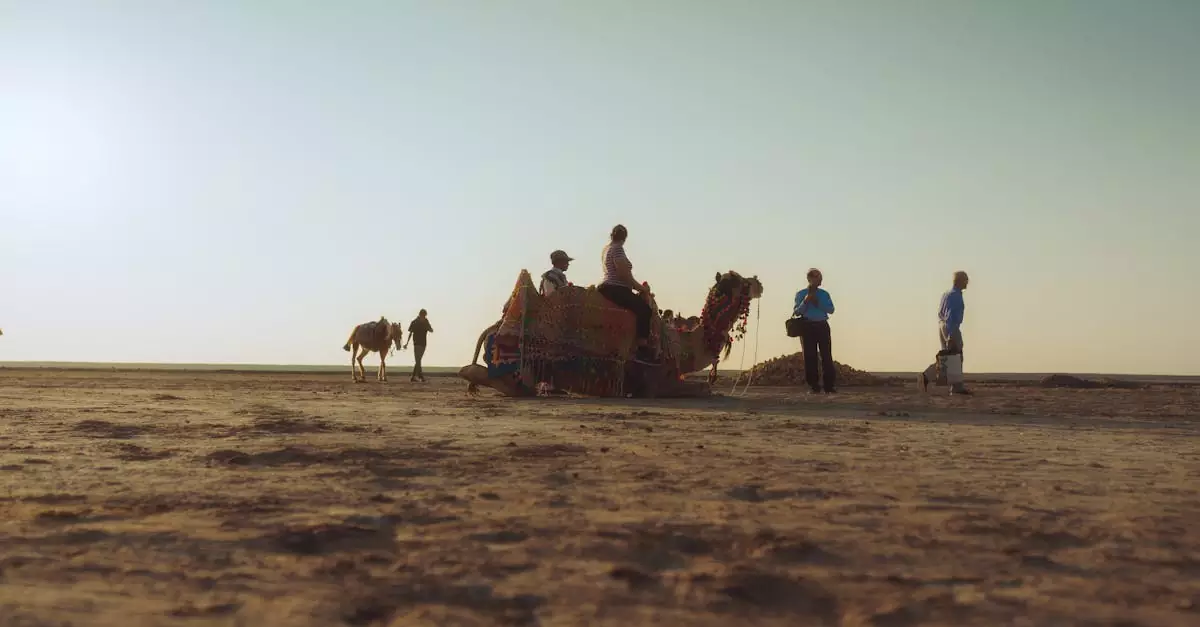
While iconic parks like the Serengeti and Kruger attract crowds for their abundant wildlife, several other destinations offer unparalleled opportunities for photographers seeking unique shots and a more intimate wildlife experience. These locations often provide access to elusive species, stunning landscapes, and fewer vehicles, allowing for more focused and rewarding photography sessions.
Selous Game Reserve, Tanzania: Vast Wilderness and Fewer Crowds
Selous Game Reserve, a UNESCO World Heritage site in southern Tanzania, is one of Africa’s largest game reserves. Its sheer scale means fewer tourist vehicles, offering a sense of untouched wilderness that is invaluable for photographers. This reserve is particularly renowned for its large populations of wild dogs, elephants, and its dramatic Rufiji River, which supports boat safaris and unique photographic perspectives of hippos, crocodiles, and diverse birdlife.
For photographers, the open plains and dense woodlands provide varied backdrops. Early morning and late afternoon light can create spectacular scenes, especially when capturing herds of elephants against the acacia trees or the intense gaze of a hunting wild dog pack. The reserve’s size also means tracking animals can feel more like a genuine expedition, with the possibility of encountering species rarely seen in more heavily trafficked areas.
Logistics and Timing:
The dry season, from June to October, generally offers the best game viewing as animals congregate around water sources. Selous is accessible via light aircraft from Dar es Salaam or Arusha, or by road. Accommodation ranges from rustic camps to more luxurious lodges, many of which are strategically located for prime photography opportunities.
Mala Mala Game Reserve, South Africa: Exclusive Photography Experiences
Mala Mala Game Reserve, bordering the famous Kruger National Park in South Africa’s Mpumalanga province, is consistently ranked among the top safari destinations for wildlife photography. It’s privately owned, allowing for strict off-road driving rules and limiting the number of vehicles per sighting, ensuring photographers have unobstructed views and ample time to capture their shots. This exclusivity is key to its reputation.
The reserve boasts incredibly high densities of wildlife, including the Big Five, with leopards being a particular highlight. Their nocturnal habits and arboreal nature make them challenging to photograph, but Mala Mala’s experienced guides and trackers are adept at locating them, often providing prolonged viewing opportunities. Photographers can expect to capture intimate moments of lions hunting, elephants interacting, and a vast array of bird species in their natural habitat.
Photography Focus:
Mala Mala’s management prioritizes photographic experiences. Many lodges offer specialized photography vehicles equipped with camera mounts and charging facilities. Guides are often trained to understand a photographer’s needs, positioning the vehicle for optimal light and angles. This dedicated approach makes it a premier choice for those serious about wildlife photography.
Mana Pools National Park, Zimbabwe: Walking Safaris and Intimate Wildlife Shots
Mana Pools National Park, situated in the northernmost part of Zimbabwe along the Zambezi River, offers a distinct photographic experience centered on walking safaris and canoe safaris. This UNESCO World Heritage site is celebrated for its intimate encounters with wildlife, particularly elephants, lions, and hippos. The open floodplains and acacia woodlands provide stunning, unobstructed views, especially during the dry season when the Zambezi recedes.
Walking safaris allow photographers to approach wildlife on foot, creating a sense of scale and presence that is impossible to achieve from a vehicle. Imagine capturing a close-up of a lion’s eye or the texture of an elephant’s skin with the vast Zimbabwean landscape as a backdrop. Canoe safaris on the Zambezi offer unique low-angle perspectives of wildlife coming to drink, as well as exceptional bird photography opportunities.
Unique Photographic Opportunities:
Mana Pools is one of the few places where you can freely walk and canoe amongst large animals. This freedom translates into incredibly dynamic and personal photographic moments. The park’s relative remoteness and fewer visitors compared to some East African destinations mean encounters feel more authentic and less staged. The park is also known for its spectacular sunsets over the Zambezi River.
Comparative Safari Photography Destinations
| Destination | Key Photographic Strengths | Wildlife Density | Vehicle Restrictions | Photography Focus | Budget Range (per day) |
|---|---|---|---|---|---|
| Selous Game Reserve, TZ | Vast landscapes, wild dogs, river life, fewer crowds | High | Moderate | General Wildlife | $$$ |
| Mala Mala Game Reserve, SA | Leopards, Big Five, exclusive sightings, specialized vehicles | Very High | Strict | High-End Wildlife | $$$$ |
| Mana Pools NP, ZW | Walking safaris, intimate encounters, river perspectives | High | Moderate | Experiential | $$ |
When is the Best Time to Visit These Safari Photography Hotspots?
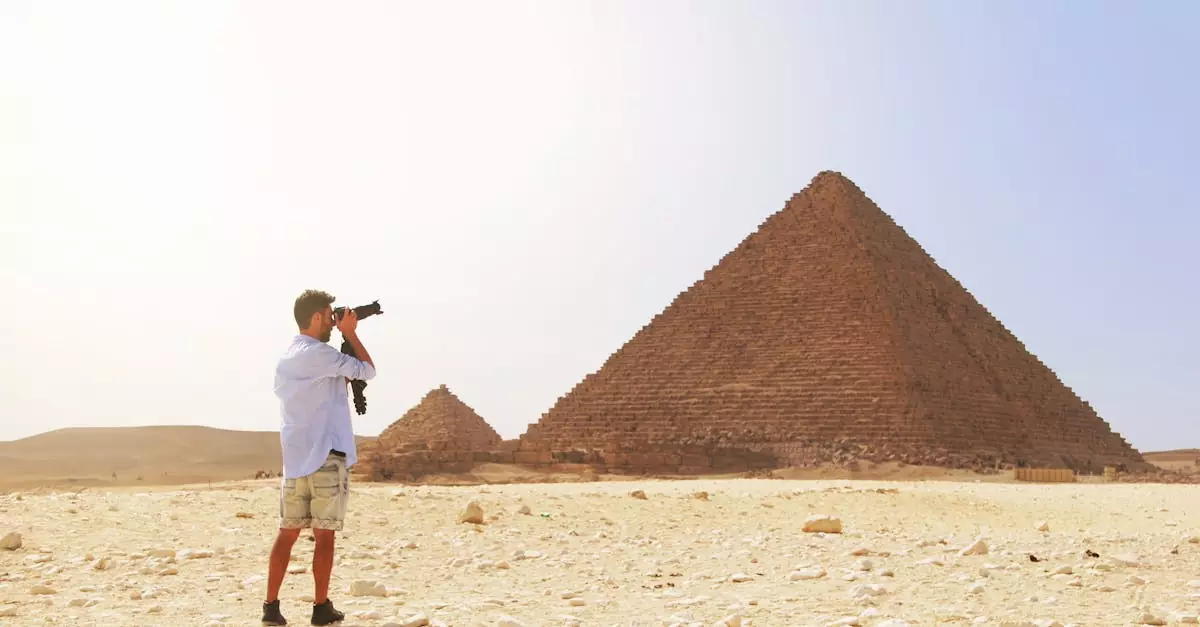
Choosing the right time to visit can significantly impact your safari photography experience, affecting everything from light quality and animal behavior to crowd levels and accessibility. Understanding the seasonal patterns of these premier wildlife destinations is key to capturing those unforgettable shots.
Dry Season vs. Wet Season: Optimal Lighting and Wildlife Viewing
The classic safari photography debate often centers on the dry season versus the wet season. Each offers distinct advantages for photographers.
The dry season, typically from June to October across much of East and Southern Africa, is often considered prime time. With less vegetation and fewer water sources, animals congregate around rivers and waterholes, making them easier to spot and photograph. The air is often clearer, providing excellent visibility, and the golden light of early mornings and late afternoons is particularly stunning. However, this is also peak tourist season, meaning higher prices and more vehicles at popular sightings.
Conversely, the wet season, from November to May, brings lush landscapes and dramatic skies, offering a more painterly backdrop for your images. Newborn animals are common during this period, adding a tender element to wildlife photography. Birdlife is also at its most vibrant, with migratory species present. The downside is that dense vegetation can make spotting animals more challenging, and sudden downpours can disrupt game drives. Road conditions may also deteriorate, impacting accessibility.
Timing Your Visit for the Great Migration in Serengeti and Maasai Mara
For photographers aiming to capture the spectacle of the Great Migration, timing is crucial. This colossal movement of wildebeest and zebra across the Serengeti National Park in Tanzania and the Maasai Mara National Reserve in Kenya is continuous, but key moments offer unparalleled photographic opportunities.
The river crossings, particularly of the Mara River, are legendary. These occur primarily between July and October when the herds are in the Maasai Mara. Witnessing thousands of wildebeest and zebras braving crocodile-infested waters is a dramatic and challenging photographic subject. Early planning and booking are essential for these months, as demand is extremely high.
Outside of the river crossing period, the migration’s location varies. From December to March, the herds typically reside in the southern Serengeti, where calving season provides opportunities to photograph newborns and predators. From April to June, the herds begin their northward journey, often gathering in the central and western Serengeti before heading towards the Mara.
Best Months for Bird Photography in Botswana and Kenya
Botswana, particularly the Okavango Delta, and Kenya’s Rift Valley lakes are world-renowned for birdwatching and, by extension, bird photography. The best time to visit for avian subjects often aligns with the wet season, when migratory birds are present and resident species are breeding.
In Botswana, the peak birding season is generally from November to April, coinciding with the summer rains. This period brings an influx of European and other migratory species, and the landscape is at its most verdant. Increased water levels in the Okavango Delta also create diverse wetland habitats, attracting a wide array of waterbirds.
Kenya’s Rift Valley lakes, such as Lake Nakuru and Lake Bogoria, are famous for their vast flocks of flamingos, which can be present year-round, though numbers can fluctuate. However, for a broader range of species and breeding plumage, the months from October to April are often recommended, as this period includes the arrival of migratory birds from Eurasia.
Here’s a general overview of peak seasons for photography:
| Destination | Peak Photography Season | Key Attractions | Considerations |
|---|---|---|---|
| Serengeti/Maasai Mara | July – October (Migration) | River crossings, large herds, predators | High season, book well in advance, potential for crowds |
| Serengeti (Calving) | December – March | Newborns, predator action, vast plains | Good light, fewer river crossings |
| Okavango Delta, Botswana | November – April (Wet Season) | Birdlife, lush landscapes, diverse aquatic species | Can be challenging for spotting large mammals due to vegetation, higher prices |
| Amboseli, Kenya | July – October (Dry Season) | Elephants with Kilimanjaro backdrop, open plains | Excellent visibility, potential for dust during dry season |
| South Luangwa, Zambia | May – October (Dry Season) | Leopard sightings, walking safaris, diverse wildlife | Excellent for photography, consider walking safaris for unique perspectives |
Essential Photography Gear and Techniques for Safari Adventures
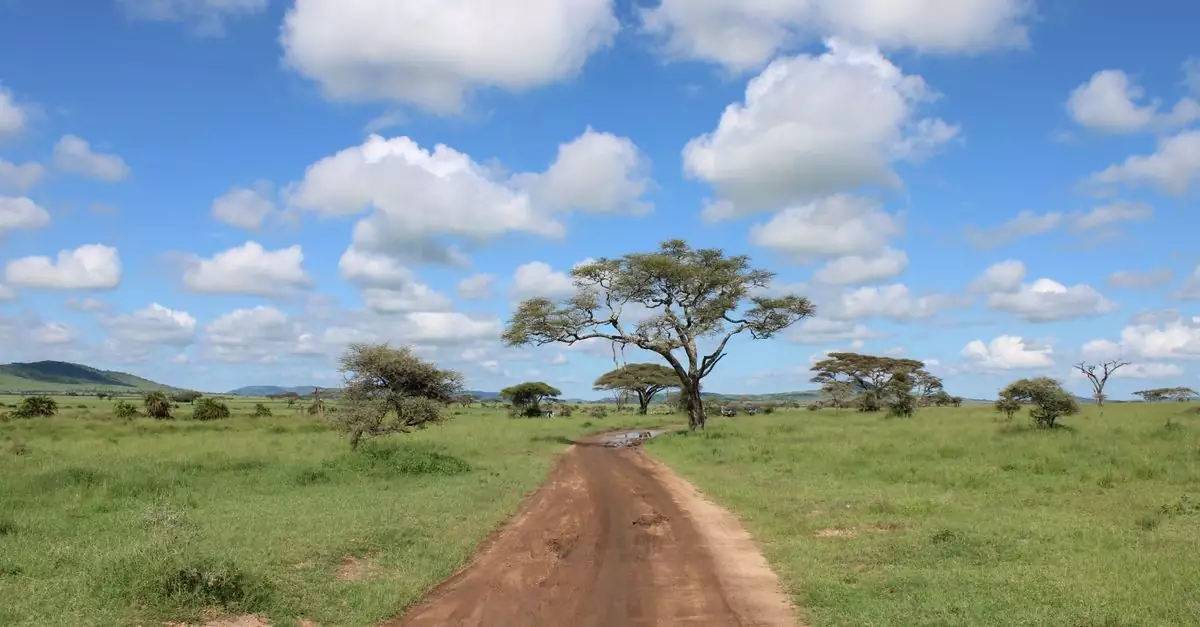
Capturing stunning wildlife images requires more than just pointing a camera at an animal. The best safari photography destinations offer incredible opportunities, but without the right gear and a solid understanding of photographic principles, those moments can pass you by. Investing in suitable equipment and honing your skills will dramatically improve your results, turning a good safari trip into an exceptional visual story.
Long Lenses and Camera Bodies for Wildlife Photography
For wildlife photography, reach is paramount. A telephoto lens, typically ranging from 300mm to 600mm or even longer, is essential for filling the frame with distant animals without disturbing them. Consider lenses with fast apertures (f/2.8 or f/4) for better performance in low light and for creating beautiful background blur.
When choosing a camera body, look for models with fast autofocus systems and good continuous shooting speeds, especially if you plan to photograph action like a hunt or a bird in flight. Full-frame cameras offer excellent image quality, particularly in challenging light, while APS-C bodies provide a “crop factor” that effectively increases the reach of your telephoto lenses, often a cost-effective solution for safari photography. Many travelers find that a versatile zoom lens, like a 100-400mm, offers a good balance of reach and flexibility for various photographic situations.
Tripods, Beanbags, and Stabilizing Your Shots
Camera shake is the enemy of sharp wildlife photos, especially with long lenses. While a tripod offers the most stability, it can be cumbersome in a safari vehicle. Many lodges and tour operators provide beanbags, which are invaluable for resting your lens on the vehicle’s window or doorframe. These are lightweight, adaptable, and significantly improve sharpness.
If you opt for a tripod, consider a travel tripod that is lightweight and easy to set up. A ball head or a gimbal head is recommended for smooth tracking of moving subjects. For handheld shooting, using a camera strap that distributes weight across your shoulders or a monopod can also provide extra support. Practicing steady shooting techniques before your trip is crucial for maximizing your success rate.
Understanding Light: Golden Hour Photography on the Savanna
The quality of light profoundly impacts wildlife photography. The “golden hours” – the period shortly after sunrise and before sunset – offer the most flattering light. During these times, the sun is low in the sky, casting a warm, soft glow that enhances textures and colors. This light can create dramatic silhouettes and beautiful rim lighting on animals.
Midday sun, however, can be harsh, leading to blown-out highlights and deep, unflattering shadows. If you must shoot during midday, try to position yourself so the sun is behind the animal, or look for subjects in shaded areas. Understanding how to use the available light, whether it’s the soft glow of dawn or the diffused light of an overcast day, is a skill that elevates safari photographs from snapshots to art.
Ethical Wildlife Photography: Respecting Animals and Their Habitats
Responsible photography is essential on any safari. The welfare of the animals and the preservation of their natural environment must always come first. Maintain a respectful distance from wildlife; never approach animals too closely, especially predators or mothers with young. Avoid startling or cornering animals, and never feed them.
Follow the guidance of your safari guide, who is trained to understand animal behavior and safe viewing distances. Turn off your camera flash, as it can disorient and distress animals. Be mindful of noise levels and avoid making sudden movements that could cause animals to flee. The goal is to document wildlife in its natural state, not to interfere with its behavior or habitat. Preserving these incredible ecosystems is paramount, and responsible tourism practices, including ethical photography, are key to their survival.
Frequently Asked Questions About Safari Photography Trips
Planning a safari specifically for photography requires attention to detail. Understanding the nuances of different destinations, accommodations, and safety protocols can make your trip significantly more rewarding. Here are answers to common questions that arise when planning your photographic adventure.
What are the most budget-friendly safari photography destinations?
While many associate safaris with high costs, some destinations offer more accessible options for photographers on a tighter budget. Countries like Uganda and Malawi often present lower park fees and accommodation prices compared to more established parks in East or Southern Africa. Focusing on self-drive options where permitted or choosing community-run lodges can also reduce expenses.
For those seeking value, consider visiting during the shoulder seasons, as prices for accommodation and sometimes even flights can decrease. Researching local operators and package deals is also key to finding budget-friendly safari photography destinations.
How do I choose the right safari lodge for photography?
Selecting the right lodge is crucial for photographic success. Look for lodges that offer excellent vantage points, such as those situated near waterholes or game-rich areas. Proximity to diverse habitats will increase your chances of encountering a variety of wildlife.
Consider lodges with photography-specific amenities like charging stations, secure storage for equipment, and potentially even dedicated photography vehicles or guides. Lodges that allow early morning and late evening game drives are also beneficial, as these are prime times for wildlife activity and dramatic lighting. Some lodges may offer specialized photographic hides, providing low-profile vantage points for capturing intimate animal behavior.
Is it safe to travel to these safari destinations for photography?
Safety is paramount for any traveler, especially when venturing into wildlife areas. Most established safari destinations in Africa maintain high safety standards, with experienced guides and rangers prioritizing guest well-being. It’s essential to choose reputable tour operators and lodges with a proven safety record.
Always follow the instructions of your guides, particularly regarding wildlife encounters and vehicle safety. Be aware of any specific health advisories for the region, such as malaria precautions. Generally, destinations like Botswana, Kenya, and Tanzania have well-developed tourism infrastructure that supports safe travel. For broader travel advice concerning the continent, consulting resources like the African Tourism Board can provide up-to-date information.
What are the best photography tours or guides for safaris?
Engaging specialized photography tours or hiring expert guides can dramatically enhance your safari photography experience. These professionals often have intimate knowledge of wildlife behavior, prime photography locations, and the best times to capture specific shots. They can also advise on camera settings and composition techniques.
Look for guides who specialize in wildlife photography and have a portfolio showcasing their work. Many photography tours offer small group sizes, ensuring personalized attention and better access to photographic opportunities. Some operators provide specialized vehicles equipped for photographers, such as those with beanbag mounts or open sides for unobstructed views. Researching reviews and testimonials from previous participants is a good way to gauge the quality of a photography tour.