Australia’s coastline is a legendary expanse of golden sands, vibrant turquoise waters, and dramatic cliffs, offering a beach for every kind of traveler. From the bustling energy of urban shores to the serene tranquility of remote havens, discovering the best beaches in Australia is a journey in itself. This guide navigates through some of the most iconic and breathtaking coastal destinations the country has to offer.
You’ll learn about the unique charms of world-famous spots like Whitehaven Beach and Bondi, explore hidden gems with incredible wildlife encounters, and find out which beaches are perfect for families. We’ll also provide practical advice on the best times to visit different regions, how to get around, and essential packing tips to enhance your sun-drenched adventures. Prepare to be inspired by Australia’s unparalleled coastal paradise.
Discovering the Best Beaches in Australia: A Coastal Paradise
Australia’s coastline is a vast tapestry of golden sands, turquoise waters, and dramatic cliffs. From bustling urban shores to remote, pristine stretches, the country offers a beach experience for every traveler. Planning a trip to find the best beaches in Australia means navigating an embarrassment of riches, so let’s dive into some celebrated coastal gems.
Whitehaven Beach: The Jewel of the Whitsundays
Located in the heart of the Great Barrier Reef Marine Park, Whitehaven Beach is a seven-kilometer stretch of pure silica sand that feels like walking on powdered sugar. The sand is 98% pure silica, giving it its dazzling white color and keeping it cool underfoot, even on the hottest days. Its remote location contributes to its pristine condition, accessible primarily by boat or seaplane from Airlie Beach or Hamilton Island.
The northern end of Whitehaven Beach, at Hill Inlet, offers a breathtaking panorama of swirling white sand and turquoise water, best viewed from Tongue Point lookout. Visitors should note that there are no facilities on the beach, so bringing all necessary supplies, including water and sun protection, is essential. Day trips often include snorkeling opportunities in the surrounding reef system, making it a comprehensive marine adventure.
Bondi Beach: Sydney’s Iconic Urban Shoreline
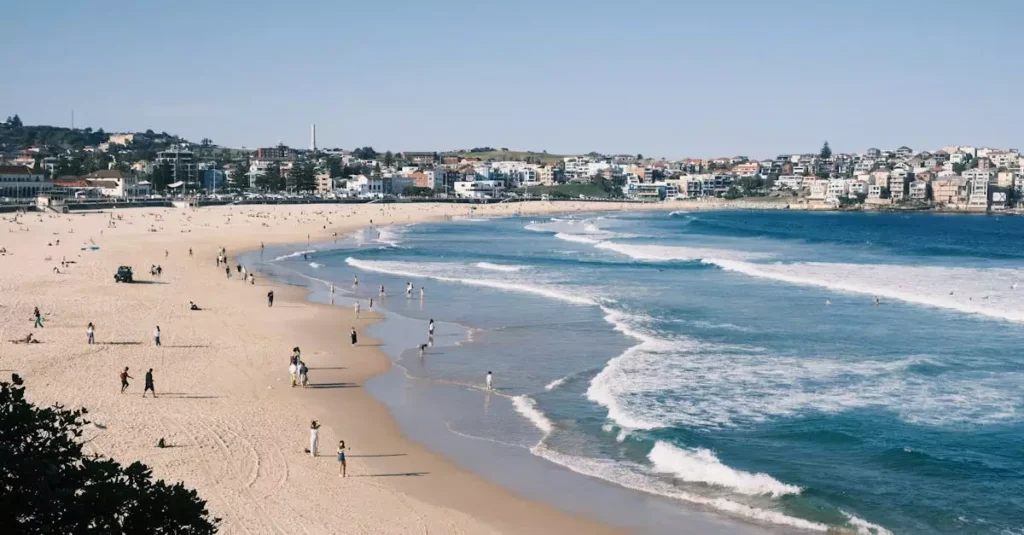
Bondi Beach is arguably Australia’s most famous beach, a vibrant crescent of sand just a short distance from Sydney’s city center. It attracts surfers, sunbathers, swimmers, and a lively café culture. The Bondi to Coogee coastal walk offers stunning ocean views and passes several other beautiful beaches along the way.
Safety is paramount at Bondi; the beach is patrolled by lifeguards year-round, and swimmers should always stay between the red and yellow flags. For those seeking a taste of local life, the surrounding streets are packed with eateries, bars, and boutiques. Public transport, including buses and trains to nearby Bondi Junction, makes reaching this iconic spot straightforward.
Cable Beach: Broome’s Dramatic Sunset Spectacle
In Western Australia’s tropical north, Cable Beach in Broome provides a unique beach experience, renowned for its spectacular camel treks at sunset. The 22-kilometer stretch of white sand meets the turquoise waters of the Indian Ocean, creating a stunning backdrop for the daily spectacle. The vastness of the beach means it rarely feels crowded, even during peak season.
The best time to visit Cable Beach is during the dry season, from May to October, when the weather is warm, sunny, and less humid. Travelers can enjoy swimming, although currents can be strong, so it’s advisable to swim near the flagged areas. The iconic camel rides are a must-do, offering a serene way to witness the sun dip below the horizon. Accommodation options range from luxury resorts to budget-friendly motels in Broome town.
Beyond the Famous: Unearthing Australia’s Hidden Beach Gems
While icons like Bondi and Whitehaven dominate discussions of the best beaches in Australia, the continent’s coastline offers countless other treasures. Venturing off the beaten path reveals stretches of sand with unique charms, fewer crowds, and unforgettable experiences. These less-hyped destinations provide a more intimate connection with Australia’s natural beauty, often surprising visitors with their pristine conditions and local appeal.
Lucky Bay: Kangaroos on the Sand in Cape Le Grand
Located within Cape Le Grand National Park in Western Australia, Lucky Bay is famous for its impossibly white sand and turquoise waters. What sets this beach apart is the friendly kangaroos that often laze on the shore, offering a truly unique wildlife encounter. The drive from Esperance, the nearest town, takes about an hour, passing through stunning coastal scenery.
Accessing Lucky Bay requires a vehicle capable of handling unsealed roads, and a 4WD is recommended, especially if you plan to explore other areas of the national park. Accommodation options are limited, with camping grounds within the park being the most popular choice; booking in advance is essential. The remoteness means packing all your supplies, including food and water, is crucial.
Traveler Tip: Visit during the shoulder seasons (spring or autumn) for pleasant weather and fewer visitors. Dawn and dusk are prime times for kangaroo sightings.
Hyams Beach: The Whitest Sand in the World?
Hyams Beach, situated in the Jervis Bay Territory on the New South Wales coast, frequently claims the title of having the whitest sand in the world. Its fine, powdery sand, composed of almost pure quartz, has a distinctive squeak underfoot. The bay itself is sheltered, making the water calm and exceptionally clear—ideal for swimming and snorkeling.
Reaching Hyams Beach is straightforward, with regular bus services from Sydney or a drive of about three to four hours. The village offers a small selection of holiday rentals and a local café. Its popularity means it can get busy, particularly on weekends and during summer holidays, so arriving early is advisable.
Comparison: Hyams Beach vs. Whitehaven Beach
| Feature | Hyams Beach (NSW) | Whitehaven Beach (QLD) |
|---|---|---|
| Sand | Extremely fine, pure white quartz | Pure white silica sand, soft and fine |
| Water | Calm, clear, sheltered bay | Swirling turquoise and white, exposed to open sea |
| Accessibility | Easier access from major cities, well-developed | Requires boat or seaplane, remote Whitsunday Island |
| Crowds | Can be busy, especially on weekends | Managed access, generally less crowded than Hyams |
| Scenery | Beautiful bay, coastal bushland | Iconic swirling sands, Great Barrier Reef proximity |
Burleigh Heads: Gold Coast’s Local Favorite
While the Gold Coast is synonymous with sprawling surf beaches, Burleigh Heads offers a more relaxed, local vibe. This iconic headland features a protected surf break popular with experienced surfers, alongside a beautiful beach perfect for swimming and sunbathing. The surrounding national park provides walking trails with panoramic ocean views, making it a versatile destination.
Burleigh Heads is easily accessible via public transport from other Gold Coast suburbs and Brisbane. The area has a vibrant dining and café scene, with plenty of accommodation options ranging from apartments to boutique hotels. It’s a popular spot for those who appreciate a beach with amenities and a lively atmosphere while still retaining a sense of community.
Logistics: Parking can be challenging, particularly during peak times. Consider using public transport or arriving early to secure a spot. The walking trails in the national park offer a welcome escape from the beach crowds.
Planning Your Beach Hopping Adventure Across Australia
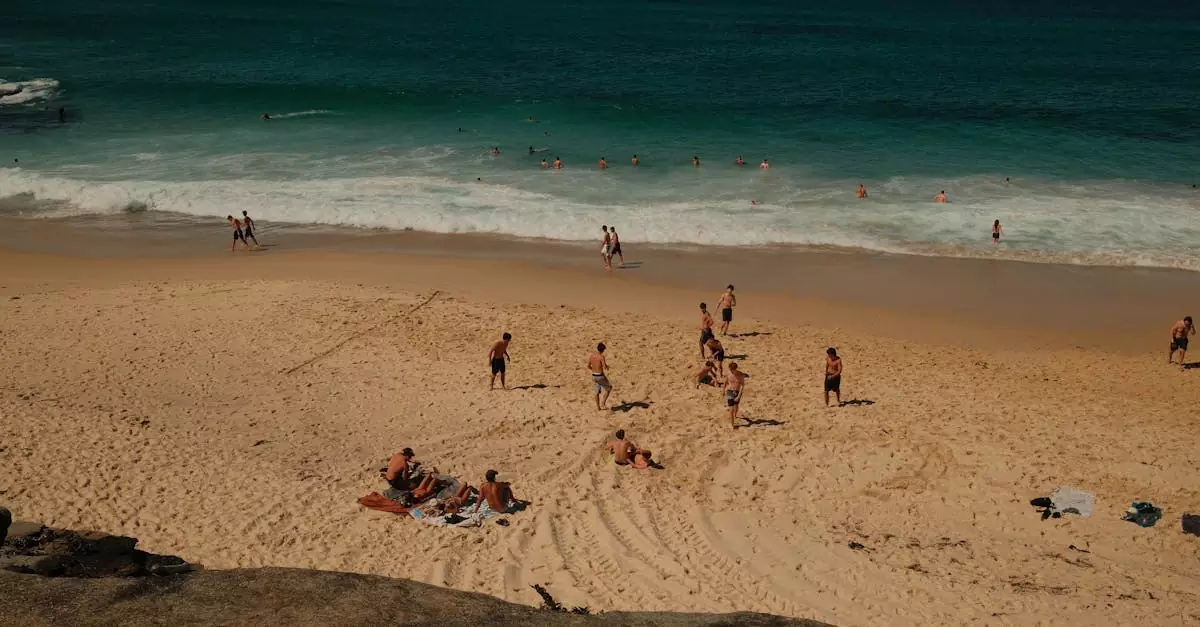
Australia’s coastline is a vast playground, and planning a trip to experience its best beaches requires some strategic thinking. From the tropical north to the rugged south, each region offers unique coastal experiences. Considering the best time to visit and how to navigate between these stunning locations will ensure a smoother, more enjoyable journey.
Best Time to Visit Australia’s Beaches by Region
The timing of your visit significantly impacts the beach experience. Australia’s sheer size means its climate varies dramatically.
- Northern Australia (Queensland, Northern Territory, Western Australia north of Perth): This region experiences a tropical climate with a distinct wet season (roughly November to April) and dry season (May to October). The dry season is generally preferred for beach visits, offering sunny days, lower humidity, and minimal rain. The wet season can bring heavy downpours, cyclones, and increased humidity, which might not be ideal for sunbathing.
- Southern Australia (New South Wales, Victoria, South Australia, Tasmania, Western Australia south of Perth): These areas have a more temperate climate, with warm summers (December to February) and mild winters. Summer is peak beach season, offering the warmest water temperatures and consistent sunshine. However, popular spots can become crowded. The shoulder seasons (spring and autumn) offer pleasant weather with fewer crowds.
Here’s a general overview of regional seasonality:
| Region | Best Time to Visit | Notes |
|---|---|---|
| Tropical North | May – October | Dry season; sunny, less humid, ideal for swimming and water activities. |
| Southern Coasts | December – February | Peak summer; warmest weather, busiest. |
| Southern Coasts | March – May | Autumn; pleasant temperatures, fewer crowds, beautiful foliage in some areas. |
| Southern Coasts | September – November | Spring; warming weather, wildflowers in some regions, good for active pursuits. |
| Nationwide (General) | Year-round | Varies greatly by specific location and personal preference for weather and crowd levels. |
Getting Around: Flights, Road Trips, and Local Transport
Navigating between Australia’s vast distances and its many coastal gems requires careful planning.
For long distances between major cities or to reach remote beach destinations, flying is often the most efficient option. Major airlines connect cities like Sydney, Melbourne, Brisbane, Perth, and Cairns regularly. Booking flights in advance can secure better fares.
Road trips offer unparalleled flexibility for beach hopping, especially along well-known routes like the Great Ocean Road in Victoria or the coastal highways of Queensland. Renting a car or campervan allows you to stop at smaller, less-visited beaches and explore at your own pace. Consider the distances involved; Australia is a large continent, and driving between states can take several days.
Within cities and towns, public transport options vary. Major urban centers like Sydney and Melbourne have extensive train and bus networks. For more remote coastal areas, local buses may be infrequent, making a rental car essential. For specific island destinations like the Whitsundays, ferry services are the primary mode of transport.
Packing Essentials for Australian Beach Life
Packing for Australia’s beaches depends heavily on your itinerary and the time of year, but some essentials remain constant.
- Sun Protection: The Australian sun is intense. Pack high-SPF sunscreen, a wide-brimmed hat, and sunglasses. Consider a rash guard for prolonged sun exposure.
- Swimwear: Bring at least two swimsuits so one can dry while you wear the other.
- Lightweight Clothing: Breathable fabrics like cotton and linen are ideal for warm weather. Include shorts, t-shirts, and a light cover-up.
- Footwear: Comfortable walking shoes or sandals are essential for exploring towns and coastal paths. Flip-flops are perfect for the beach.
- Towel: A quick-drying microfiber towel is a practical choice for beach trips.
- Reusable Water Bottle: Staying hydrated is crucial, especially in the heat.
- Insect Repellent: Particularly important for tropical regions during the warmer months.
For those venturing to cooler southern beaches in winter or early spring, a light jacket or jumper is advisable. If you plan on hiking or engaging in water sports like surfing or snorkeling, pack appropriate gear or plan to rent it locally. Understanding local conditions, such as rip currents and marine stingers in certain areas, is also a vital part of beach safety preparation.
What Are the Most Family-Friendly Beaches in Australia?
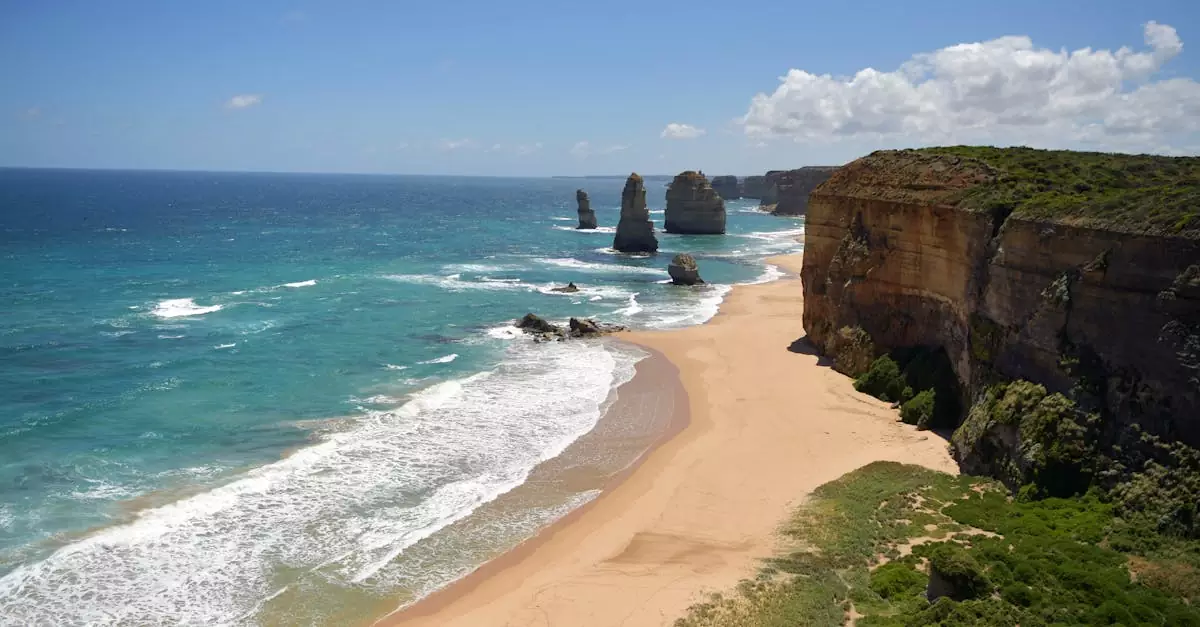
When planning a family holiday to Australia, choosing a beach that caters to all ages is paramount. The best beaches for families offer a combination of safe swimming conditions, engaging activities, and convenient amenities. From calm, sheltered bays to surf spots with beginner lessons, Australia’s coastline boasts numerous options that ensure a fun and stress-free experience for parents and children alike.
Sheltered Waters for Little Swimmers: Think Jervis Bay
For families with very young children, calm, clear waters are key. Jervis Bay, located on the New South Wales coast, is renowned for its incredibly sheltered bays and shallow, crystal-clear waters. Hyams Beach, famous for its powder-white sand, is a prime example. The gentle slope of the seabed here makes it exceptionally safe for toddlers and young swimmers to paddle and play without strong currents or large waves.
Beyond swimming, the bay’s calm conditions are ideal for introducing children to water activities like kayaking or paddleboarding. Keep an eye out for dolphins, as Jervis Bay is a popular spot for marine life sightings, adding an element of natural wonder to your beach day. The surrounding national parks also offer easy walking trails and picnic areas, making it a comprehensive destination for a family outing. Accessing Jervis Bay typically involves driving from Sydney, a journey of about three hours.
Activities and Amenities for Kids at Manly Beach
Manly Beach, a Sydney icon accessible by a scenic ferry ride from Circular Quay, offers a vibrant atmosphere with plenty for families to enjoy. While it’s a popular surf beach, the presence of surf lifesavers ensures a safe swimming zone. The main draw for families here is the abundance of activities and amenities designed with children in mind.
Adjacent to the main beach, the sheltered Manly Cove provides a calmer environment for younger children to play, with tranquil waters and a playground nearby. For older kids and teens, surfing lessons are readily available, with many surf schools operating directly on the beach. The Corso, Manly’s pedestrian mall, is lined with cafes, ice cream shops, and souvenir stores, offering plenty of refreshment and entertainment options. The ferry trip itself is an adventure for many children, providing fantastic views of Sydney Harbour.
Safe Surfing Lessons for Teens at Coolangatta Beach
Located on the southern end of the Gold Coast in Queensland, Coolangatta Beach offers a slightly more relaxed vibe than its bustling neighbors, making it a great choice for families. The beach is patrolled and features a protected swimming area, but its real appeal for families with teenagers lies in its surf schools. Coolangatta is known for its consistent, manageable waves that are ideal for learning to surf.
Several reputable surf schools operate here, providing beginner-friendly lessons in a safe environment. This allows teens to gain confidence and experience the thrill of riding a wave under expert guidance. The town itself is well-equipped with family-friendly accommodation and dining options, and its proximity to other Gold Coast attractions means you can easily combine beach time with theme park visits or wildlife encounters. Getting to Coolangatta is straightforward, with Gold Coast Airport just a short drive away.
Experiencing Local Flavors Near Australia’s Best Sands
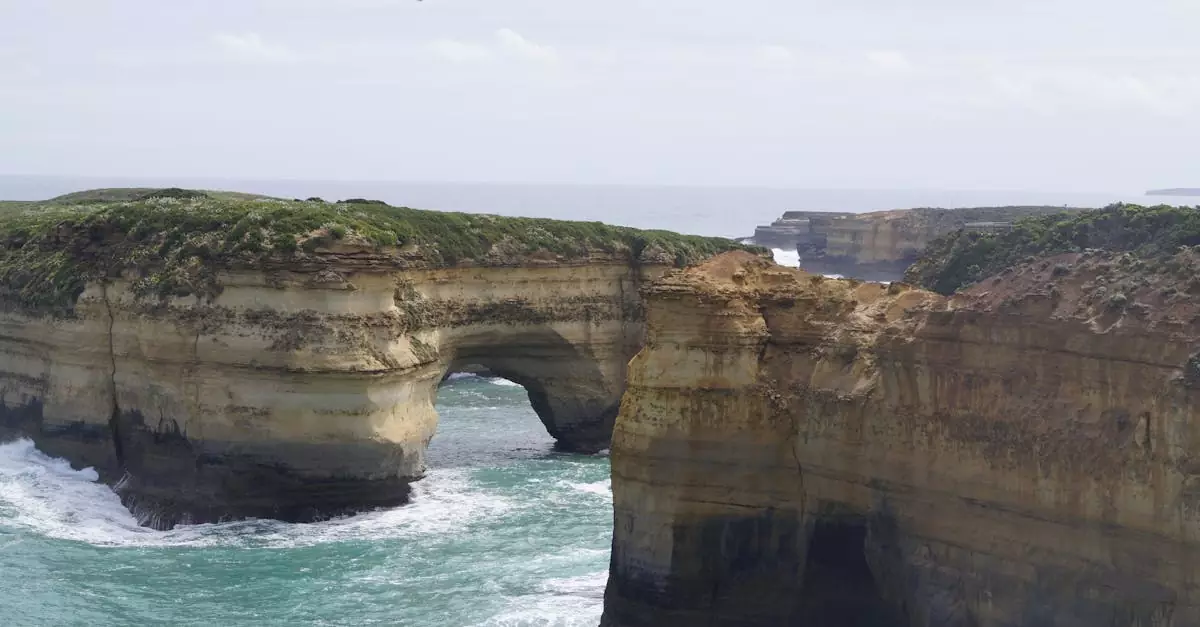
Australia’s coastal allure extends far beyond its pristine shores. Many of the country’s most celebrated beaches are conveniently located near vibrant towns and cities, offering travelers a chance to savor local culinary scenes. From fresh seafood to laid-back café culture, these destinations provide a delightful complement to a day of sun and surf.
Seafood Feasts in Port Douglas
Port Douglas, a gateway to the Great Barrier Reef, boasts a sophisticated dining scene influenced by its marine bounty. For an authentic taste of Queensland’s coast, seek out restaurants that source their seafood daily. Many establishments along Macrossan Street, the town’s main thoroughfare, offer everything from fresh oysters and prawns to local reef fish prepared with tropical flair.
Consider visiting on a Friday evening during the warmer months when the Port Douglas Markets are in full swing. While known for local crafts and produce, you’ll also find food stalls serving up delicious, casual seafood options. This offers a budget-friendly way to experience local flavors, often enjoyed with live music against a backdrop of tropical humidity. Getting to Port Douglas typically involves flying into Cairns Airport and then taking a scenic one-hour drive north—a journey well worth it for the combination of reef access and gourmet experiences.
Café Culture on the Gold Coast
The Gold Coast is synonymous with sun-drenched beaches and a lively energy, much of which is reflected in its thriving café culture. Beyond the iconic surf breaks of Surfers Paradise and Broadbeach, you’ll find a network of charming cafes and eateries catering to diverse tastes. Areas like Burleigh Heads and Coolangatta have become hubs for artisanal coffee, healthy brunch options, and casual beachfront dining.
Many Gold Coast cafes pride themselves on using locally sourced ingredients, offering everything from avocado toast with a twist to acai bowls brimming with fresh fruit. This laid-back culinary scene is best enjoyed at a leisurely pace. After a morning of surfing lessons or soaking up the sun, find a table at a beachfront café, order a flat white or a freshly squeezed juice, and people-watch. Transportation along the coast is relatively straightforward, with a light rail system and numerous bus routes connecting major hubs, making it easy to hop between beach spots and café districts.
Barbecues and Beachside Bites in Melbourne’s Bayside
While Melbourne is often associated with its laneway bars and fine dining, its southeastern bayside suburbs offer a distinct, relaxed culinary experience centered around outdoor living and casual gatherings. Areas like Brighton, Sandringham, and St Kilda, while famous for their colorful bathing boxes and piers, also provide ample opportunities for enjoying simple, delicious food by the water.
The quintessential bayside Melbourne experience often involves a barbecue. Many parks and beach reserves are equipped with public grills, making it easy to cook up a feast with fresh produce from local delis or butcher shops. Alternatively, numerous fish and chip shops and casual eateries line the foreshore, offering classic seaside fare perfect for a picnic. For a more refined experience, consider the restaurants in areas like South Melbourne or Port Melbourne, which focus on fresh, seasonal ingredients, often with views of the bay. Getting to these suburbs is straightforward via tram or train from Melbourne’s city center, making them accessible for a day trip or a longer stay.
Frequently Asked Questions About Australia’s Beaches
Are Australia’s beaches safe for swimming?
Safety is paramount when enjoying Australia’s stunning coastlines. Many popular beaches are patrolled by surf lifesavers, indicated by red and yellow flags. Always swim between these flags to ensure you are in a safe area. Be aware of local conditions like rip currents, which can be strong. Heeding warning signs and lifeguard advice is crucial for a safe beach experience.
What’s the best way to travel between coastal regions?
Australia’s vast coastline offers diverse travel options. For long distances between major cities, flying is often the most efficient. Within states or for shorter hops, driving offers flexibility to stop at smaller coastal towns and secluded beaches. Major highways connect most coastal areas.
Consider these common transportation methods:
| Transportation Mode | Best For | Typical Cost (AUD) | Notes |
|---|---|---|---|
| Flying | Long distances, inter-state travel | $100 – $500+ | Book in advance for better fares. |
| Driving (Car Rental) | Flexibility, exploring remote areas | $50 – $150 per day | Fuel costs add up; consider car size for comfort. |
| Coach/Bus | Budget travelers, inter-city travel | $30 – $100 | Slower than flying but can be scenic. |
| Train | Scenic routes, some inter-state connections | $50 – $200 | Limited network for extensive coastal travel. |
Can I visit the best beaches in Australia on a budget?
Absolutely. While some luxury resorts dot the coast, many of Australia’s best beaches are accessible to budget travelers. Camping grounds and caravan parks offer affordable accommodation near the water. Many national parks with stunning beaches have low entry fees or are free to access.
Packing your own food and water, utilizing free public barbecue facilities, and focusing on beaches outside of major tourist hubs can significantly reduce costs. Look for accommodation options like hostels or Airbnb rentals in smaller towns. The sheer number of incredible, free-to-access beaches means a memorable trip doesn’t require a large budget.