Australia is a continent rich with unique wildlife, offering some of the most remarkable animal encounters on the planet. From the iconic kangaroo hopping through eucalyptus forests to the vibrant coral gardens of the Great Barrier Reef, this land down under promises unforgettable experiences in nature. Planning your journey around these natural wonders can transform a simple vacation into an immersive adventure.
This guide will help you uncover the best wildlife experiences Australia has to offer. You’ll discover prime locations for spotting native animals like koalas and platypuses, explore the optimal times for whale migrations and snorkeling with marine life, and learn how to navigate diverse landscapes to maximize your chances of seeing everything from desert-dwelling emus to rainforest cassowaries. Get ready to explore the wild heart of Australia.
Spotting Iconic Australian Wildlife: Where to Find Them
Australia provides unparalleled opportunities for wildlife encounters, from familiar kangaroos to elusive platypuses and vibrant coral reefs. Planning your trip around these unique animals can lead to unforgettable adventures. Knowing where and when to spot them is essential for a successful wildlife-focused journey.
Kangaroo Encounters in the Blue Mountains National Park
The Blue Mountains National Park, a UNESCO World Heritage site just west of Sydney, is a prime location for spotting Eastern Grey Kangaroos. These marsupials are most active during dawn and dusk, making early morning or late afternoon excursions particularly rewarding. Look for them grazing in open grassy areas, especially around picnic spots and campgrounds.
While kangaroos are common, remember they are wild animals. Maintain a safe distance and avoid feeding them, as this can disrupt their natural behavior. Several walking trails offer excellent vantage points, and guided tours can enhance your chances of seeing kangaroos along with other native fauna like wallabies and various bird species.
- Best Time to Visit: Year-round, but dawn and dusk offer the best viewing.
- Getting There: Approximately a 1.5-hour drive from Sydney. Public transport options include train services to Katoomba or Leura.
- Tip: Pack binoculars for a closer look without disturbing the animals.
Koala Sanctuaries on Kangaroo Island
Kangaroo Island, off the coast of South Australia, is home to a healthy population of koalas, along with numerous other native species. Unlike mainland locations where koalas can be hard to spot, Kangaroo Island offers a higher chance of sightings due to its protected environment and thriving eucalyptus forests. While wild koalas can be seen, visiting a dedicated wildlife park or sanctuary guarantees a close-up experience.
Several conservation areas and wildlife parks on the island focus on koala rehabilitation and offer opportunities to observe them in a semi-wild setting. These centers often provide educational talks about koala behavior and conservation efforts. Beyond koalas, the island is renowned for its sea lions, fur seals, and diverse birdlife.
- Getting There: Requires a ferry or a short flight from Adelaide.
- Accommodation: Options range from campgrounds and self-contained cottages to eco-lodges.
- Consider: Visiting during the cooler months (May to September) when koalas may be more active during the day.
Platypus Watching in Tasmania’s Wilderness
Spotting a platypus, one of the world’s most unusual mammals, is a truly special experience. Tasmania’s pristine waterways, particularly in its national parks, offer some of the best opportunities. The best chances of seeing these shy, semi-aquatic creatures are at dawn or dusk.
Look for them in rivers, streams, and lakes, especially in areas with overhanging vegetation that provides cover. Cataract Gorge Reserve in Launceston and the waterways around Cradle Mountain-Launceston National Park are frequently cited as prime locations. Patience is essential, as platypus are elusive and can be easily startled.
- Best Viewing Spots: Rivers and lakes in national parks; look for ripples or disturbed water.
- Logistics: Guided platypus tours are available and can significantly increase your chances of a sighting, as guides know the best spots and times.
- Essential: Bring insect repellent, especially during warmer months.
Dingo Safaris in the Red Centre
The Australian Dingo, a wild dog native to the continent, can be encountered in various habitats, including the arid landscapes of the Red Centre. While sightings in the wild can be challenging and often require off-road exploration, national parks like Uluru-Kata Tjuta National Park offer potential encounters. It’s important to remember that dingoes are wild animals and should be observed from a safe distance.
Many visitors opt for guided tours that focus on the region’s unique ecology. These tours may include opportunities to learn about the dingo’s role in the ecosystem and their cultural significance to Indigenous Australians. Always follow park guidelines and never approach or feed dingoes.
| Location | Primary Wildlife | Best Viewing Time | Accessibility |
|---|---|---|---|
| Blue Mountains National Park | Kangaroos, Wallabies | Dawn & Dusk | High (near Sydney) |
| Kangaroo Island | Koalas, Sea Lions | Varies | Moderate (ferry/flight) |
| Tasmania (various waterways) | Platypus, Wombats | Dawn & Dusk | Moderate (requires travel) |
| Red Centre (e.g., Uluru) | Dingoes, Reptiles | Dawn, Dusk, Night | Low (remote, tour-based) |
Marine Marvels: Australia’s Underwater Wildlife Adventures
Australia’s extensive coastline offers unmatched opportunities for marine wildlife encounters. From the vibrant corals of the Great Barrier Reef to the gentle giants of Western Australia, these aquatic adventures showcase a different facet of the country’s diverse fauna. Planning your trip around these experiences can unlock some of the most memorable wildlife viewing opportunities globally.
Great Barrier Reef Snorkeling & Diving Hotspots
The Great Barrier Reef, a UNESCO World Heritage site, is the world’s largest coral reef system and a premier destination for underwater exploration. Millions of visitors flock here annually for snorkeling and diving, eager to encounter its kaleidoscopic marine life.
Key Locations for Marine Encounters:
- Agincourt Reef: Located off Port Douglas, this outer reef system is known for its exceptional visibility and abundant coral formations. Day trips often include multiple dive and snorkel sites, allowing you to see a wide array of fish species, sea turtles, and reef sharks. Many operators offer PADI certification courses for those looking to dive deeper into this underwater world.
- Lady Elliot Island: Situated at the southern tip of the reef, this coral cay is a sanctuary for marine life. It’s renowned for its high density of manta rays and turtles, often seen year-round. The island offers eco-friendly accommodation, making it a unique base for extended reef exploration.
- Low Isles: Accessible from Port Douglas and Cairns, Low Isles provides a more sheltered reef experience, making it suitable for families and less experienced snorkelers. The clear, shallow waters teem with colorful fish and serve as a nesting ground for sea turtles.
Transportation to these reef sites typically involves a scenic flight or a boat trip from coastal towns like Cairns, Port Douglas, or Airlie Beach. Day tours are widely available, offering equipment hire and guided excursions. For an immersive experience, liveaboard dive boats provide multi-day trips, allowing access to more remote and pristine sections of the reef.
Whale Watching Tours off Hervey Bay
Hervey Bay, located on the Fraser Coast in Queensland, is internationally recognized as a premier whale watching destination. From July to October, the bay becomes a crucial resting and nursing ground for humpback whales as they migrate along the Australian coast.
The sheltered waters of Hervey Bay provide a calmer environment for whales compared to the open ocean. This allows mothers to rest and nurse their calves, creating incredible viewing opportunities for visitors. Many tours operate from Urangan Harbour in Hervey Bay, with various vessel sizes available, from large catamarans to smaller, more intimate boats.
Whale Watching Seasonality:
- Peak Season: August and September offer the highest chance of seeing large numbers of whales and active calf behavior.
- Early & Late Season: July and October can still yield excellent sightings, albeit with fewer crowds.
Most tours last between three to four hours and often include commentary from marine biologists. Safety is paramount, with strict regulations in place to ensure minimal disturbance to the whales. Boat operators are skilled at locating pods and bringing visitors close enough for unforgettable views without infringing on the animals’ space.
Swimming with Sea Lions at Baird Bay, South Australia
For a unique and interactive wildlife encounter, head to Baird Bay on the Eyre Peninsula in South Australia. Here, you can swim and play with playful Australian sea lions in their natural habitat.
The sea lions at Baird Bay are known for their curious and social nature. They often approach swimmers, twirling and darting around them. The experience takes place in shallow, clear waters, making it accessible for most swimmers. Tours are typically conducted by local operators who understand the sea lions’ behavior and ensure respectful and safe interactions.
Logistics for Baird Bay:
- Location: Approximately 450 km west of Adelaide.
- Access: Requires a road trip, often combined with other Eyre Peninsula attractions.
- Tours: Usually depart from the Baird Bay boat ramp. Booking in advance is essential, as tours are weather-dependent and operate with small groups.
This adventure offers a rare chance to connect with marine mammals on their terms, observing their agility and charm up close. The shallow, calm waters of the bay make it a comfortable and engaging experience for all ages.
Exploring the Ningaloo Reef’s Whale Sharks
Ningaloo Reef, on the coast of Western Australia, is another World Heritage-listed site and a globally significant destination for experiencing whale sharks. Unlike the Great Barrier Reef, Ningaloo is a fringing reef, lying close to the shore and making it easily accessible for incredible wildlife encounters.
From March to August, whale sharks, the largest fish in the sea, congregate in the warm waters of Ningaloo to feed on plankton. Swimming alongside these gentle giants is a bucket-list experience for many travelers. Operators run boat tours from Exmouth and Coral Bay, taking visitors to known whale shark aggregation spots.
Whale Shark Tour Experience:
- Interaction: Tours involve spotting whale sharks from the boat and then entering the water for a guided swim. Strict guidelines are in place to ensure the sharks’ well-being, including maintaining a safe distance and limiting the number of swimmers.
- Other Marine Life: Besides whale sharks, Ningaloo is home to manta rays, humpback whales (during their migration season from June to November), and diverse coral and fish species.
- Seasonality: The prime season for whale sharks is typically March to August, though sightings can extend into September.
The tours often include snorkeling opportunities at other points along the reef, allowing you to witness the vibrant coral gardens and diverse fish populations that inhabit Ningaloo. The clear waters and predictable aggregations make Ningaloo Reef one of the most reliable places in the world for a whale shark swim.
Birdwatching Paradise: Feathered Friends Across the Continent
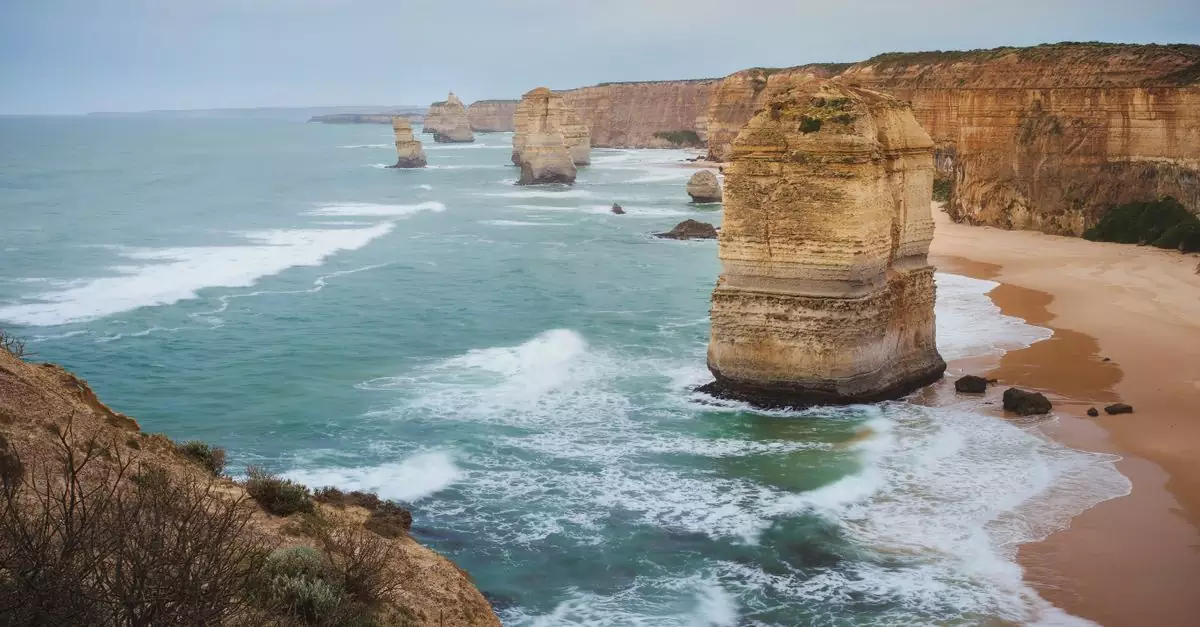
Australia’s diverse landscapes provide a haven for an astonishing array of birdlife, offering unparalleled opportunities for birdwatchers. From the wetlands of the north to the arid interior, the continent’s unique evolution has resulted in species found nowhere else on Earth. Planning a trip focused on avian encounters can lead to some of the most memorable wildlife adventures in Australia.
Kakadu National Park’s Avian Diversity
Kakadu National Park, a UNESCO World Heritage site in the Northern Territory, is a prime destination for bird enthusiasts. Its vast wetlands, escarpments, and woodlands support over 280 bird species. The sheer abundance of birdlife, particularly during the wet season when waterholes are full, is breathtaking.
A key highlight is the Magpie Goose, often seen in large flocks. The park is also home to the iconic Jabiru (Black-necked Stork), various kingfishers, sea eagles, and a multitude of smaller woodland birds. Early morning and late afternoon provide the best viewing opportunities as birds are most active.
Getting There: Kakadu is accessible by road from Darwin, approximately a 3-hour drive. Self-driving is recommended for flexibility, though guided tours are also available.
Best Time to Visit: The dry season (May to October) offers easier access and more predictable weather, while the wet season (November to April) sees flooded areas that are crucial for breeding waterbirds.
Accommodation: Options range from camping grounds to caravan parks and lodges within the park.
Emu Spotting on the Nullarbor Plain
The Nullarbor Plain, a vast, treeless expanse stretching across South Australia and Western Australia, is a surprising location for significant bird sightings, most notably the Emu. This iconic Australian bird, the second-largest living bird by height, thrives in the open country. Spotting a mob of Emus crossing the treeless plains is a classic wildlife adventure in Australia.
Beyond Emus, the Nullarbor hosts various arid-adapted species. Keep an eye out for the Southern Emu-wren, Striated Grasswren, and the Black-eared Miner. Birding here requires patience and keen observation due to the wide-open spaces.
Transportation: The Eyre Highway (National Highway 1) traverses the Nullarbor. Driving is the most common way to experience this region. Services are sparse, so ensure you have adequate fuel and supplies.
Budget Considerations: Fuel and accommodation costs can be higher due to the remoteness. Camping is a more budget-friendly option.
Safety Tip: Be aware of wildlife, especially Emus and kangaroos, on the road, particularly at dawn and dusk.
Tropical Birdlife in the Daintree Rainforest
The Daintree Rainforest in Queensland, the oldest continuously surviving tropical rainforest on Earth, teems with unique bird species. Its dense canopy and proximity to the coast create a rich habitat for a dazzling array of feathered creatures, making it another top spot for wildlife adventures in Australia.
The Cassowary, a large, flightless bird with striking blue and red plumage, is the star attraction. While elusive, sightings are possible in quieter sections of the rainforest, particularly near the coast. Other notable species include the Eclectus Parrot, Double-eyed Fig-Parrot, and the vibrant Azure Kingfisher.
Logistics: The Daintree is accessible from Cairns and Port Douglas. A car ferry crosses the Daintree River, providing access to the northern section of the park.
Timing: Bird activity is generally higher in the early morning and late afternoon. The region experiences a tropical climate with distinct wet and dry seasons.
Local Culture: Respect the rainforest environment and follow marked trails. Local guides can significantly enhance your chances of spotting elusive species like the Cassowary.
Planning Your Australian Wildlife Adventure: Best Time to Visit
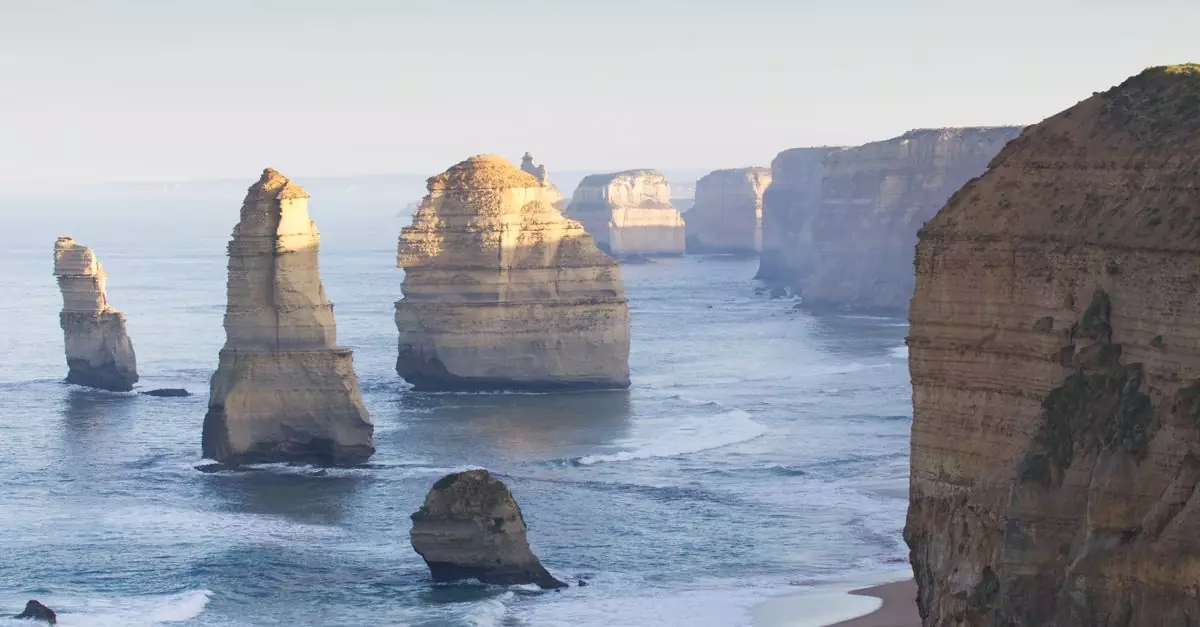
Embarking on a journey to witness Australia’s unique wildlife requires strategic planning, especially regarding the timing of your visit. The vast continent boasts diverse climates, influencing animal behavior and accessibility to prime viewing locations. Understanding these nuances will help you maximize your chances of unforgettable encounters, from spotting a kangaroo in the Outback to snorkeling alongside a sea turtle on the Great Barrier Reef.
Seasonal Wildlife Viewing: When to See Specific Animals
Australia’s wildlife viewing opportunities are highly seasonal. For instance, whale watching along the eastern coast, particularly in Queensland and New South Wales, is best between May and November, when humpback whales migrate to warmer waters to breed and calve. If your focus is on the iconic platypus, the cooler months of winter (June to August) offer better visibility in many waterways as they tend to be more active.
Birdwatching enthusiasts might find spring (September to November) particularly rewarding, as many species are in breeding plumage and more vocal. For those dreaming of seeing penguins, Phillip Island in Victoria offers year-round viewing, but the largest rookeries are typically observed during the warmer months, with the famous Penguin Parade happening at dusk. For a truly diverse wildlife experience across the continent, consider visiting during the shoulder seasons of spring or autumn.
Navigating Australia’s Climate Zones for Wildlife Tours
Australia’s sheer size means its climate varies dramatically. The tropical north experiences a wet season (roughly November to April) and a dry season (May to October). The dry season is generally preferred for wildlife viewing, as animals congregate around shrinking water sources, and there’s less risk of travel disruptions due to rain. This is an excellent time for visiting Kakadu National Park in the Northern Territory to see saltwater crocodiles and abundant birdlife.
In contrast, the southern regions, including Tasmania, have more temperate climates with distinct seasons. Summer (December to February) is warm and ideal for exploring coastal areas and national parks like Kosciuszko National Park, though it can also be the busiest. Autumn (March to May) and spring (September to November) often provide pleasant weather for exploring diverse habitats and observing a wide array of fauna without the extreme heat of summer or the cooler temperatures of winter.
| Region | Best Time for Wildlife Viewing | Key Wildlife Sightings | Notes |
|---|---|---|---|
| Tropical North | May – October (Dry Season) | Crocodiles, birds, wallabies, marine life (offshore) | Higher humidity and rain during wet season; some areas may be inaccessible. |
| Temperate South | September – May | Kangaroos, koalas, wallabies, marine mammals, birds | Summer can be hot; winter is cooler and can see snow in alpine areas. |
| Central Desert | April – October | Kangaroos, emus, reptiles, unique desert flora and fauna | Extreme heat in summer; cooler nights. |
Avoiding Crowds for a More Intimate Experience
To experience Australia’s wildlife without the throngs of tourists, consider visiting during the shoulder seasons—spring (September to November) and autumn (March to May). These periods often offer a sweet spot with favorable weather and fewer visitors compared to peak summer holidays. For instance, visiting the Daintree Rainforest in Queensland during April or May can provide a more serene encounter with its ancient ecosystems and diverse inhabitants.
Traveling mid-week instead of on weekends can also significantly reduce crowds at popular wildlife parks and viewing points. Early morning or late afternoon excursions are often the best times for wildlife activity and tend to be less crowded than midday tours. Planning your trip outside of major school holiday periods, which vary by state, is also a wise strategy for a more peaceful and personal wildlife adventure across the vast continent of Australia.
Getting Around for Wildlife Adventures: Transportation Options
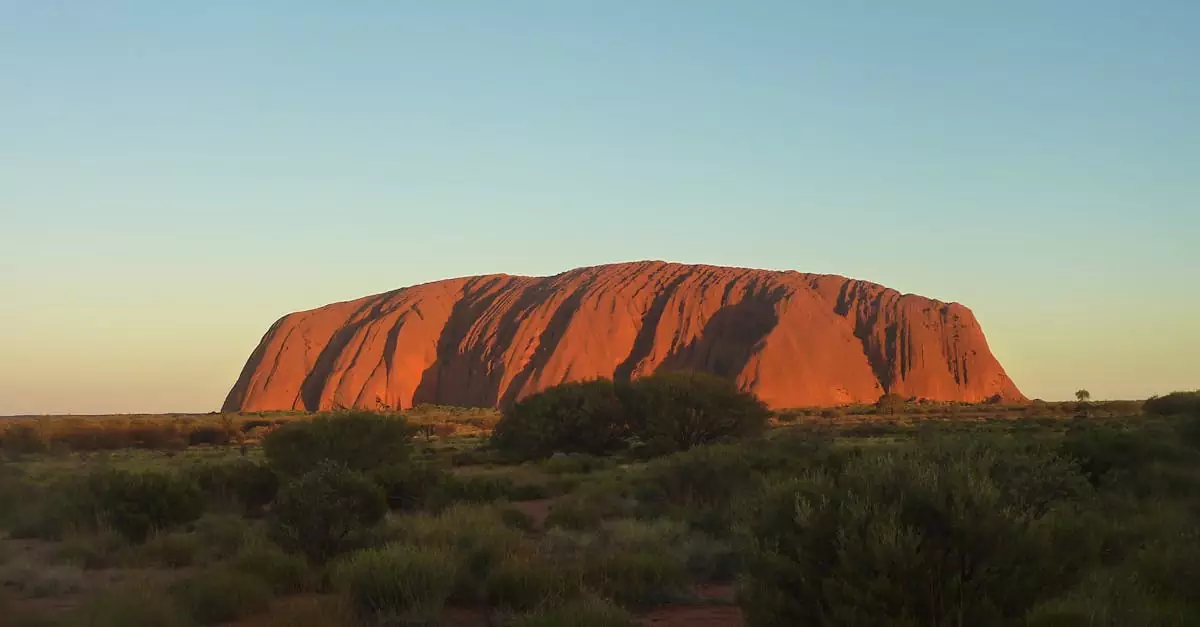
Australia’s vast size means that reaching its most spectacular wildlife destinations often requires strategic planning. Whether you’re aiming for the iconic kangaroos of the outback or the vibrant marine life of the Great Barrier Reef, understanding your transportation options is key to a successful adventure. The best wildlife adventures in Australia are accessible through a combination of self-driving, domestic flights, and guided tours, each offering unique benefits.
Self-Drive Safaris: Best Routes for Wildlife Spotting
Renting a car provides unparalleled freedom to explore Australia’s diverse landscapes and seek out its unique fauna at your own pace. For those keen on spotting kangaroos, wallabies, and emus, the open roads of country Victoria and New South Wales offer excellent opportunities. Driving through national parks like the Grampians in Victoria or Kosciuszko National Park in New South Wales allows for spontaneous stops at scenic lookouts and wildlife-rich areas.
Coastal drives, such as the Great Ocean Road in Victoria, also present chances to see Australian fur seals and various bird species. Heading further afield, the Flinders Ranges in South Australia are a prime location for viewing yellow-footed rock-wallabies and emus in their rugged, arid habitat. Remember to factor in driving times, as distances can be significant, and always be aware of wildlife on roads, especially at dawn and dusk.
Domestic Flights for Reaching Remote Wildlife Hotspots
For destinations that are geographically isolated or require crossing vast distances, domestic flights are often the most practical solution. Reaching the tropical north for encounters with crocodiles and cassowaries or accessing islands teeming with unique marsupials frequently involves flying. For instance, flying into Cairns or Proserpine is the gateway to the Great Barrier Reef, where snorkeling and diving reveal an astonishing array of marine life.
Darwin in the Northern Territory is the entry point for exploring Kakadu National Park, a UNESCO World Heritage site renowned for its abundant birdlife, saltwater crocodiles, and Aboriginal rock art. Similarly, flights to Hobart, Tasmania, open up opportunities to see Tasmanian devils and wombats in their native environment, often within national parks like Cradle Mountain-Lake St Clair National Park. Booking flights in advance, especially during peak travel seasons, can help secure better fares.
Organized Tours vs. Independent Travel for Wildlife Encounters
Deciding between an organized tour and independent travel depends on your priorities, budget, and desired level of immersion.
| Travel Style | Pros | Cons | Best For |
|---|---|---|---|
| Organized Tours | Expert guides, hassle-free logistics, access to remote locations. | Less flexibility, fixed itineraries, potentially higher cost. | Travelers seeking in-depth knowledge, first-time visitors to Australia, those wanting to maximize wildlife sightings with minimal planning. |
| Independent Travel | Maximum flexibility, control over itinerary, cost-effective. | Requires more planning, potential for logistical challenges, self-driving. | Adventurous travelers, those on a budget, individuals wanting to customize their wildlife viewing experiences. |
Organized tours, especially those focused on wildlife, often employ experienced guides who know the best times and locations to spot specific animals. These tours can also provide specialized equipment and insights into animal behavior. However, they come with a less flexible schedule and a higher price tag.
Independent travel, on the other hand, offers complete freedom. Renting a vehicle and planning your own itinerary allows for spontaneous detours and extended stays at locations you particularly enjoy. This approach can be more budget-friendly, but it demands thorough research into routes, accommodation, and wildlife viewing protocols. For many of the best wildlife adventures in Australia, a hybrid approach, combining domestic flights with local car hire or guided day trips, offers a balanced experience.
Frequently Asked Questions About Australian Wildlife Adventures
What are the most ethical ways to see Australian wildlife?
Prioritize responsible tourism when planning your Australian wildlife adventures. Choose tour operators committed to conservation and ethical animal interactions. This often means observing animals in their natural habitats from a safe distance, without feeding or touching them. Look for ecotourism certifications and read reviews that specifically mention the operator’s wildlife practices. Supporting wildlife rehabilitation centers or sanctuaries that focus on rescue and release can also be a rewarding experience.
Are there any safety precautions I should take when encountering wildlife?
Australia has unique wildlife, and it’s essential to maintain a safe distance. Always follow the guidance of park rangers or tour guides. Never feed wild animals, as this can disrupt their natural behaviors and diets, and potentially lead to aggression. Be aware of your surroundings, especially in areas known for snakes or spiders, and wear appropriate footwear. When swimming in coastal waters, be informed about potential marine hazards like jellyfish or crocodiles and heed all warning signs. Understanding the behavior of the animals you might encounter is key to a safe trip.
What should I pack for a wildlife adventure in Australia?
Packing for Australian wildlife viewing depends heavily on the region and season. For most areas, comfortable walking shoes are essential, along with lightweight, breathable clothing in neutral colors that blend with the environment. A wide-brimmed hat, sunglasses, and high-SPF sunscreen are crucial due to Australia’s strong sun. Insect repellent is advisable, particularly for tropical regions or during dawn and dusk. Binoculars will significantly enhance your ability to spot distant animals. A reusable water bottle is also a good idea, as staying hydrated is vital. Consider a waterproof jacket for unpredictable weather.