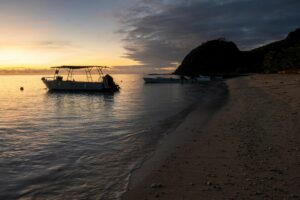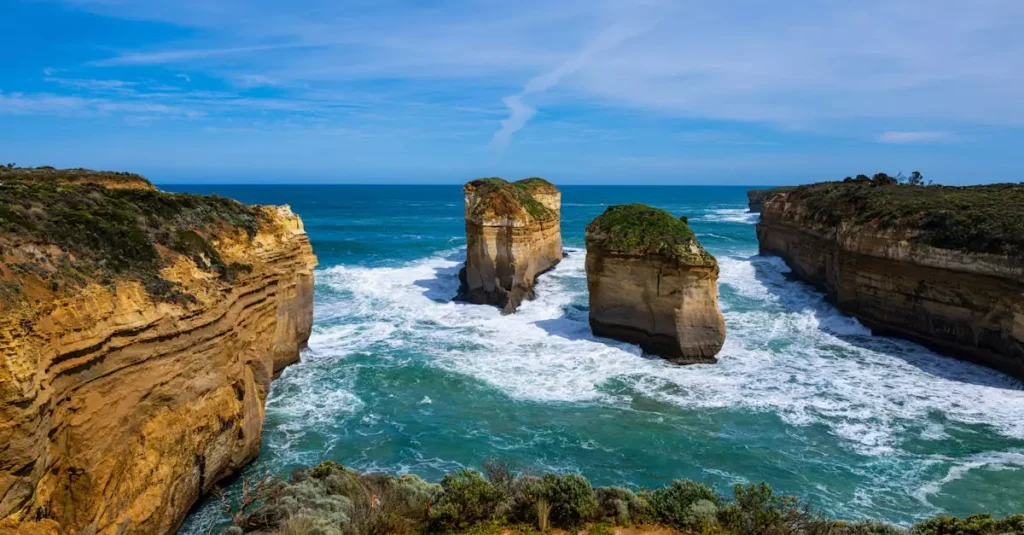
Australia’s coastline is a world-renowned treasure, showcasing an incredible diversity of landscapes and experiences. From the sun-drenched tropical islands of the north to the dramatic, windswept cliffs of the south, its sheer scale and variety make it a dream destination for any traveler. If you’re planning a trip and seeking the best Australian coastal escapes, prepare for a journey filled with natural wonders, unique wildlife encounters, and unforgettable adventures.
This guide will help you navigate the options, highlighting top destinations that cater to every type of traveler. You’ll learn how to choose the perfect time to visit, essential packing tips, and ways to explore beyond the main attractions. Whether you’re dreaming of swimming with whale sharks, surfing legendary breaks, or simply relaxing on pristine beaches, we’ll help you plan your ultimate coastal getaway.
Why Choose Australia for Your Next Coastal Escape?
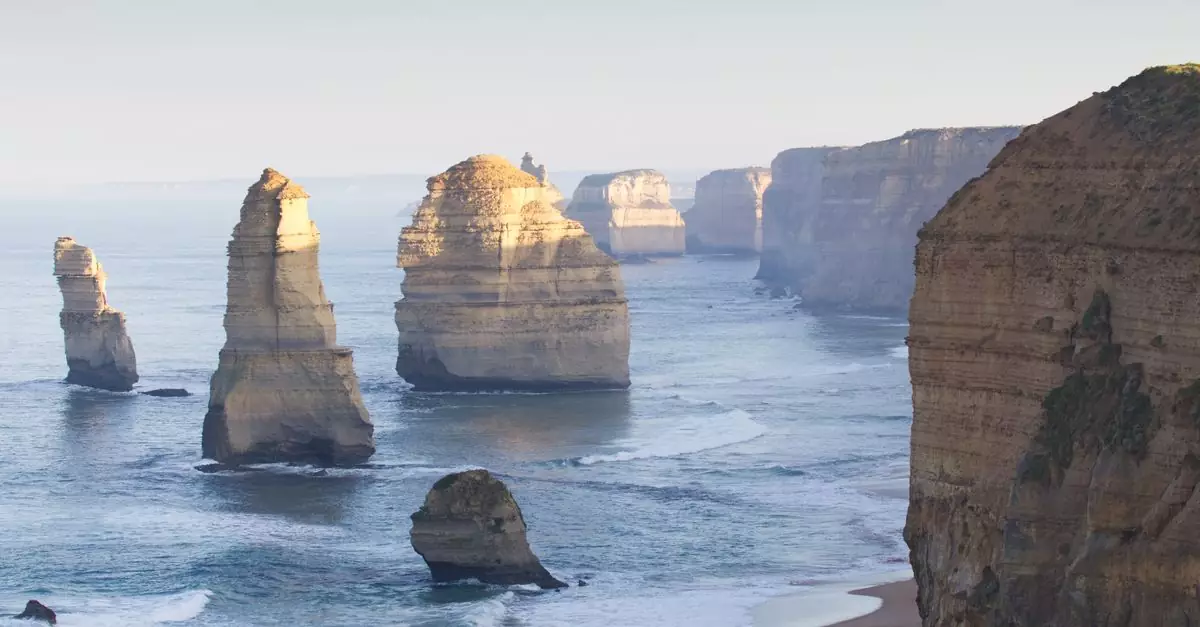
Australia’s vast continent boasts an unparalleled coastline, offering a diverse range of seaside experiences that appeal to every traveler. From the vibrant coral reefs of Queensland to the dramatic cliffs of the Great Ocean Road, the country provides a stunning backdrop for unforgettable adventures. Planning a trip to discover the best Australian coastal escapes means preparing for a journey filled with natural beauty, unique wildlife, and memorable activities.
The Unrivaled Diversity of Australia’s Coastline
The sheer scale of Australia’s coastline, stretching over 25,000 kilometers, means you’ll encounter a remarkable variety of landscapes. On one end, warm, tropical waters are dotted with islands and fringed by coral reefs. Further south, the coastline transforms into dramatic sea cliffs, windswept beaches, and rugged headlands battered by the Southern Ocean. This geographical diversity ensures that no two coastal regions feel the same, offering distinct atmospheres and activities.
Consider the contrast between the laid-back surf culture of Byron Bay in New South Wales, with its golden beaches and bohemian vibe, and the wild, untamed beauty of Tasmania’s Freycinet National Park, home to Wineglass Bay’s iconic crescent of white sand. Each region presents a unique facet of Australia’s maritime allure.
Experiences Beyond the Great Barrier Reef
While the Great Barrier Reef is a world-renowned natural wonder and a must-see for many, Australia’s coastal offerings extend far beyond this singular attraction. Travelers can immerse themselves in the vibrant marine life of Ningaloo Reef in Western Australia, where whale sharks congregate seasonally, or explore the ancient shores of the Kimberley region. The Eyre Peninsula in South Australia offers incredible opportunities for shark cage diving and swimming with sea lions.
These lesser-known yet equally spectacular locations provide a more intimate connection with the ocean and its inhabitants. Excellent surf breaks can be found along the entire eastern seaboard, from the Gold Coast’s famous waves to the powerful swells of Bells Beach in Victoria. For those seeking tranquility, secluded bays and pristine beaches abound across the continent.
Unique Wildlife Encounters by the Sea
Australia’s coastal regions are teeming with unique wildlife, offering remarkable opportunities for observation. Beyond the well-known kangaroos and koalas, many coastal areas are prime spots for encountering marine life. Seals and sea lions are common sights along the southern coasts, particularly in South Australia and Tasmania.
Whale watching is another major draw, with various species migrating along the coastlines at different times of the year. Humpback whales are frequently spotted off the coasts of Queensland and New South Wales during their migration, while southern right whales are more common in the waters of Victoria and Western Australia. Birdwatchers will also find plenty to admire, with numerous seabird species nesting on coastal cliffs and islands. These encounters add an extraordinary dimension to any Australian coastal journey.
Top 5 Best Australian Coastal Escapes for Every Traveler
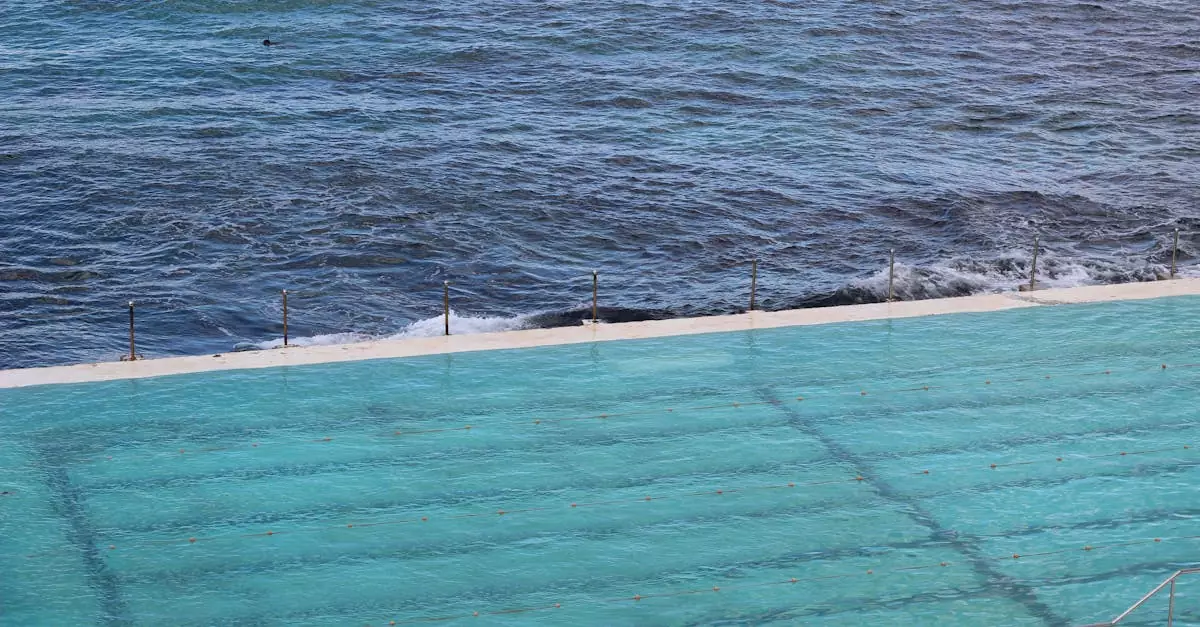
Australia’s coastline is a vast and varied tapestry, offering everything from vibrant coral reefs to dramatic cliffs. Finding the best Australian coastal escapes depends on your interests—be it adventure, relaxation, or natural beauty. Here are five top destinations that cater to diverse travel styles.
Ningaloo Reef, Western Australia: Swim with Whale Sharks
Ningaloo Reef is a UNESCO World Heritage site and one of the planet’s most accessible fringing reefs. Its star attraction, from March to August, is the opportunity to swim alongside majestic whale sharks, the largest fish in the sea. Beyond these gentle giants, the reef teems with marine life, including manta rays, humpback whales, and countless fish species.
Getting to Ningaloo typically involves flying into Learmonth Airport (PER) near Exmouth, followed by a short drive. Accommodation ranges from campgrounds and caravan parks to resorts and apartments in Exmouth and Coral Bay. The best time to visit for whale shark encounters is during the warmer months, though the reef is accessible year-round for snorkeling and diving.
Byron Bay, New South Wales: Bohemian Beach Vibes
Byron Bay has long attracted surfers, yogis, and free spirits, offering a laid-back atmosphere alongside stunning beaches. Main Beach is popular for swimming and surfing, while the iconic Cape Byron Lighthouse provides panoramic views and a chance to spot migrating whales during winter. The town buzzes with eclectic shops, vibrant markets, and a diverse culinary scene.
This coastal town is easily accessible by car from Brisbane (about a 2-hour drive) or Gold Coast Airport (about a 45-minute drive). Byron Bay offers a wide array of accommodation, from backpacker hostels and beachfront bungalows to luxury retreats. Its popularity means booking well in advance is advisable, especially during peak seasons.
Freycinet National Park, Tasmania: Wineglass Bay’s Iconic Beauty
Freycinet National Park on Tasmania’s east coast is renowned for its dramatic pink granite peaks, secluded bays, and crystal-clear waters. Wineglass Bay, consistently ranked among the world’s most beautiful beaches, is the park’s centerpiece. Hiking trails lead to stunning viewpoints, and opportunities for kayaking, sailing, and wildlife spotting abound.
Access to Freycinet is via a scenic drive from Hobart or Launceston, with the gateway town of Coles Bay offering the closest amenities. Accommodation options include lodges, cabins, and camping within the park, subject to availability. Spring and autumn offer pleasant weather for hiking and fewer crowds, while summer is ideal for beach activities.
The Whitsundays, Queensland: Sailing Paradise
Comprising 74 islands, the Whitsundays are the gateway to the Great Barrier Reef and a quintessential Australian coastal experience. Whitehaven Beach, with its silica sand, is a must-visit, while sailing between islands offers unparalleled freedom and access to secluded coves and vibrant coral gardens. Many visitors opt for multi-day sailing trips.
The main gateway to the Whitsundays is Hamilton Island Airport (HTI) or Proserpine Airport (PPP) on the mainland, followed by a ferry transfer. Accommodation varies from luxury island resorts to budget-friendly options on the mainland. The dry season, from June to October, provides the most pleasant weather for outdoor activities.
Margaret River Region, Western Australia: Surf, Wine, and Caves
South of Perth, the Margaret River region boasts a rugged coastline famous for its world-class surf breaks, including the legendary waves at Prevelly. Beyond surfing, this region is an internationally acclaimed wine-producing area, with over 100 wineries offering tastings. The dramatic limestone caves, such as Mammoth Cave and Jewel Cave, add another layer of natural wonder.
The region is best explored by car, with a drive from Perth taking approximately 3 hours. Accommodation options are plentiful, ranging from boutique wineries with guesthouses and coastal campgrounds to charming B&Bs and hotels in the town of Margaret River. The shoulder seasons of spring and autumn provide excellent weather for both wine tasting and beach activities.
Planning Your Perfect Australian Coastal Road Trip
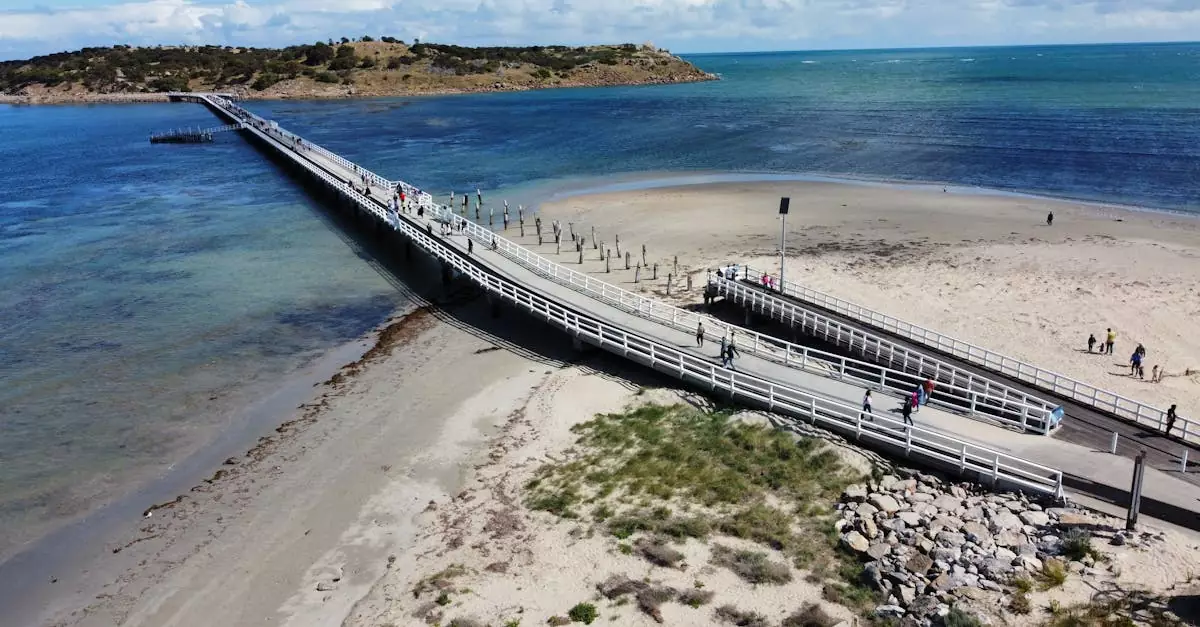
Embarking on a journey along Australia’s vast coastline offers a kaleidoscope of experiences, from the sun-drenched beaches of Queensland to the dramatic cliffs of Western Australia. Planning is key to maximizing your adventure. Consider what kind of coastal escape you’re seeking—whether a relaxed beach holiday, an active surf trip, or a wildlife-focused exploration.
Best Time to Visit Australia’s Coastal Regions by Season
Australia’s diverse climate means the “best” time to visit its coastal areas depends heavily on your chosen region and preferred activities. Understanding seasonal variations will help you avoid extreme weather and make the most of your trip.
- Summer (December-February): Ideal for southern coastlines like Victoria and Tasmania, offering warm beach weather. However, it’s peak season, meaning higher prices and crowds. Northern Australia (Tropical North Queensland, Northern Territory) experiences the wet season with high humidity, heavy rainfall, and potential cyclones.
- Autumn (March-May): A sweet spot for many coastal regions. The southern states enjoy mild, sunny days perfect for sightseeing and beach activities. The tropical north transitions out of the wet season, with clearer skies and less humidity, making it excellent for exploring the Great Barrier Reef.
- Winter (June-August): Best for northern coastlines, which remain warm and sunny, providing a pleasant escape from cooler southern climates. Whale watching season is in full swing along the east and west coasts. Southern regions can be cool and wet, though still pleasant for hiking and scenic drives.
- Spring (September-November): Similar to autumn, spring offers excellent weather across much of the country. Wildflowers bloom in Western Australia, and the southern coastlines become warmer, ideal for outdoor adventures before the summer heat arrives.
Navigating Australia: Flights, Car Rentals, and Campervans
Australia is a massive continent, and getting around its extensive coastline requires strategic planning. The most common and flexible way to experience the best Australian coastal escapes is by road.
| Transportation Option | Pros | Cons | Best For |
|---|---|---|---|
| Flights | Fastest way to cover long distances | Expensive; limits spontaneous stops | Connecting distant coastal cities (e.g., Sydney to Perth) |
| Car Rental | Flexibility, access to remote spots | Can be costly for long trips; requires driving on the left | Road trips along a specific coastline (e.g., Great Ocean Road) |
| Campervan Hire | Accommodation and transport combined; freedom | Slower travel; campsite fees; requires driving experience | Extended road trips, budget travelers, camping enthusiasts |
| Public Transport | Economical in major cities | Limited reach to coastal attractions; infrequent services | Short stays in coastal cities like Sydney or Brisbane; not for road trips |
When planning your road trip, consider whether you prefer the freedom of a rental car or the convenience of a campervan. Booking in advance is highly recommended, especially during peak seasons. Familiarize yourself with Australian road rules, including driving on the left-hand side. Major cities like Sydney and Melbourne offer extensive public transport networks, but for true coastal exploration, a private vehicle is almost essential.
Crafting a 7-Day Coastal Itinerary: East Coast Highlights
A week is enough time to get a taste of one of Australia’s iconic coastal routes. The East Coast is a popular choice for its diverse scenery and accessibility. This sample itinerary focuses on a segment of the New South Wales and Queensland coast, offering a mix of city, beach, and natural beauty.
Day 1-2: Sydney & the Northern Beaches
Arrive in Sydney. Spend a day exploring iconic landmarks like the Opera House and Harbour Bridge. Dedicate day two to driving north to the Northern Beaches, visiting Manly and perhaps venturing further to Palm Beach.
Day 3: Central Coast & Port Stephens
Continue north to the Central Coast for charming seaside towns. By afternoon, reach Port Stephens, known for its dolphin cruises and sand dunes.
Day 4-5: Mid-North Coast & Byron Bay
Drive through scenic coastal towns like Forster and Crescent Head. Arrive in Byron Bay, famous for its relaxed vibe, surf breaks, and lighthouse. Enjoy the beaches and vibrant atmosphere.
Day 6: Gold Coast or Sunshine Coast
Head north into Queensland. Choose between the bustling beaches and theme parks of the Gold Coast or the more laid-back, family-friendly shores of the Sunshine Coast.
Day 7: Departure from Brisbane
Enjoy a final morning by the coast before heading to Brisbane for your departure. This route offers a good introduction to the best Australian coastal escapes, balancing driving with relaxation.
Essential Packing List for Sun, Sand, and Sea
Packing for an Australian coastal trip requires a focus on sun protection and versatile clothing. The Australian sun is intense, so prioritize sun safety.
- Sun Protection: High SPF sunscreen (reef-safe if visiting the Great Barrier Reef), wide-brimmed hat, sunglasses, and a rash guard for swimming.
- Clothing: Lightweight, breathable clothing like cotton or linen. Include swimwear, shorts, t-shirts, and a light jacket or sweater for cooler evenings or air-conditioned transport.
- Footwear: Comfortable walking shoes or sandals, and flip-flops or thongs for the beach.
- Beach Gear: Beach towel, reusable water bottle, and a beach bag.
- Insect Repellent: Particularly important for tropical regions and evenings.
- First-Aid Kit: Basic supplies for minor injuries.
- Camera: To capture the stunning coastal scenery.
- Travel Adapter: For charging electronics.
Remember to pack light and efficiently, especially if you plan on moving between locations frequently. Many coastal towns have readily available amenities, so you won’t need to overpack.
Beyond the Beach: Exploring Local Flavors and Hidden Gems
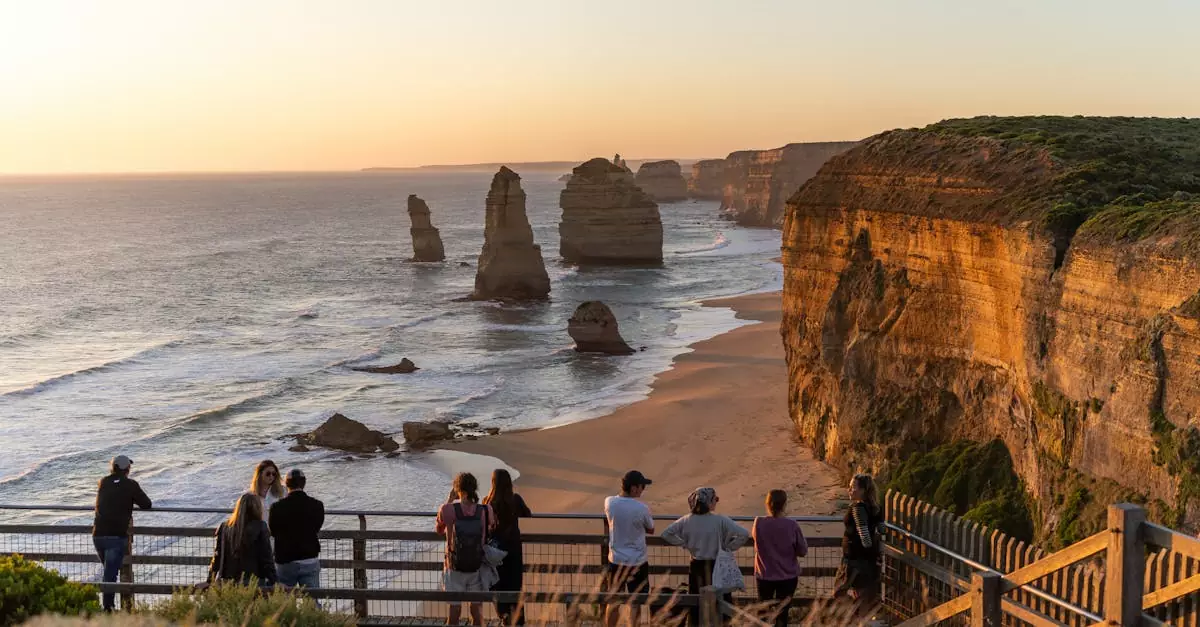
While the allure of the best Australian coastal escapes often centers on sun-drenched sands and azure waters, these regions offer far more than just seaside relaxation. Engaging with the local culture, from its culinary scene to its natural wonders, enriches any visit. Many coastal towns boast vibrant food cultures, unique craft beverage scenes, and opportunities to connect with the land and its history.
Fresh Seafood Delights in Coastal Towns
The proximity to abundant ocean resources means that fresh seafood is a staple in most Australian coastal communities. From bustling fish markets where you can select your catch to restaurants serving expertly prepared dishes, the quality is consistently high. Consider dining in places like Port Lincoln in South Australia, renowned for its tuna, or the many towns along the Great Ocean Road in Victoria, offering freshly shucked oysters and grilled fish.
Many eateries pride themselves on sourcing ingredients directly from local fishermen, ensuring a taste of the ocean at its freshest. Don’t miss opportunities to try regional specialties, which might include Moreton Bay bugs on the Queensland coast or local barramundi in the Northern Territory. A simple fish and chips enjoyed with a view of the harbor is a quintessential coastal experience.
Discovering Local Breweries and Wineries near the Coast
Beyond seafood, many coastal regions are becoming hubs for craft beverages. You’ll find a growing number of microbreweries popping up in seaside towns, often with stunning ocean views. These establishments frequently showcase unique brews inspired by their locale, perhaps using local fruits or native botanicals.
Similarly, areas adjacent to the coast are home to excellent wineries. The Margaret River region in Western Australia, famous for its Chardonnay and Cabernet Sauvignon, is a prime example, offering world-class vineyards just a short drive from stunning beaches. Even smaller coastal communities might have a local cidery or distillery experimenting with regional flavors. Visiting these spots offers a chance to sample artisanal products and learn about the local production process.
Unearthing Secluded Beaches and Coastal Walking Trails
While popular beaches draw crowds, many of the best Australian coastal escapes involve venturing off the beaten path to find quieter stretches of sand and dramatic cliffside paths. Look for recommendations from locals or consult regional tourism websites for less-visited coves and bays. These hidden gems often provide a more intimate connection with the natural beauty of the coastline.
Coastal walking trails, ranging from short scenic strolls to multi-day treks, offer a fantastic way to appreciate the diverse coastal landscapes. The Great Ocean Walk in Victoria, for instance, allows you to traverse rugged cliffs and discover deserted beaches. Even shorter trails, like those found in national parks along the coast, can lead to breathtaking viewpoints and unique geological formations. Always check local conditions and be prepared for varying terrain when planning your hikes.
Indigenous Cultural Experiences along the Shoreline
The Australian coastline has been home to Indigenous peoples for tens of thousands of years, and many regions offer opportunities to learn about their rich cultural heritage. Engaging with these experiences provides a deeper understanding of the land and sea, and the ancient connection Indigenous Australians have with these environments.
Look for guided tours led by Indigenous guides who can share traditional knowledge about local flora, fauna, and the spiritual significance of the coastal areas. Some communities offer workshops, storytelling sessions, or opportunities to learn about traditional art forms. These encounters can be deeply moving and provide a perspective that goes beyond the typical tourist experience, adding profound depth to your understanding of the Australian landscape.
Accommodation Options for Your Australian Coastal Getaway
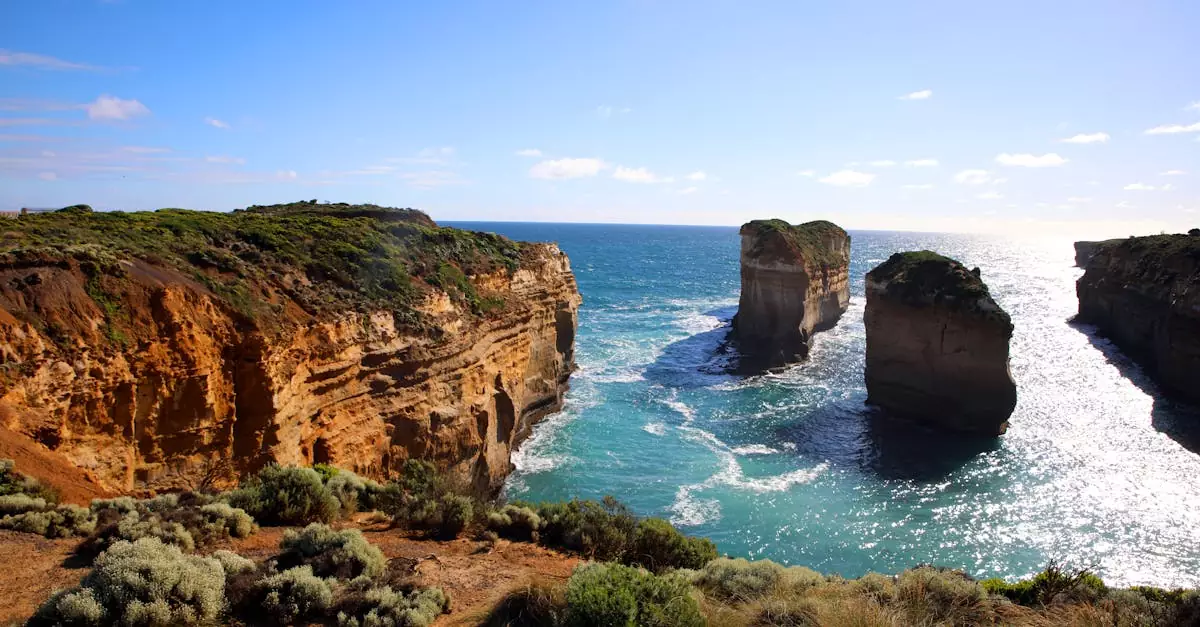
Choosing the right place to stay significantly enhances your experience of Australia’s stunning coastlines. From bustling cities to remote islands, options cater to every traveler’s needs and budget. Consider your priorities—whether it’s waking up to the sound of waves, needing space for a family, or seeking an affordable base for adventure.
Luxury Resorts with Ocean Views
For those seeking indulgence, Australia’s coast is dotted with world-class resorts offering unparalleled ocean vistas. Many of these establishments provide direct beach access, fine dining, and premium amenities like spas and infinity pools. Locations such as the Whitsunday Islands in Queensland or the Margaret River region in Western Australia are renowned for their high-end beachfront hotels. Expect to pay a premium for these experiences, with rates often starting from AUD $500 per night. Booking well in advance is crucial, especially during peak seasons like school holidays or major events.
Budget-Friendly Hostels and Caravan Parks
Travelers on a tighter budget will find an abundance of hostels and caravan parks along the Australian coast. These offer a more social atmosphere and significant cost savings. Hostels provide dormitory-style rooms and private options, often with communal kitchens and common areas, making them great for solo travelers. Caravan parks, a staple of Australian travel, range from basic sites for tents and campervans to self-contained cabins. Many are located directly on or near beaches, offering fantastic value. Expect to pay between AUD $30-$60 per night for a hostel dorm bed or a powered caravan site.
Unique Stays: Beachfront Cabins and Eco-Lodges
Beyond traditional hotels and hostels, Australia offers unique coastal accommodations that immerse you in nature. Beachfront cabins provide a cozy, private escape, often with stunning views and direct access to quieter stretches of sand. Eco-lodges, increasingly popular, focus on sustainability and offer a chance to connect with the natural environment, often in remote or conservation-focused areas. These can range from simple, rustic huts to architecturally designed retreats. Staying in an eco-lodge on Kangaroo Island or a secluded cabin on the Great Ocean Road can offer a truly memorable experience, often with a focus on local produce and wildlife encounters.
Family-Friendly Holiday Homes
Renting a holiday home or apartment is an excellent choice for families or groups seeking space, privacy, and the convenience of self-catering. Websites specializing in holiday rentals offer a vast selection across popular coastal destinations like the Gold Coast, the Sunshine Coast, and regions of New South Wales. These properties often include multiple bedrooms, full kitchens, living areas, and sometimes private pools or gardens. This option provides flexibility for meal times and allows families to establish a comfortable home base for their explorations. Prices vary widely based on size, location, and amenities, but can offer cost savings for larger groups compared to booking multiple hotel rooms.
Frequently Asked Questions About Australian Coastal Escapes
What are the safest coastal areas for swimming in Australia?
When seeking safe swimming spots along the Australian coast, prioritize beaches with surf life-saving clubs. These patrolled beaches have designated swimming zones marked by red and yellow flags. Always swim between these flags, as they indicate the safest area, free from strong currents and rips. Popular choices include Bondi Beach in Sydney, Surfers Paradise on the Gold Coast, and Cottesloe Beach in Perth, all well-equipped with lifeguards. For calmer waters, consider sheltered bays or harbor beaches. Always check local conditions and heed any warnings from lifeguards.
How can I budget for an Australian coastal trip?
Budgeting for an Australian coastal trip depends heavily on your chosen destinations, accommodation style, and activities. Major cities like Sydney and Melbourne tend to be more expensive for accommodation and dining than regional coastal towns.
Here’s a general breakdown to consider:
| Category | Budget Traveler ($) | Mid-Range Traveler ($$) | Luxury Traveler ($$$) |
|---|---|---|---|
| Accommodation | Hostels, camping | Motels, apartments | Resorts, boutique hotels |
| Food | Supermarkets, cafes | Restaurants, pubs | Fine dining, private chefs |
| Activities | Free beaches, hikes | Day tours, national parks | Private tours, boat charters |
| Transportation | Public transport, carpooling | Rental car, regional flights | Private transfers, domestic flights |
To save money, consider traveling during the shoulder seasons (spring and autumn) when prices for flights and accommodation are often lower. Cooking some of your meals and utilizing free public beaches and walking trails can significantly reduce daily expenses. Planning your itinerary in advance can also help secure better deals on transport and lodging.
What are common tourist mistakes to avoid on the Australian coast?
A common mistake is underestimating the power of the Australian sun. Always wear high-SPF sunscreen, a hat, and sunglasses, and seek shade during peak sun hours. Another oversight is not respecting the ocean’s conditions; always swim between the flags and be aware of rip currents. Many visitors also try to pack too much into a short period, missing the relaxed pace that coastal living offers. Instead, focus on a few key experiences and allow time for spontaneous discoveries. Finally, ensure you’re aware of wildlife, particularly snakes and spiders when venturing into coastal bushland, and sharks when in the ocean.
Are there specific photography spots not to miss?
Australia’s coastline offers endless photographic opportunities. For dramatic landscapes, consider the Twelve Apostles on the Great Ocean Road in Victoria, especially at sunrise or sunset. Whitehaven Beach in the Whitsundays, Queensland, is famous for its swirling silica sands and vibrant turquoise waters, best captured from Hill Inlet lookout. In Western Australia, the pink hues of Lake Hillier provide a surreal contrast to the surrounding ocean. For urban coastal shots, the Sydney Harbour Bridge and Opera House with the Pacific Ocean as a backdrop are iconic. Don’t forget the rugged beauty of Tasmania’s Freycinet National Park, with Wineglass Bay offering stunning panoramic views.