Italy’s iconic cities, such as Rome, Florence, and Venice, attract millions, but the true essence of this diverse country often lies in its quieter corners. Venturing beyond the well-trodden paths reveals a tapestry of authentic experiences, from ancient villages perched on hillsides to serene coastal stretches and dramatic mountain landscapes. Discovering Italy’s hidden gems allows for a deeper connection with local culture, an escape from the crowds, and a chance to witness traditions untouched by mass tourism.
In this guide, we’ll unveil remarkable destinations, exploring charming lakeside towns, breathtaking Dolomite valleys, medieval hamlets seemingly frozen in time, and captivating coastal villages. You’ll learn about their unique appeal, practical tips for visiting, and why they embody the soul of authentic Italian travel. Prepare to be inspired to explore a side of Italy that many visitors overlook, where every discovery feels personal and every vista tells a story.
Unveiling Italy’s Best Hidden Places: Beyond the Crowds
Why Seek Out Italy’s Lesser-Known Treasures?
Italy’s renowned cities draw millions annually for good reason. However, the true magic often lies beyond the typical tourist routes. Exploring Italy’s hidden treasures offers a more intimate connection with its culture, an escape from the throngs, and the opportunity to discover landscapes and traditions that remain untouched by mass tourism. These less-visited regions provide a genuine glimpse into Italian life, where local interactions flourish and the pace is refreshingly slow.
Defining Italy’s Hidden Gems: What Makes Them Special?
Italy’s hidden gems are more than obscure locations; they are places that maintain a strong sense of regional identity and authenticity. These might include small medieval villages clinging to hillsides, remote coastal stretches with pristine beaches, or mountain hamlets where ancient crafts are still practiced. What sets them apart is their ability to offer a genuine experience, free from the commercial veneer often found in heavily touristed areas. You’ll encounter fewer souvenir shops and more family-run trattorias, fewer selfie sticks and more opportunities for spontaneous conversations with locals.
The Allure of Authentic Italian Experiences
The appeal of seeking out Italy’s best hidden places lies in the promise of authentic experiences. Imagine discovering a local sagra (food festival) celebrating a regional specialty, hiking through vineyards where winemaking traditions have been passed down for generations, or simply enjoying an aperitivo in a piazza filled with the sounds of Italian voices and the clinking of glasses. These moments embody Italian culture, offering a deeper understanding and appreciation of the country’s rich heritage. For travelers looking to connect with the soul of Italy, bypassing the usual hotspots can lead to unforgettable discoveries.
Northern Italy’s Secret Sanctuaries: Lakes, Mountains, and Villages
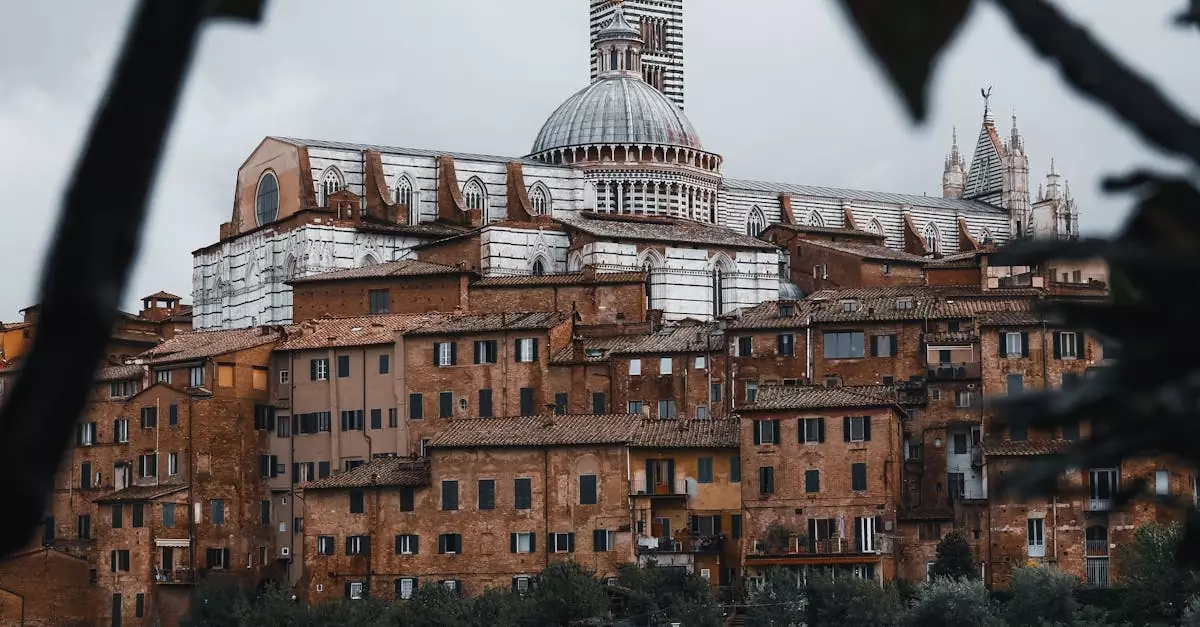
Northern Italy often conjures images of grand cities and famous lakes, but venturing slightly off the well-trodden paths reveals a wealth of tranquil beauty. These less-visited corners offer authentic experiences, from dramatic mountain vistas to serene lakeside villages and historic hamlets. For travelers seeking hidden places in Italy away from the crowds, this region provides exceptional opportunities.
The Enchanting Val di Funes, South Tyrol: Dolomite Hiking Paradise
For an unforgettable Dolomite experience away from the crowds, Val di Funes (Villnösstal in German) is a revelation. This picturesque valley in South Tyrol is renowned for its dramatic Odle/Geisler peaks, which form a breathtaking backdrop to lush alpine meadows and charming hamlets. It’s a hiker’s dream, offering trails for all levels, from gentle strolls to challenging via ferratas.
The village of Santa Maddalena, with its iconic church steeple set against the imposing mountain range, is a postcard-perfect scene. Nearby, the Adolf Munkel Trail provides accessible, stunning views of the Odle peaks, making it a highlight for many visitors. The valley’s strong Ladin and Tyrolean cultural influences are evident in its cuisine and traditions, offering a unique flavor of Italy.
Getting There and Around:
The closest major airport is Innsbruck (INN) in Austria, or Verona (VRN) in Italy. From these cities, take a train to Bressanone/Brixen and then a bus or taxi into the valley. Renting a car provides the most flexibility for exploring various trailheads and villages. During peak summer, local buses connect main points of interest.
Best Time to Visit:
Late spring (May-June) brings wildflowers and fewer crowds, while summer (July-August) is ideal for high-altitude hiking. Autumn (September-October) showcases stunning fall colors, though some mountain huts may begin to close. Winter offers a serene, snow-covered landscape, but access to some trails can be limited.
Orta San Giulio: A Tranquil Island Escape on Lake Orta
While Lake Como and Lake Maggiore attract considerable attention, Lake Orta offers a more intimate and peaceful Italian lake experience. At its heart lies the enchanting island of San Giulio, accessible by a short ferry ride from the charming village of Orta San Giulio. This UNESCO World Heritage site is a haven of quiet contemplation and historical beauty.
Wander through the narrow, cobblestone streets of Orta San Giulio, admiring its Renaissance architecture and vibrant piazzas. The island is dominated by the Basilica di San Giulio, a Romanesque masterpiece with stunning frescoes. A walk along the island’s “Way of Silence and Meditation” provides a deeply calming experience. The lack of cars within the village and on the island enhances its serene atmosphere.
Logistics and Accommodation:
Orta San Giulio is easily reached by train to Orta-Miasino station, followed by a short taxi or bus ride to the village. Many visitors choose to stay in charming hotels or B&Bs within Orta San Giulio, offering direct access to the lake and island. For a more secluded feel, consider accommodations in nearby villages around Lake Orta.
Budget Considerations:
Lake Orta generally offers moderate prices for accommodation and dining compared to its more famous northern Italian counterparts. Expect to pay around €150-€250 per night for a quality hotel in peak season.
Borghetto sul Mincio: A Medieval Watermill Village Near Verona
Just a short journey from the romantic city of Verona lies Borghetto sul Mincio, a unique and idyllic village that feels frozen in time. This tiny hamlet is famous for its picturesque setting along the Mincio River, where ancient watermills, some still functional, nestle among stone houses. The sound of rushing water and the charming architecture create an unforgettable atmosphere.
The village is small enough to explore on foot in a leisurely hour or two, but its beauty invites lingering. Enjoy a meal at one of the riverside restaurants, savoring local specialties like tortellini, which are said to have originated here, inspired by the shape of Venus’s navel. A picturesque bridge leads to a ruined Scaliger castle on the hill, offering panoramic views of the village and the surrounding countryside.
Day Trip Potential:
Borghetto is an ideal addition to a trip to Verona or a visit to the nearby Lake Garda region. Its proximity makes it an easy half-day or full-day excursion. Combining a visit with the nearby town of Valeggio sul Mincio, known for its Parco Giardino Sigurtà (a magnificent botanical garden), makes for a perfect day out.
Transportation:
The easiest way to reach Borghetto sul Mincio is by car, as it’s a short drive from Verona. Public transportation options are less direct, often involving a bus to Valeggio sul Mincio and then a walk or short taxi ride to Borghetto. The village is very walkable once you arrive.
Central Italy’s Undiscovered Charms: Rolling Hills and Historic Towns
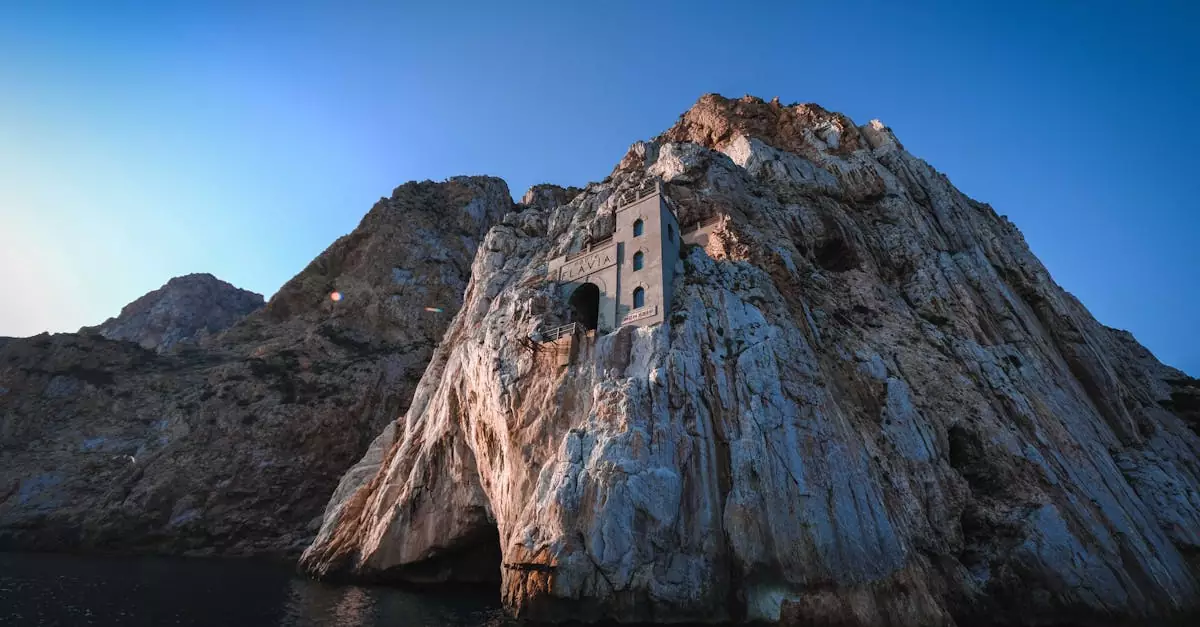
Central Italy presents a compelling alternative to its more famous neighbors, revealing a landscape dotted with ancient towns and dramatic natural beauty. Travelers seeking authentic experiences away from the crowds will find these regions offer a slower pace and a genuine glimpse into Italian life. From the unique allure of a “dying city” to serene coastal escapes and rugged mountain parks, Central Italy showcases some of the country’s best hidden places.
Civita di Bagnoregio: The Dying City’s Dramatic Beauty
Perched atop a volcanic tuff hill, Civita di Bagnoregio is breathtaking, often referred to as “the dying city” due to gradual erosion. Reaching this medieval village requires a walk across a long, steep pedestrian bridge, a journey that transports you to another era. Once inside, you’ll find cobblestone streets, stone houses adorned with flower boxes, and panoramic views of the surrounding Calanchi Valley.
Civita is best experienced by wandering its narrow lanes, stopping for a coffee in the small piazza, or enjoying a meal at one of the trattorias. Its isolation has preserved its charm, making it a truly unique destination. Plan for at least half a day to soak in the atmosphere and capture its photogenic vistas.
- Getting There: The nearest train station is Orvieto, from which you can take a bus or taxi to Bagnoregio. From Bagnoregio, the pedestrian bridge is the only access.
- Best Time to Visit: Spring and autumn offer pleasant weather for walking the bridge and exploring the village. Summer can be hot, and winter may bring fog that adds to the mystique but can obscure views.
- Tip: Wear comfortable shoes, as the bridge is a significant incline and the village streets are uneven.
Sperlonga: Coastal Serenity and Ancient Grottoes
For a coastal escape that feels a world away from bustling Amalfi, Sperlonga offers pristine beaches and a charming whitewashed old town. This picturesque village overlooks the Tyrrhenian Sea and is famous for its connection to the Roman Emperor Tiberius, whose sprawling villa and grottoes are major attractions. The Grotto of Tiberius, a vast sea cave once used for banquets, is a remarkable historical site.
Sperlonga’s beaches are a significant draw, with fine sand and clear waters. The town itself is a labyrinth of narrow alleys, staircases, and arches, perfect for leisurely exploration. Enjoy fresh seafood at a seaside restaurant or simply relax on the sand.
- Logistics: Sperlonga is accessible by train from Rome or Naples, followed by a short bus or taxi ride from the Sperlonga station to the town center.
- Budget: Accommodation and dining can be more affordable here than in more renowned coastal destinations, especially outside of peak summer months.
- Comparison: While offering beautiful beaches like those found further south, Sperlonga provides a more tranquil and less crowded experience.
The Monti Sibillini National Park: Wild Landscapes and Folklore
In the heart of the Apennines, the Monti Sibillini National Park is a haven for nature lovers and those intrigued by ancient legends. This rugged mountain range is known for its dramatic peaks, glacial valleys, and vibrant wildflower meadows, particularly the Piano Grande, which bursts into color in late spring and early summer. The park is steeped in folklore, most famously associated with the Sibyl, a mythical prophetess said to reside in the mountains.
Hiking is the primary activity here, with trails ranging from gentle walks to challenging mountain ascents. Highlights include the Gola dell’Infernaccio (Hell’s Gorge) and stunning views from Monte Vettore. The small mountain villages within and around the park, such as Castelluccio di Norcia, offer a taste of traditional Umbrian and Marchegiano life.
- Seasonality: The Piano Grande’s flowering season, typically from May to July, is spectacular. Autumn brings beautiful foliage, while winter offers opportunities for snowshoeing.
- Accessibility: The park is best reached by car, allowing flexibility to explore its various trailheads and villages.
- Safety: Be prepared for rapidly changing mountain weather. Inform someone of your hiking plans and carry appropriate gear.
| Destination | Primary Appeal | Travel Type |
|---|---|---|
| Civita di Bagnoregio | Unique medieval architecture, dramatic views | History buffs, photographers, day-trippers |
| Sperlonga | Beaches, ancient Roman ruins, charming town | Beach lovers, history enthusiasts, couples |
| Monti Sibillini Nat. Park | Hiking, wildflowers, folklore, mountain views | Hikers, nature photographers, adventure seekers |
Southern Italy’s Secluded Splendors: Coastlines, Islands, and Ancient Sites
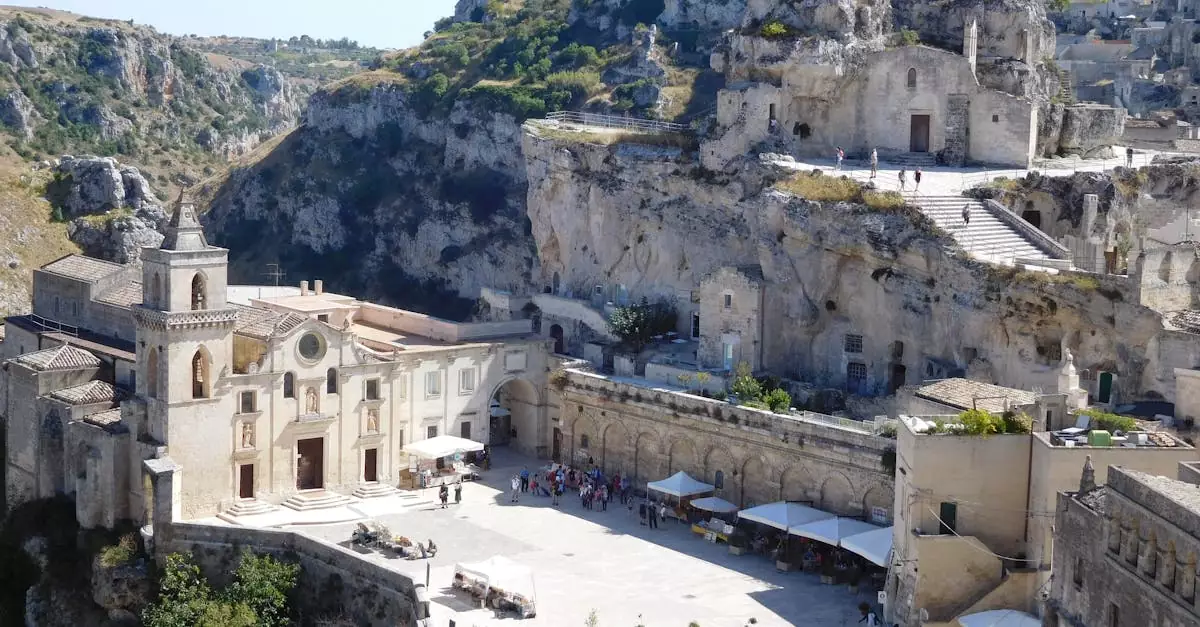
While Rome, Florence, and Venice often dominate Italian travel itineraries, the southern half of the country conceals some of its most enchanting and less-trafficked destinations. These regions offer a more authentic glimpse into Italian life, featuring stunning natural beauty, rich history, and delicious regional cuisine, often at a more accessible price point. For travelers seeking hidden places in Italy away from the crowds, southern Italy delivers.
Procida: A Colorful Island Gem in the Bay of Naples
Just a short ferry ride from Naples, Procida remains remarkably untouched by mass tourism, offering a vibrant and authentic island experience. Its defining feature is the kaleidoscope of pastel-colored houses cascading down to the harbor of Marina Corricella. This picturesque scene is a photographer’s dream and a testament to the island’s enduring charm.
Unlike its more famous neighbors Capri and Ischia, Procida retains a strong local identity, evident in its bustling fishing ports and quiet residential streets. Visitors can wander through narrow alleyways, discover hidden beaches like Chiaiolella, and enjoy fresh seafood at waterfront trattorias. The island is best explored on foot or by local bus, allowing for spontaneous discoveries around every corner.
Getting to Procida:
Ferries and hydrofoils depart regularly from Naples (Molo Beverello and Porta di Massa) and Pozzuoli. The journey takes approximately 30-60 minutes, depending on the vessel.
Best Time to Visit:
Late spring (May-June) and early autumn (September-October) offer pleasant weather and fewer crowds. Summer can be hot and busy with local holidaymakers.
Maratea: The ‘Pearl of the Tyrrhenian’ with Christ the Redeemer Statue
Perched on the rugged coastline of Basilicata, Maratea commands breathtaking views of the Tyrrhenian Sea. Its dramatic cliffs, hidden coves, and crystal-clear waters make it a sought-after destination for those in the know. The town consists of charming hamlets scattered across the hillside, each with its own character.
Dominating the skyline is the colossal statue of Christ the Redeemer, one of the largest in the world, second only to its counterpart in Rio de Janeiro. The statue offers unforgettable panoramic vistas. Beyond this iconic landmark, Maratea boasts a beautiful old town, numerous churches, and a marina filled with yachts. It’s a destination that rewards slow travel and a willingness to navigate its winding roads.
Logistics for Maratea:
Maratea is best accessed by car, allowing flexibility to explore its various districts and beaches. The nearest train station is Maratea, with connections to major southern cities.
Local Culture:
Maratea’s economy is historically tied to fishing and agriculture. The local cuisine features fresh seafood, lamb, and regional produce like peperoni cruschi (crispy dried peppers).
Scilla: Calabria’s Picturesque Fishing Village and Castle
At the toe of Italy’s boot lies Scilla, a captivating fishing village in Calabria steeped in myth and natural beauty. Its most striking feature is the Chianalea district, a cluster of houses built directly on the rocks overlooking the sea, earning it the nickname “the Venice of the South.” Fishing boats are moored right outside homes, creating a unique and photogenic scene.
The village is crowned by the Ruffo Castle, a historic fortress that has guarded the Strait of Messina for centuries. Exploring the castle offers not only a glimpse into history but also stunning views of the Calabrian coast and Sicily across the water. Scilla is also known for its swordfish, a local delicacy that should be sampled at one of the seaside restaurants. It’s a quintessential example of southern Italy’s charm and a true hidden gem.
Traveler Tip:
For the most authentic experience, stay in the Chianalea district, where you can wake up to the sounds of the sea and enjoy breakfast with a view of the fishing boats.
Comparison of Southern Gems:
| Destination | Vibe | Scenery | Best For | Typical Budget |
|---|---|---|---|---|
| Procida | Authentic Island Life | Colorful Harbors, Beaches | Relaxed Getaway | Moderate |
| Maratea | Dramatic Coastline, Views | Cliffs, Sea, Christ Statue | Scenic Drives, Relaxation | Moderate to High |
| Scilla | Historic Fishing Village | Seafront Houses, Castle | Culture, Seafood, Coastal Walks | Moderate |
Planning Your Journey to Italy’s Hidden Places
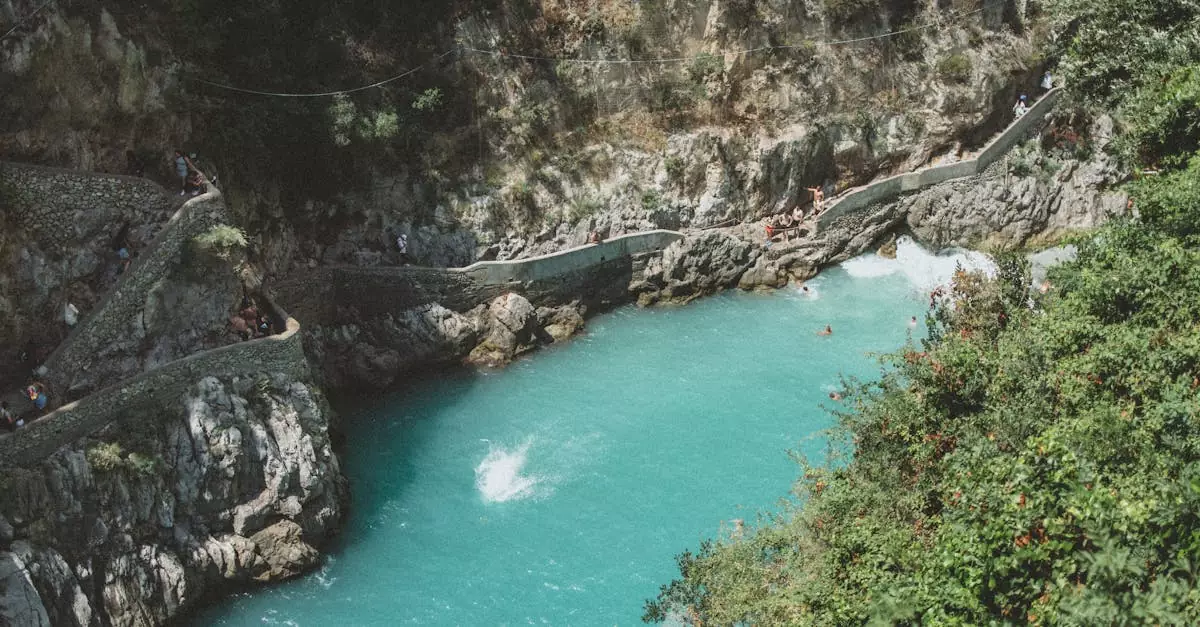
Venturing beyond Italy’s iconic cities unlocks a different kind of magic. These lesser-known locales offer authentic experiences, fewer crowds, and a deeper connection to Italian life. Planning is key to uncovering these hidden gems, ensuring you maximize your time and enjoy a truly unique adventure.
Best Time to Visit Italy’s Off-the-Beaten-Path Destinations
Timing your visit can significantly enhance your experience in Italy’s more remote regions. Shoulder seasons, spring (April to June) and fall (September to October), are generally ideal. The weather is pleasant for outdoor activities, and you’ll encounter fewer tourists than during peak summer months.
- Spring: Wildflowers bloom, and the air is fresh. This is a great time for hiking in mountainous areas or exploring coastal villages before the summer heat.
- Summer (July to August): While popular, it can be very hot, especially in the south. Some smaller villages may experience quieter periods as locals take their own holidays, but major tourist hubs will be busy.
- Fall: Harvest season brings vibrant colors and local food festivals. The weather remains agreeable for sightseeing, and the light is often beautiful for photography.
- Winter (November to March): This is the quietest time, with fewer services available in very remote areas. However, it offers a unique, authentic perspective, particularly in regions known for winter sports or cozy, atmospheric towns.
Consider the specific region. Northern Italy’s mountains are best enjoyed from late spring to early fall, while southern coastal areas are pleasant from spring through early autumn.
Getting Around: Transportation Options for Remote Italian Locales
Navigating Italy’s hidden gems often requires a multi-modal approach. While trains connect major cities efficiently, reaching more secluded spots demands flexibility.
Rental Cars: For ultimate freedom, renting a car is often the best option. This allows you to stop at scenic viewpoints, visit small villages not served by public transport, and carry luggage with ease. Be aware that driving in some historic centers is restricted, and parking can be challenging. Familiarize yourself with Italian driving laws before you go.
Trains and Buses: Italy has an extensive national railway network, Trenitalia, which is excellent for traveling between larger towns. Regional buses fill the gaps, connecting smaller communities. Researching local bus schedules in advance is crucial, as they can be infrequent.
Ferries: For island destinations or coastal villages accessible only by sea, ferries are essential. Services operate from mainland ports to numerous islands in regions like Campania, Sicily, and Sardinia.
Combination Travel: Many travelers find success by combining these methods. For instance, take a train to a regional hub, then rent a car or use local buses to access more remote areas.
| Transportation Mode | Best For | Considerations |
|---|---|---|
| Rental Car | Flexibility, remote villages, luggage | Parking, ZTLs (restricted traffic zones), narrow roads |
| Trains | Inter-city travel, efficiency | Limited reach to very small villages |
| Regional Buses | Connecting smaller towns to train stations | Infrequent schedules, can be slow |
| Ferries | Islands, coastal access | Weather dependent, seasonal schedules |
| Walking/Cycling | Exploring villages, local scenery | Limited range, requires good physical condition |
Crafting Your Itinerary: Balancing Popular Sites with Hidden Gems
A well-rounded Italian itinerary doesn’t have to be an either/or choice between the famous and the obscure. Integrating off-the-beaten-path destinations alongside well-trodden paths can create a richer, more varied travel experience.
Start by identifying a region that interests you. For example, if you’re drawn to Tuscany, consider pairing a few days in Florence with visits to lesser-known medieval towns like Pitigliano or Sorano. These offer similar charm and history but with a more intimate feel.
Consider geographical proximity. Grouping hidden gems in the same region minimizes travel time and maximizes your time spent enjoying the destination. For instance, if you’re visiting Rome, look for day trips to towns in Lazio like Civita di Bagnoregio or the ancient ruins of Ostia Antica, often overlooked.
Don’t overschedule. Allow for spontaneous discoveries. The beauty of seeking out hidden places is the element of surprise. Build in buffer time to wander, get lost (in a good way!), and savor local experiences. This approach ensures you can truly appreciate both the renowned landmarks and the quiet corners that make Italy so captivating.
Frequently Asked Questions About Italy’s Hidden Gems
Are Italy’s hidden places safe for solo travelers?
Generally, Italy’s lesser-known towns and villages are very safe, often with lower crime rates than major tourist hubs. Many are small communities where residents are accustomed to seeing visitors. However, as with any travel, it’s wise to maintain awareness of your surroundings, especially in more remote areas or when traveling at night. Always inform someone of your general whereabouts and keep your valuables secure.
What are some budget-friendly hidden gems in Italy?
Several regions offer authentic Italian experiences without the premium price tag of popular destinations. Consider exploring the Marche region, often called “Italy’s best-kept secret,” with its rolling hills and Adriatic coastline. Towns like Ascoli Piceno offer beautiful piazzas and delicious, affordable food. Another option is Basilicata in the south, home to the unique Sassi di Matera (though Matera itself is becoming more popular, surrounding areas remain budget-friendly). These areas typically have more affordable accommodations and dining options compared to Tuscany or the Amalfi Coast.
What local foods should I try in these lesser-known regions?
Each region boasts unique culinary traditions. In Le Marche, seek out vincisgrassi, a rich baked pasta dish, and olive all’ascolana (stuffed, fried olives). Basilicata is known for its hearty peasant cuisine; try peperoni cruschi (crispy fried peppers) and lagane e ceci (a pasta with chickpeas). Exploring local markets and trattorias is the best way to discover authentic dishes. Don’t hesitate to ask locals for recommendations on regional specialties.