Discovering Spain’s best hidden villages offers a deep connection to the country’s soul, far from the bustling crowds of major cities. These places, where time seems to slow, allow for genuine immersion into local life and traditions, showcasing an authentic Spain that values community, heritage, and a profound relationship with the land. In this guide, you’ll uncover charming hamlets nestled in Andalusia’s mountains, medieval strongholds in Aragon, and picturesque coastal retreats in Catalonia. We’ll explore what makes these lesser-known destinations special, from their unique architecture and preserved cultural practices to the optimal times to visit for an unforgettable experience. Prepare to venture beyond the typical tourist trail and discover the Spain that truly captivates the heart.
What Makes These Spanish Villages Truly Special?
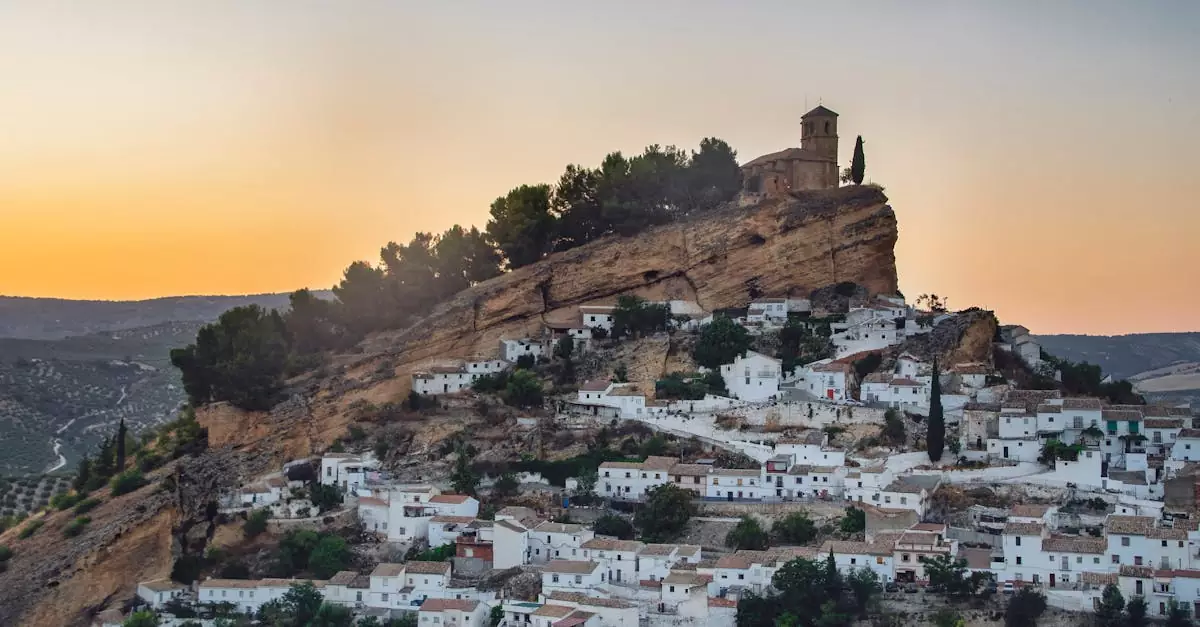
Exploring Spain’s hidden villages offers a unique glimpse into the country’s essence, away from the crowds. These locales provide a genuine immersion into local traditions and lifestyles, reflecting an authentic Spain that prioritizes community and heritage.
Beyond the Tourist Trail: Identifying Spain’s Undiscovered Gems
Finding these lesser-known havens requires looking beyond popular guidebooks. True hidden gems are often tucked away in remote mountain ranges or along quiet stretches of coastline, reachable by winding roads that deter casual visitors. They are characterized by unspoiled landscapes and a palpable sense of tranquility.
For instance, villages in Extremadura or rural Andalusia often maintain a more traditional way of life. Here, you’ll encounter fewer souvenir shops and more family-run businesses that have served generations. The reward for venturing off the beaten path is an intimate encounter with Spain’s enduring character.
The Allure of Authentic Spanish Culture in Secluded Settings
The charm of Spain’s hidden villages lies in their cultural authenticity. Life unfolds at a gentler pace, dictated by local festivals, agricultural seasons, and the daily routines of its inhabitants. This provides travelers with a unique opportunity to engage in traditions that may be fading in more tourist-centric areas.
Engaging with local culture often means participating in community events, enjoying regional cuisine prepared with locally sourced ingredients, and observing the unhurried interactions among villagers. These experiences are invaluable for understanding the true essence of Spanish life.
Architectural Wonders: Moorish, Medieval, and Mountainous Styles
The architectural heritage of Spain’s secluded villages is as diverse as its landscape. You’ll encounter structures that tell stories of centuries past, from the whitewashed walls of Andalusian pueblos blancos to the stone fortifications of medieval mountain towns. Many villages exhibit rich Moorish influences, evident in their narrow, labyrinthine streets and intricate tilework.
These villages often feature unique building styles shaped by their environment. For example, mountain villages might be constructed from local stone, blending seamlessly with the rugged terrain, while coastal communities often showcase a distinct Mediterranean aesthetic. Exploring these varied architectural styles offers a visual journey through Spain’s complex history.
Exploring the Enchanting Villages of Andalusia
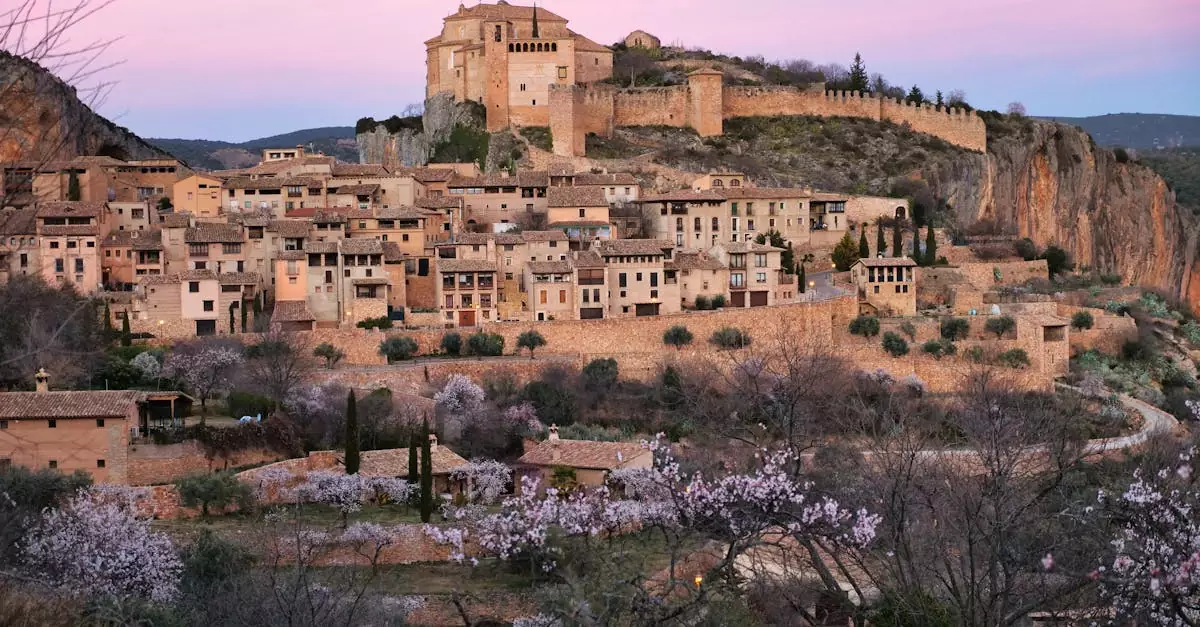
Andalusia, the southern heart of Spain, is a region where Moorish history, vibrant culture, and stunning landscapes converge. Beyond the bustling cities of Seville and Granada lie numerous charming villages, many offering an authentic glimpse into traditional Spanish life. These places, with their whitewashed houses, flower-filled balconies, and narrow cobblestone streets, tell stories of centuries past. Discovering these less-trodden paths provides a richer experience of this captivating part of Europe.
Ronda: Perched on the El Tajo Gorge
Dramatically perched atop the El Tajo gorge, Ronda is one of Andalusia’s most iconic towns. The Puente Nuevo, an 18th-century bridge, spans the chasm, providing breathtaking views of the rugged landscape and the Guadalevín River below. This engineering marvel connects the old Moorish town with more modern districts.
Beyond the bridge, Ronda’s charm unfolds through its historic bullring, one of the oldest in Spain, and its labyrinthine old town. Wandering through narrow streets reveals hidden plazas, ancient churches, and remnants of its Moorish past. While the town is a popular day trip from the Costa del Sol, staying overnight allows for a more serene experience, particularly at sunset when the golden light bathes the gorge.
- Getting There: Ronda is accessible by train or bus from Málaga and Seville, taking approximately 2-3 hours. Driving offers flexibility to explore the surrounding Serranía de Ronda.
- Best Time to Visit: Spring (April-May) and autumn (September-October) provide pleasant weather for exploration. Summer can be quite hot.
- Accommodation: Options range from boutique hotels with gorge views to charming guesthouses in the old town.
Frigiliana: A White-Washed Andalusian Gem
Nestled in the foothills of the Sierra de Almijara mountains, just a short drive from Nerja, Frigiliana is often hailed as one of Spain’s most beautiful villages. Its most striking feature is its immaculate whitewashed architecture, a legacy of Moorish heritage. The upper quarter, known as El Barribarto, is a maze of steep, narrow lanes where every turn reveals picturesque scenes of blue-painted doors, potted geraniums, and intricate mosaics.
The village retains a strong sense of tradition, with local crafts such as pottery and textiles still practiced. The air is filled with the scent of jasmine and orange blossoms. Frigiliana is also known for its local produce, including olive oil and honey, which can be sampled at local tavernas. It provides a tranquil escape from the busier coastal resorts, offering a true taste of Andalusian village life.
- Getting There: Buses connect Frigiliana with Nerja, which also has services to Málaga. Driving is recommended for ease of access.
- Budget: Frigiliana tends to be more affordable than coastal tourist hubs, with good value tapas and local eateries.
- Local Culture: Visit the Museo Arqueológico to learn about the area’s history, including its significant Moorish and Jewish past.
Setenil de las Bodegas: Homes Built Under Rocks
Setenil de las Bodegas, part of the “Pueblos Blancos” (White Villages) route, offers a truly unique architectural experience. Many of its homes and businesses are built directly into or under natural rock formations, creating a dramatic and unforgettable landscape. Streets like Calle Cuevas del Sol and Calle Cuevas de la Sombra are literally covered by overhangs of rock, providing shade and a cool respite from the Andalusian sun.
The village’s history is deeply intertwined with its unusual geology. The caves served as dwellings and cellars (“bodegas”) for centuries. Today, these rock-sheltered spaces house charming restaurants, cafes, and shops. Wandering through Setenil feels like stepping into another world, where nature and human habitation merge in extraordinary ways.
- Logistics: Setenil is best visited as part of a road trip through the Pueblos Blancos, accessible by car from Ronda or Cádiz.
- Experience: Enjoy a meal at one of the restaurants built into the rock face, experiencing the cool, cavernous atmosphere.
- Comparison: While Ronda offers grand vistas and Frigiliana boasts classic beauty, Setenil stands out for its singular cave-dwelling architecture.
Uncovering the Secrets of Catalonia’s Mountain Retreats
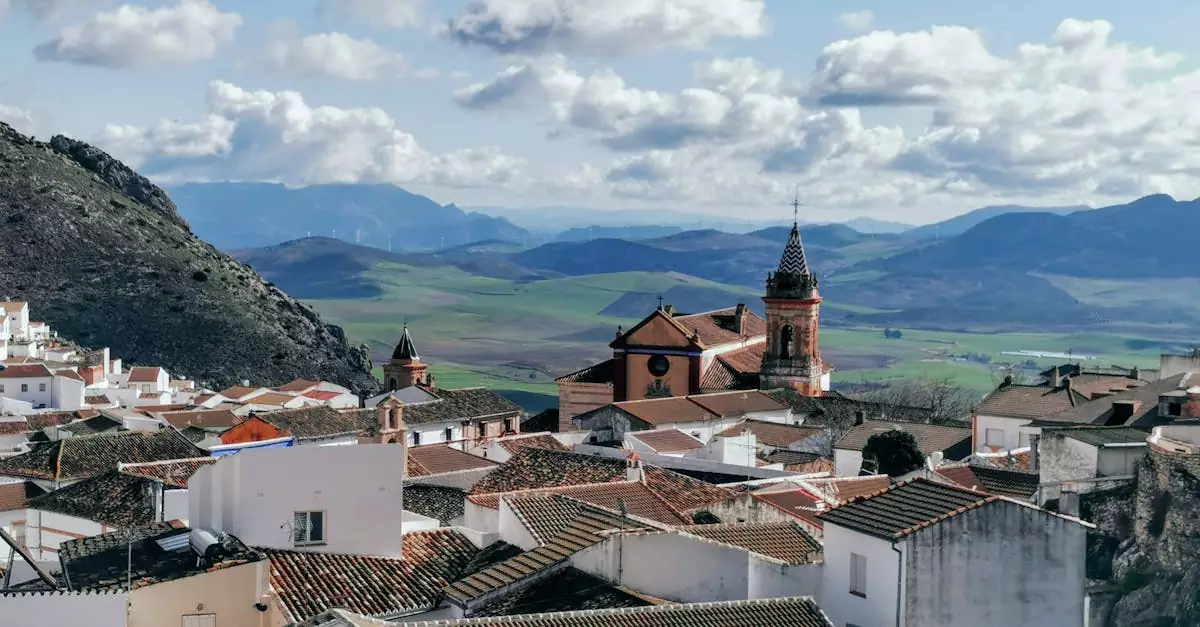
Catalonia, located in northeastern Spain, offers more than just its vibrant capital, Barcelona. Venture inland and discover a landscape dotted with charming villages that seem frozen in time. These hidden gems provide an authentic glimpse into Spanish rural life, far from the bustling tourist crowds. Exploring these lesser-known locales is key to understanding the true character of the region.
Besalú: A Stunning Medieval Bridge Town
Besalú stands out as a remarkably preserved medieval town, instantly recognizable by its imposing 11th-century Romanesque bridge spanning the Fluvià River. Walking across this stone marvel feels like stepping back in time. The cobblestone streets wind through a historic center filled with arcaded squares, ancient churches, and well-maintained stone buildings.
The town’s Jewish Quarter, with its mikveh (ritual bath), offers a poignant historical perspective. For history enthusiasts, Besalú is a must-visit. Getting there typically involves driving from Girona or Barcelona, as direct public transport can be infrequent. Consider visiting during the week to avoid larger weekend crowds, especially in peak season.
Siurana: A Dramatic Cliffside Village with a Reservoir View
Perched on a rocky outcrop, Siurana is a breathtaking village in the Priorat wine region. Its strategic location offers panoramic views of the surrounding mountains and the turquoise waters of the Siurana Reservoir below. The village itself is small and tranquil, characterized by its honey-colored stone houses and a charming Romanesque church.
Siurana is particularly popular with rock climbers due to its excellent climbing routes. Even if climbing isn’t your activity, the sheer beauty of the setting is reason enough to visit. The winding drive up to Siurana offers increasingly spectacular vistas. Parking can be limited, so arriving earlier in the day is advisable. The village provides a sense of serene isolation, making it one of the best hidden villages in Spain for a peaceful escape.
Cadaqués: Salvador Dalí’s Coastal Inspiration
While Cadaqués is a known destination, its somewhat remote location on the Cap de Creus peninsula helps it retain an air of exclusivity and charm, fitting its status as a Catalan coastal gem. This picturesque fishing village, with whitewashed houses cascading down to a bay filled with colorful boats, captured the imagination of artists, most famously Salvador Dalí.
Dalí’s former home in nearby Portlligat is now a museum, showcasing the surrealist master’s connection to this unique landscape. Strolling through Cadaqués’ narrow, winding streets, you can still feel the artistic spirit that drew Dalí and many others. The journey to Cadaqués involves a scenic but somewhat challenging drive, which deters some visitors, preserving its special atmosphere. The best time to visit is often during the shoulder seasons – spring or early autumn – for pleasant weather and fewer crowds.
Venturing into Aragon and Castilla y León’s Historic Hamlets
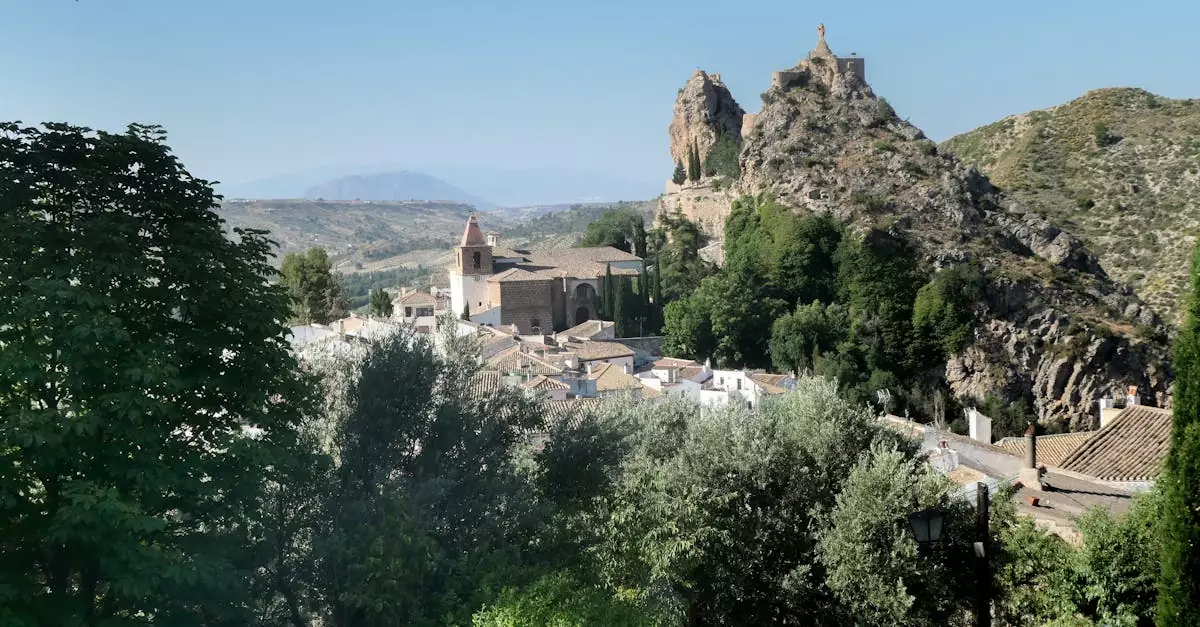
The heartland of Spain offers a journey back in time, where ancient castles stand sentinel over rugged landscapes and terracotta roofs huddle together in timeless villages. Aragon and Castilla y León, two of Spain’s largest autonomous communities, are treasure troves of authentic, off-the-beaten-path destinations. Traveling through this region provides a distinct contrast to bustling coastal cities, offering a more introspective and historically rich experience of the Iberian Peninsula.
Albarracín: A Perfectly Preserved Medieval Fortress Town
Perched on a rocky promontory overlooking the Guadalaviar River, Albarracín in Aragon feels like stepping onto a film set. Its ochre-hued houses, built with distinctive reddish plaster, cling precariously to the steep hillside, creating a mesmerizing architectural tapestry. The town’s medieval walls, remarkably intact, encircle a labyrinth of narrow streets, steep staircases, and charming plazas.
Reaching Albarracín requires a car, as public transport options are limited, reinforcing its secluded charm. The nearest major city is Teruel, about a 30-minute drive away. While the journey involves winding roads, the destination more than rewards the effort. Budget travelers will find Albarracín affordable, with simple guesthouses and local eateries serving authentic Aragonese cuisine. It’s a place best savored on foot, allowing for spontaneous discoveries around every corner.
Puebla de Sanabria: Lakeside Charm and Romanesque Architecture
In the northwestern province of Zamora, Castilla y León, lies Puebla de Sanabria, a village captivating with its lakeside setting and rich architectural heritage. Situated near the stunning Sanabria Lake (Lago de Sanabria), the only natural glacial lake in Spain, the town offers a unique blend of natural beauty and historical significance. Its well-preserved old town is dominated by a formidable 15th-century castle and a beautiful Romanesque parish church, San Salvador.
Puebla de Sanabria serves as an excellent base for exploring the surrounding Sanabria Lake Natural Park, a haven for hiking and nature enthusiasts. The town itself is compact and walkable, with stone houses and cobbled streets exuding rustic appeal. Visitors can enjoy local delicacies like pulpo a la sanabresa (Sanabria-style octopus) and explore artisan shops selling regional crafts. The best time to visit is during late spring or early autumn for pleasant weather and fewer crowds.
Consuegra: Windmills and Castle Views
Consuegra, located in the province of Toledo, Castilla y León, is instantly recognizable for its iconic row of 11 well-preserved 16th-century windmills standing proudly on the Calderico Hills. Once used to grind grain, these giants now offer panoramic views of the surrounding La Mancha plains, a landscape famously immortalized by Miguel de Cervantes in Don Quixote. Dominating the skyline above the windmills is the imposing Alcázar de Consuegra, a restored Moorish castle offering historical insights and breathtaking vistas.
The town is an easy day trip from Toledo or Madrid, with regular bus services connecting it to these larger cities. For those seeking to stay overnight, Consuegra offers a range of accommodations, from cozy rural houses to standard hotels. The best time to visit is in spring when the fields are green or in autumn. The annual Fiesta de la Vendimia (Grape Harvest Festival) in September is a lively cultural event worth experiencing. Exploring Consuegra on foot is straightforward, with the windmills and castle being the primary attractions.
When to Visit Spain’s Best Hidden Villages for Ideal Weather
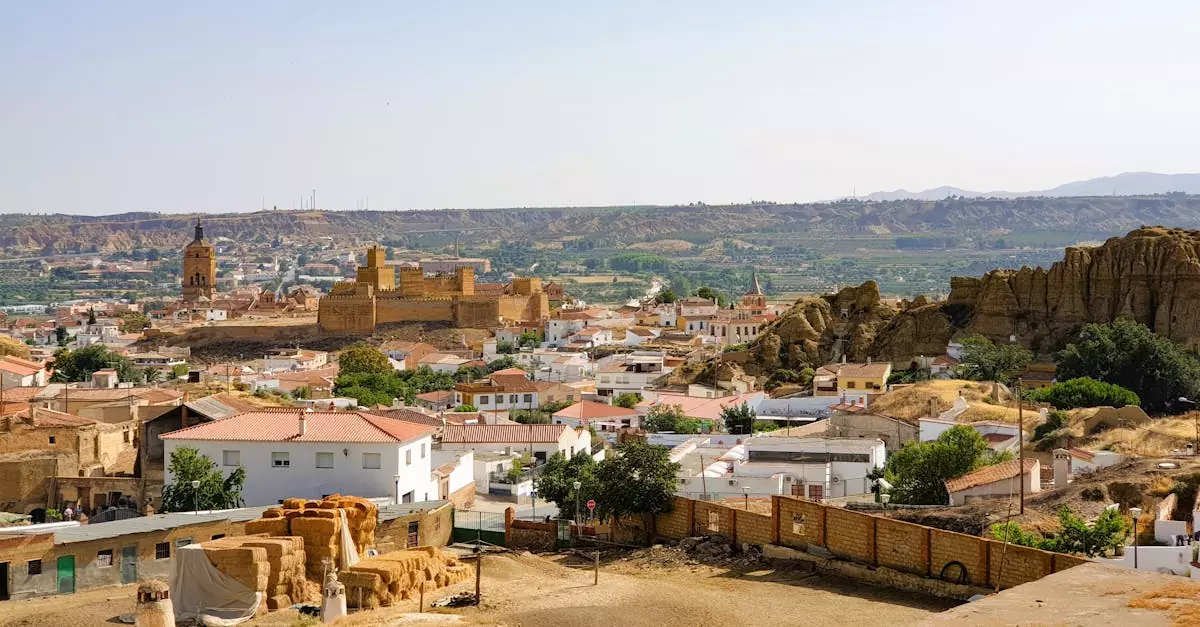
Timing your visit to Spain’s most charming, lesser-known villages can significantly enhance your experience, transforming a good trip into a memorable one. While Spain is a popular destination year-round, certain seasons offer a more pleasant climate for exploring these off-the-beaten-path locations, often with fewer crowds. Understanding the nuances of each season will help you choose the best time to discover authentic Spanish life away from the tourist throngs.
Spring (April-May): Blooming Landscapes and Mild Temperatures
Spring is a delightful time to explore the best hidden villages in Spain, as the country awakens from winter. The landscapes burst into color with wildflowers, particularly in regions like Andalusia and Catalonia. Temperatures are generally mild and pleasant, hovering between 15°C and 25°C (59°F to 77°F) across much of the country. This makes it ideal for walking tours through cobblestone streets, hiking in surrounding natural parks, and enjoying outdoor meals without the intense heat of summer.
May, in particular, offers a sweet spot before the major summer holidays begin. You’ll find longer daylight hours, perfect for extended exploration. Pack layers, as evenings can still be cool, especially in mountainous areas. Consider bringing a light rain jacket, as occasional spring showers are not uncommon.
Autumn (September-October): Harvest Season and Comfortable Exploration
Autumn offers another prime window for visiting Spain’s hidden gems. The oppressive heat of summer subsides, replaced by comfortably warm days and cooler, crisp evenings. Temperatures typically range from 18°C to 26°C (64°F to 79°F) in September, gradually dropping in October. This season is also harvest time in many agricultural regions, meaning local festivals celebrating wine, olives, or other produce may occur.
The golden hues of autumn foliage create a beautiful backdrop for exploring villages in regions like Castilla y León or the Basque Country. The crowds thin out considerably after the summer rush, allowing for a more relaxed and authentic experience. This is an excellent period for photography enthusiasts and those seeking a tranquil escape.
Avoiding Summer Crowds: Tips for a More Peaceful Visit
If your travel plans are limited to the summer months (June-August), visiting the best hidden villages in Spain requires a strategic approach to avoid peak tourist season and intense heat, especially in southern Spain. While coastal areas and major cities are bustling, many smaller inland villages remain relatively quiet.
To ensure a more peaceful visit during summer:
- Venture inland: Focus on villages in northern Spain (like Asturias or Galicia) or mountainous regions where temperatures are generally cooler.
- Embrace siesta culture: Many shops and businesses in smaller towns close for a few hours in the afternoon. Plan your activities around this, perhaps enjoying a long lunch or a siesta yourself.
- Rise early: Beat the heat and any potential day-trippers by starting your explorations first thing in the morning.
- Consider shoulder months: Even a late August or early September visit can offer a significant reduction in crowds compared to July or early August.
Traveling during the shoulder seasons of spring and autumn provides the most comfortable weather and a more authentic glimpse into village life. However, with careful planning, a summer visit can still yield rewarding discoveries.
Planning Your Journey: Getting To and Around Spain’s Secret Villages
Discovering Spain’s best hidden villages requires a thoughtful approach to transportation and timing. While major cities are well-connected by high-speed rail, reaching these more remote locations often means embracing the freedom of the open road.
Navigating Spain: Car Rentals vs. Public Transport for Village Hopping
For those aiming to explore the best hidden villages in Spain, a rental car offers unparalleled flexibility. This is especially true for navigating the winding roads of regions like Andalusia or Catalonia, where villages are often clustered but not always served by frequent public transport. Renting a car allows you to set your own pace, stop at spontaneous viewpoints, and easily access multiple small towns in a single day.
Public transport is a viable option if your itinerary focuses on specific, larger towns or if you prefer a more relaxed, less self-directed travel style. Buses connect many regional hubs, and some smaller towns may have train stations. However, journeys can be significantly longer, involve multiple transfers, and limit your ability to reach the most secluded hamlets. Consider your travel priorities: convenience and spontaneity lean towards a car, while budget and a slower pace might suit public transit.
Here’s a quick look at the pros and cons:
| Transport Method | Pros | Cons | Best For |
|---|---|---|---|
| Rental Car | Flexibility, direct access, spontaneity, convenience | Cost (rental, fuel, parking), navigation challenges | Exploring multiple villages, rural regions |
| Public Transport | Cost-effective, relaxing, eco-friendly | Limited routes, longer travel times, less spontaneity | Single-destination focus, budget travelers |
Sample Itinerary: A 7-Day Road Trip Through Andalusian Pueblos Blancos
An excellent way to experience Spain’s charming rural landscapes is a road trip through Andalusia’s famous Pueblos Blancos (White Villages). This route showcases some of the country’s most picturesque settlements.
- Day 1-2: Ronda. Begin in Ronda, dramatically perched on a gorge. Explore its historic bullring and iconic bridge.
- Day 3: Setenil de las Bodegas & Olvera. Drive to Setenil de las Bodegas, known for its homes built into rock overhangs. Continue to Olvera, dominated by its Moorish castle.
- Day 4-5: Grazalema & Zahara de la Sierra. Head into the Sierra de Grazalema Natural Park. Enjoy hiking and stunning reservoir views in Zahara de la Sierra. Grazalema itself is a charming hub.
- Day 6: Arcos de la Frontera. Make your way to Arcos de la Frontera, another hilltop gem with narrow, winding streets and breathtaking vistas.
- Day 7: Return Journey. Enjoy a final Spanish breakfast before heading back to your departure point, perhaps with a stop in a smaller village you discovered along the way.
This itinerary is best enjoyed with a rental car, allowing for spontaneous detours to even smaller, less-visited white villages.
Accommodation Options: Boutique Hotels, Rural Houses, and Local Stays
When seeking out Spain’s best hidden villages, accommodation choices often reflect the local character. Beyond standard hotels, you’ll find a wealth of unique options.
- Rural Houses (Casas Rurales): These are often traditional farmhouses or country homes converted into guesthouses. They offer an authentic experience, frequently featuring rustic decor, local breakfasts, and direct interaction with hosts. Many are found in the countryside surrounding small villages, providing tranquility.
- Boutique Hotels: In slightly larger towns or well-preserved villages, you might discover charming boutique hotels. These often occupy historic buildings, blending modern comfort with period architecture. They offer a more curated and intimate stay than larger chain hotels.
- Apartments and Villas: For longer stays or families, renting an apartment or a private villa within a village provides a sense of local living. This allows you to shop at local markets and prepare some of your own meals.
Booking in advance is highly recommended, especially during peak season, as accommodation in smaller villages can be limited.
Local Flavors: Must-Try Dishes in Rural Spain
The culinary landscape of Spain’s hidden villages offers a delicious glimpse into regional traditions. Seek out authentic flavors that highlight local produce and time-honored recipes.
In Andalusia, look for gazpacho (a cold tomato soup) or salmorejo (a thicker version) during warmer months. Rabo de toro (oxtail stew) is a hearty classic. In mountainous areas, expect robust stews and cured meats. Many villages boast excellent bakeries selling fresh bread and local pastries. Don’t miss the chance to try regional olive oils and wines, often produced just miles from where you’re dining. Engaging with local restaurants, rather than relying solely on online reviews, can lead to some of the most memorable meals.