Europe, a continent rich in history and diverse cultures, invites travelers to slow down and truly connect with its essence. Moving beyond whirlwind tours, slow travel offers a deeper immersion into local life, allowing you to savor moments and uncover authentic experiences. This approach transforms a vacation into a journey of discovery, fostering genuine understanding and personal enrichment.
If you’re ready to embrace this mindful way of exploring, you’ve come to the right place. This guide will reveal some of the best slow travel destinations in Europe, regions where you can linger, explore at your own pace, and create lasting memories. From the rustic charm of Portugal’s Alentejo to the serene beauty of Slovenia’s Julian Alps and the sun-drenched landscapes of Italy’s Puglia, prepare to discover how to trade crowded itineraries for unhurried exploration and unlock a more profound connection with the continent.
Embrace Slow Travel: Why Europe is the Perfect Canvas
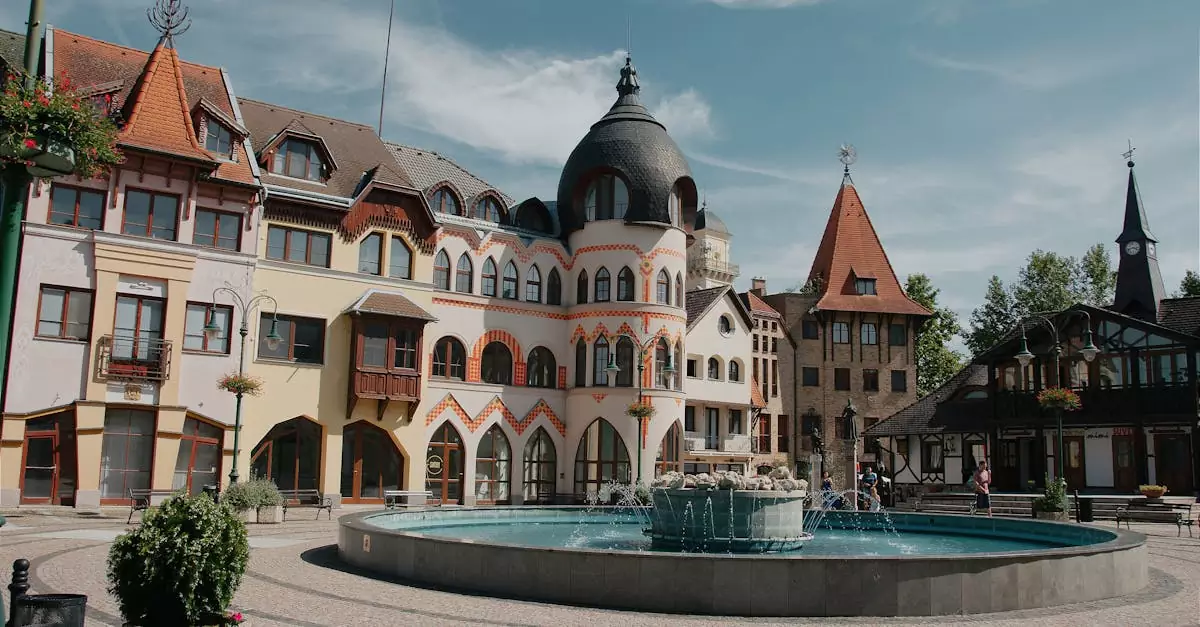
Europe, with its rich history, diverse cultures, and breathtaking landscapes, offers an ideal backdrop for slow travel. Unlike rapid tours that skim the surface, slow travel encourages a deeper connection with a place. It’s about savoring the moments, understanding local rhythms, and truly experiencing a destination rather than just seeing it. This approach transforms a vacation into a meaningful journey, allowing for genuine discovery and personal enrichment.
Defining the Art of Slow Travel in Europe
Slow travel in Europe means trading crowded itineraries for unhurried exploration. It involves choosing fewer destinations and dedicating more time to each, allowing for spontaneous detours and deeper engagement. Instead of checking off landmarks, you might spend an afternoon at a local market, learn a few phrases in the language, or simply sit in a piazza and observe daily life. This mindful approach recognizes that the journey itself holds as much value as the destination. It’s about immersing yourself in the European way of life, from the café culture of Paris to the siesta traditions in Spain.
The Allure of Immersive European Experiences
Europe’s dense network of historic towns, charming villages, and varied natural beauty makes it exceptionally well-suited for slow travel. Imagine spending a week in the Tuscan countryside, not just visiting Florence, but truly living like a local—perhaps taking cooking classes or exploring nearby vineyards. Or consider an extended stay in a small coastal town in Portugal, where you can walk the same paths fishermen have for centuries and absorb the maritime atmosphere. These immersive experiences foster a unique understanding and appreciation that faster-paced trips simply cannot provide. Understanding the nuances of European culture often requires time and repeated exposure.
Benefits of Choosing Slow Travel Over Fast-Paced Tourism
Opting for slow travel in Europe offers numerous rewards that extend beyond typical sightseeing. It significantly reduces travel fatigue, allowing for genuine enjoyment and less stress. Budgeting can also become more manageable, as extended stays often lead to better accommodation rates and more opportunities to enjoy local, affordable eateries rather than tourist traps. Furthermore, this style of travel inherently supports local economies more effectively by encouraging patronage of smaller businesses and community initiatives. You gain a richer, more authentic perspective on the places you visit, creating memories that resonate long after your return. This mindful engagement with Europe fosters a deeper appreciation for its multifaceted heritage.
Discovering Hidden Gems: Portugal’s Alentejo Region
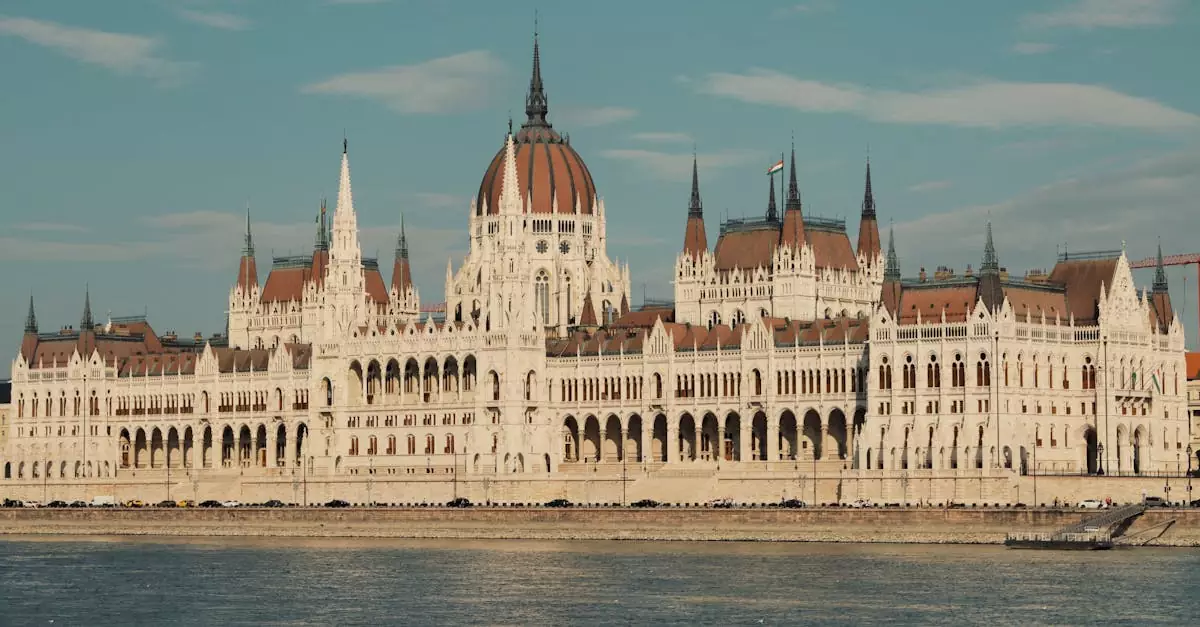
For those seeking an authentic European escape, Portugal’s Alentejo region provides a compelling alternative to crowded coastal resorts. This vast, sparsely populated area, known for its rolling plains, cork oak forests, and whitewashed villages, embodies the spirit of slow travel. It’s a place where time seems to stretch, encouraging visitors to immerse themselves in the landscape, culture, and flavors. Alentejo is among the best slow travel destinations in Europe for those who appreciate unhurried exploration and genuine local experiences.
Wandering Through Évora’s Roman Ruins and Alleys
Évora, the region’s capital and a UNESCO World Heritage site, captivates with its historical depth. The well-preserved Roman Temple, with its Corinthian columns, stands as a striking testament to the area’s ancient past. Beyond the main attractions, Évora’s charm lies in its labyrinthine whitewashed streets, where hidden courtyards and artisan shops await discovery. Spending a day here involves leisurely strolls, pausing for coffee at a sun-drenched café, and soaking in the atmosphere of centuries gone by.
Savoring Alentejo’s Rustic Cuisine and Wine
Alentejo is a gastronomic paradise, celebrated for its hearty, rustic cuisine and robust wines. Local dishes often feature simple, high-quality ingredients like olive oil, bread, pork, and game. Don’t miss trying açorda alentejana, a savory bread soup, or porco preto, slow-cooked black pork. The region’s vineyards produce some of Portugal’s finest wines, particularly full-bodied reds. Visiting a local quinta (wine estate) for a tasting is a quintessential Alentejo experience, offering insight into the winemaking process and a chance to sample exceptional vintages.
Finding Tranquility in Monsaraz and its Castle
Perched dramatically on a hilltop overlooking the vast Alqueva Dam, the medieval village of Monsaraz offers breathtaking panoramic views. This immaculately preserved village, with its cobblestone streets and fortified walls, transports visitors back in time. Wandering through the narrow lanes, you’ll find small craft shops and traditional restaurants. The castle itself is a magnificent structure, providing unparalleled vistas of the surrounding plains and the shimmering waters of the dam—a perfect spot for quiet contemplation.
Best Time to Visit Alentejo for Slow Travel
The shoulder seasons, spring (April to June) and autumn (September to October), are ideal for experiencing Alentejo’s tranquil charm. During these months, the weather is pleasant for outdoor activities, with mild temperatures and fewer crowds than in peak summer. Spring brings wildflowers to the landscape, while autumn offers harvest festivals and beautiful golden light. Summer can be very hot, making daytime exploration challenging, though evenings are often cooler and perfect for al fresco dining.
| Season | Weather | Activities | Crowds |
|---|---|---|---|
| Spring (Apr-Jun) | Mild, pleasant | Hiking, wine tasting, village exploration | Low to moderate |
| Summer (Jul-Aug) | Hot, dry | Evening strolls, enjoying local festivals | Moderate |
| Autumn (Sep-Oct) | Mild, pleasant | Harvest activities, wine tours, cultural events | Low to moderate |
| Winter (Nov-Mar) | Cool, occasional rain | Cozy evenings, museum visits, exploring historic towns | Low |
Unveiling the Charm of Slovenia’s Julian Alps
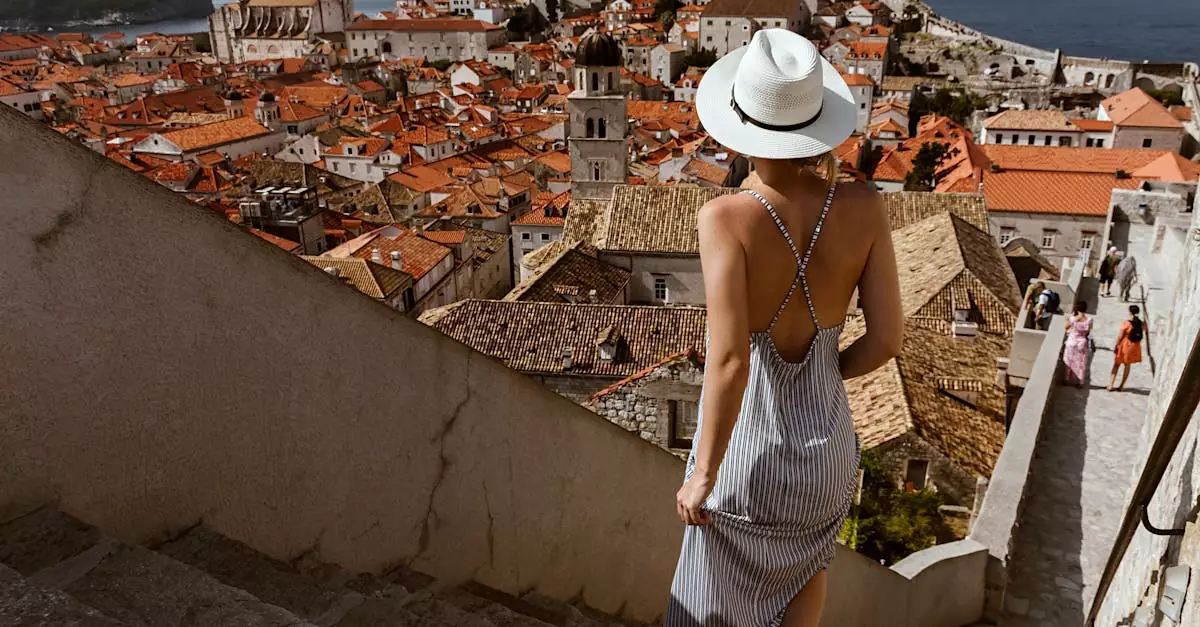
For travelers seeking an authentic European escape, Slovenia’s Julian Alps offer a compelling alternative to more crowded destinations. This region embodies the spirit of slow travel, encouraging visitors to immerse themselves in nature, engage with local culture, and truly connect with their surroundings. The dramatic peaks, pristine lakes, and emerald rivers provide a breathtaking backdrop for a journey that prioritizes experience over checklists. Embracing the best slow travel destinations in Europe often means finding places where nature dictates the pace, and the Julian Alps deliver this in abundance.
Hiking and Biking Around Lake Bohinj’s Serene Shores
Lake Bohinj, Slovenia’s largest natural lake, is a haven for outdoor enthusiasts. Unlike its more famous neighbor, Lake Bled, Bohinj retains a wilder, more tranquil atmosphere. The walking paths encircling the lake are largely flat and accessible, making them suitable for leisurely strolls and family outings. For those seeking more of a challenge, numerous hiking trails ascend into the surrounding Triglav National Park, offering panoramic views. Bike rentals are readily available, providing a fantastic way to cover more ground and discover hidden coves along the shoreline. Consider visiting during the shoulder seasons of late spring or early autumn to avoid summer crowds and enjoy pleasant weather for outdoor activities.
Exploring the Soča Valley’s Emerald Waters
The Soča River, renowned for its vibrant emerald hue, carves through the heart of the Julian Alps, creating the stunning Soča Valley. This area is a playground for adventure seekers and nature lovers alike. Kayaking, rafting, and canyoning are popular activities, with outfitters providing guided tours for all skill levels. Even if you’re not participating in water sports, simply driving or cycling through the valley offers spectacular vistas. Stop at viewpoints like the Great Soča Gorge or the Tolmin Gorges to appreciate the raw beauty of the landscape. The valley’s history is also palpable, with remnants of World War I battles visible in some areas, adding a layer of historical depth to the natural splendor.
Staying in Traditional Alpine Villages like Kranjska Gora
To truly embrace slow travel in the Julian Alps, base yourself in one of the charming alpine villages. Kranjska Gora, a well-known ski resort in winter, transforms into a picturesque mountain town in warmer months. It offers a range of accommodations, from cozy guesthouses to comfortable hotels, and serves as an excellent starting point for day trips. Other smaller villages, such as Mojstrana or Rateče, provide a more secluded experience, allowing for deeper immersion in local life. Staying in these communities means enjoying local hospitality, waking up to crisp mountain air, and experiencing the rhythm of daily life away from the hustle of larger cities.
Local Flavors: From Cheese to Štruklji
Slovenian cuisine in the Julian Alps is hearty, wholesome, and deeply connected to the land. Dairy products are a staple, with local cheeses like Bohinj cheese (Bohinjski sir) being a must-try. These often have a rich, slightly nutty flavor. For a traditional dessert or even a savory main course, look for štruklji, a dish consisting of rolled dough filled with various ingredients, most famously cottage cheese, walnuts, or poppy seeds, and then steamed or boiled. Many mountain huts and local inns serve these regional specialties. Visiting a local market, if available during your stay, offers a chance to sample fresh produce, honey, and homemade preserves directly from the producers.
Why Choose the French Countryside for Your Next Slow Trip?
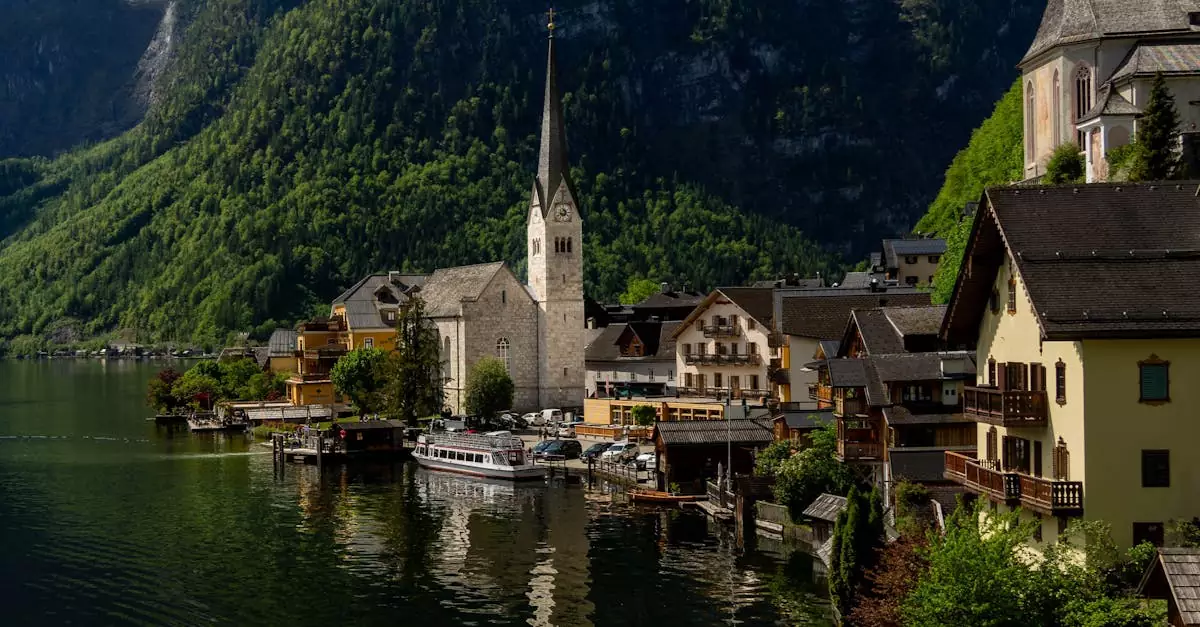
Opting for a slower pace in the French countryside offers a profound escape from typical tourist trails. It allows for genuine immersion in local culture, breathtaking landscapes, and a culinary scene that rewards patience. This approach to travel in Europe invites you to connect more deeply with the destinations, savoring each moment rather than rushing through a checklist of sights. The French countryside, with its diverse regions, presents numerous opportunities for this enriching experience.
Lingering in the Loire Valley’s Châteaux and Vineyards
The Loire Valley, a UNESCO World Heritage site, embodies the essence of slow travel with its majestic châteaux and rolling vineyards. Instead of a whirlwind tour, dedicate time to exploring a single estate, perhaps learning about winemaking or simply enjoying a leisurely picnic amidst the vines. Visit a lesser-known but equally charming château, like Château du Rivau with its impressive gardens, and spend an afternoon wandering its grounds. The region is best explored by bicycle, allowing you to discover hidden hamlets and picturesque riverbanks at your own pace. Consider visiting in late spring or early autumn for pleasant weather and fewer crowds, enhancing the tranquil atmosphere.
Experiencing Local Life in a Dordogne Village
For an authentic taste of rural French life, the Dordogne region beckons. Here, villages like Sarlat-la-Canéda or Beynac-et-Cazenac offer a glimpse into a timeless way of living. Spend your mornings browsing local markets for fresh produce and regional specialties, chat with shopkeepers, and enjoy coffee at a sidewalk café. Renting a cottage for a week or more provides a base to truly settle in, perhaps taking a cooking class focused on regional cuisine or exploring prehistoric cave art at sites like Lascaux. The pace here is dictated by the rhythm of daily life, encouraging visitors to slow down and appreciate simple pleasures.
Navigating Rural France: Car vs. Train for Slow Travel
When planning a slow travel itinerary in rural France, your transportation choices significantly impact the experience. While trains are efficient for city-to-city travel, a car is often essential for accessing the more remote villages and scenic routes of the countryside. Renting a car allows for spontaneous detours to discover picturesque viewpoints or charming roadside markets that public transport would miss. For those committed to a lower-impact journey, consider combining regional train lines with local buses or cycling between nearby villages. Planning your route in advance, especially if relying on public transport, is crucial for a smooth and unhurried trip.
Budget-Friendly Stays in French Guesthouses
Accommodations in the French countryside offer a range of options to suit different budgets and travel styles, many of which support a slower pace. Beyond traditional hotels, consider staying in charming chambres d’hôtes (bed and breakfasts) or renting a gîte (holiday cottage). These options often provide a more personal experience, with hosts offering local insights and breakfasts featuring regional products. Staying in a guesthouse in a smaller town can be significantly more affordable than in major tourist hubs, allowing your travel budget to stretch further. Booking directly with smaller establishments can sometimes yield better rates and a more authentic connection to your surroundings.
Italy’s Undiscovered Slow Travel Havens: Puglia’s Trulli Houses
Puglia, the “heel” of Italy’s boot, offers a compelling alternative to more crowded Italian destinations, making it one of the best slow travel destinations in Europe for those seeking authenticity. This region invites a more deliberate pace, encouraging travelers to immerse themselves in its unique culture, stunning landscapes, and delicious cuisine. Instead of rushing between landmarks, the Puglian experience is about lingering in sun-drenched piazzas, savoring local flavors, and appreciating the region’s distinctive architectural heritage.
Exploring Alberobello’s Unique Trulli Architecture
Alberobello is the undisputed star of Puglia’s trulli country, a UNESCO World Heritage site renowned for its clusters of whitewashed, conical-roofed houses. These iconic structures, built from local limestone without mortar, create a whimsical and unforgettable landscape. Wandering through the Rione Monti and Aia Piccola districts feels like stepping into a fairytale. Take your time to peek into artisan shops housed within trulli, many selling local crafts and produce. Understanding the history and construction of these dwellings adds a deeper layer to the visual spectacle.
Coastal Slow Travel: Otranto and the Salento Peninsula
For a different pace of slow travel in Puglia, head south to the Salento Peninsula, where the charming coastal town of Otranto awaits. As Italy’s easternmost point, Otranto boasts a dramatic coastline with crystal-clear waters, historic fortifications, and a vibrant harbor. Spend your days strolling along the Aragonese Castle walls, exploring the Norman cathedral with its stunning mosaic floor, or simply enjoying an aperitivo by the sea as the sun dips below the horizon. The surrounding coastline offers hidden coves and pristine beaches, perfect for unhurried exploration by car or bicycle.
Savoring Puglia’s Farm-to-Table Delicacies
Puglia’s culinary scene is a cornerstone of its slow travel appeal. The region is a gastronomic powerhouse, celebrated for its fresh, seasonal ingredients and simple yet flavorful dishes. Olives, olive oil, durum wheat, and an abundance of fresh vegetables form the basis of many local specialties. Seek out orecchiette pasta, often handmade in small workshops, and pair it with cime di rapa (turnip greens). Don’t miss tasting the region’s exceptional olive oil, produced from ancient groves that dot the landscape. Dining in Puglia is an experience in itself, often involving long, leisurely meals at local trattorias or agriturismo establishments.
Accommodation Options: From Masserie to Trulli Stays
Choosing where to stay in Puglia significantly enhances the slow travel experience. The region offers a range of unique accommodations, from restored farmhouses to the iconic trulli.
- Masserie: These historic fortified farmhouses, often set amidst olive groves, have been transformed into luxurious and atmospheric hotels. They provide a tranquil retreat with excellent local cuisine and often boast swimming pools and expansive grounds.
- Trulli Stays: For a truly immersive experience, consider renting a trullo. Many have been beautifully renovated to offer comfortable and charming self-catering accommodations, allowing you to live like a local in these unique dwellings.
- Boutique Hotels: Smaller towns and coastal villages feature charming boutique hotels that offer personalized service and a sense of place, far removed from large, impersonal resorts.
When planning your stay, consider the season. Spring (April-May) and autumn (September-October) offer pleasant weather, fewer crowds, and vibrant landscapes, making them ideal times for slow travel in Puglia. Summer can be very hot and busy, particularly in coastal areas. Transportation within Puglia is best managed with a rental car, allowing the freedom to discover hidden villages and scenic routes at your own pace.
Frequently Asked Questions About Slow Travel in Europe
What is the average cost of slow travel in Europe?
The cost of slow travel in Europe varies significantly by region and personal spending habits. Generally, staying in one place for an extended period can be more budget-friendly than hopping between cities. You can save by cooking meals, utilizing public transport, and seeking out free local activities.
Expect daily costs to range from €70-€150 per person, depending on whether you choose Western Europe or Eastern Europe. This covers accommodation, food, local transport, and some activities. Longer-term apartment rentals often come with discounts, and visiting during the shoulder seasons (spring and autumn) can reduce flight and accommodation prices.
How can I find authentic local experiences?
To find authentic local experiences, immerse yourself in daily life. Visit local markets, not just for produce but for the atmosphere and interactions. Attend community events, festivals, or even local sporting matches. Learning a few basic phrases in the local language can open doors to more genuine connections.
Seek out smaller towns and villages away from major tourist hubs. Engage with small business owners, participate in workshops (like cooking classes or artisan crafts), or simply spend time in local cafés observing daily routines. Consider staying in guesthouses or with local hosts rather than large hotels.
Is slow travel suitable for solo travelers?
Absolutely. Slow travel can be particularly rewarding for solo travelers. It provides ample opportunity for introspection, skill development, and building confidence. By staying longer in one location, you can overcome initial feelings of isolation and begin to feel like a local, making it easier to strike up conversations and forge connections.
Solo travelers can benefit from the reduced pressure of constant transit and the ability to delve deeper into a single culture. It allows for a more relaxed pace, reducing the stress often associated with navigating unfamiliar places alone. Joining local clubs, volunteer opportunities, or guided walking tours can also be excellent ways to meet people.
What are the best European regions for longer stays?
Several European regions lend themselves wonderfully to longer stays, offering a rich tapestry of culture, natural beauty, and affordability.
- The Algarve, Portugal: Known for its stunning coastline, charming villages, and pleasant climate year-round. It offers a relaxed pace of life and a lower cost of living compared to many Western European destinations.
- Tuscany, Italy: Beyond the famous cities, the rolling hills, vineyards, and medieval towns provide endless opportunities for exploration. Renting a villa or an apartment offers a chance to truly live like a local.
- The French Countryside (e.g., Provence or Dordogne): These regions boast picturesque landscapes, historical sites, and a rich culinary tradition. Staying in a small village allows for a deep appreciation of French rural life.
- The Lake District, UK: For nature lovers, this area offers breathtaking scenery, hiking opportunities, and cozy villages. It’s a place to slow down, connect with nature, and enjoy a slower pace.
- Slovenia: This compact country offers incredible diversity, from the Julian Alps to the Adriatic coast, all within easy reach. Its manageable size and natural beauty make it ideal for extended exploration without feeling overwhelmed.
These regions often provide good value for money and a wealth of activities that can be savored over weeks or months, truly embodying the spirit of slow travel across Europe.