Planning your first trip to Berlin can feel overwhelming with the city’s rich history and vibrant culture. This first-time Berlin travel guide is designed to simplify your planning and help you experience the best of what the German capital has to offer. You’ll find essential tips for navigating the city’s efficient public transport, recommendations for must-see landmarks like the Brandenburg Gate and the Reichstag Building, and insights into exploring diverse neighborhoods, from the artistic Kreuzberg to the charming Prenzlauer Berg. We’ll also highlight the local culinary scene, emphasizing classic dishes you should try, and advise on the best times to visit based on your travel style. Get ready to immerse yourself in Berlin’s unique blend of history, art, and modern life.
Why Visit Berlin on Your First European Adventure?
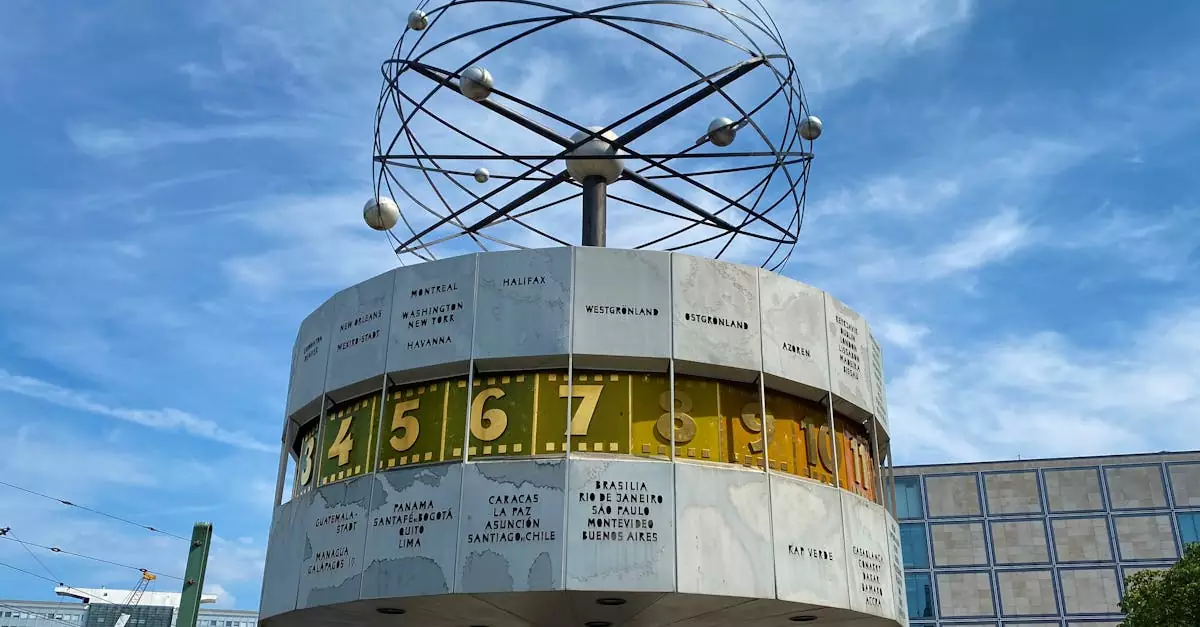
Planning your inaugural trip to Europe often presents a whirlwind of destinations. For many, Berlin emerges as a compelling choice, offering a unique tapestry of experiences that are both historically significant and vibrantly contemporary. This guide aims to equip you with the essentials for navigating this dynamic city.
Berlin’s Unique Blend of History and Modernity
Berlin openly displays its history, from the imposing remnants of the Berlin Wall to the solemn memorials of World War II. Yet, it is not a city frozen in time. The Brandenburg Gate, once a symbol of division, now stands as an emblem of reunification and peace. As you stroll through neighborhoods like Mitte, you’ll encounter grand pre-war architecture alongside sleek modern designs, embodying a city that has rebuilt itself with resilience. For those interested in the 20th century’s impact on Europe, Berlin provides an unparalleled, visceral education.
A first-time visitor will find that the city’s past extends beyond museums; it’s woven into its streets, parks, and atmosphere. Understanding this duality is key to appreciating Berlin’s character.
Experiencing Berlin’s Vibrant Arts and Culture Scene
Beyond its historical weight, Berlin pulses with extraordinary creative energy. The city serves as a global hub for art, music, and subculture, offering something for every taste. From world-class institutions like the Pergamon Museum on Museum Island to countless independent galleries in neighborhoods like Kreuzberg and Neukölln, art is accessible and ever-present. The city’s legendary nightlife, rooted in its techno scene, is internationally acclaimed, while Berlin also boasts a rich theatrical tradition and a thriving independent film community.
Street art is another defining aspect of Berlin’s cultural landscape. Areas like the East Side Gallery, a section of the Wall transformed into an open-air art gallery, showcase powerful murals that reflect social and political commentary. Exploring these public art installations offers a spontaneous perspective on the city’s artistic soul.
Affordability Compared to Other European Capitals
When budgeting for a European getaway, Berlin often proves to be more accessible than many of its Western European counterparts. While prices have risen, it remains remarkably affordable for a capital city of its size and cultural significance. Accommodation options, from boutique hotels to hostels, cater to various budgets, and dining out can be quite economical, especially if you explore local eateries and street food options like the ubiquitous Currywurst.
Public transportation is efficient and reasonably priced, allowing you to navigate the city without a car. Many major attractions are free to view from the outside, and museum passes can offer good value for those planning extensive visits to cultural institutions. This relative affordability enables first-time visitors to enjoy a rich and diverse European capital without overspending.
Here’s a quick look at how Berlin compares with other popular European cities for budget travelers:
| City | Average Daily Budget (USD) | Accommodation (Budget Hostel) | Public Transport Pass (3-Day) |
|---|---|---|---|
| Berlin | $70 – $120 | $25 – $40 | $25 – $30 |
| Paris | $100 – $180 | $35 – $55 | $35 – $45 |
| Amsterdam | $90 – $150 | $30 – $50 | $30 – $40 |
| Rome | $80 – $140 | $28 – $45 | $20 – $25 |
Note: Budgets are approximate and can vary based on travel style and season. Prices are in USD.
Best Times to Experience Berlin for First-Timers
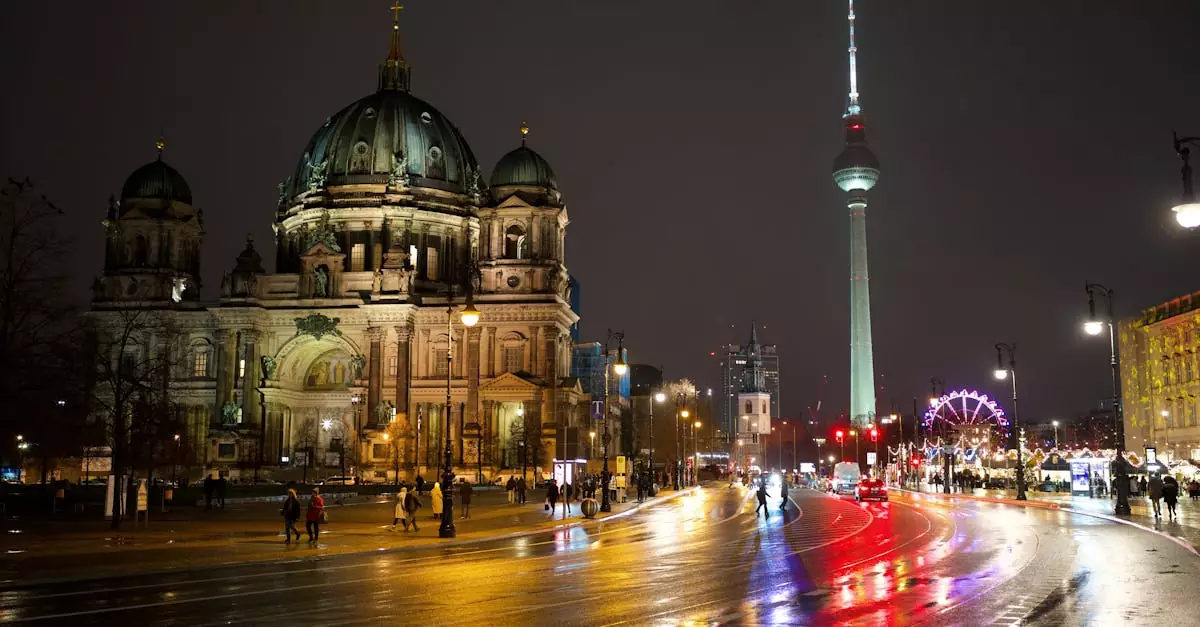
Choosing the right time to visit Berlin can significantly shape your experience. Each season offers distinct advantages, from vibrant festivals to cozy indoor pursuits. Understanding these nuances will help you plan a trip that aligns with your interests and budget.
Spring (April-May): Blooming Parks and Outdoor Cafes
As winter recedes, Berlin bursts into life. Parks like the Tiergarten and Tempelhofer Feld become popular spots for picnics and leisurely strolls. Outdoor cafes fill with patrons enjoying the milder weather, creating a lively atmosphere. This period is excellent for those who appreciate pleasant temperatures for walking and sightseeing without the summer crowds.
The shoulder months of spring offer a good balance of agreeable weather and fewer tourists compared to the summer high season. You might still encounter occasional rain showers, so packing layers is advisable.
Summer (June-August): Festivals, Open-Air Cinemas, and Long Daylight Hours
Summer is Berlin’s most energetic season, characterized by long days and a packed calendar of events. Numerous festivals, from music extravaganzas like the Karneval der Kulturen to open-air film screenings, transform the city. The warm weather encourages exploration of the Spree River with boat tours or relaxing by one of its many lakes.
This is the busiest and often most expensive time to visit. Accommodation prices can rise, and popular attractions may have longer queues. However, the sheer abundance of activities and the city’s vibrant, sun-drenched ambiance make it a compelling choice for many. Be prepared for heat and remember to stay hydrated.
Autumn (September-October): Golden Leaves and Cozy Beer Gardens
Autumn brings a beautiful transformation to Berlin’s green spaces. The foliage turns to stunning shades of gold and red, providing picturesque backdrops for city exploration. As temperatures cool, locals and visitors flock to traditional beer gardens and cozy cafes. This season offers a more relaxed pace than summer, with fewer crowds and often more affordable prices.
The weather can be unpredictable, ranging from crisp, sunny days to chilly, overcast ones. It’s an ideal time for museum hopping and enjoying the city’s cultural offerings, punctuated by warm drinks and hearty German cuisine.
Winter (November-March): Christmas Markets and Indoor Attractions
Winter in Berlin offers a different, yet equally enchanting, experience. The city lights up with festive decorations, and its renowned Christmas markets (Weihnachtsmärkte) become a major draw. These markets offer handcrafted goods, mulled wine (Glühwein), and traditional treats, creating a magical atmosphere.
For those who prefer indoor activities, Berlin boasts world-class museums on Museum Island, numerous theaters, and vibrant nightlife. While days are short and temperatures can be cold, the city’s indoor attractions and festive spirit make it a worthwhile winter destination. Prices for flights and accommodation tend to be lower outside of the Christmas market season.
| Season | Avg. Temperature (°C) | Daylight Hours (approx.) | Crowds | Key Highlights |
|---|---|---|---|---|
| Spring (Apr-May) | 8-17°C | 13-15 hours | Moderate | Blooming parks, outdoor cafes, fewer crowds |
| Summer (Jun-Aug) | 18-25°C | 16-17 hours | High | Festivals, open-air cinemas, vibrant nightlife |
| Autumn (Sep-Oct) | 7-15°C | 11-13 hours | Moderate | Autumn foliage, cozy beer gardens, cultural events |
| Winter (Nov-Mar) | -1-5°C | 8-9 hours | Low (except Dec) | Christmas markets, museums, indoor attractions |
Navigating Berlin: Getting Around Like a Local
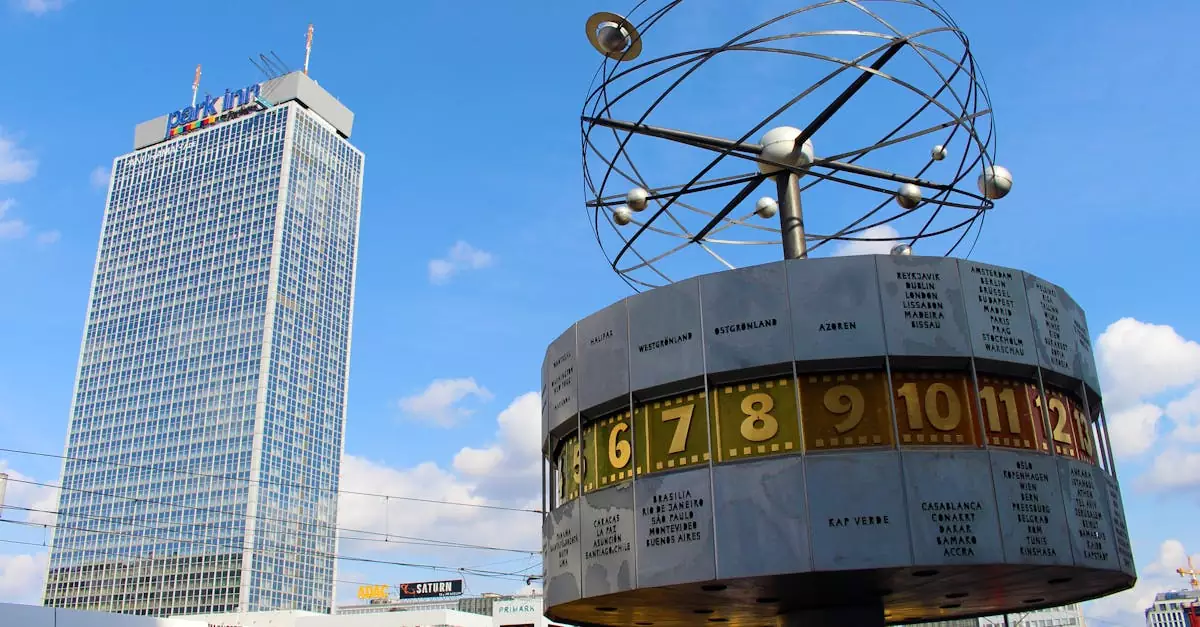
Berlin’s extensive and efficient public transportation network is a traveler’s best friend, particularly for first-time visitors. Understanding its various modes and how to use them will make your Berlin experience significantly smoother. The city is well-connected, allowing you to reach most major attractions and neighborhoods with ease.
Understanding Berlin’s Public Transport System (U-Bahn, S-Bahn, Trams, Buses)
Berlin’s public transport is managed by the BVG and VBB. The system is divided into zones: A (inner city), B (city limits), and C (surrounding areas, including BER Airport). Most tourist activities fall within zones A and B. The U-Bahn (subway) is the fastest way to cover longer distances, with numerous lines crisscrossing the city. The S-Bahn (urban rail) covers vast distances and is particularly useful for reaching areas outside the immediate city center and for crossing the Spree River.
Trams offer a charming and practical option, especially in eastern Berlin, providing a scenic journey at street level. Buses complete the network, serving areas not directly covered by rail lines and acting as feeders to U-Bahn and S-Bahn stations. Familiarizing yourself with the color-coded lines on maps will help you orient yourself quickly.
Purchasing and Validating Tickets for Public Transport
When planning your first-time Berlin travel, familiarize yourself with ticket options. Single tickets, day tickets, and weekly passes are available. A day ticket (Tageskarte) is often the most economical choice if you plan on making multiple journeys within a single day. For longer stays, a WelcomeCard may be beneficial as it includes public transport and discounts for attractions.
Importantly, all tickets must be validated before you start your journey. Look for small red or yellow stamping machines at the entrance to platforms (for U-Bahn and S-Bahn) or inside trams and buses. Failing to validate your ticket can result in hefty fines. Keep your validated ticket with you throughout your journey, as inspectors may check at any time.
| Ticket Type | Zones | Price (approx. single) | Best For |
|---|---|---|---|
| Single Ticket | AB | €3.20 | Short, infrequent journeys |
| Day Ticket | AB | €9.50 | Multiple journeys within one day |
| 4-Trip Ticket | AB | €10.80 | 2-3 short journeys for one person |
| Weekly Ticket | AB | €39.00 | Extended stays or frequent travel |
Walking and Cycling Routes in Central Berlin
Central Berlin is surprisingly walkable, and many key sights are clustered together. Exploring on foot allows you to appreciate the architecture, discover hidden courtyards, and soak in the city’s atmosphere. Popular walking routes include the stretch from the Brandenburg Gate, along the Unter den Linden boulevard, to Museum Island.
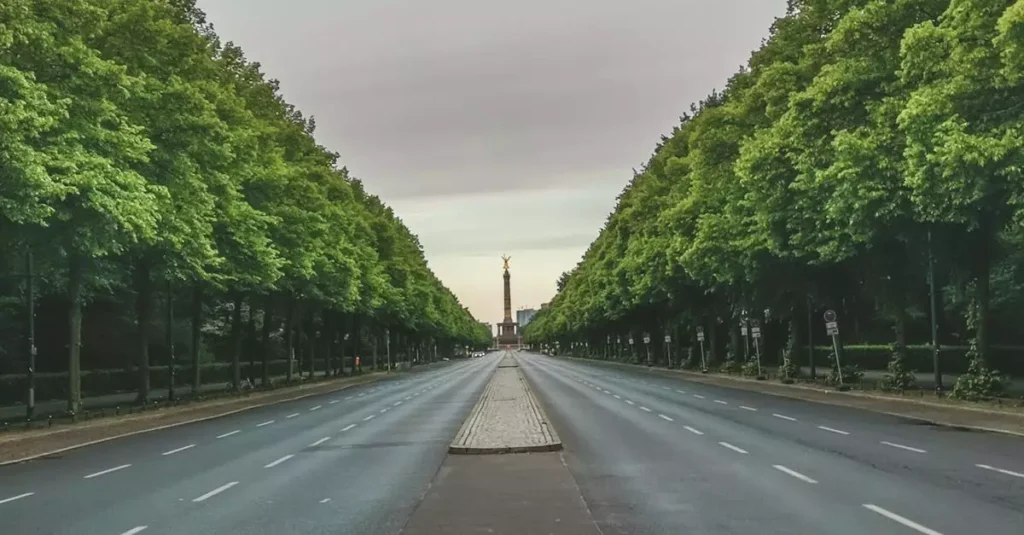
Cycling is another excellent way to get around, with dedicated bike lanes becoming more common. You can rent bikes from numerous shops or use bike-sharing services. Consider a leisurely cycle through Tiergarten park or along the East Side Gallery for a different perspective. Always be mindful of pedestrian traffic and follow local cycling rules.
Airport Transfers: BER to City Center
Berlin Brandenburg Airport (BER) is well-served by public transport, making it straightforward to reach the city center. The Airport Express trains (FEX) and regional trains (RE7, RB14) are the quickest options, taking approximately 30-40 minutes to reach major stations like Hauptbahnhof (Central Station) or Alexanderplatz. These services operate from Terminal 1-2 and Terminal 5.
Buses also connect the airport to nearby S-Bahn stations, offering an alternative if you’re heading to a specific part of the city. Remember that BER Airport is in fare zone C, so ensure your ticket covers this zone. Taxis and ride-sharing services are also readily available at designated pick-up points outside the terminals, though they will be more expensive than public transport.
Must-See Landmarks and Neighborhoods for Your First Berlin Trip
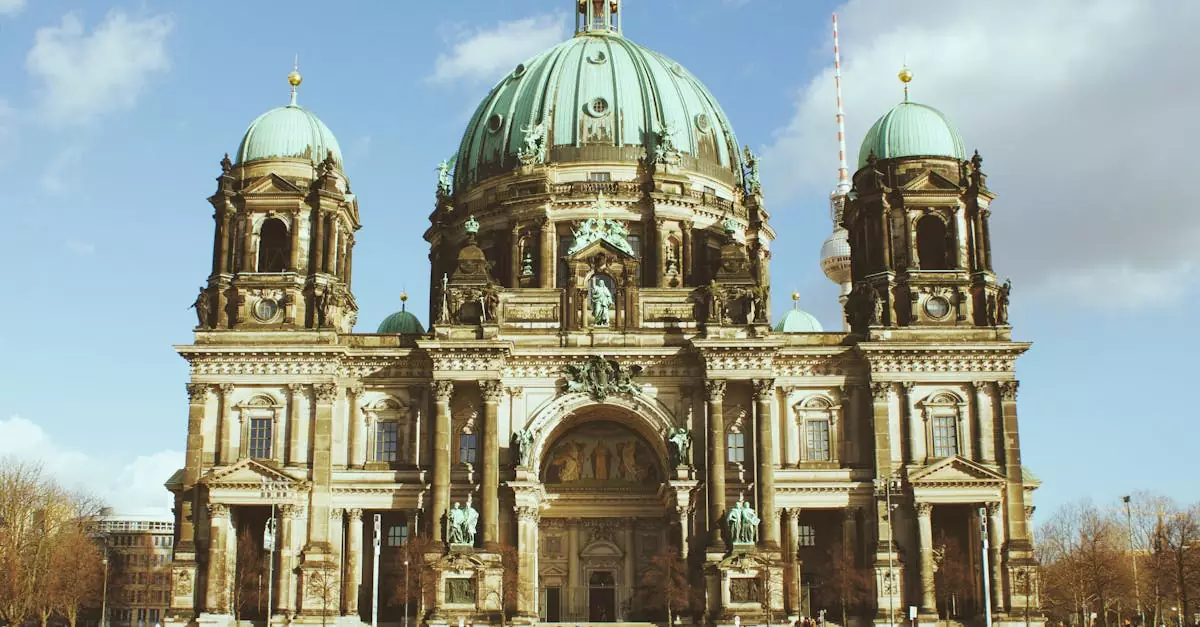
Planning your initial visit to Berlin reveals a wealth of historical sites and vibrant neighborhoods. This guide focuses on essential landmarks and distinct areas that capture the city’s unique spirit, ensuring a memorable first-time experience. Navigating Berlin is straightforward, with excellent public transport options like the U-Bahn (subway) and S-Bahn (urban rail) facilitating travel between these key locations.
Iconic Sites: Brandenburg Gate, Reichstag Building, and Memorial to the Murdered Jews of Europe
No first-time Berlin itinerary is complete without visiting its most recognizable landmarks. The Brandenburg Gate stands as a powerful symbol of peace and unity, its neoclassical architecture commanding attention. Just a short walk away, the Reichstag Building, home to the German Parliament, offers stunning views from its modern glass dome – booking tickets well in advance is crucial for access.
Nearby, the Memorial to the Murdered Jews of Europe provides a poignant and contemplative space. Its field of concrete stelae, varying in height, creates a disorienting yet deeply moving experience. Allow ample time to walk through the memorial and visit the underground information center for historical context. These sites are centrally located and easily accessible by public transport, making them convenient starting points for your exploration.
Exploring the East Side Gallery and the Berlin Wall Memorial
Understanding Berlin’s divided past is essential, and two sites offer profound insights. The East Side Gallery is the longest remaining section of the Berlin Wall, transformed into an open-air gallery featuring over 100 murals by artists from around the world. It’s a vibrant testament to freedom and artistic expression, stretching along the Spree River.
For a more somber and detailed look at the Wall’s history, the Berlin Wall Memorial on Bernauer Strasse is indispensable. This site includes a preserved section of the Wall, a watchtower, and an excellent documentation center that vividly illustrates the division and its human impact. Visiting both offers a comprehensive perspective on this pivotal period in European history.
Discovering the Charm of Prenzlauer Berg: Cafes and Markets
Beyond major historical monuments, Berlin’s neighborhoods provide a glimpse into local life. Prenzlauer Berg is a family-friendly district known for its charming cobblestone streets, beautiful pre-war architecture, and abundance of independent boutiques and cafes. It’s a delightful area to wander, enjoy a leisurely brunch, or browse local crafts.
Key attractions include the Kollwitzplatz market, especially vibrant on Saturdays, offering organic produce and artisanal goods. The area around Helmholtzplatz also buzzes with activity. Prenzlauer Berg provides a relaxed contrast to the city’s more intense historical sites, showcasing Berlin’s ability to blend history with contemporary lifestyle.
Immersing Yourself in the Alternative Vibe of Kreuzberg
For a taste of Berlin’s edgier, more alternative culture, Kreuzberg is the place to be. This diverse and dynamic neighborhood is famous for its street art, bustling markets, and eclectic mix of international cuisines. It’s a hub of creative energy, with numerous galleries, independent shops, and lively bars.
Exploring the area around Oranienstrasse reveals the heart of Kreuzberg’s bohemian spirit. The Markthalle Neun, a historic market hall, is a must-visit for foodies, offering a wide array of street food and local delicacies, particularly during its popular “Street Food Thursday” events. Kreuzberg embodies Berlin’s spirit of resilience and constant reinvention.
What to Eat and Drink in Berlin for First-Time Visitors
Berlin’s culinary scene is as diverse and dynamic as the city itself. From iconic street food to international flavors and traditional pubs, there’s something to satisfy every palate. Anticipating these delicious experiences is part of planning your first trip to Berlin.
Must-Try Berlin Classics: Currywurst, Döner Kebab, and Schnitzel
No first-time Berlin travel guide is complete without mentioning its signature dishes. Currywurst, a steamed and then fried pork sausage seasoned with curry ketchup and curry powder, is a true Berlin institution. You’ll find it everywhere, from dedicated imbiss stands to sit-down restaurants.
Döner Kebab, while not originally German, has been perfected in Berlin and is a ubiquitous and affordable meal. Thinly sliced meat, vegetables, and sauces are served in flatbread. Look for popular spots like Mustafa’s Gemuese Kebap for a taste of the city’s best.
Schnitzel, a breaded and pan-fried cutlet, is another hearty option. While often associated with Austria, Berlin offers excellent versions, typically made with pork or veal. Enjoy it with a side of potato salad or fries for a filling meal.
Exploring Berlin’s Diverse International Cuisine
Beyond classic dishes, Berlin boasts an incredible array of international flavors. The city’s multicultural population has led to a vibrant food scene, with excellent Turkish, Vietnamese, Italian, and Middle Eastern restaurants. Kreuzberg and Neukölln are particularly known for their diverse culinary offerings.
You can find authentic pho in bustling Vietnamese eateries or enjoy delicious mezze platters in charming Turkish restaurants. Many of these establishments offer a more affordable dining experience compared to traditional German restaurants, making them great options for budget-conscious travelers. Exploring these neighborhoods can lead to some of your most memorable meals during your visit.
Finding the Best Local Beer Gardens and Breweries
Berlin has a strong beer culture, and visiting a traditional beer garden is a quintessential German experience. These outdoor spaces provide a relaxed atmosphere, communal tables, and a selection of local beers. Prater Garten, Berlin’s oldest beer garden, is a popular choice for its historic setting and lively vibe.
For those interested in craft beer, Berlin’s brewery scene is booming. Numerous small breweries and taprooms offer innovative brews alongside classic German styles. Hops & Barley or Vagabund Brauerei are good places to start for a taste of Berlin’s modern brewing talent. Enjoying a cold beer outdoors is especially pleasant during the warmer months, typically from May through September.
Sweet Treats: Berliners and Pastries
Don’t forget to leave room for dessert. The “Berliner Pfannkuchen,” often simply called a “Berliner,” is a jam-filled doughnut that’s a beloved treat. You’ll find them in bakeries across the city, available with various fillings.
Beyond Berliners, German bakeries offer a wide selection of delicious pastries and cakes. From rich Black Forest cake (Schwarzwälder Kirschtorte) to fruit tarts and quark-based pastries, there’s a sweet indulgence for everyone. Grabbing a coffee and a pastry from a local Konditorei is a perfect way to start your day or enjoy an afternoon break.
Frequently Asked Questions for Your First Berlin Visit
Is Berlin safe for first-time tourists?
Berlin is generally a safe city for tourists. Like any major European capital, it’s wise to be aware of your surroundings, especially in crowded areas and on public transport, where petty theft can occur. Pickpocketing is the most common concern. Stick to well-lit areas at night and avoid walking alone in deserted spots. The city’s emergency number is 112.
What currency is used in Berlin?
The official currency in Berlin, and throughout Germany, is the Euro (€). While credit and debit cards are widely accepted in hotels, restaurants, and larger shops, it’s a good idea to carry some cash for smaller establishments, market stalls, or public transport tickets purchased directly from a machine. ATMs are readily available throughout the city.
Do people speak English in Berlin?
English is widely spoken in Berlin, particularly in tourist areas, hotels, restaurants, and among younger generations. Most Berliners involved in the tourism industry will have a good command of English. While knowing a few basic German phrases like “Hallo” (Hello), “Danke” (Thank you), and “Bitte” (Please) is always appreciated and can enhance your interactions, you will have no trouble navigating the city without fluent German.
What should I pack for a trip to Berlin?
Packing for Berlin depends heavily on the season. Winters (December-February) are cold, often with snow, so pack warm layers, a heavy coat, hat, gloves, and waterproof boots. Spring (March-May) and autumn (September-November) can be unpredictable with mild to cool temperatures, so layers are key, including a waterproof jacket. Summers (June-August) are generally warm to hot, with occasional heatwaves, so pack light clothing, but always have a light jacket or sweater for cooler evenings. Comfortable walking shoes are essential, as you’ll likely be doing a lot of walking. Don’t forget universal travel adapters for electronics.