Delphi, Greece, invites travelers with its rich historical significance and breathtaking mountain views. Once deemed the center of the ancient world, this UNESCO World Heritage site on Mount Parnassus offers an unparalleled look into a civilization that shaped Western thought and culture. This comprehensive Delphi, Greece travel guide will help you plan an unforgettable visit. You’ll learn about the best times to explore the ancient oracle’s sanctuary, practical tips for getting there from Athens and other hubs, and a detailed overview of must-see attractions, from the Temple of Apollo to the impressive archaeological museum. We’ll also introduce you to the local culture, including delicious regional cuisine and charming nearby villages, ensuring your journey to Delphi is both enriching and awe-inspiring.
Why Visit Delphi: Ancient Oracle and UNESCO World Heritage Site
Delphi, Greece, offers a compelling journey through time, anchored in its profound historical and mythological significance. This UNESCO World Heritage site, nestled on the slopes of Mount Parnassus, was once regarded as the center of the ancient world. A visit to Delphi allows you to walk among the ruins of a site that influenced the decisions of both kings and commoners, all while taking in stunning mountain vistas.
Delphi’s Significance as the Navel of the Ancient World
Ancient Greeks believed Delphi to be the omphalos, or navel, of the Earth. This sacred site was dedicated to Apollo, the god of music, arts, and prophecy. The Sanctuary of Apollo at Delphi housed the renowned Oracle, a priestess who delivered prophecies that shaped political and personal decisions throughout the Hellenic world and beyond. Its strategic location and spiritual authority made it a vital pilgrimage destination for centuries.
Exploring the Archaeological Site of Delphi
The archaeological site itself is a remarkable testament to ancient Greek architecture and urban planning. Visitors can stroll along the Sacred Way, leading to the Temple of Apollo, where the Pythia (the Oracle) would deliver her cryptic pronouncements. Key structures include the Treasury of the Athenians, the ancient theater with panoramic views, and the stadium that once hosted the Pythian Games. Allocate at least three to four hours to fully appreciate the extensive ruins and the accompanying museum.
The Mythological Importance of Apollo’s Oracle
The Oracle of Delphi was arguably the most influential oracle in the ancient world. The Pythia, chosen for her purity, would sit on a tripod above a chasm, inhaling vapors from the earth and delivering prophecies in a trance-like state. These often ambiguous pronouncements were interpreted by priests and conveyed to seekers of guidance on matters ranging from warfare and colonization to personal issues. The power and mystique of the Oracle cemented Delphi’s status as a spiritual and political hub, drawing pilgrims from across the known world, including figures from Europe.
Best Time to Visit Delphi for Pleasant Weather and Fewer Crowds
Planning your trip to Delphi, Greece, requires consideration of weather and crowds to enhance your experience of this ancient site and its stunning surroundings. While it’s a year-round destination, certain times offer a more comfortable and less crowded visit. This guide highlights the optimal periods to explore.
Spring (April-May): Wildflowers and Mild Temperatures
Spring transforms the landscape around Delphi. The mountainsides burst with wildflowers, creating a picturesque backdrop for the ancient ruins. Temperatures are typically mild, ranging from pleasant highs in the low 20s Celsius (70s Fahrenheit) to cooler evenings, making it perfect for walking and sightseeing. This shoulder season sees fewer tourists than the peak summer months, allowing for a more intimate exploration of the archaeological site and the charming town of Delphi. Pack layers, as spring weather can be unpredictable.
Autumn (September-October): Golden Hues and Harvest Season
Similar to spring, autumn offers an ideal time to visit Delphi. The intense summer heat subsides, yielding comfortably warm days and crisp evenings. Foliage begins to change, painting the mountains in shades of gold and russet, adding beauty to the already dramatic scenery. This period coincides with Greece’s harvest season, providing a chance to experience local agricultural traditions. Crowds thin out considerably after the summer rush, creating a more relaxed atmosphere for appreciating the Oracle’s historical significance.
Avoiding the Summer Heat and Peak Tourist Season
July and August mark the peak tourist season in Greece, and Delphi is no exception. During these months, temperatures can soar, making daytime exploration of the exposed archaeological site challenging. Highs often exceed 30°C (86°F), with some days reaching 40°C (104°F). Coupled with the influx of visitors, summer can lead to long queues and a less serene experience. If your travel dates are limited to summer, plan visits to the archaeological site for early morning or late afternoon to avoid the worst of the heat and crowds. Staying hydrated is essential.
Winter in Delphi: A Serene, Snowy Experience
Visiting Delphi in winter (December-February) offers a dramatically different, yet equally rewarding experience. The landscape is often dusted with snow, creating a breathtaking contrast with the ancient stone structures. This is the quietest time of year, meaning you’ll likely have the archaeological site almost to yourself. Temperatures are cold, with daytime highs around 10°C (50°F) and nighttime lows dropping below freezing. Some services and smaller guesthouses may have reduced hours or be closed. However, for those seeking solitude and a unique perspective on this historical marvel, a winter visit can be profoundly peaceful.
| Month | Average High (°C) | Average Low (°C) | Crowds | Notes |
|---|---|---|---|---|
| April | 20 | 10 | Moderate | Wildflowers, pleasant temperatures |
| May | 25 | 14 | Moderate | Warm days, fewer crowds than summer |
| September | 27 | 16 | Moderate | Warm, less humid, beautiful light |
| October | 22 | 12 | Low | Autumn colors, comfortable for walking |
| July | 32 | 20 | High | Hot, very crowded, early/late visits best |
| August | 33 | 21 | High | Hottest month, peak tourist season |
| January | 10 | 3 | Very Low | Cold, potential snow, very peaceful |
Getting to Delphi: Routes from Athens and Other Greek Hubs
Reaching the ancient sanctuary of Delphi involves a scenic journey, with several practical options available depending on your starting point and travel style. Most visitors arrive from Athens, but connections from other parts of mainland Greece are also feasible. Understanding your transportation choices is key to a smooth arrival at this UNESCO World Heritage site.
Bus Travel to Delphi: The Most Common and Affordable Option
The KTEL (Intercity Bus) service offers a reliable and budget-friendly way to reach Delphi from Athens. Buses depart regularly from Athens’ Liosion Bus Terminal (Terminal B). The journey typically takes around 3 to 3.5 hours, winding through the picturesque landscapes of central Greece. It’s advisable to check the KTEL website for the most current schedules, as these can vary by season and day of the week. Booking tickets in advance is recommended, especially during peak tourist months.
The bus station in Delphi is conveniently located within walking distance of most accommodations and the archaeological site itself. This makes it an excellent choice for travelers who prefer not to drive or rent a car. The bus route offers glimpses of rural Greek life and rolling hills, providing a relaxed introduction to the region.
Renting a Car for a Scenic Road Trip to Delphi
For those seeking flexibility and the freedom to stop at points of interest along the way, renting a car is an appealing option. The drive from Athens to Delphi is approximately 180 kilometers (about 112 miles) and can be completed in around 2.5 to 3 hours, depending on traffic and your pace. The route is well-signposted, primarily following the E75 highway towards Lamia before branching off towards Thiva and then Arachova, the charming mountain village just below Delphi.
Driving allows for spontaneous detours, perhaps to visit the historic town of Thebes or enjoy the dramatic mountain scenery. Parking in Delphi can be challenging during busy periods, so be prepared to search for a spot, particularly near the archaeological museum and the main village. While Greek roads are generally good, some smaller roads can be winding, especially as you ascend towards Delphi.
Organized Day Trips from Athens to Delphi
Numerous tour operators in Athens offer organized day trips to Delphi. These excursions are ideal for travelers with limited time or those who prefer a guided experience. Day trips typically include round-trip transportation from Athens, often by coach, and a guided tour of the archaeological site and museum.
While convenient, day trips offer less flexibility. You’ll have a set schedule and limited time at each location. However, they eliminate the need for independent planning and navigation, making them a stress-free way to see Delphi, especially if you’re based in Athens for a short stay. These tours often depart early in the morning and return in the evening.
Navigating the Drive from Mount Parnassus Ski Resort
If your visit coincides with the winter months and you’re staying at or visiting the Mount Parnassus Ski Resort, reaching Delphi is a straightforward drive. The resort is located just a short distance from Arachova, which is itself a mere 10-15 minute drive from Delphi. The roads between the resort, Arachova, and Delphi are generally well-maintained, although snow or ice can sometimes affect conditions during winter.
It’s crucial to check weather forecasts and road conditions before setting out from the ski resort. Snow chains might be necessary for your vehicle during periods of heavy snowfall. The descent from the higher altitudes of Parnassus offers spectacular views of the surrounding mountains and the Gulf of Corinth in the distance, connecting the natural beauty of the mountain with the historical significance of Delphi.
Must-See Attractions in Delphi: Beyond the Main Archaeological Site
While the main archaeological site of Delphi is undeniably the star attraction, the surrounding areas and associated points of interest offer a deeper understanding of this significant historical location. A comprehensive [Delphi Greece travel guide] should highlight these complementary sites to provide a fuller experience. These include not only the principal ruins but also the museum and lesser-known but equally fascinating structures that contribute to Delphi’s mystique.
The Temple of Apollo and the Oracle’s Chamber
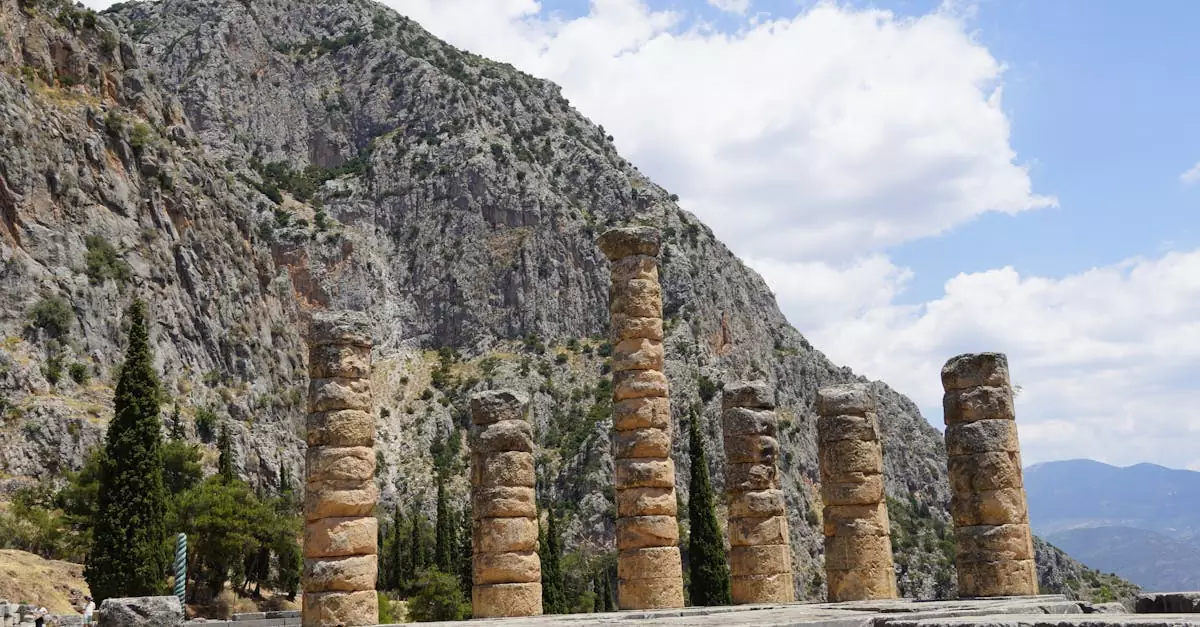
The heart of the ancient sanctuary, the Temple of Apollo, stands as a testament to Delphi’s religious and political importance. Though largely in ruins today, its foundations and remaining columns evoke a powerful sense of history. It was within this sacred precinct that the Pythia, the high priestess, delivered her cryptic prophecies, making it a pilgrimage site for rulers and commoners alike from across the ancient world. Imagine the hushed reverence that once filled this space as supplicants awaited the oracle’s pronouncements.
The Ancient Theatre and its Panoramic Views
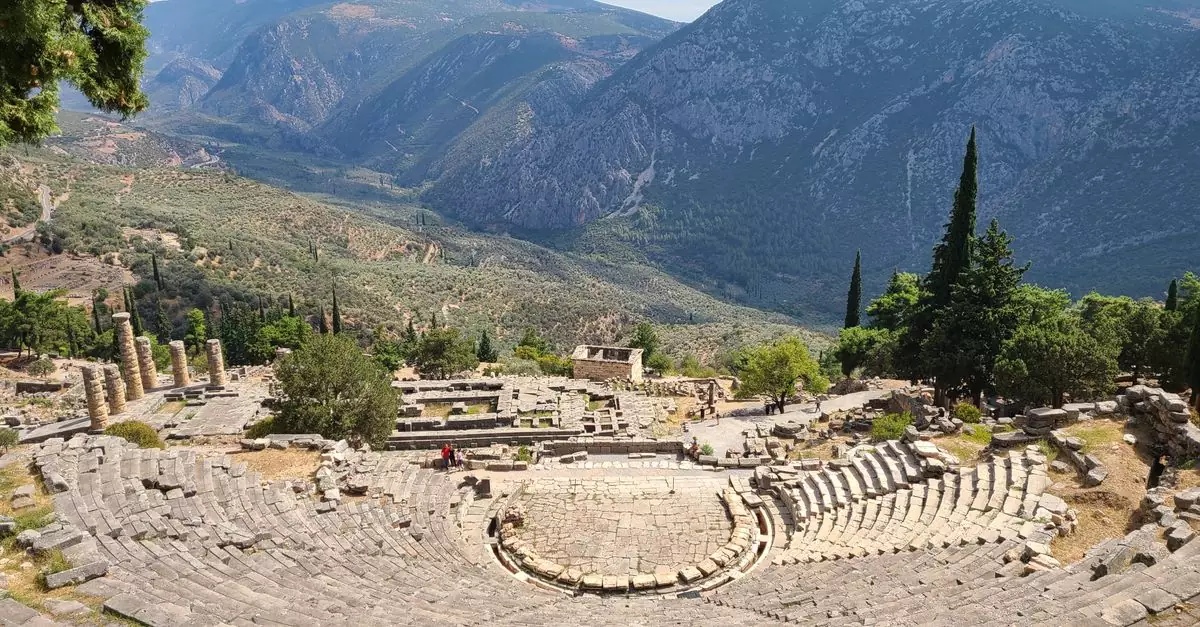
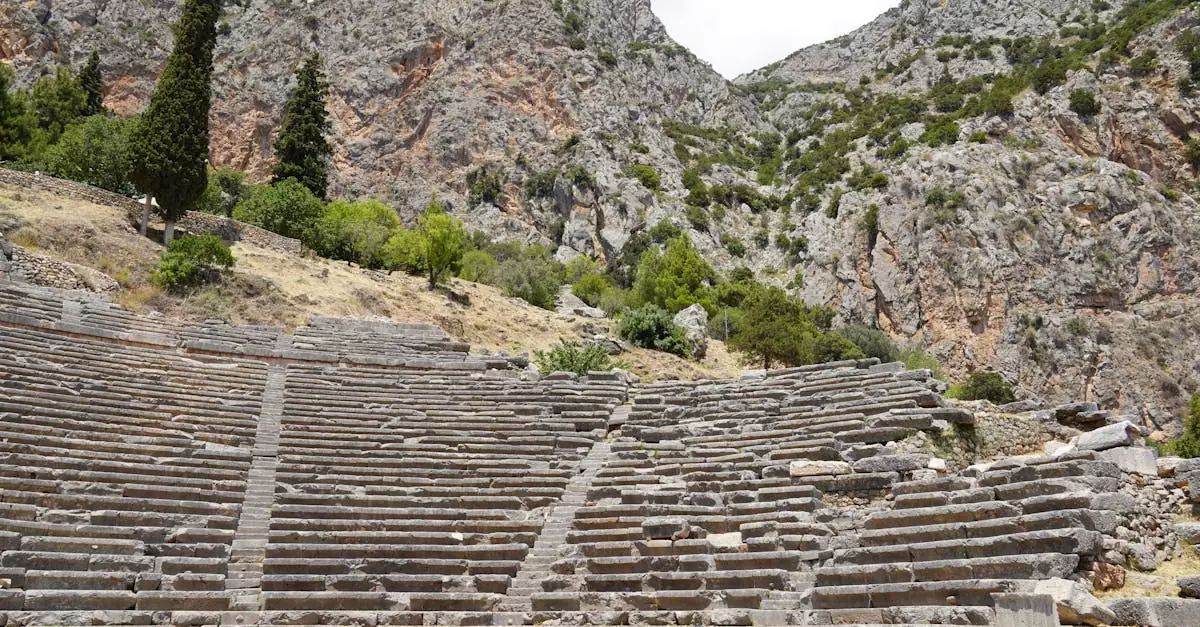
Perched on a higher slope above the Temple of Apollo, the Ancient Theatre of Delphi offers more than just a glimpse into ancient entertainment. Constructed in the 4th century BCE and later renovated, it could seat approximately 5,000 spectators. From its stone tiers, visitors are rewarded with breathtaking panoramic views of the surrounding Parnassus mountains and the distant olive groves of the Pleistos Valley. Attending a performance here, even in modern times during special events, would be an unforgettable experience, connecting you directly to the site’s past.
The Stadium of Delphi: Where Ancient Games Were Held
A short, steep walk uphill from the main sanctuary leads to the Stadium of Delphi. This remarkably well-preserved structure hosted the athletic events of the Pythian Games, second only to the Olympic Games in importance. Picture athletes competing on this very ground, cheered by crowds under the vast Grecian sky. The stadium’s dimensions are clear, with a starting line and tiered seating still visible, offering a tangible sense of the ancient athletic spirit. Its remote location adds to its impressive, almost untouched, atmosphere.
The Archaeological Museum of Delphi Treasures
To truly appreciate the artifacts unearthed at Delphi, a visit to the Archaeological Museum of Delphi is essential. Located within the modern village, it houses a rich collection of findings from the sanctuary. Highlights include the Charioteer of Delphi, a stunning bronze statue of exceptional craftsmanship, and various friezes, sculptures, and votive offerings. The museum provides crucial context for the ruins, showcasing the artistry and devotion of the people who once frequented this sacred site. Allow at least one to two hours to fully absorb the exhibits.
The Sanctuary of Athena Pronaia and the Tholos
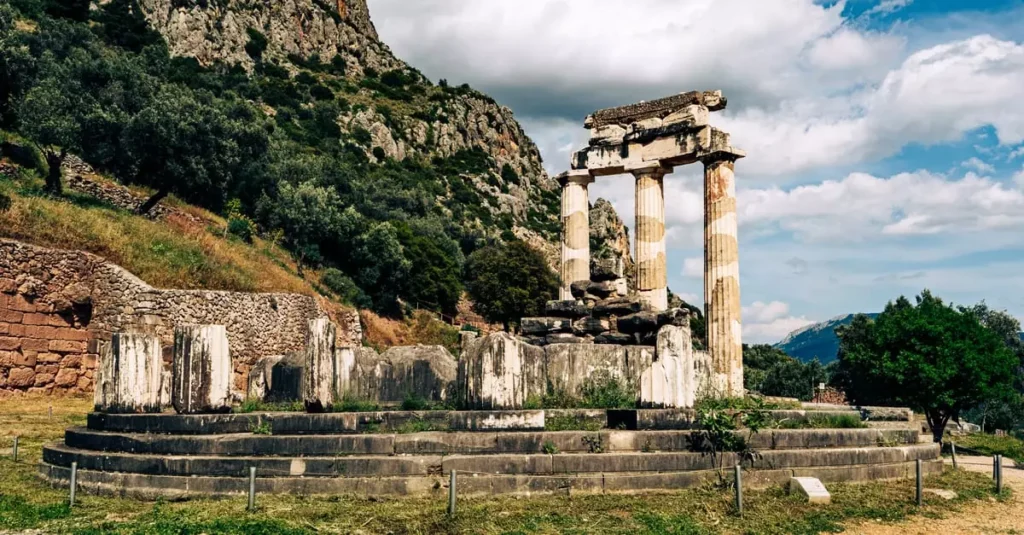
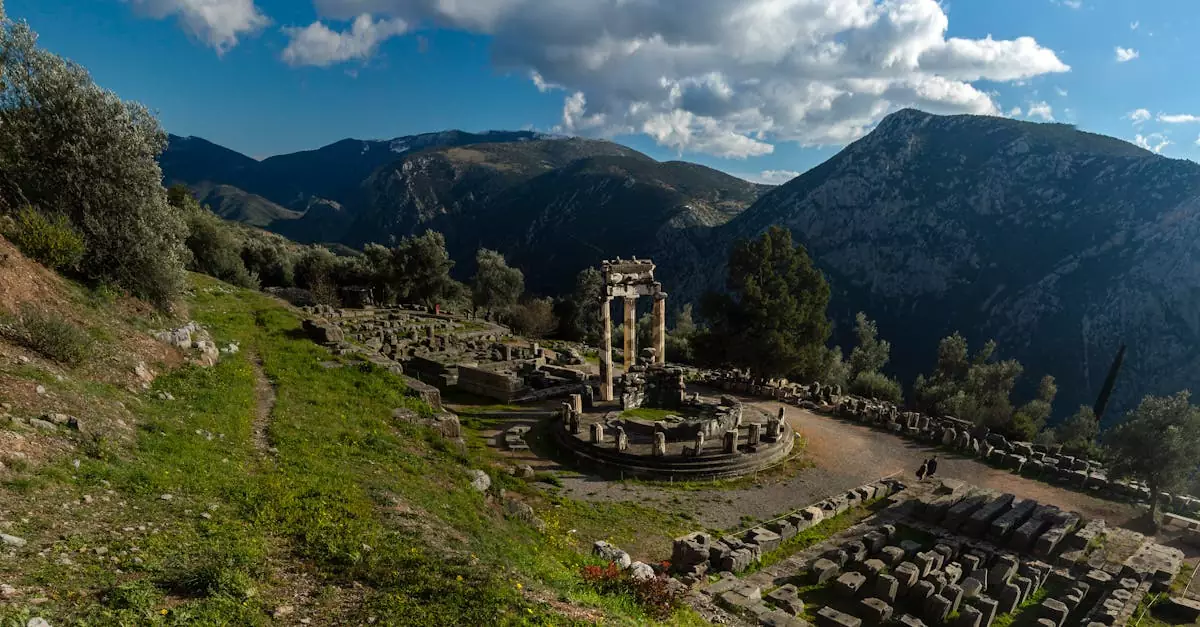
A short distance below the main archaeological site, along the road leading into Delphi, lies the Sanctuary of Athena Pronaia. This earlier sacred precinct was dedicated to Athena. Its most iconic surviving feature is the Tholos, a circular building with a distinctive pedestal and marble columns, its purpose still debated by scholars. The picturesque setting, with the Tholos framed by ancient trees and the mountains beyond, makes it a photographer’s delight and a peaceful spot for reflection. It offers a different, more serene perspective on the religious practices of ancient Delphi.
Experiencing Local Delphi: Food, Culture, and Hidden Gems
Beyond the monumental ruins, Delphi offers a vibrant modern town and charming surrounding areas that provide a richer understanding of life in this mountainous region of Greece. Engaging with local culture, savoring regional flavors, and venturing slightly off the beaten path can significantly enhance your visit. This Delphi, Greece travel guide aims to help you uncover these local experiences.
Tasting Traditional Greek Cuisine in Delphi Tavernas
The modern town of Delphi, situated just below the archaeological site, boasts numerous tavernas serving authentic Greek dishes. Expect hearty meals that reflect the mountain setting. Many establishments feature outdoor seating, offering pleasant views as you dine.
Dishes to look for include kontosouvli (slow-roasted pork skewers), various lamb preparations, and locally sourced cheeses. Fresh salads, often dressed with regional olive oil, are a staple. For a sweet finish, try galaktoboureko, a custard-filled semolina cake. Dining here is generally affordable, with main courses typically ranging from €8 to €15.
Exploring the Modern Town of Delphi and its Souvenir Shops
While the ancient site draws most visitors, the contemporary town of Delphi is worth a stroll. Its main street is lined with shops selling local crafts, olive oil products, and souvenirs. You’ll find handmade jewelry, ceramics, and traditional textiles.
Take your time browsing; many shop owners are happy to share information about their products. While tourist-oriented, these shops offer a chance to find unique mementos and support local artisans. Prices can vary, but expect to pay around €10-€20 for smaller items and more for larger crafts.
Discovering the Nearby Village of Arachova: A Mountain Gem
A short drive from Delphi, the village of Arachova perches dramatically on the slopes of Mount Parnassus. Known for its ski resort in winter, Arachova offers a different atmosphere year-round. Its cobblestone streets, traditional stone houses, and vibrant carpets are distinctive.
The village is a popular destination for Athenians seeking mountain air and stunning vistas. It’s also renowned for its local produce, including formaela cheese, a firm, salty variety often fried. Arachova is also a good place to find high-quality honey and mountain herbs. Visiting Arachova provides a glimpse into a different facet of the Parnassus region, contrasting with the ancient history of Delphi.
Hiking Trails with Views of the Olive Groves of Itea
For those who enjoy walking and natural scenery, trails around Delphi offer rewarding experiences. One notable area for hiking is the path leading down towards the coastal plain and the town of Itea. This route winds through fragrant wild herbs and offers expansive views of the olive groves that carpet the landscape towards the Corinthian Gulf.
These trails are generally well-maintained, though some can be steep. The descent towards Itea can take a couple of hours, and arranging transportation back up is advisable. The air is often filled with the scent of wild thyme and oregano, especially during warmer months. The visual expanse of green olive trees stretching to the sea is a memorable sight. The best times for these hikes are spring and autumn to avoid the summer heat.
Frequently Asked Questions About Visiting Delphi
How much time do I need to explore Delphi?
To fully appreciate the archaeological site and museum, allocate at least three to four hours. This allows ample time to wander through the ruins, admire the views, and delve into the museum’s artifacts. Rushing through can diminish the experience, especially given the site’s scale and historical significance.
What are the opening hours for the Delphi archaeological site and museum?
Opening hours can vary seasonally. Typically, the site and museum open around 8:00 AM and close between 3:00 PM and 8:00 PM, depending on the month. It’s crucial to check the official Hellenic Ministry of Culture and Sports website for the most current information before your visit, as hours can change due to public holidays or special events.
Is Delphi accessible for visitors with mobility issues?
The main archaeological site has uneven terrain, gravel paths, and steep inclines, making it challenging for visitors with mobility issues. While some areas are more accessible than others, a significant portion requires careful navigation. The museum is generally more accessible. Planning ahead and perhaps using a guide familiar with accessible routes is advisable.
What should I wear when visiting Delphi?
Comfortable walking shoes are essential, as you’ll be traversing uneven ground and climbing steps. Given Delphi’s mountain location, temperatures can be cooler than at sea level, so dressing in layers is recommended. Sun protection, including a hat and sunscreen, is vital, especially during the warmer months.
Are there guided tours available at Delphi?
Yes, guided tours are widely available. You can book official licensed guides at the entrance to the archaeological site or arrange for a private guide in advance through local tour operators. Many group tours from Athens also include Delphi. A guide can significantly enhance your understanding of the site’s mythology and history.