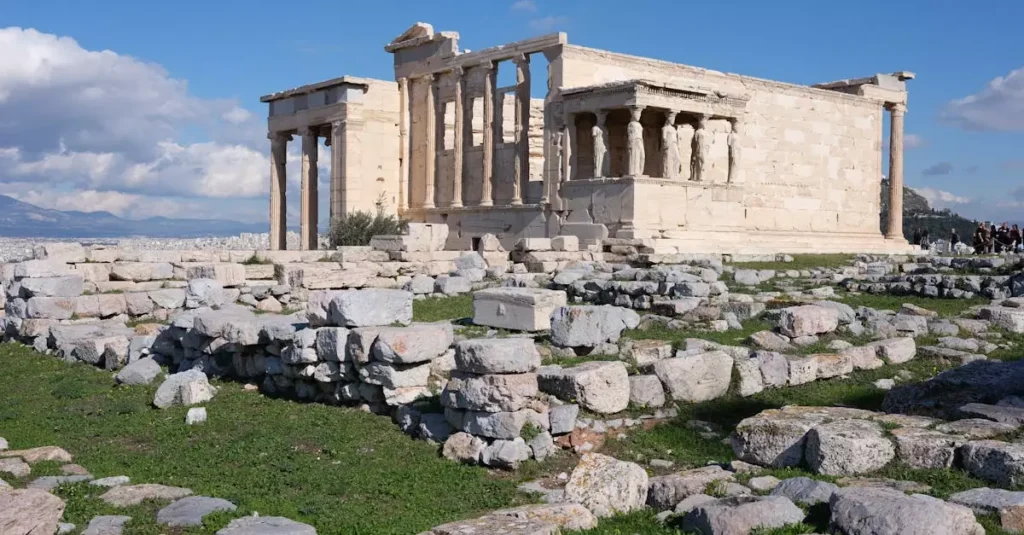
Greece is a land rich in history, with landscapes adorned by the remnants of ancient civilizations that continue to inspire awe. While the Acropolis in Athens is world-renowned, the country’s archaeological treasures extend far beyond this iconic landmark. Exploring the best Greek ruins provides a tangible link to the past, showcasing the ingenuity, artistry, and daily lives of those who shaped Western civilization. This journey highlights five must-see sites, each with its own unique story and breathtaking atmosphere: the legendary sanctuary of Asclepius at Epidaurus, the haunting beauty of the Byzantine ghost city of Mystras, the sacred precinct of the Oracle at Delphi, the birthplace of the Olympic Games at Olympia, and the heart of Minoan culture at Knossos Palace. Prepare to step back in time and uncover the enduring legacy of ancient Greece.
Top 5 Must-See Greek Ruins Beyond the Acropolis
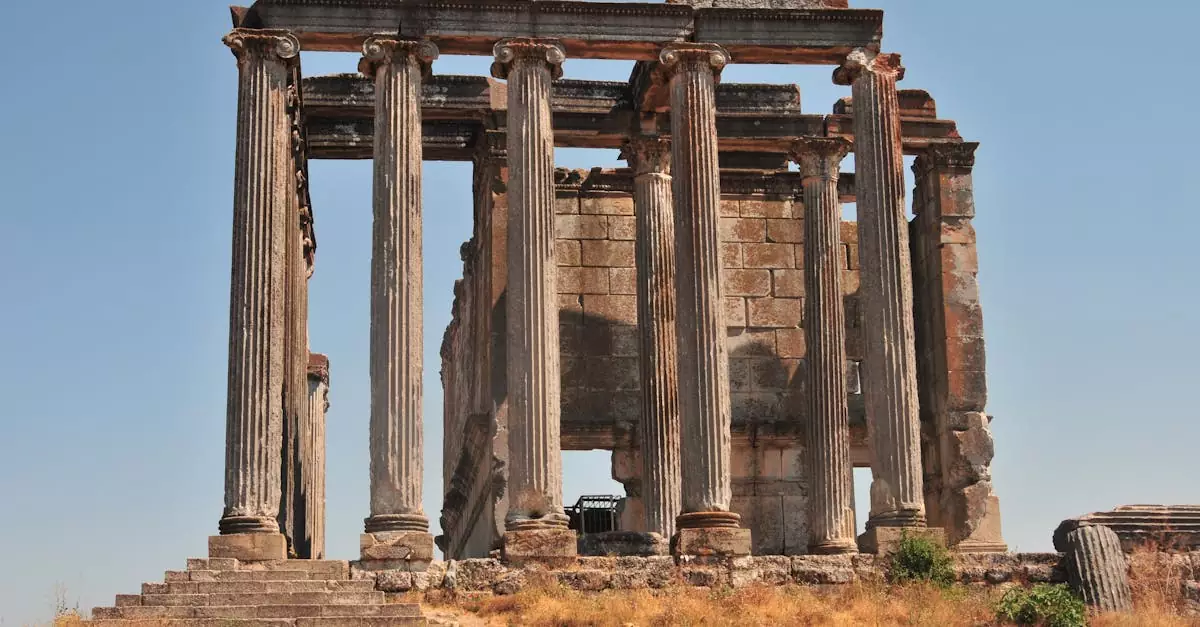
While Athens’ Acropolis is a symbol of ancient Greece, the country is home to many other remarkable archaeological sites that deserve a spot on any traveler’s itinerary. These locations offer deeper insights into Greece’s rich history, from religious sanctuaries and ancient theaters to sprawling palaces and medieval cities. Exploring these best Greek ruins provides a direct connection to civilizations that shaped the Western world.
Ancient Epidaurus: The Sanctuary of Asclepius and its Acclaimed Theatre
Located on the Argolid Peninsula, Ancient Epidaurus is famous for its remarkably preserved Sanctuary of Asclepius, the god of healing. This UNESCO World Heritage site was once a major healing center where pilgrims sought cures. Its most celebrated feature is the theater, renowned for its exceptional acoustics. Visitors can test this by standing at the center of the stage and speaking softly, with sounds carrying clearly to the highest seats.
Getting there: Epidaurus is an easy day trip from Athens, approximately a 2-hour drive. It’s also accessible by bus from Nafplio, a charming nearby town that serves as an excellent base for exploring the region.
Mystras: The Byzantine Ghost City in the Peloponnese
Perched on a steep hillside near Sparta, Mystras is a captivating Byzantine ghost city. Once a powerful center of art, culture, and learning, it was abandoned in the 19th century. Today, visitors can wander through its atmospheric ruins, including impressive monasteries adorned with vibrant frescoes, grand palaces, and defensive walls. The panoramic views over the surrounding Laconian plain are breathtaking.
Visitor Tip: Wear sturdy shoes as the site involves considerable uphill walking on uneven terrain. Allow at least three to four hours to fully appreciate Mystras.
Delphi: The Oracle’s Sacred Precinct and Panhellenic Sanctuary
Nestled on the slopes of Mount Parnassus, Delphi was regarded as the center of the ancient world. This sacred precinct housed the Oracle of Apollo, a powerful figure who influenced decisions across Greek city-states and beyond. The archaeological site includes the Temple of Apollo, the ancient theater, the stadium, and the Tholos of Athena. The on-site museum showcases significant artifacts, including the Charioteer of Delphi.
Logistics: Delphi is about a 2.5-hour drive north of Athens. Many guided tours combine Delphi with a visit to the picturesque mountain village of Arachova.
Ancient Olympia: Birthplace of the Olympic Games
In the western Peloponnese lies Ancient Olympia, where the original Olympic Games were held every four years starting in 776 BCE. This extensive archaeological complex features the ruins of temples dedicated to Zeus and Hera, the ancient stadium, and the gymnasium. The on-site museum displays masterpieces like the Hermes of Praxiteles and sculptures from the Temple of Zeus.
Planning your visit: Olympia is about a 3-hour drive from Athens. Nearby towns like Pyrgos offer accommodation options. Consider visiting in the morning to avoid the midday heat.
Knossos Palace: The Heart of Minoan Civilization in Crete
On the island of Crete, the Palace of Knossos stands as the most significant Minoan archaeological site. This vast complex, famously linked to the myth of the Minotaur and the Labyrinth, offers a glimpse into a sophisticated Bronze Age civilization. While partially reconstructed by Sir Arthur Evans, the site reveals intricate courtyards, royal apartments, and advanced plumbing systems, showcasing the architectural prowess of the Minoans.
Island Travel: Knossos is located just south of Heraklion, Crete’s capital. It’s easily accessible by local bus or taxi. Combine your visit with the Heraklion Archaeological Museum, which houses many of the palace’s most significant finds.
Planning Your Itinerary to Explore Greece’s Best Ruins
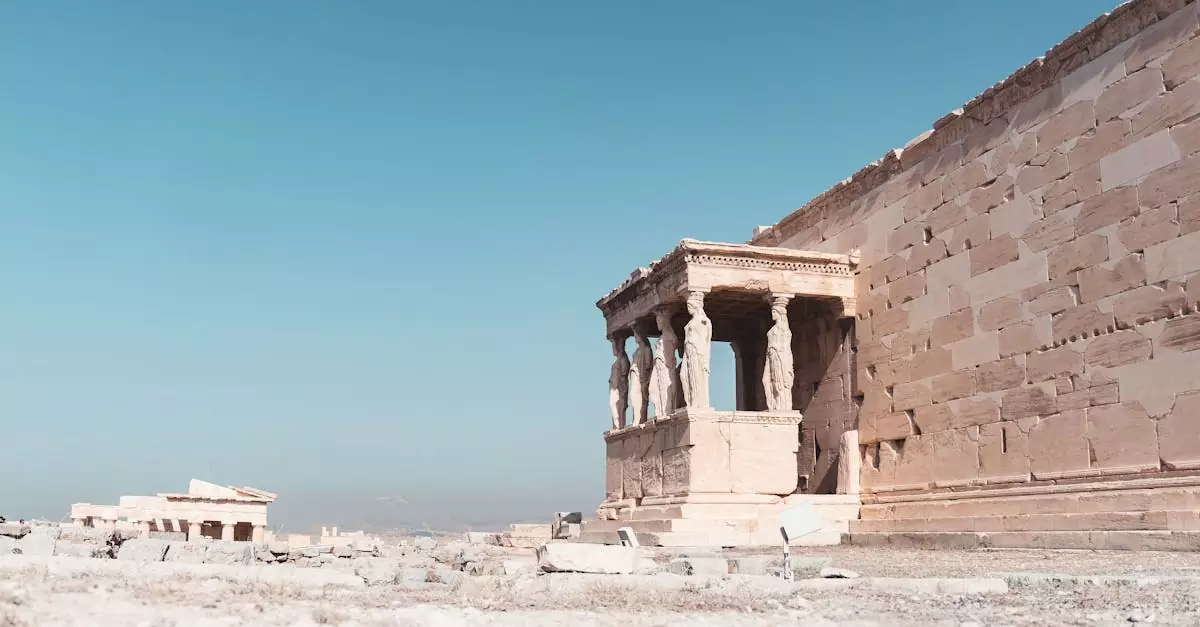
Greece offers an unparalleled journey through antiquity, with ancient sites scattered across the mainland and islands. Deciding where to focus your exploration depends on your available time, interests, and preferred travel style. Whether you envision a focused road trip through the Peloponnese, an in-depth exploration of Minoan civilization on Crete, island hopping between sacred sites, or combining iconic mainland wonders, a well-planned itinerary will maximize your experience of the best Greek ruins.
A 7-Day Peloponnese Ruins Road Trip: Athens, Epidaurus, Mycenae, Olympia
For a comprehensive immersion into mainland Greece’s most significant ancient landmarks, a week-long road trip through the Peloponnese peninsula is highly recommended. This route provides a concentrated dose of history, allowing easy access to several UNESCO World Heritage sites.
Start your journey in Athens, spending at least two days to visit the Acropolis, the Ancient Agora, and the National Archaeological Museum. From Athens, rent a car and head south towards Epidaurus, famous for its remarkably preserved ancient theater. Continue to Mycenae, the legendary home of King Agamemnon, where you can explore the Lion Gate and the Royal Tombs. The final major stop on this loop is Olympia, the birthplace of the Olympic Games. This itinerary balances historical depth with manageable driving distances, making it an efficient way to see some of the best Greek ruins.
Sample 7-Day Peloponnese Itinerary
| Day | Location | Key Sites | Overnight |
|---|---|---|---|
| 1-2 | Athens | Acropolis, Ancient Agora, Museums | Athens |
| 3 | Epidaurus & Nafplio | Ancient Theatre, Archaeological Museum, Town | Nafplio |
| 4 | Mycenae & Argos | Lion Gate, Treasury of Atreus, Citadel | Nafplio |
| 5 | Olympia | Sanctuary of Zeus, Stadium, Archaeological Museum | Olympia |
| 6 | Corinth & Departure | Ancient Corinth, Acrocorinth, Drive to Athens | Athens |
| 7 | Departure |
This road trip is best undertaken in spring (April-May) or autumn (September-October) to avoid summer heat and crowds. Accommodation options range from boutique hotels in Nafplio to simpler guesthouses near archaeological sites.
Crete’s Minoan Trail: Knossos, Phaistos, and Gortyna
Crete, the largest of the Greek islands, offers a unique glimpse into the Bronze Age Minoan civilization, predating classical Greece. Exploring its Minoan sites provides a different perspective on ancient history, focusing on palace complexes and their intricate societies.
Begin at the Palace of Knossos, near Heraklion, the most famous Minoan site, often associated with the myth of the Minotaur. While partially reconstructed, its scale and complexity are impressive. Next, travel south to Phaistos, another significant Minoan palace with a stunning location overlooking the Messara Plain. The unearthed Phaistos Disc remains an enigma of ancient writing. Further exploration can lead you to Gortyna, which offers Roman ruins alongside Minoan remains, including the famous Law Code inscribed on stone.
Visiting Crete’s Minoan sites is ideal for travelers interested in the origins of European civilization. The best time to visit is late spring or early autumn for pleasant weather and fewer tourists. You can base yourself in Heraklion or Chania and take day trips, or rent a car for more flexibility in reaching these scattered archaeological wonders.
Island Hopping for Ancient Sites: Delos and Rhodes
For those who prefer to combine island life with historical discovery, island hopping to sites like Delos and Rhodes offers a compelling experience. These islands boast significant archaeological treasures alongside their natural beauty and distinct island cultures.
Delos, near Mykonos, is a UNESCO World Heritage site and one of the most important mythological, historical, and archaeological sites in Greece. It was considered a sacred island, a sanctuary to Apollo and Artemis. Explore the Terrace of the Lions, the ancient theater, and the mosaics. Access to Delos is typically by ferry from Mykonos or nearby islands.
Rhodes, in the Dodecanese, combines ancient Greek history with medieval fortifications. Visit the Acropolis of Rhodes in the city of Lindos, with its well-preserved temple to Athena Lindia perched high above the sea, offering breathtaking views. The city of Rhodes itself features the Palace of the Grand Master and the ancient stadium from its Hellenistic and Roman periods. Island hopping requires careful planning of ferry schedules but rewards travelers with diverse historical layers.
Combining Mainland Wonders: Delphi and Meteora Monasteries
To experience a blend of ancient religious and philosophical significance with unique natural landscapes, consider combining a visit to Delphi with the monasteries of Meteora. This combination offers a powerful contrast between the earthly wisdom of the ancient world and the awe-inspiring spiritual retreats of a later era.
Delphi, nestled on the slopes of Mount Parnassus, was considered the center of the ancient world, home to the Oracle of Apollo. Wandering through the ruins of the Temple of Apollo, the ancient theater, and the stadium provides a profound connection to Greek mythology and history. It’s a site that truly inspires contemplation.
A few hours’ drive north from Delphi lies Meteora, where magnificent monasteries are perched atop towering rock formations. These monasteries, dating from the 14th century onwards, offer incredible views and a glimpse into a unique monastic tradition. Visiting both Delphi and Meteora provides a rich and varied itinerary, showcasing different facets of Greece’s enduring heritage. This combination is well-suited for travelers seeking both historical depth and breathtaking scenery and can be explored via organized tours or by renting a car.
When is the Best Time to Visit Greece’s Ancient Sites?
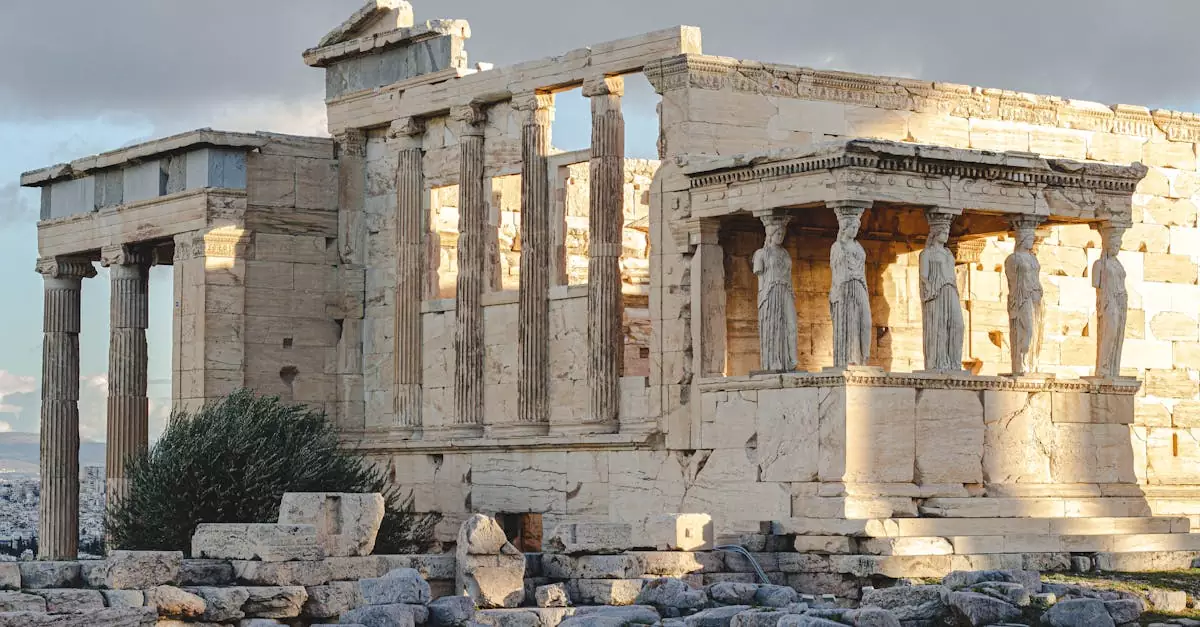
Choosing the right time to experience Greece’s ancient wonders significantly impacts your comfort and enjoyment. While these historical treasures are alluring year-round, certain periods offer more favorable conditions for navigating the sites and appreciating their grandeur without extreme weather or overwhelming crowds. Consider these seasonal insights to plan your journey to the best Greek ruins.
Navigating Shoulder Seasons: Spring (April-May) for Pleasant Weather
Spring, particularly April and May, presents an ideal window for exploring Greece’s historical landscapes. The weather is typically mild and sunny, perfect for walking through expansive archaeological sites like Mycenae or the Acropolis of Athens. Wildflowers bloom across the countryside, adding vibrant natural beauty to the ancient settings.
Temperatures hover comfortably in the low to mid-20s Celsius (68-77°F), making long days of sightseeing enjoyable. You’ll encounter fewer tourists than in the peak summer months, allowing for a more intimate experience with the ruins and shorter queues at popular attractions. This season is also excellent for hiking and enjoying outdoor meals without the intense heat.
Summer Travel (June-August): Pros, Cons, and Heat Management
Summer, from June through August, is Greece’s high tourist season. The days are long and exceptionally sunny, offering ample daylight for exploring. Many islands and coastal areas are at their most vibrant, with lively atmospheres and all services fully operational.
However, summer also brings intense heat, with temperatures frequently exceeding 30°C (86°F) and often reaching into the high 30s or even 40s Celsius (100°F+). Visiting major open-air sites during midday can be challenging and potentially unsafe without proper precautions. Travelers should prioritize early morning or late afternoon visits, stay hydrated, wear sun protection, and seek shade frequently.
Summer Travel Considerations:
- Pros: Long daylight hours, vibrant atmosphere, all attractions and services open.
- Cons: Extreme heat, peak crowds, higher accommodation prices.
- Heat Management: Carry plenty of water, wear hats and sunscreen, plan visits for cooler parts of the day, and consider indoor museums during the hottest hours.
Late Autumn (September-October) for Fewer Crowds and Mild Temperatures
As summer wanes, late autumn, specifically September and October, offers another superb period to visit Greece’s ancient sites. The intense heat of summer dissipates, replaced by pleasant, mild temperatures that are conducive to exploration. The sea is often still warm enough for swimming in early September.
Crowds begin to thin significantly after August, providing a more relaxed and authentic experience at renowned locations like Delphi or the Palace of Knossos. The golden light of autumn can lend a particularly beautiful quality to the ancient stones.
Winter Visits: Exploring Ruins with Minimal Tourists
Winter, from November to March, offers a unique opportunity to see Greece’s ancient ruins with very few other visitors. This can lead to a profound and contemplative experience, allowing for unhurried exploration and a deep connection with the history of these sites. Many archaeological museums also have fewer visitors during this time.
However, winter weather can be unpredictable, with cooler temperatures, rain, and occasional snow, especially in mountainous regions. Some smaller sites or island attractions may have reduced opening hours or be closed entirely. It is essential to check operating schedules and be prepared for varied weather conditions when planning a winter trip. The stark beauty of ruins against a winter sky can be incredibly dramatic.
Getting Around to Greece’s Best Ruins: Transportation Tips
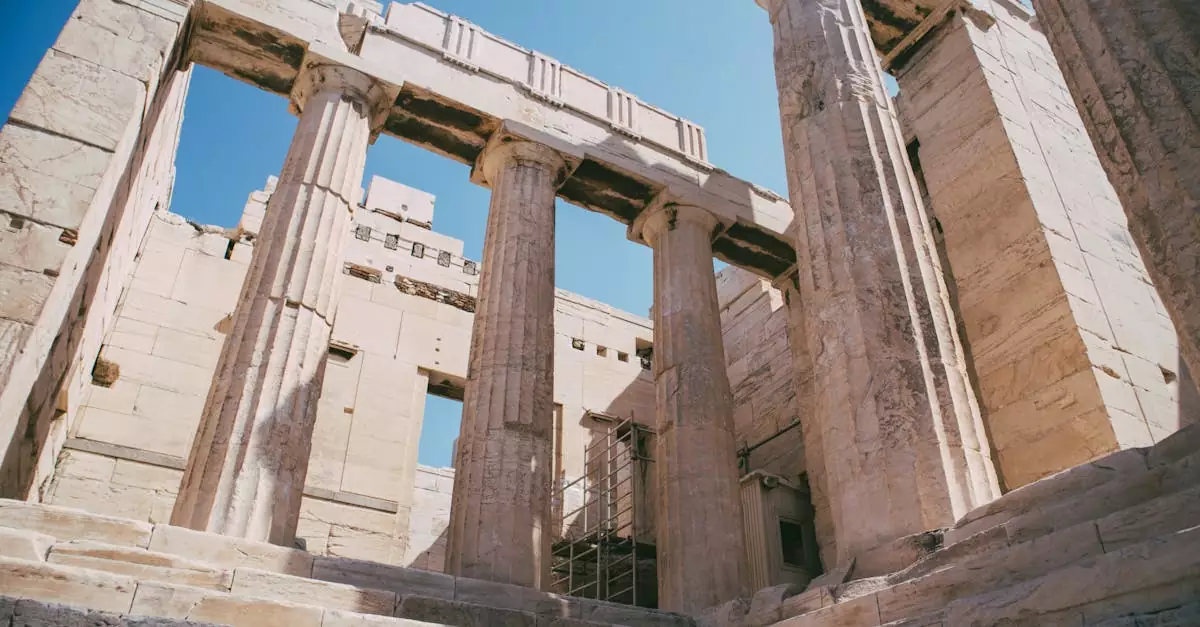
Navigating Greece to discover its ancient wonders requires a thoughtful approach to transportation. While the allure of the best Greek ruins is undeniable, reaching them can range from straightforward to adventurous, depending on your chosen destinations. Understanding the options available will help you craft an efficient and enjoyable itinerary, whether focusing on the mainland or venturing to the islands.
Renting a Car for Maximum Flexibility in the Peloponnese
For those eager to explore the rich archaeological tapestry of the Peloponnese, renting a car offers unparalleled freedom. This region, home to sites like Mycenae, Epidaurus, and Olympia, is best traversed by personal vehicle. Roads are generally well-maintained, and having your own car allows for spontaneous stops at smaller, less-visited historical markers and scenic viewpoints. Picking up a rental at Athens International Airport is common, but you’ll find agencies in most major cities as well. Be prepared for narrow village roads and consider a smaller vehicle for easier parking at crowded sites.
Public Buses (KTEL) for Reaching Remote Archaeological Sites
Greece’s public bus system, operated by KTEL, is an extensive network connecting most towns and many villages, making it a viable option for reaching some of the more remote ancient sites. While slower than driving, it’s an economical choice and offers a glimpse into local life. Major archaeological sites like Delphi and Vergina are accessible via direct bus routes from larger cities. For smaller sites, you might need to take a bus to the nearest town and then arrange a local taxi or enjoy a walk. It’s advisable to check KTEL schedules in advance, as routes and frequencies can vary, especially outside peak tourist seasons.
Ferries and Flights for Island Ruins Exploration
Greece’s islands boast their share of incredible ancient history, from Delos near Mykonos to Rhodes’s Acropolis. To reach these island gems, ferries are the primary mode of transport. Numerous ferry companies operate routes connecting the mainland ports (like Piraeus and Rafina near Athens) to various island groups. For distant islands or if time is a critical factor, domestic flights from Athens or other major cities to island airports are also available. Booking ferry and flight tickets in advance is highly recommended, particularly during the summer months when demand is highest.
Guided Tours vs. Independent Travel for Ancient Sites
The choice between joining a guided tour or traveling independently to Greece’s ancient sites depends on your travel style and priorities. Guided tours, often offered as day trips from major cities or as part of larger multi-day packages, provide expert commentary and handle all logistics. This is a convenient option for those who prefer a structured experience and want in-depth historical context without the hassle of planning.
Independent travel, on the other hand, grants you the flexibility to set your own pace, linger at sites that captivate you, and discover hidden gems off the beaten path. While it requires more planning—booking accommodations, transportation, and potentially hiring local guides at individual sites—it often allows for a more personal and immersive encounter with history. Many travelers find a hybrid approach works well, using public transport or a rental car for general movement and hiring local guides at particularly significant locations like the Acropolis or Knossos.
A comparison of common transportation methods for reaching archaeological sites:
| Transportation Method | Best For | Pros | Cons |
|---|---|---|---|
| Rental Car | Peloponnese, exploring multiple sites independently | Flexibility, convenience, access to remote areas | Cost, parking challenges, navigating unfamiliar roads |
| Public Bus (KTEL) | Budget travelers, reaching towns near sites | Economical, local experience | Slower, less direct routes to very remote sites, schedule dependent |
| Ferries | Island hopping, accessing island ruins | Scenic, connects islands efficiently | Weather-dependent, can be time-consuming, booking needed |
| Domestic Flights | Distant islands, saving travel time | Fast, efficient for long distances | Higher cost, requires airport transfers |
| Guided Tours | First-time visitors, those seeking in-depth context | Hassle-free, expert insights, curated experiences | Less flexibility, fixed schedules, can be more expensive |
Immersing Yourself: Local Flavors and Stays Near Ancient Ruins
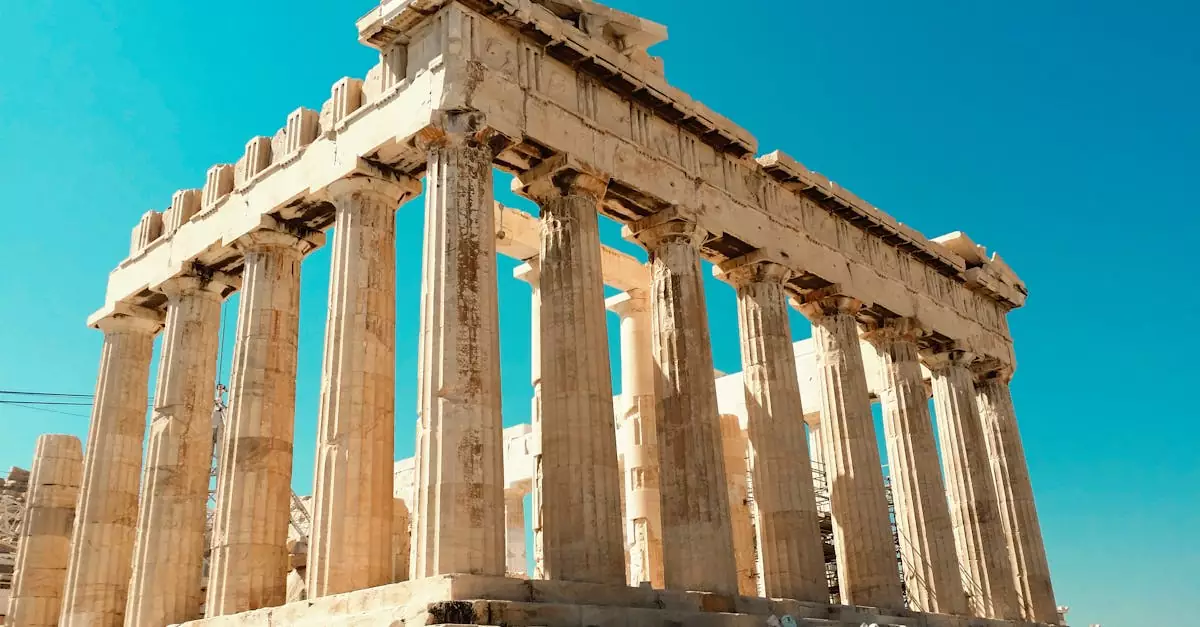
Traditional Tavernas Near Epidaurus: Savoring Peloponnesian Specialties
After a day marveling at the acoustics of the ancient theater of Epidaurus, indulge your taste buds. The villages surrounding this significant archaeological site offer authentic culinary experiences. Look for family-run tavernas where the aroma of grilled meats and fresh herbs fills the air. Specialties often include paidakia (lamb chops), moussaka, and locally sourced olives and feta cheese. Many tavernas also serve horta, wild greens that are a staple of the Peloponnesian diet. Enjoying a leisurely meal with a glass of local Peloponnesian wine provides a perfect end to a day of historical exploration.
Charming Guesthouses in Delphi Village: A Cozy Base
For those visiting the Oracle’s sanctuary at Delphi, staying in the modern village offers a charming and convenient base. Small, family-owned guesthouses abound, providing a warm welcome and comfortable rooms. Many boast balconies with stunning views of the olive groves and the Gulf of Corinth. Waking up to crisp mountain air and the distant sound of church bells enhances the serene atmosphere. These accommodations often include a hearty Greek breakfast, featuring local honey, yogurt, and freshly baked bread. Booking in advance is advisable, especially during peak season, to secure your preferred stay.
Crete’s Culinary Delights: Pairing Minoan History with Local Cuisine
Crete, the cradle of Minoan civilization, offers a gastronomic journey as rich as its history. Beyond the palaces of Knossos and Phaistos, the island’s villages and towns are renowned for their distinct cuisine. Cretan food emphasizes fresh, local ingredients: olive oil, wild herbs, seasonal vegetables, and succulent lamb. Don’t miss dakos, a barley rusk topped with tomatoes, feta, and olive oil, or gamopilafo, a traditional rice dish often served at celebrations. Pairing these flavors with a visit to Minoan sites creates a multi-sensory experience of ancient and modern Greek culture.
Budget-Friendly Stays vs. Boutique Hotels for Ruin Explorers
When planning your trip to Greece’s ancient wonders, accommodation choices can significantly impact your budget and overall experience.
| Accommodation Type | Average Daily Cost (EUR) | Pros | Cons |
|---|---|---|---|
| Budget Hostels | 20-40 | Cost-effective, social atmosphere | Limited privacy, basic amenities |
| Guesthouses | 40-80 | Local charm, often family-run, good value | Can be basic, varying quality |
| Mid-Range Hotels | 80-150 | Comfortable, good amenities, convenient | Less character than boutique options |
| Boutique Hotels | 150+ | Unique design, personalized service | Higher cost, may be further from sites |
For travelers focused on maximizing their time at archaeological sites without breaking the bank, guesthouses and budget-friendly hotels are excellent choices. They often provide a more authentic feel and are strategically located near key attractions. Boutique hotels, while more expensive, offer a luxurious retreat after a day of exploring sun-drenched ruins, often providing higher levels of comfort and unique architectural styles. Consider your priorities: budget, comfort, or authentic local immersion, when selecting your base for discovering the best Greek ruins.
Frequently Asked Questions About Visiting Greek Ruins
What are the essential items to pack for exploring ancient sites?
When planning your visit to the best Greek ruins, prioritize comfort and sun protection. Pack light, breathable clothing suitable for warm weather. Comfortable walking shoes are essential; you’ll be navigating uneven terrain. Don’t forget a hat, sunglasses, and high-SPF sunscreen to shield yourself from the strong Mediterranean sun. Carry a reusable water bottle; staying hydrated is crucial, especially during summer months.
Are there any specific booking recommendations for popular ruins?
For highly visited sites like the Acropolis in Athens or Knossos Palace in Crete, booking tickets online in advance is strongly recommended. This bypasses long ticket queues, saving you valuable time. Many sites offer combined tickets that provide access to multiple attractions at a reduced price, which can be a cost-effective option if you plan on visiting several locations in one area. Check official tourism websites for the most up-to-date information on ticketing and any potential restrictions.
What are common tourist mistakes to avoid at Greek archaeological sites?
A common mistake is underestimating the scale and heat, leading to fatigue and dehydration. Always allocate more time than you think you’ll need and carry plenty of water. Another pitfall is not wearing appropriate footwear; rocky paths and ancient cobblestones require sturdy shoes. Lastly, respect the sites: avoid climbing on ruins, touching fragile structures, or littering. These are irreplaceable historical treasures.
Can you visit these ruins independently without a guide?
Yes, you can absolutely visit most Greek ruins independently. Information boards are usually available at most major sites, providing context and historical details. However, for a deeper understanding of the history, mythology, and architectural significance, hiring a licensed guide or joining a guided tour can greatly enhance the experience. This is particularly true for complex sites like Mycenae or Delphi, where the stories woven into the landscape are rich and intricate. Independent exploration allows for flexibility, while guided tours offer invaluable insights.