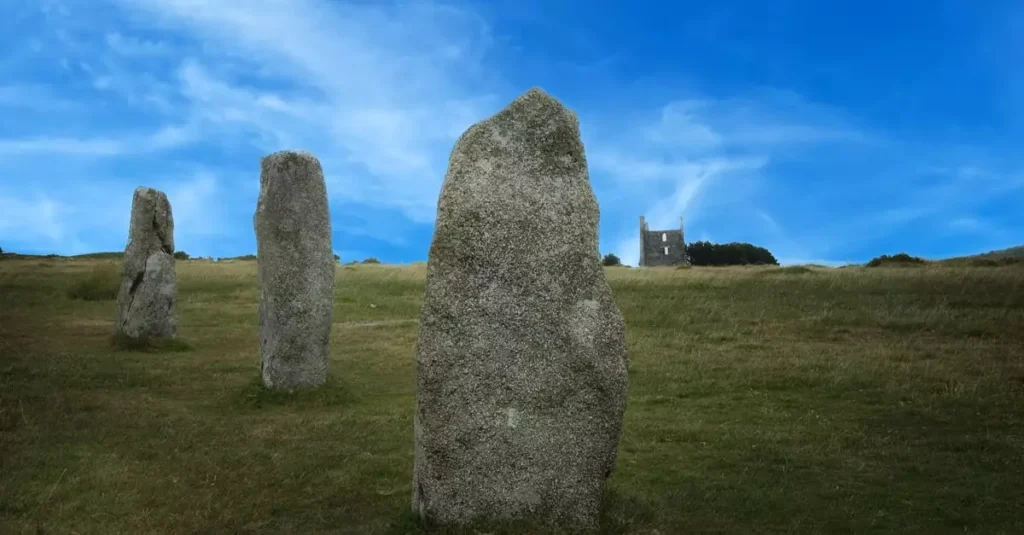
Europe is a continent where history whispers from ancient stones and resonates through forgotten landscapes, inviting us to contemplate the lives and ingenuity of those who came before. If you’re intrigued by the allure of the unknown, exploring the best ancient mysteries Europe has to offer will be an unforgettable journey. This guide will take you through some of the most fascinating sites, from the enigmatic standing stones of Carnac to the legendary lost city of Atlantis. You’ll uncover not only the physical remnants of these ancient puzzles but also the ongoing debates and theories that seek to unravel their secrets. Prepare to step back in time and delve into the enduring questions these remarkable places present, offering a unique perspective on human history and our quest for understanding.
What Are the Most Intriguing Ancient Mysteries in Europe?
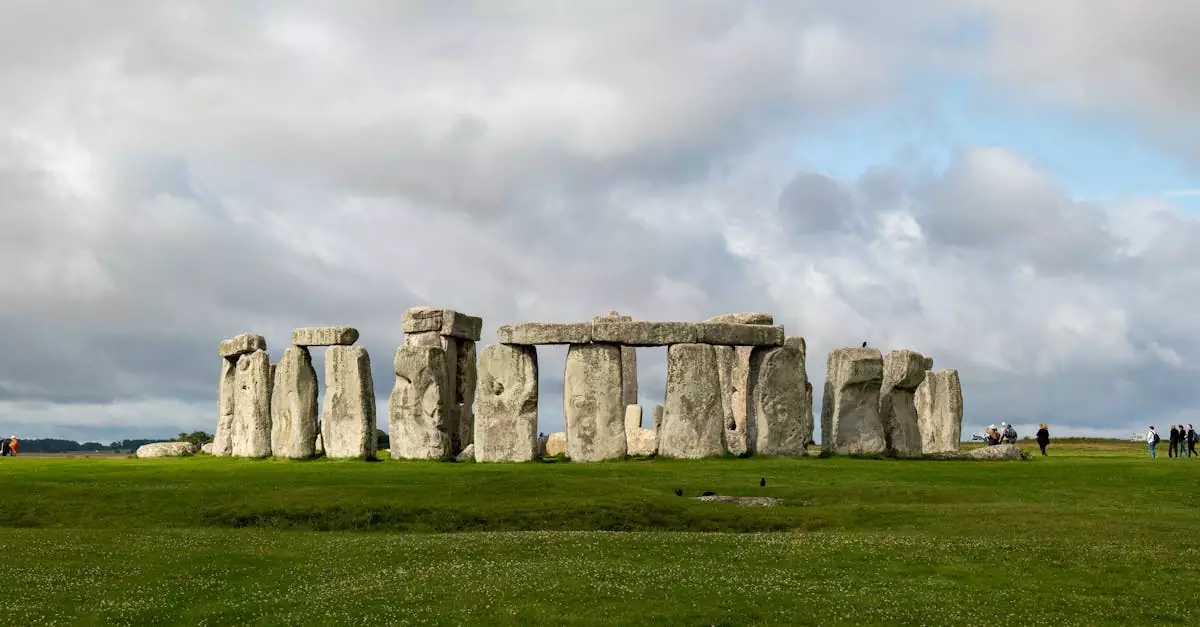
Europe is rich in history, with sites that continue to puzzle archaeologists and historians alike. These locations provide a tangible connection to our past and pose enduring questions about the ingenuity, beliefs, and capabilities of ancient peoples. Visiting these places offers a unique perspective on the human story, inviting contemplation on the unknown.
The Enigmatic Structures of Göbekli Tepe, Turkey
Located in southeastern Turkey, Göbekli Tepe predates Stonehenge and the Egyptian pyramids by millennia, challenging our understanding of early civilization. This sprawling complex of massive carved stone pillars, arranged in circles, was deliberately buried around 8000 BCE. Its purpose remains a subject of intense debate; theories range from a celestial observatory to a ritualistic gathering place for hunter-gatherers.
A visit to Göbekli Tepe offers a profound sense of stepping back into a truly ancient world. The sheer scale of the construction, achieved without metal tools or the wheel, is astonishing. The site is accessible via a flight to Şanlıurfa, followed by a taxi or organized tour. Planning your visit during the shoulder seasons of spring or autumn ensures pleasant weather for outdoor exploration.
The Unexplained Megaliths of Stonehenge, UK
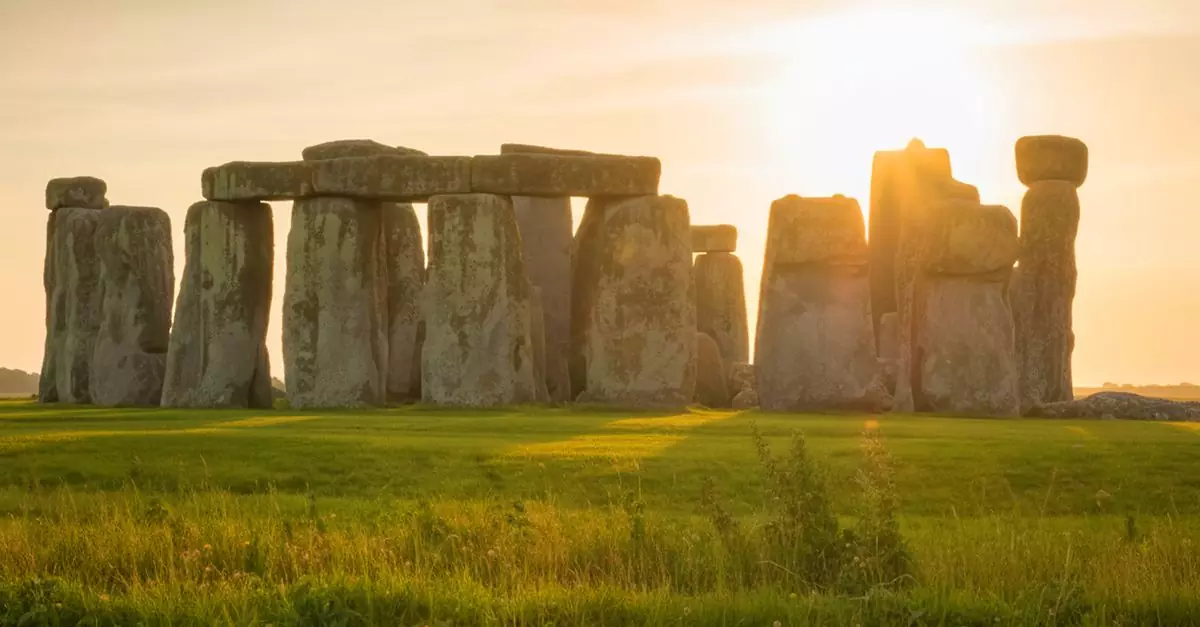
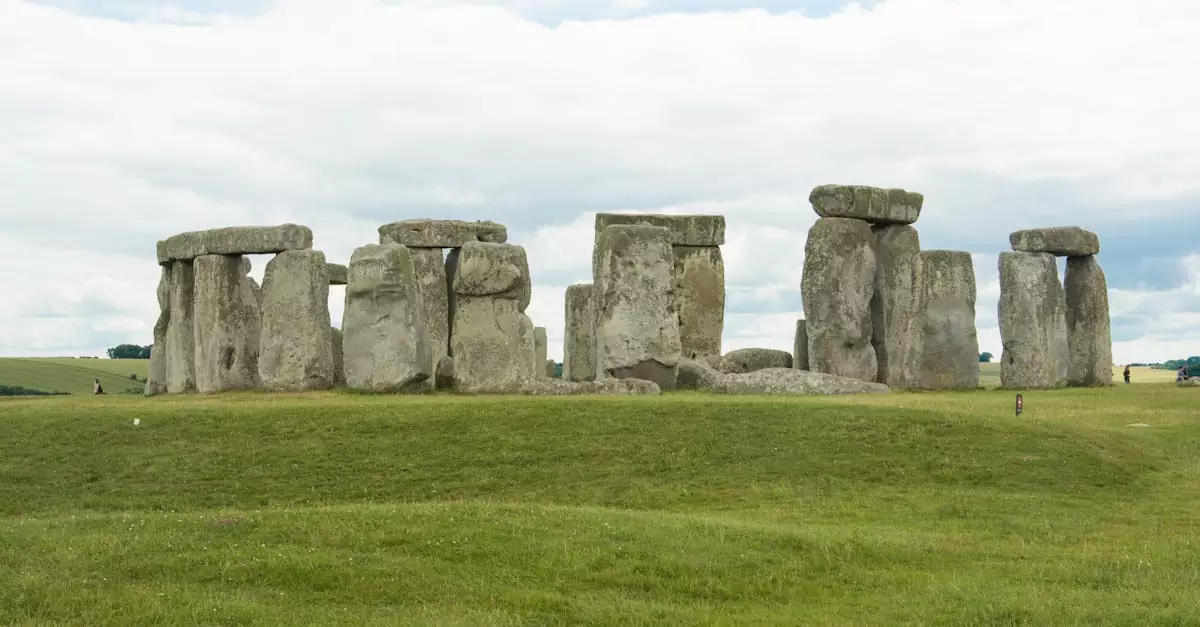
Stonehenge in Wiltshire, England, is perhaps one of the most iconic ancient mysteries in Europe. The precise method of transporting and erecting the massive sarsen stones and smaller bluestones remains a topic of speculation. Theories abound, ranging from sophisticated engineering feats to more fantastical explanations. Its astronomical alignments suggest a deep understanding of celestial cycles by its Neolithic builders.
A trip to Stonehenge is essential for anyone interested in prehistoric Britain. The site is easily reached from London by train to Salisbury, followed by a bus service. Booking tickets in advance is recommended, especially during peak season, to secure your entry time. For a more atmospheric experience, consider visiting at sunrise or sunset, though special access tours often require early booking.
The Lost City of Atlantis: Myth vs. Reality
The legend of Atlantis, first described by Plato, speaks of a powerful island civilization that mysteriously vanished beneath the waves. While widely considered a philosophical allegory rather than a historical account, the enduring allure of a lost, advanced society fuels ongoing speculation. Various locations have been proposed as possible sites for Atlantis, ranging from the Mediterranean to the Atlantic Ocean.
While a definitive physical location for Atlantis has never been confirmed, exploring regions associated with the myth can be fascinating. Islands like Santorini in Greece, with its own Bronze Age volcanic eruption, offer insight into ancient catastrophic events that may have inspired such legends. Understanding the narrative of Atlantis provides a glimpse into ancient Greek thought and the human fascination with lost worlds.
The Secrets of the Voynich Manuscript
Housed at Yale University’s Beinecke Rare Book & Manuscript Library, the Voynich Manuscript is a medieval codex written in an unknown script and illustrated with bizarre, unidentifiable plants and astronomical diagrams. Its origins, author, and meaning remain a mystery, making it one of history’s most perplexing linguistic and cryptographic puzzles. Despite extensive efforts by cryptographers and historians, no definitive translation has ever been achieved.
While direct access to the manuscript is restricted, its mystery draws scholars and enthusiasts. Researchers continue to analyze its contents, hoping to unlock its secrets. The pursuit of understanding the Voynich Manuscript highlights the enduring power of unsolved historical enigmas and the human drive to decipher the unknown.
Exploring the Mysteries of Carnac’s Standing Stones, Brittany
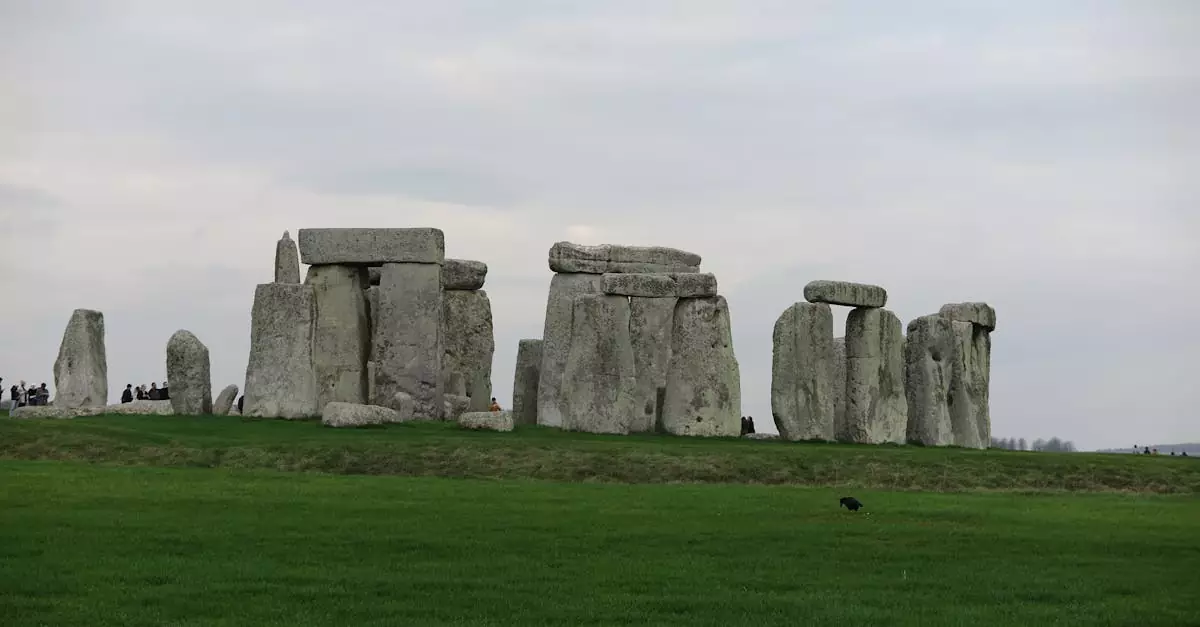
The windswept coast of Brittany, France, holds one of Europe’s most compelling ancient enigmas: the Carnac alignments. This vast complex of standing stones, or megaliths, stretches for kilometers, a silent testament to a prehistoric past that continues to fascinate. Understanding the best ancient mysteries Europe has to offer often leads visitors here, to a landscape dotted with over 3,000 menhirs (upright stones) and dolmens (burial chambers).
Navigating the Vast Carnac Alignments
Visiting Carnac requires a strategic approach due to the sheer scale of the site and its preservation efforts. The alignments are divided into several main areas, including Ménec, Kerdavado, and Le Manio. Access to certain sections is restricted during peak seasons to protect the fragile stones, with guided tours often being the only way to get up close. Booking these tours in advance, especially during summer, is highly recommended. For independent exploration, designated walking paths provide excellent vantage points. Arriving early in the morning or late in the afternoon allows you to avoid crowds and experience the stones in softer light.
Transportation to Carnac is typically by car, as public transport options can be limited. The nearest major towns with train stations are Vannes and Auray, from which you would need to arrange a bus or taxi. Parking is available near the main visitor areas but can fill up quickly during peak times.
Theories Behind the Megalithic Arrays
The purpose and construction of the Carnac stones, dating back to the Neolithic period (around 4500 to 2500 BC), remain subjects of intense debate. Theories suggest they served as astronomical observatories, religious or ritualistic sites, ancient burial grounds, or even territorial markers. Some researchers propose they were aligned with celestial bodies, acting as a giant calendar to track solstices and equinoxes. Others believe they held significant roles in ancient ceremonies and processions. The effort involved in quarrying, transporting, and erecting these massive stones across such a wide area indicates a highly organized society.
Local folklore offers its own interpretations, with legends suggesting the stones are Roman soldiers turned to stone by a wizard or a petrified army of giants. While these tales add mystique, archaeological evidence leans towards a more practical, albeit still mysterious, human endeavor.
Day Trips from Carnac: Exploring Nearby Dolmens
While the alignments themselves are the main draw, the Carnac region is rich with other prehistoric sites, making it an ideal base for further exploration. A short drive from the main alignments reveals numerous well-preserved dolmens, many of which served as communal tombs. The Grand Dolmen de Mane-Rutual and the Dolmen de la Table des Marchands are particularly impressive examples, offering a glimpse into the burial practices of these ancient peoples.
For a broader understanding of Brittany’s megalithic heritage, consider visiting the nearby Quiberon Peninsula or the island of Gavrinis. Gavrinis, accessible by ferry, boasts one of the most beautifully decorated passage tombs in Europe, with intricate carvings that rival those found at Newgrange in Ireland. These excursions provide a comprehensive experience of the region’s deep historical roots, complementing the awe-inspiring spectacle of the Carnac standing stones.
Uncovering the Secrets of Ancient Rome’s Engineering Marvels
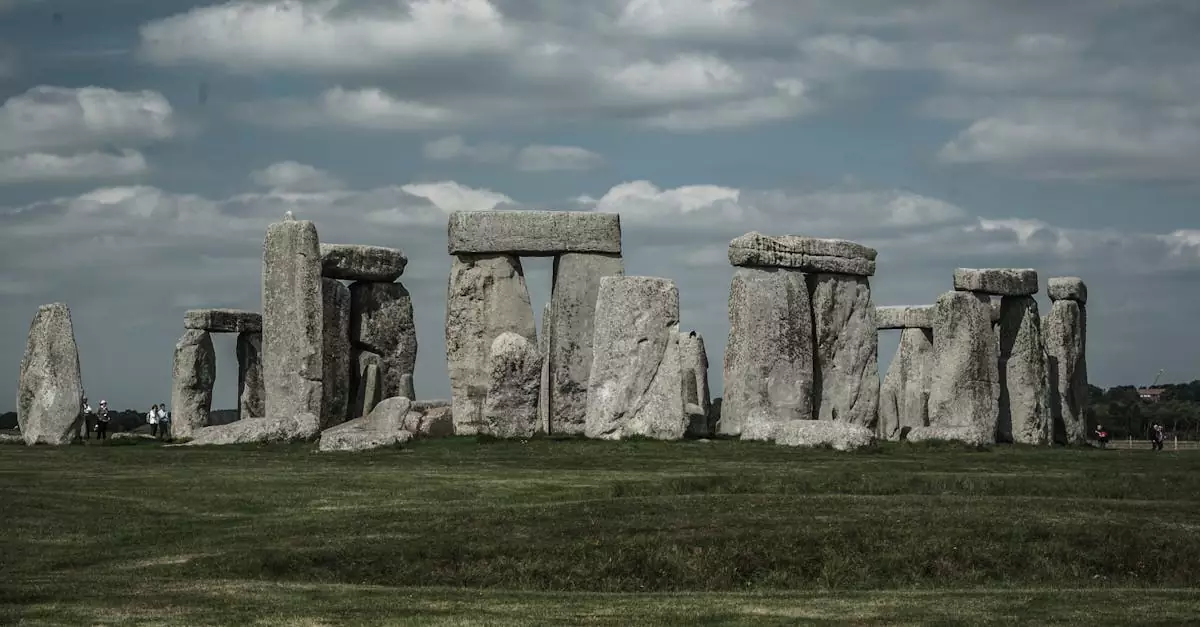
Rome’s legacy is etched in stone, a testament to an empire that mastered engineering and architecture. While many of its ancient wonders stand as familiar landmarks, some still hold mysteries that intrigue historians and visitors alike. Exploring these enigmas offers a unique perspective on the ingenuity of ancient civilizations and the enduring questions they leave behind.
The Pantheon’s Unexplained Dome Construction
The Pantheon’s dome, a breathtaking feat of Roman engineering, remains a subject of fascination. Completed around 126 AD, its massive unsupported concrete dome, featuring a central oculus open to the sky, was the largest of its kind for over a millennium. The exact methods used to cast such a colossal structure, particularly the precise mix of concrete and the techniques for lifting heavy materials, are still debated. Modern engineers marvel at its durability and design, which has inspired architects for centuries. Visiting the Pantheon allows you to stand beneath its awe-inspiring span.
Aqueducts of Rome: A Testament to Ancient Ingenuity
The vast network of Roman aqueducts, stretching for miles to supply the city with fresh water, represents another pinnacle of ancient achievement. These gravity-fed systems, constructed with remarkable precision, demonstrate a sophisticated understanding of hydraulics and surveying. While the general principles are understood, the exact techniques for maintaining consistent gradients over such distances, especially through varied terrain, and the specific tools employed for excavation and stone cutting are still subjects of study. Walking sections of the Appian Way allows you to see remnants of these vital arteries, providing a glimpse into the logistical prowess required to sustain a thriving ancient metropolis.
The Colosseum’s Architectural Puzzles
The Flavian Amphitheatre, or Colosseum, is an icon of Rome, but its construction harbors its own set of mysteries. Beyond the sheer scale of the project, questions persist about the rapid assembly of its complex tiered seating and the ingenious systems of elevators and trapdoors used for gladiatorial contests and animal displays. While we understand the use of arches and vaults, the precise organization of labor, sourcing of materials on such a massive scale, and specific engineering solutions for its rapid construction continue to spark debate. Exploring the Colosseum today allows you to imagine the roar of the crowds and the intricate workings of this ancient entertainment venue.
Journey to the Heart of Ancient Greek Enigmas
Ancient Greece offers a compelling starting point for anyone fascinated by the world’s best ancient mysteries. This cradle of Western civilization is not just about philosophy and democracy; it’s also a land steeped in enigmatic sites and enduring legends. Understanding these places requires a blend of historical context and a willingness to ponder the unknown.
The Oracle of Delphi: Prophecies and Rituals
Delphi, nestled on the slopes of Mount Parnassus, was once considered the center of the world by the ancient Greeks. Its fame rested on the Oracle of Apollo, a priestess known as the Pythia, who delivered cryptic prophecies. These pronouncements, often ambiguous, influenced major decisions of city-states and individuals for centuries. The site itself is a testament to ancient engineering and spirituality, with its well-preserved theater, stadium, and the ruins of the Temple of Apollo.
Visiting Delphi requires planning, especially if you aim to grasp the atmosphere of this sacred place. The site is accessible by bus from Athens, a journey of about 2.5 to 3 hours. Visiting during the shoulder seasons of spring or autumn helps avoid summer crowds and heat. Comfortable walking shoes are essential, as the terrain can be uneven.
The Labyrinth of Knossos: Minotaur Myths and Minoan Civilization
On the island of Crete lies the Palace of Knossos, an archaeological marvel and the heart of the Minoan civilization, Europe’s earliest advanced civilization. This sprawling complex, famously associated with the myth of King Minos, the Minotaur, and the Labyrinth, offers a glimpse into a sophisticated Bronze Age society. While the legend of the Minotaur is mythical, the palace’s complex layout and intricate frescoes speak to a highly organized and artistic culture.
Exploring Knossos is a journey into a world of advanced plumbing, vibrant art, and unique architectural designs. The site is located just south of Heraklion, the capital of Crete. Day trips from Heraklion are common, and it’s advisable to arrive early to experience the site before peak tour groups arrive. The sheer scale of the palace can be overwhelming, so allow ample time to wander through its reconstructed halls and courtyards.
Exploring the Acropolis of Athens: Architectural Puzzles
The Acropolis of Athens stands as an enduring symbol of classical Greece and a prime example of ancient architectural genius. While the Parthenon is its most iconic structure, the entire complex, including the Erechtheion and the Propylaea, presents fascinating architectural and historical puzzles. The precision of its construction, especially considering the tools available at the time, continues to astound engineers and historians.
To truly appreciate the Acropolis, consider visiting at opening or closing hours to avoid the densest crowds and the midday sun. The site is easily accessible from central Athens. While much of the site is open-air, the Acropolis Museum, located nearby, provides crucial context and houses many original artifacts, offering a more complete understanding of the ancient structures. The museum is a worthwhile complement to the physical exploration of the Acropolis itself.
Planning Your Expedition to Europe’s Ancient Mysteries
Embarking on a journey to uncover Europe’s most captivating ancient mysteries requires thoughtful planning. This region, steeped in history, offers a wealth of sites that spark curiosity and wonder. To maximize your adventure, consider the optimal time to visit, efficient transportation methods, and a potential itinerary that balances discovery with practicality. Understanding these elements will transform a wish list of destinations into a tangible, unforgettable exploration of Europe’s past.
Best Time to Visit Sites of Ancient Mysteries
The ideal time to visit Europe’s ancient sites largely depends on your tolerance for crowds and weather. Spring (April to June) and autumn (September to October) generally offer pleasant temperatures and fewer visitors than the peak summer months. During these shoulder seasons, you can often wander through historical ruins with more space and a greater sense of immersion.
- Spring: Wildflowers bloom, adding natural beauty to archaeological landscapes. Days are longer, providing ample daylight for sightseeing.
- Summer: While warmest, this is also the busiest period. Expect higher prices for accommodations and more competition for entry tickets.
- Autumn: Crisp air and changing foliage create a dramatic backdrop for ancient ruins. Harvest festivals in some regions add a cultural dimension.
- Winter: The quietest time offers a unique, contemplative experience at sites like Stonehenge. However, many sites have reduced hours, and weather can be a significant factor.
Getting Around Europe: Transportation for Mystery Seekers
Navigating Europe to reach its ancient wonders is part of the adventure. A combination of public transport and strategic car rentals often proves most effective. High-speed rail networks connect major cities efficiently, making inter-country travel relatively seamless. Within countries, regional trains and buses serve smaller towns and historical locations.
For reaching more remote sites or exploring at your own pace, renting a car is highly recommended. This offers flexibility to stop at lesser-known ruins or adjust your schedule on a whim. Consider the terrain and road conditions, especially when heading to mountainous or rural areas.
| Transportation Method | Pros | Cons | Best For |
|---|---|---|---|
| High-Speed Rail | Fast, comfortable, city-center to center | Requires transfers for remote locations | Inter-city travel, connecting major historical hubs |
| Regional Trains/Buses | Affordable, access to smaller towns | Slower, less frequent, can be crowded | Budget travelers, reaching less-visited locales |
| Rental Car | Maximum flexibility, direct access | Parking challenges, fuel costs, navigation | Remote sites, self-guided exploration, families |
| Budget Airlines | Quick for long distances | Airport transfers, baggage fees, less scenic | Covering vast distances rapidly |
Suggested Itinerary: A Two-Week Ancient Mysteries Tour
This two-week itinerary focuses on a selection of Europe’s most compelling ancient mysteries, blending iconic landmarks with fascinating lesser-known sites. It’s designed to be flexible, allowing for deeper exploration in areas that particularly capture your interest.
Week 1: Western European Enigmas
- Days 1-3: Wiltshire, England. Begin at Stonehenge and the surrounding Avebury stone circle. Explore the mysteries of their construction and purpose. Consider visiting nearby Roman ruins like Bath.
- Days 4-6: Brittany, France. Discover Carnac’s vast array of megalithic standing stones, one of the most extensive sites of its kind in the world. Explore local museums for insights into Neolithic life.
- Days 7-8: Newgrange, Ireland. Travel to County Meath to visit this prehistoric passage tomb, older than the pyramids. Its precise astronomical alignment is a testament to ancient knowledge.
Week 2: Mediterranean Marvels
- Days 9-11: Crete, Greece. Immerse yourself in the Minoan civilization at the Palace of Knossos. Unravel the myths of the Minotaur and the labyrinth.
- Days 12-14: Rome & Ostia Antica, Italy. While Rome itself is a historical treasure trove, venture to the ancient port city of Ostia Antica. This remarkably preserved Roman town offers a glimpse into daily life thousands of years ago, often with fewer crowds than the Colosseum.
This itinerary provides a framework for a journey across the continent. Depending on your interests, you might substitute destinations for sites in Scotland, Spain, or even further east in Europe. Remember to book accommodations and any necessary tours in advance, especially during peak travel seasons.
Frequently Asked Questions About Europe’s Ancient Mysteries
Are there guided tours for these ancient mystery sites?
Many of Europe’s most compelling ancient mystery sites offer guided tours. These range from professional archaeological tours led by experts to more general historical walking tours. For popular locations like Stonehenge or the ancient city of Pompeii, booking in advance is highly recommended, especially during peak season. Smaller, more remote sites might have limited tour availability, sometimes relying on local guides with deep knowledge of the area’s history and folklore.
What should I pack for visiting remote archaeological locations?
When visiting remote archaeological locations across Europe, packing practical items is key. Sturdy, broken-in walking shoes are essential for uneven terrain. Layers of clothing are advisable, as weather can change quickly, especially in spring and autumn. A waterproof jacket, sun protection (hat, sunscreen), and insect repellent are also wise additions. Don’t forget a reusable water bottle and snacks, as amenities can be scarce at some sites. A small backpack will help carry these essentials comfortably.
Are these sites suitable for family travel?
The suitability of ancient mystery sites for family travel varies. While some locations, like the well-preserved ruins of Ephesus in Turkey or the Roman Forum in Italy, offer engaging historical context for children, others may involve extensive walking over challenging terrain or lack child-friendly interpretation. It’s important to research individual sites for accessibility and consider the age and interests of your children. Many sites have visitor centers that can provide educational materials to make the experience more interactive for younger travelers.
What are some lesser-known ancient sites in Europe?
Beyond the famous landmarks, Europe holds many lesser-known ancient sites brimming with mystery. Consider the prehistoric standing stones of Carnac in Brittany, France, which predate Stonehenge and feature thousands of megaliths arranged in complex patterns. Another fascinating spot is the ancient city of Kültepe in Turkey, one of the oldest continuously inhabited settlements in the world, offering insights into early Mesopotamian trade. For those interested in Roman history, the ruins of Volubilis in Morocco (though technically North Africa, it’s culturally and historically linked to Roman Europe) present a remarkably preserved Roman city with stunning mosaics and a palpable sense of history. These locations often provide a more intimate and less crowded experience.