Ireland’s coastline is a treasure trove of dramatic landscapes, charming villages, and vibrant culture, offering an unforgettable escape. From the rugged beauty of the Wild Atlantic Way to the serene shores of the Emerald Isle’s east coast, there’s a seaside gem waiting to be discovered. If you’re dreaming of windswept cliffs, picturesque harbors, and the warm embrace of Irish hospitality, exploring the best coastal towns in Ireland should be at the top of your list.
This guide will take you through some of the most captivating seaside destinations, highlighting their unique attractions, from world-class dining and traditional music hubs to ancient historical sites and breathtaking natural wonders. Prepare to be inspired as we uncover the magic that makes Ireland’s coastal towns so special, providing practical insights to help you plan your perfect getaway.
Why Choose Ireland’s Coastal Towns for Your Next Getaway?
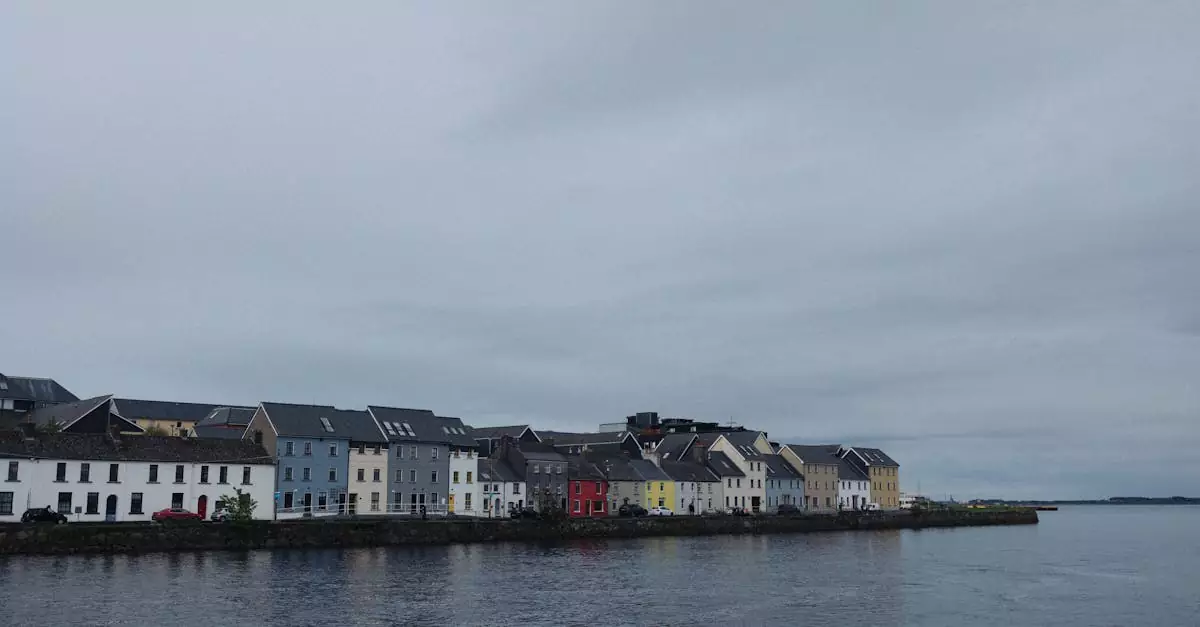
Ireland’s coastline offers a captivating blend of dramatic landscapes, rich history, and vibrant local culture, making its coastal towns exceptional destinations. Whether you’re drawn to windswept cliffs, charming harbors, or the allure of island life, these seaside gems provide a unique escape from the ordinary. They offer a chance to connect with nature, experience authentic Irish hospitality, and create lasting memories.
Experiencing the Dramatic Beauty of the Wild Atlantic Way
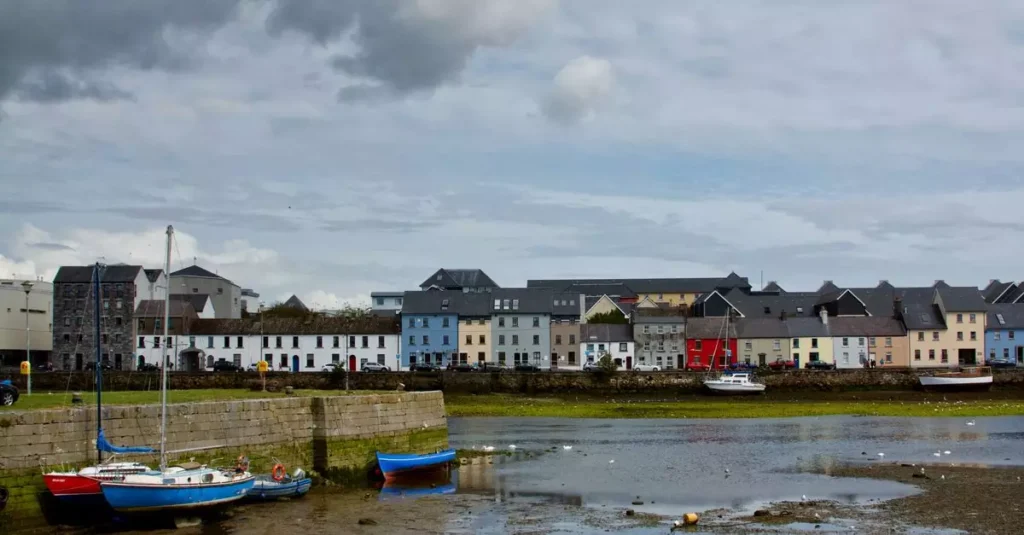
The Wild Atlantic Way is a renowned scenic drive that traces Ireland’s rugged western coastline. Traveling this route means encountering breathtaking vistas at every turn, from towering sea cliffs to secluded sandy beaches. Towns along this path, such as Galway and Dingle, serve as ideal bases for exploring this natural wonder. Visitors can expect invigorating hikes, stunning photo opportunities, and a profound sense of awe inspired by the raw power of the Atlantic Ocean. Planning your journey during the shoulder seasons, spring or autumn, often provides fewer crowds and dramatic, moody skies.
Finding Serenity in Ireland’s Charming Fishing Villages
Beyond the more famous stops on the Wild Atlantic Way, Ireland is dotted with smaller, picturesque fishing villages that exude tranquility and authentic charm. These communities offer a slower pace of life, where you can witness daily fishing activities, enjoy fresh seafood straight from the boat, and immerse yourself in local traditions. Towns like Kinsale in County Cork and Ardglass in County Down are examples of such idyllic settings. They are perfect for travelers seeking a peaceful retreat, a chance to engage with friendly locals, and a taste of genuine Irish coastal living. Accommodation here often includes cozy B&Bs and small guesthouses, providing an intimate experience.
Exploring Unique Island Communities Off the Coast
Ireland’s islands offer a distinct and often more remote coastal experience. Islands like the Aran Islands, off the coast of County Galway, or Sherkin Island in County Cork, present a unique cultural landscape with ancient forts, traditional music, and a strong sense of community. Reaching these islands typically involves a ferry journey, adding to the sense of adventure. Visitors will find opportunities for cycling, walking along dramatic coastlines, and experiencing a way of life that feels preserved in time. The weather can be unpredictable, so packing layers and waterproof gear is essential for any island exploration.
Top 5 Best Coastal Towns in Ireland for Stunning Scenery
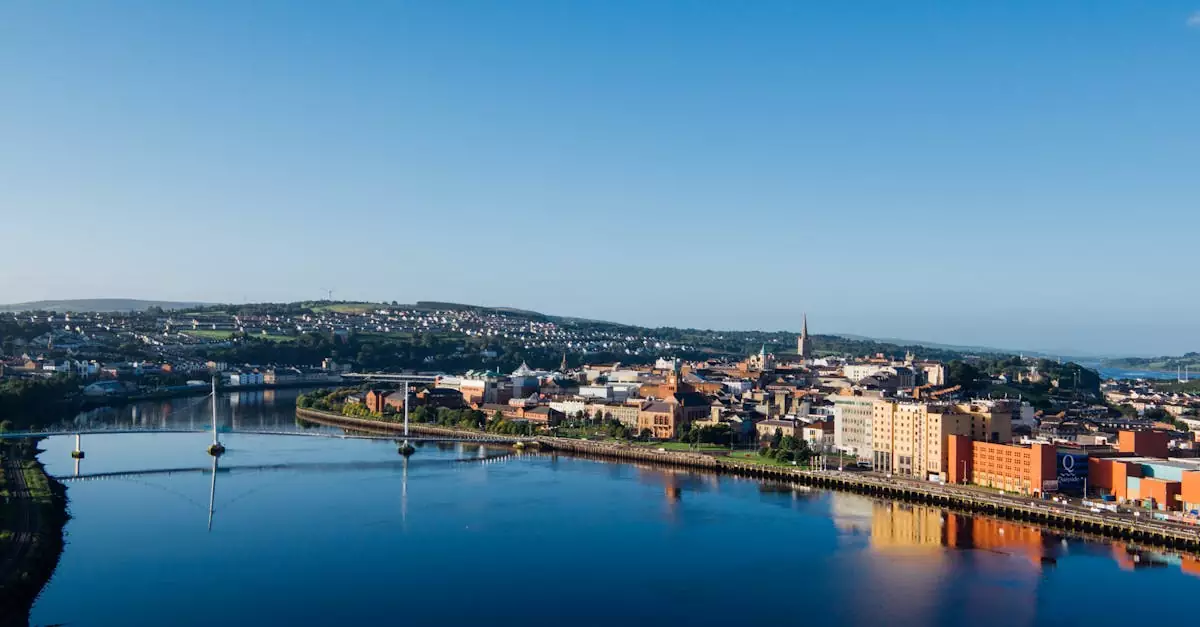
Ireland’s coastline is a tapestry of dramatic cliffs, sandy beaches, and charming harbors, offering some of the most breathtaking views in Europe. For travelers seeking picturesque seaside experiences, these five towns stand out. They provide a blend of natural beauty, cultural richness, and vibrant local life, making them essential stops on any Irish coastal journey.
Kinsale, County Cork: Gourmet Capital and Colorful Harbor
Kinsale, often hailed as the gourmet capital of Ireland, captivates visitors with its brightly painted buildings clustered around a picturesque harbor. This historic port town in County Cork delights the senses, offering world-class dining alongside stunning waterfront views. The narrow, winding streets invite leisurely strolls, leading to boutique shops and traditional pubs.
Beyond its culinary fame, Kinsale is steeped in history, most notably with the impressive Charles Fort overlooking the harbor entrance. This star-shaped 17th-century military fortification offers panoramic views and a glimpse into Ireland’s past. The town serves as an excellent base for exploring the surrounding coastline, including the scenic Seven Heads Peninsula. Getting to Kinsale typically involves a drive from Cork City, making it a popular day trip or a starting point for a longer exploration of the Wild Atlantic Way.
Doolin, County Clare: Gateway to the Cliffs of Moher and Traditional Music
Doolin is synonymous with traditional Irish music and serves as the primary departure point for ferries to the Aran Islands. This small village in County Clare is a vibrant hub, especially in the evenings when pubs come alive with lively music sessions. Its proximity to the majestic Cliffs of Moher makes it an essential stop for anyone visiting Ireland’s west coast.
Visitors can experience the cliffs from sea level via boat tours departing from Doolin, offering a dramatic perspective of their sheer scale. Alternatively, the cliff-top path provides breathtaking views from above. While Doolin itself is small, its atmosphere is immense, fueled by the music and the dramatic natural landscapes surrounding it. Accommodation options range from cozy guesthouses to B&Bs, offering a warm welcome to all who visit this energetic coastal gem.
Westport, County Mayo: Vibrant Hub on Clew Bay
Westport, located on the shores of Clew Bay in County Mayo, is a beautifully planned Georgian town renowned for its lively atmosphere and stunning natural setting. The bay itself is dotted with over 100 islands, creating a unique and scenic seascape. Westport is a designated stop on the Wild Atlantic Way and a popular destination for outdoor enthusiasts.
Activities abound, from cycling the Great Western Greenway, a spectacular off-road trail, to exploring Croagh Patrick, Ireland’s holy mountain. The town center, with its charming shops, restaurants, and pubs, is easily walkable and offers a friendly, welcoming vibe. Westport is an ideal base for discovering the rugged beauty of County Mayo, offering a perfect blend of urban amenities and wild coastal landscapes.
Portrush, County Antrim: Causeway Coast Adventures and Surfing
Portrush in County Antrim is a bustling seaside resort town famous for its beautiful beaches and its role as a gateway to the Giant’s Causeway. This stretch of the Causeway Coast is a UNESCO World Heritage site, featuring dramatic basalt columns and unique geological formations. Portrush itself boasts excellent surfing opportunities, attracting wave-riders to its shores.
The town offers a range of accommodations and dining options, catering to a steady stream of visitors eager to experience the natural wonders nearby. Beyond the Giant’s Causeway, visitors can explore Dunluce Castle, a dramatic medieval ruin perched on a clifftop, or take scenic drives along the coast. The energy of Portrush, combined with its access to some of Northern Ireland’s most iconic attractions, makes it a compelling coastal destination.
Ardmore, County Waterford: Ancient Monastic Site and Blue Flag Beaches
Ardmore in County Waterford is one of Ireland’s most picturesque villages, boasting a rich history and pristine natural beauty. It is home to one of the country’s most significant ancient monastic sites, founded by St. Declan in the 5th century. The well-preserved ruins, including a round tower and oratory, offer a fascinating glimpse into early Christian Ireland.
The village is also renowned for its two beautiful beaches, both of which have been awarded Blue Flags for their cleanliness and facilities. These beaches are perfect for swimming, sunbathing, or simply enjoying the coastal scenery. Ardmore provides a tranquil escape, blending historical intrigue with the simple pleasures of a seaside town. Its location makes it a wonderful stop when traveling the scenic Copper Coast.
What are the Best Coastal Towns in Ireland for Traditional Music and Pub Culture?
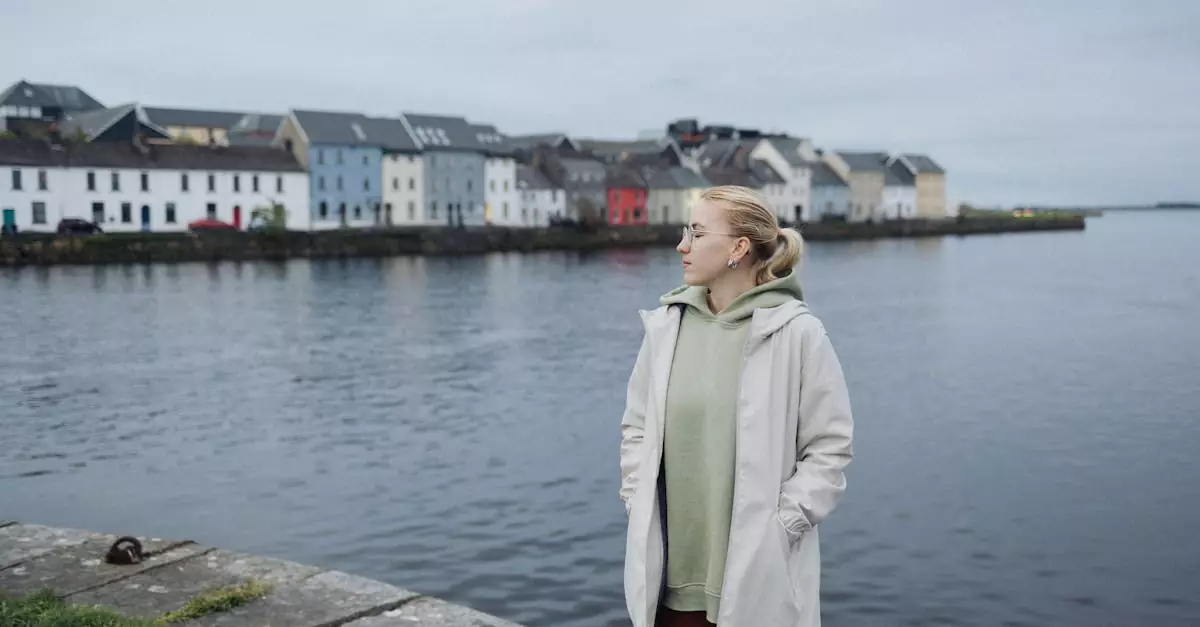
Ireland’s coastline is renowned for its breathtaking scenery, but many of its seaside villages and towns also pulse with a vibrant traditional music scene. For travelers seeking an authentic experience, the sound of a fiddle or tin whistle echoing from a cozy pub is often as much a draw as the dramatic cliffs. These destinations offer a chance to connect with local culture, enjoy world-class traditional Irish music sessions, and experience the warmth of Irish hospitality.
Doolin’s Lively Pub Scene: Séamus Ó’Malley’s and Gus O’Connor’s
Doolin, in County Clare, is arguably Ireland’s most famous hub for traditional music. Situated on the edge of the Cliffs of Moher, this small village punches well above its weight when it comes to authentic pub sessions. The air here is often filled with the lively sounds of jigs and reels, drawing musicians and listeners from across the globe.
The heart of Doolin’s music scene lies within its cluster of traditional pubs. Gus O’Connor’s Pub is a legendary spot, known for its spontaneous sessions that can last late into the night. Expect a warm welcome and a chance to hear some of the finest traditional musicians in the country. Nearby, Séamus Ó’Malley’s offers a similarly authentic atmosphere, often featuring a mix of local talent and visiting performers. Visiting Doolin during the summer months ensures a high probability of catching a session, though the music continues year-round. Plan your visit to coincide with one of the many music festivals held here annually for an even more immersive experience.
Galway City’s Latin Quarter: A Coastal Vibe with Live Sessions
While a city rather than a small village, Galway’s Latin Quarter offers a distinct coastal charm combined with an exceptional traditional music scene. The city’s proximity to the Atlantic, its bohemian atmosphere, and its large student population contribute to a dynamic cultural landscape. The winding streets of the Latin Quarter are lined with pubs, many of which host regular live music sessions.
For a taste of Galway’s musical heart, head to pubs like Tigh Neachtain or The Crane Bar. Tigh Neachtain, a historic pub with a Victorian interior, often features trad sessions in its snug back room. The Crane Bar is renowned for its commitment to traditional music, offering nightly performances in an intimate setting. Galway’s music scene is less about specific scheduled events and more about the spontaneous gathering of musicians, so popping into a pub is often the best way to find a session. The lively atmosphere here extends well beyond the music, with street performers and bustling crowds adding to the city’s coastal energy.
Baltimore, County Cork: Coastal Charm and Evening Melodies
Baltimore, a picturesque harbor village in West Cork, offers a more relaxed yet equally rewarding experience for music lovers. Set against a backdrop of islands and the wild Atlantic, Baltimore’s charm lies in its scenic beauty and its friendly, traditional pubs. While perhaps not as intense as Doolin, the music here is deeply ingrained in the local culture.
The pubs in Baltimore, such as The Alibi and The White Horse, are central to village life and often feature live traditional music, especially during peak tourist season. These sessions tend to be more intimate, allowing for easy conversation and a chance to soak in the melodies. The relaxed pace of life in Baltimore makes it an excellent choice for those who wish to combine stunning coastal scenery with a gentle introduction to Irish traditional music. Evenings here are best spent enjoying a pint and listening to the tunes, reflecting the unhurried rhythm of West Cork life.
Planning Your Itinerary: A 7-Day Coastal Ireland Road Trip
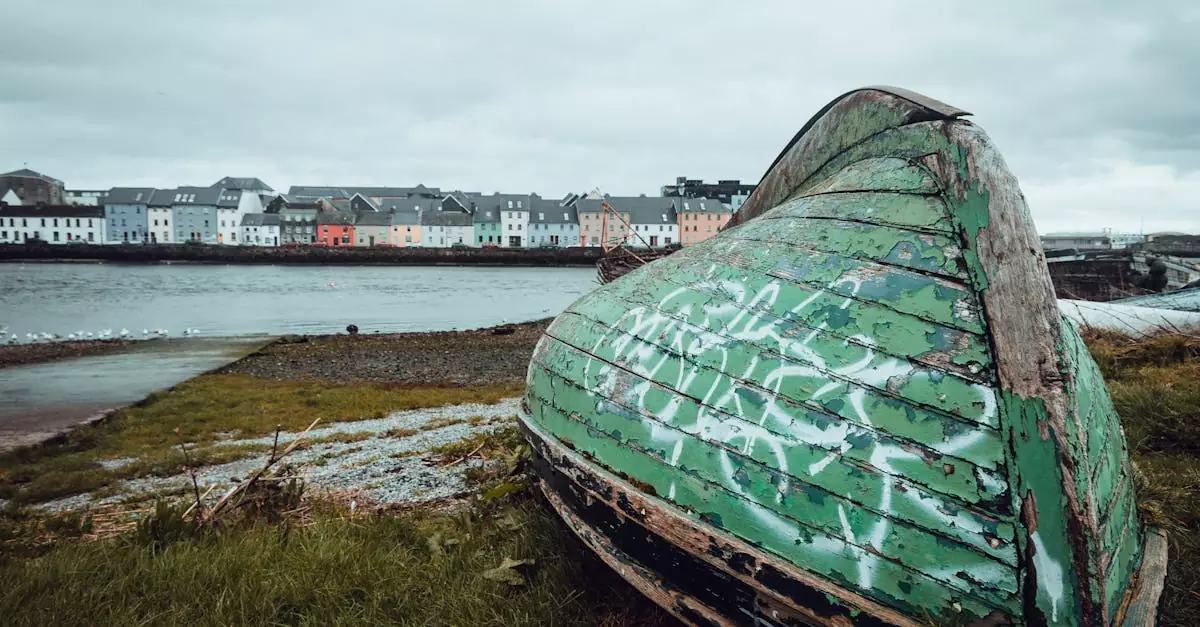
Embarking on a road trip along Ireland’s captivating coastline offers an unparalleled journey through dramatic landscapes and charming villages. This suggested 7-day itinerary focuses on some of the best coastal towns Ireland has to offer, balancing iconic sights with opportunities to discover hidden gems. Renting a car is essential for flexibility, allowing you to stop at scenic viewpoints and explore at your own pace. Remember that driving in Ireland is on the left side of the road, and many coastal roads can be narrow and winding.
Day 1-2: Kinsale & West Cork’s Hidden Coves
Begin your adventure in Kinsale, a picturesque harbor town in County Cork, often lauded as Ireland’s gourmet capital. Spend your first day wandering its colorful streets, visiting Charles Fort, and enjoying fresh seafood. The following day, venture further into West Cork, seeking out secluded beaches like Inchydoney or exploring the rugged beauty of the Mizen Head peninsula. This region is perfect for slow travel, allowing ample time for spontaneous stops at craft shops or scenic overlooks.
Day 3-4: The Majestic Cliffs of Moher and the Burren Coast
Drive north towards County Clare to witness the awe-inspiring Cliffs of Moher. These towering sea cliffs are a must-see, offering breathtaking views of the Atlantic Ocean. Allocate a good portion of your day to walking along the cliff paths and visiting the visitor center. Afterward, immerse yourself in the unique karst landscape of the Burren, a fascinating region dotted with ancient dolmens and rare flora. Consider staying in a town like Doolin, known for its traditional Irish music sessions.
| Day | Location | Key Activities | Accommodation Suggestion |
|---|---|---|---|
| 1 | Kinsale, County Cork | Explore town, Charles Fort, seafood dining | Guesthouse, Boutique Hotel |
| 2 | West Cork (e.g., Glandore) | Mizen Head, hidden beaches, scenic drives | Coastal B&B |
| 3 | Cliffs of Moher, Co. Clare | Cliffs of Moher Visitor Centre, cliff walk | Hotel near Cliffs |
| 4 | The Burren, County Clare | Burren National Park, Poulnabrone Dolmen | Traditional Pub with rooms |
Day 5-6: Westport and the Wild Atlantic Way’s Mayo Section
Continue your journey up the Wild Atlantic Way to Westport in County Mayo. This vibrant market town serves as an excellent base for exploring the Mayo coastline. Highlights include Croagh Patrick, Ireland’s holy mountain, and the stunning landscapes of Connemara National Park, just a short drive away. Westport itself offers a lively atmosphere with traditional pubs and shops. The drive along this section of the coast is particularly rewarding, with dramatic mountain backdrops meeting the sea.
Day 7: Giant’s Causeway and the Antrim Coast
For your final day, head north into Northern Ireland to experience the otherworldly Giant’s Causeway. This UNESCO World Heritage site, with its interlocking basalt columns, is a natural wonder unlike any other. Explore the hexagonal stones and learn about the legend of Finn McCool. While in the area, drive along the scenic Antrim Coast Road, stopping at Carrick-a-Rede Rope Bridge for an exhilarating experience and enjoying the coastal views. This route offers a spectacular conclusion to your exploration of Ireland’s best coastal towns.
Best Time to Visit Ireland’s Coastal Towns and What to Pack
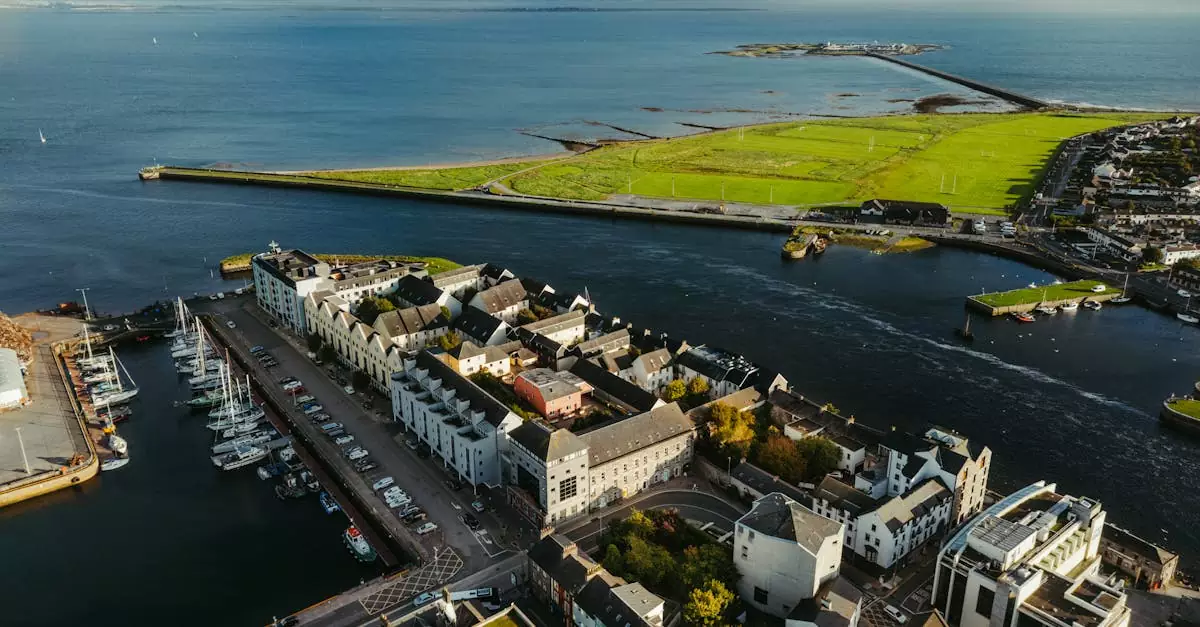
Choosing the right time to visit Ireland’s charming coastal towns can significantly enhance your experience, impacting everything from the crowds you’ll encounter to the weather you’ll face. Each season offers a unique perspective on these Emerald Isle gems.
Spring (April-May): Wildflowers and Fewer Crowds
Visiting Ireland’s coast in spring means embracing milder temperatures and witnessing the landscape burst into bloom. Wildflowers carpet the hillsides, adding vibrant color to the dramatic scenery. This shoulder season is ideal for travelers seeking a more tranquil experience, as major tourist crowds have yet to arrive.
Daylight hours begin to lengthen, offering ample time for seaside strolls and exploring ancient ruins. While the weather can still be unpredictable, with a mix of sunshine and showers, the crisp air is invigorating. You’ll find more availability and potentially better rates on accommodations compared to the peak summer months.
Summer (June-August): Longest Days and Festival Season
Summer is undoubtedly the most popular time to explore the best coastal towns in Ireland. The weather is at its warmest and most stable, with the longest daylight hours of the year. This extended sunshine is perfect for maximizing your time outdoors, from hiking cliff paths to enjoying boat trips.
This period also coincides with many local festivals and events, offering a lively cultural immersion. Think traditional music sessions spilling out of pubs and vibrant community gatherings. However, expect larger crowds at popular spots and book accommodations and any desired tours well in advance. The cost of travel and lodging tends to be at its highest during these months.
Autumn (September-October): Crisp Air and Stunning Foliage
As summer fades, autumn descends upon Ireland’s coast with a beautiful, crisp atmosphere. The crowds thin out considerably, making it a fantastic time for relaxed exploration. The landscape transforms with stunning autumnal foliage, painting the rolling hills in shades of gold and russet, often providing a dramatic backdrop to the rugged coastline.
The weather can be a mixed bag, featuring clear, bright days interspersed with blustery showers. This season is perfect for photographers and those who appreciate dramatic skies and fewer people. Cozy pubs become even more inviting, offering a warm respite after a day of sightseeing.
Essential Packing List for Irish Coastal Weather
Ireland’s coastal weather is famously changeable, often described as experiencing four seasons in one day. Therefore, packing layers is key to staying comfortable, regardless of when you visit.
- Waterproof Outerwear: A good quality waterproof and windproof jacket is essential. Ensure it has a hood.
- Layering Pieces: Pack sweaters, fleeces, and long-sleeved tops that can be easily added or removed.
- Waterproof Footwear: Sturdy, waterproof walking shoes or boots are essential for navigating potentially wet paths and trails.
- Comfortable Trousers: Quick-drying trousers are preferable to jeans, which can become heavy and cold when wet.
- Scarf, Hat, and Gloves: Even in summer, these can be welcome on a breezy day by the sea.
- Sun Protection: Don’t forget sunglasses, sunscreen, and a hat, as sunshine can be surprisingly strong, especially reflecting off the water.
Being prepared for the elements will allow you to fully enjoy the breathtaking beauty of Ireland’s seaside villages and dramatic cliffs.
Frequently Asked Questions About Ireland’s Coastal Towns
How do I get around Ireland’s coastal towns?
Navigating Ireland’s coastal towns often requires a combination of transport methods. For extensive exploration of the Wild Atlantic Way or the Causeway Coastal Route, renting a car offers the most flexibility, allowing you to stop at scenic viewpoints and smaller villages at your own pace. Public transport, including buses and trains, connects major towns but may not reach more remote areas. Within towns, walking is often the best way to experience local charm.
Consider these transport options:
- Car Rental: Essential for rural areas and scenic drives. Book in advance, especially during peak season.
- Public Buses: Services like Bus Éireann connect many towns. Check schedules as routes can be infrequent.
- Trains: Connect larger coastal cities like Galway and Cork, but less so for smaller fishing villages.
- Taxis: Available in larger towns but can be expensive for longer distances.
What are some family-friendly coastal activities in Ireland?
Ireland’s coastal regions offer a wealth of activities for families. Beaches provide opportunities for sandcastle building and bracing walks, while many towns have aquariums and marine centers. Boat trips offer chances to spot seals, dolphins, and seabirds. Historic castles and forts dotted along the coast also capture children’s imaginations.
Popular family pursuits include:
- Beach Days: Pack a picnic and enjoy the sands at locations like Inchydoney Beach near Clonakilty or Lahinch Beach in County Clare.
- Seal Watching Tours: From places like Howth in Dublin or the Aran Islands, these trips are always a hit.
- Visiting Marine Centers: The Exploris Aquarium in Portaferry or the Galway Atlantaquaria provide engaging insights into marine life.
- Exploring Castles: Many coastal fortifications, such as Dunluce Castle in Northern Ireland or Charles Fort in Kinsale, offer exciting historical adventures.
Are Ireland’s coastal towns safe for solo travelers?
Ireland’s coastal towns are generally very safe for solo travelers. The crime rate is low, and locals are known for their friendliness and helpfulness. Standard precautions, such as being aware of your surroundings and securing valuables, are advisable as in any travel destination. Many solo visitors find the welcoming atmosphere makes for a comfortable and enjoyable experience.
What local seafood dishes should I try in Ireland’s coastal regions?
The coastal regions of Ireland are renowned for their incredibly fresh seafood. You’ll find a variety of dishes highlighting the bounty of the Atlantic. Don’t miss the opportunity to sample some of these local specialties.
Key seafood to try includes:
- Oysters: Particularly famous in areas like Galway Bay and Connemara.
- Fish and Chips: A classic, best enjoyed from a local chipper near the harbor.
- Seafood Chowder: A creamy, hearty soup packed with various fish and shellfish.
- Mussels: Often served steamed with white wine or garlic.
- Crab and Lobster: Available fresh in many seaside restaurants, especially along the south and west coasts.