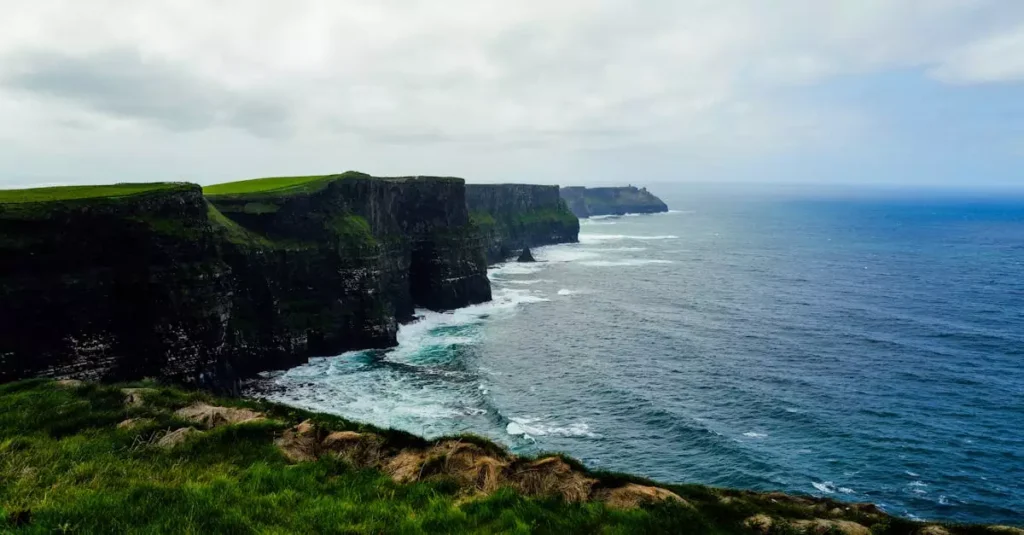
Ireland’s coastline presents a dramatic and diverse spectacle, offering much more than just a backdrop to its lush green hills. Often overshadowed by its ancient castles and lively pubs, the island features exceptional beaches, ranging from the windswept expanses of the Wild Atlantic Way to tranquil hidden coves. Exploring the best beaches in Ireland means discovering a coastline rich in natural beauty and unique character. This guide highlights some of the most stunning coastal gems, detailing what makes each one special, along with practical tips for visiting and how to fully appreciate the magic of the Irish shore, whether you seek adventure, relaxation, or breathtaking views.
Top 5 Best Beaches in Ireland for Unforgettable Coastal Views
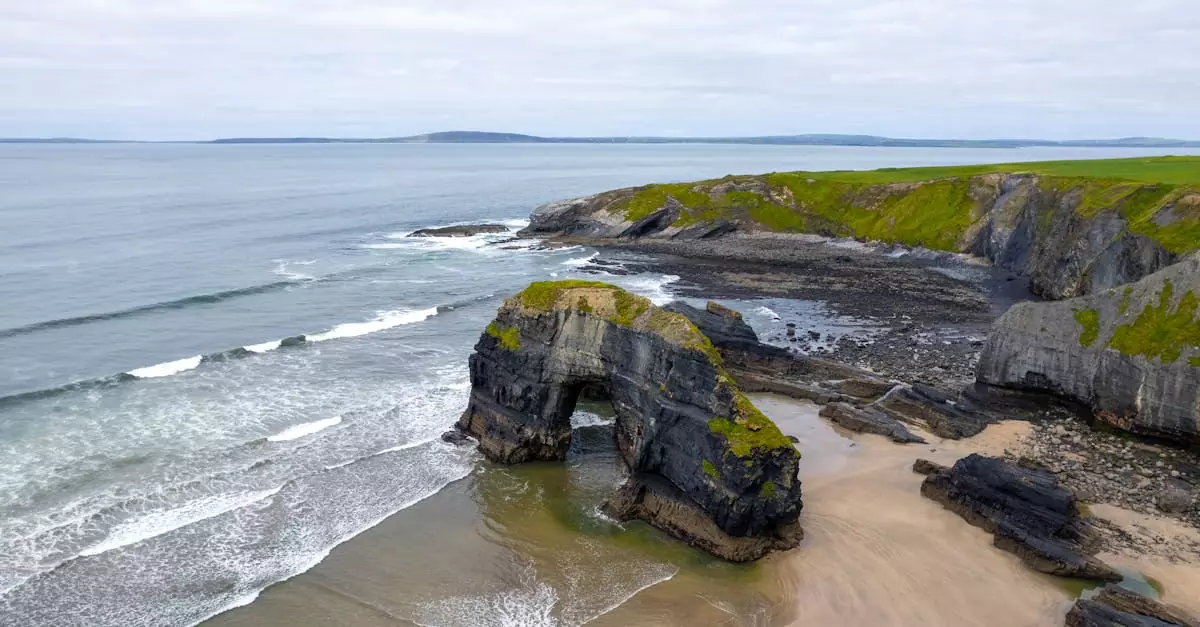
Ireland’s coastline is a tapestry of dramatic cliffs, rugged headlands, and serene sandy stretches. While often linked to its verdant interior, the island boasts spectacular beaches that can rival any worldwide. From the dramatic vistas along the Wild Atlantic Way to serene coves offering tranquility, here are some of the best beaches in Ireland.
Inchydoney Beach, County Cork: A Blue Flag Gem
Near Clonakilty in West Cork, Inchydoney Beach is a picturesque sweep of golden sand framed by dunes. This Blue Flag beach is celebrated for its clean waters and excellent facilities, making it a favorite for families and swimmers. The nearby Inchydoney Island, accessible via a causeway, enhances the scenic charm with its historic church ruins and small hotel.
Traveler Tip: The beach can be quite exposed, so prepare for wind, especially outside the peak summer months. Parking is available and generally plentiful, though it can fill up on sunny weekends.
Keem Bay, Achill Island, County Mayo: The Ultimate Wild Atlantic Way Stop
Achill Island, a jewel of County Mayo, is home to Keem Bay, one of Ireland’s most stunning coastal locations. This horseshoe-shaped cove, sheltered by steep, green hills, features crystal-clear turquoise waters that evoke a Mediterranean feel. The drive to Keem Bay is an experience in itself, winding along narrow roads with breathtaking views over the Atlantic.
This beach is a highlight for many traveling the Wild Atlantic Way. The descent from the road reveals the full splendor of the bay, making it a fantastic spot for a picnic or a refreshing dip, although amenities are limited.
Ballybunion Beach, County Kerry: Dramatic Cliffs and Golden Sands
Ballybunion in County Kerry features two beaches: the main beach and the Men’s Beach, separated by a sea stack. Both expansive stretches of golden sand are backed by towering cliffs, providing a dramatic backdrop. The powerful Atlantic waves attract surfers and experienced swimmers, while calmer sections invite leisurely walks.
Logistics: Ballybunion is a well-developed town with ample accommodation and dining options. The beach is easily accessible from the town center, with nearby parking facilities. Be mindful of tide times, as the beach can narrow significantly at high tide.
White Strand, County Clare: Perfect for a Peaceful Seaside Escape
For those seeking a quieter coastal experience, White Strand near Miltown Malbay in County Clare is an excellent choice. This sheltered cove offers soft sand and calm waters, making it ideal for families with young children or anyone looking for a serene beach day. The surrounding landscape features gently rolling countryside, creating a peaceful atmosphere.
This beach sees fewer crowds than its more famous counterparts, providing a genuine sense of escape. Facilities are basic, focusing on preserving the area’s natural beauty. It’s an ideal spot to unwind and enjoy the simple pleasures of the Irish coast.
Tullan Strand, County Donegal: Surfing and Stunning Scenery
County Donegal’s Tullan Strand, near Bundoran, is a long stretch of sand and pebbles renowned for excellent surfing conditions. The powerful Atlantic swells that crash onto its shores attract surfers of all levels, with several surf schools nearby. Beyond the waves, the views are spectacular, featuring the iconic sea stacks of St John’s Point lighthouse in the distance.
Practicalities: Bundoran is a lively town with a strong surf culture, offering a range of accommodations and eateries. Parking is available close to the beach. Be cautious of the powerful undertow and currents, especially if you are not an experienced surfer.
Planning Your Trip to Ireland’s Coastal Wonders
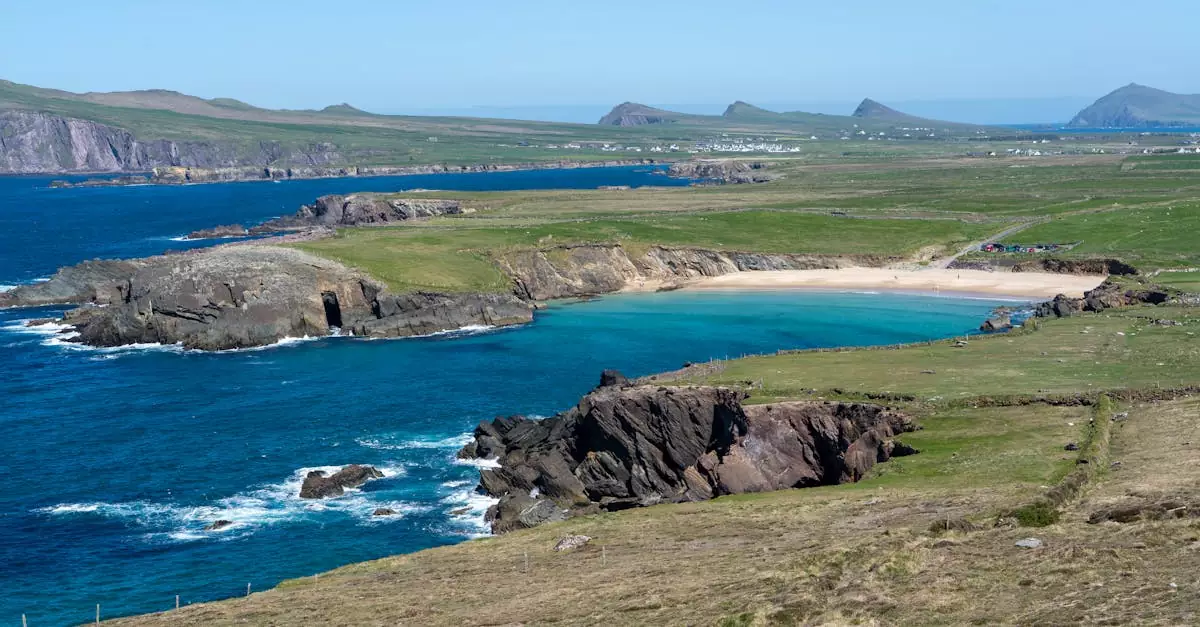
Ireland’s coastline features a diverse array of beaches, from windswept stretches along the Wild Atlantic Way to sheltered sandy coves. Planning your visit requires considering the best time to go, how to access the beaches, and how to make the most of scenic drives. Understanding these elements will help you create an unforgettable Irish beach experience.
Best Time to Visit Ireland’s Beaches for Sunshine and Fewer Crowds
The summer months, particularly July and August, offer the warmest weather and longest daylight hours, making them popular for beach visits. However, these peak tourist seasons bring larger crowds and higher accommodation prices. For a balance of decent weather and fewer people, consider late May, June, or September. You’ll still find pleasant conditions for coastal walks and enjoying the scenery, along with a more relaxed atmosphere.
| Month | Average Temperature (°C) | Daylight Hours (approx.) | Crowd Levels | Notes |
|---|---|---|---|---|
| May | 10-15 | 15-17 | Moderate | Wildflowers bloom, seas can still be cool |
| June | 12-17 | 17-18 | High | Longest days, best chance for sun |
| July | 14-18 | 16-17 | Peak | Warmest, busiest months |
| August | 14-18 | 15-16 | Peak | Similar to July, good for swimming |
| September | 12-16 | 13-15 | Moderate | Autumn colors, fewer crowds |
How to Get to Ireland’s Best Beaches: Car Rentals and Public Transport
While some popular beaches are accessible via public transport, a car offers the greatest flexibility for reaching Ireland’s more remote and stunning coastal locations. Renting a car allows you to stop at viewpoints, discover hidden coves, and customize your itinerary. Major airports like Dublin, Shannon, and Cork have numerous car rental agencies.
If relying on public transport, larger coastal towns are reachable by bus or train. Local bus services may connect to nearby beaches, though schedules can be infrequent, especially outside of peak season. Researching specific routes and timetables in advance is crucial. For instance, reaching a beach on the Dingle Peninsula might involve a bus to Dingle town followed by a local service or taxi.
- Car Rental: Essential for flexibility, especially along the Wild Atlantic Way. Book in advance for better rates.
- Public Transport: Viable for reaching major coastal towns, but requires careful planning for onward travel to beaches.
- Taxis: A useful option for short trips from towns to nearby beaches if public transport is limited.
Navigating Ireland’s Coastal Roads: Scenic Drives and Day Trip Ideas
Driving along Ireland’s coastal roads is an experience in itself. The Wild Atlantic Way, a designated tourist route stretching over 2,500 kilometers along the western seaboard, is renowned for its breathtaking scenery. Roads can be narrow and winding, often featuring sheer drops or passing places, so drive with caution and allow ample time.
Consider a day trip from Galway to Connemara National Park, which offers access to rugged coastlines and beaches like Dog’s Bay and Gurteen Bay. Alternatively, a drive along the Causeway Coast in Northern Ireland reveals iconic sights such as the Giant’s Causeway and nearby White Park Bay. Planning a route that incorporates several beaches allows for diverse exploration of Ireland’s varied shorelines. Always check local road conditions, especially during winter months when storms can impact accessibility.
What to Pack for an Irish Beach Adventure
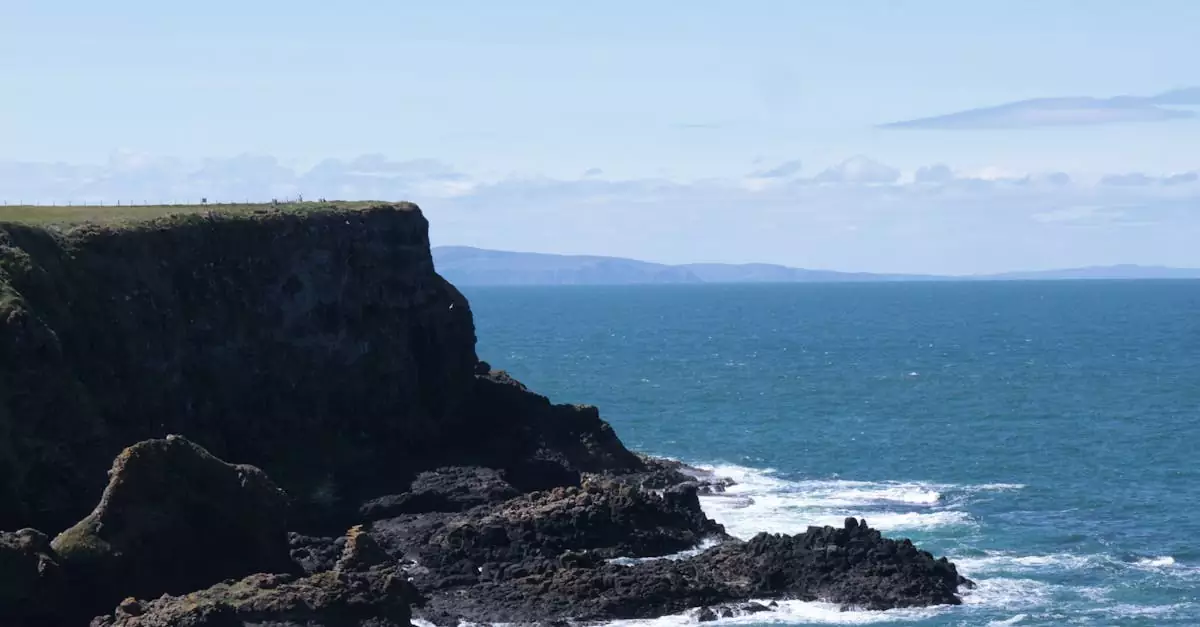
Planning a trip to the coast of Ireland requires a different approach than packing for Mediterranean shores. While the allure of dramatic cliffs and windswept sands is undeniable, embracing the elements is key. Understanding what to bring will ensure your exploration of Ireland’s best beaches is comfortable and memorable, regardless of the season.
Essential Clothing for Ireland’s Unpredictable Weather
Ireland’s weather is famously fickle, and coastal areas often experience more wind and rain than inland. Layering is your best strategy. Start with moisture-wicking base layers, followed by a fleece or wool mid-layer for warmth. A waterproof and windproof outer shell is essential; a quality jacket with a hood is necessary to withstand Atlantic gusts. Even in summer, temperatures can be cool, so pack long-sleeved tops and trousers. It’s wise to bring at least one warmer jumper, even in July or August.
Footwear for Sandy Shores and Cliffside Walks
Comfortable, sturdy footwear is crucial. While you might envision strolling barefoot on soft sand, many of Ireland’s stunning coastal vistas involve cliffside paths and uneven terrain. Waterproof hiking boots or sturdy walking shoes are recommended for exploring beyond the immediate shoreline. If you plan on beachcombing or enjoying the sand, a pair of water-resistant sandals or comfortable trainers will suffice. Avoid flimsy flip-flops, as they provide little protection on rocky or uneven ground.
Beach Gear: Beyond the Usual Swimsuit
While a bracing dip in the Irish Sea may appeal to the adventurous, most visitors prefer to enjoy the scenery rather than swim. If you plan to swim or surf, a wetsuit is advisable due to the cold water temperatures. For general beach visits, consider a windbreaker, a good quality beach towel that dries quickly, and perhaps a waterproof bag for your valuables. Sunscreen and a hat are still important, even on cloudy days, as UV rays can be strong. Don’t forget a camera to capture the dramatic landscapes and unique coastal wildlife you may encounter along the Emerald Isle’s shores.
Beyond the Sand: Activities and Attractions Near Ireland’s Best Beaches
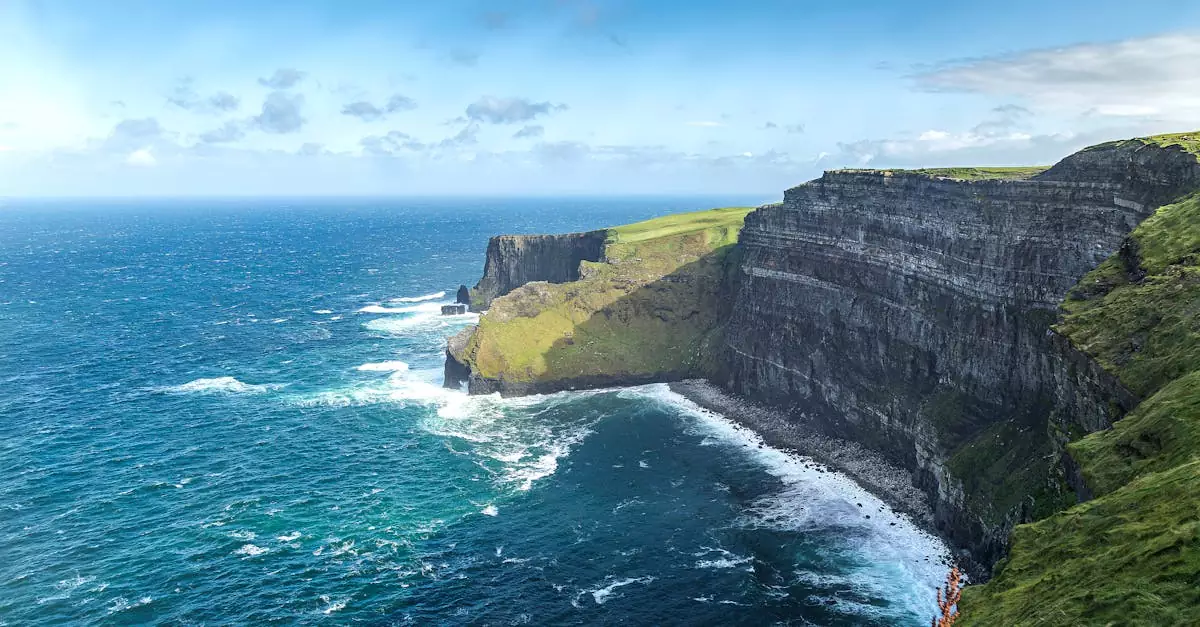
While the allure of sandy shores and crashing waves is undeniable, Ireland’s coastal regions offer far more than just sunbathing. Many of the country’s most beautiful beaches serve as gateways to vibrant communities, thrilling adventures, and breathtaking natural landscapes that extend beyond the tideline. Planning your visit to the best beaches in Ireland means embracing a full spectrum of experiences the coastline provides.
Exploring Coastal Villages and Charming Towns
Ireland’s coastline is dotted with picturesque villages and historic towns, each offering a unique glimpse into local life and culture. These settlements often sit just a stone’s throw from stunning stretches of sand, providing a perfect base for exploring the best beaches. Many feature colorful buildings, traditional pubs with live music, and artisan craft shops.
For instance, the village of Lahinch in County Clare is a renowned surfing hub, but it also boasts a lively atmosphere with numerous cafes and restaurants. Nearby, Doolin serves as a gateway to the Aran Islands and is famous for its traditional Irish music sessions. Further south, Kinsale in County Cork, known as the gourmet capital of Ireland, is a beautiful harbor town with a rich maritime history, just a short drive from the golden sands of Garrettstown Beach. Exploring these towns often involves leisurely strolls along harbor fronts, sampling fresh seafood, and soaking in the friendly local ambiance.
Water Sports: Surfing, Kayaking, and Coasteering Opportunities
The rugged Irish coastline, with its consistent swells and sheltered bays, is a playground for water sports enthusiasts. Whether you’re a seasoned pro or a beginner, there are opportunities to get out on the water at many of Ireland’s best beaches. Surfing is particularly popular, with spots catering to all skill levels.
Westport in County Mayo, for example, is a great starting point for exploring the beaches of Clew Bay, where you can find surf schools offering lessons. Kayaking is another excellent way to experience the coastline, allowing you to paddle into sea caves and discover hidden coves. Companies often offer guided tours, providing both equipment and local knowledge. Coasteering, a more adventurous activity that combines swimming, scrambling, and cliff jumping, is also gaining traction in areas with dramatic sea cliffs, such as parts of County Antrim. Always check local conditions and consider booking with a certified guide for safety.
Hiking and Walking Trails Along the Irish Coastline
The dramatic cliffs, rolling dunes, and windswept headlands surrounding Ireland’s best beaches provide some of the most spectacular hiking and walking routes in Europe. These trails offer unparalleled views and a chance to connect with the raw beauty of the Irish landscape. Many are well-maintained and signposted, suitable for casual walkers and serious hikers alike.
The Wild Atlantic Way, a renowned scenic driving route, is interspersed with numerous coastal paths. For example, the Kerry Way offers sections that hug the coastline, presenting stunning vistas over the Atlantic Ocean. Near Roundstone in Connemara, the Gurteen and Dog’s Bay beaches are backed by a fascinating limestone landscape with walking trails winding through dunes, offering panoramic views. Even shorter walks can lead to secluded coves or dramatic cliff edges, providing memorable experiences. When planning your coastal walks, wear sturdy footwear, dress in layers for changing weather, and always inform someone of your route.
Where to Stay: Accommodation Options Near Ireland’s Beaches
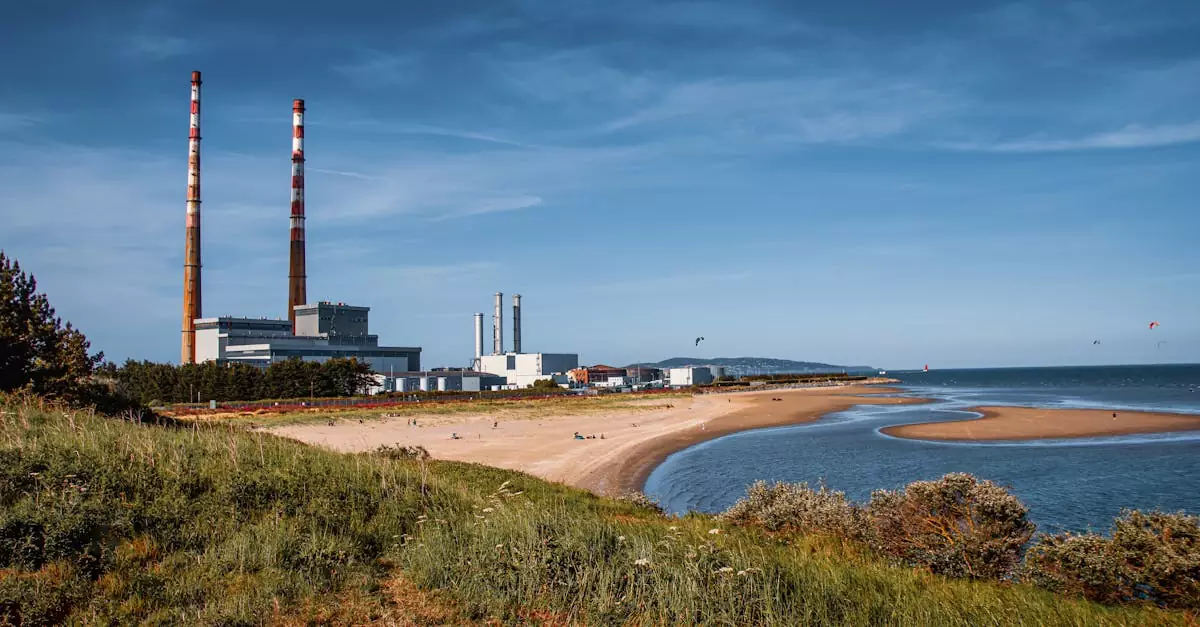
Choosing the right place to stay can significantly enhance your beach holiday in Ireland. From bustling seaside towns to remote coastal villages, options cater to various preferences and budgets. Consider your travel style—whether you prefer the convenience of a hotel, the personal touch of a B&B, or the freedom of self-catering.
Boutique Hotels with Ocean Views
For travelers seeking a touch of luxury and stunning coastal scenery, boutique hotels offer an intimate and stylish escape. Many of these establishments are situated directly on or near the shoreline, providing rooms with panoramic views of the Atlantic. Imagine waking up to the sound of waves and enjoying breakfast with the sea as your backdrop. These hotels often feature unique decor, fine dining restaurants showcasing local produce, and personalized service.
When booking, look for hotels in popular coastal areas like County Clare or the Dingle Peninsula, known for their dramatic landscapes and excellent amenities. Prices can vary significantly depending on the season and the hotel’s prestige, with peak summer months being the most expensive. Booking well in advance, especially for stays during July and August, is highly recommended.
Cozy Bed & Breakfasts in Seaside Communities
Ireland’s bed and breakfast (B&B) scene is legendary, offering a warm and authentic experience. Many B&Bs are family-run, providing guests with local insights and a home-away-from-home atmosphere. These are often found in charming seaside villages, allowing for easy access to the beach and immersion in local life. Expect comfortable rooms, a hearty Irish breakfast to start your day, and friendly hosts eager to share recommendations.
B&Bs are generally more budget-friendly than hotels and offer a personal interaction with your hosts. They are prevalent along the entire coastline, from the rugged shores of Donegal to the sandy stretches of County Wexford. Consider staying in a B&B in a smaller village for a truly tranquil experience or in a larger town for more dining and entertainment options.
Self-Catering Cottages for Family Beach Holidays
Self-catering cottages are an excellent choice for families or groups who value privacy, flexibility, and space. These accommodations range from quaint, traditional cottages to modern, architect-designed homes, often located a short walk or drive from the beach. Having your own kitchen allows for meal preparation, saving on dining costs and catering to specific dietary needs, which can be particularly useful for longer stays or families with young children.
Many coastal areas offer a wide selection of cottages, particularly in regions popular for family holidays like County Kerry or the Causeway Coast. When choosing a cottage, check amenities such as Wi-Fi, laundry facilities, and proximity to local shops. Booking in advance is crucial, especially for summer and school holidays. A self-catering option can also be cost-effective when splitting the cost among a group.
Here’s a brief comparison of accommodation types:
| Accommodation Type | Typical Price Range (per night) | Best For | Key Advantages |
|---|---|---|---|
| Boutique Hotel | €150 – €400+ | Couples, luxury seekers | Ocean views, fine dining, personalized service |
| Bed & Breakfast (B&B) | €80 – €150 | Solo travelers, couples, budget-conscious | Local insights, hearty breakfast, friendly atmosphere |
| Self-Catering Cottage | €100 – €300+ | Families, groups, longer stays | Privacy, flexibility, cost-saving on meals |
Frequently Asked Questions About Ireland’s Beaches
Can you swim in the sea at Ireland’s beaches?
Yes, you can swim in the sea at Ireland’s beaches, although conditions vary. Many popular spots offer safe swimming, particularly during summer months when water temperatures are highest. Always check local signage for safety warnings or lifeguard information. For those seeking warmer waters, consider visiting during July and August.
Are Ireland’s beaches safe for families?
Many of Ireland’s beaches are safe for families, especially those with Blue Flag status, indicating high water quality and safety standards. Beaches like Inchydoney Beach in County Cork and Brittas Bay in County Wicklow are known for their gentle slopes and family-friendly atmosphere. It’s always wise to supervise children closely and be aware of tide times and currents.
What are the best beaches in Ireland for dog walkers?
Ireland boasts numerous beautiful beaches where dogs are welcome, making it a fantastic destination for pet owners. Dog-friendly spots include Ballinesker Beach in County Wexford, famous for its wide expanse and ideal for long walks. Other great options are Silverstrand Beach in County Galway and Benone Strand in County Londonderry, offering ample space for dogs to run freely. Always remember to check local regulations regarding leash laws and to clean up after your pet.