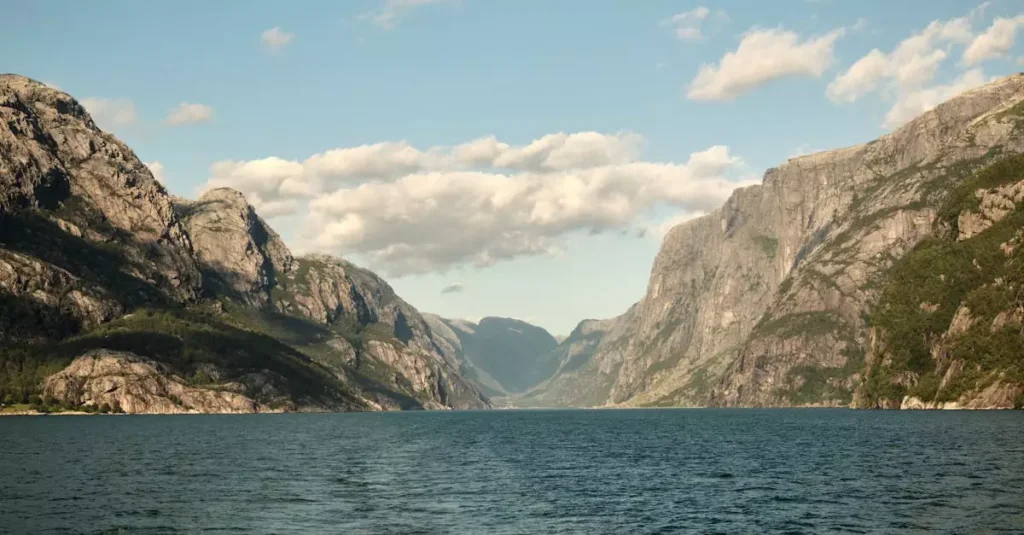
Norway’s dramatic landscapes, from its iconic fjords to its rugged Arctic coastlines, provide a stunning backdrop for any traveler. If you’re seeking awe-inspiring views and unforgettable natural beauty, exploring the best scenic destinations Norway has to offer should be a priority. This guide highlights the most breathtaking locations, detailing what makes each unique and how to best experience their charm.
You’ll discover the majestic Geirangerfjord and Nærøyfjord, delve into the dramatic allure of Lysefjord with its renowned hiking trails, and chase the magical Northern Lights in the Arctic north. We’ll also explore scenic drives like the Atlantic Road and Trollstigen, and uncover lesser-known gems like Senja Island. Prepare to plan your journey through Norway’s most spectacular vistas, including the best times to visit and how to navigate between these incredible sights.
Discover the Fjords: Norway’s Iconic Scenic Wonders
Norway’s coastline is etched with dramatic fjords carved by ancient glaciers, offering some of the planet’s most awe-inspiring landscapes. These deep, narrow inlets, flanked by towering cliffs and cascading waterfalls, are central to exploring Norway’s breathtaking scenic destinations. Experiencing these natural marvels often involves boat tours, scenic drives, and challenging hikes, revealing a raw beauty that captivates every visitor.
Geirangerfjord: A UNESCO World Heritage Site’s Majestic Beauty
Geirangerfjord is arguably Norway’s most famous fjord, celebrated for its exceptional beauty and designated as a UNESCO World Heritage site. The fjord features sheer cliffs plunging over 1,400 meters into deep blue waters and iconic waterfalls like the Seven Sisters and the Suitor. Visitors can experience the fjord’s grandeur from a ferry that navigates its length, offering unparalleled views of the surrounding mountains and quaint farms clinging to steep slopes.
For panoramic vistas, the viewpoints from Ørnesvingen (Eagle’s Road) and Flydalsjuvet provide stunning perspectives. The drive along these roads is an adventure in itself, with hairpin turns revealing ever-more dramatic scenery. Summer months, from June to August, offer the best weather for ferry trips and hiking, while the shoulder seasons can provide a quieter experience with fewer crowds.
Nærøyfjord: Exploring the Narrowest and Most Dramatic Fjord
Nærøyfjord, a branch of the larger Sognefjord, is celebrated as one of the narrowest and most dramatic fjords in Europe. Its sheer walls rise almost vertically from the water, creating an intimate and powerful atmosphere. This UNESCO-listed fjord is a testament to the raw power of glacial erosion, with a landscape shaped by ice over millennia.
The most popular way to experience Nærøyfjord is via a scenic ferry journey between Gudvangen and Flåm. This route offers close-up views of steep mountainsides, small villages, and occasional seals. For active travelers, kayaking provides an even more immersive way to appreciate the fjord’s scale and tranquility. The calm waters make it accessible for various skill levels. Consider visiting during late spring or early autumn for fewer tour boats and a more serene environment.
Lysefjord: Hiking to Preikestolen (Pulpit Rock) and Kjeragbolten
Lysefjord, located in the Ryfylke region, is renowned for its dramatic cliffs and iconic hiking destinations, attracting adventurers from around the globe. The fjord’s name, meaning “light fjord,” derives from the light color of its granite cliffs. It is home to two of Norway’s most famous natural landmarks: Preikestolen and Kjeragbolten.
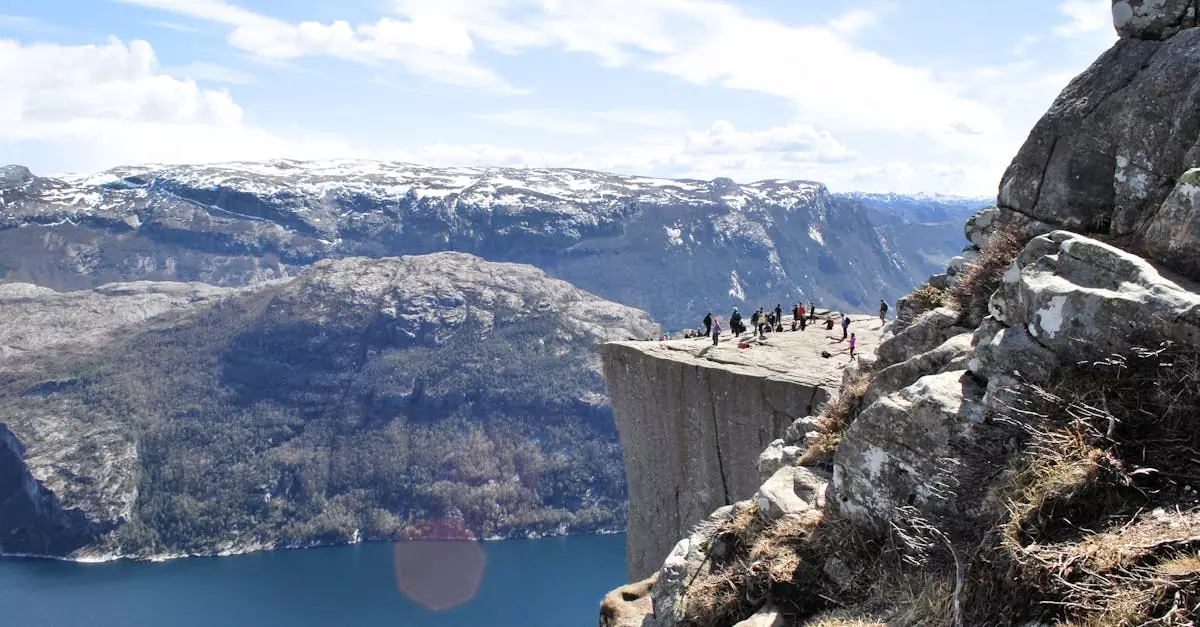
Preikestolen, or Pulpit Rock, is a massive, flat-topped cliff that juts 604 meters above the Lysefjord. The hike to the top is moderately challenging, taking about 4-5 hours round trip, rewarding hikers with an unforgettable view over the fjord. Kjeragbolten is a boulder wedged between two cliffs at the Kjerag mountain, also offering spectacular views and a thrilling photo opportunity for those brave enough to stand on it. The hiking season for both locations typically runs from May to September, depending on snow conditions. Accessing Lysefjord often involves a ferry from Stavanger or driving to the nearby towns of Forsand or Lysebotn.
Chasing the Northern Lights: Top Arctic Scenic Spots
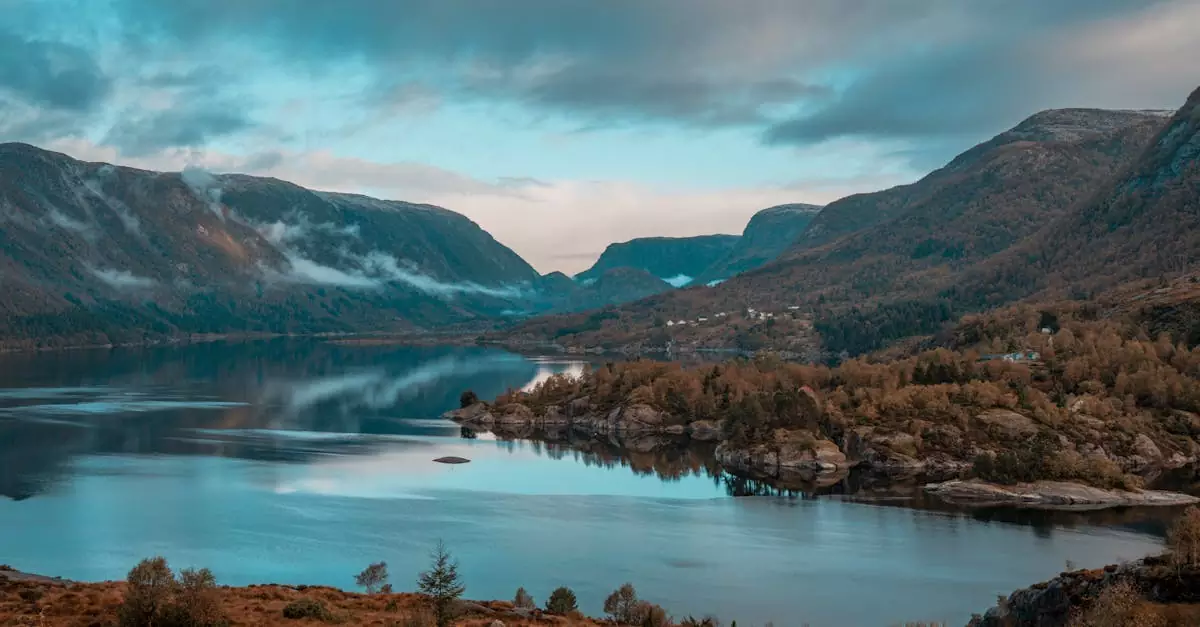
The magic of the Aurora Borealis draws travelers to Norway’s northern reaches, where long winter nights offer the best chances to witness this celestial phenomenon. Beyond the lights themselves, the Arctic landscape provides a dramatic backdrop, from rugged coastlines to snow-dusted mountains. Planning a trip to see the Northern Lights requires understanding the best locations and timing for optimal viewing.
Tromsø: The Gateway to the Arctic and Aurora Borealis
Often referred to as the “Gateway to the Arctic,” Tromsø is a popular hub for Northern Lights tours and activities. Situated well above the Arctic Circle, it boasts a high probability of clear skies and aurora sightings during winter months. The city itself offers a vibrant cultural scene, with museums and restaurants, providing a comfortable base for your Arctic adventure.
Many visitors opt for guided tours that take them away from city lights for the clearest views. These tours often include transportation, warm clothing, and sometimes even photography tips. For independent travelers, renting a car offers flexibility to find darker viewing spots, though winter driving conditions require caution. Consider visiting between late September and early April for the best aurora viewing opportunities.
Lofoten Islands: Dramatic Peaks Meet Coastal Charm for Northern Lights Photography
The Lofoten Islands present a spectacular setting for viewing the Northern Lights, combining jagged mountain peaks that plunge into the sea with charming fishing villages. The dramatic scenery, often dusted with snow in winter, creates a breathtaking foreground for the dancing lights. This archipelago is a dream destination for photographers seeking unique aurora shots.
Getting to Lofoten typically involves flying into Bodø or Evenes and then taking a ferry or driving. The islands are best explored by car, allowing you to stop at scenic viewpoints and remote beaches. While the aurora can be seen from anywhere with clear skies, locations like Reine, Hamnøy, and the outer islands offer particularly stunning backdrops. The season for aurora viewing here is similar to Tromsø, running from September through March.
Alta: Witnessing the Aurora in Norway’s ‘City of the Northern Lights’
Alta has earned its moniker, “The City of the Northern Lights,” thanks to its historical significance in aurora research and its favorable climate for viewing. The region is known for having a relatively stable weather system, which can lead to more frequent clear nights compared to some coastal areas. The inland location also means less light pollution and potentially darker skies.
Visitors can experience the aurora from various vantage points around Alta, including the famous Northern Lights Cathedral. For a more immersive experience, consider staying at a remote lodge or booking an activity like a husky sledding tour under the stars. The period from October to March is prime time for aurora hunting in Alta.
| Destination | Best Viewing Months | Typical Travel Style | Photography Potential | Accessibility |
|---|---|---|---|---|
| Tromsø | Sept – April | Guided Tours, City | High | Excellent |
| Lofoten Islands | Sept – March | Self-Drive, Coastal | Very High | Moderate (requires ferry/drive) |
| Alta | Oct – March | Inland, Lodge Stays | High | Good |
When planning your trip to these best scenic destinations in Norway for aurora viewing, remember to pack warm layers, as Arctic temperatures can be extreme. Booking accommodations and tours in advance, especially during peak season, is highly recommended. For more general information on European travel, consult resources like Wikipedia’s page on Europe.
Scenic Road Trips Through Norway’s Dramatic Landscapes
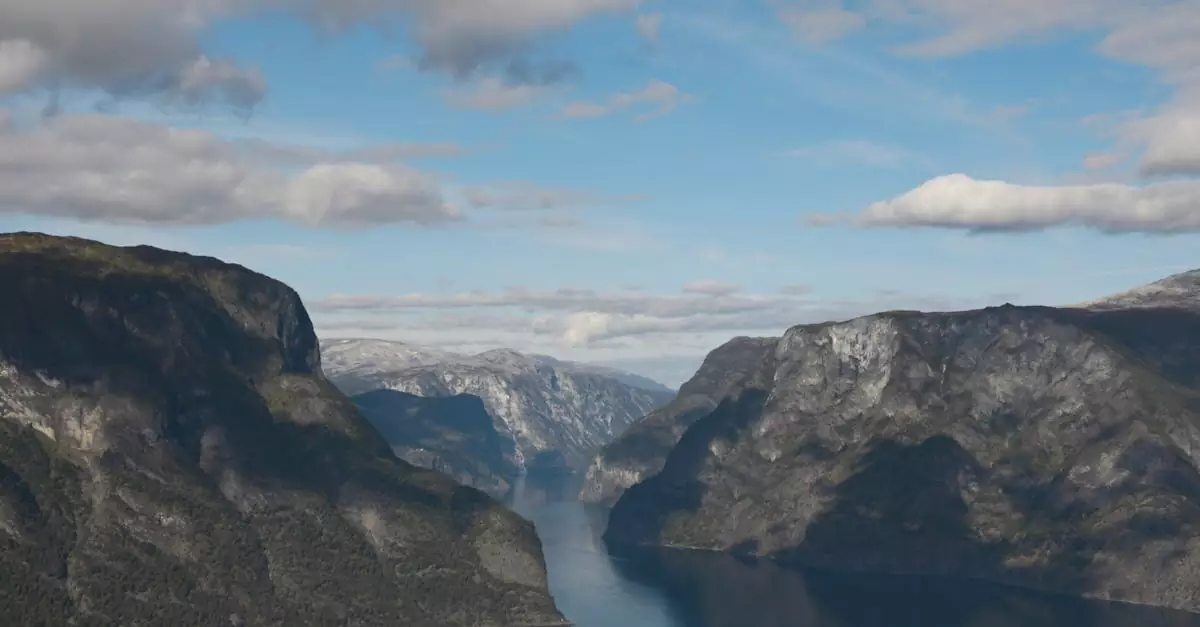
Driving through Norway offers unparalleled access to its most stunning natural wonders. These routes are immersive journeys through fjords, mountains, and coastal vistas that define the country’s breathtaking scenery. Planning a road trip here means embracing winding roads, frequent stops for photos, and the sheer scale of the Norwegian landscape.
The Atlantic Road: Driving Between Islands and Over the Ocean
The Atlantic Road, or Atlanterhavsveien, is an engineering marvel and a truly unique driving experience. This 8.3-kilometer stretch connects a series of small islands and skerries via a network of causeways, viaducts, and eight bridges. The most dramatic of these is the Storseisundet Bridge, which appears to curve and disappear into the sea, creating a thrilling optical illusion.
Traveling this route, especially during good weather, provides panoramic views of the Norwegian Sea and the rugged coastline. You’ll encounter charming fishing villages and opportunities to spot marine life like seals and porpoises. The road is accessible year-round, but visiting in summer offers longer daylight hours and milder conditions. Be prepared for sudden weather changes, as the exposed coastal environment can be unpredictable.
Logistics for the Atlantic Road:
- Location: Møre og Romsdal county, connecting Hustadvika and Averøy.
- Access: Easily accessible from the E39 highway.
- Best time to visit: May to September for better weather, though it’s open year-round.
- Tips: Allow at least a few hours to fully appreciate the views and stop at designated viewpoints.
The Trollstigen (Troll’s Ladder): Navigating Norway’s Most Famous Mountain Pass
Trollstigen is one of Norway’s most iconic tourist attractions, renowned for its steep gradient and eleven hairpin bends. Carved into the mountainside, this narrow, winding road ascends through dramatic scenery, offering spectacular viewpoints overlooking deep valleys and cascading waterfalls, including the impressive Stigfossen. The drive itself is an adventure, demanding careful attention from drivers due to its sharp turns and steep inclines.
At the summit, visitors can find viewpoints and facilities that provide breathtaking panoramas. The surrounding area is also a gateway to hiking trails for those seeking further exploration. Due to its high mountain location, Trollstigen is typically only open from late May or early June to October, depending on snow conditions. It’s essential to check road status before planning your visit. This pass is a key part of the Geiranger–Trollstigen National Tourist Route, showcasing some of the country’s most celebrated natural beauty.
Trollstigen Quick Facts:
- Gradient: Averages 9%.
- Seasonality: Generally open from late May/early June to October.
- Road type: Narrow, winding mountain pass with steep inclines.
- Safety: Drive slowly, use lower gears, and be aware of cyclists and other vehicles.
Hardanger Scenic Route: Experiencing Fruit Orchards and Waterfalls
The Hardanger Scenic Route, part of Norway’s National Tourist Routes, offers a different kind of dramatic beauty, characterized by majestic fjords, fertile fruit orchards, and powerful waterfalls. This route winds along the shores of the Hardangerfjord, one of Norway’s longest and deepest fjords, and is particularly famous for its apple and cherry blossoms in spring, transforming the landscape into a vibrant spectacle.
Key attractions along the route include the magnificent Vøringsfossen waterfall, one of the country’s most famous, and the Folgefonna glacier. Driving this route allows for easy access to charming villages like Kinsarvik and Eidfjord, where you can sample local cider and fruit produce. The route is accessible year-round, but spring (May-June) is magical for the blossoms, while autumn (September-October) offers stunning foliage and harvest festivals. Summer provides ideal conditions for hiking and exploring the fjord.
Hardanger Route Highlights:
- Scenery: Fjords, waterfalls, fruit orchards, glaciers.
- Seasonal Appeal: Spring for blossoms, autumn for harvest and colors.
- Activities: Hiking, fruit tasting, boat trips on the fjord.
- Nearby: Consider visiting the charming town of Bergen for a city experience before or after your scenic drive.
Beyond the Fjords: Lesser-Known Scenic Gems in Norway
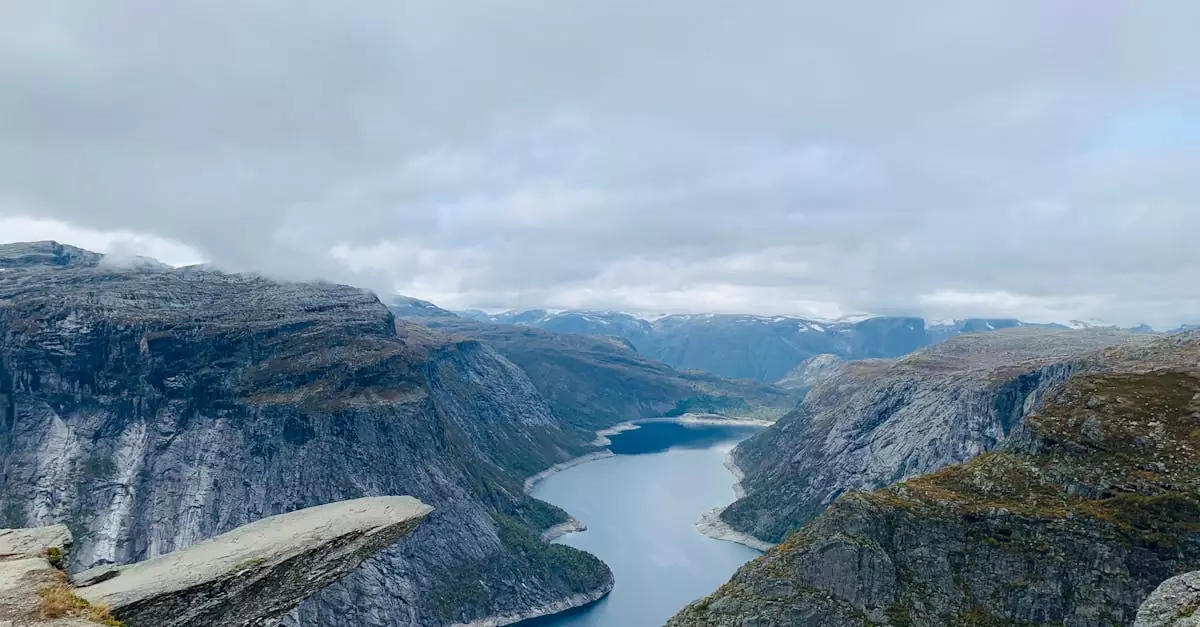
While Norway’s famed fjords like Geirangerfjord and Nærøyfjord draw global attention, the country offers a wealth of other breathtaking scenic destinations that promise equally unforgettable views, often with fewer crowds. Venturing beyond the most popular routes reveals dramatic coastlines, ancient mountain landscapes, and charming villages that capture the essence of Norwegian natural beauty. These less-trodden paths provide opportunities for deeper immersion in the landscape and a more authentic travel experience.
Senja Island: Norway’s Undiscovered Scenic Paradise
Often dubbed “Norway in Miniature,” Senja Island is a captivating destination that rivals its more famous counterparts in scenic splendor. Located north of the Arctic Circle, this island boasts a dramatic coastline characterized by jagged mountains plunging directly into the sea, picturesque fishing villages, and pristine white-sand beaches that feel remarkably tropical during summer. The island’s infrastructure is geared toward scenic drives, with the National Tourist Route Senja offering numerous viewpoints and photo opportunities.
Getting to Senja typically involves flying into Tromsø or Bardufoss, followed by a scenic drive and a ferry crossing or a drive over bridges connecting the mainland. Accommodation options range from cozy cabins and guesthouses to boutique hotels, many offering stunning sea or mountain views. The best time to visit depends on your interests: summer (June-August) provides long daylight hours for hiking and exploring, while winter (November-March) offers the chance to witness the magical Northern Lights dancing over the dramatic landscapes. Remember to pack layers, as the weather can change rapidly, even in summer.
Rondane National Park: Hiking Amidst Norway’s Oldest Mountains
For hikers and nature enthusiasts seeking solitude and raw beauty, Rondane National Park presents a compelling alternative to crowded coastal trails. As Norway’s oldest national park, established in 1930, Rondane is characterized by its vast, open mountain plateau, rounded peaks, and deep valleys. The landscape here is more subdued than the dramatic fjords, offering immense scale and tranquility, with hardy alpine flora and a good chance of spotting wild reindeer.
The park is accessible via roads leading to trailheads like Hjerkinn or Mysusæter. From these points, a network of well-marked hiking trails caters to various fitness levels, from day hikes to multi-day treks. Accommodation within or near the park includes mountain lodges and DNT (Norwegian Trekking Association) cabins, offering simple but comfortable stays for hikers. Visiting during the summer months (July-September) ensures the trails are clear of snow and the weather is most favorable for outdoor activities. Be prepared for changeable mountain weather, even on clear days, and always carry appropriate gear.
The Lofoten Archipelago: Coastal Villages and Dramatic Mountain Vistas
While increasingly popular, the Lofoten Archipelago still offers a unique blend of dramatic natural beauty and charming cultural experiences that feel distinct from the mainland fjords. This chain of islands off the coast of Northern Norway is renowned for its towering, sharp peaks rising directly from the sea, interspersed with picturesque red rorbuer (fishermen’s cabins) and vibrant turquoise waters. The landscape is incredibly photogenic, making it a magnet for photographers and artists.
Reaching Lofoten is usually done by flying into Leknes or Harstad/Narvik Airport Evenes, followed by a drive or bus journey. Alternatively, you can take a ferry from Bodø. The islands are connected by bridges and tunnels, making exploration by car relatively easy. Towns like Reine, Hamnøy, and Å are particularly iconic for their postcard-perfect scenery. Summer offers the midnight sun and ideal conditions for hiking, kayaking, and exploring the coastline. For a chance to see the Northern Lights in a dramatic setting, consider a visit in the shoulder seasons of autumn or early spring. Accommodation is plentiful, with rorbuer being a popular and atmospheric choice.
When is the Best Time to Visit Norway’s Scenic Destinations?
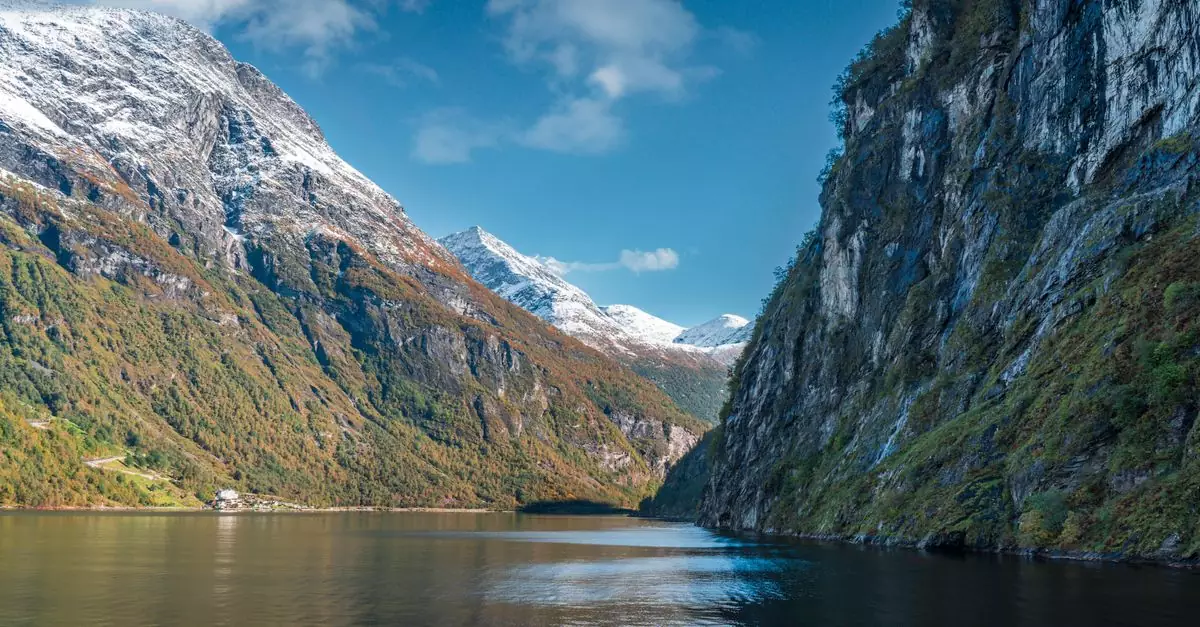
Choosing the right season significantly impacts your experience when visiting Norway’s most scenic destinations. Each period offers unique advantages, from the vibrant greenery of summer to the ethereal glow of winter auroras. Consider what you want to see and do, as this will guide your decision on the best scenic destinations Norway has to offer.
Summer (June-August): Long Days for Hiking and Fjord Cruises
Summer is the peak season for exploring Norway’s dramatic landscapes. The long daylight hours, often stretching to nearly 24 hours in the far north, provide ample time for outdoor activities. This is the prime time for hiking in the mountains, with trails generally free of snow and accessible.
Fjord cruises are most enjoyable during these months. The waters are calmer, and the surrounding mountains are lush and green. You’ll find the widest range of tours and accommodations available, though this also means higher prices and larger crowds at popular spots. Expect temperatures to range from mild to warm, making it comfortable for most travelers.
Autumn (September-October): Vibrant Colors and Northern Lights Potential
As summer fades, autumn transforms Norway’s scenery into a breathtaking spectacle of color. The leaves turn shades of red, orange, and gold, particularly in southern and central regions. This offers a stunning backdrop for photography and a more tranquil hiking experience compared to the summer rush.
This period also marks the beginning of the Northern Lights season, especially in northern parts like Tromsø. While sightings are never guaranteed, longer nights increase your chances. The weather can be unpredictable, with cooler temperatures and increased rainfall, so packing layers is essential. Many tourist services begin to wind down after September, so check operating hours for specific attractions.
Winter (November-March): Snow-Covered Landscapes and Aurora Hunting
Winter in Norway is a magical, albeit cold, affair. Snow blankets much of the country, transforming it into a pristine winter wonderland. This season is perfect for those seeking snow-based activities like skiing, snowboarding, and dog sledding. The dramatic fjords often appear even more imposing when framed by snow-capped peaks.
The primary draw for many during winter is the chance to witness the Aurora Borealis. Long, dark nights in the north provide ideal conditions for aurora hunting. Cities like Tromsø become hubs for this activity. While daylight hours are short, the unique atmosphere and the possibility of seeing the northern lights make it a special time to visit. Be prepared for sub-zero temperatures and plan your transportation and accommodation in advance, as some routes may be affected by snow.
Spring (April-May): Blooming Flowers and Awakening Nature
Spring in Norway is a time of awakening. As snow melts, the landscape comes alive with fresh greenery and blooming flowers, particularly in southern regions. April can still see snow in the mountains, but by May, many hiking trails begin to open up. The waterfalls, fed by melting snow, are often at their most powerful during this time.
This is a shoulder season, meaning you might find fewer crowds and slightly lower prices than in summer. The weather is variable, with a mix of sunshine and cooler days, so packing for all conditions is advisable. It’s a beautiful time to experience Norway’s natural beauty as it shakes off winter chill and prepares for vibrant summer months.
Frequently Asked Questions About Norway’s Scenic Beauty
What are the must-see scenic destinations in Norway for first-time visitors?
For a first-time visit, prioritizing the iconic fjords is essential. Geirangerfjord and Nærøyfjord, both UNESCO World Heritage sites, offer dramatic cliffs and serene waters. The Lofoten Islands present a different kind of breathtaking beauty with rugged peaks, picturesque fishing villages, and vibrant red Rorbuer (fisherman’s cabins). Preikestolen (Pulpit Rock) and Kjeragbolten provide challenging hikes with rewarding, panoramic views, though they require good physical condition. These locations represent some of the best scenic destinations Norway has to offer.
How can I travel between Norway’s most scenic spots?
Travel between Norway’s scenic spots often involves a combination of transportation methods. Flying into major airports like Oslo, Bergen, or Tromsø is common for longer distances. From there, renting a car offers the most flexibility, especially for exploring winding roads and remote areas. Alternatively, Norway has an excellent public transport system, including trains and buses, which connect many towns and cities. For fjord regions, ferries are integral to the journey, allowing you to experience the dramatic landscapes from the water.
Here’s a look at typical travel times between key scenic hubs:
| From | To | Mode(s) | Approx. Time |
|---|---|---|---|
| Bergen | Flåm | Train + Flåm Railway | 2.5 – 3 hours |
| Oslo | Geiranger | Train to Åndalsnes, then bus | 6 – 7 hours |
| Bodø | Lofoten | Ferry | 3 – 4 hours |
| Stavanger | Preikestolen | Bus + Ferry (to Lysebotn), then hike | 3 – 4 hours |
What is the best way to experience the fjords?
The most immersive way to experience Norway’s fjords is by taking a ferry or dedicated fjord cruise. This allows you to glide between towering cliffs, witness cascading waterfalls up close, and appreciate the scale of these natural wonders from the water. Kayaking offers a more intimate and active experience, letting you paddle into hidden coves and get closer to nature. For those who prefer land-based exploration, driving along scenic fjord routes with frequent viewpoints and short hikes provides stunning vistas.
Are Norway’s scenic destinations suitable for family travel?
Yes, many of Norway’s scenic destinations are suitable for family travel, though some activities might require more planning. The fjords, especially around Flåm, offer gentle boat trips and easy walking paths that children can enjoy. The Lofoten Islands have numerous beaches and opportunities for easy hikes. For more adventurous families, shorter, well-marked trails to viewpoints like Preikestolen can be manageable with older children, provided they are supervised. It’s always advisable to check trail difficulty and weather conditions before setting out with younger travelers. Many towns offer family-friendly accommodations and activities, making it easier to plan a memorable trip across Europe.