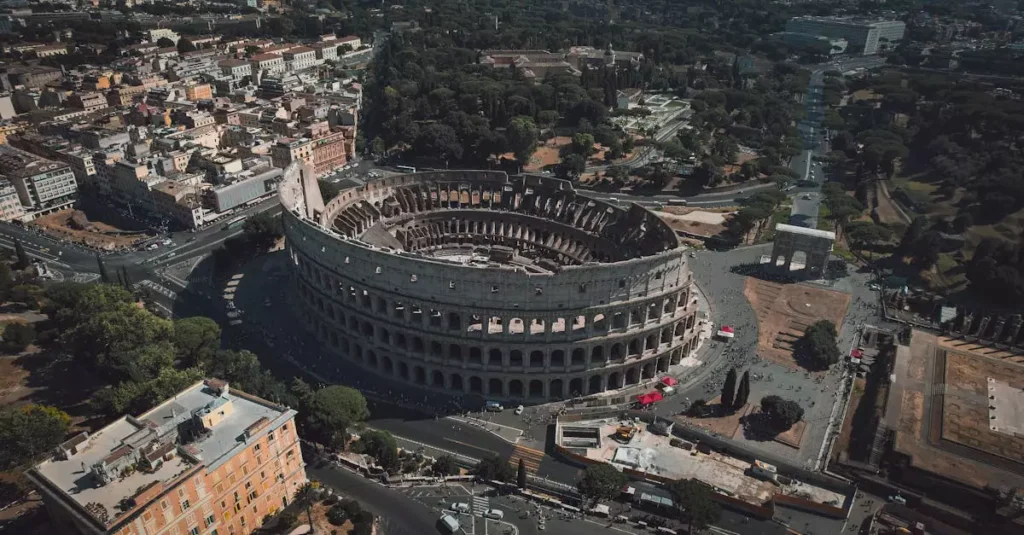
Europe is a continent rich in history, art, and diverse traditions, providing countless opportunities for exploration. While iconic cities often come to mind, the best cultural destinations in Europe extend beyond the well-trodden path, revealing places that resonate with artistic heritage and living history. This guide will help you uncover cities where culture thrives, not just in museums, but as a vibrant part of daily life.
You’ll discover destinations that offer a profound connection to the past through their architecture and historical significance, as well as those that pulse with contemporary artistic energy and unique local customs. We’ll explore how to best experience these places, from timing your visit for authenticity to navigating local transport and accommodations. Prepare to uncover European gems that promise an unforgettable journey into the continent’s soul.
Unveiling Europe’s Top Cultural Hubs Beyond the Usual Tourist Trail
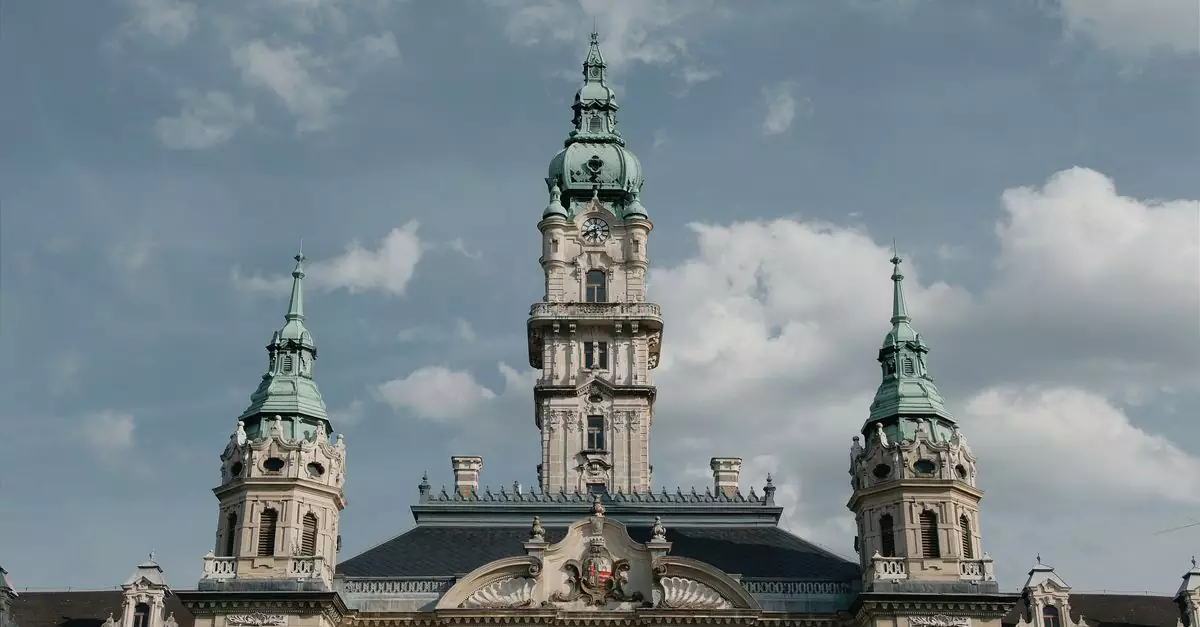
While Paris and Rome often dominate discussions of European culture, the continent boasts a wealth of destinations brimming with artistic heritage, historical significance, and vibrant local life. These cities provide immersive experiences for travelers seeking to delve deeper into Europe’s rich tapestry of traditions and creativity. Understanding the nuances of each location can elevate a trip from memorable to truly unforgettable.
Exploring the Artistic Heart of Florence, Italy: Renaissance Masterpieces
Florence stands as a testament to the Renaissance, where art permeates the very streets. The Uffizi Gallery houses an unparalleled collection of works by Botticelli, Leonardo da Vinci, and Michelangelo, inviting ample time for appreciation. Beyond the major galleries, wandering through the Oltrarno district reveals artisan workshops where traditional crafts like leatherworking and bookbinding continue.
When planning your visit to Florence, consider the peak tourist seasons. Summer months (June-August) offer warm weather but also attract the largest crowds, leading to longer queues at major attractions. Spring (April-May) and autumn (September-October) provide a more pleasant climate and a slightly more relaxed atmosphere, making them ideal for exploration.
Logistics for Florence:
- Transportation: Florence is highly walkable, with most major sights within easy reach. The main train station, Firenze Santa Maria Novella, connects the city to other Italian destinations.
- Accommodations: Options range from boutique hotels near the Duomo to charming apartments in the Santo Spirito neighborhood.
- Budget: Florence can be moderately expensive, especially for accommodation and dining in the historic center. Budget-conscious travelers can find more affordable options slightly outside the immediate tourist zones.
Immersing Yourself in the Bohemian Charm of Prague, Czech Republic
Prague captivates with its fairytale architecture and centuries-spanning history, offering a compelling cultural experience. Crossing the iconic Charles Bridge, adorned with statues and street artists, is a quintessential Prague moment. The Old Town Square, dominated by the Astronomical Clock, buzzes with activity and serves as a gateway to the city’s labyrinthine streets.
For a deeper understanding of Prague’s cultural identity, venture beyond the main tourist paths. Exploring neighborhoods like Vinohrady reveals elegant Art Nouveau buildings and local cafes, while the Žižkov district offers a bohemian vibe with its independent theaters and lively pubs. The city’s rich musical heritage can be experienced through classical concerts in historic churches and concert halls.
Prague Travel Tips:
- Timing: While Prague is a year-round destination, its Christmas markets are particularly enchanting. Shoulder seasons (spring and autumn) offer milder weather and fewer crowds than summer.
- Getting Around: The city boasts an efficient public transport system, including trams and metro. Many central areas are best explored on foot.
- Local Culture: Czech beer culture is strong, with traditional pubs (pivnice) offering a genuine local experience. Learning a few basic Czech phrases can enhance your interactions.
Experiencing the Rich History of Krakow, Poland: Wawel Castle and Jewish Quarter
Krakow offers a profound journey through history, marked by its well-preserved medieval architecture and poignant 20th-century narratives. Wawel Castle, perched on a hill overlooking the Vistula River, served as the seat of Polish royalty and showcases stunning architectural styles. The Kazimierz district, the historic Jewish Quarter, now thrives with a vibrant arts scene, unique cafes, and poignant reminders of its past.
No visit to Krakow is complete without acknowledging its WWII history. The Oskar Schindler’s Factory museum provides powerful insights into the city’s wartime experiences. For those interested in broader European history, Krakow serves as an excellent base for day trips to the Auschwitz-Birkenau Memorial and Museum, a profoundly moving and significant site.
Krakow Cultural Highlights:
- Transportation: Krakow’s Old Town is compact and walkable. Trams are the primary mode of public transport for reaching further districts like Kazimierz.
- Accommodation: Travelers can find a range of hotels and apartments, from luxury options near the Main Market Square to budget-friendly choices in Kazimierz.
- Budget Considerations: Krakow is generally more affordable than many Western European capitals, making it an attractive option for culturally focused travel on a tighter budget.
What Defines a ‘Cultural Destination’ in Europe?
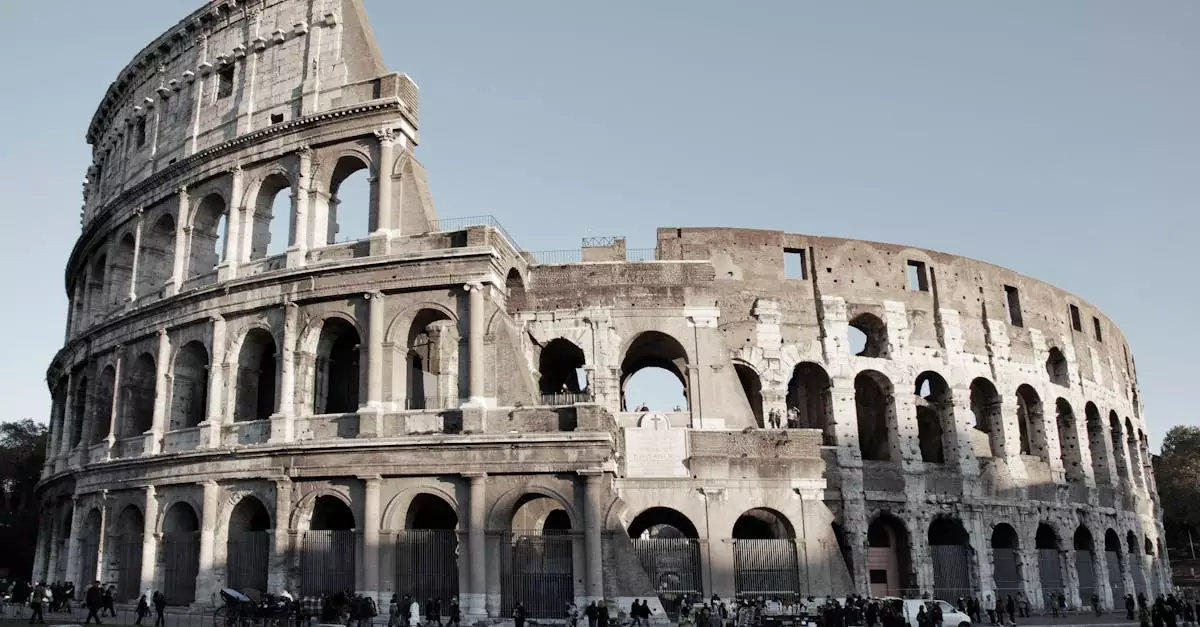
Europe offers a rich tapestry of experiences that draw travelers seeking deep dives into history, art, and local life. Identifying the best cultural destinations in Europe involves looking beyond just famous landmarks. It requires appreciating places where heritage is alive, artistic expression flourishes, and unique traditions shape daily life. These destinations provide more than sightseeing; they offer opportunities for genuine connection and understanding.
Historical Significance and Architectural Marvels
Many European cities are living museums, their streets lined with centuries of history etched into their architecture. From the ancient ruins of Rome to the medieval castles of Germany, these sites offer tangible links to the past. Travelers can walk through Roman forums, explore Gothic cathedrals, or marvel at Renaissance palaces. These architectural wonders not only showcase artistic and engineering achievements but also tell the stories of empires, revolutions, and daily life throughout different eras. Understanding the historical context of these structures enriches the visitor experience, transforming a simple walk into a journey through time.
Vibrant Arts Scenes: Museums, Galleries, and Performing Arts
A true cultural hub pulsates with artistic energy. Europe boasts world-class museums housing masterpieces from across history, such as the Louvre in Paris or the Prado in Madrid. Beyond these giants, countless smaller galleries showcase contemporary artists and regional crafts. The performing arts scene is equally robust, featuring renowned opera houses in Vienna, classical music festivals in Salzburg, and avant-garde theaters in Berlin. Attending a performance or visiting a gallery provides insight into a nation’s creative spirit and its ongoing contribution to the global arts landscape.
Unique Traditions and Local Festivals
The soul of a cultural destination often lies in its living traditions and vibrant local festivals. These events offer an authentic glimpse into community life and heritage. Think of the lively street celebrations during Carnival in Venice, the solemn processions during Holy Week in Seville, or the folk music and dance that fill the air during a summer festival in the Scottish Highlands. Participating in or observing these traditions provides a unique connection to the local culture that guidebooks alone cannot convey. Planning a trip around a local festival can be a highlight of any European cultural exploration.
Culinary Heritage and Authentic Flavors
Food is an integral part of any culture, and Europe’s culinary traditions are as diverse as its landscapes. Exploring a city’s food scene means more than dining out; it involves understanding regional specialties, visiting local markets, and perhaps even taking a cooking class. From the pasta-making traditions of Italy to the tapas culture of Spain or the hearty stews of Eastern Europe, each cuisine tells a story of local ingredients, historical influences, and social customs. Experiencing these authentic flavors offers a delicious pathway into understanding the heart of a European nation.
Beyond Paris and Rome: Lesser-Known Cultural Gems
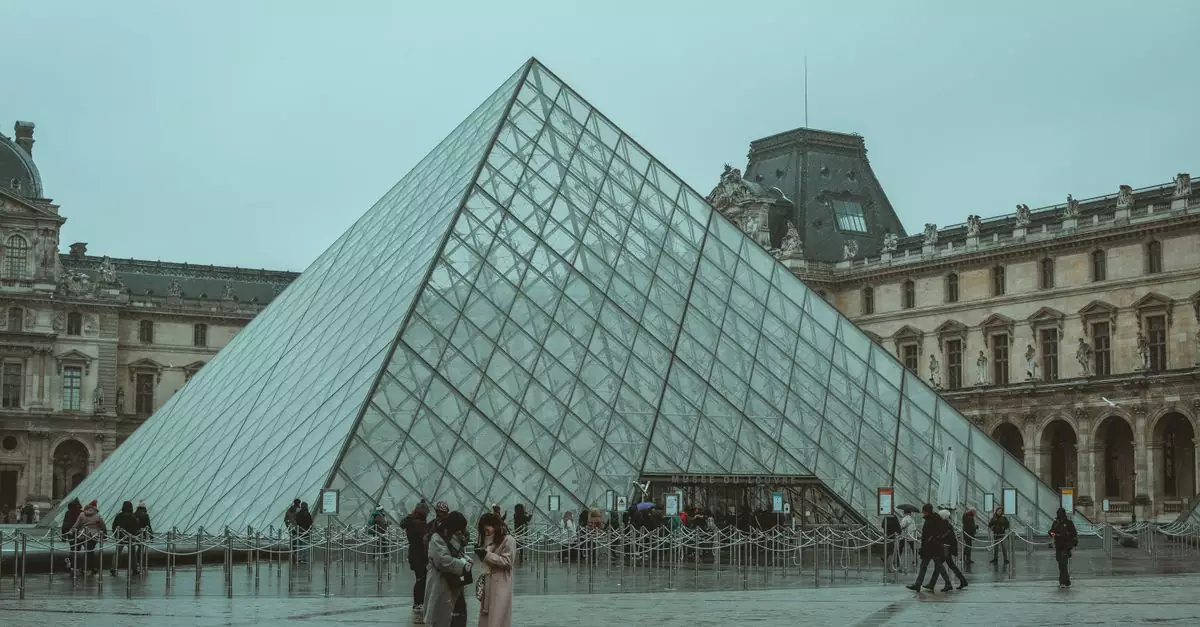
While iconic cities like Paris and Rome rightfully draw millions, Europe’s rich cultural tapestry extends far beyond the most famous landmarks. For travelers seeking deeper immersion into history, art, and tradition, exploring lesser-known destinations offers a more intimate and often more rewarding experience. These cities provide unique cultural insights without overwhelming crowds, allowing for a more authentic connection with local heritage.
The Moorish Architecture of Granada, Spain: The Alhambra’s Majesty
Granada, nestled at the foot of the Sierra Nevada mountains, captivates with its enduring Moorish legacy. The highlight is the Alhambra, a sprawling palace and fortress complex that stands as a testament to Islamic artistry in Spain. Wandering through its intricate courtyards, delicate stucco work, and serene gardens offers a glimpse into a sophisticated past.
Beyond the Alhambra, the Albaicín, Granada’s old Moorish quarter, invites exploration. Its narrow, winding streets lead to hidden plazas and offer breathtaking views of the Alhambra itself. This historic neighborhood, a UNESCO World Heritage site, retains an atmosphere distinct from other Spanish cities.
- Best time to visit: Spring (April-May) and Autumn (September-October) offer pleasant weather and fewer crowds.
- Getting around: Granada’s historic center is best navigated on foot. Local buses are available for longer distances.
- Budget considerations: While the Alhambra ticket price is fixed, accommodation and dining can be found at various price points.
The Medieval Streets of Bruges, Belgium: Canals and Chocolate
Bruges, often called the “Venice of the North,” enchants visitors with its remarkably preserved medieval architecture and picturesque canals. A boat trip along its waterways provides a unique perspective of the city’s historic guildhalls and charming bridges. The central Markt square, dominated by the Belfry of Bruges, is a vibrant hub.
The city’s reputation for chocolate is well-earned. Numerous chocolatiers offer tastings and workshops, providing a delicious way to engage with local craftsmanship. Beyond sweets, Bruges offers a rich history of lace-making and brewing, adding further layers to its cultural appeal.
- Getting there: Bruges is easily accessible by train from Brussels and other major Belgian cities.
- Accommodation: Options range from boutique hotels in historic buildings to more modern establishments on the outskirts.
- Local specialties: Besides chocolate, try Belgian waffles, fries, and a wide variety of local beers.
The Classical Music Legacy of Vienna, Austria: Palaces and Concert Halls
Vienna breathes classical music, a heritage deeply woven into its identity. As the former imperial capital of the Habsburg Empire, the city boasts magnificent palaces like Schönbrunn and the Hofburg, which echo with centuries of history and artistic patronage. These grand structures offer insights into the lives of emperors and empresses who fostered a rich musical environment.
Attending a concert in Vienna is a quintessential cultural experience. Venues range from the opulent State Opera House to smaller, intimate halls featuring chamber music. The city also honors its musical giants, such as Mozart, Beethoven, and Strauss, through dedicated museums and monuments.
| Activity | Average Cost (EUR) | Notes |
|---|---|---|
| Schönbrunn Palace Tour | 20-25 | Various tour options available |
| Vienna State Opera Ticket | 20-150+ | Prices vary significantly by seat and performance |
| Mozart House Visit | 12-15 | Interactive exhibits and historical artifacts |
| Public Transport Pass | 8-17 (1-3 days) | Efficient and covers most of the city |
- Best time to visit: Spring and early autumn offer pleasant weather for sightseeing. The Christmas market season (late November-December) adds a festive charm.
- Logistics: Vienna has an excellent public transportation system, including U-Bahn (subway), trams, and buses.
Planning Your Cultural European Adventure: Best Time to Visit
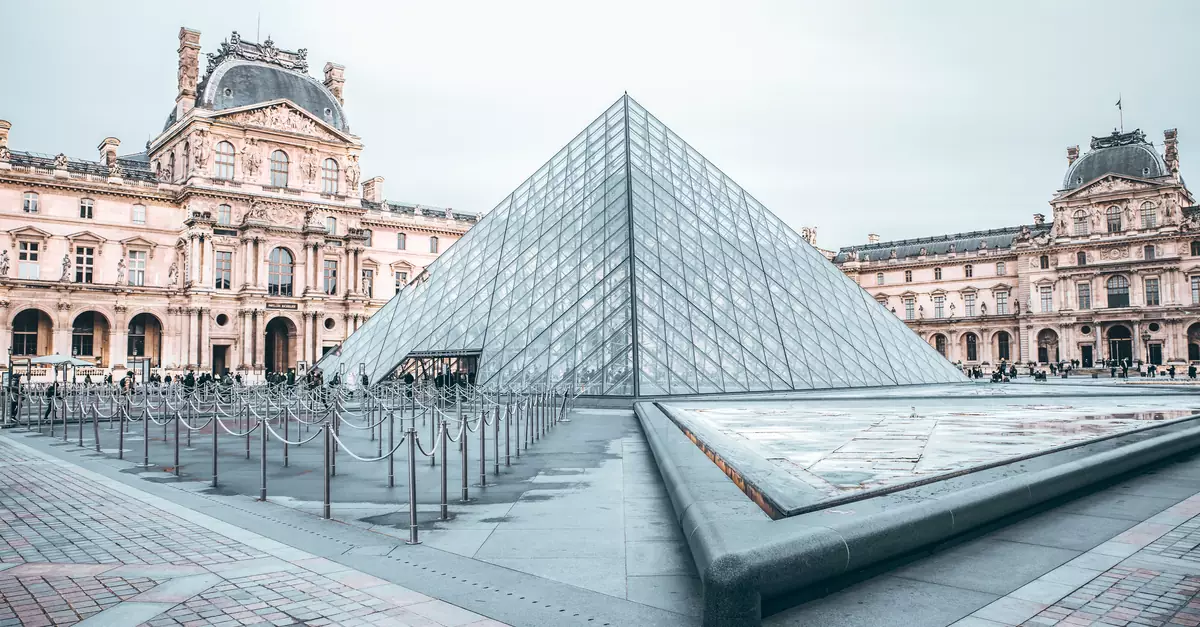
Choosing the right time to visit Europe can significantly enhance your cultural immersion. The continent offers distinct experiences across its seasons, from the vibrant bloom of spring to the crisp beauty of autumn. Understanding these nuances helps in selecting the best cultural destinations in Europe for your specific travel style and preferences.
Spring (April-May): Pleasant Weather and Blooming Landscapes
Spring in Europe is a delightful period for cultural exploration. The weather is generally mild and pleasant across much of the continent, with average temperatures ranging from 10-18°C (50-65°F). This warmth, coupled with blooming flowers and lush greenery, creates a beautiful backdrop for visiting historic cities and picturesque countryside.
Crowds are typically smaller than during the peak summer months, allowing for a more relaxed pace at popular attractions. This is an excellent time to enjoy outdoor cafes, wander through city gardens, and take advantage of fewer queues at museums and galleries. Many cities also host spring festivals and events, offering a deeper dive into local traditions and celebrations. For instance, the Keukenhof Gardens in the Netherlands are in full bloom, while cities like Rome and Paris offer comfortable walking weather for sightseeing.
Autumn (September-October): Fewer Crowds and Stunning Fall Colors
As summer fades, autumn ushers in a period of fewer tourists and breathtaking scenery, making it another prime time to experience Europe’s rich cultural tapestry. The weather remains agreeable for much of September and early October, with cooler temperatures and crisp air, ideal for walking tours and outdoor exploration.
The fall foliage transforms many regions into a spectacle of color, particularly in areas like the Loire Valley in France or the vineyards of Tuscany, Italy. This season also sees fewer crowds at major landmarks, providing a more authentic and intimate experience. Cities like Prague and Vienna are particularly charming in autumn, with their historic architecture enhanced by the warm hues of fall. The harvest season also brings culinary festivals and wine-tasting opportunities, adding a gastronomic dimension to your cultural journey.
Avoiding Peak Summer Season for a More Authentic Experience
While summer (June-August) offers long daylight hours and warm weather, it also brings the largest crowds and highest prices to many of Europe’s best cultural destinations. Visiting during this peak season can mean battling throngs of tourists at renowned sites, longer wait times, and a less intimate connection with the local culture.
To truly immerse yourself in the atmosphere of historic cities and engage with local life, consider traveling during the shoulder seasons of spring or autumn. This strategy not only allows for a more relaxed and authentic experience but can also be more budget-friendly. By avoiding the summer rush, you gain more opportunities for spontaneous discoveries and meaningful interactions, making your cultural journey through Europe all the more memorable.
Navigating Your Cultural Sojourn: Transportation and Accommodation
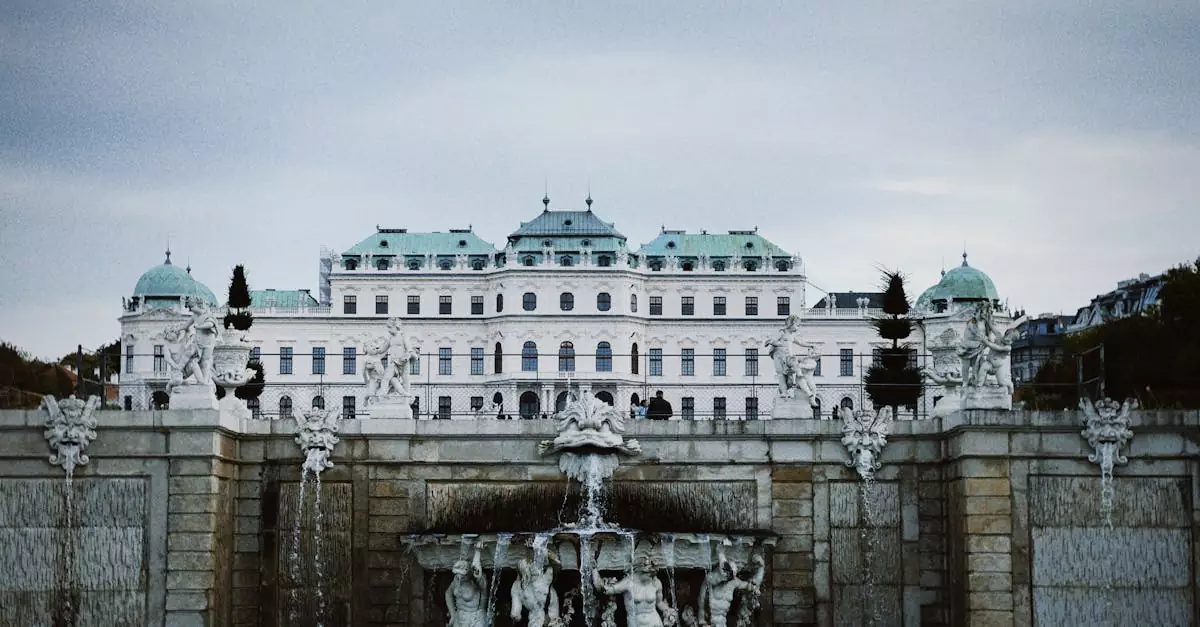
Planning a trip to the best cultural destinations in Europe involves smart choices for getting around and finding a place to stay. The continent offers a robust network of transportation options and a wide range of accommodations to suit every traveler’s needs and budget. Understanding these logistics will greatly enhance your experience, allowing you to focus on the rich history and vibrant arts each city has to offer.
Efficient European Rail Travel: Connecting Major Cities and Towns
For those visiting multiple cities, Europe’s extensive rail network is an invaluable asset. High-speed trains connect major capitals and popular destinations with remarkable efficiency and comfort. Companies like Deutsche Bahn in Germany, SNCF in France, and Trenitalia in Italy offer frequent services, often running directly between city centers. Booking tickets in advance, especially for longer journeys or during peak season, can secure better prices and ensure availability. Consider purchasing a rail pass if you plan on extensive travel across several countries, as this can often be more economical than buying individual tickets.
- Key Rail Travel Tips:
- Book tickets online in advance for significant savings.
- Arrive at the station at least 30 minutes before departure.
- Utilize apps like Omio or Trainline for comparing routes and prices across different operators.
- Keep luggage manageable, as storage space can be limited on some trains.
Choosing Boutique Hotels in Historic Neighborhoods
To truly immerse yourself in the cultural tapestry of European cities, staying in boutique hotels situated within historic districts is highly recommended. These establishments often boast unique character, personalized service, and architectural charm that larger chain hotels cannot replicate. Imagine waking up steps away from ancient cobblestone streets, local artisan shops, and centuries-old landmarks. Many boutique hotels are housed in beautifully restored heritage buildings, offering a blend of modern comfort and historical ambiance.
When selecting a boutique hotel, look for options in areas known for their cultural significance, such as the Marais in Paris, the Gothic Quarter in Barcelona, or the Trastevere district in Rome. These locations provide easy access to museums, galleries, theaters, and authentic local eateries, enhancing your sense of place. While generally more expensive than budget options, the experience of staying in a character-filled hotel in a prime cultural hub is often worth the investment for a memorable journey.
Budget-Friendly Hostels for Solo Travelers and Backpackers
For solo adventurers and backpackers mindful of their travel expenses, hostels present an excellent and social accommodation choice. Europe boasts a vast network of hostels, ranging from basic dormitories to private rooms, many of which are located in vibrant, central areas. These establishments are not just places to sleep; they are hubs for meeting fellow travelers, sharing tips, and often organizing group excursions. Many modern hostels offer amenities like communal kitchens, lounges, and organized pub crawls or walking tours, making them ideal for those seeking both affordability and social interaction.
When choosing a hostel, read recent reviews carefully, paying attention to cleanliness, security, and the overall atmosphere. Locations near public transport links are always beneficial. For instance, hostels in Berlin’s Friedrichshain district or Amsterdam’s De Pijp area offer proximity to nightlife and cultural attractions while remaining budget-friendly. Many hostels also provide lockers for securing valuables, and some offer free breakfast, further reducing daily costs.
| Accommodation Type | Average Daily Cost (EUR) | Best For | Typical Amenities |
|---|---|---|---|
| Boutique Hotel | €150 – €300+ | Couples, cultural immersion | Unique decor, personalized service, historic setting |
| Hostel Dorm Bed | €25 – €50 | Solo travelers, budget-conscious | Shared rooms, common areas, kitchens, social events |
| Hostel Private Room | €70 – €120 | Friends, couples seeking privacy/value | Private room, shared facilities, social atmosphere |
| Mid-Range Hotel | €100 – €200 | Families, general travelers | Standard amenities, reliable service, convenient locations |
Frequently Asked Questions About Europe’s Cultural Destinations
What are the essential items to pack for a European cultural trip?
Packing for a European cultural journey requires a balance of comfort and preparedness. Comfortable walking shoes are essential, as you’ll likely cover significant distances on foot. Layers are also important, as European weather can be unpredictable, even within the same day. Consider versatile clothing items that can be mixed and matched.
Don’t forget a portable power bank for your devices, especially if you plan to use your phone for navigation and photography. A universal travel adapter is also crucial for charging electronics. For visits to religious sites or more formal establishments, a scarf or shawl can be useful for covering shoulders.
How can I best experience local culture without falling into tourist traps?
To truly immerse yourself in local culture, venture beyond the main tourist hubs. Seek out neighborhood cafes, local markets, and smaller, less-publicized museums. Engaging with locals, even with basic phrases, can lead to authentic experiences. Consider booking a guided tour with a local resident or participating in a cooking class that focuses on regional cuisine.
Attending local events, festivals, or performances offers a direct window into the community’s traditions and way of life. Look for events advertised on local notice boards or community websites. This approach helps you discover the best cultural destinations in Europe through an insider’s perspective.
Are these cultural destinations safe for solo female travelers?
Many of the best cultural destinations in Europe are generally safe for solo female travelers, but standard precautions are always recommended. Research specific safety tips for each city you plan to visit. Stick to well-lit, populated areas, especially at night, and remain aware of your surroundings.
It’s advisable to keep valuables secure and avoid displaying expensive items. Inform someone of your travel itinerary and check in regularly. Many travelers find reassurance in staying in well-reviewed accommodations and utilizing reputable transportation services. For more general information on safety in Europe, Wikipedia’s entry on Europe offers a broad overview.