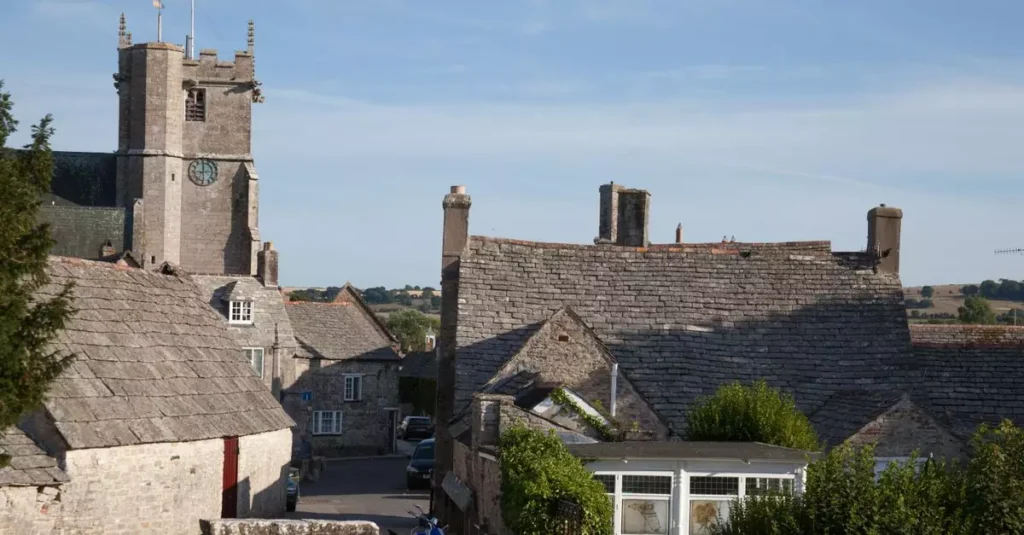
England’s landscape is rich with echoes of its past, and its castle towns offer a unique glimpse into centuries of history and architectural grandeur. These locations are more than just imposing fortresses; they are vibrant communities that developed around these strongholds, retaining their medieval charm and providing a tangible connection to bygone eras. If you’re seeking a travel experience that intertwines history, culture, and picturesque scenery, exploring the best castle towns in England is an ideal choice. In this guide, you’ll discover a curated selection of these remarkable destinations, learning about their most significant castles, the character of their surrounding towns, and what makes each one a must-visit for history enthusiasts and curious travelers alike. Prepare to step back in time as we journey through these captivating settlements.
Discovering England’s Most Enchanting Castle Towns
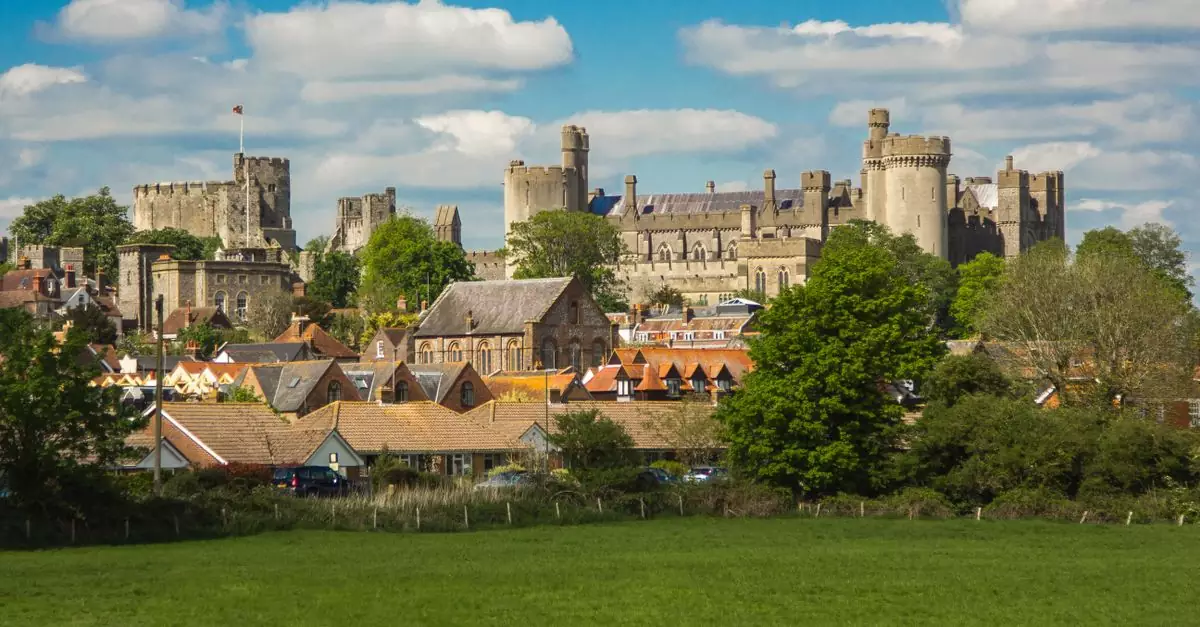
Why Visit England’s Historic Castle Towns?
England’s landscape is adorned with enduring stone structures, offering a direct link to centuries of history. Visiting these castle towns provides a unique experience, moving beyond typical city breaks to immerse yourself in stories of royalty, conflict, and daily life from bygone eras. These destinations blend architectural marvels, charming local culture, and often stunning natural surroundings.
Defining the Ideal Castle Town Experience
The ideal castle town experience involves more than just visiting a fortress. It encompasses exploring the surrounding town, often retaining its medieval layout and character. Expect to find historic market squares, ancient churches, and traditional pubs where locals have gathered for generations. Many of these towns also feature well-preserved town walls, providing panoramic views and a sense of stepping back in time.
Top Castle Towns for History Buffs
For those with a keen interest in history, certain towns stand out for their significant fortifications and well-preserved heritage. These locations offer deep dives into England’s past, from Roman settlements to Norman conquests and beyond.
Warwick
Warwick exemplifies an English castle town. Its centerpiece, Warwick Castle, is a remarkably well-preserved medieval fortress with a history spanning over a thousand years. The town itself retains much of its historic charm, featuring timber-framed buildings and a lively atmosphere. Visitors can spend a full day at the castle, exploring battles, dungeons, and royal state rooms, before strolling through the town’s market and perhaps visiting the Collegiate Church of St Mary.
- Getting there: Warwick is easily accessible by train from London (approx. 2 hours) and Birmingham (approx. 30 minutes). Driving is straightforward, with ample parking near the town center.
- Best time to visit: Spring and autumn offer pleasant weather for exploring both the castle and the town, with fewer crowds than summer.
- Accommodation: Options range from historic inns within the town to modern hotels and guesthouses.
Dover
Dover, located on the Kent coast, is known for its imposing castle perched high on the White Cliffs. Dover Castle is one of England’s largest and most important fortresses, playing a crucial role in the nation’s defense, particularly during the Napoleonic Wars and World War II. The town itself, while a busy port, retains historical significance, especially around the harbor and its connection to the castle. Exploring the castle’s tunnels and ramparts offers a dramatic glimpse into military history.
- Logistics: Dover is a major ferry port, with frequent train services from London St Pancras International (approx. 1 hour).
- Budget: Entrance fees for Dover Castle are comparable to other major historic sites, and dining options cater to various budgets.
- Unique Insight: The sheer scale of Dover Castle and its strategic position make it a powerful testament to England’s coastal defenses.
Rochester
Rochester in Kent features a magnificent Norman castle alongside its cathedral. The castle ruins are among the best-preserved in England, offering insight into medieval architecture and defense. The town has a literary heritage, famously linked to Charles Dickens, whose home, Gad’s Hill Place, is nearby. Walking through Rochester’s historic High Street, you can easily envision the town as it was during Dickens’ time, with ancient buildings and independent shops.
- Transportation: Rochester is well-connected by train from London, with services from St Pancras International and Victoria taking around 30-40 minutes.
- Traveler Tip: Combine a visit to Rochester Castle with a tour of Rochester Cathedral for a comprehensive historical and architectural experience.
Conwy
On the North Wales coast, Conwy is a stunning example of a medieval walled town dominated by its impressive castle. Conwy Castle, built by Edward I, is a UNESCO World Heritage site, renowned for its well-preserved battlements and towers. The town is encircled by intact town walls, which visitors can walk along for spectacular views of the castle and the surrounding estuary. The town’s quay and quaint streets enhance its charm.
| Destination | Key Attraction | Walkability | Historical Significance | Typical Budget |
|---|---|---|---|---|
| Warwick | Warwick Castle | High | Norman to Medieval | Mid-range |
| Dover | Dover Castle | Moderate | Roman to WWII | Mid-range |
| Rochester | Rochester Castle | High | Norman to Medieval | Mid-range |
| Conwy | Conwy Castle | High | Medieval (Edwardian) | Mid-range |
These towns represent just a fraction of England’s rich castle heritage, each offering a distinct window into the nation’s storied past and a rewarding experience for any traveler.
Top Picks for the Best Castle Towns in England
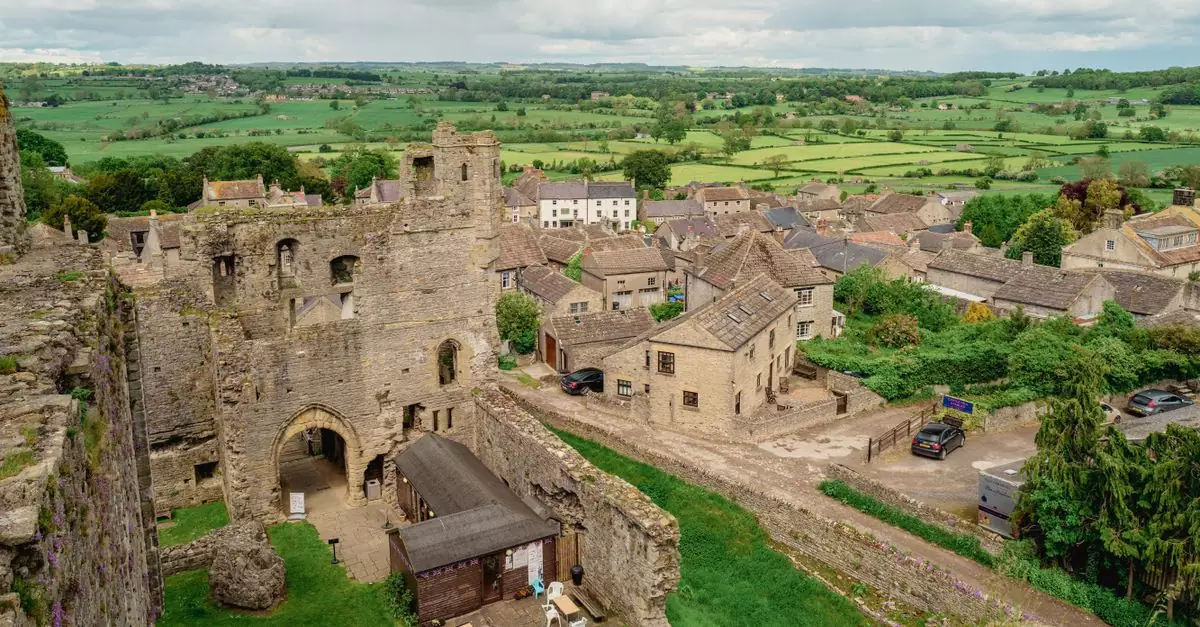
England boasts a rich tapestry of history, and its castle towns serve as direct portals to bygone eras. From imposing fortresses to romantic residences, these locations provide a tangible connection to the country’s past. Planning a visit to the best castle towns in England means immersing yourself in medieval architecture, royal histories, and charming local atmospheres.
Warwick: The Medieval Majesty
Warwick stands as a prime example of England’s best castle towns, dominated by its magnificent medieval castle. Warwick Castle is a remarkably well-preserved fortress with a history stretching back over a thousand years. Visitors can walk the ramparts, explore the state rooms, and even witness live jousting tournaments and historical reenactments that bring the castle’s past to life.
Beyond the castle walls, the town of Warwick offers a pleasant atmosphere with timber-framed buildings and independent shops. The nearby St. Mary’s Church, featuring the impressive Beauchamp Chapel, is also worth a visit. For those interested in history and immersive experiences, Warwick is a must-see.
Logistics for Warwick:
- Getting there: Warwick is easily accessible by train from London (approx. 1.5-2 hours) and Birmingham (approx. 30 minutes). Driving is straightforward via the M40 motorway.
- Best time to visit: Spring and autumn offer pleasant weather and fewer crowds. Summer is popular but can be busy.
- Accommodation: Options range from historic inns in the town center to modern hotels and guesthouses.
Leeds Castle: The ‘Loveliest Castle in the World’
Often described as the “loveliest castle in the world,” Leeds Castle in Kent presents a picturesque vision set on islands within a lake. This former royal palace has a long and varied history, serving as a residence for six medieval queens. The castle’s interior showcases opulent rooms, while the surrounding parkland provides extensive grounds for leisurely walks, including a maze and grotto.
While technically a castle with surrounding grounds rather than a town, its historical significance and visitor experience warrant its inclusion among England’s top castle destinations. The journey to Leeds Castle is part of the charm, often involving scenic drives through the Kent countryside.
Visitor Insights for Leeds Castle:
- What to expect: A blend of historical exploration within the castle and outdoor activities in the expansive grounds.
- Family-friendly: The maze, adventure playground, and falconry displays make it a great destination for families.
- Getting around: The castle is best reached by car, with parking available on site. Local bus services are limited.
Windsor Castle: Royal Residence and Historic Landmark
Windsor Castle, one of the oldest and largest inhabited castles in the world, is an iconic symbol of the British monarchy. Located in Berkshire, it has been a royal residence for over 900 years and remains an active working royal palace. Visitors can tour the State Apartments, St. George’s Chapel (the burial place of many monarchs), and witness the Changing of the Guard ceremony.
The town of Windsor complements the castle with a selection of shops, restaurants, and pubs. Its proximity to London makes it a popular day trip destination for those wanting to experience royal history. Walking along the Long Walk, a magnificent tree-lined avenue stretching from the castle, offers stunning views.
Planning a Windsor Visit:
- Tickets: Booking tickets in advance is highly recommended, especially during peak season, to secure your entry time.
- Proximity to London: A direct train from London Waterloo takes approximately 50 minutes, making it an easy excursion.
- Budget: Entry fees to the castle are significant, and dining and shopping in Windsor can add to the overall cost.
Conwy: A Welsh Gem on England’s Doorstep
While technically in Wales, Conwy is so close to the English border and frequently visited by those touring the region that it merits inclusion when discussing England’s best castle towns. Conwy Castle is a formidable medieval fortress, a UNESCO World Heritage site, and one of the most impressive examples of military architecture in Europe. Its imposing walls and towers offer panoramic views of the town and the surrounding coastline.
The town of Conwy is equally charming, enclosed by its own medieval town walls, which are remarkably intact. Visitors can walk along these walls for a unique perspective. Conwy also boasts the smallest house in Great Britain, a quirky attraction situated by the quay. The combination of a powerful castle and a perfectly preserved walled town makes Conwy a captivating destination.
Conwy Travel Tips:
- Accessibility: Conwy is accessible by train, with regular services from major English cities like Manchester and Liverpool.
- Scenery: The dramatic castle against the backdrop of the sea and mountains offers exceptional photographic opportunities.
- Comparison: Compared to the more regal Windsor or the grand Warwick, Conwy provides a more rugged and intensely medieval experience within its compact walled setting.
Beyond the Walls: Exploring Castle Town Neighborhoods
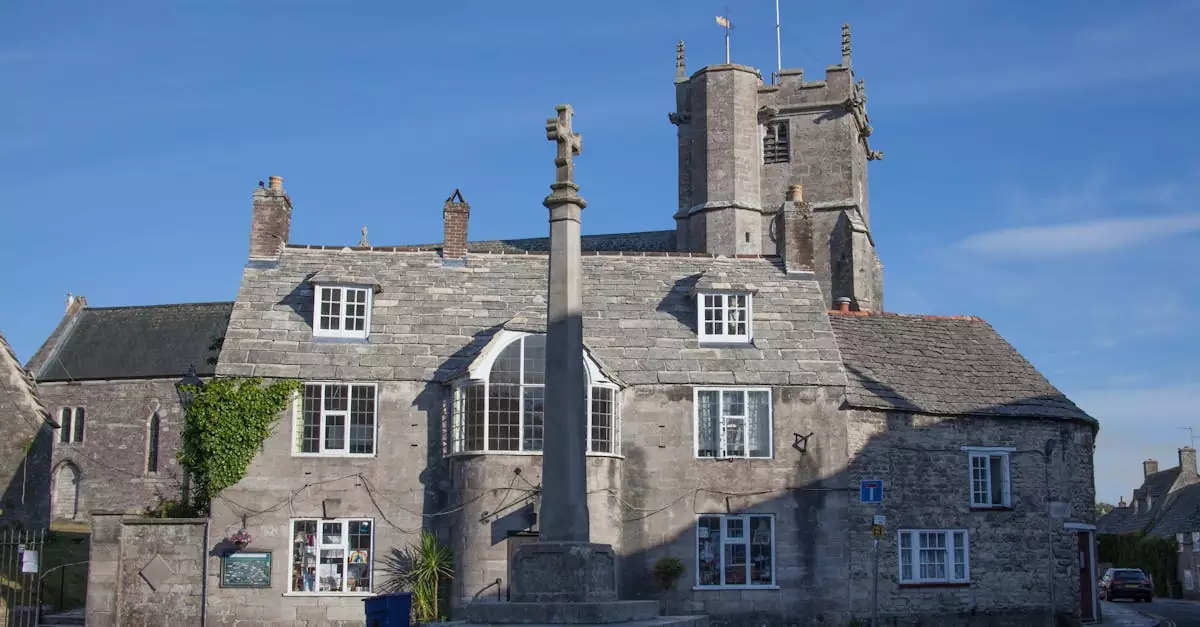
While the imposing structures of England’s castles are undoubtedly the main draw, the charm of these historic settlements extends far beyond their ramparts. The surrounding neighborhoods, often centuries old themselves, offer a delightful glimpse into local life, independent shops, and traditional pubs. Wandering through these areas provides a fuller picture of the heritage and character that define these best castle towns in England.
Wandering Through Warwick’s Old Town
Warwick’s historic core is a treasure trove of medieval and Tudor architecture, easily navigated on foot. The lanes branching off from the main thoroughfare, Lord Leycester Hospital, are lined with timber-framed buildings that transport you back in time. Look for independent boutiques selling local crafts and antiques, and don’t miss the chance to sample traditional fare in one of the many cozy pubs. The town center is compact and walkable, making it easy to combine a castle visit with a leisurely stroll through its atmospheric streets.
The Royal Mile in Windsor
Windsor’s “Royal Mile,” the stretch of High Street leading up to Windsor Castle, buzzes with activity. While it features well-known shops and eateries, venturing down the side streets reveals a more intimate side of the town. The area around the Guildhall offers a quieter experience, with charming squares and historic inns. Consider visiting on a weekday to avoid the largest crowds and enjoy a more relaxed exploration of the shops and cafes that cater to both locals and visitors.
Exploring the Cobbled Streets of Ludlow
Ludlow is renowned for its well-preserved medieval street plan, a testament to its rich history. The town center, particularly around the market square and leading towards Ludlow Castle, is a delight to explore on foot. Cobbled lanes, independent food shops, and a vibrant market make it a culinary destination as well as a historic one. Allow ample time to simply wander, discovering hidden courtyards and enjoying the architectural details. Parking can be challenging in the center, so arriving early or utilizing park-and-ride options is advisable.
Discovering Hidden Alleys in Arundel
Arundel’s hilly landscape means that exploring its streets often involves charming ascents and descents. The lanes radiating from Arundel Castle and the Cathedral are particularly picturesque, offering independent shops, art galleries, and tea rooms. Keep an eye out for narrow alleyways that lead to unexpected courtyards or offer glimpses of the castle from unique vantage points. The town is quite walkable, though be prepared for some inclines. Many visitors find that parking near the river and walking into the town center offers a pleasant approach.
Planning Your Castle Town Itinerary: A Week of Wonders
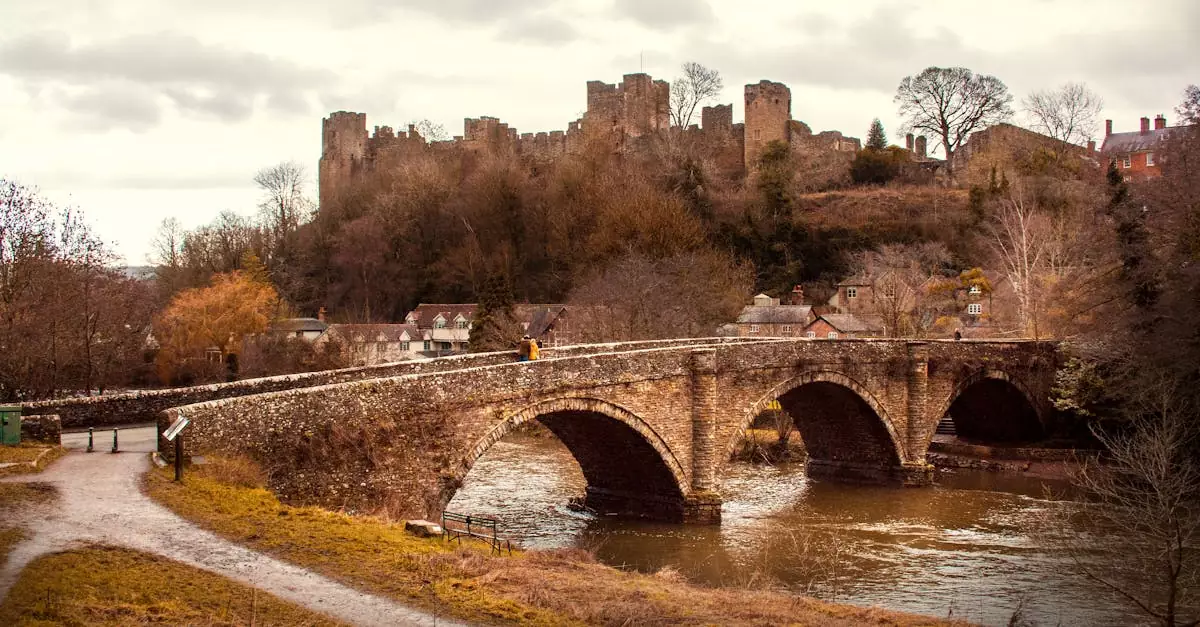
Choosing the right castle towns in England to visit depends heavily on your available time and interests. A well-planned itinerary can transform a trip into a truly immersive historical experience. Consider these popular options for different trip lengths, each offering a unique glimpse into England’s past.
A 3-Day Warwick and Stratford-upon-Avon Escape
For a short, impactful break, combining Warwick and Stratford-upon-Avon offers a rich blend of medieval might and Shakespearean charm. Warwick Castle is a formidable fortress, renowned for its well-preserved state and engaging historical reenactments. Spend a full day here, delving into its ramparts, dungeons, and grand halls.
The proximity to Stratford-upon-Avon, just a short drive away, makes this pairing efficient. Stratford offers a different kind of historical immersion, focusing on the life and times of William Shakespeare. Visiting his birthplace, Anne Hathaway’s Cottage, and the Royal Shakespeare Theatre provides a cultural counterpoint to Warwick’s martial history. This itinerary is ideal for those seeking a concentrated dose of English heritage within a limited timeframe.
Logistics for a 3-Day Trip:
- Day 1: Travel to Warwick, explore Warwick Castle.
- Day 2: Morning in Warwick (perhaps the town center or Lord Leycester Hospital), afternoon travel to Stratford-upon-Avon, explore Shakespeare’s Birthplace.
- Day 3: Stratford-upon-Avon exploration (Anne Hathaway’s Cottage, Hall’s Croft, Royal Shakespeare Theatre), depart.
Transportation between the two towns is readily available by bus or a short taxi ride. Consider booking accommodation in either Warwick or Stratford-upon-Avon for the duration of your stay, as day trips between them are straightforward.
A 5-Day South East Castle Tour (Windsor, Leeds, Arundel)
The South East of England is dotted with magnificent castles, making it perfect for a multi-day exploration. This region offers a variety of castle styles, from royal residences to romantic ruins. A 5-day tour allows for a more relaxed pace and the inclusion of three distinct and impressive sites.
Begin with Windsor Castle, the oldest and largest inhabited castle in the world and an official residence of the monarch. Its sheer scale and royal history are captivating. From Windsor, head towards Kent to visit Leeds Castle, often described as “the loveliest castle in the world.” Its picturesque setting on islands in a lake is a highlight.
Finally, journey south to Arundel in West Sussex. Arundel Castle is a stately home and fortress, with parts dating back to the Norman conquest. It offers stunning architecture and beautifully maintained gardens. This route provides a varied experience of royal, romantic, and ancient fortifications.
Sample 5-Day Itinerary:
| Day | Location | Key Attraction | Notes |
|---|---|---|---|
| 1 | Windsor | Windsor Castle | Royal residence, State Apartments |
| 2 | Travel to Kent | Leeds Castle | Moated castle, extensive grounds |
| 3 | Kent/Travel South | Explore surrounding areas | Option for local towns or travel to Arundel |
| 4 | Arundel | Arundel Castle | Stately home, gardens, Norman origins |
| 5 | Arundel/Departure | Local exploration | Departure from nearby transport hubs |
This tour requires a car for maximum flexibility, though public transport is possible with more planning. Consider basing yourself in one location for a few days and then moving, or using a hub-and-spoke approach if you prefer not to change accommodations frequently.
A 7-Day Northern England Castle Adventure
Northern England is steeped in history, particularly the dramatic stories of its border castles and fortifications. A week-long adventure here allows for a deeper dive into regions like Northumberland and the Yorkshire Dales, showcasing some of the best castle towns England has to offer.
Start in the North East with Alnwick Castle, famously used as a filming location for Hogwarts. Its dramatic setting and extensive grounds are a significant draw. Nearby, Bamburgh Castle stands sentinel over the coastline, offering breathtaking views and a rich historical narrative. Further south, Hadrian’s Wall country provides a chance to see Roman fortifications alongside later medieval structures.
Moving into Yorkshire, Skipton Castle is a remarkably well-preserved medieval fortress, offering a glimpse into daily life within its walls. York itself, with its city walls and Clifford’s Tower, provides an urban castle experience steeped in centuries of history. This itinerary is ideal for those who appreciate dramatic landscapes and a robust historical narrative, often with a more rugged feel than the southern castles.
Key Northern Castle Towns & Attractions:
- Northumberland: Alnwick Castle, Bamburgh Castle, Warkworth Castle.
- Yorkshire: Skipton Castle, Bolton Castle, Richmond Castle, Clifford’s Tower (York).
This region is best explored by car, allowing access to more remote castles and scenic routes. Public transport is available between larger towns like York and Newcastle, but reaching smaller castle villages requires more effort. Consider a 7-day itinerary that balances iconic sites with lesser-known gems for a comprehensive experience. This region offers a different pace and a more windswept, dramatic historical encounter.
Experiencing Local Flavors: Food and Drink in Castle Towns
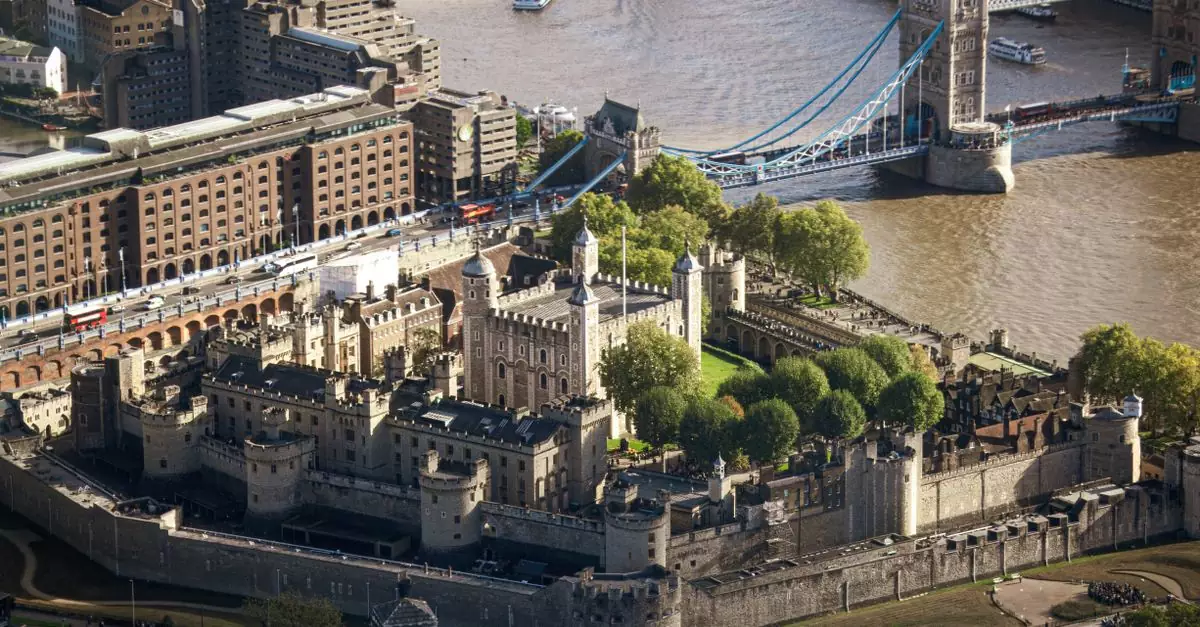
A visit to England’s historic castle towns offers more than just architectural marvels; it’s an opportunity to savor regional culinary traditions. From hearty pub meals to elegant afternoon teas, these towns provide a delicious counterpoint to their storied pasts.
Traditional Pub Fare in Warwick
Warwick’s pubs are essential stops for experiencing classic British comfort food. Expect generous portions of fish and chips, savory pies like steak and ale, and hearty stews, often served with locally brewed ales. Many pubs are conveniently located near Warwick Castle, making them ideal for refueling after a day of sightseeing. Consider visiting during lunchtime for a more relaxed atmosphere and potentially better value.
Afternoon Tea Near Windsor Castle
Near the majestic Windsor Castle, the tradition of afternoon tea thrives. This quintessential British experience features delicate finger sandwiches, freshly baked scones with clotted cream and jam, and a selection of pastries, all accompanied by a pot of fine tea. Several hotels and tea rooms in Windsor town offer this treat. Booking in advance is highly recommended, especially on weekends or during peak tourist season.
Local Delicacies in Ludlow’s Market
Ludlow, known as a gastronomic hub, boasts a vibrant market showcasing the best of Shropshire’s produce. Here, you can find artisanal cheeses, locally sourced meats, freshly baked bread, and seasonal fruits and vegetables. Food stalls offer ready-to-eat options, from gourmet sausages to regional specialties. Exploring Ludlow’s market is a fantastic way to taste the local character and support small producers.
Arundel’s Riverside Dining
Arundel offers a charming selection of restaurants and cafes, many with views overlooking the River Arun or towards its imposing castle. You’ll find a mix of traditional British cuisine and international options, emphasizing fresh, seasonal ingredients. Seafood is often a highlight, given the town’s proximity to the coast. Enjoying a meal by the river provides a picturesque backdrop to your culinary experience.
Frequently Asked Questions About England’s Castle Towns
What is the best time of year to visit England’s castle towns?
The best time to visit England’s castle towns generally falls between late spring (May and June) and early autumn (September and October). During these months, you’ll find milder weather, fewer crowds than the peak summer season, and beautiful natural scenery. Spring offers blooming gardens and a sense of renewal, while autumn provides stunning foliage, particularly around historic estates.
Summer (July and August) is also popular, offering longer daylight hours. However, expect larger crowds and potentially higher accommodation prices. Winter can be atmospheric, with fewer visitors and the chance of snow, but shorter days and colder weather may limit outdoor exploration.
How do I travel between England’s castle towns?
Traveling between England’s castle towns often involves a combination of public transport and local exploration. Trains efficiently cover longer distances between major towns and cities. From a train station, you can then use local buses or taxis to reach specific castles or town centers.
For greater flexibility, especially when visiting multiple smaller castles or exploring rural areas, renting a car is highly recommended. This allows you to set your own pace and access more remote locations.
Here’s a look at common transportation methods:
| Method | Pros | Cons | Best For |
|---|---|---|---|
| Train | Fast for intercity travel, relaxing | Limited access to smaller towns/castles | Connecting major hubs |
| Car Rental | Maximum flexibility, access to remote sites | Parking can be challenging in old towns | Exploring multiple sites, rural locations |
| Bus | Affordable, good for local routes | Slower, less frequent service outside cities | Budget travelers, short local connections |
| Taxi/Ride-share | Convenient for short trips | Can be expensive for longer distances | Getting to/from stations, local errands |
Consider purchasing a railcard if you plan on taking multiple train journeys, as this can offer significant savings.
Are England’s castle towns suitable for family visits?
Yes, England’s castle towns are generally very suitable for family visits. Many castles offer interactive exhibits, dressing-up opportunities for children, and extensive grounds for running around. Sites like Warwick Castle are renowned for their family-friendly activities, including jousting tournaments and medieval reenactments.
When planning, check the specific castle’s website for family-oriented events or facilities like play areas. Remember that some castles have uneven terrain or many stairs, which might require extra planning for very young children or those with mobility issues. Packing snacks and water is always a good idea for a day of castle exploration.
What are some lesser-known castle towns worth exploring?
Beyond the most famous destinations, several charming and less crowded castle towns offer a rich historical experience.
Ludlow in Shropshire is a market town with a magnificent ruined castle, famous for its gastronomic scene. It offers a more laid-back atmosphere than some larger tourist hubs.
Skipton in North Yorkshire boasts a well-preserved castle that has been continuously inhabited for over 900 years. The town itself serves as a gateway to the Yorkshire Dales, providing opportunities for scenic walks alongside historical exploration.
For a coastal experience, consider Pembroke in Wales (though technically not England, it’s easily accessible and shares similar charm). Its dramatic castle, birthplace of Henry VII, overlooks a tidal millpond and offers stunning views. These towns provide a more intimate encounter with England’s past without the overwhelming crowds.