Embarking on a culinary adventure in Italy means diving into a world where food transcends mere sustenance—it’s a celebration of culture, tradition, and passion. To truly savor the authentic flavors Italy has to offer, a few insider tips are essential. This guide provides practical advice for dining like a local, from understanding meal structures and ordering coffee to discovering hidden trattorias and identifying regional specialties. You’ll learn to navigate menus, appreciate the art of aperitivo, and avoid common tourist pitfalls, ensuring your dining experiences are as rich and memorable as the country itself. Get ready to explore the heart of Italian gastronomy, one delicious bite at a time.
Mastering the Italian Meal Structure: From Colazione to Digestivo
Understanding the rhythm of Italian meals is key to dining like a local. Italians take their food seriously, and this extends to the timing and structure of their daily eating habits. From a light breakfast to a leisurely multi-course dinner, each meal has its own traditions.
Understanding the Italian Breakfast (Colazione) Ritual
In Italy, colazione, or breakfast, is typically a light and sweet affair, often enjoyed standing at a bar (cafe). Unlike the hearty breakfasts found in some countries, Italians usually choose a pastry like a cornetto (similar to a croissant, often filled with cream or jam) or a simple biscuit, accompanied by coffee. Popular choices include espresso, cappuccino, or caffè latte. Expect to pay a small amount for this quick start to the day, often less if consumed standing at the counter. For travelers accustomed to larger breakfasts, this may seem minimal, but it sets the stage for more substantial meals to come.
Navigating Lunch (Pranzo) and Dinner (Cena) Traditions
Pranzo (lunch) and cena (dinner) are the main culinary events in Italy, with pranzo historically being the largest meal of the day, though this is changing in larger cities. Lunch is typically served between 12:30 PM and 2:30 PM, while dinner starts later, usually between 7:30 PM and 9:30 PM, and can extend past 10 PM in the southern regions.
A traditional Italian meal structure, particularly for formal occasions or family settings, often includes multiple courses:
- Antipasto: The starter, featuring cured meats, cheeses, bruschetta, or marinated vegetables.
- Primo Piatto: The first course, usually pasta, risotto, or soup.
- Secondo Piatto: The main course, typically meat or fish.
- Contorno: A side dish, often vegetables, served alongside the secondo.
- Frutta or Dolce: Fruit or dessert.
- Caffè: Espresso to finish.
- Digestivo: A liqueur like limoncello or grappa to aid digestion.
However, for everyday meals, especially when dining out, it’s common to order just a primo or a secondo, or perhaps an antipasto and a primo. There’s no obligation to order all courses. Many trattorias and osterias offer more casual menus focusing on regional specialties. When in doubt, observe what locals are ordering or ask your server for recommendations.
The Art of the Aperitivo: Pre-Dinner Drinks and Bites
The aperitivo is a cherished Italian ritual that bridges the gap between work and dinner. Typically enjoyed between 6 PM and 8 PM, it’s a social occasion centered around pre-dinner drinks accompanied by complimentary snacks. This isn’t a full meal but a way to relax and socialize before dining.
Popular aperitivo drinks include Aperol Spritz, Campari Spritz, Prosecco, or Negroni. Many bars offer small bites with your drink, ranging from olives and nuts to more substantial offerings like mini pizzas, small sandwiches (tramezzini), or even small plates of pasta or cured meats. The quality and variety of these snacks can vary greatly by establishment, with some trendy spots in cities like Milan turning the aperitivo into a lavish buffet. For a truly local experience, find a neighborhood bar that offers a generous spread without a significant price increase on your drink. It’s an excellent way to sample various flavors and soak in the local atmosphere.
Beyond Tourist Menus: Discovering Authentic Regional Specialties
Italy’s culinary landscape is a rich tapestry woven from distinct regional traditions. To truly eat like a local, look beyond the generic offerings often found in heavily touristed areas. Seek out dishes that are deeply rooted in the local culture and history of each region. A carbonara in Rome will differ significantly from a seafood pasta in Sicily, and both are authentic in their own right.
Must-Try Dishes in Emilia-Romagna: The Food Capital
Emilia-Romagna is widely considered Italy’s gastronomic heartland, and for good reason. This region is the birthplace of iconic dishes like tagliatelle al ragù (often mistakenly called “spaghetti bolognese” outside Italy), rich lasagne, and delicate tortellini and tortelloni. When visiting cities like Bologna, Modena, or Parma, prioritize trattorias that emphasize fresh, handmade pasta. Look for menus that highlight local ingredients such as Parmigiano Reggiano cheese and Prosciutto di Parma. A true culinary journey here involves understanding the nuances of these celebrated products.
Savory Secrets of Sicily: Island Flavors You Can’t Miss
Sicilian cuisine is a vibrant fusion of Mediterranean influences, reflecting its history under Greek, Arab, and Norman rule. On this island, expect bold flavors and fresh seafood. Don’t miss arancini, fried rice balls typically filled with ragù or cheese, or cannoli, crisp pastry tubes filled with sweet ricotta. Pasta dishes often feature seafood, like spaghetti ai ricci di mare (sea urchin pasta) or pasta con le sarde (sardines). Exploring local markets in Palermo or Catania will reveal the island’s abundant produce and the ingredients that define its unique culinary identity.
Exploring the Pasta Variations Across Italy
Understanding pasta is key to dining like a local. The sheer variety is astounding, with hundreds of shapes and regional preparations. Northern Italy often favors egg-based pastas, like the aforementioned tagliatelle and tortellini from Emilia-Romagna, or pizzoccheri from Lombardy, a hearty buckwheat pasta dish. Southern Italy, with its durum wheat tradition, excels in dried pastas like orecchiette from Puglia, often served with broccoli rabe, or spaghetti and maccheroni from Naples. Always consider the sauce when choosing your pasta; the shape is often designed to best hold specific textures and flavors.
Finding the Best Gelato: Beyond the Brightly Colored Piles
Authentic Italian gelato is an art form, and discerning travelers can spot the real deal. Avoid gelato shops with towering, brightly colored mounds that are unnaturally vibrant; these often indicate artificial ingredients. Look for gelato with muted, natural hues and a slightly denser texture, typically displayed in covered metal tins. The best gelaterie will feature seasonal fruit flavors and classic options like pistacchio, nocciola (hazelnut), and stracciatella. Many artisanal shops will list their ingredients clearly, allowing you to taste the pure flavor of the main component, not just sugar.
Where Do Italians Actually Eat? Finding Local Trattorias and Osterias
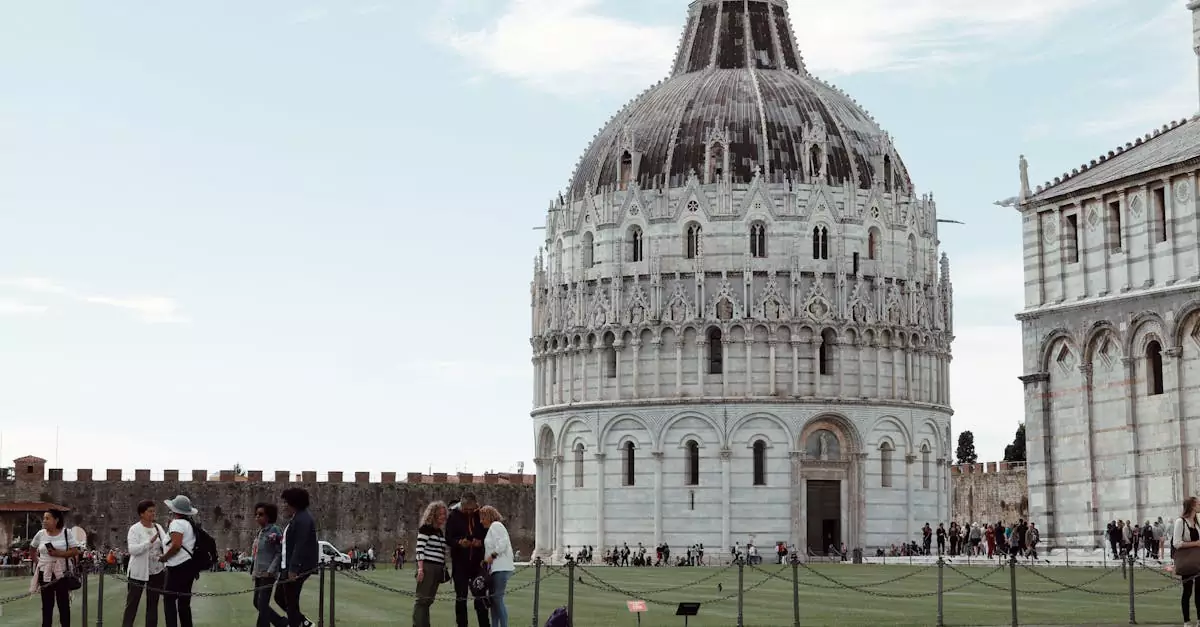
To truly eat like a local in Italy, venture beyond the tourist-heavy piazzas. The heart of Italian dining often lies in unassuming trattorias and osterias. These establishments typically offer a more traditional, home-style cooking experience, often at more accessible prices. Trattorias tend to be slightly more formal than osterias, but both prioritize authentic regional dishes prepared with fresh, seasonal ingredients.
Identifying True Local Eateries: Signs to Look For
Spotting an authentic spot among the many restaurants can be a delightful challenge. Look for places filled with locals, especially during lunchtime on weekdays; this is a strong indicator of quality and value. Menus written on chalkboards or handwritten, often only in Italian, are also good signs. A limited menu that changes frequently suggests a kitchen focused on seasonal availability rather than a vast, generic offering.
Many of these authentic places might not have elaborate signage or multilingual menus. A simple, unpretentious exterior often hides the best culinary gems. Don’t hesitate to peek inside or ask a local for a recommendation. The absence of aggressive touts trying to lure you in is another positive sign.
Navigating Menus Written in Italian: Key Phrases to Know
While many restaurants in tourist areas offer English menus, venturing off the beaten path means you’ll likely encounter Italian-only menus. Knowing a few key phrases can greatly enhance your dining experience and help you order with confidence.
- Antipasti: Starters or appetizers.
- Primi Piatti: First courses, typically pasta, risotto, or soup.
- Secondi Piatti: Main courses, usually meat or fish.
- Contorni: Side dishes, vegetables or salads to accompany your main.
- Dolci: Desserts.
- Vino della Casa: House wine, often a good and affordable choice.
- Coperto: A cover charge per person, common in many regions, which usually includes bread.
Understanding these basic terms will demystify the menu and allow you to appreciate the structure of a traditional Italian meal.
The Importance of Seasonal Ingredients in Italian Cooking
Italian cuisine is deeply rooted in the philosophy of using ingredients at their peak freshness. This commitment to seasonality means that dishes can vary significantly depending on the time of year and the specific region you are visiting. For instance, spring might bring dishes featuring asparagus and peas, while autumn highlights mushrooms and truffles.
Embracing this seasonality is one of the best tips for dining like a local in Italy. Ask your server what’s fresh and recommended that day. This not only ensures you’re enjoying the most flavorful produce but also supports local farmers. Experiencing these seasonal specialties provides a genuine taste of Italian culinary traditions, connecting your meal directly to the land and its harvest.
How to Order Coffee Like an Italian: Espresso, Cappuccino, and More
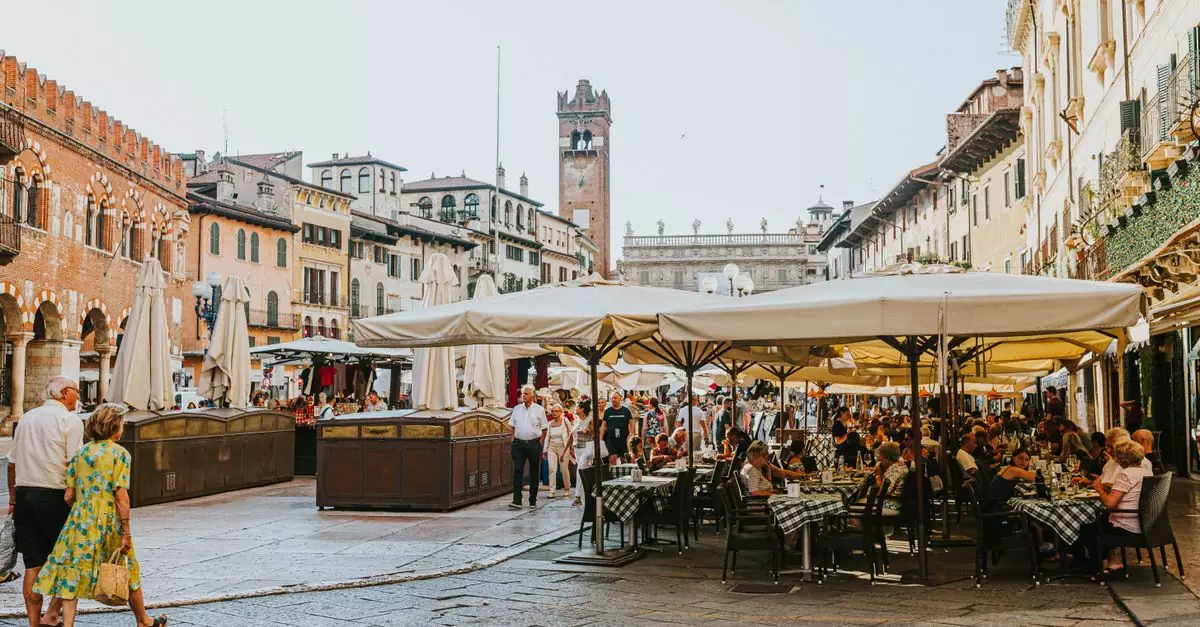
Understanding Italian coffee culture is key to enjoying your morning (or afternoon) pick-me-up like a local. Forget oversized lattes and elaborate customizations; Italian coffee is about simplicity, quality, and ritual. Mastering how to order coffee means embracing these principles.
When to Order Which Coffee Drink
The timing and type of coffee you order are important to Italians. A cappuccino, for instance, is traditionally a morning drink, rarely consumed after lunch. Ordering one at 3 PM might elicit a surprised look.
- Espresso (Caffè): This is the foundation of Italian coffee. It’s a small, strong shot typically enjoyed standing at the bar. It can be had any time of day.
- Macchiato: An espresso “stained” with a small amount of foamed milk. It’s a good compromise if a pure espresso is too intense.
- Cappuccino: Equal parts espresso, steamed milk, and foamed milk. Best enjoyed before 11 AM.
- Caffè Latte: More milk than a cappuccino, less foam. It’s also generally considered a morning drink.
- Latte Macchiato: Steamed milk with a shot of espresso poured in, creating layers. This is often seen as a more “milk-heavy” drink and is also typically a morning choice.
- Caffè Corretto: An espresso “corrected” with a shot of liquor, like grappa or sambuca. A popular digestif or morning boost.
The Italian Coffee Bar Etiquette
Italian coffee bars are social hubs, and there’s a rhythm to how things work. Observing these unwritten rules will make your experience smoother and more authentic.
First, most Italians order and consume their coffee standing at the bar. This is not only faster but also significantly cheaper than sitting at a table, where a service charge is often added. If you choose to sit, expect to pay more for the privilege.
When ordering, be direct. State what you want clearly and concisely. Italians usually order their coffee at the cashier, pay, and then take the receipt to the barista. The barista will then prepare your drink. A simple “Un caffè, per favore” (An espresso, please) or “Un cappuccino, per favore” is perfectly acceptable.
Avoiding Common Coffee Mistakes Tourists Make
Many visitors make small missteps that mark them as tourists. The most common mistake is ordering a large, milky coffee drink like a cappuccino or caffè latte in the afternoon or evening. Italians view these as breakfast items, and ordering them later is unusual.
Another frequent error is expecting extensive customization options. Italian coffee culture values the inherent quality of the espresso and the balance of the milk. Asking for extra shots, syrups, or non-dairy milk alternatives beyond the basics (if available) is uncommon. Stick to the traditional offerings for the most authentic experience.
Finally, remember the speed. Italians often grab their espresso at the bar, drink it quickly, and are on their way. It’s a brief, invigorating ritual, not a lingering social event like a coffee shop experience in other parts of Europe. Embracing this quick, efficient style is part of truly eating like a local.
Smart Shopping at Italian Markets for Fresh, Local Produce
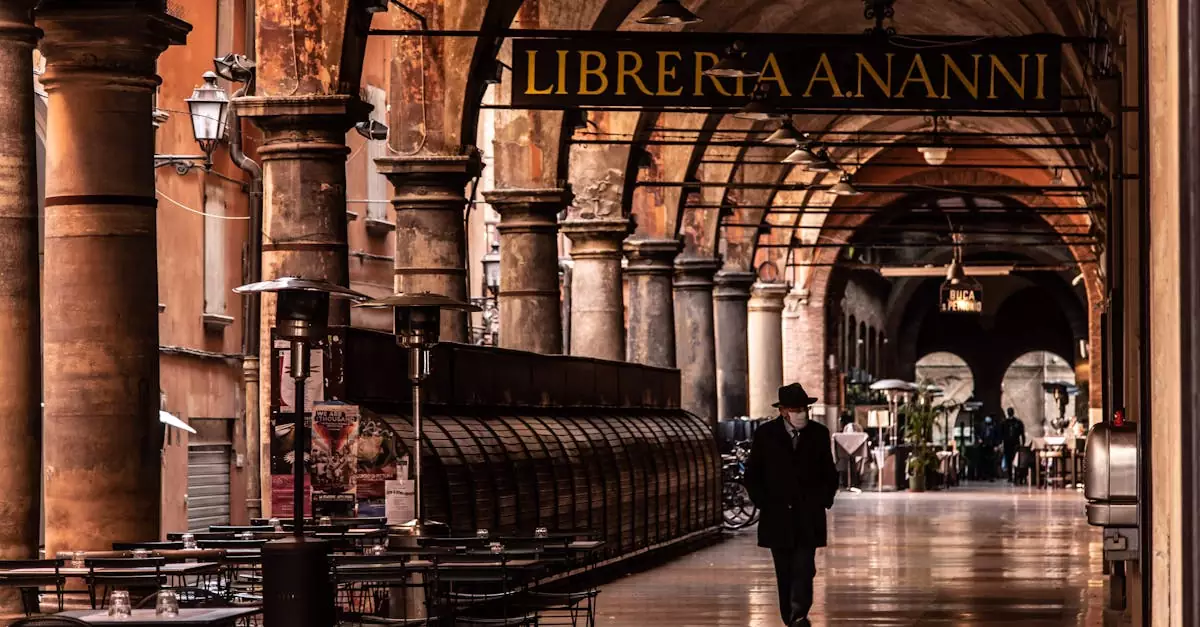
To eat like a local in Italy, embrace the vibrant chaos and sensory delights of its public markets. These are not just grocery stores; they are social hubs, cultural institutions, and the heart of Italian culinary traditions. Visiting a local market offers a direct connection to the land and the people who cultivate its bounty.
Visiting Mercato Centrale in Florence: A Culinary Hub
Florence’s Mercato Centrale, located in the San Lorenzo market district, is a must-visit for any food lover. The ground floor is a traditional market brimming with stalls selling fresh produce, meats, cheeses, olive oils, and local specialties. Here, you can find everything from ripe tomatoes and fragrant basil to artisanal salumi and Pecorino Toscano cheese. The upstairs food court offers a modern take, with prepared dishes and gourmet options, but for authentic ingredients, stick to the ground level.
Arrive early, ideally between 9 AM and 11 AM, to experience the market at its liveliest. This is when vendors are stocking their stalls and locals are doing their daily shopping. Don’t hesitate to engage with the vendors; they are often passionate about their products and happy to offer samples or recommendations. Learning a few basic Italian phrases like “Quanto costa?” (How much does it cost?) and “Posso assaggiare?” (Can I taste?) will go a long way.
Exploring Local Markets in Rome: Campo de’ Fiori and Beyond
Rome boasts a wealth of fantastic markets, each with its unique character. Campo de’ Fiori is perhaps the most famous, a bustling piazza that transforms into a vibrant market each morning. You’ll find a colorful array of fruits, vegetables, flowers, and local products. While it can be a bit touristy, it’s still worthwhile for its atmosphere and quality goods.
For a more authentic Roman market experience, consider visiting Mercato Trionfale, one of the city’s largest. It’s a fantastic place to find high-quality produce, fresh pasta, and regional specialties at local prices. Mercato Testaccio is another excellent option, known for its diverse food stalls and lively atmosphere, offering a true taste of Roman street food alongside fresh ingredients. When navigating these markets, keep an eye on your belongings, as they can get crowded.
Tips for Buying Cheese and Cured Meats Like a Pro
Italian cheese and cured meats, or salumi, are world-renowned for a reason. When shopping at a market, look for vendors specializing in these items. They can guide you through the vast selection, from creamy mozzarella di bufala to aged Parmigiano-Reggiano and a variety of cured hams like Prosciutto di Parma and San Daniele.
Don’t hesitate to ask for a taste before buying. Many vendors will happily offer small samples. Pay attention to the labels and inquire about the origin of the products; regional specialties are often the most authentic and delicious. For salumi, look for items that are hand-sliced, indicating a higher quality and better texture. A good rule of thumb is to buy from smaller, independent vendors who take pride in their artisanal products. If you’re traveling extensively, consider purchasing vacuum-sealed options for easier transport.
Frequently Asked Questions About Eating Like a Local in Italy
Navigating dining in a new country can raise questions. Here are answers to common queries for travelers seeking authentic Italian cuisine.
Is it rude to ask for modifications to dishes?
Generally, it’s best to avoid significant modifications to traditional dishes. Italian cuisine emphasizes the purity of ingredients and established recipes. Asking to remove a key component or substitute ingredients can be seen as disrespectful to the chef and culinary tradition.
However, minor requests like “no garlic” or “sauce on the side” might be accommodated, especially in more tourist-oriented establishments. For dietary restrictions, researching common dishes that fit your needs beforehand is advisable.
What’s the tipping culture in Italian restaurants?
Tipping in Italy is not as ingrained as in some other countries. Many restaurants include a coperto (cover charge) per person, which accounts for bread and service. Some establishments may also add a servizio (service charge) to the bill.
If the service has been exceptional and no service charge is included, leaving a small amount, typically a few euros or rounding up the bill, is appreciated but not mandatory. It’s a gesture of gratitude rather than an expectation.
Can I find vegetarian or vegan options easily?
Yes, vegetarian options are readily available, as many traditional Italian dishes are naturally vegetable-based. Think pasta al pomodoro, melanzane alla parmigiana (eggplant parmesan), and various bean or lentil soups.
Vegan options require a bit more attention. While many dishes are dairy-free, cheese is a common ingredient. Look for explicitly marked vegan dishes or ask your server. Many restaurants are becoming more accommodating, but knowing a few Italian phrases to communicate your needs, such as “Sono vegano/a” (I am vegan), is helpful.
What are common tourist traps to avoid when dining?
Tourist traps often feature overly broad menus, aggressive touts outside, and dishes that are Americanized rather than authentic. Be wary of restaurants in prime tourist squares that offer “international” menus or “Italian sampler platters.”
Look for restaurants filled with locals, especially during lunch hours. Check menus for regional specialties, indicating a focus on authenticity. Prices that seem too good to be true for a central location might also be a red flag. Dining away from the most crowded tourist hubs often leads to better value and more genuine flavors.