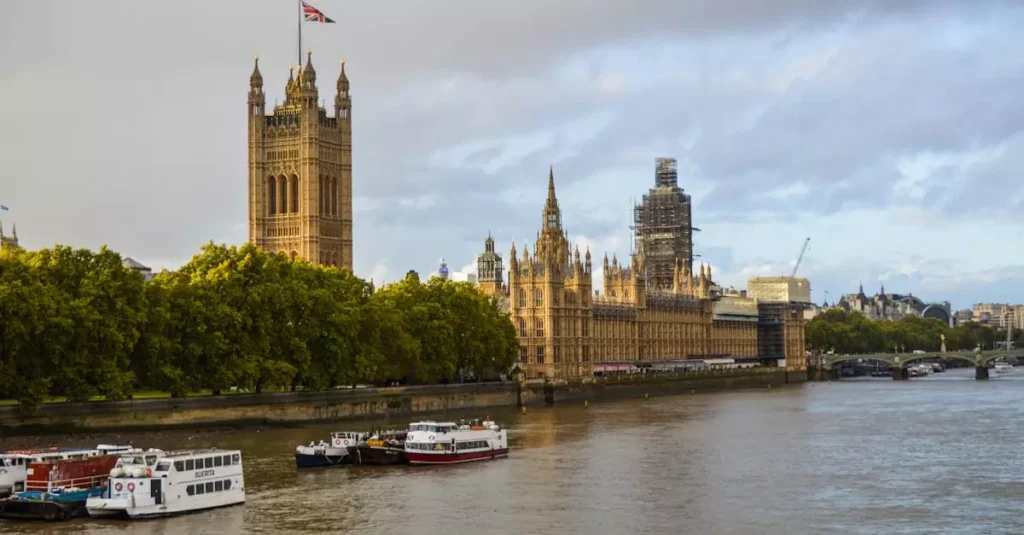
England’s history is intricately linked to its monarchy, and for travelers eager to step back in time, its royal palaces and castles provide an unparalleled experience. Exploring these magnificent sites offers a direct connection to centuries of tradition, power, and pageantry. From the iconic Changing of the Guard at Buckingham Palace to the ancient grandeur of Windsor Castle and the Tudor splendor of Hampton Court, the best royal destinations in England promise unforgettable experiences. This guide will navigate you through the most captivating royal landmarks, revealing their historical significance, offering practical visiting tips, and suggesting immersive ways to engage with the nation’s regal heritage. Prepare to uncover the enduring legacy of England’s kings and queens as we unveil the stories within their historic homes.
Unveiling England’s Most Majestic Royal Destinations
England’s rich history is woven with tales of royalty, evident in its magnificent palaces and castles. For travelers wanting to immerse themselves in monarchical grandeur, exploring these iconic sites provides a tangible connection to the nation’s past. From the daily ceremonies of the monarchy to ancient fortifications, England’s premier royal destinations deliver unforgettable experiences.
A Day at Buckingham Palace: Witnessing the Changing of the Guard
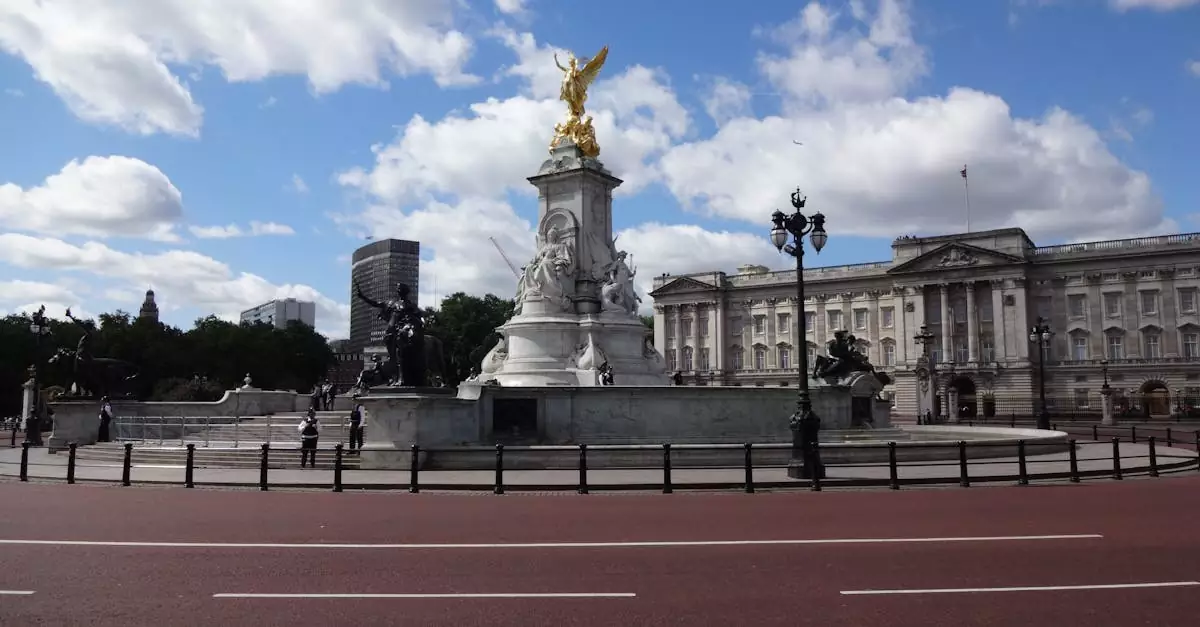
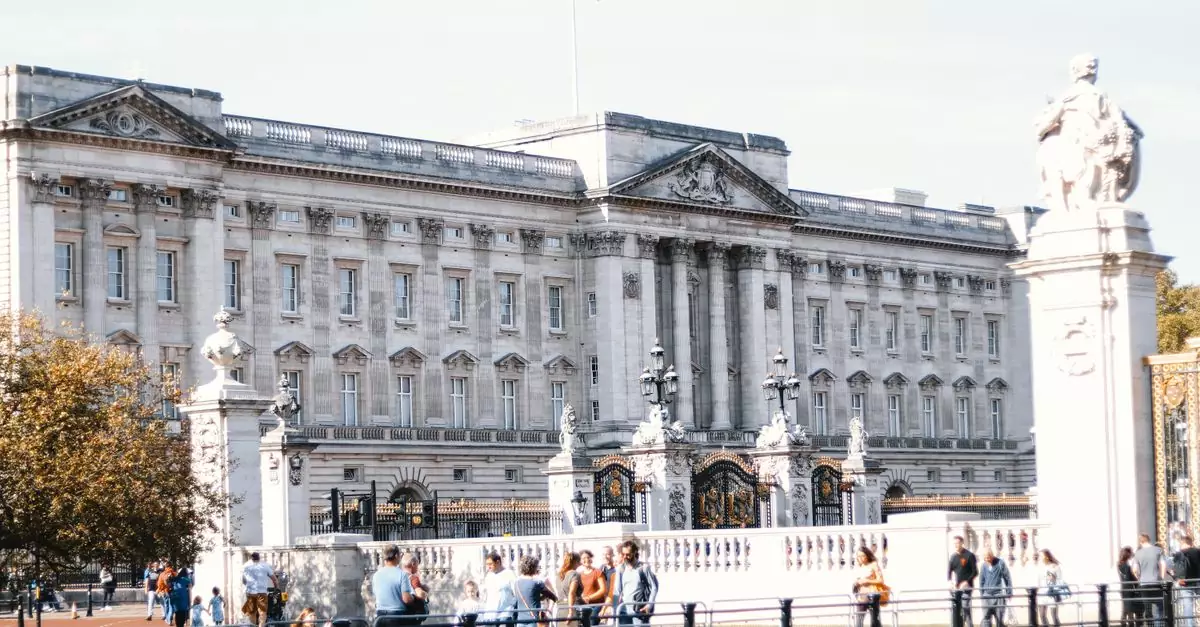
Buckingham Palace, the official London residence of the monarch, embodies British pageantry. The Changing of the Guard ceremony, a quintessential London experience, attracts crowds daily during peak season. This elaborate display of precision marching and military music occurs on the forecourt, offering a glimpse into enduring traditions. Arriving early is essential to secure a good viewing spot, particularly in the summer months.
Beyond the ceremony, visitors can tour the State Rooms during the summer when the King is not in residence. These opulent rooms showcase the royal art collection and provide insight into the palace’s function as a working royal headquarters. Reaching Buckingham Palace is straightforward, with several London Underground stations nearby, including Victoria, Green Park, and Hyde Park Corner.
- Getting there:
- Tube: Victoria (Victoria, Circle, District lines), Green Park (Piccadilly, Victoria, Jubilee lines), Hyde Park Corner (Piccadilly line)
- Bus: Numerous routes stop nearby.
- Best time to visit: Summer for State Room tours and more frequent guard changes. Check the official schedule, as it can vary.
- Budget tip: While the State Rooms have an entrance fee, viewing the Changing of the Guard from the outside is free.
Exploring Windsor Castle: The Oldest Occupied Royal Palace
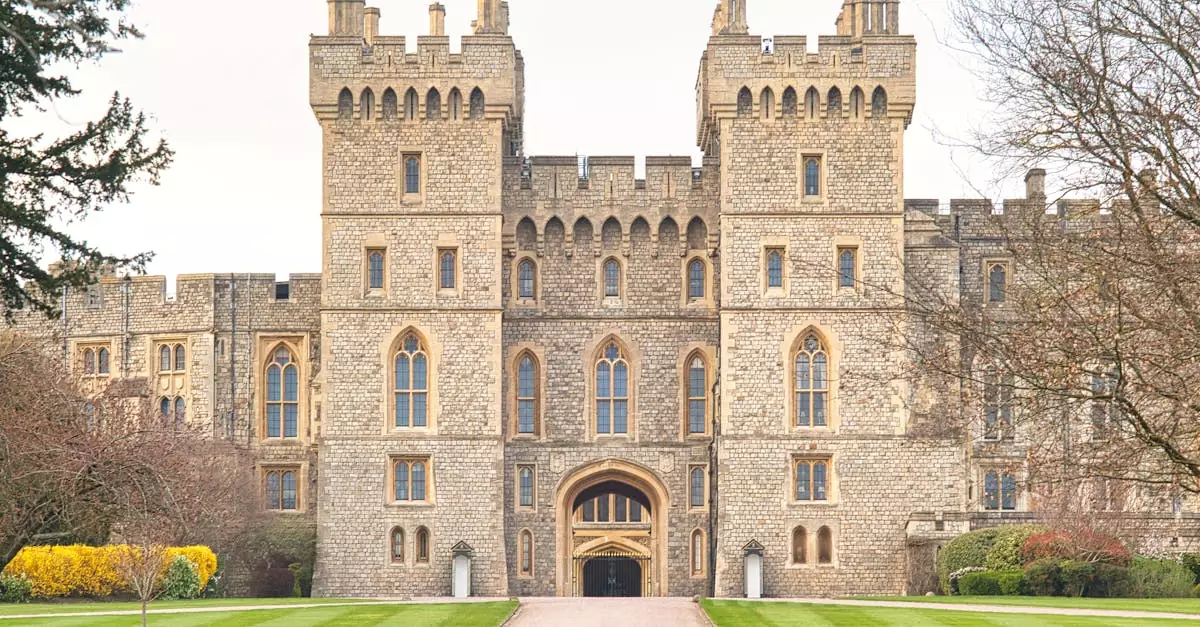
Just a short train ride from London, Windsor Castle is a testament to royal power and architectural evolution. This vast fortress has served as a royal home for over 900 years, making it the oldest and largest occupied castle in the world. Its strategic location on a chalk bluff overlooking the River Thames has significantly influenced its history.
Visitors can explore the magnificent State Apartments, housing a remarkable collection of royal art and furnishings. St. George’s Chapel, a masterpiece of Gothic architecture and the final resting place of ten monarchs, is another highlight. The castle grounds also offer picturesque walks. The journey from London Paddington or Waterloo stations to Windsor & Eton Riverside or Windsor & Eton Central stations is efficient, making it an accessible day trip.
- Transportation from London: Trains run regularly from London Paddington (to Windsor & Eton Central) and London Waterloo (to Windsor & Eton Riverside). The journey takes approximately 45-60 minutes.
- What to see: State Apartments, Queen Mary’s Dolls’ House, St. George’s Chapel.
- Traveler insight: Allow at least half a day to fully appreciate Windsor Castle’s scale and history.
Hampton Court Palace: Henry VIII’s Tudor Masterpiece
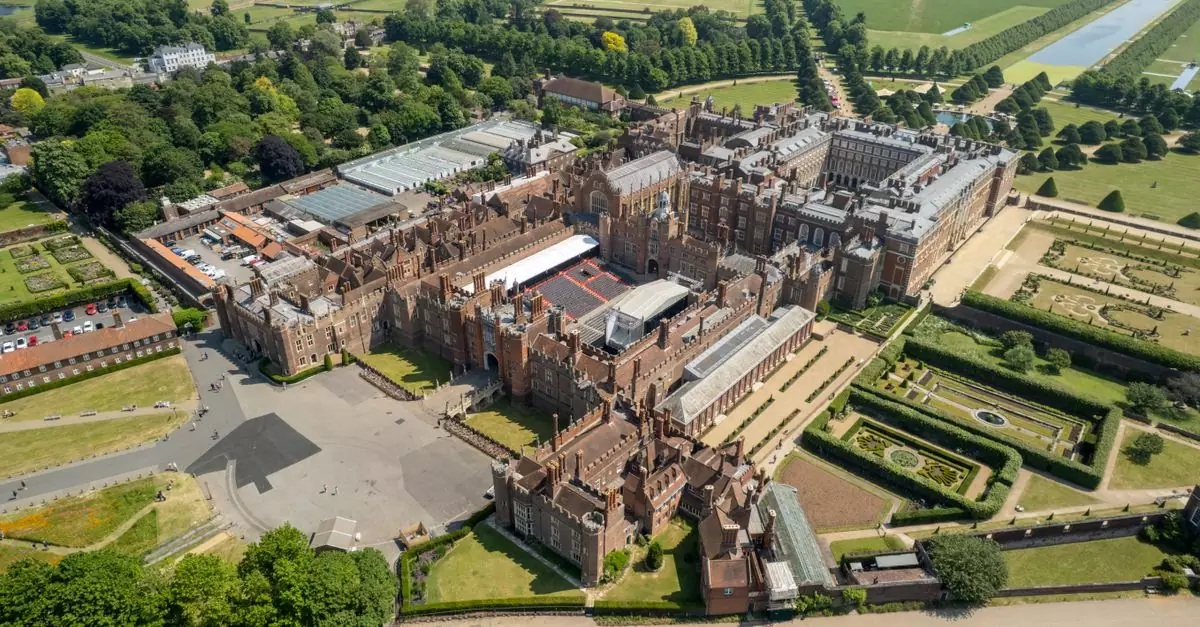
Hampton Court Palace offers a vivid journey back to the Tudor era, most famously linked to King Henry VIII. This magnificent palace, situated along the River Thames, showcases the grandeur and intrigue of his reign. Visitors can wander through the historic kitchens, envision feasts in the Great Hall, and explore the Tudor tennis court.
The palace also features stunning Baroque architecture from the era of William III and Mary II, added later in its history. The extensive gardens are a major draw, featuring the famous Tudor maze and the Great Vine, one of the largest in the world. Getting to Hampton Court is straightforward via a direct train from London Waterloo.
- Getting there: Direct trains from London Waterloo to Hampton Court station take around 35 minutes.
- Must-see: Henry VIII’s Great Hall, the Haunted Gallery, the Privy Garden, and the Maze.
- Seasonal consideration: The gardens are particularly beautiful from spring through autumn.
Beyond London: Royal Escapes in the English Countryside
While London boasts iconic royal landmarks, England’s countryside offers a more intimate glimpse into royal life. These estates and gardens provide a different perspective on the monarchy’s connection to the land and its heritage. Visiting these locations often involves a scenic drive, allowing for appreciation of the broader English landscape.
Sandringham Estate: A Royal Family Retreat in Norfolk
Located in Norfolk, Sandringham House has been a private residence of the British Royal Family since 1862. It’s the only royal estate open to the public for much of the year, providing a unique opportunity to step onto grounds frequented by monarchs. Visitors can tour the house, which offers insights into the family’s personal tastes and history, although it closes seasonally.
The surrounding country park and gardens are extensive and accessible even when the house is closed. These grounds provide a peaceful setting for walks, allowing visitors to appreciate the natural beauty that has long attracted the royals. The estate also includes a museum and a café, making it a well-rounded day trip destination.
Logistics for Sandringham:
- Getting There: Sandringham is best reached by car, located near King’s Lynn. Public transport options are limited, involving trains to King’s Lynn followed by a taxi or local bus.
- Best Time to Visit: The house is typically open from April to October. The country park and gardens can be visited year-round, but check specific opening times.
- What to See: House interiors, gardens, museum, and the church of St. Mary Magdalene, where the Royal Family worships.
Balmoral Castle: Scotland’s Royal Highland Haven (Day Trip Potential)
Although situated in Scotland, Balmoral Castle is a significant royal destination and can be a feasible, albeit long, day trip from parts of northern England or a worthwhile stop on a wider tour of the United Kingdom. This Highland estate has been the Scottish home of the Royal Family since 1852 and is renowned for its stunning natural setting. Visitors can explore the grounds, gardens, and the one room within the castle that is open to the public – the ballroom, which displays exhibits of royal life.
The sheer scale and beauty of the surrounding Aberdeenshire landscape are major attractions. Activities like walking and enjoying the Highland scenery are central to the Balmoral experience, offering a stark contrast to the more manicured estates found further south.
Travel Considerations for Balmoral:
- Accessibility: Driving is the most practical way to reach Balmoral. Public transport involves coaches or trains to nearby towns like Ballater, followed by local services or taxis.
- Opening Season: The castle and grounds are generally open to the public from April to July, before the Royal Family arrives for their summer break.
- Activities: Exploring the castle ballroom, walking the estate trails, and enjoying the dramatic Scottish landscape.
Highgrove Gardens: A Glimpse into Royal Horticulture
Highgrove Gardens, located in Gloucestershire, offers a different kind of royal connection – one focused on Prince Charles’s passion for organic gardening and conservation. These gardens are not a historical palace but a living testament to royal commitment to environmental principles. Tours are guided and focus on the various distinct areas, including the Wildflower Meadow, the Kitchen Garden, and the Thigmotrope.
The emphasis here is on sustainability and the harmonious integration of nature and design. It’s an excellent destination for garden enthusiasts and those interested in the Prince’s personal projects. Booking well in advance is essential, as tours are limited and highly sought after.
Planning a Visit to Highgrove:
- Location: Near Tetbury, Gloucestershire.
- Tours: Guided tours are available on specific dates, typically from April to October. Booking is mandatory and can be done through their official website.
- What to Expect: An in-depth look at Prince Charles’s award-winning organic gardens, focusing on horticultural and conservation practices.
Immersive Royal Experiences: Living Like Royalty
Beyond merely visiting historical sites, immersing yourself in England’s royal heritage means seeking experiences that allow you to live, even briefly, like royalty. This involves understanding the traditions, staying in fitting accommodations, and exploring towns steeped in centuries of royal connection.
Attending a Royal Event or Garden Party
Experiencing a royal event offers a unique glimpse into the pageantry and tradition that define the British monarchy. While access to official state events is limited, the UK hosts numerous public ceremonies and celebrations throughout the year. The Trooping the Colour, the King’s official birthday parade, is a spectacular display of military precision and royal presence held in June. Many royal residences also host special events, such as summer garden parties, concerts, or exhibitions, often requiring advance booking.
Attending a garden party provides a chance to dress in formal attire and mingle in the elegant grounds of a palace. These events, though not directly hosted by the monarch for the general public, are often organized by charities or institutions with royal patronage, offering a taste of aristocratic social life. Checking the official websites of royal residences like Buckingham Palace or Windsor Castle for their event calendars is crucial for planning a visit around these special occasions.
Staying in a Royal-Themed Accommodation
For an authentic and memorable stay, consider accommodations that reflect the grandeur of royal residences. Many historic hotels across England were once aristocratic homes or designed with regal splendor in mind. These establishments often feature opulent decor, antique furnishings, and impeccable service, aiming to provide a luxurious experience reminiscent of a bygone era.
You might find yourself staying in a country manor house that once hosted royalty or a boutique hotel in London with suites named after historical royal figures. These places often offer fine dining, spa facilities, and guided tours that delve into their own aristocratic past. Booking well in advance is recommended, especially for the most sought-after royal-themed hotels, as they are popular with those seeking a touch of luxury and history.
Tracing Royal History Through Historic Towns
Several towns and cities across England are intrinsically linked to the monarchy, offering a rich tapestry of royal history waiting to be uncovered. From the ancient coronation site of Westminster Abbey in London to the historic university city of Oxford, where royal connections abound, these locations provide context and depth to the royal narrative. Exploring these towns allows you to walk in the footsteps of kings and queens, visiting palaces, castles, and significant historical landmarks.
For a comprehensive royal journey, consider a trip connecting several historically significant places. For example, start in London to see the Crown Jewels at the Tower of London, then venture to Windsor Castle, the oldest and largest inhabited castle in the world, and perhaps continue to Hampton Court Palace, with its Tudor and Baroque grandeur. Each town offers a different facet of England’s royal story, from medieval fortifications to Georgian elegance.
A useful approach for planning such a trip is to map out a route that links key royal sites. This allows for efficient travel and a deeper understanding of the historical progression of the monarchy. Many of these towns are well-connected by train, making it feasible to visit multiple locations within a single trip.
Planning Your Royal England Itinerary: A Step-by-Step Guide
Planning a journey through England’s regal past requires thoughtful consideration of timing, travel, and distances involved. Whether you dream of walking the halls of Windsor Castle or witnessing the Crown Jewels, a well-structured itinerary will enhance your experience. This guide helps you navigate the logistics of visiting these historic sites.
Best Time of Year to Visit England’s Royal Sites
The ideal time to experience England’s royal destinations often depends on your tolerance for crowds and weather. Spring (April to May) and autumn (September to October) offer pleasant temperatures and fewer visitors than the peak summer months. You’ll find the gardens at places like Hampton Court Palace in full bloom during spring, while autumn provides a beautiful backdrop with changing foliage.
Summer (June to August) is the busiest period, with school holidays drawing larger crowds to popular attractions. While the weather is generally warmer, expect longer queues and higher accommodation prices. Winter (November to March) sees the fewest tourists, offering a more tranquil experience. However, some attractions may have reduced opening hours, and the weather can be cold and damp, impacting outdoor exploration.
Navigating Between Royal Destinations: Train vs. Car
Choosing between train travel and a rental car significantly impacts your journey’s flexibility and pace. England’s rail network is extensive and efficient, connecting major cities and towns with relative ease. For instance, reaching Windsor from London is a straightforward train journey. This option is often less stressful than driving in congested areas and allows you to relax and enjoy the scenery.
| Travel Method | Pros | Cons | Best For |
|---|---|---|---|
| Train | Efficient, relaxing, avoids traffic, eco-friendly | Fixed routes, less flexibility for remote sites | City-to-city travel, solo travelers, couples |
| Car | Maximum flexibility, access to rural areas | Parking challenges, traffic, navigation stress | Families, those visiting multiple rural sites |
Renting a car offers unparalleled freedom, especially if your itinerary includes less accessible castles or smaller royal residences outside major urban centers. However, be prepared for driving on the left, navigating narrow country lanes, and finding parking, which can be expensive and scarce in popular tourist spots. For a balanced approach, consider using trains for longer inter-city journeys and renting a car for day trips from a central base.
Crafting a 7-Day Royal Explorer’s Itinerary
A week allows for a comprehensive exploration of England’s most significant royal landmarks. This sample itinerary focuses on key sites accessible from London, offering a blend of history, grandeur, and cultural immersion.
Day 1-2: London’s Royal Heart
Begin in London, focusing on the Tower of London to see the Crown Jewels and Buckingham Palace for the Changing of the Guard. Explore Westminster Abbey, the site of coronations and royal weddings. Consider a guided tour to gain deeper historical context.
Day 3: Windsor Castle
Take a day trip to Windsor Castle, the oldest and largest inhabited castle in the world. It’s easily accessible by train from London Paddington or Waterloo. Allocate a full day to explore the State Apartments and St. George’s Chapel.
Day 4: Hampton Court Palace
Journey to Hampton Court Palace, Henry VIII’s magnificent Tudor estate. This can be reached by train from London Waterloo. Immerse yourself in the palace’s history, its famous maze, and the stunning gardens.
Day 5: Day Trip to Bath & Royal Crescent
Opt for a train to Bath, a UNESCO World Heritage city. While not a traditional castle, the elegant Georgian architecture, including the Royal Crescent, reflects a different era of British nobility and royal influence. This offers a change of pace from the grand palaces.
Day 6: A Rural Castle Experience (e.g., Warwick)
Consider a longer day trip or an overnight stay to visit Warwick Castle. This requires a train journey to Warwick from London Marylebone or Euston, often with a change. It offers a more medieval castle experience, showcasing battles and daily life.
Day 7: Return to London or Departure
Spend your final day revisiting a favorite London spot, souvenir shopping, or preparing for your departure. This itinerary can be adjusted based on your interests and pace. For example, those fascinated by royal history might dedicate more time to London’s museums.
What Are the Must-See Crown Jewels and Royal Artifacts?
For those intrigued by the history and pageantry of the British monarchy, viewing the Crown Jewels is a quintessential experience. These priceless artifacts provide a tangible connection to centuries of royal tradition and power, making them a highlight of any trip to England.
The Crown Jewels at the Tower of London: A Dazzling Display
The most famous collection of royal treasures resides within the Tower of London, a historic fortress on the north bank of the River Thames. Here, the Crown Jewels are securely housed and publicly displayed, attracting millions of visitors annually. The collection includes over 23,000 gemstones, comprising the most brilliant cut diamonds, precious stones, and regal regalia in the world.
Visiting the Jewel House requires planning, especially during peak tourist seasons. Consider purchasing tickets in advance online to minimize wait times. The Tower of London itself is a significant historical site, so allocate at least half a day to fully appreciate both the jewels and the surrounding castle.
Royal Regalia and Historic Treasures
Beyond the dazzling crowns, the Crown Jewels encompass a wide array of objects essential for coronations and royal ceremonies. These include the Sovereign’s Sceptre with Cross, which holds the magnificent Cullinan I diamond (the Great Star of Africa), and the Sovereign’s Orb, symbolizing the monarch’s power. Other notable items include the St Edward’s Crown, used for the moment of crowning, and the Imperial State Crown, worn by the monarch at state occasions.
Many of these artifacts date back to the 17th century, with some pieces representing earlier traditions. Their intricate craftsmanship and the sheer value of the materials used are astonishing. Understanding the historical context of each piece enhances the viewing experience, revealing their role in shaping British history and the continuity of the monarchy.
Understanding the Significance of Royal Symbols
The regalia are more than just valuable objects; they are potent symbols of sovereignty, divine right, and national identity. The Crown represents authority and legitimacy, while the Sceptre signifies power and justice. The Orb, often depicted with a cross, underscores the monarch’s role as defender of the faith.
These symbols have been integral to coronations for centuries, each element of the ceremony imbued with deep meaning. For instance, the Anointing Spoon, the oldest piece in the collection, is used in the sacred ritual of anointing the monarch with holy oil. Exploring these royal artifacts provides unique insight into the enduring traditions and symbolic language of the British monarchy, making a visit to the Tower of London one of the best royal destinations in England for history enthusiasts. Travelers interested in broader European royal history might find visits to palaces on the continent equally fascinating.
Frequently Asked Questions About Visiting England’s Royal Destinations
What is the most accessible royal destination in England?
For ease of access, London stands out as the most convenient hub for exploring royal sites. Many of England’s best royal destinations are concentrated within or easily reachable from the capital. Buckingham Palace, the Tower of London, and Kensington Palace are all within London, well-served by public transport. The city’s extensive transportation network makes navigating between these landmarks straightforward for visitors.
Are there royal destinations suitable for families with children?
Yes, several royal destinations offer engaging experiences for families. The Tower of London is a popular choice, with its history of prisoners, crown jewels, and the famous Beefeaters sparking children’s imaginations. Windsor Castle, the oldest and largest inhabited castle in the world, often features historical reenactments and the changing of the guard ceremony that captivates younger visitors. Many palaces also have extensive grounds or gardens that provide space for children to run and explore.
What are some lesser-known royal sites or hidden gems in England?
Beyond the major palaces, England offers several fascinating, less crowded royal locations. Hampton Court Palace, while popular, often gets overlooked in favor of central London sites; its Tudor kitchens and maze are particularly memorable. Further afield, Eltham Palace, with its stunning Art Deco interior and beautiful gardens, provides a different perspective on royal history. For those interested in earlier periods, the ruins of Kenilworth Castle in Warwickshire offer a glimpse into medieval royal life and dramatic historical events.
What should I pack for a trip focused on royal landmarks?
Packing for a royal landmarks tour in England requires practicality. Comfortable walking shoes are essential, as you’ll be doing a lot of standing and walking around large estates and castles. Layers are key, as English weather can be unpredictable. Pack a waterproof jacket or umbrella, even in summer. Depending on the season, consider bringing sun protection. For visiting interiors, smart casual attire is generally appropriate, though some specific events might have dress codes. Remember a portable power bank for your phone, as you’ll likely be taking many photos.