Europe’s islands offer an unparalleled diversity of landscapes, cultures, and experiences, making them a dream destination for many travelers. From the dramatic volcanic cliffs of the Azores to the sun-drenched beaches of the Balearics, finding the best scenic islands Europe has to offer can feel like a delightful challenge. This guide will help you navigate this stunning array of choices.
You’ll discover essential information for planning your next island escape, including detailed looks at top destinations like Santorini, the Amalfi Coast islands, Mallorca, Sardinia, and Madeira. We’ll explore what makes each island unique, from their iconic vistas and hidden coves to practical travel tips and the best times to visit. Prepare to be inspired as we unveil some of the most breathtaking island paradises the continent has to offer.
Top 5 Most Breathtaking Scenic Islands in Europe
Europe boasts an incredible array of islands, each with its own unique charm and stunning scenery. From dramatic volcanic landscapes to idyllic coves, these destinations promise unforgettable experiences for any traveler. Planning a trip to the continent’s most beautiful islands in 2026 requires understanding what makes each one special.
Santorini, Greece: Iconic Caldera Views and White-Washed Villages
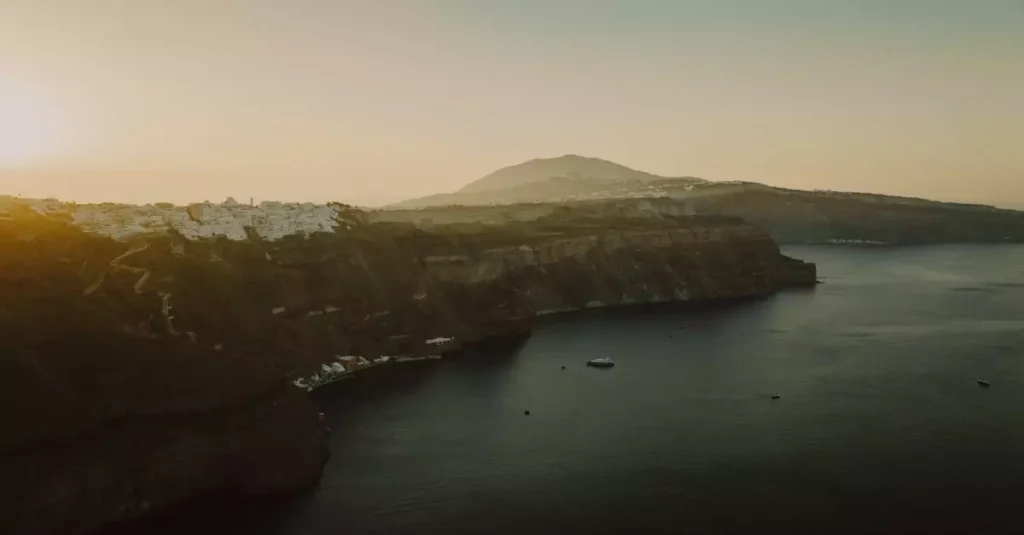
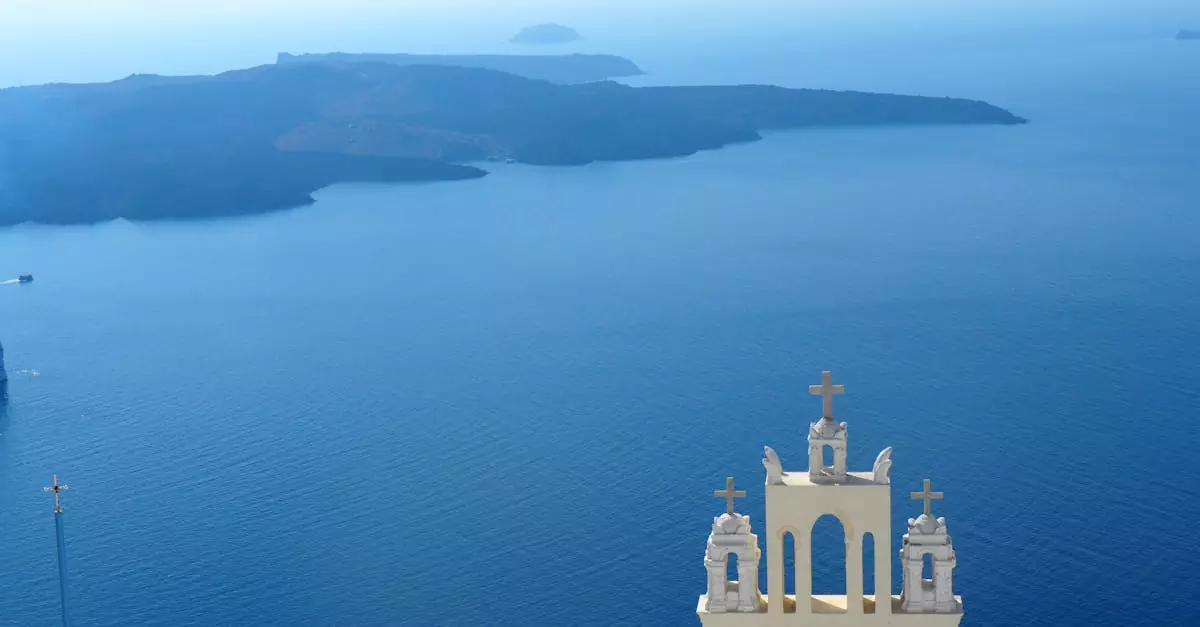
Santorini remains a quintessential European island destination, celebrated for its dramatic caldera, a sunken volcanic crater offering breathtaking sea views. The iconic white-washed villages of Oia and Fira cling to the cliffs, providing postcard-perfect vistas, especially at sunset.
Getting There & Around: Flights arrive at Santorini (Thira) National Airport (JTR), connecting from Athens and other major European cities. Ferries from Piraeus port in Athens are also popular. Within the island, ATVs, scooters, and local buses are common for navigating the winding roads and reaching different villages.
When to Visit: The shoulder seasons, April to early June and September to October, provide pleasant weather, fewer crowds, and more affordable prices compared to the peak summer months of July and August.
Traveler Tip: Book accommodations with caldera views well in advance, as they are highly sought after and can be expensive. Consider staying in less crowded villages like Imerovigli for a more tranquil experience.
Amalfi Coast Islands (Capri, Ischia), Italy: Dramatic Cliffs and Turquoise Waters
While technically part of the mainland’s Amalfi Coast, the islands of Capri and Ischia offer distinct island experiences characterized by rugged cliffs, vibrant blue waters, and charming towns. Capri is renowned for its glamorous atmosphere, the Blue Grotto, and the Faraglioni rock formations. Ischia, its larger neighbor, is known for its thermal spas, lush gardens, and more laid-back vibe.
Logistics: Both islands are easily accessible by ferry from Naples and Sorrento. Capri has a more upscale feel, with higher prices for dining and accommodation. Ischia offers a wider range of budget options and is ideal for those seeking relaxation and natural beauty.
Scenic Highlights: On Capri, a boat tour around the island is essential to see the grottoes and rock formations. Ischia’s Mount Epomeo provides panoramic views, and its numerous thermal parks offer therapeutic waters.
Mallorca, Spain: Diverse Landscapes from Mountains to Coves
Mallorca, the largest of Spain’s Balearic Islands, surprises visitors with its remarkable diversity. Beyond its famous beaches, the island features the dramatic Serra de Tramuntana mountain range, charming medieval villages like Valldemossa and Deià, and hidden calas (coves) with crystal-clear waters.
Activities: Hiking and cycling in the Tramuntana mountains are popular, offering stunning coastal and rural vistas. Exploring the island’s numerous beaches, from expansive sandy shores to secluded rocky inlets, is a must. Palma, the capital, boasts a magnificent Gothic cathedral and a vibrant culinary scene.
Best Time to Go: Spring (April-May) and autumn (September-October) provide ideal weather for outdoor activities and comfortable exploration without the intense summer heat and crowds.
Sardinia, Italy: Emerald Coastlines and Ancient Nuragic Sites
Sardinia offers a rugged, wild beauty with some of the most striking coastlines in the Mediterranean. The Costa Smeralda (Emerald Coast) is famous for its luxurious resorts and pristine beaches, but the island’s interior reveals a rich history with ancient Nuragic civilization sites, such as Su Nuraxi di Barumini.
Island Exploration: Renting a car is highly recommended to fully experience Sardinia’s diverse landscapes, from the stunning beaches of the south to the wilder north coast. The island’s interior is equally fascinating, with rolling hills and ancient traditions.
Cultural Immersion: Beyond its natural beauty, Sardinia offers a unique cultural experience with its distinct language, cuisine, and archaeological heritage. Travelers interested in history will find the Nuragic complexes captivating.
Madeira, Portugal: Lush Volcanic Beauty and Levada Walks
Known as the “Garden of the Atlantic,” Madeira is a volcanic archipelago renowned for its dramatic cliffs, lush laurel forests, and unique levada irrigation channels that form an extensive network of walking trails. The island’s steep terrain creates spectacular viewpoints and a microclimate that supports vibrant flora year-round.
Walking Paradise: The levada walks are Madeira’s signature attraction, offering routes for all fitness levels through stunning natural scenery. Pico Ruivo, the island’s highest peak, provides challenging hikes with rewarding panoramic views.
Getting Around: Funchal, the capital, is easily navigable on foot, but exploring the rest of the island requires a car rental or local buses. The mountainous terrain means roads can be winding and steep.
Budget Considerations: While Madeira can be an affordable European island destination, prices can rise during peak season and for accommodations with ocean views. Early booking is advised.
When Is the Best Time to Visit Europe’s Scenic Islands?
Choosing the right time to visit Europe’s most scenic islands significantly impacts your experience, from weather and crowds to prices. While each island has its nuances, understanding the general seasonal patterns across the continent will help you pinpoint the ideal window for your trip. Consider what you prioritize: sunshine and lively atmospheres or tranquility and lower costs.
Shoulder Season Bliss: April-May and September-October
The shoulder seasons offer a compelling balance for many travelers seeking the best scenic islands in Europe. During April, May, September, and October, you’ll often find pleasant weather without the intense heat of midsummer. Temperatures are typically mild, making them perfect for exploring coastal towns and hiking scenic trails.
These months also mean fewer crowds at popular destinations. You can enjoy attractions and beaches with more breathing room, and accommodation prices tend to be more reasonable than in July and August. The sea might still be cool for swimming in early spring, but by late September, it often retains its summer warmth. This period is excellent for photography, as the light is often softer and more dramatic.
Summer Peak: June-August for Warmest Weather
For those prioritizing guaranteed sunshine and warm sea temperatures, the summer months of June, July, and August are the prime time to visit Europe’s islands. This is when the weather is hottest and driest across most of the continent, ideal for beach holidays and water sports.
However, this peak season also brings the largest crowds and the highest prices for flights and accommodations. Popular islands can feel very busy, and booking well in advance is essential. If your heart is set on a classic Mediterranean summer experience, booking six months to a year ahead is advisable for the best selection and rates.
Winter Charm: November-March for Fewer Crowds
Visiting Europe’s scenic islands during the winter (November through March) offers a completely different, often more authentic, experience. While some islands, particularly in the Mediterranean, maintain a pleasant climate, others can be quite cool and damp. This is the time for true tranquility, with significantly fewer tourists.
Many hotels and restaurants may close for the season, especially on smaller, more tourist-dependent islands. However, for travelers interested in local culture, hiking in solitude, or enjoying dramatic coastal landscapes without the summer bustle, this period can be incredibly rewarding. Prices for accommodations are at their lowest, and you’ll have a more intimate connection with the local way of life.
Here’s a general overview of seasonal considerations for island travel in Europe:
| Season | Months | Weather | Crowds | Prices | Best For |
|---|---|---|---|---|---|
| Spring | April – May | Mild, pleasant, occasional rain | Moderate | Moderate | Sightseeing, hiking, fewer crowds |
| Summer | June – August | Hot, sunny, warm seas | High | High | Beach holidays, water sports, vibrant atmosphere |
| Autumn | September – October | Warm and sunny, cooling evenings | Moderate | Moderate | Swimming, sightseeing, photography, harvest festivals |
| Winter | November – March | Cool to mild, potential rain/wind | Low | Low | Solitude, local culture, dramatic landscapes |
Island Hopping Itineraries for Scenic European Escapes
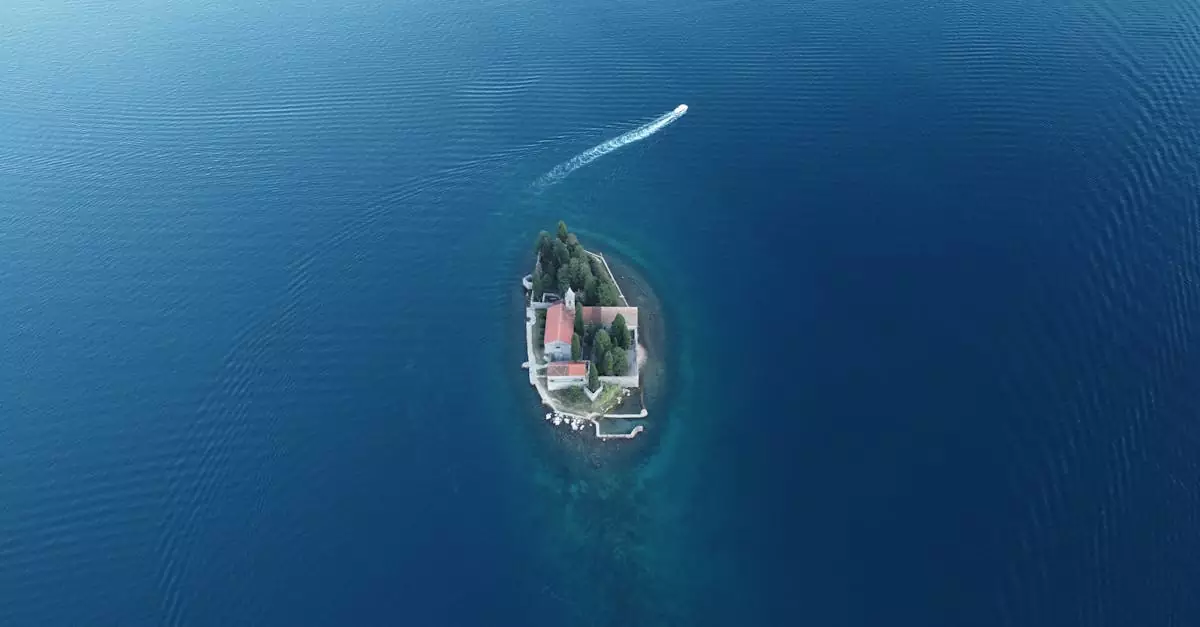
Europe offers a stunning array of islands, each with its own unique charm and breathtaking vistas. For travelers looking to experience the continent’s most picturesque coastlines and vibrant cultures, curated island-hopping itineraries provide an efficient and unforgettable way to explore. These routes connect some of the best scenic islands Europe has to offer, minimizing travel time between distinct destinations and maximizing your immersion in local life.
A Week in the Cyclades: Santorini, Mykonos, and Naxos
The Greek Cyclades archipelago is synonymous with whitewashed villages clinging to rugged cliffs, azure waters, and iconic sunsets. A week-long itinerary allows for a taste of three distinct islands, each offering a different facet of Aegean beauty.
Begin in Santorini, famous for its dramatic caldera views and volcanic beaches. Allocate at least two days here to witness the sunset in Oia, wander through Fira’s charming streets, and perhaps visit the ancient ruins of Akrotiri. Getting around Santorini is best managed with rental ATVs or scooters for flexibility, though local buses connect major towns.
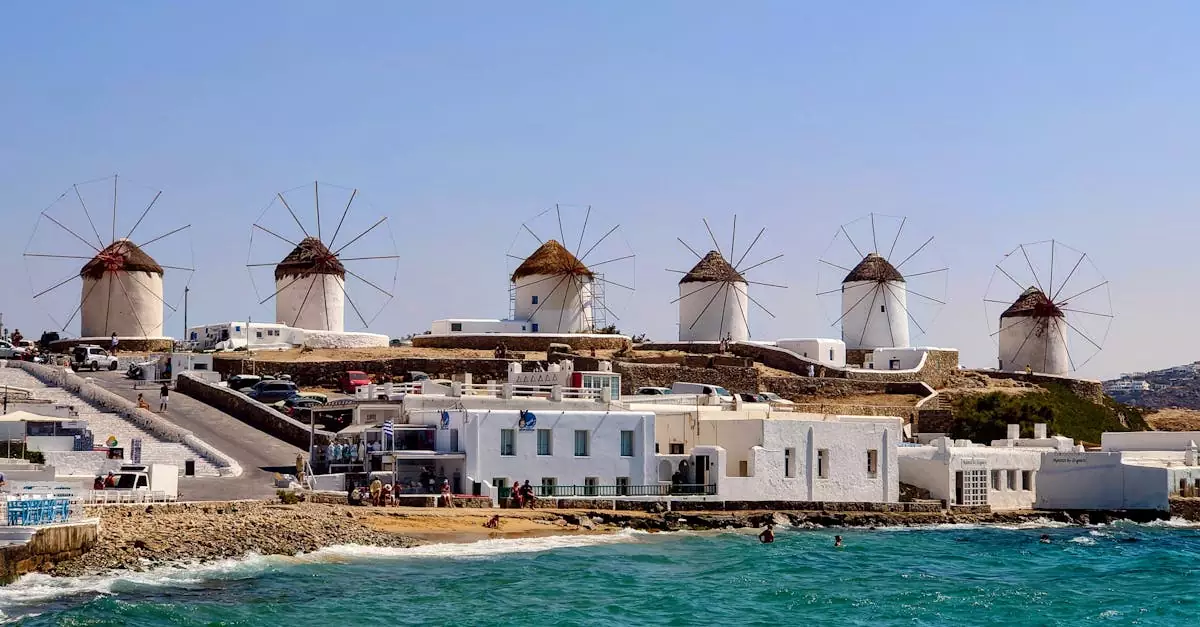
Next, take a ferry to Mykonos (approximately 2-3 hours). Known for its cosmopolitan vibe, windmills, and lively nightlife, Mykonos also boasts beautiful beaches like Psarou and Paradise. Spend two days soaking in the atmosphere of Mykonos Town (Chora) and relaxing by the sea. Ferries are the primary mode of inter-island transport, with frequent services between the Cyclades.
Conclude your trip on Naxos, the largest of the Cyclades, offering a more relaxed and authentic experience. Naxos appeals with its long sandy beaches, traditional mountain villages like Apeiranthos, and ancient sites such as the Portara. Spend the remaining days enjoying watersports or hiking. Naxos provides a gentler pace and is generally more budget-friendly than Santorini or Mykonos.
Logistics: Ferries are frequent and can be booked in advance, especially during peak season (June-August). Consider purchasing an island-hopping pass for potential savings. Accommodations range from luxury cave hotels in Santorini to charming guesthouses and beachfront apartments on Naxos.
Exploring the Italian Riviera’s Coastal Gems: Capri and the Amalfi Coast
While not strictly islands, the coastal towns of Southern Italy offer an unparalleled scenic experience, blending dramatic cliffs, vibrant villages, and crystal-clear waters. This itinerary focuses on the stunning beauty accessible from Naples.
Start your journey in Capri, a glamorous island renowned for its Blue Grotto, Faraglioni rock formations, and chic atmosphere. Spend two days exploring the towns of Capri and Anacapri, taking a boat tour around the island, and enjoying the breathtaking views from Monte Solaro. Ferries to Capri depart regularly from Naples and Sorrento.
From Capri, travel to the mainland and base yourself in one of the iconic Amalfi Coast towns like Positano, Amalfi, or Ravello. Positano, with its pastel-colored houses cascading down the cliffside, is particularly photogenic. Allocate at least three to four days to explore the coast. Day trips can include visits to Ravello for its stunning gardens and panoramic views, and Amalfi for its historic cathedral.
Getting around the Amalfi Coast involves a combination of ferries, local SITA buses, and taxis. Ferries offer the most scenic way to travel between coastal towns, avoiding the winding and often congested roads. Consider basing yourself in Sorrento for easier access to both Capri and the Amalfi Coast, or choose a town directly on the coast for a more immersive experience.
Budget: This region can be expensive, particularly Capri and Positano. Traveling in the shoulder seasons (April-May, September-October) can offer better value and fewer crowds.
A Southern Spanish Sojourn: Mallorca and Menorca
The Balearic Islands in Spain offer a diverse range of scenic beauty, from dramatic cliffs and hidden coves to rolling hills and charming ports. A week exploring Mallorca and Menorca provides a fantastic contrast.
Begin with Mallorca, the largest of the Balearic Islands. While known for its beaches, its scenic beauty extends to the Serra de Tramuntana mountain range, a UNESCO World Heritage site. Spend three to four days here. Explore the historic capital, Palma, with its impressive cathedral. Drive the scenic route to Sóller and Port de Sóller, or hike in the mountains. Renting a car is highly recommended for exploring Mallorca’s diverse landscapes and secluded calas (coves).
Next, take a ferry (around 1 hour) to Menorca, a UNESCO Biosphere Reserve known for its pristine natural beauty and tranquil atmosphere. Dedicate the remaining three to four days to Menorca. This island is famous for its unspoiled beaches, such as Cala Macarella and Cala Turqueta, and its ancient megalithic sites. Renting a car is again beneficial for reaching more remote beaches and villages like Binibeca Vell. Menorca offers a more laid-back and nature-focused experience compared to Mallorca.
Seasonality: The best time to visit these islands for pleasant weather and fewer crowds is typically May, June, September, and early October. July and August are peak season, with hot weather and higher prices.
| Island | Scenery Highlights | Vibe | Best For | Transportation Recommendation |
|---|---|---|---|---|
| Santorini | Caldera views, white villages, volcanic beaches | Romantic, Dramatic | Iconic sunsets, unique landscapes | Rental ATV/Scooter, Bus |
| Mykonos | Cosmopolitan town, windmills, lively beaches | Lively, Chic | Nightlife, beach clubs, picturesque streets | Walking, Scooter, Bus |
| Naxos | Long sandy beaches, mountain villages, ancient sites | Relaxed, Authentic | Beaches, local culture, family-friendly | Rental Car, Scooter |
| Capri | Blue Grotto, Faraglioni rocks, chic towns | Glamorous, Scenic | Luxury, boat tours, stunning coastal views | Boat, Funicular, Bus |
| Amalfi Coast | Cliffside villages, dramatic coastline, azure sea | Picturesque, Vibrant | Iconic views, Italian charm, coastal drives | Ferry, SITA Bus, Taxi |
| Mallorca | Mountains, coves, historic capital, scenic drives | Diverse, Active | Hiking, beaches, history, varied landscapes | Rental Car |
| Menorca | Unspoiled beaches, nature reserves, ancient sites | Tranquil, Natural | Pristine beaches, nature, relaxation | Rental Car |
Getting Around Europe’s Most Picturesque Islands
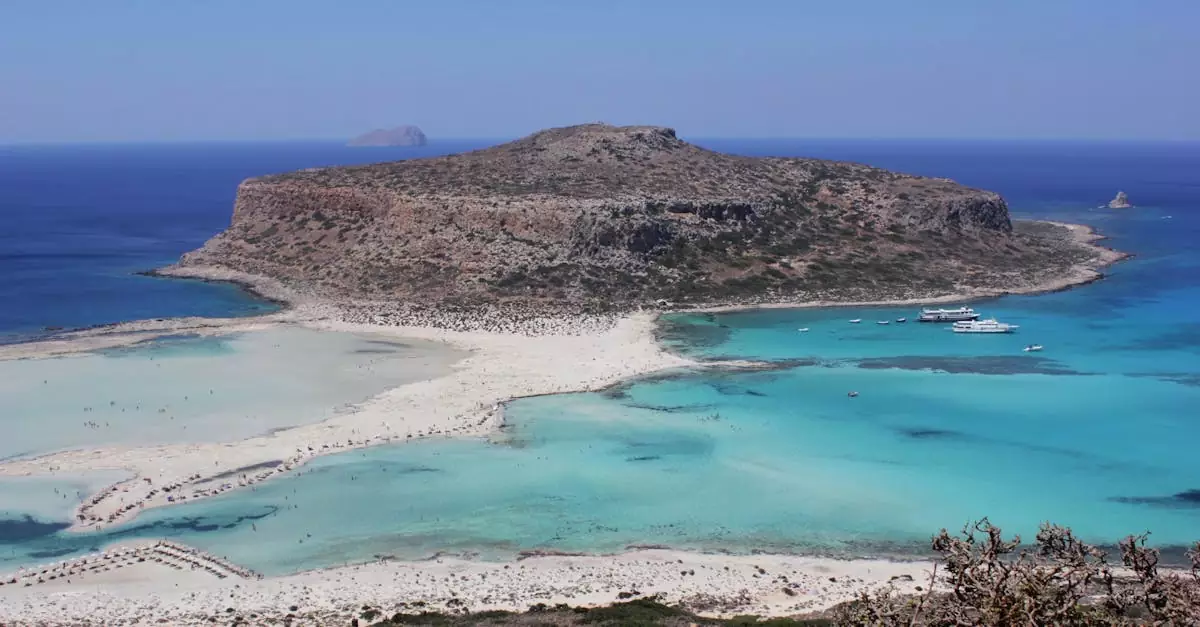
Reaching and exploring Europe’s stunning islands requires strategic planning, as transportation options vary significantly from one archipelago to another. Understanding these logistics is key to a smooth and enjoyable island-hopping adventure. Whether you’re seeking the dramatic cliffs of the Azores or the sun-drenched beaches of the Greek Cyclades, knowing how to navigate these waters and landmasses will enhance your experience.
Navigating by Ferry: The Essential European Island Connector
Ferries are the lifeblood of island travel in many parts of Europe, connecting mainland ports to island communities and linking islands within archipelagos. The frequency and type of ferry service depend heavily on the region and the season. For example, services to the Scottish Isles might be more robust in summer, while routes to smaller Croatian islands might be less frequent outside peak tourist months.
Booking ferry tickets in advance is highly recommended, especially during peak season (June to August) or for popular routes. Websites like Direct Ferries or Ferryhopper aggregate schedules and allow for online booking across various operators. Consider the type of ferry: high-speed catamarans offer quicker journeys but can be more expensive and susceptible to rough seas, while larger, conventional ferries provide a more stable ride and often have amenities like restaurants and cabins.
| Region | Key Ferry Hubs | Typical Travel Time (Example) | Notes |
|---|---|---|---|
| Greek Islands | Athens (Piraeus/Rafina), Rhodes | 3-8 hours (to Cyclades) | Extensive network, various ferry types. |
| Croatian Islands | Split, Dubrovnik, Zadar | 1-4 hours (to nearby islands) | Frequent services, some car ferries available. |
| Balearic Islands | Barcelona, Valencia, Ibiza Town | 2-5 hours (to Ibiza/Mallorca) | Connects mainland Spain to Mallorca, Ibiza. |
| Scottish Isles | Mallaig, Oban, Skye | 30 mins – 3 hours | Essential for reaching Skye, Mull, Outer Hebrides. |
When planning your itinerary, factor in potential delays due to weather. It’s wise to build flexibility into your schedule, particularly if you have onward travel connections.
Renting a Car on Larger Islands: Freedom to Explore
For larger islands like Crete, Sicily, Sardinia, or Corsica, renting a car offers unparalleled freedom to explore at your own pace. This is particularly useful for accessing remote beaches, charming inland villages, and scenic viewpoints that are often inaccessible by public transport. Car rental agencies are typically found at major airports and ferry ports.
When renting, ensure you understand the insurance coverage provided and check for any restrictions on driving on unpaved roads, which can be common in more rural areas. A valid international driving permit may be required in addition to your national license, depending on your country of origin and the specific rental company’s policy. Familiarize yourself with local driving laws and road conditions, which can differ significantly across Europe. For instance, narrow, winding roads are common in mountainous regions or on smaller islands.
Budgeting for car rental should include the base rate, insurance, fuel costs, and potential parking fees. Parking can be challenging in historic town centers, so look for accommodations that offer parking facilities. Driving yourself allows for spontaneous stops and the discovery of hidden gems, making it a popular choice for those who want to delve deeper into an island’s landscape.
Local Transport: Buses, Taxis, and Scooters
Beyond ferries and rental cars, local transportation plays a vital role in island exploration. Many islands operate public bus services that connect major towns and villages. While often economical, bus schedules can be infrequent, especially on smaller islands or during the off-season, so checking timetables upon arrival is crucial.
Taxis are readily available in tourist hubs and ports, offering a convenient but generally more expensive option for shorter distances or when public transport is unavailable. Negotiate fares before starting your journey or ensure the meter is used.
Scooter and moped rentals are popular on smaller, flatter islands, offering a fun and flexible way to get around. They are ideal for covering short to medium distances and are easier to park than cars. However, riders should be comfortable with motorcycling and always wear helmets. Ensure you have the appropriate license and insurance. Always prioritize safety and be aware of local traffic conditions.
Unforgettable Activities and Hidden Gems on Scenic Islands
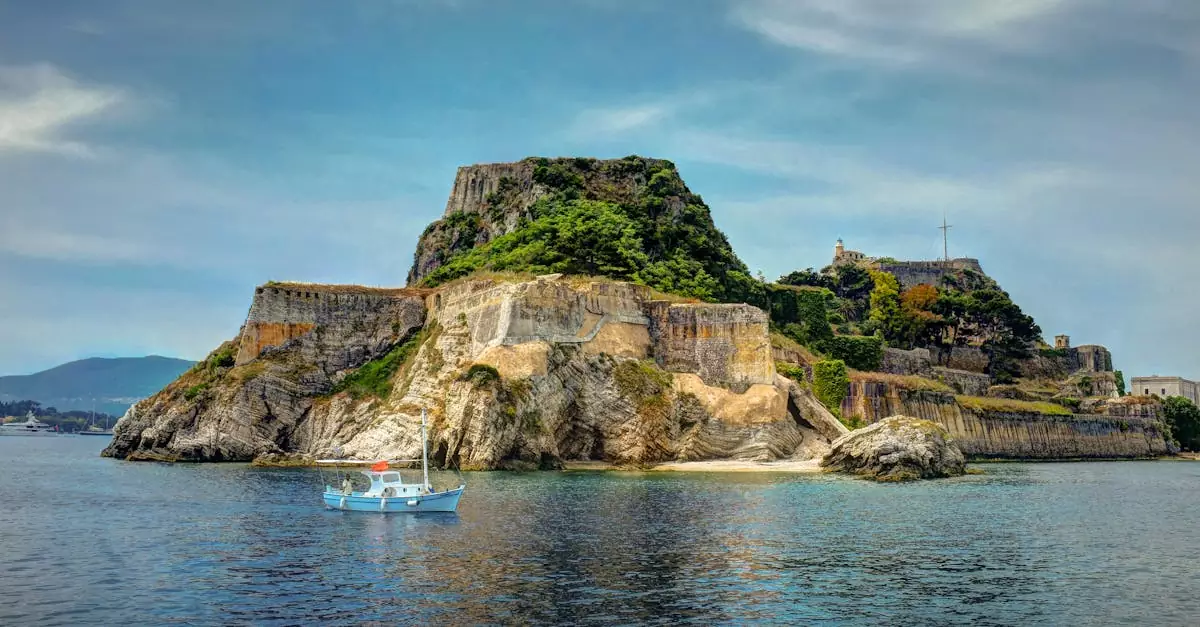
Europe boasts a constellation of islands, each offering unique experiences beyond the typical postcard views. For travelers seeking more than just a pretty beach, these destinations provide a rich tapestry of activities, from challenging hikes to quiet historical explorations and the thrill of discovering untouched coves.
Sunset Watching Spots Beyond the Crowds
While Santorini’s Oia sunsets are legendary, Europe’s scenic islands offer numerous equally breathtaking, yet less crowded, vantage points. Consider the western coast of Corsica, France, where the sun dips below the horizon behind dramatic granite cliffs, painting the sky in fiery hues. In the Azores, Portugal, the island of Faial provides stunning sunset views from the Capelinhos volcano, a landscape shaped by recent volcanic activity. For a truly serene experience, seek out elevated viewpoints on Sardinia, Italy, away from main towns, where the vast Mediterranean Sea acts as a dramatic backdrop. Timing is key; arriving an hour before sunset allows for a leisurely find and soaking in the changing light.
Hiking the Famous Levada Trails in Madeira
Madeira, often called the “Garden Island,” is renowned for its unique levada system – a network of irrigation channels that have been transformed into scenic hiking routes. These trails traverse lush forests, past cascading waterfalls, and offer panoramic views of the island’s dramatic volcanic landscapes. The Levada das 25 Fontes (25 Fountains) is a popular choice, leading to a beautiful lagoon fed by multiple small waterfalls. For a more challenging adventure, the Vereda do Areeiro trail connects the island’s highest peaks, Pico Ruivo and Pico do Areeiro, offering unparalleled vistas above the clouds.
Levada Trail Considerations:
- Difficulty: Varies from easy, flat walks to strenuous mountain climbs.
- Footwear: Sturdy hiking boots are essential due to uneven terrain.
- Navigation: While many trails are well-marked, a map or GPS is advisable.
- Weather: Mountain weather can change rapidly; check forecasts before setting out.
Exploring Ancient Ruins and Historical Sites
Many of Europe’s islands are steeped in history, offering glimpses into past civilizations. Sicily, Italy, is a treasure trove, with the Valley of the Temples in Agrigento showcasing remarkably preserved Greek ruins. Crete, Greece, is home to the Minoan Palace of Knossos, a site rich with mythology and archaeological significance. On Malta, the megalithic temples of Ġgantija and Ħaġar Qim predate even the pyramids of Egypt, offering a profound connection to ancient human ingenuity. Visiting these sites often requires comfortable walking shoes and an appreciation for historical context.
Discovering Secluded Beaches and Coves
Beyond the well-known sandy stretches, Europe’s islands hide countless secluded beaches and coves waiting to be found. The Balearic Islands of Spain, particularly the lesser-known parts of Menorca and Formentera, offer crystal-clear turquoise waters and pristine, often pebbly, coves accessible by foot or small boat. The Croatian islands, such as Vis and Lastovo, are dotted with hidden bays perfect for a peaceful swim or snorkel away from the summer crowds. Even on larger islands like Sardinia, exploring the coastline by kayak or boat can reveal intimate stretches of sand accessible only from the sea, providing a truly private island experience.
Frequently Asked Questions About Scenic European Islands
What are the most budget-friendly scenic islands in Europe?
For travelers seeking affordability without sacrificing natural beauty, consider islands in the Balkan region. The Greek islands, particularly those less frequented by mass tourism like Folegandros or Amorgos, can offer better value than their more famous counterparts. Similarly, islands in Croatia, such as Vis or Mljet, provide stunning coastlines and charming villages at a more accessible price point. These destinations often feature simpler accommodations and local tavernas where you can enjoy delicious regional food without breaking the bank.
Which islands are best for couples seeking romance?
Islands like Santorini in Greece, with its iconic caldera views and whitewashed villages, are synonymous with romance. For a more secluded experience, the Azores in Portugal offer dramatic volcanic landscapes and a sense of peaceful isolation. Capri in Italy, though popular, retains an air of glamour and offers breathtaking grottos and charming piazzas for intimate strolls. These destinations typically provide luxurious accommodation options and a backdrop conducive to romantic getaways.
Are there any good islands for families with young children?
Mallorca in Spain is a family favorite, boasting numerous sandy beaches with calm waters, family-friendly resorts, and attractions like water parks and aquariums. Crete, also in Greece, offers a mix of historical sites, beautiful beaches, and activities that cater to various ages. For families who enjoy nature, Sardinia in Italy provides clear waters ideal for swimming and snorkeling, alongside opportunities for gentle hikes and exploring ancient ruins.
What should I pack for a trip to a European island?
Packing for a European island trip depends heavily on the season and specific destination. For summer travel, light clothing, swimwear, a hat, and high-SPF sunscreen are essential. Comfortable walking shoes are crucial for exploring villages and historical sites. Don’t forget a light jacket or sweater for cooler evenings, especially on islands with more dramatic terrain or in the shoulder seasons. Insect repellent can be useful, particularly in greener or more rural areas.