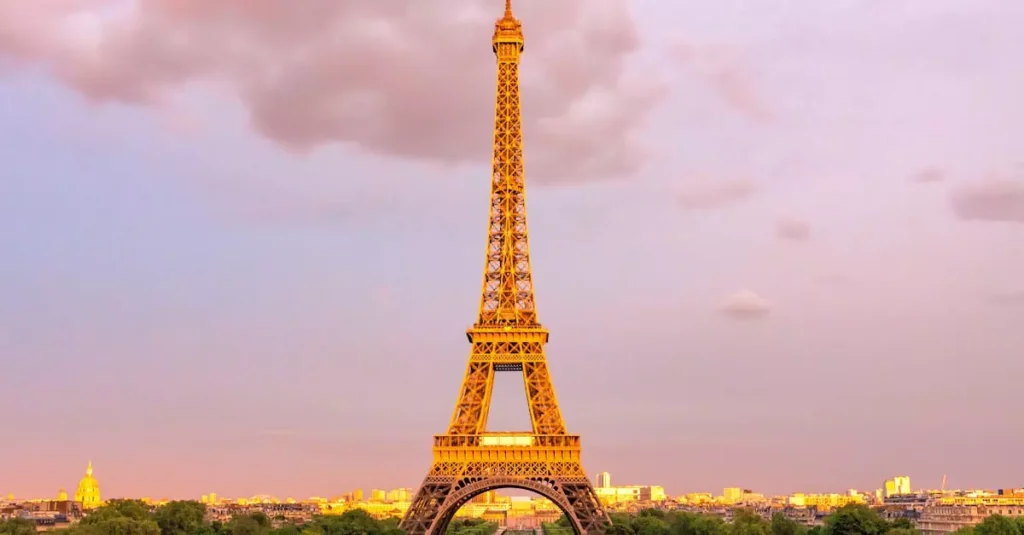
Planning your first trip to Europe is an exciting journey, brimming with dreams of iconic landmarks, charming villages, and unforgettable culinary experiences. To help you navigate this incredible continent, we’ve curated the best first-time Europe travel guides to provide you with the essential knowledge for a smooth adventure. This guide will walk you through itinerary planning, balancing must-see destinations with practical advice. You’ll learn how to select the perfect cities for your inaugural visit, understand the most efficient travel methods, and budget effectively for your debut European journey. We’ll also discuss important safety tips and cultural etiquette, ensuring you feel confident and prepared for this once-in-a-lifetime experience.
Choosing Your Perfect First European Adventure: Top Destinations for Newcomers
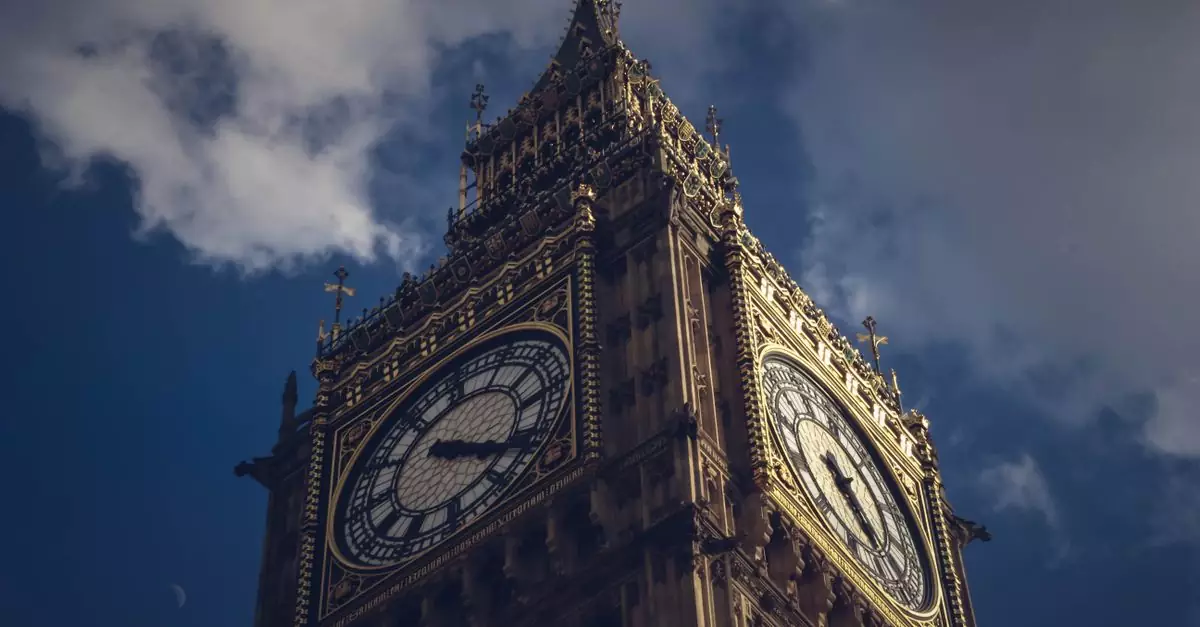
Embarking on your first trip to Europe can be overwhelming with countless incredible places to choose from. Selecting the right destination sets the tone for your entire experience. For newcomers, cities that offer a blend of iconic sights, manageable logistics, and diverse experiences often provide the smoothest introduction to the continent. These destinations are well-equipped for international visitors, feature excellent public transport, and present a rich tapestry of history, culture, and cuisine. Consider what you want from your initial European journey—be it art, history, romance, or simply soaking in a new atmosphere—to guide you to the best starting point.
Paris, France: Iconic Landmarks and Romantic Charm
Paris remains a perennial favorite for good reason. Its instantly recognizable landmarks, from the Eiffel Tower to the Louvre, provide a tangible connection to art and history. The city’s romantic ambiance is palpable, making it a popular choice for couples and solo travelers seeking a touch of magic. Navigating Paris is straightforward, thanks to its extensive Métro system that connects major attractions.
- Best Time to Visit: Spring (April-May) and Fall (September-October) offer pleasant weather and fewer crowds than peak summer.
- Getting Around: The Paris Métro is efficient and covers most areas. Consider a Navigo Découverte pass for longer stays.
- Accommodation: Options range from boutique hotels in Le Marais to budget-friendly hostels in the Latin Quarter.
- Must-See: Eiffel Tower, Louvre Museum, Notre Dame Cathedral (exterior views), Montmartre.
Rome, Italy: Ancient History and Culinary Delights
Rome immerses you in millennia of history, with ancient ruins and Renaissance art around every corner. The Colosseum, Roman Forum, and Vatican City are just a few of the historical treasures awaiting exploration. Beyond its historical significance, Rome is a paradise for food lovers, offering authentic pasta dishes, gelato, and espresso.
- Getting Around: Rome’s historic center is quite walkable. Buses and the Metro are available, though they can be crowded.
- Budget Considerations: Rome can be moderately priced, especially if you opt for trattorias away from major tourist hubs.
- Culinary Highlights: Cacio e pepe, carbonara, supplì, and gelato are essential tastings.
- Logistics: Book tickets for major attractions like the Colosseum and Vatican Museums well in advance to avoid long queues.
Amsterdam, Netherlands: Canals, Art, and Vibrant Culture
Amsterdam offers a unique charm with its picturesque canals, historic gabled houses, and world-class museums. It invites leisurely exploration, whether by foot, bike, or boat. The Anne Frank House and Rijksmuseum are significant cultural draws, while the city’s liberal atmosphere and vibrant nightlife enhance its appeal.
- Transportation: Cycling is king here. Renting a bike is a quintessential Amsterdam experience. Canal cruises provide a different perspective.
- Atmosphere: Amsterdam is known for its relaxed and open ambiance.
- Key Attractions: Anne Frank House, Rijksmuseum, Van Gogh Museum, canal belt.
- Day Trips: Consider a visit to the nearby Keukenhof Gardens during tulip season or the charming windmills of Zaanse Schans.
Prague, Czech Republic: Fairytale Architecture and Affordable Charm
Prague is renowned for its stunning, well-preserved architecture, earning it the nickname “City of a Hundred Spires.” The Old Town Square, Charles Bridge, and Prague Castle create a fairytale-like setting that feels remarkably accessible. Compared to Western European capitals, Prague offers excellent value, making it an attractive option for budget-conscious travelers.
- Budget Friendliness: Food, drink, and accommodation are generally more affordable in Prague than in many other major European cities.
- Scenery: The Gothic and Baroque architecture is breathtaking, especially at night.
- Walkability: The historic center is compact and ideal for walking, though Prague Castle requires a significant uphill climb.
- Local Experience: Enjoy traditional Czech beer and hearty cuisine in a local pub (hospoda).
These four cities provide a strong starting point for anyone planning their first trip to Europe. Each offers a distinct flavor and set of experiences, ensuring a memorable introduction to the continent.
Mastering European Transportation: Getting Around Like a Local
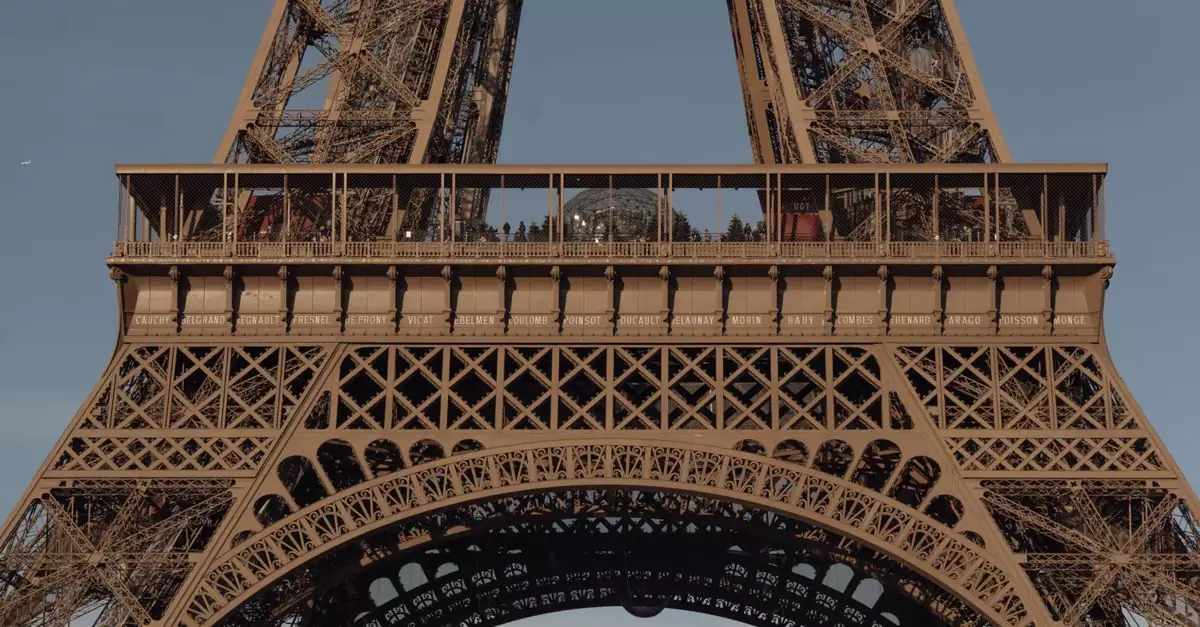
Navigating a new continent can seem daunting, but Europe’s extensive and efficient transportation networks make it surprisingly accessible for first-time visitors. Understanding your options for getting from point A to point B will significantly enhance your travel experience, saving you time and money. Whether you’re hopping between major capitals or exploring charming rural villages, there’s a mode of transport to suit every need and budget.
Navigating Europe by Train: High-Speed and Scenic Routes
Trains are often the backbone of European travel, providing a comfortable and scenic way to cover long distances. High-speed rail lines connect major cities like Paris, Brussels, Berlin, and Rome, often arriving directly in city centers, eliminating the need for airport transfers. Services like the TGV in France, ICE in Germany, and Eurostar connecting London to mainland Europe are renowned for their speed and punctuality.
Beyond the high-speed network, regional trains offer access to smaller towns and picturesque countryside. While these journeys may be slower, they allow you to soak in the landscapes and experience local life. Booking train tickets in advance, especially for popular routes and high-speed services, can secure better prices. If you plan extensive train travel across multiple countries, consider purchasing a rail pass, but always compare the pass cost against individual ticket prices for your itinerary.
Budget Airlines vs. Traditional Carriers for Inter-City Travel
For longer distances or when time is critical, budget airlines provide a compelling alternative to trains. Companies like Ryanair, easyJet, and Wizz Air operate extensive networks across Europe, often with competitive fares. These flights can be significantly cheaper than traditional carriers, especially if booked well in advance.
However, it’s crucial to factor in additional costs and logistics. Budget airlines often fly into secondary airports, which can be far from city centers, adding extra time and expense for transfers. Baggage allowances are typically stricter and more costly, so pack light or be prepared for extra fees. Traditional carriers, while often pricier, may offer more convenient flight times, better onboard services, and more generous baggage policies, making them a worthwhile consideration for certain routes.
| Airline Type | Pros | Cons | Best For |
|---|---|---|---|
| Budget Airlines | Low fares, extensive routes | Secondary airports, strict baggage rules | Budget-conscious travelers, short hops |
| Traditional Carriers | Convenient airports, better service | Higher prices, less frequent sales | Travelers prioritizing comfort and convenience |
Public Transport Essentials: Metro, Trams, and Buses in Major Cities
Once you arrive in a European city, navigating its public transportation system is usually straightforward and economical. Most major cities boast well-developed metro (subway), tram, and bus networks. These systems are often integrated, allowing you to use a single ticket or travel card for multiple modes of transport within a designated zone.
Purchasing day passes or multi-day travel cards can offer significant savings if you plan to use public transport frequently. Familiarize yourself with the route maps and ticketing machines, which are usually available in multiple languages. Many cities now offer contactless payment options or dedicated travel apps that simplify the process. Walking is also an excellent way to see many European cities, but for longer distances or tired feet, public transport is your best friend.
Renting a Car vs. Public Transit: When to Opt for Wheels
Renting a car in Europe is generally recommended only for specific types of travel. If your itinerary focuses on major cities, relying on public transport is typically more efficient and cost-effective. Parking in city centers can be expensive and difficult to find, and traffic congestion is common.
However, a rental car excels when you plan to explore rural areas, visit multiple small towns, or access national parks. Driving provides flexibility and the chance to discover off-the-beaten-path destinations not easily reached by public transit. Be mindful of differing driving laws, potential toll roads, and the need for an International Driving Permit in some cases. For a first-time visit to Europe, prioritizing trains and city public transport is often the most practical approach.
Crafting Your Ideal First-Time Europe Itinerary: A 10-Day Sample
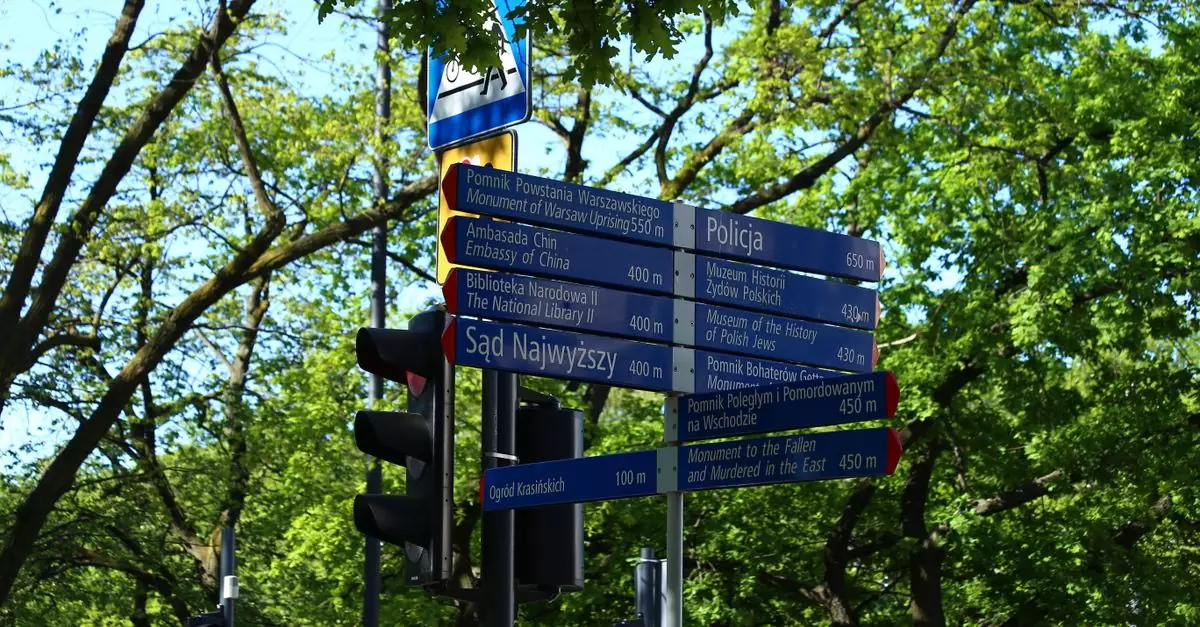
Planning your inaugural trip to Europe can feel overwhelming, with countless cities and experiences vying for your attention. To simplify the process, consider a classic itinerary that balances iconic landmarks with local charm. This 10-day sample focuses on three of Europe’s most beloved capitals: Paris, Rome, and Amsterdam. It offers a taste of diverse cultures, history, and art, making it a solid foundation for your first European adventure.
Days 1-3: Parisian Icons and Montmartre Exploration
Begin your journey in Paris, a city synonymous with romance and art. Dedicate your first day to the essentials: the Eiffel Tower, a morning visit to the Louvre Museum to see the Mona Lisa, and a stroll along the Seine. The following days can be spent immersing yourself in the bohemian atmosphere of Montmartre. Ascend to the Sacré-Cœur Basilica for panoramic city views, wander through Place du Tertre where artists display their work, and enjoy a classic French dinner in a cozy bistro. Consider purchasing a Paris Museum Pass to save time and money on entry fees.
For efficient travel within Paris, the Métro system is extensive and user-friendly. A Navigo Découverte pass can be cost-effective if you plan on using public transport frequently throughout your stay. Be mindful of your belongings, especially in crowded tourist areas, as pickpocketing can occur.
Days 4-6: Roman Forum, Vatican City, and Trastevere Flavors
Fly from Paris to Rome, where history breathes from every cobblestone. Your first two days should focus on ancient wonders and religious significance. Explore the Colosseum, Roman Forum, and Palatine Hill to step back in time. Then, dedicate a full day to Vatican City, visiting St. Peter’s Basilica and the Vatican Museums, including the Sistine Chapel. Booking tickets for these sites well in advance is crucial to avoid long queues.
The evenings in Rome are best spent savoring authentic Italian cuisine. Wander through the charming streets of Trastevere, known for its trattorias and lively atmosphere. Enjoy Cacio e Pepe or Carbonara at a local eatery. Rome’s historic center is largely walkable, but the bus and metro systems are useful for covering longer distances. Be aware that some ancient sites have uneven terrain, so comfortable footwear is essential.
Days 7-9: Amsterdam’s Canals, Museums, and Jordaan District
Your final destination is Amsterdam, a city of picturesque canals and rich artistic heritage. Start with a canal cruise to get acquainted with the city’s unique layout and architecture. Visit world-class museums like the Rijksmuseum, home to Rembrandt’s “The Night Watch,” and the Van Gogh Museum. Allocate time for Anne Frank House; booking tickets months in advance is highly recommended due to its popularity.
Spend your last full day exploring the Jordaan district, characterized by its narrow streets, independent boutiques, and charming houseboats. Enjoy a traditional Dutch pancake or stroopwafel from a street vendor. Amsterdam is exceptionally bike-friendly; renting a bicycle is a quintessential local experience. The city also boasts an efficient tram and bus network. Be cautious when cycling, as local cyclists are adept and expect you to follow traffic rules.
Day 10: Departure and Last-Minute Souvenirs
On your final day, depending on your flight schedule, you might have time for some last-minute souvenir shopping. Amsterdam offers a variety of unique items, from Delft blue pottery to local cheeses. Consider picking up some stroopwafels to bring a taste of the Netherlands home. Allow ample time to travel to Amsterdam Schiphol Airport (AMS) for your departure. The train from Amsterdam Centraal Station to the airport is frequent and efficient.
Budgeting for Your European Debut: Essential Cost-Saving Tips
Planning your first trip to Europe involves more than just selecting destinations; it requires a smart approach to your finances. Understanding where your money goes is crucial for an enjoyable and stress-free experience. This guide offers practical advice to help you maximize your budget without sacrificing memorable moments.
Accommodation Options: Hostels, Boutique Hotels, and Airbnb
Your choice of lodging significantly impacts your overall travel expenses. For budget-conscious travelers, hostels provide a social atmosphere and dormitory-style rooms, often with kitchens for self-catering. Boutique hotels can offer charm and character at a mid-range price point, while vacation rentals through platforms like Airbnb can be cost-effective for groups or longer stays, providing a local living experience.
Consider these accommodation types:
- Hostels: Excellent for solo travelers and those seeking social interaction. Expect shared dorms with communal bathrooms, though private rooms are often available.
- Budget Hotels: Offer basic amenities and private rooms, a step up from hostels in terms of privacy.
- Mid-Range Hotels: Provide more comfort and services, suitable for couples or families wanting a balance of cost and convenience.
- Airbnb/Vacation Rentals: Ideal for longer stays, families, or groups, offering kitchen facilities and a more local feel.
When booking, compare prices across different platforms and consider locations slightly outside the absolute city center, as they often present better value.
Eating Like a Local: Affordable Bistros and Market Finds
Food is a significant part of any travel experience, and Europe offers incredible culinary diversity that can be enjoyed affordably. Skip tourist-trap restaurants near major attractions and instead seek out local bistros, trattorias, or tavernas. These establishments often serve authentic regional dishes at much lower prices.
Visiting local markets is another fantastic way to eat well on a budget. You can find fresh produce, local cheeses, cured meats, and freshly baked bread for delicious picnics or simple meals. Many European cities have daily or weekly markets that are vibrant cultural experiences in themselves.
Free Activities and Sightseeing on a Shoestring Budget
Many of Europe’s most compelling attractions don’t require an entrance fee. Walking tours, often available for a tip, provide an excellent introduction to a city’s history and layout. Spending time in public parks, exploring vibrant neighborhoods on foot, and admiring architecture from the outside are all rewarding and free.
Museums in many European cities offer free admission on specific days or evenings, so research these opportunities before your visit. Enjoying the atmosphere of bustling city squares, watching street performers, or simply taking in the ambiance of a new place are invaluable experiences that cost nothing.
Understanding Currency Exchange and Payment Methods
Navigating different currencies and payment systems is essential for managing your budget. While the Euro (€) is used in many European countries, others have their own currencies. It’s wise to familiarize yourself with the exchange rate before you go.
When it comes to payment, credit cards are widely accepted in most establishments, especially in Western and Northern Europe. However, it’s always a good idea to carry some local currency for smaller purchases, markets, or in more rural areas. Using ATMs in Europe is generally a cost-effective way to withdraw cash, but be aware of potential fees from both your bank and the local ATM provider. Always opt to be charged in the local currency when using an ATM or credit card to avoid unfavorable dynamic currency conversion rates.
Safety and Cultural Etiquette for First-Time European Travelers
Navigating a new continent can be exhilarating, but a little preparation goes a long way in ensuring a smooth and enjoyable trip. Understanding common tourist pitfalls and embracing local customs will significantly enhance your experience. This section offers practical advice for first-time visitors to Europe.
Common Tourist Scams to Watch Out For in Popular Cities
While Europe is generally safe, popular tourist hubs can attract opportunistic individuals. Be aware of common scams such as the “ring scam” (someone drops a ring, then claims it’s yours and demands payment) or the “petition scam” (a group approaches you asking for signatures for a fake cause, often a distraction for pickpocketing). In crowded areas, particularly around major attractions and on public transport, always keep your valuables secure and out of sight. Watch out for overly friendly strangers who try to distract you or get too close.
Navigating Local Customs and Basic Phrases
Respecting local customs is key to positive interactions. A simple “hello,” “please,” and “thank you” in the local language can make a significant difference. For instance, in France, a polite Bonjour is expected upon entering shops. In Italy, it’s customary to greet shopkeepers with Buongiorno or Buonasera. Many European cultures value punctuality, so try to be on time for reservations or meetings. Understanding mealtime etiquette, like not rushing through courses in Spain, also shows consideration.
Learning a few basic phrases significantly enhances your travel experience:
- Spanish: Hola (Hello), Por favor (Please), Gracias (Thank you), Adiós (Goodbye)
- French: Bonjour (Hello), S’il vous plaît (Please), Merci (Thank you), Au revoir (Goodbye)
- Italian: Ciao (Hello/Goodbye), Per favore (Please), Grazie (Thank you), Arrivederci (Goodbye)
- German: Hallo (Hello), Bitte (Please), Danke (Thank you), Auf Wiedersehen (Goodbye)
Staying Safe: General Security Tips and Emergency Contacts
General safety in Europe is high, but vigilance is always recommended. Keep digital and physical copies of your important documents, like your passport and visa, separate from the originals. Inform your bank and credit card companies of your travel dates to avoid any service interruptions. For emergencies, the pan-European emergency number is 112. This number connects you to police, ambulance, and fire services across all EU countries. Familiarize yourself with the specific emergency numbers for your destinations, though 112 is universally recognized.
Key safety tips include:
- Secure your belongings: Use anti-theft bags or money belts in crowded areas.
- Be aware of your surroundings: Especially at night or in unfamiliar neighborhoods.
- Trust your instincts: If a situation feels unsafe, remove yourself from it.
- Share your itinerary: Let a trusted friend or family member know your travel plans.
Responsible Tourism Practices for a Sustainable Trip
Being a responsible tourist benefits both the environment and local communities. Opt for public transportation or walking whenever possible to reduce your carbon footprint. Choose accommodations that demonstrate a commitment to sustainability. When visiting cultural sites, respect local rules and traditions, and avoid purchasing souvenirs made from endangered species or historical artifacts. Supporting local businesses, such as independent shops and restaurants, ensures your spending directly benefits the community. Understanding that Europe is a diverse continent with unique ecosystems and cultures is the first step towards mindful travel.
Frequently Asked Questions for Your First European Journey
Planning your initial European adventure can raise many questions. Here’s a breakdown of common queries to help you navigate your first trip.
What is the best time of year for a first-time Europe trip?
The shoulder seasons, April to May and September to October, generally offer the best balance for a first-time visit. You’ll encounter fewer crowds than in peak summer, enjoy pleasant weather suitable for sightseeing, and often find slightly lower prices on flights and accommodations.
- Spring (April-May): Wildflowers bloom, cities awaken from winter, and temperatures are mild.
- Summer (June-August): Warmest weather, longest daylight hours, but also peak crowds and prices.
- Autumn (September-October): Beautiful fall foliage, harvest festivals, and crisp air.
- Winter (November-March): Festive markets, fewer tourists, but colder weather and shorter days.
How much money do I need for a week in Europe?
Budgeting for a week in Europe depends heavily on your travel style and chosen destinations. A moderate budget might range from $100 to $200 per person per day, excluding international flights. This covers accommodation, food, local transport, and basic activities.
Here’s a general breakdown for a week:
| Category | Budget Traveler ($700-$1000) | Mid-Range Traveler ($1000-$1700) | Comfort Traveler ($1700+) |
|---|---|---|---|
| Accommodation | Hostels, budget hotels | 3-4 star hotels | Boutique hotels, suites |
| Food | Groceries, street food | Mix of cafes, restaurants | Fine dining, cafes |
| Transportation | Local buses, trains | Trains, occasional flights | Flights, private transfers |
| Activities | Free walking tours, parks | Museums, some paid attractions | Guided tours, unique experiences |
This is a rough estimate; destinations like London or Paris will generally be more expensive than cities in Eastern Europe.
What should I pack for a multi-city European tour?
Packing light is key for a multi-city European tour, especially if you plan to use trains or navigate cobblestone streets. Focus on versatile, comfortable clothing that can be layered.
- Comfortable Walking Shoes: You’ll be doing a lot of walking.
- Layers: T-shirts, long-sleeve shirts, a sweater or fleece.
- Outerwear: A waterproof and windproof jacket, suitable for the season.
- Versatile Bottoms: Jeans, comfortable trousers, or skirts.
- Scarf: Adds warmth and can dress up an outfit.
- Adapter: Universal travel adapter for electronics.
- Small Backpack/Daypack: For daily essentials.
Consider the specific climate of your destinations and the activities planned.
Is it better to fly or take trains between European countries?
For short to medium distances within Europe, trains are often the superior choice. They offer a more scenic and relaxed journey, arrive directly in city centers, and avoid the hassle of airport security and travel to and from distant airports. High-speed rail networks connect many major cities efficiently.
| Travel Method | Pros | Cons | Best For |
|---|---|---|---|
| Trains | City-center to city-center, scenic, comfortable, environmentally friendly | Can be slower for very long distances, potentially more expensive than budget flights | Most intra-European travel, scenic routes |
| Flights | Fastest for long distances | Airport travel time, security, baggage fees, less scenic, environmental impact | Crossing continents, very distant cities |
For longer journeys or when time is extremely limited, budget airlines can be cost-effective, but always factor in the total travel time and associated costs.