Embarking on your first European adventure is an exciting prospect, and choosing the right destinations can significantly enhance your experience. If you’re unsure where to start, focusing on the best beginner Europe destinations offers a perfect mix of accessibility, rich culture, and manageable exploration. These cities are welcoming to newcomers, featuring efficient public transport, abundant historical sites, and an atmosphere that simplifies navigating a new continent.
This guide will introduce you to cities that excel in providing a smooth introduction to Europe. You’ll find user-friendly transit systems, iconic landmarks, and welcoming vibes tailored for first-time international travelers. We’ll also highlight diverse activities to suit various interests, ensuring your initial European experience is memorable and enjoyable.
Why These European Cities Are Perfect for First-Time Visitors
Selecting the best beginner Europe destinations for your first trip involves balancing accessibility with rich cultural experiences. These cities provide a fantastic introduction to the continent, combining historical depth, vibrant modern life, and straightforward navigation that makes them less intimidating for newcomers. Here, you can confidently explore, immerse yourself in history, and enjoy a wide array of activities without feeling overwhelmed.
Ease of Navigation and Public Transport
A key factor for a smooth first European experience is how easily you can get around. Cities like Paris, Rome, and Amsterdam boast extensive and efficient public transportation networks. Metro systems, trams, and buses are well-signed and frequent, simplifying access to major attractions and neighborhoods. Many city centers are also highly walkable, allowing you to discover hidden gems on foot. Familiarizing yourself with the local transit system, often through day passes or multi-trip cards, can significantly reduce travel stress and costs. For example, purchasing a Navigo Découverte pass in Paris or an OV-chipkaart in Amsterdam can streamline your journeys.
Rich History and Iconic Landmarks
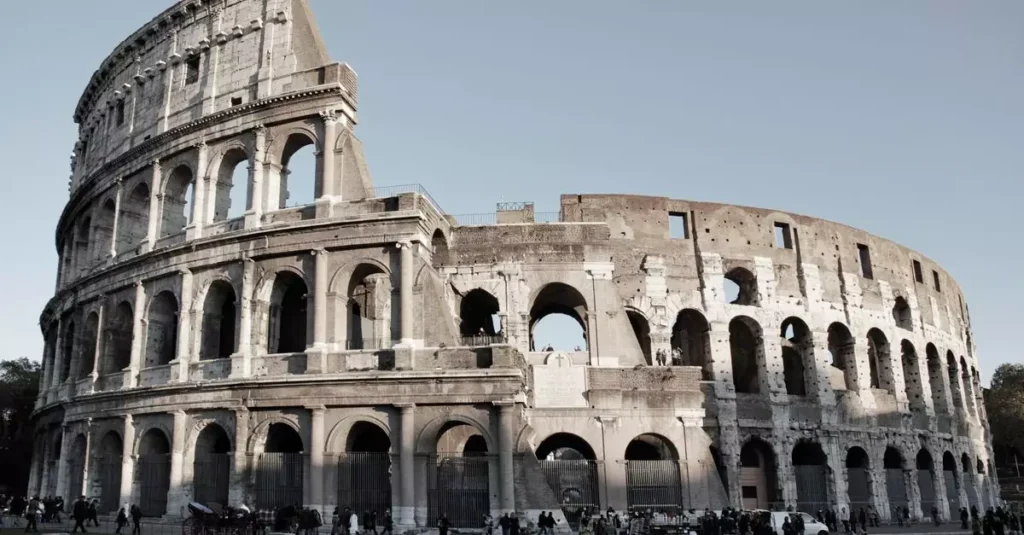
Europe is rich in history, and these beginner-friendly destinations offer a concentrated dose of iconic sights. From the Eiffel Tower and the Louvre in Paris to the Colosseum and Roman Forum in Rome, or the Anne Frank House and Rijksmuseum in Amsterdam, these cities are home to world-renowned landmarks. Visiting these sites offers a tangible connection to centuries of art, architecture, and pivotal historical events. Planning your visits to major attractions in advance, especially during peak season, can save considerable time spent waiting in queues. Consider city passes that often include skip-the-line access to multiple attractions.
Welcoming Atmosphere for New Travelers
The atmosphere of a city plays a crucial role in a traveler’s comfort. Cities frequently visited by international tourists tend to have a well-developed tourism infrastructure, including multilingual signage and readily available information services. Locals in these popular destinations are often accustomed to interacting with visitors, and English is widely spoken in tourist areas, hotels, and restaurants. This familiarity can ease anxiety for those new to international travel. While it’s wise to be aware of your surroundings in any major city, these destinations are generally considered safe for tourists who take standard precautions.
Variety of Activities for Diverse Interests
A truly memorable first trip caters to a range of interests. Whether you’re a history buff, an art enthusiast, a foodie, or simply looking to soak in the local ambiance, these cities deliver. You can spend mornings at world-class museums, afternoons wandering through charming old towns, evenings enjoying diverse culinary scenes, and nights experiencing local entertainment. Consider a food tour in Rome to sample authentic pasta dishes, a canal cruise in Amsterdam for a unique perspective, or a walking tour of Montmartre in Paris to appreciate its artistic heritage. This diversity ensures every traveler can craft an itinerary that excites them.
Lisbon, Portugal: Coastal Charm and Historic Streets
Lisbon offers a captivating blend of old-world charm and vibrant modern life, making it one of the best beginner Europe destinations. Its hilly landscape, colorful tiled buildings, and proximity to the Atlantic Ocean create a unique atmosphere. The city is relatively affordable compared to other Western European capitals, and its efficient public transport makes navigating easy for first-time visitors. English is widely spoken, especially in tourist areas, further enhancing the experience.
Exploring Alfama’s Fado and Azulejos
Wandering through the Alfama district feels like stepping back in time. This historic neighborhood, Lisbon’s oldest, features narrow, winding streets, steep staircases, and hidden courtyards. As you explore, you’ll encounter buildings adorned with iconic azulejos—hand-painted ceramic tiles that tell stories of Portugal’s past. Alfama is also the birthplace of Fado, Portugal’s soulful music. Many small taverns host Fado performances in the evenings, offering an authentic cultural immersion. Seek out a local restaurant for dinner and let the music envelop you.
Day Trip to Sintra’s Fairytale Palaces
A short train ride from Lisbon transports you to the magical town of Sintra, a UNESCO World Heritage site. Nestled amidst lush, misty hills, Sintra is renowned for its romantic 19th-century architecture, including whimsical palaces and ancient castles. Pena Palace, with its vibrant colors and eclectic styles, is a must-see, offering panoramic views of the surrounding landscape. Quinta da Regaleira, with its mystical gardens and initiation well, provides a more enigmatic experience. Plan for a full day to explore at least two of Sintra’s main attractions, as they are spread out and require time to appreciate.
Tasting Pastéis de Nata and Fresh Seafood
No visit to Lisbon is complete without indulging in pastéis de nata, the city’s famous custard tarts. These delicious pastries, best enjoyed warm and dusted with cinnamon, are available in bakeries throughout the city, with the most famous originating from Pastéis de Belém. Beyond sweets, Lisbon’s culinary scene shines with an abundance of fresh seafood. Enjoy grilled sardines, bacalhau (codfish) prepared in countless ways, and arroz de marisco (seafood rice). For an authentic experience, visit the Time Out Market Lisboa, a vibrant food hall showcasing some of the city’s best chefs and eateries.
Getting Around Lisbon: Trams and Metro
Lisbon’s public transportation system is efficient and user-friendly, making it easy to get around. The iconic yellow Tram 28 is more than just transport; it’s a scenic journey through the city’s historic neighborhoods, offering glimpses of daily life. Be aware that it can get crowded, so consider riding it early in the morning or late in the evening. The metro system is modern and extensive, connecting key areas of the city. For seamless travel, purchase a rechargeable Viva Viagem card, usable on metro, buses, trams, and funiculars.
| Transportation Option | Frequency | Cost (Approx.) | Notes |
|---|---|---|---|
| Metro | Frequent | €1.50 per ride | Extensive network |
| Tram 28 | Frequent | €3.00 per ride | Scenic route, crowded |
| Bus | Frequent | €3.00 per ride | Covers wider areas |
| Ride-sharing | On-demand | Variable | Convenient for groups |
| Walking | N/A | Free | Best for exploring neighborhoods |
Prague, Czech Republic: Fairytale Architecture on a Budget

For travelers seeking a European introduction that blends stunning visuals with affordability, Prague consistently ranks among the best beginner Europe destinations. This historic capital city offers a concentrated dose of Old World charm without the overwhelming price tag often associated with Western European capitals. Its compact nature and excellent public transport make navigating easy for first-time visitors.
Walking Across Charles Bridge at Sunrise
Experiencing Charles Bridge is a quintessential Prague activity. While it can become crowded during peak hours, visiting at sunrise offers a magical, almost solitary encounter with this iconic landmark. The soft morning light illuminates the Baroque statues lining the bridge, casting long shadows across the Vltava River. From here, you get breathtaking views of Prague Castle and the surrounding cityscape, setting a memorable tone for your day. Arrive before 7 AM to enjoy the tranquility and capture stunning photographs before the crowds descend.
Discovering the Old Town Square and Astronomical Clock
Prague’s Old Town Square is the vibrant heart of the city, surrounded by colorful baroque buildings, Gothic spires, and lively cafes. The centerpiece is the Astronomical Clock, a medieval marvel that puts on a brief show every hour. Arrive a few minutes early to witness the procession of the Apostles and the symbolic figures come to life. Charming cobblestone streets lead from the square to hidden courtyards and artisan shops, perfect for aimless wandering.
Enjoying Hearty Czech Cuisine and Local Beer
Czech food is known for its comforting flavors, making it a satisfying and budget-friendly culinary experience. Dishes like goulash (a rich meat stew), svíčková (marinated beef sirloin with cream sauce), and trdelník (a sweet pastry cooked over an open flame) are widely available. Prague is also world-famous for its beer, often cheaper than water in local pubs. Enjoying a pint of Pilsner Urquell or Budweiser Budvar in a traditional pub is an essential part of the Prague experience.
Affordable Accommodation Options in Prague
Prague offers a wide range of accommodations to suit various budgets, reinforcing its status as one of the best beginner Europe destinations for cost-conscious travelers. You can find everything from budget-friendly hostels and guesthouses to comfortable mid-range hotels and stylish boutique options. Staying slightly outside the immediate Old Town, such as in Vinohrady or Žižkov, can yield lower prices while still providing easy access to major attractions via the efficient tram and metro system.
Here’s a quick look at typical accommodation costs:
| Accommodation Type | Average Price per Night (USD) |
|---|---|
| Hostel Dorm Bed | $15 – $30 |
| Budget Hotel | $50 – $80 |
| Mid-Range Hotel | $80 – $150 |
| Apartment Rental | $60 – $120 |
When planning your trip, keep in mind that prices can fluctuate based on the season. Shoulder seasons, like April-May and September-October, often provide pleasant weather and more reasonable rates compared to peak summer months.
Amsterdam, Netherlands: Canals, Culture, and Cycling
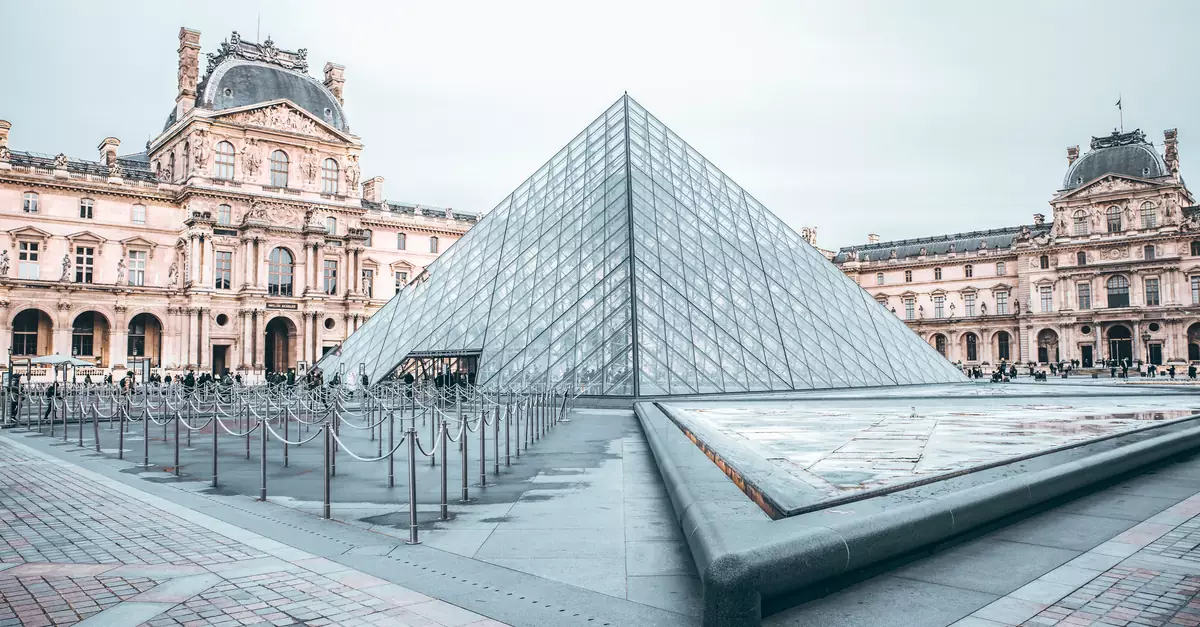
Amsterdam consistently ranks among the best beginner Europe destinations, offering a captivating blend of historic charm and modern vibrancy. Its compact size, excellent public transport, and generally safe environment make it an accessible and rewarding introduction to the continent. Navigating the city is straightforward, and the abundance of cultural attractions, from world-class museums to picturesque waterways, ensures there’s something for every traveler.
Must-See Museums: Rijksmuseum and Van Gogh
For art enthusiasts and history buffs, Amsterdam’s museum scene is unparalleled. The Rijksmuseum showcases Dutch Golden Age art, housing masterpieces like Rembrandt’s “The Night Watch” and Vermeer’s “The Milkmaid.” Allow at least half a day to appreciate its vast collection fully.
Adjacent to the Rijksmuseum, the Van Gogh Museum provides an intimate look into the life and work of the iconic post-impressionist painter. It’s home to the largest collection of Van Gogh’s paintings and drawings worldwide, offering profound insight into his artistic evolution. Booking tickets online in advance is highly recommended to avoid long queues, especially during peak season.
Cruising the Picturesque Canals
A boat tour along Amsterdam’s UNESCO World Heritage canals is an essential experience, offering a unique perspective on the city’s architecture and layout. Numerous companies provide tours, ranging from open-boat excursions for a more intimate feel to larger, covered vessels for comfort in any weather. Many tours depart from near Centraal Station or along the Prinsengracht.
Consider an evening canal cruise for a different ambiance, as city lights reflect on the water, creating a magical atmosphere. Some tours also include commentary, providing historical context and interesting anecdotes about the canal houses and their inhabitants.
Cycling Like a Local Through the Jordaan District
To truly immerse yourself in Amsterdam’s daily rhythm, rent a bicycle. The city is famously bike-friendly, with dedicated lanes and a culture that embraces two-wheeled transport. The Jordaan district, with its narrow streets, charming courtyards, and independent boutiques, is particularly delightful to explore by bike.
Be mindful of local cycling etiquette: signal your turns, stay in your lane, and be aware of tram tracks. Many bike rental shops are located near the city center. For a more relaxed experience, consider a guided cycling tour, which can also help you navigate safely and discover hidden gems.
Best Time to Visit Amsterdam for Tulips and Festivals
Amsterdam’s appeal shifts throughout the year, with distinct advantages for visiting at different times.
| Season | Highlights | Weather Considerations |
|---|---|---|
| Spring | Tulip season (April), King’s Day (April 27th) | Mild to cool, chance of rain |
| Summer | Long daylight hours, outdoor festivals, warm weather | Warm to hot, can be crowded |
| Autumn | Crisp air, fewer crowds, cultural events | Cool, increasing chance of rain |
| Winter | Christmas markets, cozy cafes, Amsterdam Light Festival | Cold, often damp, shorter daylight hours |
For a quintessential Dutch experience, visiting in spring is highly recommended. The period from late March to mid-May is prime time for the famous tulip fields surrounding Amsterdam, such as those at Keukenhof Gardens. King’s Day, celebrated on April 27th, is a national holiday filled with street parties and orange-clad revelers, offering a unique cultural immersion. Summer offers pleasant weather for exploration but also brings larger crowds. Autumn provides a quieter, more contemplative visit, while winter offers festive cheer and fewer tourists.
Budapest, Hungary: Thermal Baths and Ruin Bars
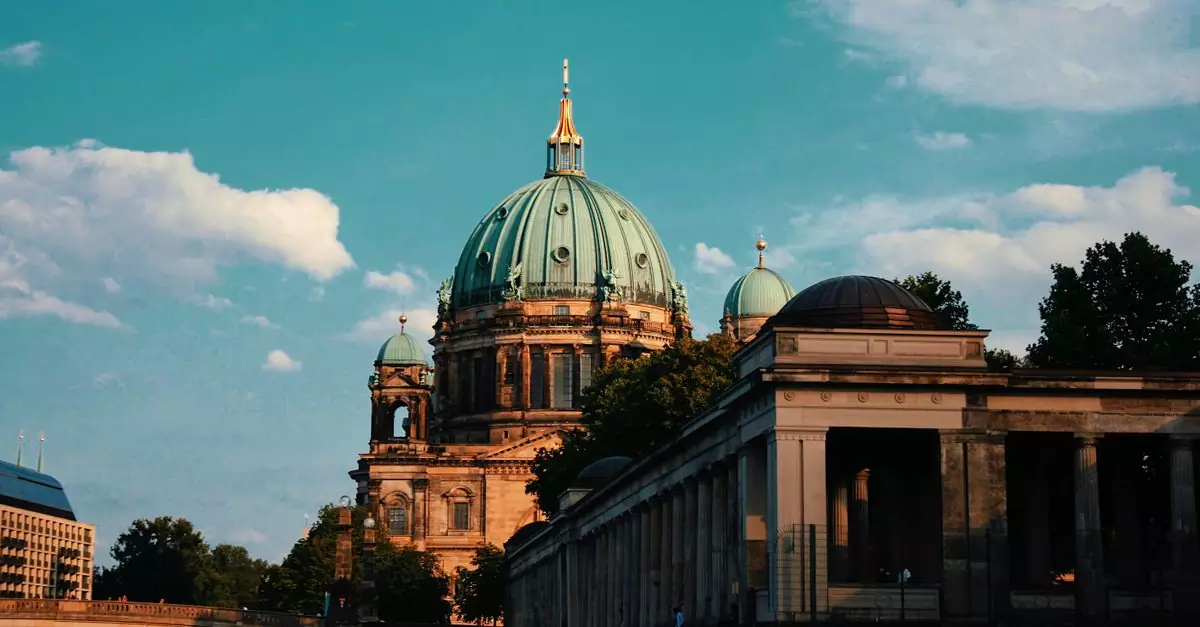
Budapest offers an incredible introduction to Europe for first-time visitors, blending grand history with youthful energy. This Hungarian capital is surprisingly affordable, making it an excellent choice for budget-conscious travelers. Unique attractions, from centuries-old thermal baths to quirky “ruin bars,” provide memorable experiences that feel distinctly European yet accessible. Navigating the city is straightforward, and English is widely spoken in tourist areas, easing concerns for those unfamiliar with the continent.
Relaxing in the Széchenyi or Gellért Baths
No visit to Budapest is complete without experiencing its famed thermal baths. The Széchenyi Baths, one of the largest spa complexes in Europe, offers a grand setting with impressive Neo-Baroque architecture and numerous outdoor pools. Here, locals and tourists alike gather to soak in the mineral-rich waters, regardless of the weather. For a more art nouveau ambiance, the Gellért Baths provide an equally enchanting experience, featuring ornate interiors and a more intimate feel. These thermal waters are not just for relaxation; they are a cultural institution, offering a glimpse into daily life and a chance to unwind after days of sightseeing. Consider visiting on a weekday morning to avoid the largest crowds.
Exploring Buda Castle and Fisherman’s Bastion
The historic Buda Castle district, perched atop Castle Hill, offers panoramic views of the Danube River and the Pest side of the city. Wandering through its cobblestone streets reveals centuries of history, from the Hungarian National Gallery to the Budapest History Museum. A highlight is Fisherman’s Bastion, a fairytale-like structure with seven towers, providing breathtaking vistas that are particularly stunning at sunrise or sunset. While the climb to the top can be steep, the expansive city views make it well worth the effort. Plan to spend at least half a day here to absorb the atmosphere and historical significance.
Experiencing Budapest’s Unique Ruin Bar Scene
Budapest’s “ruin bars” are a testament to the city’s creative spirit, transforming derelict pre-war buildings and courtyards into eclectic drinking establishments. Szimpla Kert, perhaps the most famous, is an ever-evolving labyrinth of art, mismatched furniture, and quirky decorations. Each bar has its distinct personality, offering a lively and affordable nightlife experience unlike anything else. These venues serve as social hubs and artistic showcases, providing a unique cultural immersion after dark. Many are open from late afternoon, making them suitable for a casual drink before dinner.
Budget-Friendly Eats in the Great Market Hall
For a taste of authentic Hungarian cuisine without breaking the bank, the Great Market Hall (Nagy Vásárcsarnok) is an essential stop. This vibrant indoor market is a feast for the senses, filled with stalls selling fresh produce, local delicacies, souvenirs, and prepared foods. On the upper level, you can find affordable and delicious meals, from hearty goulash to lángos (fried dough with toppings). It’s an ideal place to sample various local flavors in a bustling, authentic setting. Visiting during lunch hours offers the best chance to experience the market at its liveliest.
Frequently Asked Questions About Your First European Adventure
Planning your initial European journey involves several practical considerations. Addressing common questions can streamline your preparation and enhance your travel experience.
What’s the best way to handle currency exchange in Europe?
Most European countries use the Euro (€). For countries with different currencies, like the UK (£), Switzerland (CHF), or Sweden (SEK), it’s wise to understand their exchange rates. Credit and debit cards are widely accepted in major cities and tourist areas, often offering competitive exchange rates. For smaller purchases or in more remote locations, having some local cash is advisable.
You can withdraw Euros from ATMs upon arrival, which typically offer better rates than airport currency exchange booths. Inform your bank about your travel dates to avoid card issues.
How much should I budget for a week in these beginner destinations?
Budgeting for a week in popular European cities can vary significantly based on your travel style. A mid-range traveler might allocate between €100-€150 per day, covering accommodation, food, local transport, and some attractions. This excludes international flights.
Here’s a general breakdown for a week:
| Destination | Budget per Day (Mid-Range) | Accommodation Estimate (Per Night) |
|---|---|---|
| Paris, France | €120 – €180 | €100 – €200 |
| Rome, Italy | €100 – €160 | €90 – €180 |
| Amsterdam, NL | €110 – €170 | €110 – €220 |
| Barcelona, Spain | €90 – €150 | €80 – €160 |
These figures are estimates and can be adjusted based on your choices for dining, activities, and lodging. Traveling during the shoulder seasons (spring and fall) can also help reduce costs.
Is it safe for solo travelers in these cities?
Europe is generally a safe continent for solo travelers, and the recommended beginner destinations are known for their relatively low crime rates, particularly against tourists. Standard precautions apply: be aware of your surroundings, especially in crowded areas where pickpocketing can occur, and avoid displaying excessive wealth.
Cities like Amsterdam and Paris have well-established public transport systems, making it easy to navigate without needing late-night walks. It’s always a good idea to share your itinerary with someone back home and have local emergency numbers readily available. Researching neighborhoods where you plan to stay or visit can also provide helpful context.
What essential items should I pack for a European trip?
Packing light is key for easier mobility, especially if you plan to use public transport or navigate cobblestone streets. Comfortable walking shoes are essential, as you’ll likely be doing a lot of walking. Layers are also highly recommended, as European weather can be unpredictable, even within the same day.
Consider packing:
- Comfortable walking shoes: Essential for exploring cities.
- Versatile clothing: Pack items that can be layered and mixed-and-matched.
- A universal travel adapter: For charging electronics.
- A reusable water bottle: Many cities have public fountains.
- A small backpack or day bag: For daily essentials.
- Copies of important documents: Passport, visa, and booking confirmations.
For more specific packing advice tailored to the climate, check the weather forecasts closer to your departure date.