Embarking on a journey from the fashion capital to the floating city is a quintessential Italian experience. This comprehensive Milan to Venice travel itinerary guides you through a seamless 3-day adventure, maximizing your time in two of Italy’s most captivating destinations. You’ll discover efficient and scenic travel options between Milan and Venice by train, learn how to secure the best ticket prices, and navigate key stations with ease. We’ll outline a day-by-day plan, highlighting must-see attractions in Milan, breathtaking sights in Venice, and even an island-hopping excursion. Prepare to explore iconic landmarks, savor local flavors, and uncover hidden gems as you transition from the bustling streets of Milan to the enchanting canals of Venice.
Seamless Milan to Venice Travel: Choosing Your Train
The most efficient and scenic way to travel between these two iconic Italian cities is by train. A well-planned Milan to Venice travel itinerary depends on understanding your rail options. High-speed trains connect Milan and Venice in just under three hours, making it feasible for a day trip or the start of a longer adventure. This section guides you in selecting the right train, booking tickets, and navigating key stations.
High-Speed Frecciarossa vs. Italo: Which Milan to Venice Train?
Italy has two primary high-speed rail operators: Trenitalia’s Frecciarossa and NTV’s Italo. Both offer comfortable and swift journeys from Milan to Venice, but subtle differences may influence your choice. Frecciarossa trains are Trenitalia’s premium service, known for sleek design, onboard Wi-Fi, and attentive service. Italo, a newer competitor, also provides a high-quality experience with modern trains, complimentary Wi-Fi, and a focus on passenger comfort.
| Feature | Frecciarossa (Trenitalia) | Italo (NTV) |
|---|---|---|
| Speed | Similar (approx. 2.5-3 hours) | Similar (approx. 2.5-3 hours) |
| Comfort | Excellent | Excellent |
| Wi-Fi | Included | Included |
| Power Outlets | Available | Available |
| Classes | Standard, Premium, Business, Executive | Smart, Prima, Club Executive |
| Food/Drink | Bar car, onboard service | Bar car, onboard service |
Both services offer multiple daily departures, ensuring flexibility for your Milan to Venice travel itinerary. Prices can vary based on booking time and class of service, so comparing both operators is advisable.
Booking Your Milan to Venice Train Tickets: Tips for Best Prices
To secure the best prices for your Milan to Venice train journey, a bit of foresight is essential. Like airline tickets, train fares in Italy often increase as the travel date approaches and as seats fill up. Booking your tickets several weeks or even months in advance can lead to significant savings, especially if you aim for a specific class or departure time.
Look for “Super Economy” or “Economy” fares on Trenitalia’s website or app, or “Low Cost” tickets on Italo’s platform. These options are non-refundable and non-exchangeable but offer the lowest prices. Standard or flexible tickets provide more freedom to change your plans but come at a higher cost. If your schedule is uncertain, consider purchasing a “Base” or “Flex” ticket.
Many travelers find it convenient to book directly through the train operators’ official websites or apps. Alternatively, reputable third-party booking platforms can provide a consolidated view of options, but always double-check the terms and conditions for changes or cancellations.
Navigating Milan Centrale and Venice Santa Lucia Stations
Milan Centrale is a grand, historic station and a major transportation hub. Allow ample time to find your platform, especially during peak hours. The station is well-signposted, and information desks are available if you need assistance. You’ll find numerous cafes, restaurants, and shops for last-minute snacks or souvenirs before boarding your train to Venice.
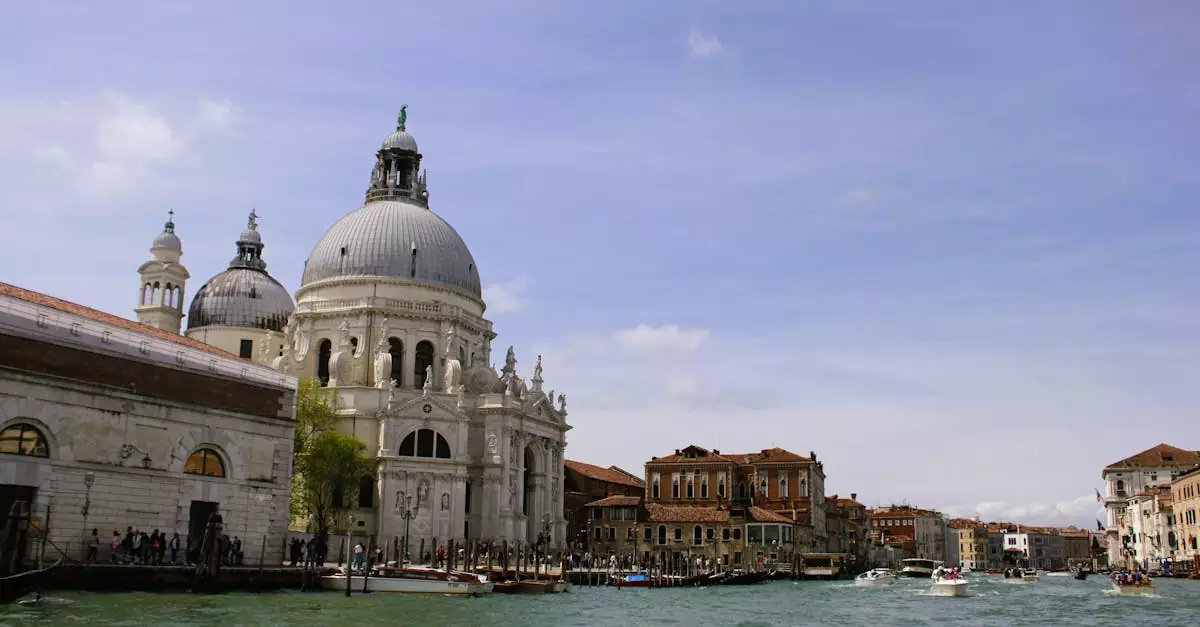
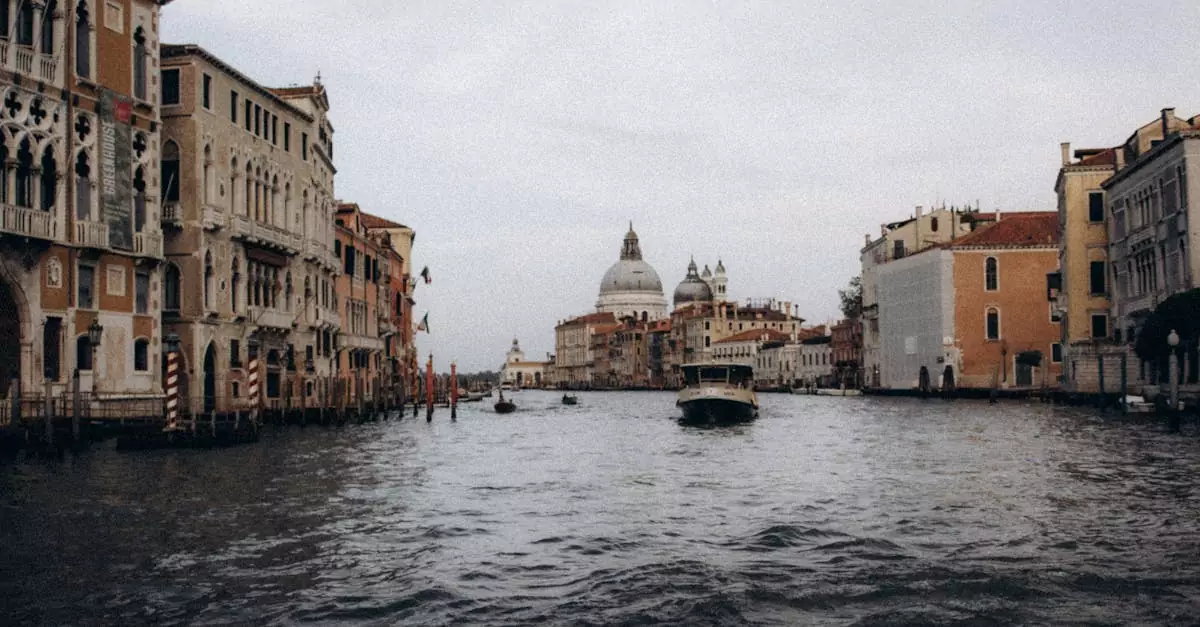
Upon arrival at Venice Santa Lucia station, you’ll step directly onto the Grand Canal, a breathtaking introduction to the city. This is the last stop for trains arriving from the mainland. From here, your Venetian adventure truly begins. The Vaporetto (water bus) stop is just outside the station, offering immediate access to public transport across the canals. If your accommodation is within walking distance, simply exit the station and follow signs toward your destination. For those staying further afield, purchasing Vaporetto tickets or a multi-day pass is recommended.
Day 1: Milanese Charm and Departure to Venice
Your 3-day train adventure from Milan to Venice begins with a morning immersed in the grandeur of Milan, followed by a swift and scenic journey to the floating city. This itinerary focuses on maximizing your time, blending iconic sights with efficient travel.
Morning: Duomo di Milano and Galleria Vittorio Emanuele II
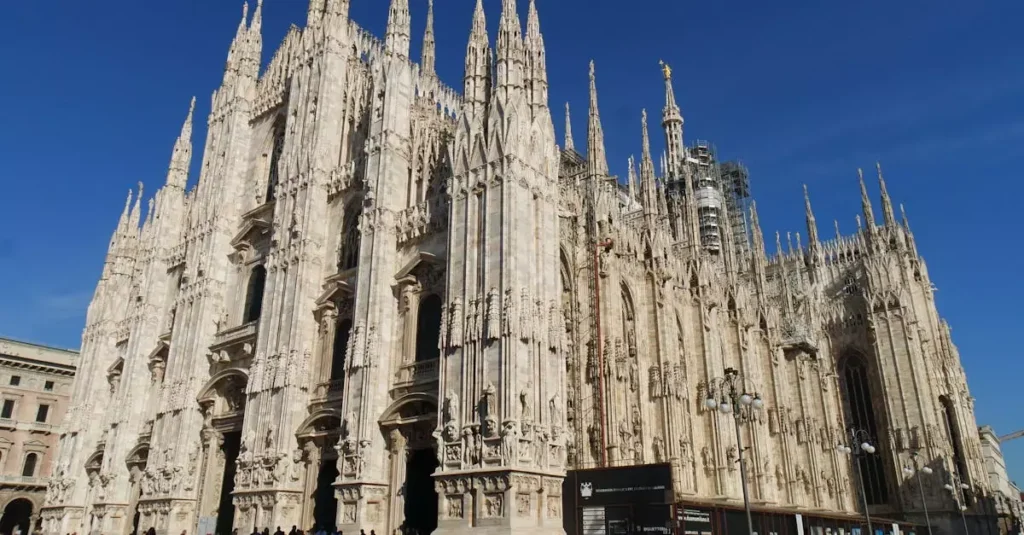
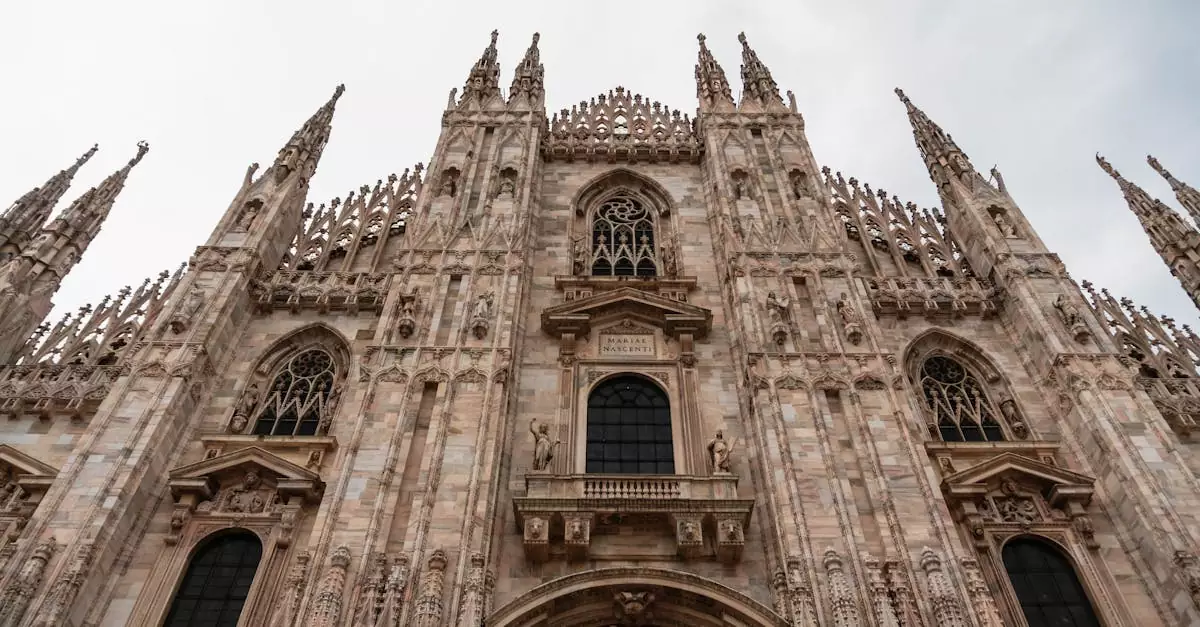
Start your day at the heart of Milan with a visit to the magnificent Duomo di Milano. This Gothic masterpiece, with its intricate spires and stunning facade, is a must-see. Allow at least an hour to appreciate its scale and consider booking tickets online in advance to skip the queues, especially during peak season. For unparalleled views, ascend to the rooftop terraces to walk among the statues and gaze over the city.
Just steps away from the Duomo, you’ll find the Galleria Vittorio Emanuele II. This elegant 19th-century shopping arcade, often referred to as “Milan’s drawing room,” boasts a glass-vaulted ceiling and mosaic floors. It’s a beautiful place for a leisurely stroll, window shopping at high-end boutiques, or simply soaking in the sophisticated atmosphere. Even if shopping isn’t your priority, the architecture alone is worth the visit.
Lunch: Quick Bites Near Milan’s Fashion District
For lunch, the area surrounding the Duomo and the adjacent Fashion District (Quadrilatero della Moda) offers a range of options. To save time and keep your budget in check, opt for a “panzerotto” from Luini, a local institution famous for its fried turnovers, or find a “tavola calda” for a quick, delicious, and affordable Italian meal. These casual eateries typically offer pre-prepared dishes like pasta, salads, and meats, perfect for a speedy refuel before your onward journey.
Consider grabbing a quick bite to eat around 12:30 PM to allow ample time for your afternoon travel plans. This also keeps you close to the city’s main attractions, minimizing transit time within Milan.
Afternoon: Boarding Your Train to Venice
With your Milanese highlights complete, it’s time to head to Milano Centrale station for your train to Venice. The high-speed Frecciarossa or Italo trains offer a comfortable and efficient way to travel. The journey typically takes around 2.5 hours.
Train Travel Tips:
- Booking: Book your train tickets in advance, especially for high-speed services, to secure the best prices and ensure availability. Websites like Trenitalia or Italo Treno are your best resources.
- Station: Milano Centrale is a grand and bustling station. Arrive at least 30 minutes prior to departure to locate your platform and board without rush.
- Seating: Trains are divided into different classes. Standard class is comfortable, while higher classes offer more space and amenities.
- Scenery: The route offers glimpses of the Italian countryside, transitioning from Lombardy’s plains to the Venetian lagoon.
Upon arrival at Venezia Santa Lucia station, you will immediately step out to the Grand Canal, a truly breathtaking introduction to Venice. From here, you can easily access water taxis or Vaporetto (water bus) services to reach your accommodation. The transition from the organized efficiency of Milan to the unique aquatic charm of Venice marks the true beginning of your Venetian experience.
Day 1 Evening & Day 2: Exploring Venice’s Iconic Sights
Arriving in Venice by train offers an immediate sense of stepping into another world. The station opens directly onto the Grand Canal, a dramatic introduction to the city’s unique watery landscape. For your first evening and the following day, focus on the heart of Venice, immersing yourself in its most famous landmarks. This itinerary prioritizes efficient exploration, making the most of your limited time.
Arrival in Venice: St. Mark’s Square and Basilica
After settling into your accommodation, head straight for Piazza San Marco (St. Mark’s Square). This vast, elegant piazza is the historical and social center of Venice. Admire the stunning St. Mark’s Basilica, a masterpiece of Italo-Byzantine architecture. Its opulent mosaics and gilded domes are breathtaking, especially as the evening light catches them. Consider booking basilica tickets online in advance to save time, as queues can be substantial. While in the square, be mindful of pigeons and opportunistic vendors.
Gondola Ride: Experiencing Venice from the Waterways
No trip to Venice is complete without a gondola ride. While touristy, it offers a unique perspective of the city that is impossible to get on foot. Opt for a ride through the quieter canals away from the Grand Canal for a more intimate experience. Prices are generally fixed by the city, so agree on the duration and route before you board. A 30-minute ride typically costs around €80-€100, with surcharges for evening rides. This is a quintessential Venetian experience, adding a unique rhythm to your travel itinerary.
Rialto Bridge and Market Exploration
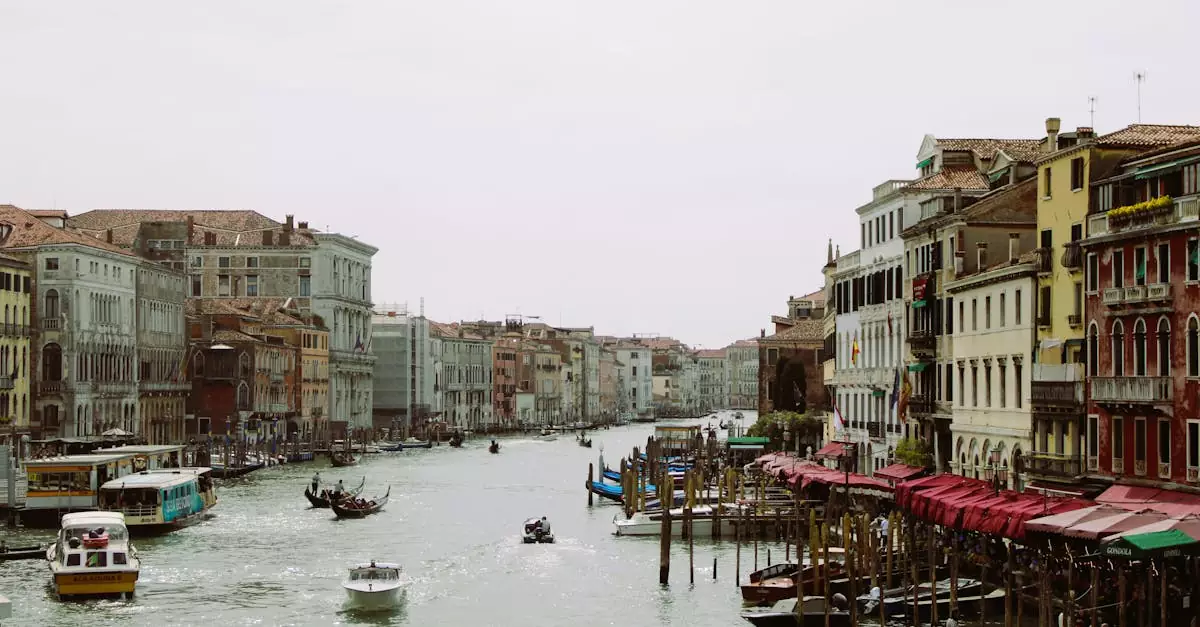
The Rialto Bridge is Venice’s oldest and most famous bridge spanning the Grand Canal. It’s a bustling hub of activity, lined with shops selling souvenirs and glass. For a more authentic experience, visit the nearby Rialto Market in the morning. Here, you can see a vibrant display of fresh produce, seafood, and local delicacies. It’s a great place to grab a quick, delicious lunch or simply soak in the local atmosphere. The market is most active from Tuesday to Saturday.
Doge’s Palace and Bridge of Sighs
The Doge’s Palace (Palazzo Ducale) was the seat of Venetian power for centuries. A visit here is essential for understanding the city’s rich history and its former glory. Explore its grand halls, opulent chambers, and infamous prisons. The tour culminates with a walk across the Bridge of Sighs, which connected the palace to the New Prison. Legend has it that prisoners would sigh as they caught their last glimpse of beautiful Venice through the windows. Allow at least 2-3 hours for a thorough visit, and booking tickets online is highly recommended to avoid long waits.
Day 3: Uncovering Venice’s Hidden Gems and Departure
Your final day in Venice offers a chance to step away from the main tourist thoroughfares and discover the city’s more intimate corners, followed by your journey back. This itinerary focuses on experiencing local Venetian life and enjoying a memorable farewell.
Morning: Murano and Burano Island Hopping
Begin your day with a vaporetto ride to the outer islands of Murano and Burano. Murano, historically renowned for its glassmaking, offers opportunities to watch artisans at work in their studios. While many shops cater to tourists, seeking out smaller, independent workshops can provide a more authentic glimpse into this traditional craft.
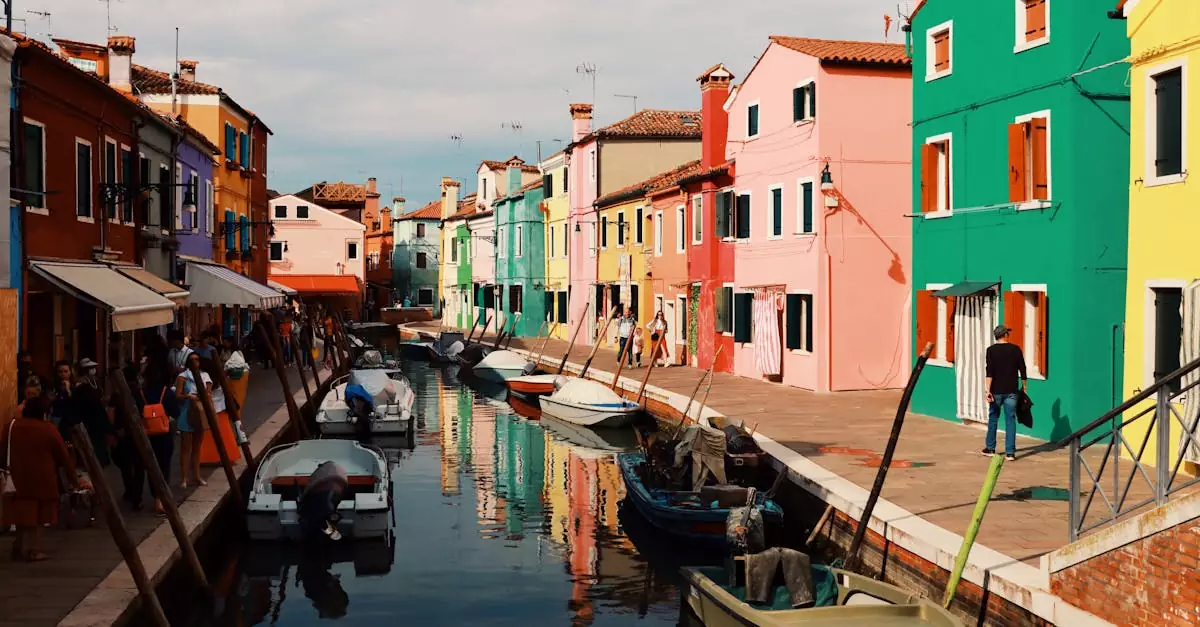
A short boat trip further brings you to Burano, famous for its brightly painted houses and lacemaking tradition. The vibrant colors create a picturesque scene, and a leisurely stroll through its narrow canals is a delightful way to spend the morning. For lunch, consider a trattoria on Burano offering fresh seafood caught locally. This island-hopping excursion is a scenic escape and provides a different perspective on the Venetian lagoon.
Cannaregio: Discovering Venice’s Local Vibe
Upon returning to Venice proper, head to the Cannaregio district. This northern sestiere is one of the largest and most populous, retaining a strong local character. Wander through its less crowded streets, discover charming squares like Campo dei Mori, and observe daily life unfolding. Cannaregio is also home to the historic Jewish Ghetto, the oldest in the world, offering a poignant historical experience.
This area provides a stark contrast to the bustling San Marco. You’ll find fewer souvenir shops and more local businesses, bakeries, and everyday residences. It’s an excellent place to get lost and stumble upon quiet canals and authentic bacari (wine bars).
Cicchetti and Wine Tasting in Dorsoduro
As lunchtime approaches, make your way to the Dorsoduro district, known for its artistic heritage and vibrant local atmosphere. Dorsoduro is the perfect place to indulge in Venice’s beloved tradition of cicchetti – small, tapas-like snacks. Many bacari in this district offer an impressive selection, from creamy baccalà mantecato to tiny meatballs and fried mozzarella.
Pair your cicchetti with a glass of local wine, such as a crisp Soave or a robust Valpolicella. This culinary experience is both affordable and deeply ingrained in Venetian culture. It’s a fantastic way to sample a variety of flavors in a relaxed, convivial setting. Consider visiting areas around Campo Santa Margherita for a lively atmosphere.
Last Glimpse of Venice Before Heading Back
Before your departure, take a final walk through Venice, perhaps revisiting a favorite spot or discovering one last hidden courtyard. Depending on your train schedule, you might have time for a peaceful moment by the Grand Canal or a final gelato. Ensure you allocate ample time to reach the Venezia Santa Lucia train station, as navigating Venice’s bridges and canals can take longer than expected.
Your Milan to Venice travel itinerary concludes here, leaving you with memories of this unique floating city. The efficient train system makes returning to Milan straightforward, allowing for a smooth end to your short Italian adventure.
Essential Milan to Venice Travel Tips for 2026
Planning your 3-day trip from Milan to Venice involves a few key considerations to ensure a smooth and enjoyable journey. This popular route is well-traversed, offering efficient train connections and a wealth of experiences in both cities. Understanding the best times to visit, how to budget, what to pack, and how to navigate Venice will enhance your adventure.
Best Time to Travel Between Milan and Venice
The shoulder seasons of spring (April to May) and autumn (September to October) offer the most pleasant conditions for this Milan to Venice travel itinerary. During these months, the weather is typically mild, with comfortable temperatures ideal for walking and sightseeing. You’ll also encounter fewer crowds compared to the peak summer months, leading to a more relaxed experience.
Summer (June to August) can be hot and humid in Venice, with higher accommodation prices and larger tourist numbers. Winter (November to March) is cooler and can be damp, with the added possibility of acqua alta (high water) in Venice, which can disrupt travel. However, winter also brings fewer tourists and a unique, atmospheric charm.
Budgeting Your 3-Day Milan to Venice Trip
A 3-day Milan to Venice trip can be tailored to various budgets. The primary costs include train tickets, accommodation, food, and activities.
| Category | Budget (~€/day) | Mid-Range (~€/day) | Luxury (~€/day) |
|---|---|---|---|
| Accommodation | 50-80 | 100-180 | 200+ |
| Food | 40-60 | 70-100 | 120+ |
| Transportation | 10-20 | 20-30 | 30-50 |
| Activities/Misc | 30-50 | 60-90 | 100+ |
| Total | 130-210 | 250-300 | 450+ |
Train tickets between Milan and Venice are relatively affordable, especially when booked in advance. For example, a high-speed Frecciarossa ticket can range from €30 to €70 one-way, depending on booking time and class. Accommodation in Venice is generally more expensive than in Milan. Eating at local trattorias and cicchetti bars can help manage food costs, while opting for free walking tours can save on sightseeing expenses.
What to Pack for a Spring/Autumn Milan to Venice Itinerary
When traveling between Milan and Venice during spring or autumn, packing layers is key. Temperatures can fluctuate throughout the day, so being prepared for both cooler mornings and warmer afternoons is essential. Comfortable walking shoes are non-negotiable; you’ll be doing a lot of walking in both cities, especially in Venice.
Consider bringing a light waterproof jacket or umbrella, as spring and autumn can bring occasional rain showers. A small backpack is useful for carrying daily essentials like water, snacks, and a camera. For evenings, a slightly dressier outfit might be suitable for enjoying a nice dinner. Remember to pack any necessary medications and travel adapters.
Navigating Venice: Walking vs. Vaporetto
Venice is a city best experienced on foot, allowing for spontaneous discoveries down charming alleyways and across picturesque bridges. However, navigating the city’s canals and larger distances is made efficient by the vaporetto, Venice’s public water bus system.
Purchasing a multi-day vaporetto pass can be cost-effective if you plan to use it frequently. A single ticket is expensive, so frequent travel on single tickets will quickly add up. The main vaporetto lines run along the Grand Canal, connecting major points of interest like St. Mark’s Square, Rialto Bridge, and the train station. For a more immersive experience, consider a water taxi, though this is a significantly more expensive option. Many travelers find a combination of walking and strategic vaporetto use to be the most rewarding approach.
Frequently Asked Questions About Your Milan to Venice Journey
How long does the train from Milan to Venice take?
The high-speed train journey between Milan and Venice is remarkably efficient. Direct Frecciarossa and Italo trains typically complete the route in about 2 hours and 20 minutes to 2 hours and 30 minutes. This makes a day trip feasible, though an overnight stay in Venice is highly recommended to fully experience the city. Booking tickets in advance, especially during peak season, can secure better prices and ensure availability.
Is it better to stay in Milan or Venice?
The choice depends entirely on your travel priorities. Milan offers a vibrant fashion and design scene, impressive Gothic architecture like the Duomo, and excellent shopping opportunities. It’s a bustling metropolis with a more contemporary feel. Venice, on the other hand, is a unique, car-free city built on canals, offering unparalleled romantic ambiance, historic waterways, and a slower pace of life. For a 3-day trip focused on experiencing both, splitting your time is ideal, but if forced to choose one as a base, Venice provides a more distinct and iconic Italian experience.
| City | Vibe | Key Attractions | Best For |
|---|---|---|---|
| Milan | Modern, Fashionable, Urban | Duomo, Galleria Vittorio Emanuele II, Last Supper | Shopping, Design, Business, City Life |
| Venice | Romantic, Historic, Unique | St. Mark’s Square, Doge’s Palace, Canals | Romance, History, Art, Unique Scenery |
What are the must-try foods in Venice?
Venice boasts a distinct culinary heritage influenced by its maritime location. Seafood is paramount, so be sure to try Sarde in Saor (sweet and sour sardines), Baccalà Mantecato (creamed cod), and Risotto al Nero di Seppia (risotto with cuttlefish ink). For cicchetti (Venetian tapas) lovers, explore the bacari (traditional bars) for small bites and a glass of local wine (ombra). Don’t miss trying Fegato alla Veneziana (Venetian-style liver) or Bigoli in Salsa (thick spaghetti with anchovy or onion sauce).
Are there day trips possible from Venice on this itinerary?
While this 3-day Milan to Venice itinerary focuses on the two main cities, day trips from Venice are certainly possible if you have extra time or prefer a different focus. The islands of the Venetian Lagoon are the most popular excursions. Murano is famous for its glass-blowing workshops, while Burano enchants visitors with its brightly colored houses and lacemaking traditions. Torcello offers a glimpse into Venice’s ancient past with its historic cathedral. These islands are easily accessible by Vaporetto (water bus) and can be visited within a half or full day from Venice.