France is a country where food transcends mere sustenance; it embodies art, culture, and regional pride. While Paris often garners the spotlight, the true essence of French gastronomy thrives in its provincial towns. If you’re embarking on a culinary journey, discovering the best French food towns is crucial for an authentic taste of the nation’s rich culinary heritage. This guide will lead you beyond the capital to explore cities renowned for their unique specialties, from the hearty traditions of Lyon and the charming winstubs of Alsace to the wine-infused delights of Bordeaux and the coastal treasures of Brittany. Get ready to uncover the distinct flavors, iconic dishes, and culinary secrets that make each destination a must-visit for food enthusiasts.
Why Lyon Reigns Supreme as France’s Gastronomic Heart
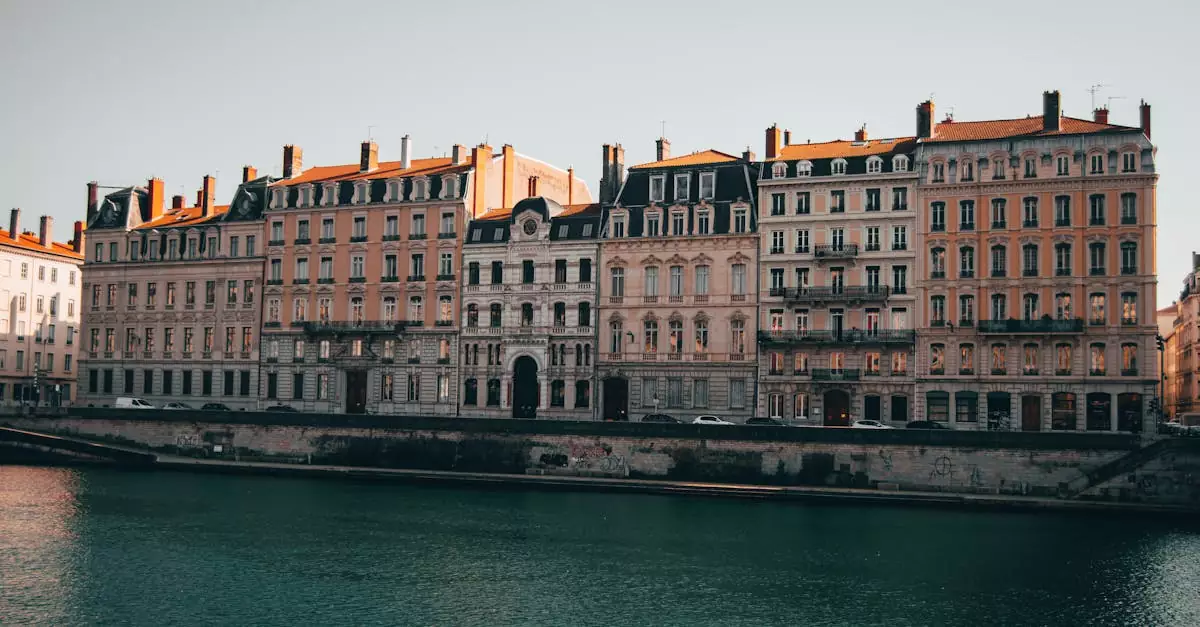
When discussing the best French food towns, Lyon consistently emerges at the top. This vibrant city in the Auvergne-Rhône-Alpes region is not just a culinary hub; it’s a destination where food is intricately woven into daily life. Lyon’s status as the gastronomic capital of France is well-deserved, thanks to its rich culinary history, commitment to quality ingredients, and a unique dining culture that prioritizes tradition and conviviality. From historic eateries to bustling markets, Lyon offers an immersive food experience that appeals to both serious gourmands and casual visitors.
Exploring Lyon’s Historic Bouchons for Traditional Lyonnaise Cuisine
No culinary exploration of Lyon is complete without dining at a traditional bouchon. These intimate, often family-run restaurants serve hearty, authentic Lyonnaise dishes passed down through generations. Bouchons are known for their welcoming atmosphere, red-and-white checkered tablecloths, and menus that celebrate local produce and time-honored recipes. Expect generous portions and friendly service. Finding a genuine bouchon is part of the adventure; look for establishments displaying the “Authentique Bouchon Lyonnais” label to ensure a true taste of the city’s heritage. Reservations are highly recommended, especially at popular spots.
Must-Try Dishes: Quenelles, Salade Lyonnaise, and Praline Tarts
Lyon’s cuisine is both distinct and deeply satisfying. Among the most iconic dishes is the quenelle, a delicate dumpling of pike or other fish, often served in a creamy Nantua sauce (a crayfish-based béchamel). Another staple is the salade Lyonnaise, a robust salad featuring crisp frisée lettuce, lardons (bacon), a perfectly poached egg, and a sharp vinaigrette. For dessert, the tarte aux pralines roses is essential. This vibrant pink tart, made with sweet, crunchy rose-colored almonds, provides a delightful contrast to savory main courses. These dishes embody the soul of Lyonnaise cooking, showcasing simple ingredients prepared with expert technique.
Navigating Lyon’s Vibrant Food Markets: Les Halles de Lyon Paul Bocuse
To truly grasp Lyon’s food scene, a visit to Les Halles de Lyon Paul Bocuse is essential. This renowned indoor market, named after the legendary French chef, is a gastronomic temple. Inside, you’ll find an exquisite array of artisanal producers, from cheese mongers and charcuterie specialists to bakers and fishmongers. It’s an ideal spot to sample local delicacies, purchase high-quality ingredients, or enjoy a casual lunch at one of the market’s eateries. Wandering through the stalls allows you to admire vibrant displays of fresh produce, regional cheeses, and expertly prepared meats, experiencing the passion that defines French culinary excellence. The market is easily accessible by public transport, making it a convenient stop for any food-focused itinerary.
Beyond Paris: Uncovering Culinary Gems in Alsace
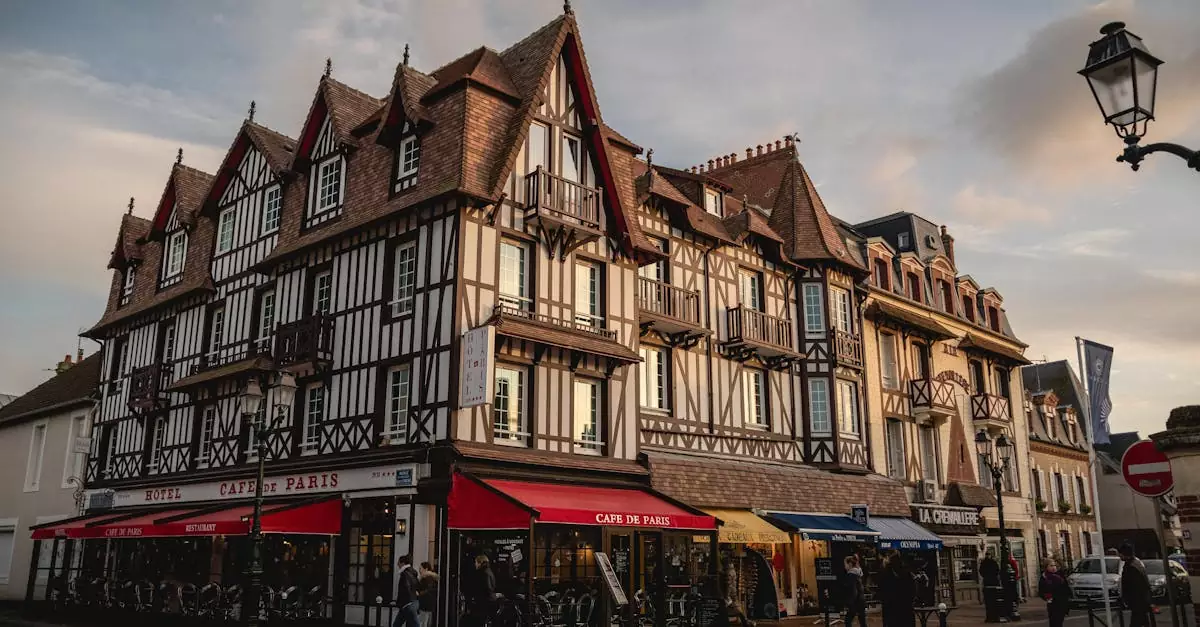
While Paris rightfully claims a spot on many food lovers’ lists, the Alsace region offers a distinct and rewarding culinary experience. This northeastern corner, with its unique Franco-Germanic heritage, features charming towns that are undeniably among the best French food destinations. Here, hearty dishes meet delicate pastries, all set against a backdrop of picturesque villages and renowned vineyards.
Strasbourg’s Charming Winstubs and Flammekueche Delights
Strasbourg, the capital of Alsace, is where culinary tradition flourishes in cozy winstubs (traditional taverns). These establishments serve regional specialties that are both flavorful and satisfying. A must-try is Flammekueche, a thin, crispy tart topped with crème fraîche, onions, and lardons—perfect as an appetizer or light meal.
Beyond Flammekueche, winstubs offer hearty dishes like choucroute garnie (sauerkraut with various meats) and baeckeoffe (a slow-cooked casserole of meats and potatoes). Dining at a winstub is an immersive experience, often complemented by local Alsatian wines or beer. For an authentic taste, seek out winstubs in the Petite France quarter, known for its historic charm.
Colmar’s Sweet Treats: Kougelhopf and Alsatian Pastries
Colmar, often described as a fairytale town with its canals and colorful half-timbered houses, excels in sweet treats. The region’s signature cake, Kougelhopf, is a staple. This brioche-like, yeast-raised cake, traditionally baked in a fluted mold, comes in both sweet and savory versions, though the sweet variety, often studded with raisins and flavored with kirsch, is particularly popular.
Local bakeries in Colmar are treasure troves of Alsatian pastries. Look for manele (small brioche figures, especially popular around Saint Nicholas Day), pain d’épices (dense gingerbread), and various fruit tarts showcasing seasonal produce. Enjoying these treats with coffee or a glass of local Gewürztraminer wine offers a delightful way to experience Colmar’s culinary charm.
Exploring the Route des Vins d’Alsace for Local Pairings
The Route des Vins d’Alsace (Alsace Wine Route) is more than just a scenic drive; it’s a pilgrimage for anyone interested in French food and wine. This 170-kilometer route winds through picturesque villages and vineyards, offering numerous opportunities to taste the region’s distinctive white wines. Alsace is particularly famous for its aromatic dry whites, including Riesling, Gewürztraminer, and Pinot Gris.
Many wineries along the route offer tastings, often paired with local charcuterie or cheeses. Visiting a winery provides insight into the winemaking process and allows for direct purchase of your favorite bottles. For a complete culinary experience, time your visits with local village markets, where you can sample regional products like munster cheese and saucisson (sausage) to enjoy with your newly acquired wines. Traveling this route is a fantastic way to connect the region’s agricultural bounty with its prepared dishes, making it one of the best French food towns to explore.
Bordeaux: Where Wine Meets World-Class French Food
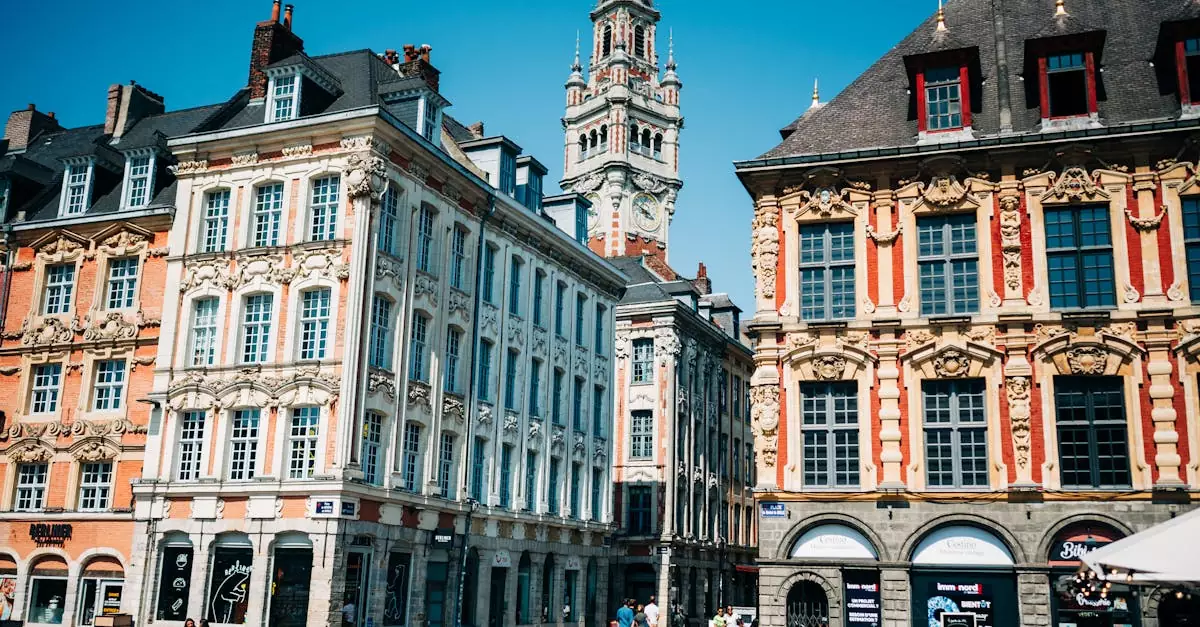
Bordeaux, a city synonymous with fine wine, also boasts a sophisticated dining scene deeply rooted in regional specialties, from the briny treasures of the nearby coast to the sweet indulgence of its iconic pastries. For travelers seeking a true taste of France, Bordeaux offers an unforgettable culinary journey, seamlessly blending its world-renowned viticulture with gastronomic excellence.
Savoring Oysters and Seafood in the Arcachon Basin
A short excursion from Bordeaux takes you to the Arcachon Basin, a renowned oyster-farming region. Here, visitors can savor the freshest oysters, often enjoyed right at the source from local oyster huts, known as cabanes ostréicoles. The crisp, salty flavor of these huîtres is a quintessential taste of the Atlantic coast. Beyond oysters, the basin offers a bounty of other seafood, including spider crabs, sea bream, and sole, prepared simply to highlight their natural flavors. Many restaurants in Arcachon and nearby towns like Pyla-sur-Mer specialize in these oceanic delights. Consider a day trip from Bordeaux to indulge in this coastal bounty; the train journey takes about an hour, making it a convenient escape for seafood lovers.
Exploring Bordeaux’s Canelés and Local Patisseries
No visit to Bordeaux is complete without sampling its signature pastry: the canelé. This small, caramelized delight, with its dark, crisp exterior and tender, custardy interior infused with rum and vanilla, is a beloved treat. You’ll find them in nearly every bakery and patisserie across the city. Beyond the canelé, Bordeaux boasts a rich patisserie tradition. Seek out shops offering macarons, delicate meringue-based confections, and mille-feuille, a classic layered pastry. For an authentic experience, visit traditional bakeries in the historic Saint-Pierre district. Many establishments offer tastings, allowing you to compare the nuances of their creations. A leisurely stroll through the city center, punctuated by stops at various pâtisseries, is a delightful way to discover these sweet specialties.
Wine Tasting Tours: Pairing Bordeaux Wines with Regional Dishes
Bordeaux’s identity is inextricably linked to its wine. Embarking on a wine tasting tour offers not just sampling the region’s famous reds and whites, but also understanding how these wines complement local cuisine. Many vineyard tours and estates provide food pairings, showcasing how a Médoc can enhance a hearty beef dish or a crisp Entre-Deux-Mers pairs beautifully with fresh seafood. Consider visiting the Saint-Émilion or Margaux appellations for immersive experiences. These tours often include visits to local markets or traditional restaurants, providing a comprehensive taste of the region. Several companies offer guided tours from Bordeaux, typically lasting a full or half-day, making it easy to incorporate into your travel plans. Booking in advance is highly recommended, especially during peak season.
What Are the Best French Food Towns for Regional Specialties?
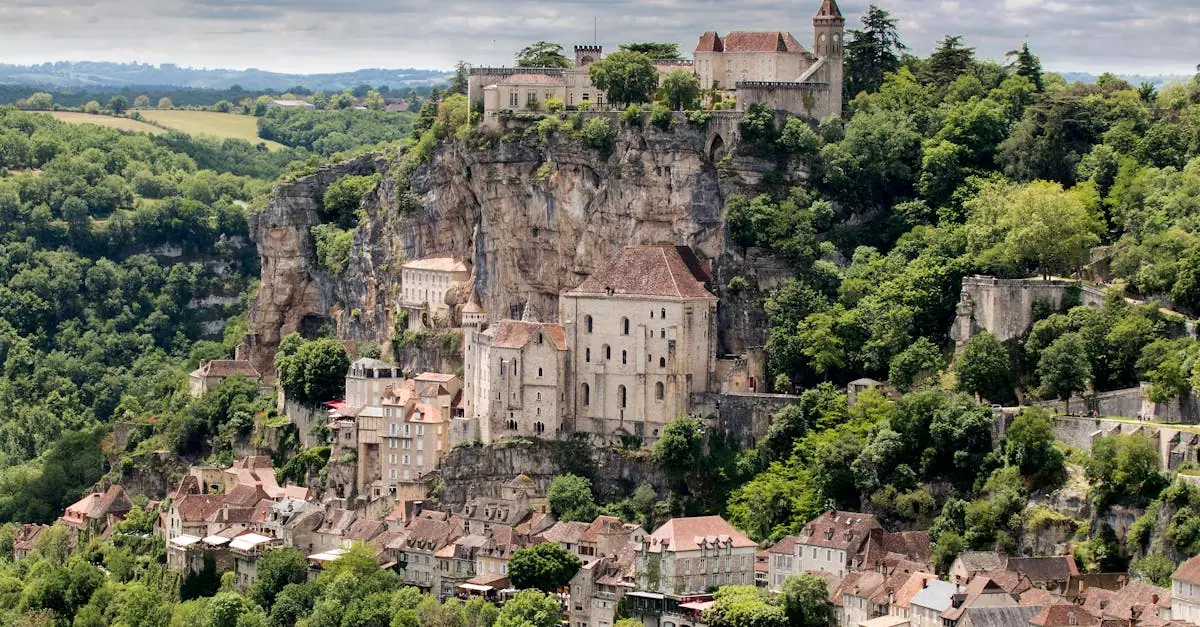
France’s reputation as a gastronomic powerhouse stems from its diverse regions, each boasting unique ingredients and culinary traditions. To truly appreciate French cuisine, visiting these distinct food towns offers a delicious journey through local flavors.
Discovering Duck Confit and Foie Gras in the Southwest (e.g., Toulouse)
The Southwest of France is synonymous with rich, savory dishes, particularly those featuring duck. Toulouse, often called “La Ville Rose” for its terracotta architecture, serves as a prime example. Here, duck confit—slow-cooked in its own fat until meltingly tender—is a staple. You’ll find it in both traditional bistros and contemporary restaurants.
Foie gras, the delicacy of fattened duck or goose liver, is another cornerstone of Southwestern gastronomy. While controversial for some, its preparation and presentation in this region are regarded as an art form. Seek out local markets, such as the Marché Victor Hugo in Toulouse, to sample artisanal products and witness the quality of local produce. Visiting during the autumn harvest season provides access to the freshest ingredients.
Getting to Toulouse is straightforward, with a major airport and good rail connections from Paris and other cities. Accommodation options range from charming boutique hotels in the old town to modern apartments. When dining, look for restaurants that emphasize seasonal ingredients and traditional cooking methods.
Experiencing Provençal Flavors: Ratatouille and Bouillabaisse in Marseille
Along the sun-drenched Mediterranean coast, Marseille offers a culinary identity shaped by its port city status and proximity to Italy. This is the heartland of bouillabaisse, a complex fish stew traditionally made with at least three types of local fish, flavored with saffron, fennel, and herbs. Authentic bouillabaisse is served in two courses: the broth first, followed by the fish and vegetables.
Another iconic dish from Provence is ratatouille, a vegetable stew featuring eggplant, zucchini, bell peppers, tomatoes, and onions, slow-cooked to perfection. While often seen as a side dish, in Provence it’s celebrated for its fresh, vibrant flavors. Marseille’s food scene is also influenced by its North African heritage, offering a diverse array of spices and culinary fusions.
Marseille is well-connected by high-speed train and has a major international airport. The city’s bustling Vieux Port (Old Port) is an ideal starting point for your culinary exploration, with numerous seafood restaurants. Be aware that Marseille can be busy and sometimes gritty, so staying alert in crowded areas is advisable.
Brittany’s Crêpes and Galettes: A Coastal Culinary Adventure
For a lighter yet equally satisfying taste of France, head northwest to Brittany. This region is famous for its crêpes, thin sweet pancakes, and galettes, savory buckwheat pancakes. Traditionally, galettes are filled with ham, cheese, and egg (the “complète”), but creative fillings abound, from mushrooms and spinach to seafood.
The best way to experience Brittany’s crêpes and galettes is at a local crêperie, where they are made fresh to order. These establishments are casual and affordable, making them suitable for any budget. Beyond these staples, Brittany is also known for its excellent seafood, particularly oysters and mussels, along with its rich butter and salted caramel products.
Brittany is accessible by train from Paris, with cities like Rennes and Nantes serving as key hubs. Coastal towns like Saint-Malo or Dinan offer charming settings for a culinary visit. The climate here can be cooler and wetter than the south, so pack accordingly, especially if visiting outside the summer months. Exploring local markets for regional cheeses and cider is highly recommended.
Planning Your French Foodie Pilgrimage: Itinerary and Logistics

Embarking on a culinary journey through France requires thoughtful planning, especially when aiming to experience the best French food towns. The country’s rich gastronomic landscape offers diverse regional specialties, each best savored during specific seasons. Consider your priorities, whether it’s fresh produce from the Loire Valley or seafood from Brittany, to craft an itinerary that aligns with local harvests and events.
Best Time to Visit French Food Towns for Harvest Festivals
Timing your visit can significantly enhance your culinary adventure. Many French regions celebrate their signature produce with vibrant festivals, offering a unique opportunity to taste local delicacies at their peak and immerse yourself in regional culture.
- Autumn (September-November): This is harvest season for grapes, apples, and truffles. Wine regions like Bordeaux and Burgundy host numerous harvest festivals, while areas known for apples, such as Normandy, celebrate cider and calvados. The Périgord region comes alive with truffle fairs starting in late autumn.
- Summer (June-August): While a popular tourist season, summer is excellent for fresh berries, stone fruits, and early vegetables. Coastal towns offer the freshest seafood. However, expect larger crowds and higher prices.
- Spring (March-May): Spring brings asparagus, morels, and early lamb. It’s a less crowded time to travel, providing a more relaxed experience and often milder weather, ideal for exploring towns before the summer rush.
Navigating Between Foodie Destinations: Train vs. Car
France boasts an excellent public transportation network, but the best way to navigate between its culinary hubs depends on your itinerary and desire for flexibility.
The SNCF high-speed train network (TGV) is incredibly efficient for traveling between major cities. It’s comfortable, fast, and allows you to relax and enjoy the scenery without the stress of driving. For example, a train journey from Paris to Lyon takes just under two hours. This is often the most practical choice for covering long distances quickly and accessing city centers directly.
However, a rental car offers unparalleled freedom, especially when exploring rural regions or smaller villages that might not be directly served by train lines. This is particularly true for wine regions like Alsace or the Dordogne, where you can easily hop between vineyards, markets, and local producers. Driving allows for spontaneous stops and the ability to carry back purchases like wine or cheese.
| Transportation Mode | Pros | Cons | Best For |
|---|---|---|---|
| High-Speed Train | Fast, efficient, comfortable, city-center access, eco-friendly | Less flexibility in rural areas, requires local transport at destination | Inter-city travel, time-sensitive itineraries |
| Rental Car | Maximum flexibility, access to remote areas, convenient for luggage | Parking challenges in cities, tolls, fuel costs, driving fatigue | Rural exploration, wine regions, small village hopping |
Budgeting for a Culinary Trip Through France
A culinary tour through France can range from budget-friendly market explorations to luxurious fine-dining experiences. Your budget will largely depend on your accommodation choices, dining habits, and the specific towns you visit.
Major cities like Paris and Lyon tend to be more expensive for both food and lodging. You can manage costs by opting for charming bed and breakfasts or apartments, focusing meals on local markets and bistros rather than Michelin-starred restaurants every night. For instance, enjoying a baguette, cheese, and charcuterie from a local market can be a delightful and affordable lunch.
Smaller towns and regions often provide better value. For example, exploring the markets in towns like Annecy or Colmar might yield incredible regional specialties at more accessible prices compared to the capital. Wine regions can also offer cost-effective tasting opportunities if you focus on smaller, independent producers. Planning visits during the shoulder seasons (spring or autumn) can lead to lower accommodation rates and fewer crowds, stretching your budget further. Consider setting a daily budget for meals and activities to keep your spending in check throughout your journey.
Frequently Asked Questions About Exploring France’s Best Food Towns
What are the essential French phrases for ordering food?
Knowing a few basic French phrases can significantly enhance your dining experience in France’s culinary towns. Start with “Bonjour” (Hello) and “Au revoir” (Goodbye). When ordering, “Je voudrais…” (I would like…) is polite and versatile. For “the bill, please,” use “L’addition, s’il vous plaît.” Understanding “C’est délicieux” (It’s delicious) is always appreciated by chefs and servers.
Are there specific etiquette tips for dining in France?
Yes, French dining etiquette is subtle but important. Always wait to be seated by the host or a server. Keep your hands visible on the table, but not resting on your lap. It’s customary to start eating only after everyone at the table has been served. Using your bread to push food onto your fork is generally frowned upon; instead, use your knife and fork for most dishes.
What are some common tourist mistakes to avoid in French food towns?
A common pitfall for tourists is assuming that all restaurants serve authentic, high-quality food, especially in highly touristed areas. Be cautious of menus with excessive English translations or overly aggressive touts outside establishments. Another mistake is rushing the meal; French dining is meant to be savored. Lastly, don’t hesitate to ask for recommendations from your server or locals, as they can direct you to hidden gems.
Understanding the rhythm of French meals, from the leisurely pace to the appreciation of each course, is key to a fulfilling culinary journey. For example, in Lyon, often called the gastronomic capital, the bouchons offer a specific, traditional dining experience that requires cultural understanding to fully enjoy.
When planning your trip, remember that many restaurants close on Sundays and Mondays, and some may take extended lunch breaks. Checking opening hours in advance, especially for smaller, independent eateries, can save you disappointment.