Northumberland, England, captivates visitors with its rich history and stunning natural landscapes. From ancient castles steeped in tales of royalty and battles to the rugged coastlines where seabirds soar and seals bask, this northeastern region offers memorable experiences for every traveler.
In this guide, you’ll explore essential activities in Northumberland, highlighting iconic sites like Bamburgh and Alnwick castles, the breathtaking Northumberland Coast Path, and the intriguing remnants of Roman Britain along Hadrian’s Wall. We’ll also reveal hidden gems, from the dark skies of Kielder Forest to the serene Holy Island of Lindisfarne, providing a comprehensive overview to help you plan your adventure.
Uncover Northumberland’s Majestic Castles: A Journey Through History
Northumberland’s attractions often revolve around its historic castles. These ancient strongholds dot the landscape, each narrating a unique story. Visiting these sites allows for a tangible connection to centuries of history, from royal residences to strategic defenses.
Exploring the Grandeur of Bamburgh Castle
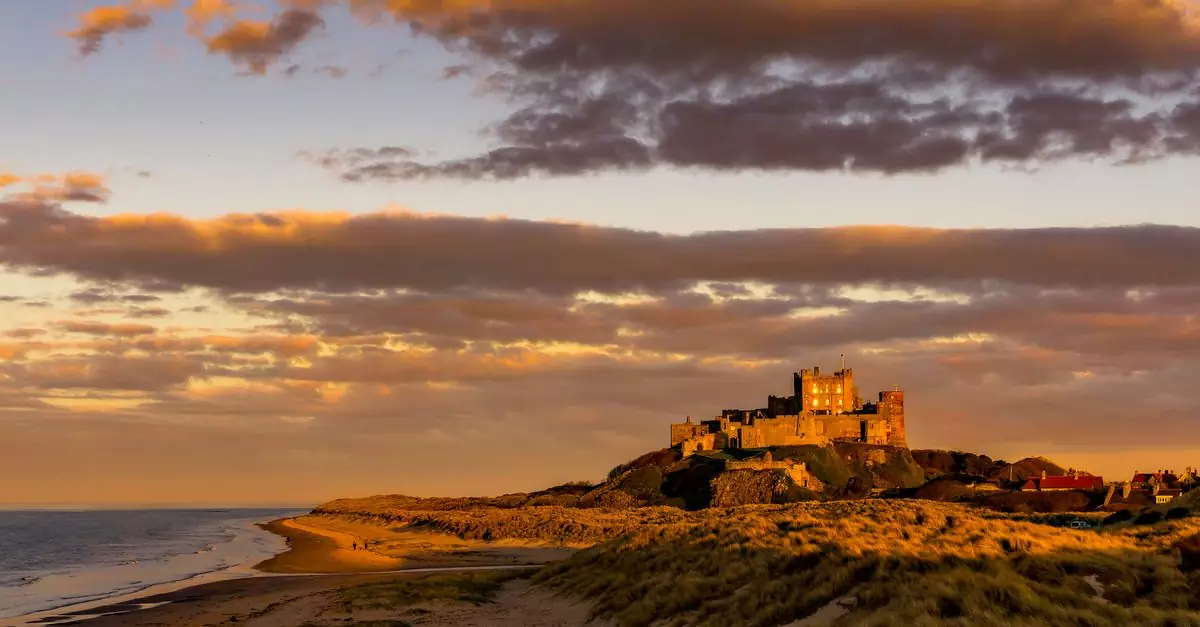
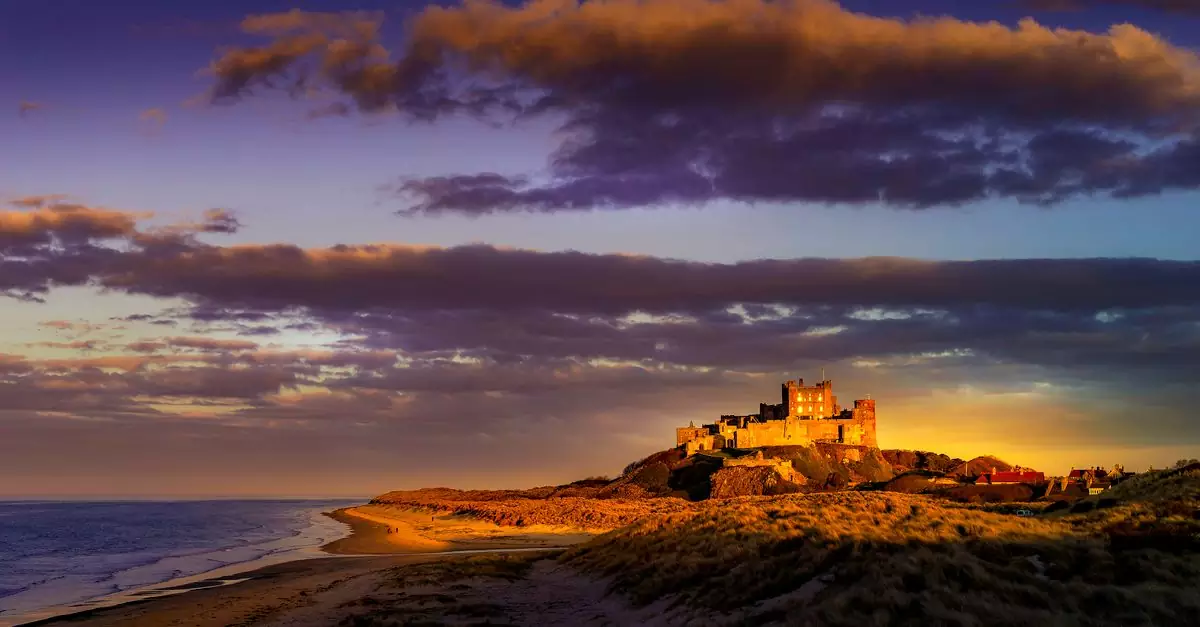
Perched dramatically on a volcanic dolerite outcrop overlooking the North Sea, Bamburgh Castle is an iconic landmark. This vast fortress boasts a history spanning over 1,400 years, with evidence of human occupation dating back to the Iron Age. Today, visitors can explore its state rooms, visit the Armstrong Aviation Museum, and enjoy breathtaking coastal views. The scale of Bamburgh is impressive, making it a must-see for anyone interested in the region’s heritage. Allow at least three hours to fully appreciate its many facets.
Discovering the Dramatic Ruins of Dunstanburgh Castle
For an atmospheric experience, the ruins of Dunstanburgh Castle are unparalleled. Accessible via a scenic coastal walk from Craster or Embleton, the journey to these fortifications feels like an adventure. Built in the 14th century by Earl Thomas of Lancaster, it remains incomplete and has endured the elements for centuries. The walk is approximately 1.5 miles each way and offers stunning sea vistas, often with seabirds soaring overhead. Wear sturdy footwear, as the paths can be uneven.
Visiting Alnwick Castle: Hogwarts and High Tea
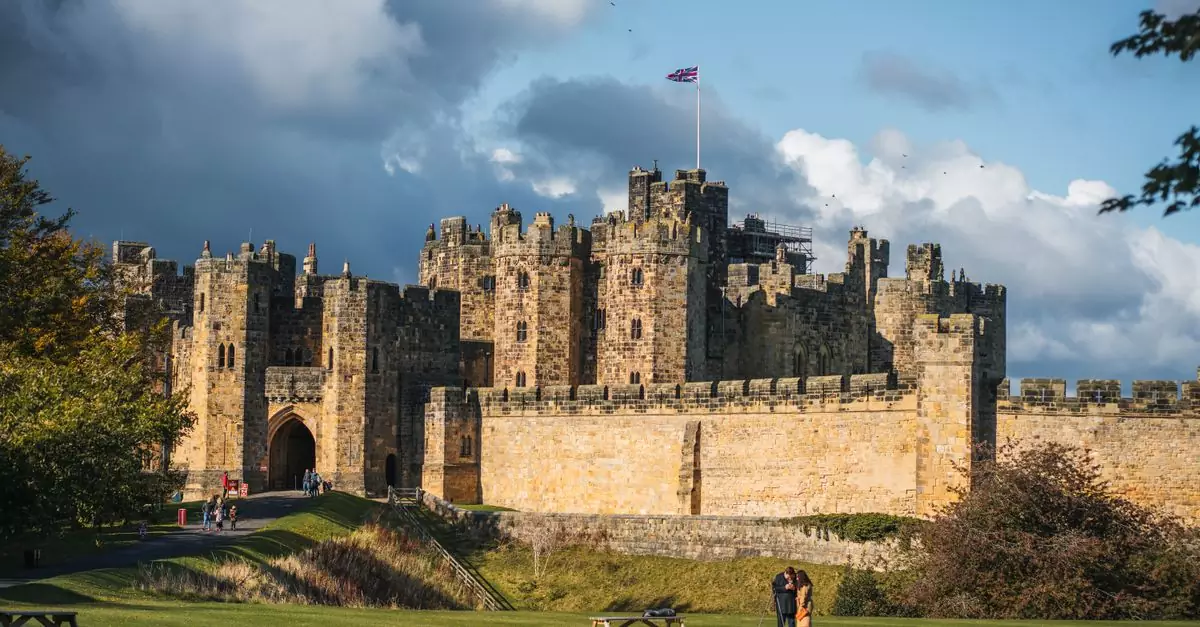
Alnwick Castle is perhaps best known as the filming location for Hogwarts School of Witchcraft and Wizardry in the early Harry Potter films. Beyond its cinematic fame, it is a magnificent medieval fortress and the ancestral home of the Duke of Northumberland. Visitors can participate in broomstick training, explore the State Rooms, and enjoy the expansive castle grounds. The town of Alnwick offers charming shops and tearooms, providing a pleasant contrast to the castle’s imposing architecture. Consider booking tickets in advance, especially during peak season.
Warkworth Castle: A Medieval Fortress on the River Coquet
Situated on a loop of the River Coquet, Warkworth Castle commands a picturesque setting. This well-preserved medieval fortress provides insight into the lives of its former inhabitants, featuring an imposing gatehouse, keep, and collegiate church. Climbing the battlements offers excellent views of the river and surrounding town. Managed by English Heritage, the castle has excellent visitor facilities. A walk along the riverbank after your visit gives a different perspective on the castle’s strategic location.
Embrace the Wild Beauty of the Northumberland Coastline
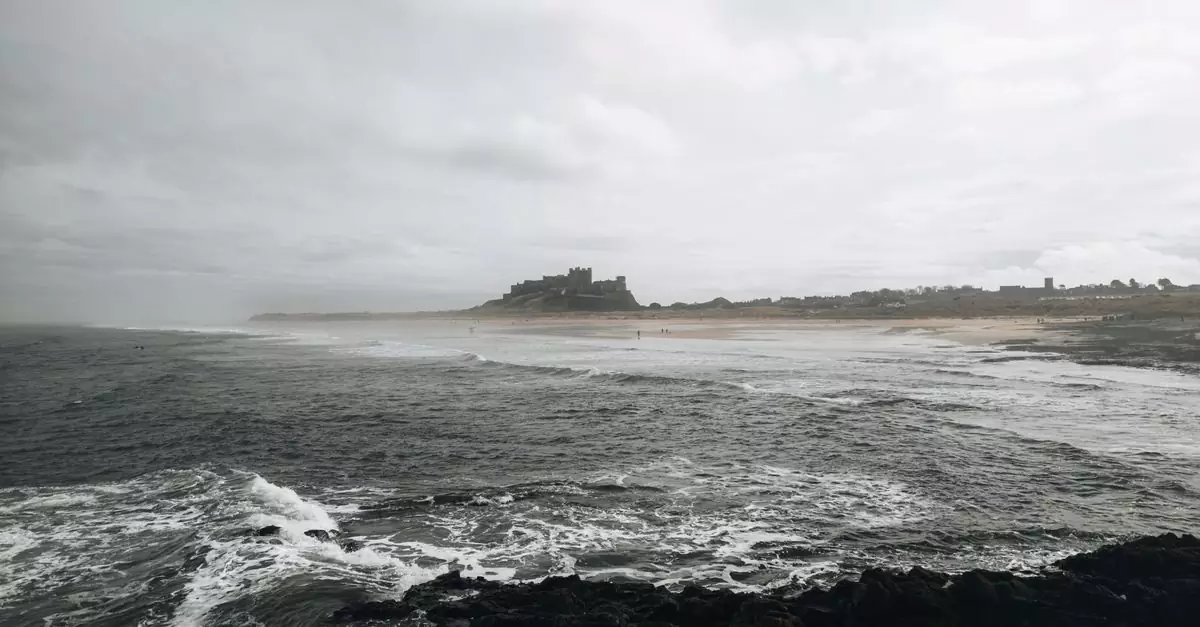
The Northumberland coast presents a dramatic and unspoiled landscape, where ancient castles meet sweeping sands and abundant wildlife. This stretch of England’s northeastern seaboard is a haven for walkers, nature lovers, and those seeking tranquility. Visiting this region means immersing yourself in a natural beauty that feels both rugged and serene.
Walking the Northumberland Coast Path: Scenic Stretches
For walking enthusiasts, the Northumberland Coast Path offers a rewarding experience. This 62-mile route winds from Berwick-upon-Tweed in the north to Tynemouth in the south, showcasing diverse scenery. You’ll encounter vast sand dunes, dramatic cliffs, and stretches of golden beach, often with few others in sight.
Key sections present varied challenges and rewards. The stretch between Bamburgh and Seahouses is particularly popular, offering iconic castle views and access to fishing villages. Further south, the path navigates through Northumberland National Park, providing stunning vistas of the Farne Islands. Consider breaking the walk into manageable day hikes, as many points are accessible by car or public transport, allowing for flexible exploration of the coast.
Island Hopping to the Farne Islands: Puffins and Seals
A boat trip to the Farne Islands is essential for wildlife enthusiasts. Managed by the National Trust, these islands are a vital breeding ground for thousands of seabirds, including puffins, guillemots, and razorbills. During the breeding season, typically from April to July, the islands are bustling with activity.
Seals are also prominent, with both grey and common seals frequently seen on the rocks or swimming in the waters. Boat tours depart from Seahouses, offering close-up views of the wildlife and dramatic sea stacks. Be prepared for potentially choppy seas and remember to book your trip in advance, especially during peak season, as visitor numbers are limited to protect the fragile environment. The chance to see puffins up close is a highlight of many Northumberland activities.
Relaxing on the Golden Sands of Bamburgh Beach
Bamburgh Beach consistently ranks among the UK’s most beautiful, and for good reason. Its vast expanse of golden sand, backed by towering dunes and overlooked by Bamburgh Castle, creates a breathtaking panorama. The beach is perfect for long walks, kite flying, or simply relaxing while taking in the scenery.
The waters can be bracing, but the beauty of the setting makes it unforgettable. Dogs are welcome year-round, making it an ideal destination for pet owners. Parking is available near the village, with a short walk leading directly onto the sands. Nearby amenities in Bamburgh village offer cafes and shops for refreshments after a day by the sea.
Exploring Charming Coastal Villages like Craster and Seahouses
Beyond the grand castles and sweeping beaches, Northumberland’s coastal villages offer a glimpse into traditional seaside life. Craster, a small fishing village, is famous for its kippers, smoked in local smokehouses. Walking the coastal path from Craster to Dunstanburgh Castle provides spectacular views of the ruins perched on the headland.
Seahouses, a larger and bustling fishing port, serves as a popular base for exploring the Farne Islands. Here, you’ll find a variety of seafood restaurants, fish and chip shops, and boat trip operators. The harbor is particularly lively during the fishing season. Exploring these villages offers a more intimate perspective on the Northumberland coast, complementing the grander natural and historical sights.
What Are the Must-See Historical Sites in Northumberland?
Northumberland is a treasure trove of history, inviting visitors to journey through Roman occupation, medieval conflicts, and the lives of those who shaped this rugged landscape. Exploring its historical sites fosters a deeper connection to the past.
Hiking Hadrian’s Wall: Roman Frontiers and Breathtaking Views
Stretching 73 miles across northern England, Hadrian’s Wall stands as a testament to Roman engineering and imperial ambition. This UNESCO World Heritage site offers some of the region’s most dramatic scenery. Walking sections of the wall, particularly between Steel Rigg and Housesteads, provides a tangible link to Roman Britain and panoramic views of the rolling countryside.
Planning a hike requires consideration of the terrain, which can be uneven and steep in places. Many visitors opt for day hikes focusing on accessible sections. The Hadrian’s Wall Path National Trail allows for a multi-day trek, but shorter walks are available from various access points. Wear sturdy footwear and be prepared for changeable weather, even in summer.
Visiting Vindolanda: Life on the Roman Frontier
Just south of Hadrian’s Wall lies Vindolanda, one of Britain’s most significant Roman archaeological sites. Excavations have unearthed a wealth of artifacts, notably the Vindolanda Tablets—thin wooden leaves inscribed with personal letters, accounts, and military records, offering a unique glimpse into daily life on the Roman frontier. The site features a museum displaying these incredible finds, alongside reconstructed buildings that help visualize the fort’s past.
Allow at least half a day to fully appreciate Vindolanda. The ongoing excavations mean there’s often something new to see, and the interactive displays in the museum engage visitors of all ages. Consider visiting during the summer months when archaeological digs are most active.
Exploring Housesteads Roman Fort: A Glimpse into Ancient Life
Perched dramatically on a ridge overlooking the Hadrian’s Wall landscape, Housesteads Roman Fort is the most complete Roman fort in Britain. It offers insight into military life, with well-preserved barrack blocks, a commander’s house, hospital, and even ancient toilets. The sheer scale and strategic positioning of Housesteads highlight the formidable nature of the Roman frontier.
From Housesteads, you can easily join the Hadrian’s Wall Path for a walk along a particularly well-preserved stretch of the wall itself. The visitor center provides context, and the fort’s layout is intuitive to navigate. This site is essential for anyone interested in Roman history and offers some of the most iconic views of Hadrian’s Wall.
Discovering the Historic Market Towns of Hexham and Corbridge
Beyond the Roman remains, Northumberland’s market towns provide a different historical experience. Hexham, dominated by its magnificent Abbey, features a charming town center with cobbled streets and independent shops. The Abbey is a stunning example of Norman architecture with a rich history dating back to the 7th century.
Corbridge, a smaller but equally historic town, was once a significant Roman supply town. Today, its picturesque streets are lined with boutiques, cafes, and antique shops. The Corbridge Hoard, a collection of Roman artifacts discovered nearby, is housed at the Roman Army Museum, a short drive away. These towns offer a delightful contrast to the rugged landscapes, showcasing Northumbrian culture and heritage.
| Town | Key Historical Features | Best For |
|---|---|---|
| Hexham | Hexham Abbey, Old Gaol, historic market place | Architecture, local history, shopping |
| Corbridge | Roman remains, independent shops, riverside walks | Roman artifacts, charming atmosphere, dining |
Beyond the Tourist Trail: Northumberland’s Hidden Gems
While Northumberland’s famous castles and dramatic coastlines attract many visitors, the region also offers quieter experiences for those willing to explore further. These less-traveled paths reveal the county’s diverse natural beauty and unique historical narratives.
The Tranquility of Kielder Forest Park: Nature and Stargazing
Kielder Forest Park, one of Europe’s largest artificial woodlands, provides a serene escape. Miles of walking and cycling trails wind through dense pine forests, offering opportunities to spot diverse wildlife, including red squirrels and ospreys. The park’s remote location is also a boon for astronomers.
Designated a Gold Tier International Dark Sky Park, Kielder boasts some of the darkest skies in the UK. On clear nights, the Milky Way is visible in stunning detail, and the lack of light pollution makes it exceptional for stargazing. The Kielder Observatory hosts regular events and public viewing nights, providing telescopes and expert guidance. Planning a visit during the new moon phase will maximize your chances of witnessing celestial wonders.
Exploring the Holy Island of Lindisfarne: Spirituality and History
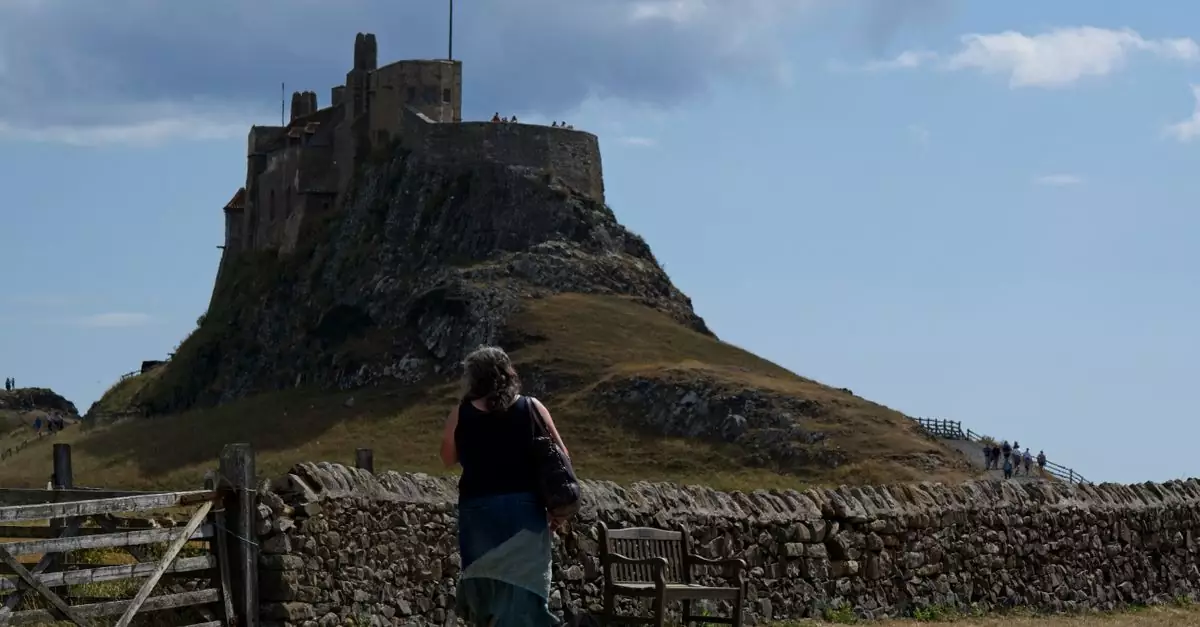
Accessible only by a tidal causeway for a few hours each day, the Holy Island of Lindisfarne holds profound spiritual significance and rich history. This small island off the coast has been a center of Christianity since the 7th century, famously home to St. Aidan and the Lindisfarne Gospels. The ruins of Lindisfarne Priory stand as a testament to its monastic past, while the imposing Lindisfarne Castle, a 16th-century adaptation of a Tudor fort, offers panoramic views of the surrounding sea.
Visitors should check tide times carefully before approaching the island to avoid being stranded. The journey across the causeway is an experience in itself, with the sea gradually reclaiming the road. Once on the island, walking is the best way to appreciate its atmosphere, from sandy beaches to the charming village. Allow at least half a day to soak in the unique blend of natural beauty and historical resonance.
Discovering Cragside House and Gardens: Victorian Innovation
Cragside, near Rothbury, was the groundbreaking home of Victorian inventor Lord Armstrong. This impressive estate showcases remarkable ingenuity, being the first house in the world to be lit by electricity generated on-site. Visitors can tour the house to see its pioneering hydraulic and electrical systems and admire the surrounding gardens, transformed from barren moorland into a landscape of lakes, waterfalls, and diverse planting.
The estate reflects Victorian ambition and technological advancement. Exploring the gardens offers a pleasant contrast to the technical marvels of the interior, with winding paths leading through rhododendrons and a collection of trees from around the globe. Allow a full day to appreciate both the house and its extensive grounds.
The Unique Landscapes of The Cheviot Hills
Forming a natural border with Scotland, the Cheviot Hills present a different Northumberland landscape—wild, rugged, and remote. These rolling hills are a haven for hikers and nature lovers seeking solitude and dramatic vistas. The highest point, The Cheviot, offers challenging but rewarding climbs, with views extending across Northumberland and into the Scottish Borders on clear days.
The hills are crisscrossed with ancient drove roads and dotted with archaeological sites, hinting at centuries of human activity. For those interested in natural history and geology, the unique formations and diverse flora and fauna are significant. The area is less developed than other parts of the county, so visitors should be prepared with appropriate gear for variable weather and ensure they have detailed maps, as mobile signals can be unreliable. Walking in the Cheviots offers a true immersion in wild Britain.
Planning Your Northumberland Adventure: Best Time to Visit & Getting Around
When is the best time to experience Northumberland’s attractions?
Northumberland offers distinct charms throughout the year, making it a versatile destination. For the best weather and longest daylight hours, aim for the summer months (June to August). This period is ideal for coastal walks, castle visits, and outdoor activities, with average temperatures ranging from 15-20°C (59-68°F).
The shoulder seasons of spring (April-May) and autumn (September-October) provide a quieter experience with fewer crowds and pleasant temperatures, often around 10-15°C (50-59°F). Spring brings blooming wildflowers, while autumn showcases striking foliage, particularly in the Cheviot Hills. Winter (November-March) is colder, with temperatures often near freezing, but offers dramatic, windswept scenery and the chance to experience traditional Christmas markets in towns like Alnwick.
| Season | Avg. Temperature (°C) | Daylight Hours | Crowd Levels | Best For |
|---|---|---|---|---|
| Spring (Apr-May) | 10-15°C | 12-15 | Low to Moderate | Wildflowers, quieter castles, coastal walks |
| Summer (Jun-Aug) | 15-20°C | 16-17 | High | Beaches, outdoor activities, festivals |
| Autumn (Sep-Oct) | 10-15°C | 10-13 | Moderate | Autumn colors, photography, cozy pubs |
| Winter (Nov-Mar) | 2-7°C | 8-9 | Low | Dramatic scenery, festive markets, solitude |
Navigating Northumberland: Car Hire, Public Transport, and Scenic Drives
A car is highly recommended for exploring Northumberland, especially to access its more remote castles and natural landscapes. Car hire is readily available at major transport hubs like Newcastle International Airport and in larger towns such as Alnwick and Berwick-upon-Tweed. Driving allows for flexibility and the ability to stop at viewpoints and villages at your own pace.
While public transport exists, it is less frequent in rural areas. Buses connect larger towns, but services to smaller villages and attractions can be limited. For those relying on public transport, careful planning of daily routes is essential. Consider basing yourself in a town like Alnwick or Berwick-upon-Tweed, which have better transport links, and utilize local bus services or guided tours for specific excursions. Scenic drives abound, with routes along the coast offering stunning sea views and inland drives through Northumberland National Park showcasing rolling hills and historic sites.
Crafting a 3-Day Northumberland Itinerary for First-Timers
A 3-day trip allows for a solid introduction to Northumberland’s highlights.
Day 1: Coastal Castles and Seaside Charm
Begin in Alnwick, visiting the magnificent Alnwick Castle, famous as a filming location for Harry Potter. Afterward, head to the coast to explore the dramatic ruins of Bamburgh Castle, perched on a rocky outcrop overlooking the sea. Spend the afternoon walking along Bamburgh’s vast sandy beach.
Day 2: Hadrian’s Wall and Roman History
Journey inland to experience a section of Hadrian’s Wall, a UNESCO World Heritage site. Visit Housesteads Roman Fort or Vindolanda for a glimpse into Roman life. Enjoy the rugged beauty of Northumberland National Park, perhaps with a hike.
Day 3: Island Escape and Market Towns
Take a ferry from the mainland to the Farne Islands (seasonal, best for birdwatching, particularly puffins in spring and summer) or Holy Island (Lindisfarne), accessible only at low tide. Explore Lindisfarne Priory and Castle, soaking in the island’s unique atmosphere. Alternatively, spend your final day in the historic border town of Berwick-upon-Tweed, known for its Elizabethan walls and scenic river setting.
Accommodation Options: From Coastal Cottages to Historic Inns
Northumberland offers a diverse range of accommodation to suit various budgets and preferences.
Coastal Cottages: Many charming self-catering cottages can be found in picturesque villages like Craster, Seahouses, and Embleton. These are ideal for families or those seeking a home-away-from-home experience with easy access to beaches and coastal paths.
Historic Inns and Pubs: For a more traditional stay, consider the numerous historic inns scattered throughout the region. Many offer comfortable rooms, hearty meals, and a warm atmosphere, often with rich histories. Towns like Alnwick and Corbridge have excellent options.
Boutique Hotels and Guesthouses: Larger towns and popular tourist spots feature a selection of boutique hotels and well-appointed guesthouses, offering modern amenities and personalized service.
Camping and Glamping: For budget-conscious travelers or those seeking a closer connection with nature, caravan sites and glamping pods are available, particularly within the national park and along the coast. Booking in advance is highly recommended, especially during peak summer months.
Frequently Asked Questions About Northumberland
Is Northumberland good for a family holiday?
Absolutely. Northumberland offers a wealth of activities that appeal to all ages. Its vast sandy beaches are ideal for building sandcastles and paddling, while the numerous castles provide endless opportunities for imaginative play and historical discovery. Many attractions, like the Alnwick Garden with its Treehouse, are specifically designed with children in mind. The generally safe and welcoming atmosphere makes it a stress-free destination for families.
What are the best local foods to try in Northumberland?
When visiting Northumberland, be sure to sample some of the region’s culinary delights. Fresh seafood, particularly crab and lobster from the coast, is a must-try. Look for local fish and chips made with freshly caught fish. Traditional Northumberland Cumbrian sausages are also popular. For something sweet, try a slice of sticky toffee pudding or a scone with jam and cream. Many pubs and restaurants pride themselves on using locally sourced ingredients.
Are there any tourist scams or common mistakes to avoid in Northumberland?
Northumberland is a very safe region with low crime rates, so major scams are uncommon. The most common mistake travelers make is underestimating the distances between attractions or the time needed to fully appreciate them. Many castles and coastal areas require significant walking. Another oversight is not booking popular accommodations or tours in advance, especially during peak summer months or school holidays. Always check opening times for attractions, as these can vary seasonally.
What should I pack for a trip to Northumberland?
Packing for Northumberland requires versatility due to its changeable weather. Layers are key. Bring comfortable walking shoes or hiking boots, as you’ll likely be doing a lot of exploring on foot, especially at the castles and along the coastline. Waterproofs are essential—a good quality waterproof jacket and trousers will be invaluable. Don’t forget sun protection, including sunscreen and a hat, as even cloudy days can bring strong UV rays. Pack swimwear if you’re brave enough for a dip in the North Sea, and a warm jumper or fleece for cooler evenings.