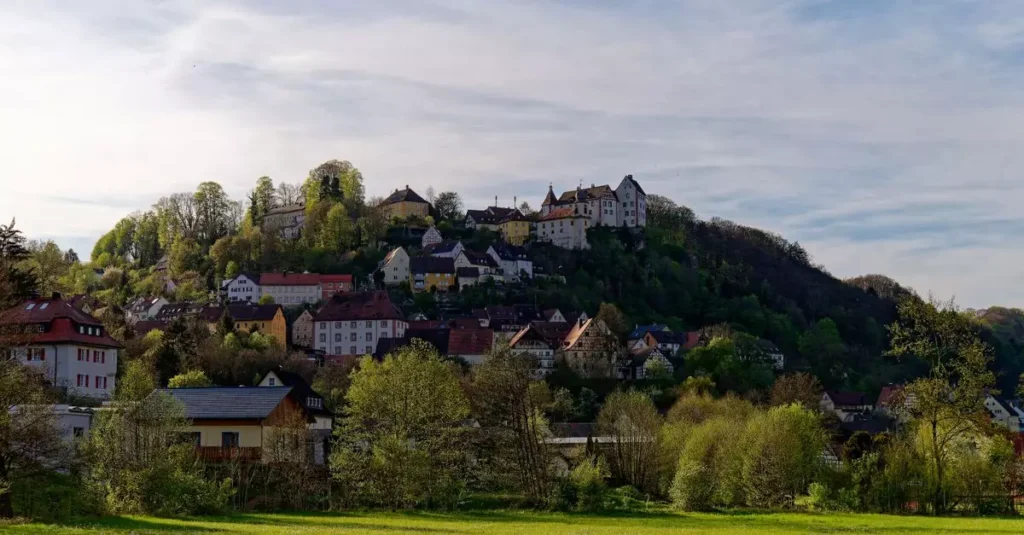
Europe’s countryside villages offer a captivating escape from the everyday, rich in history, stunning landscapes, and a tranquil pace of life. If you’re dreaming of cobblestone streets, charming architecture, and authentic local experiences, this guide is for you. We will explore some of the best countryside villages Europe has to offer, highlighting what makes each one unique and providing practical tips for your visit. Discover hidden gems where time seems to slow down, allowing you to connect with the heart of European culture. From picturesque lakeside hamlets to dramatic hilltop towns, prepare to be enchanted by the serene beauty and timeless appeal of these idyllic destinations.
Top 5 Best Countryside Villages in Europe for a Peaceful Escape
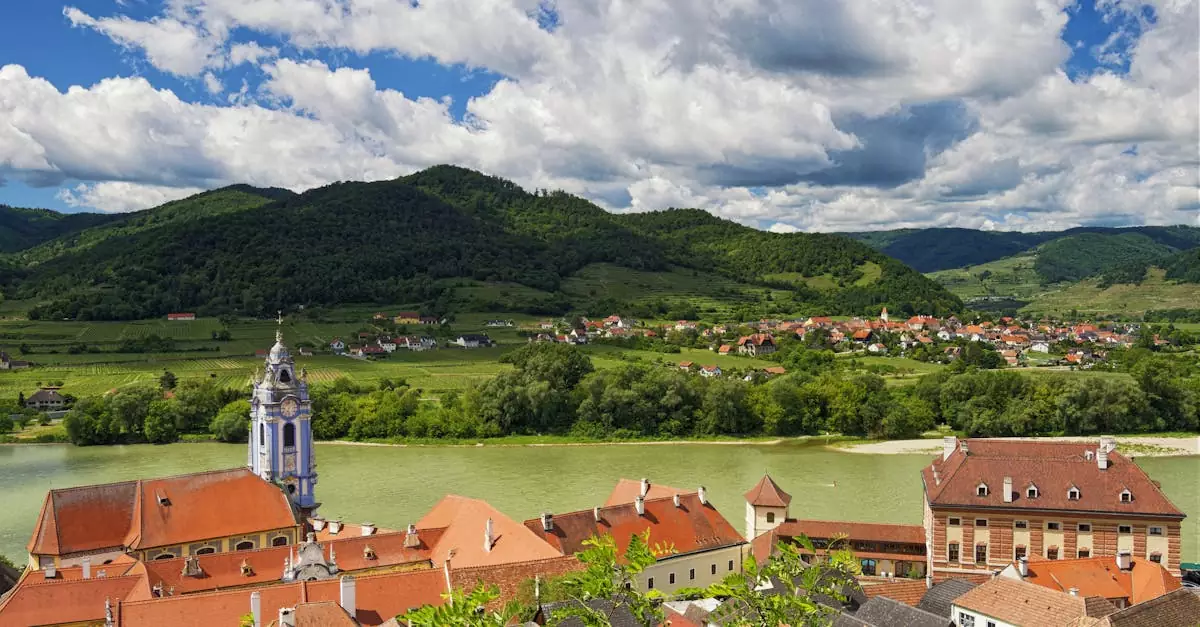
Finding truly serene and picturesque villages in Europe can feel like a treasure hunt. For travelers seeking to escape the hustle and bustle, these destinations offer breathtaking scenery, rich history, and a slower pace of life. This guide highlights five of the best countryside villages in Europe, perfect for a tranquil retreat in 2026.
Hallstatt, Austria: A Fairytale Lakeside Hamlet
Nestled between the Dachstein Alps and the Hallstätter See, Hallstatt is an Austrian village that looks like it’s lifted from a storybook. Its charm lies in its impossibly scenic setting, with colorful houses clinging to the mountainside and reflecting in the pristine lake. The village is a UNESCO World Heritage site, recognized for its unique cultural landscape.
Visitors can wander through narrow cobblestone streets, explore the historic salt mine (one of the oldest in the world), and enjoy boat trips on the lake. The views from the Skywalk “Welterbeblick” viewing platform are unparalleled. Hallstatt can get busy, especially during peak season, so consider visiting in spring or autumn for a more peaceful experience. Accommodation ranges from cozy guesthouses to lakeside hotels.
Civita di Bagnoregio, Italy: The Dying City’s Timeless Charm
Perched dramatically atop a volcanic tufa hill in central Italy, Civita di Bagnoregio is accessible only by a long pedestrian bridge. This isolation has preserved its ancient character, earning it the nickname “the dying city” due to the ongoing erosion of its foundations. The journey across the bridge offers spectacular views of the surrounding Calanchi Valley.
Once across, you step back in time. Explore its medieval alleyways, tiny piazzas, and stone houses, many of which serve as weekend retreats for Romans. The village has a small permanent population, contributing to its quiet, almost suspended atmosphere. Day trips from Rome are popular, but staying overnight allows for a truly immersive experience of its unique tranquility.
Gimmelwald, Switzerland: An Alpine Idyl Above the Lauterbrunnen Valley
For an authentic Swiss alpine experience without the crowds of larger resorts, Gimmelwald is an exceptional choice. This tiny, car-free village sits on a sunny terrace overlooking the dramatic Lauterbrunnen Valley, famous for its 72 waterfalls. It retains a traditional farming community feel, with wooden chalets and grazing cows.
Access is typically via cable car from Stechelberg or Mürren. Activities include hiking through wildflower meadows, enjoying panoramic mountain vistas, and soaking in the peaceful ambiance. It’s a place where life moves at a wonderfully unhurried pace, offering a genuine glimpse into Swiss mountain culture.
Colmar, France: Alsace’s Picturesque Canals and Half-Timbered Houses
Colmar, located in the Alsace region of France, is often cited as one of the most beautiful villages in Europe. It’s renowned for its exceptionally well-preserved old town, characterized by colorful half-timbered houses and picturesque canals that have earned it the nickname “Little Venice.” The architecture is a unique blend of German and French influences.
Strolling through its flower-lined streets, you can admire the intricate woodwork of the buildings, visit local artisan shops, and take a boat tour along the Lauch River. Colmar is particularly magical during the Christmas market season, but its charm endures year-round. The local Alsatian wine route is also easily accessible from here.
Český Krumlov, Czech Republic: A Bohemian Gem on the Vltava River
Český Krumlov is a UNESCO World Heritage site in South Bohemia, Czech Republic, famous for its stunning medieval castle complex and winding streets that hug the Vltava River. The town’s preserved Gothic, Renaissance, and Baroque architecture creates an enchanting atmosphere. Its relatively compact size makes it highly walkable.
Visitors can explore the vast Český Krumlov Castle, wander through the charming Old Town, and enjoy rafting or canoeing on the river. While it attracts many visitors, especially from Prague, the sheer beauty and historical depth of the town make it a must-see. Visiting during the shoulder seasons of spring or fall can provide a more intimate experience of this Bohemian jewel.
Here’s a brief comparison of these enchanting European villages:
| Village | Country | Primary Appeal | Best Season(s) | Typical Budget (per day) | Transportation Access |
|---|---|---|---|---|---|
| Hallstatt | Austria | Lakeside beauty, salt mine, mountain views | Spring, Autumn | $$$ | Train to Hallstatt station, then bus/ferry |
| Civita di Bagnoregio | Italy | Unique hilltop setting, medieval atmosphere | Spring, Autumn, Summer | $$ | Train to Orvieto, then bus to Bagnoregio, then walk |
| Gimmelwald | Switzerland | Alpine scenery, car-free, traditional village | Summer, Early Autumn | $$$$ | Train to Stechelberg, then cable car |
| Colmar | France | Canals, half-timbered houses, Alsatian charm | Spring, Autumn, Winter | $$ | Train to Colmar station |
| Český Krumlov | Czech Republic | Medieval castle, river setting, historic town | Spring, Autumn | $ | Bus from Prague/Linz |
When is the Ideal Time to Visit Europe’s Rural Gems?
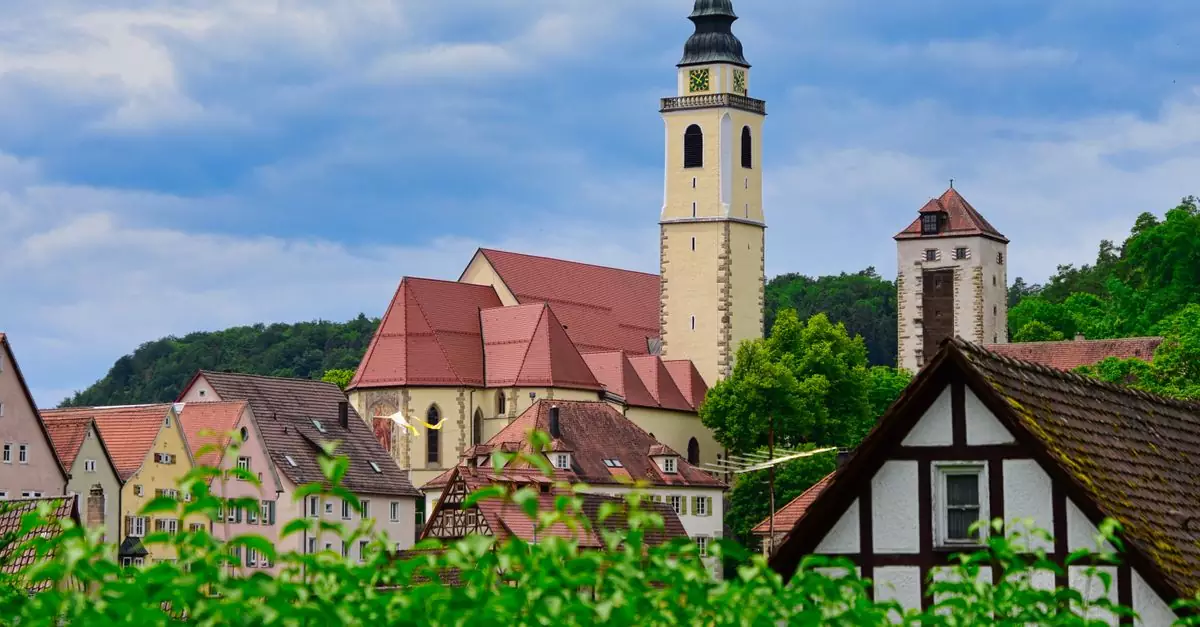
Choosing the right season can significantly enhance your experience in Europe’s charming countryside villages. Each period offers a distinct atmosphere, from blooming landscapes to cozy winter markets, impacting everything from crowds to local events. Consider your priorities when planning your visit to these picturesque European locales.
Spring Blooms: April to May for Mild Weather and Fewer Crowds
Spring transforms the European countryside into a vibrant tapestry of color. From April to May, wildflowers carpet meadows, and fruit trees burst into blossom, creating postcard-perfect scenery. The weather is generally mild, with comfortable temperatures ideal for walking and outdoor exploration.
This shoulder season also means fewer tourists compared to the peak summer months. You can enjoy a more relaxed pace, wander through village streets without throngs, and often find better deals on accommodations. It’s an excellent time to appreciate the natural beauty and local life in these rural settings.
Summer Sunshine: June to August for Long Days and Vibrant Festivals
Summer brings long, sun-drenched days to the European countryside, perfect for maximizing exploration. June through August are prime months for outdoor activities, from hiking in rolling hills to enjoying al fresco dining in village squares. The warmth encourages a lively atmosphere, with many villages hosting local festivals and markets.
While summer offers the most consistently pleasant weather and a vibrant social scene, it’s also the busiest tourist season. Expect larger crowds and potentially higher prices for lodging and transport. Booking well in advance is crucial if you plan to visit during these months.
Autumn Colors: September to October for Stunning Foliage and Harvest Delights
As summer fades, the European countryside dons a spectacular cloak of autumn hues. September and October offer breathtaking scenery with leaves turning shades of red, orange, and gold. The air becomes crisp, and the harvest season brings a bounty of local produce, wines, and culinary traditions to the forefront.
This period provides a wonderful balance of beautiful weather, fewer crowds than summer, and unique seasonal experiences. It’s an ideal time for food enthusiasts and photographers seeking dramatic landscapes. Many villages celebrate harvest festivals, offering a chance to sample local specialties and immerse yourself in regional culture.
Winter Wonders: November to March for Cozy Retreats and Festive Markets
Winter offers a different, yet equally enchanting, perspective on Europe’s countryside villages. From November through March, the landscape often takes on a serene, sometimes snow-dusted, beauty. This is the season for cozying up by a fireplace, enjoying hearty local cuisine, and experiencing the magic of Christmas markets.
Cities and larger towns are famous for their festive markets, but many smaller villages also host charming, intimate celebrations. While daylight hours are shorter and the weather can be cold, the atmosphere is undeniably magical. It’s a time for a slower pace, focusing on indoor comforts and the warm glow of seasonal festivities.
How to Travel Between and Within These Idyllic European Villages
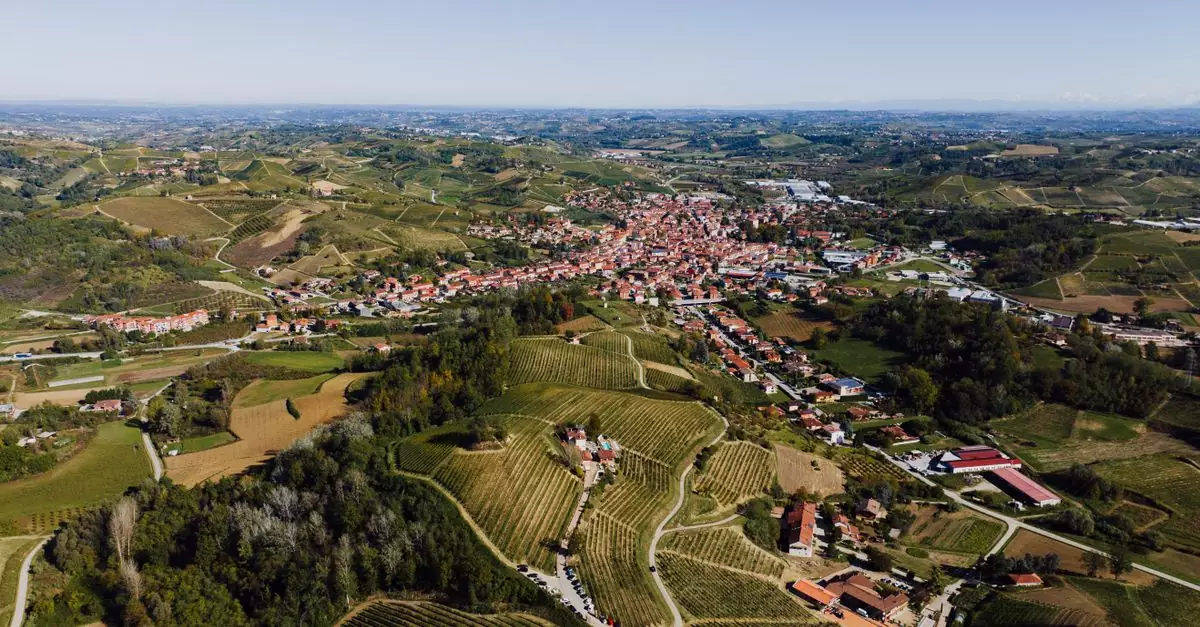
Reaching Europe’s most charming countryside villages often requires a blend of efficient public transport and a willingness to embrace slower, more scenic journeys. While major cities are well-connected, the true gems of rural Europe are best accessed with a bit of planning. Consider your priorities: speed, cost, or the experience of the journey itself.
Navigating Europe by Train: Scenic Routes to Rural Destinations
The European rail network is extensive and often offers breathtaking views as it winds through rolling hills and past picturesque hamlets. For many travelers, trains provide a comfortable and environmentally friendly way to reach smaller towns that may have regional airports but lack direct international flights. High-speed lines connect major hubs, from which you can often switch to slower, regional trains that venture deeper into the countryside. Booking tickets in advance, especially for popular routes or during peak season, can secure better prices and ensure availability. Many national rail operators, such as Deutsche Bahn in Germany or SNCF in France, offer route planners and booking services online. Traveling by train is a fantastic way to see the landscape change, a highlight for those seeking the best countryside villages in Europe.
Renting a Car: Flexibility for Exploring Remote Countryside Villages
For ultimate freedom, particularly when visiting multiple villages spread across a region, renting a car is often the most practical solution. This approach is especially beneficial for accessing more remote locations that are not well-served by public transport. Many of the best countryside villages in Europe are nestled in valleys or perched on hilltops, requiring a car to reach them efficiently. Be aware of local driving regulations, such as vignette requirements in countries like Switzerland or Austria, and consider the availability and cost of parking in smaller villages. Renting a car provides the flexibility to stop at scenic viewpoints, discover hidden hamlets, and tailor your itinerary precisely to your interests.
Local Bus Services: Connecting Smaller Hamlets and Villages
Local bus services are the backbone of transportation in many rural European areas, connecting smaller towns and villages that trains might bypass. While often slower than trains, buses can be an economical option and offer a glimpse into daily life. Schedules can be less frequent, especially on weekends or in off-season months, so it’s crucial to check timetables in advance. Information can sometimes be found on regional transport authority websites or at local tourist information centers. For travelers on a tighter budget or those wanting to experience more authentic local travel, understanding and utilizing these bus routes is key to reaching lesser-known rural destinations.
Walking and Cycling: Immersive Ways to Experience Village Life
Once you arrive in a region, walking and cycling offer unparalleled opportunities to immerse yourself in the local environment and truly experience village life. Many European countries have well-developed networks of walking and cycling paths, often connecting villages and passing through beautiful natural landscapes. This mode of travel allows for spontaneous stops at local bakeries, farm stands, or simply to admire a particularly scenic vista. It’s an excellent way to appreciate the details of the countryside and to understand the rhythm of rural living. For those who enjoy active travel, cycling between villages can be an incredibly rewarding way to discover the best countryside villages Europe has to offer, far from the well-trodden tourist paths.
What Unique Activities Await in Europe’s Best Countryside Villages?
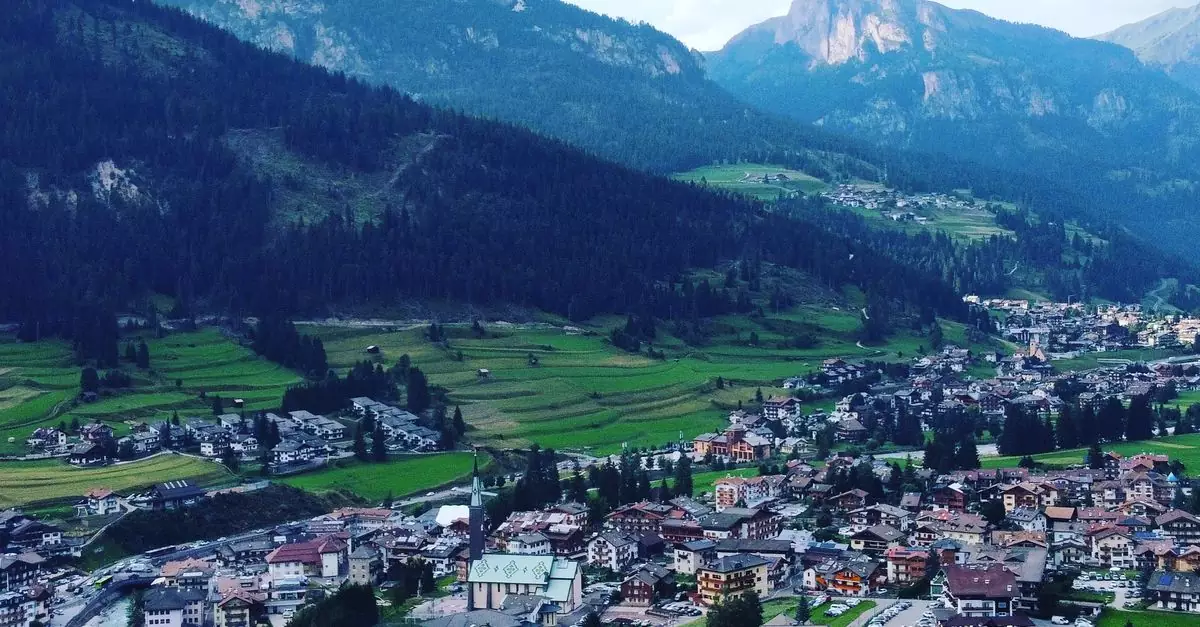
Beyond their picturesque charm, Europe’s most enchanting countryside villages offer a wealth of unique activities that connect travelers with local culture, natural beauty, and regional flavors. These experiences go far beyond typical sightseeing, providing opportunities for genuine engagement and memorable adventures.
Hiking and Nature Trails: Exploring the Surrounding Landscapes
Many of the best countryside villages in Europe are situated amidst breathtaking natural scenery, making them prime starting points for outdoor pursuits. Hikers can discover a network of well-maintained trails that wind through rolling hills, ancient forests, and along dramatic coastlines. For instance, villages in the Cotswolds region of England offer gentle walks through honey-colored stone hamlets, while those in the Dolomites, Italy, provide access to challenging alpine treks with panoramic mountain vistas.
Consider the accessibility of trails when planning your visit. Villages in mountainous regions often require a good level of fitness, whereas those in flatter areas are suitable for leisurely strolls. Always check local conditions and weather forecasts, especially if venturing into remote areas. Many national parks and regional tourism boards provide detailed trail maps and information.
Local Artisan Workshops: Discovering Traditional Crafts
Engaging with local artisans offers a direct window into the heritage of Europe’s rural communities. Many villages are home to craftspeople who continue age-old traditions, from pottery and weaving to cheesemaking and wood carving. Visiting a working workshop allows you to witness the creation process firsthand and often purchase unique, handcrafted souvenirs directly from the maker.
In regions like Alsace, France, you might find artisans specializing in intricate embroidery, while villages in rural Spain could host leatherworkers or ceramists. Participating in a short workshop, if available, can be a particularly rewarding experience, providing a hands-on understanding of the craft. These interactions often lead to fascinating conversations about local life and history.
Culinary Tours: Savoring Regional Specialties and Wine Tasting
The culinary landscape of Europe’s countryside is rich and diverse, with each region boasting its own unique specialties. Culinary tours and wine tastings are excellent ways to sample local produce and learn about traditional food preparation. Many villages are surrounded by vineyards, orchards, or farmland, making farm-to-table experiences readily accessible.
Villages in Tuscany, Italy, are renowned for their olive oil and wine, offering numerous opportunities for tastings and vineyard tours. Similarly, the Basque Country in Spain features pintxos tours that showcase the region’s vibrant culinary scene. Look for guided food tours or visit local markets to discover regional cheeses, cured meats, and freshly baked goods. Timing your visit to coincide with local harvest festivals can enhance these culinary explorations.
Photography Hotspots: Capturing Unforgettable Village Vistas
Europe’s countryside villages are a photographer’s dream, offering endless opportunities to capture stunning images. From charming cobblestone streets and flower-draped cottages to dramatic natural backdrops and historic architecture, the visual appeal is immense. Identifying the best vantage points and understanding the quality of light throughout the day can elevate your photography.
Consider villages like Hallstatt in Austria, famous for its postcard-perfect reflections on the lake, or the Cinque Terre villages in Italy, with their colorful houses clinging to cliffsides. Early morning and late afternoon light often provide the most dramatic and flattering illumination for capturing village scenes. Researching popular viewpoints beforehand can save time and ensure you don’t miss the most iconic shots.
Where to Find Authentic Accommodation in Rural European Settings
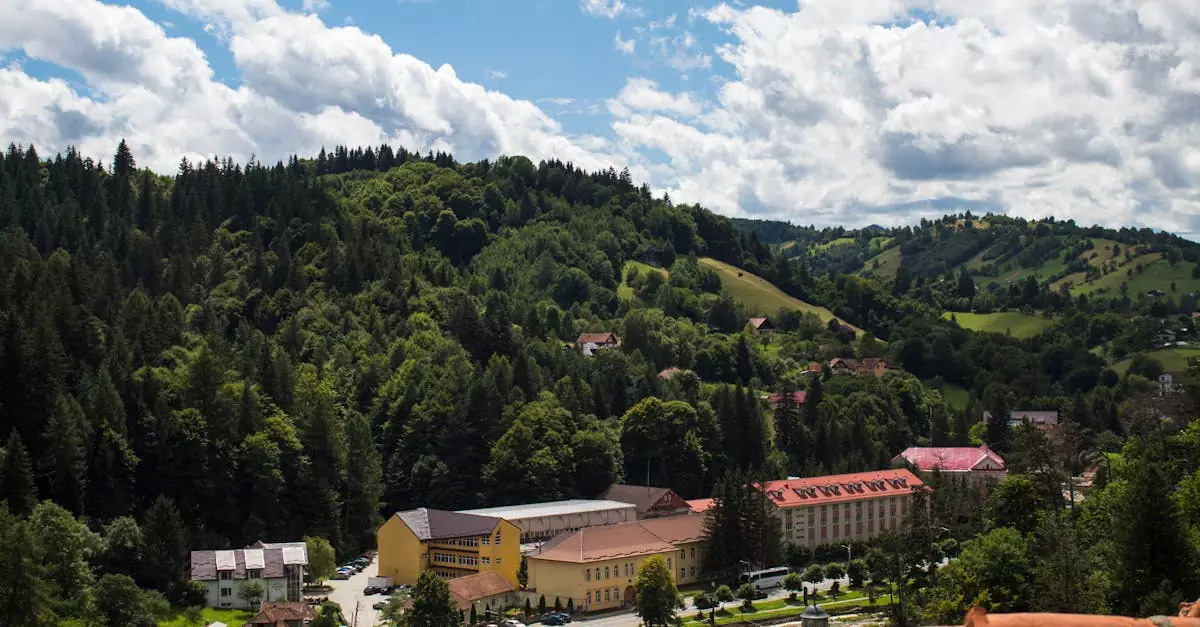
When seeking the best countryside villages Europe has to offer, the choice of accommodation can profoundly shape your experience. Opting for lodging that reflects the local character ensures a deeper connection to the destination, moving beyond typical hotels to embrace the authentic spirit of rural European life.
Charming Bed & Breakfasts: A Cozy Home Away From Home
Many European villages boast delightful bed and breakfasts, often run by local families who offer warm hospitality and insider knowledge. These establishments provide a more intimate setting than larger hotels, with personalized service and home-cooked breakfasts featuring regional specialties. Staying in a B&B allows you to experience the rhythm of village life, often from a beautifully preserved historic building. Expect comfortable rooms, often with unique decor, and hosts eager to share tips on local sights and hidden gems.
Rural Farm Stays: Experiencing Local Life Firsthand
For a truly immersive experience, consider a rural farm stay. These accommodations, often found in picturesque agricultural regions, allow visitors to participate in daily farm activities, from tending to animals to harvesting produce. It’s an excellent option for families wanting to educate children about where food comes from and for travelers seeking a hands-on connection with the land. Many farm stays also offer traditional meals prepared with ingredients sourced directly from the farm, providing a taste of genuine local cuisine.
Boutique Hotels in Historic Buildings: Unique Stays with Character
European villages are rich with history, and many have transformed old manor houses, former schools, or guild halls into unique boutique hotels. These properties retain their original architectural charm while offering modern comforts and sophisticated design. Staying in such a place provides a tangible link to the past, with features like stone walls, exposed beams, and antique furnishings creating a memorable atmosphere. Boutique hotels often offer fine dining experiences, showcasing regional flavors in elegant settings.
Self-Catering Cottages: Privacy and Independence for Families
Self-catering cottages and holiday homes are a fantastic choice for those who value privacy and flexibility, especially for families or groups. These accommodations typically include a fully equipped kitchen, allowing you to prepare your own meals using fresh ingredients from local markets. This option can also be more budget-friendly, particularly for longer stays. Many cottages are nestled in scenic locations, offering private gardens or stunning rural views, providing a peaceful retreat after a day of village exploration.
Frequently Asked Questions About Exploring Europe’s Countryside
Are these villages suitable for solo travelers?
Yes, many European countryside villages are exceptionally well-suited for solo travelers. They often offer a slower pace of life, a strong sense of community, and a safe environment. Many smaller towns in countries like Italy or France are accustomed to visitors and offer opportunities to engage with locals, whether at a market or a village cafe. The key is to choose destinations known for their hospitality and accessibility.
What is the average budget for a week-long village trip?
The budget for a week-long trip to Europe’s countryside villages can vary significantly based on the country, time of year, and your travel style. Generally, a moderate budget might range from €700 to €1200 per person, excluding flights to Europe. This typically covers comfortable, mid-range accommodations, daily meals at local eateries, public transportation or car rental, and some activities. Budget travelers could aim for under €600 by staying in guesthouses or self-catering, while luxury seekers might spend upwards of €1500.
Here’s a general breakdown:
| Category | Budget Traveler (€) | Mid-Range Traveler (€) | Luxury Traveler (€) |
|---|---|---|---|
| Accommodation | 30-50 per night | 70-120 per night | 150+ per night |
| Food | 30-40 per day | 50-70 per day | 80+ per day |
| Transportation | 15-25 per day | 30-50 per day | Varies |
| Activities/Misc. | 10-20 per day | 30-50 per day | 50+ per day |
| Total (7 days) | 420-735 | 735-1295 | 1050+ |
Note: This is an estimated range and can fluctuate.
What should I pack for a visit to the European countryside?
Packing for the European countryside requires versatility, as weather can be unpredictable and activities varied. Comfortable walking shoes are essential, as you’ll likely explore cobblestone streets and scenic trails. Layers are key; bring a mix of t-shirts, sweaters, and a waterproof and windproof jacket. Depending on the season, consider a light scarf, hat, and gloves. Don’t forget a reusable water bottle, a small backpack for day trips, and any personal medications. A universal adapter is also a wise addition for charging electronics.
For specific seasonal advice:
- Spring/Autumn: Pack warmer layers, a good rain jacket, and potentially waterproof boots.
- Summer: Lighter clothing, sun protection (hat, sunglasses, sunscreen), but still include a light jacket for cooler evenings.
- Winter: Thermal base layers, a very warm coat, waterproof footwear, and accessories like a hat, scarf, and gloves are crucial.
Are there any common tourist scams to watch out for in smaller villages?
While most European villages are incredibly safe and welcoming, like anywhere, it’s wise to be aware of potential scams, though they are less common in smaller, less tourist-heavy areas. The most prevalent issues in more frequented spots might include:
- Overcharging at Taxis: Always ensure the meter is running or agree on a fare beforehand, especially for longer journeys.
- “Found” Items: Be wary if someone “finds” a valuable item near you and then tries to share the reward or asks for a finder’s fee.
- Distraction Theft: This is rare in villages but can occur in crowded markets or public transport hubs. Be mindful of your belongings and keep valuables secure.
In the quiet countryside, the biggest “risk” is often simply getting lost due to poor signage, so having a reliable map or GPS is more practical advice than scam avoidance. Familiarizing yourself with basic local phrases can also help build rapport and avoid misunderstandings.