Europe’s landscapes are dotted with magnificent castles, many of which have served as captivating backdrops for beloved films. If you’ve ever dreamt of walking through the very halls where cinematic magic unfolded, this guide is for you. We’ll take you on a journey to discover some of the most iconic movie castles in Europe, from the windswept fortresses of Scotland to the fairytale spires of Germany and the grand châteaux of France.
Prepare to step behind the silver screen as we explore these real-life sets. You’ll learn about the specific films and TV shows filmed at these historic locations, gain insights into their unique architecture and history, and find practical tips for planning your own visit. Whether you’re a dedicated cinephile or simply appreciate stunning historical sites, exploring these cinematic castles promises an unforgettable adventure.
Iconic Movie Castles in Scotland: From Hogwarts to Braveheart
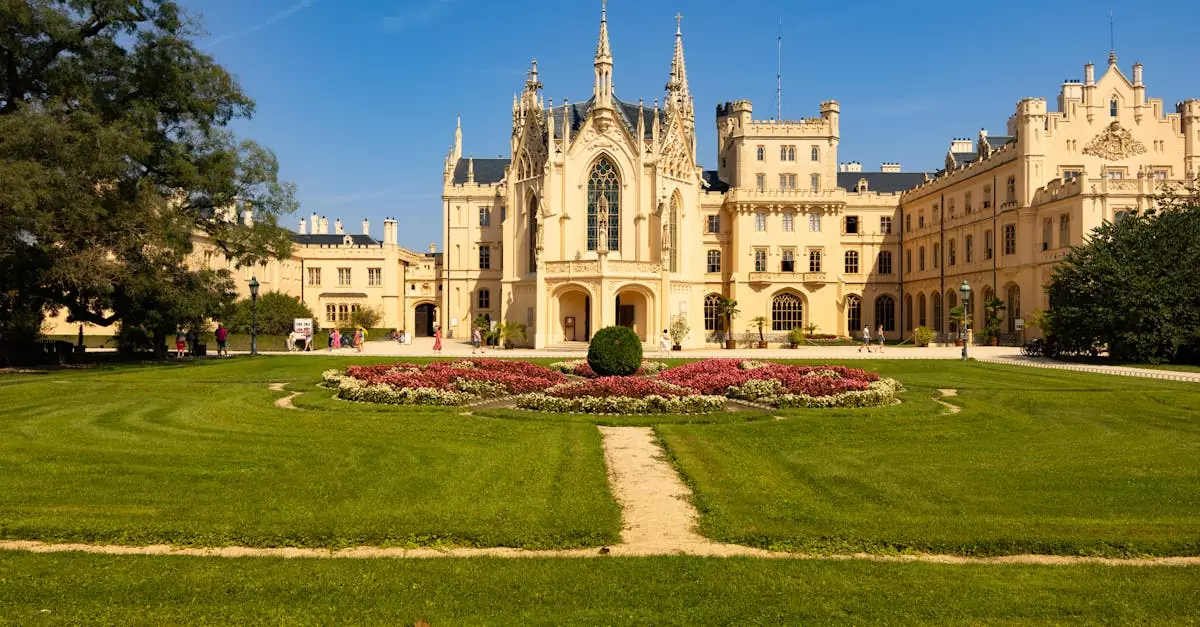
Scotland’s dramatic landscapes and ancient fortifications have long served as the backdrop for epic cinematic tales. For fans of film and history, visiting these real-life movie sets offers a unique journey into stories that have captivated audiences worldwide. From the windswept coasts to rolling hills, these Scottish castles bring fantasy and history to life, providing an unforgettable travel experience for those seeking the magic of movie castles in Europe.
Exploring Alnwick Castle: The Real Hogwarts
Alnwick Castle in Northumberland, England, just south of the Scottish border, famously doubled as Hogwarts School of Witchcraft and Wizardry in the first two Harry Potter films. Visitors can walk the same courtyards where Harry learned to fly a broomstick and explore the State Rooms, which have also featured in Downton Abbey. The castle grounds offer broomstick training sessions, allowing aspiring wizards to channel their inner Harry, Ron, or Hermione.
Getting there: Alnwick Castle is accessible by car from major cities like Edinburgh and Newcastle. Public transport options include train services to Alnmouth station, followed by a local bus or taxi.
Visitor Tips:
- Book tickets online in advance, especially during peak season, to avoid queues.
- Wear comfortable shoes, as you’ll be doing a lot of walking around the castle and its extensive grounds.
- Consider visiting during spring or autumn for fewer crowds and pleasant weather.
Dunnottar Castle: Dramatic Coastal Fortress
Perched dramatically on a rocky headland overlooking the North Sea, Dunnottar Castle is a breathtakingly ruined fortress that has featured in films like Disney’s Brave and Mel Gibson’s Hamlet. Its imposing silhouette and strategic location evoke a sense of Scotland’s turbulent past, making it a compelling destination for history buffs and film enthusiasts alike. The sheer scale and isolation of Dunnottar create a powerful atmosphere, hinting at the epic battles and royal intrigue that once took place within its walls.
Logistics: Dunnottar Castle is located near Stonehaven in Aberdeenshire. It’s best reached by car, with parking available nearby. Local buses connect Stonehaven to other towns, but a taxi might be necessary for the final stretch.
Best Time to Visit: Summer offers longer daylight hours for exploring, but coastal winds can be strong year-round. Visiting in late spring or early autumn provides a good balance of decent weather and fewer tourists.
Doune Castle: Monty Python’s Holy Grail Location
Doune Castle, a medieval stronghold in Stirling, Scotland, holds a special place in the hearts of comedy fans as the primary filming location for Monty Python and the Holy Grail. This iconic castle served as both Castle Anthrax and the home of King Arthur’s court, its weathered stone walls and imposing keep perfectly embodying the film’s absurdist charm. Visitors can wander through the courtyard and ramparts, imagining the knights of the Round Table embarking on their legendary quest. Doune Castle also appeared in the opening scenes of Game of Thrones as Winterfell and was the setting for the TV series Outlander.
Travel Advice: Doune Castle is easily accessible by car from Edinburgh and Glasgow. Train services run to Dunblane station, with a short bus or taxi ride to the castle.
Things to Note:
- The castle is largely unrestored, offering an authentic, atmospheric experience.
- Audio guides are available, narrated by Terry Jones and Terry Gilliam, which greatly enhance the visit with behind-the-scenes anecdotes.
- Allow at least two hours to fully appreciate the castle and its surroundings.
Fairytale Fortresses in Germany: Disney Dreams Come True
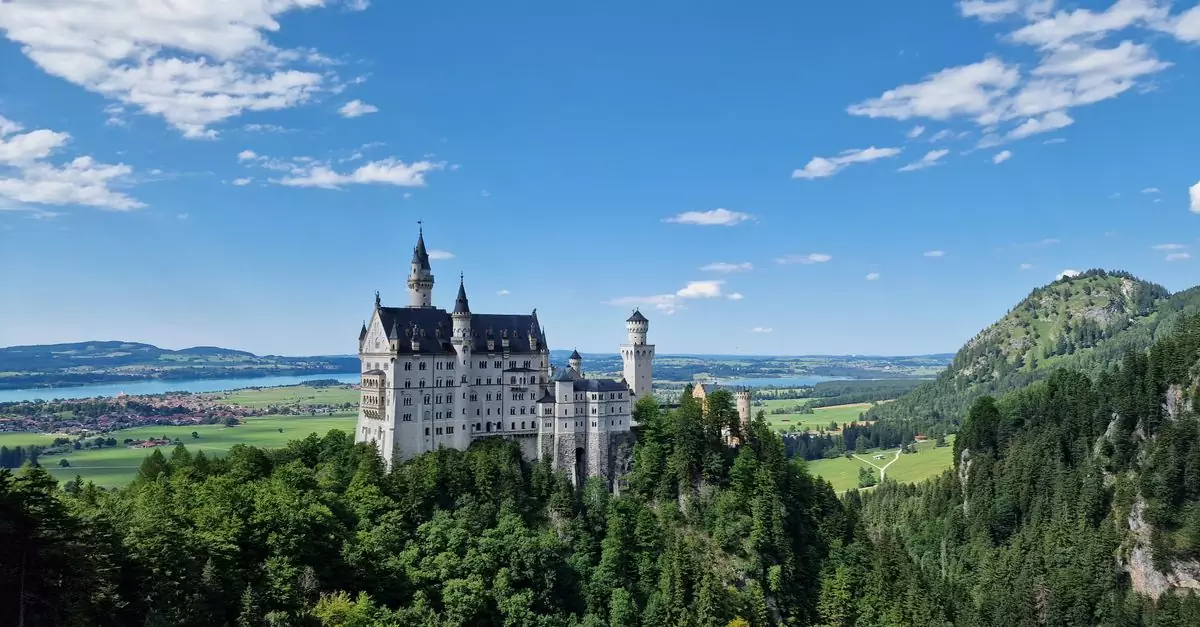
Germany is a treasure trove for fans of cinematic architecture, boasting some of the most iconic movie castles in Europe. These historical structures have inspired generations and served as backdrops for unforgettable stories. For travelers seeking to step into a real-life fairytale, Germany offers a remarkable collection of these majestic edifices.
Neuschwanstein Castle: The Inspiration for Disney’s Sleeping Beauty
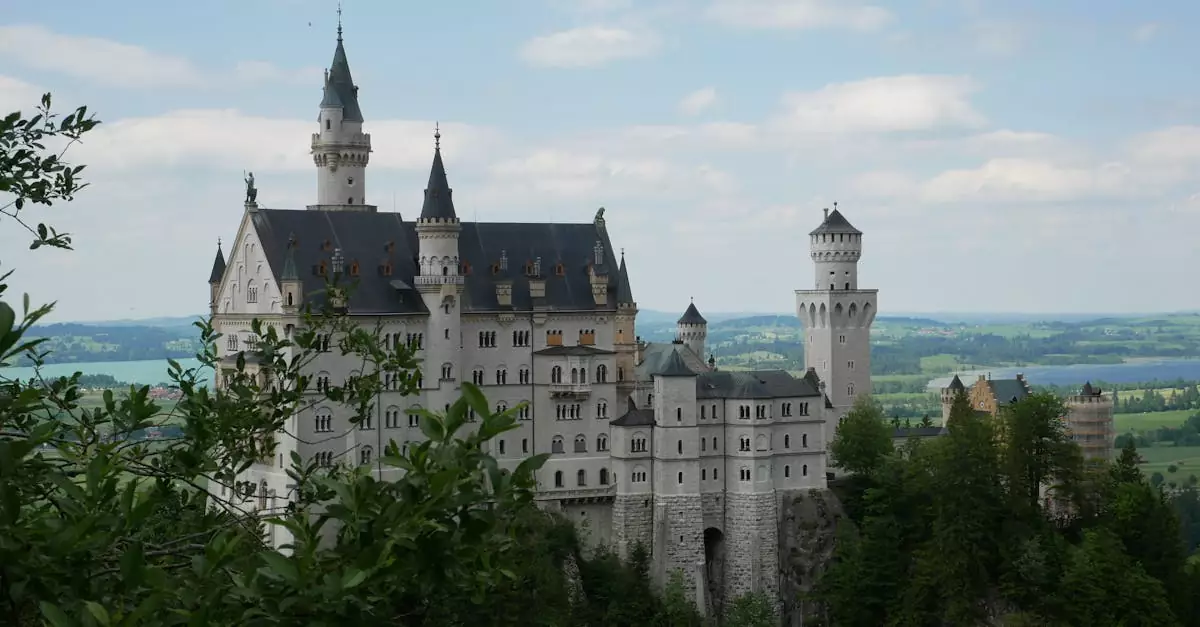
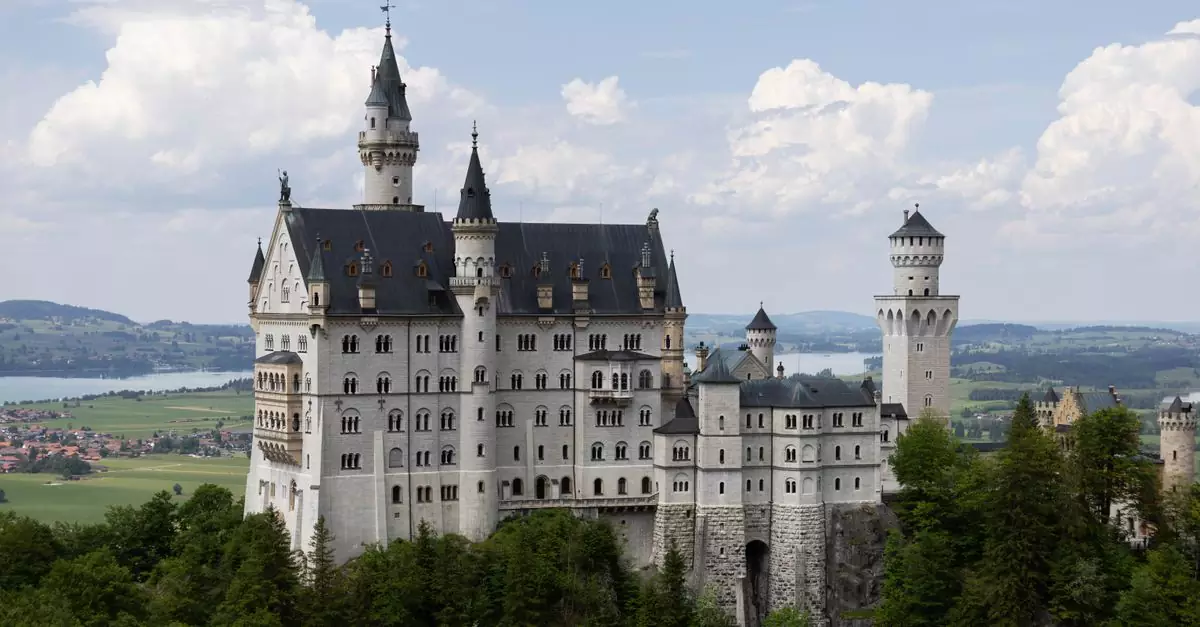
Perched dramatically on a rugged hill in Bavaria, Neuschwanstein Castle is perhaps the most famous of Germany’s movie castles. Its romantic spires and imposing silhouette directly inspired Walt Disney’s iconic Sleeping Beauty Castle, making it a pilgrimage site for Disney enthusiasts and architecture lovers alike. Commissioned by King Ludwig II of Bavaria in the late 19th century, the castle was intended as a personal retreat and a tribute to composer Richard Wagner.
Visiting Neuschwanstein requires planning, especially during peak season. Tickets are timed and often sell out weeks in advance. The most popular way to experience the castle is through a guided tour, which offers insights into its history and construction. For the best views and photo opportunities, a walk to the Marienbrücke (Mary’s Bridge) is essential, offering a breathtaking panorama of the castle against the alpine backdrop.
Getting There:
- By Train: Take a train to Füssen, followed by a bus (line 73 or 78) to Hohenschwangau village.
- By Car: Parking is available in Hohenschwangau, but can be limited and costly during busy periods.
Logistics:
- Tickets: Purchase online in advance from the official Neuschwanstein Castle ticket center.
- Tours: Tours are conducted in multiple languages.
- Best Time to Visit: Spring and autumn offer pleasant weather and fewer crowds. Winter provides a magical, snow-dusted view.
Hohenzollern Castle: Majestic Swabian Seat
Dominating the Swabian Jura landscape, Hohenzollern Castle is the ancestral seat of the Prussian Royal Family and the Hohenzollern dynasty. While not directly inspiring a specific Disney film, its regal presence and historical significance have made it a frequent subject in historical dramas and documentaries. The castle complex, perched atop a conical mountain, offers sweeping views of the surrounding countryside.
Visitors can access the castle via a shuttle bus from the parking lot or, for the more adventurous, by a scenic hike. Inside, the Treasury houses valuable artifacts, including the Prussian Crown Jewels, offering a glimpse into centuries of royal history. The castle grounds themselves are as impressive as the interiors, with well-maintained courtyards and fortifications.
Key Attractions:
- Treasury: See crown jewels and royal regalia.
- Courtyards: Enjoy panoramic views and explore the ramparts.
- Chapels: Visit the Protestant and Catholic chapels within the complex.
Traveler Tip: Allow at least half a day to fully appreciate the castle and its surroundings. The journey up the mountain offers spectacular vistas.
Eltz Castle: Hidden Gem in the Moselle Valley
Tucked away in a wooded valley near the Moselle River, Eltz Castle (Burg Eltz) is a remarkably preserved medieval fortress that has remained in the possession of the same family for over 850 years. Its distinctive architecture, with multiple towers and turrets, evokes a sense of ancient enchantment, making it a dream location for filmmakers and fantasy enthusiasts. Unlike many other German castles, Eltz has never been destroyed or significantly altered, offering an authentic glimpse into medieval life.
Reaching Eltz Castle involves a scenic walk through the forest, adding to its secluded charm. The castle is open for guided tours that lead visitors through its richly decorated rooms, including the medieval kitchen, the Knight’s Hall, and the armory. The surrounding natural beauty of the Eltzbach valley enhances the magical atmosphere of this truly unique movie castle.
Access:
- Parking: A designated parking area is available, followed by a 15-20 minute walk to the castle.
- Shuttle: A shuttle bus service operates during peak season from the parking lot.
Planning Your Visit:
- Opening Hours: Typically open from April to November. Check the official website for exact dates and times.
- Photography: Photography is restricted inside the castle to protect the artifacts.
- Budget: Entry fees apply for tours and parking. Consider packing a picnic to enjoy amidst the scenic surroundings.
French Chateaux & Castles Featured in Films
France boasts an unparalleled collection of châteaux and medieval fortresses, many of which have served as captivating backdrops for cinematic magic. From grand Renaissance estates to meticulously restored medieval strongholds, these locations offer a tangible connection to history and a unique experience for film enthusiasts and history buffs alike. Planning a visit involves considering the best times to travel, transportation options within the regions, and understanding the accessibility of these often-historic sites.
Château de Chambord: Grandeur of the Loire Valley
The Château de Chambord, a UNESCO World Heritage site, is the largest château in the Loire Valley and a breathtaking example of French Renaissance architecture. Its sheer scale and distinctive skyline, featuring over 400 rooms and a forest of chimneys and turrets, have made it a sought-after filming location. While it wasn’t a primary filming site for major Hollywood productions, its monumental presence evokes the kind of opulent settings seen in historical dramas. Imagine strolling through its vast grounds or marveling at the double-helix staircase, attributed by some to Leonardo da Vinci.
Visiting Chambord requires some logistical planning. It’s located in the Loir-et-Cher department, approximately a two-hour drive from Paris. Day trips are possible, but staying in the Loire Valley offers a more immersive experience, allowing you to visit other nearby châteaux and vineyards. The castle is open year-round, though spring and autumn offer pleasant weather and fewer crowds. Be prepared for extensive walking, as the grounds and the château itself are vast.
Château de Pierrefonds: A Romantic Reconstruction
Château de Pierrefonds, situated north of Paris, presents a dramatic, almost fantastical, medieval silhouette. Originally built in the 12th century and later destroyed, it was extensively and romantically reconstructed in the 19th century by architect Eugène Viollet-le-Duc. This ambitious restoration, intended to embody the medieval ideal, has made it a star in its own right. It famously served as the imposing Castle of King Arthur in the BBC series Merlin and featured in films like The Vikings and The Adventures of Merlin. Its imposing ramparts, towers, and grand interior halls provide an authentic and visually stunning medieval atmosphere.
Accessing Pierrefonds is relatively straightforward from Paris. It’s about a 90-minute train journey to Compiègne, followed by a short bus or taxi ride. The castle is open to visitors daily, with slightly reduced hours in winter. The reconstruction, while beautiful, means it feels more like a romanticized medieval vision than a perfectly preserved historical artifact, which is precisely what makes it so appealing for film settings. Its location also makes it a good addition to a wider trip exploring the Picardy region.
Carcassonne: Medieval Walled City on Screen
Carcassonne, a UNESCO World Heritage fortified city in southern France, is a living, breathing medieval marvel. Its double-walled ramparts, complete with 52 towers, create an awe-inspiring spectacle that has transported audiences to different eras. This historic citadel has been featured in numerous films, including The Lord of the Rings (as inspiration for Rohan) and Robin Hood: Prince of Thieves, where its imposing fortifications provided a dramatic backdrop. Walking through its cobbled streets and along its ancient walls feels like stepping directly into a historical epic.
Visiting Carcassonne is best done outside the peak summer months (July and August) to avoid overwhelming crowds and enjoy more comfortable temperatures for exploring the extensive ramparts. The city is accessible by train from major French cities like Paris and Toulouse, with the station located below the fortified city. Accommodation options range from charming guesthouses within the Cité itself to more modern hotels in the lower town. Budget considerations are important, as staying inside the Cité can be more expensive but offers an unparalleled atmosphere. The sheer scale of the fortifications means comfortable walking shoes are essential.
Beyond the Blockbusters: Lesser-Known Movie Castles in Europe
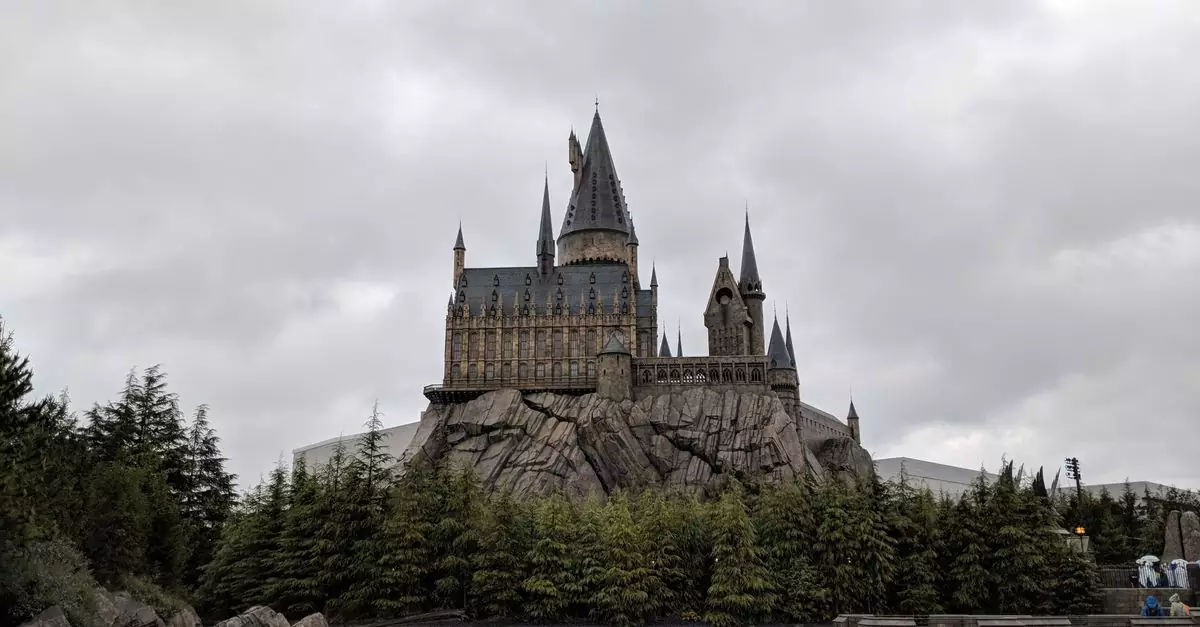
While some European castles are instantly recognizable from Hollywood blockbusters, many others offer equally enchanting cinematic backdrops without the same level of fame. These lesser-known fortresses provide a more intimate experience, often blending stunning architecture with compelling history and, yes, a touch of movie magic. For travelers seeking to step into a film scene away from the crowds, these destinations are well worth considering.
Corfe Castle, England: Ruined Beauty and Royal History
Located in Dorset, England, the dramatic ruins of Corfe Castle stand as a testament to centuries of English history. Though partially destroyed during the English Civil War, its imposing silhouette against the skyline has captured the imagination of filmmakers. It served as a filming location for productions like Maleficent, where its atmospheric decay lent itself to the dark fairy tale setting.
Visiting Corfe Castle offers a tangible connection to the past. The National Trust manages the site, providing excellent interpretive displays that bring its storied past to life. Travelers can wander through the remains of the inner bailey, imagine royal feasts in the great hall, and appreciate the panoramic views over the surrounding Purbeck countryside.
Logistics for Visiting Corfe Castle:
- Getting There: The nearest train station is Wareham, approximately 5 miles away. Local buses connect Wareham to Corfe village. Driving is also a popular option, with parking available near the castle.
- Best Time to Visit: Spring and early autumn offer pleasant weather for exploring the outdoor ruins, with fewer crowds than the peak summer months.
- Budget: Entry fees are charged by the National Trust. Consider purchasing a National Trust membership if you plan to visit multiple heritage sites in the UK.
Peles Castle, Romania: A Neo-Renaissance Masterpiece
Nestled in the Carpathian Mountains near the town of Sinaia, Romania, Peles Castle is a breathtaking example of Neo-Renaissance architecture. Built between 1873 and 1914 for King Carol I of Romania, it was one of the first European castles entirely lit by electric current and features an ingenious retractable glass roof. Its opulent interiors and picturesque setting have made it a sought-after location for films, including The Brothers Grimm.
The castle’s interior is as impressive as its exterior, boasting over 160 rooms adorned with intricate woodwork, stained glass, and a vast collection of art and weaponry. Exploring Peles feels like stepping into a lavishly decorated film set, where every corner reveals a new detail of its royal grandeur.
Traveler Tips for Peles Castle:
- Getting There: Peles Castle is easily accessible from Bucharest or Brașov by train to Sinaia station. From Sinaia, it’s a short walk or taxi ride to the castle.
- Accommodation: Sinaia offers a range of hotels and guesthouses, providing convenient bases for exploring the castle and the surrounding mountain region.
- Visiting: Book tickets in advance, especially during peak season, to avoid long queues. Guided tours are highly recommended to fully appreciate the castle’s history and architecture.
Predjama Castle, Slovenia: Castle Built into a Cave
Predjama Castle in Slovenia is a true marvel, dramatically perched within the mouth of a cave halfway up a 123-meter cliff. This 16th-century Renaissance castle has a legendary past, famously associated with the knight Erazem of Lueg, who is said to have used the castle’s secret passages to evade sieges. Its unique, almost fantastical appearance has led to its inclusion in films and documentaries seeking a truly dramatic and medieval setting.
A visit to Predjama Castle is an adventure in itself. The castle seamlessly integrates with the natural cave system, offering a fascinating glimpse into medieval defensive architecture and the ingenuity of its former inhabitants. The adjacent Postojna Cave, one of the largest and most visited cave systems in Europe, makes for a compelling combined day trip.
Planning Your Visit to Predjama Castle:
- Getting There: Predjama Castle is located about 90 minutes’ drive from Ljubljana. It is also accessible via bus tours from Ljubljana or as part of a combined ticket with Postojna Cave, which offers shuttle services between the two attractions.
- Seasonality: The castle is open year-round, but visiting during the warmer months (spring to autumn) allows for more comfortable exploration of the surrounding area. Winter visits can be magical but may involve colder weather and limited daylight.
- What to Expect: The castle tour includes exploring various rooms, courtyards, and even a glimpse into the cave system. Wear comfortable shoes, as there are many stairs and uneven surfaces.
Planning Your Movie Castle European Adventure: Best Times & Travel Tips
Embarking on a journey to Europe’s most iconic movie castles requires thoughtful planning to maximize your experience and minimize potential travel hiccups. From understanding the best times to visit for optimal weather and fewer crowds to figuring out the most efficient ways to navigate between these cinematic landmarks, a little preparation goes a long way. This section offers practical advice to help you craft a memorable and seamless adventure through the real-life settings of your favorite films.
When to Visit Europe’s Movie Castles for Fewer Crowds
Timing your visit can significantly impact your experience, especially when aiming to capture those perfect, crowd-free photos. For many popular European destinations, the shoulder seasons – spring (April to May) and autumn (September to October) – offer a sweet spot. During these months, the weather is generally pleasant, landscapes are often at their most beautiful with blooming flowers or autumnal foliage, and the peak summer tourist throngs have either not yet arrived or have already departed.
Visiting in late autumn, for instance, can mean fewer visitors at places like Neuschwanstein Castle in Germany, famously inspiring Disney’s Sleeping Beauty’s castle. While winter offers a stark beauty and minimal crowds, some attractions may have reduced hours or accessibility issues due to snow. Summer, though offering the longest daylight hours and warmest temperatures, is invariably the busiest and most expensive time to travel across Europe.
Getting Around: Train Travel vs. Car Rentals for Castle Hopping
Navigating between Europe’s scattered movie castles presents a classic travel dilemma: the efficiency of public transport versus the freedom of a personal vehicle. Train travel is an excellent option for reaching major cities and many castle vicinities. High-speed rail networks connect countries and cities with impressive speed and comfort, offering scenic views without the stress of driving or parking. For example, reaching Eilean Donan Castle in Scotland is achievable via train to nearby towns, followed by a local bus or taxi.
However, for accessing more remote or dispersed castles, particularly those off the main rail lines, a rental car offers unparalleled flexibility. Renting a car allows you to create a highly personalized itinerary, stopping at smaller villages or less-visited filming locations that might be difficult to reach by public transport. Consider the driving conditions and road rules in each country, and remember that parking can sometimes be challenging and costly at popular castle sites.
Here’s a brief comparison of transportation methods:
| Method | Pros | Cons | Best For |
|---|---|---|---|
| Train | Relaxing, scenic, environmentally friendly, avoids parking hassles. | Fixed routes and schedules, may require additional local transport. | Inter-city travel, reaching major towns near castles. |
| Rental Car | Flexibility, direct access to remote locations, spontaneous stops. | Cost of rental, fuel, tolls, parking; requires navigation and driving. | Exploring rural areas, visiting multiple castles in a region. |
| Bus Tours | Hassle-free, guided experience, often includes multiple sites. | Limited flexibility, group pace, may not visit all desired locations. | Travelers seeking a structured, all-inclusive experience. |
Budgeting for Your Cinematic Castle Tour
The cost of a movie castle tour can vary significantly based on your travel style, the countries you visit, and the duration of your trip. Accommodation is often a major expense; staying in hostels or budget guesthouses will be considerably cheaper than boutique hotels or castle stays. Food costs can also be managed by opting for local markets, bakeries, and casual eateries over fine dining.
When budgeting, factor in not only transportation and lodging but also entrance fees for castles, which can range from €10 to €25 or more per site. Consider purchasing multi-attraction passes if available for a region, as these can offer savings. Remember to allocate funds for souvenirs, unexpected expenses, and travel insurance. Planning your route to minimize long-distance travel between countries can also help keep transportation costs down. For instance, focusing on a specific region like the Loire Valley in France or a cluster of castles in Bavaria, Germany, might be more budget-friendly than hopping across the entire continent.
Frequently Asked Questions About Visiting Europe’s Movie Castles
Which movie castles in Europe are best for photography?
For photographers, several European movie castles offer iconic backdrops. Neuschwanstein Castle in Germany, famously inspiring Disney’s Sleeping Beauty castle, provides breathtaking panoramic views, especially from the Marienbrücke bridge. Stirling Castle in Scotland, featured in Braveheart, offers dramatic ramparts and historic architecture. Highclere Castle in England, the real-life Downton Abbey, presents elegant facades and meticulously maintained gardens. Alnwick Castle in England, a filming site for Harry Potter and Downton Abbey, provides a more rugged, medieval aesthetic with opportunities for dynamic shots. Remember to check specific photography rules for each location, as some may restrict tripod use or interior photography.
Are there guided tours available for these filming locations?
Yes, guided tours are widely available for many popular movie castles across Europe. These tours often provide in-depth historical context and behind-the-scenes insights into the filming process. Many castles offer official guided tours led by knowledgeable staff, which are highly recommended for a richer experience. For instance, Edinburgh Castle in Scotland, which has appeared in various productions, has regular historical tours. Some locations, like Eilean Donan Castle in Scotland (seen in Highlander), may have self-guided options alongside occasional expert-led tours. Booking in advance is advisable, especially during peak tourist seasons, to secure your spot and avoid queues.
What are the best day trips from major cities to see movie castles?
Several major European cities serve as excellent bases for day trips to cinematic castles. From London, you can easily visit Windsor Castle, a royal residence that has featured in films like The King’s Speech, or Alnwick Castle in the north. Paris offers access to the Loire Valley châteaux, some of which have inspired or appeared in historical dramas, though direct filming is less common than in the UK or Germany. Prague is a gateway to numerous Bohemian castles, many of which have been used for fantasy and historical films. For those in Munich, Neuschwanstein Castle is a popular, albeit full-day, excursion.
Here’s a quick look at day trip options:
| Starting City | Nearby Movie Castle(s) | Approximate Travel Time | Primary Film Association |
|---|---|---|---|
| London | Windsor Castle | 1 hour | The King’s Speech |
| London | Alnwick Castle | 3.5 hours | Harry Potter, Downton Abbey |
| Munich | Neuschwanstein Castle | 2 hours | Inspiration for Disney |
| Edinburgh | Stirling Castle | 1 hour | Braveheart |
| Prague | Various Bohemian Castles | 1-2 hours | The Illusionist, Van Helsing |