Dreaming of swimming in waters so clear and blue they seem unreal? From the iconic turquoise lagoons of the Maldives to the sapphire depths of the Caribbean and the hidden coves of the Mediterranean, the world offers an astonishing array of aquatic beauty. This guide will take you on a journey to discover the most breathtaking places with the bluest water in the world, revealing not just where to find them but also what makes them so special.
You’ll learn about the geological and environmental factors that create these vibrant hues, explore specific beaches and bays known for their clarity, and get practical tips on the best times to visit each destination. Whether you’re seeking vibrant coral reefs, serene bays for a peaceful dip, or dramatic coastal landscapes, prepare to be inspired by the planet’s most stunning blue waters.
The Maldives: An Archipelago of Azure Dreams
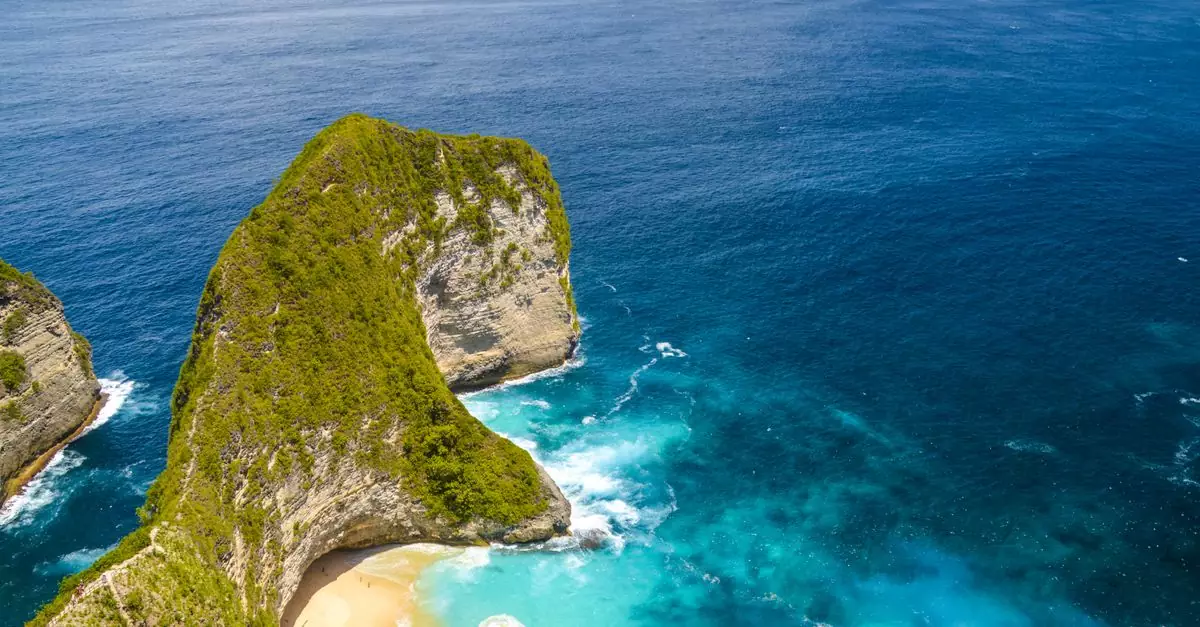
When envisioning the world’s bluest waters, the Maldives often comes to mind first. This nation of over 1,000 coral islands in the Indian Ocean is synonymous with pristine beaches and crystal-clear turquoise seas. The vibrant blues stem from the shallow lagoons, white sandy bottoms, and the purity of the water, largely unpolluted by significant land runoff. Consistent sunshine further enhances the water’s luminous quality, making it a premier destination for breathtaking aquatic scenery.
Bioluminescent Beaches of Vaadhoo Island
Vaadhoo Island in the Raa Atoll offers a unique spectacle: bioluminescent plankton that light up the shoreline at night. This natural phenomenon, often referred to as the “Sea of Stars,” transforms the water’s edge into a twinkling display of blue light, mirroring the constellations above. While bioluminescence isn’t guaranteed every night, visiting during the dry season (December to April) generally increases your chances. The effect is most pronounced on moonless nights, allowing the faint glow of the phytoplankton to dominate the darkness.
Snorkeling with Manta Rays in Hanifaru Bay
Hanifaru Bay, located in the Baa Atoll UNESCO Biosphere Reserve, is renowned for encounters with majestic manta rays and whale sharks. Between May and November, during the southwest monsoon, large aggregations of plankton bloom in the bay, attracting these gentle giants. The shallow, protected waters make it an exceptional spot for snorkeling. Unlike diving, snorkeling allows for closer, less intrusive observation. It’s crucial to adhere to strict guidelines to protect marine life, such as maintaining a safe distance and avoiding contact. This seasonal gathering serves as a powerful reminder of the importance of marine conservation in preserving these incredible places with the bluest water in the world.
Luxury Overwater Bungalows in North Malé Atoll
The North Malé Atoll, one of the most accessible from Velana International Airport (MLE), is home to iconic luxury resorts. Here, the quintessential Maldivian experience often involves staying in an overwater bungalow. These accommodations provide direct access to the calm, crystalline waters right from your private deck. Waking up to the sight of endless blue stretching before you, accompanied by the gentle lapping of waves, is an unparalleled experience. Many resorts offer private plunge pools that seamlessly blend with the ocean horizon, enhancing the feeling of immersion in this azure paradise.
Getting to the Maldives typically involves a flight to Velana International Airport, followed by a speedboat or seaplane transfer to your chosen resort. The choice of transfer often depends on the distance of your resort from the airport, with seaplanes providing spectacular aerial views of the atolls.
| Season | Weather Outlook | Best For |
|---|---|---|
| Dry Season | Sunny, low humidity, calm seas (Dec-Apr) | Diving, snorkeling, water sports, clear skies |
| Wet Season | Higher humidity, occasional rain showers (May-Nov) | Manta ray and whale shark sightings (Hanifaru Bay) |
While the Maldives is generally safe, it’s wise to be aware of currents when swimming in open water and to respect local customs, especially when visiting inhabited islands. The focus here is on relaxation and appreciating stunning natural beauty, making it a top choice for those seeking the ultimate aquatic escape.
The Caribbean’s Sapphire Jewels: Turquoise Bay and Beyond
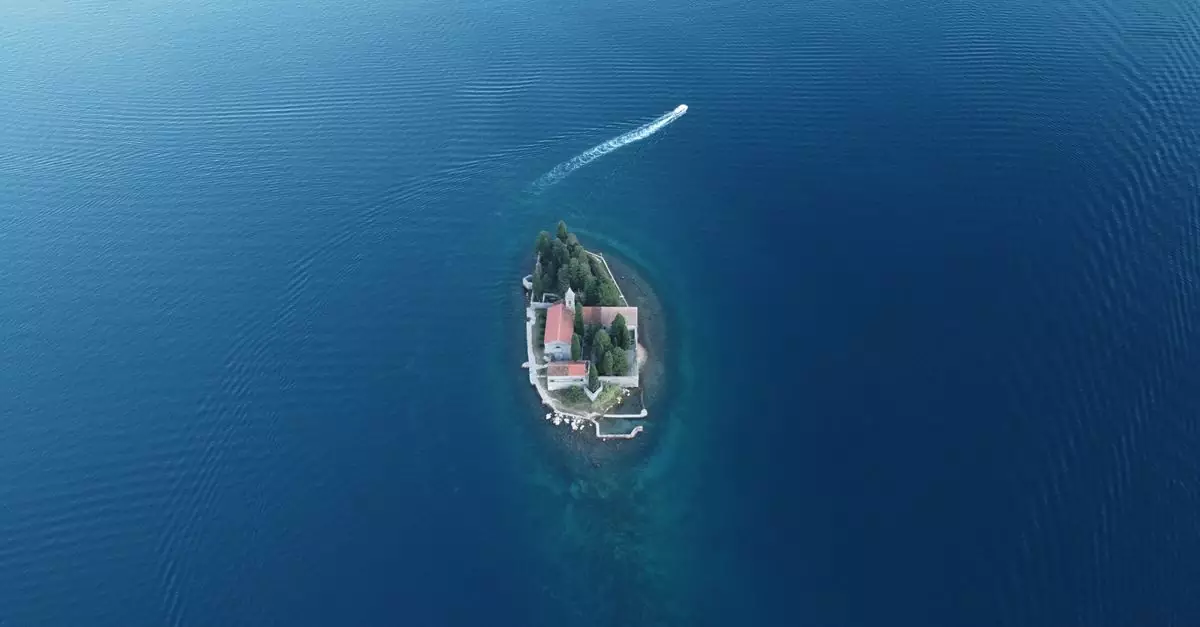
The Caribbean Sea is celebrated for its dazzling, clear waters, making it a prime destination for anyone seeking the world’s bluest water. Beyond postcard-perfect beaches, these islands offer unique aquatic experiences, from serene bays ideal for sailing to dramatic underwater landscapes. Planning a trip here involves considering the best times to visit and how to navigate between these stunning locations.
Sailing the Grenadines: Bequia’s Admiralty Bay
Bequia, a small island in St. Vincent and the Grenadines, boasts Admiralty Bay, a sheltered harbor popular with yachts and cruisers. The water here is an incredible shade of turquoise, so clear you can often see the anchor resting on the sandy bottom. It’s a tranquil spot, perfect for swimming, snorkeling, and enjoying the peaceful atmosphere.
Getting to Bequia typically involves flying into the larger island of St. Vincent and then taking a short ferry ride. Admiralty Bay is easily accessible by boat, with many visitors choosing to anchor their vessels or join a local charter. The surrounding islands of the Grenadines offer further opportunities for exploration, each presenting its own unique slice of paradise.
Exploring the Pitons from Anse Chastanet, St. Lucia
St. Lucia’s southwest coast is dominated by the majestic Pitons, two volcanic spires rising dramatically from the sea. Anse Chastanet beach, located between these iconic landmarks, offers exceptionally clear, deep blue waters. The bay is a protected marine reserve, making it a fantastic location for snorkeling and diving, with vibrant coral reefs teeming with marine life just a short swim from the shore.
Access to Anse Chastanet is often via a resort, though public access is available. Visitors can arrive by taxi or water taxi from nearby towns like Soufrière. The underwater visibility here is consistently excellent, allowing for unforgettable encounters with colorful fish and sea turtles. For a more comprehensive experience, consider staying at one of the beachfront hotels to maximize your time in this aquatic wonderland.
Discovering the Baths on Virgin Gorda, British Virgin Islands
The Baths on Virgin Gorda in the British Virgin Islands are a geological marvel and a unique spot to experience the Caribbean’s stunning blue waters. Giant granite boulders, or “baths,” are scattered along the shoreline, creating a labyrinth of sea caves, tunnels, and grottoes. The water between these formations is an astonishingly clear, vibrant blue, inviting exploration.
Reaching The Baths involves a short boat trip or a hike down from the road. The experience is less about open swimming and more about wading, snorkeling, and marveling at the interplay of rock and water. It’s a popular destination, so visiting early in the morning or later in the afternoon can offer a more serene experience. The clarity of the water here makes it one of the most visually striking places with the bluest water in the world.
Where Can You Find the Bluest Water in the Mediterranean?
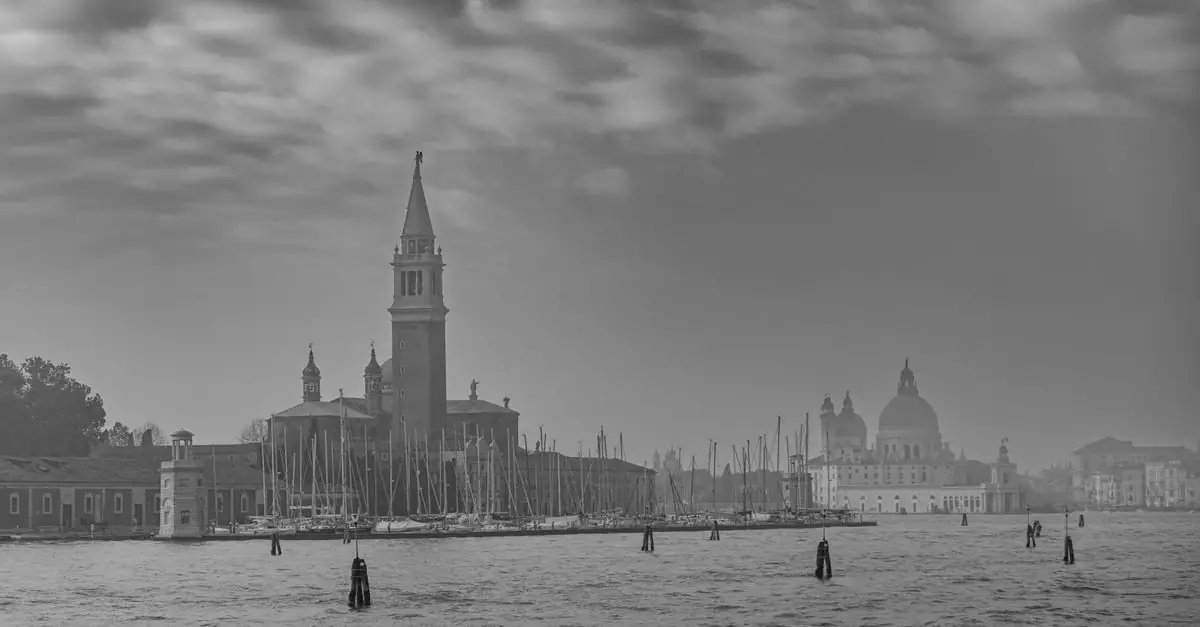
The Mediterranean Sea boasts a spectrum of turquoise and sapphire hues, drawing travelers seeking visually stunning aquatic experiences. From dramatic coastlines to secluded coves, several destinations stand out for their exceptionally clear and vibrant waters, offering unforgettable swimming and scenic enjoyment.
The Amalfi Coast’s Hidden Coves: Positano and Praiano
Italy’s Amalfi Coast is famed for its dramatic cliffs and pastel-colored villages, but its true aquatic treasures lie in its hidden coves. Positano and Praiano, in particular, offer access to stretches of water so clear they appear luminous. While the main beaches can be busy, venturing slightly further by boat or on foot reveals smaller, more secluded spots.
The water here is a breathtaking blend of deep azure and bright turquoise, especially noticeable on sunny days when light penetrates the depths. These areas are best accessed via private boat tours from towns like Amalfi or Positano, allowing you to anchor in quiet bays for swimming and snorkeling. For those without a boat, local water taxis often service less accessible coves.
Traveler Tip: The water clarity is often best in late spring and early autumn, avoiding peak summer crowds and the most intense heat.
Zakynthos, Greece: Navigating to Navagio Beach (Shipwreck Beach)
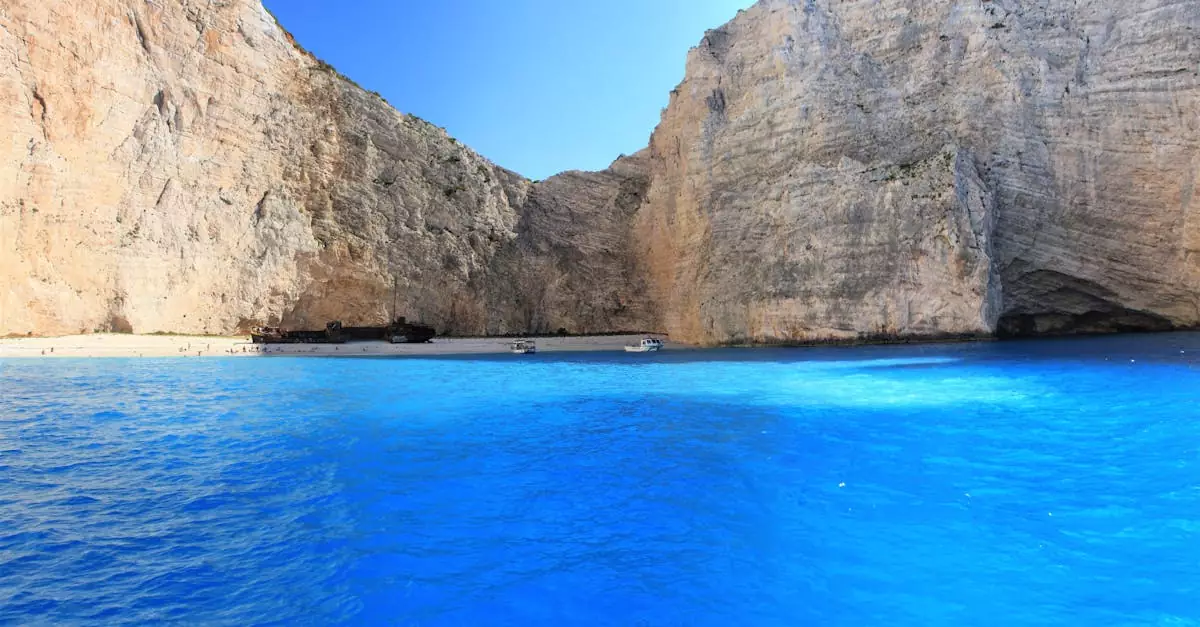
Zakynthos, one of the Ionian Islands, is home to Navagio Beach, famously known as Shipwreck Beach. This iconic cove is characterized by dramatic white cliffs, pristine white sand, and startlingly blue water that contrasts sharply with the surrounding landscape. The shipwreck itself, resting on the sand, adds a unique element to this picturesque scene.
Access to Navagio Beach is exclusively by boat, with regular departures from various ports on Zakynthos, including Porto Vromi and Agios Nikolaos. While the beach is a popular tourist destination, the brilliance of the water makes it a must-see. The water’s intense blue color is a result of the fine white sand and the mineral content of the surrounding cliffs.
Logistics: Boat tours often combine a visit to Navagio Beach with stops at the island’s famous Blue Caves, where the water takes on an even more ethereal quality due to light reflecting off the cave formations.
Mallorca, Spain: Cala Macarella and Cala Macarelleta’s Crystal Clarity
Mallorca, the largest of Spain’s Balearic Islands, features numerous stunning calas (coves) with exceptionally clear waters. Cala Macarella and its smaller neighbor, Cala Macarelleta, are prime examples. These horseshoe-shaped bays are framed by pine-covered cliffs, opening onto powdery white sand and water that shifts through shades of turquoise and sapphire.
The clarity here is remarkable, allowing for excellent snorkeling and gazing into the depths. To reach these calas, you can drive to a parking area and take a short walk, or opt for a bus service during peak season. For a more exclusive experience, consider a boat trip that circles the island, often stopping at these secluded spots.
Budget Consideration: While access to the beaches is free, parking and bus services may incur small fees. Boat tours vary in price depending on duration and inclusions.
| Destination | Water Color Dominance | Best Access Method | Peak Season Crowd Level |
|---|---|---|---|
| Amalfi Coast Coves | Azure to Turquoise | Boat Tour | High |
| Navagio Beach | Intense Sapphire | Boat Tour | Very High |
| Cala Macarella | Turquoise to Teal | Walk/Bus/Boat | High |
Unique Blue Water Destinations Off the Beaten Path
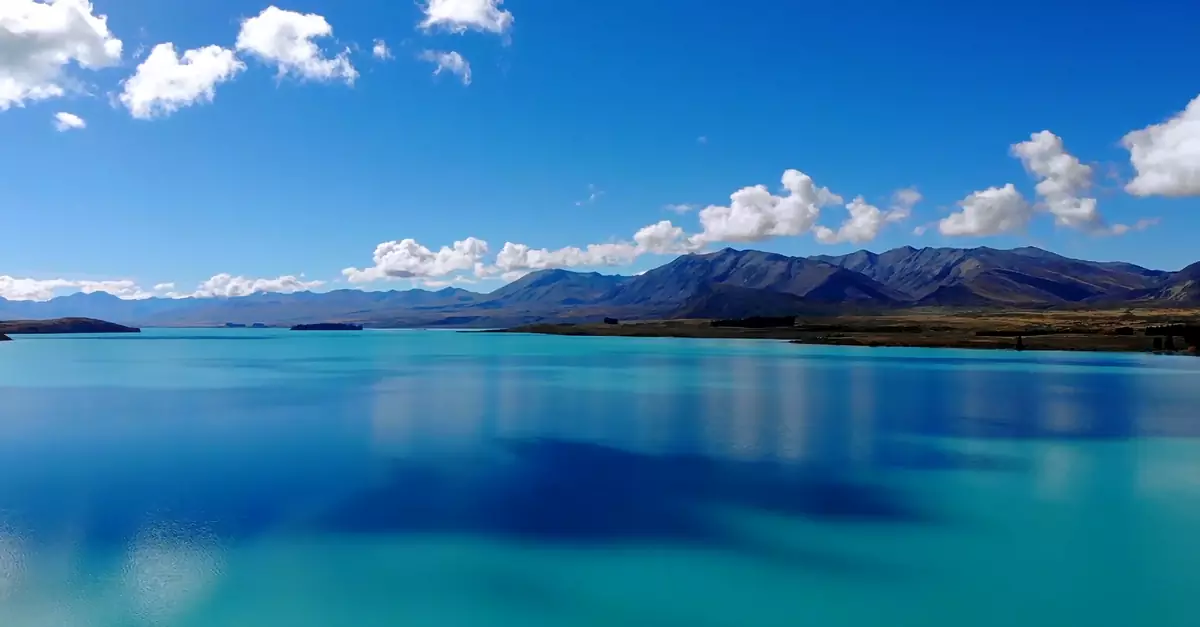
While many travelers flock to famous tropical paradises, some of the most breathtaking turquoise and azure waters are found in lesser-known locales. These destinations offer stunning aquatic scenery and a more tranquil, authentic experience. Discovering places with the bluest water often means venturing a bit further, but the rewards are immense.
Palawan, Philippines: El Nido’s Lagoons and Kayangan Lake
Palawan, often cited as one of the world’s most beautiful islands, is a treasure trove of crystal-clear waters. El Nido is renowned for its dramatic limestone cliffs and hidden lagoons. The Big Lagoon and Small Lagoon, accessible by kayak, provide an immersive experience where the water’s clarity reveals vibrant coral formations and diverse marine life just beneath the surface. Kayangan Lake, often called the “cleanest lake in Asia,” boasts an otherworldly blue hue, a result of its freshwater meeting the surrounding seawater.
Getting to El Nido typically involves a flight to Puerto Princesa or San Vicente, followed by a van transfer. The best time to visit is during the dry season, from November to May, when the seas are calmest and visibility is at its peak. Boat tours are the primary way to access the lagoons, with island-hopping packages offering full-day excursions. While El Nido has seen a rise in tourism, venturing to lesser-known spots or booking private tours can provide a more secluded experience.
The Seychelles: Anse Source d’Argent, La Digue
Anse Source d’Argent on La Digue Island in the Seychelles is consistently ranked among the world’s most beautiful beaches, and for good reason. Its iconic granite boulders, softened by time and tide, frame a shallow, shimmering bay of impossibly blue water. The sand is powdery white, and the water is so clear that you can see the seabed even at waist depth. It’s a photographer’s dream and a tranquil escape.
Reaching La Digue involves flying into Mahé International Airport, taking a ferry to Praslin, and then another short ferry to La Digue. The island is best navigated by bicycle, adding to its laid-back charm. The water remains inviting year-round, though the driest months are typically April to May and September to October. While Anse Source d’Argent is accessible to the public, its shallow nature and gentle waves make it particularly appealing for families and those seeking a peaceful swim rather than active water sports.
Devil’s Bay, Virgin Gorda: A Secluded Caribbean Gem
Devil’s Bay on Virgin Gorda in the British Virgin Islands offers a secluded slice of Caribbean paradise. Tucked away behind a natural rock formation known as The Baths, this small cove is a sanctuary of calm, clear, and vibrant blue water. The journey to Devil’s Bay involves a short, scenic hike over the boulders of The Baths, rewarding visitors with a stunning, less crowded alternative to its more famous neighbor.
Travelers typically fly into Tortola’s Terrance B. Lettsome International Airport and then take a ferry to Virgin Gorda. From the ferry terminal, taxis can take you to The Baths. The hike through The Baths to reach Devil’s Bay is an adventure in itself, requiring some agility. The best time to visit is during the dry season, from December to May, to ensure calm seas and sunny skies. The seclusion of Devil’s Bay makes it a prime spot for snorkeling and enjoying the underwater world without the crowds.
Best Time to Visit These Places with the Bluest Water
Timing your visit to destinations known for their incredibly blue waters can significantly enhance your experience, balancing pleasant weather with manageable crowds. Understanding the local climate and peak seasons will help you find those truly unforgettable swims.
Maldives: Dry Season (November to April)
The Maldives, celebrated for its crystal-clear turquoise lagoons, experiences its most favorable weather from November to April. This period offers abundant sunshine, minimal rainfall, and calm seas, making it ideal for snorkeling, diving, and enjoying the vibrant underwater world. Temperatures typically hover around 28-30°C (82-86°F), with lower humidity compared to the wet season.
While this is peak tourist season, meaning higher prices for flights and accommodations, the conditions for experiencing the bluest waters are unparalleled. Booking well in advance is highly recommended, especially for popular resorts or overwater bungalows. The wet season, from May to October, can bring rain showers and rougher seas, though it also offers lower prices and fewer visitors. For those prioritizing pristine water conditions and sunshine, the dry season is the clear choice.
Caribbean: Avoiding Hurricane Season (June to November)
The Caribbean islands boast a stunning array of beaches with impossibly blue, clear waters. The prime time to visit is during the dry season, from December to May, when pleasant temperatures, low humidity, and minimal rain are the norm. It’s also peak tourist season, so expect higher costs and more crowded destinations, particularly around holidays.
However, it’s crucial to be aware of hurricane season, which runs from June 1st to November 30th. While the risk of a direct hit is statistically lower during the earlier months (June-August), storms become more frequent and intense from September to November. Travelers looking for budget-friendly options or fewer crowds might consider the shoulder months of late May or early June, or even late November, but must remain vigilant about weather forecasts. Destinations like Aruba, Bonaire, and Curaçao, located outside the main hurricane belt, offer a safer bet for summer and fall travel, still providing access to the region’s famously blue seas.
| Island Group | Best Time to Visit | Considerations |
|---|---|---|
| Northern Caribbean | December to April | Peak season, higher prices, great weather |
| Southern Caribbean | Year-round, less hurricane risk | Can be hotter, potential for rain year-round |
| General Caribbean | December to May | Dry season, best water clarity, sunny skies |
| Hurricane Season | June to November | Risk of storms, lower prices, fewer crowds |
Mediterranean: Shoulder Seasons for Pleasant Weather and Fewer Crowds
The Mediterranean Sea, known for its deep azure and vibrant turquoise hues, is best experienced during its shoulder seasons. These periods, typically April to June and September to October, provide a sweet spot between the sweltering heat and peak crowds of summer and the cooler, quieter months of winter. During spring and autumn, temperatures are comfortably warm, perfect for swimming and exploring coastal towns without the intense heat.
Visiting during these times also means more affordable accommodation and flight options compared to July and August. The water, while still cool in April and May, becomes pleasantly warm by June and remains so through October. Destinations like the Greek Islands, the Amalfi Coast in Italy, and the Croatian coastline all offer spectacular blue waters. Avoiding the peak summer months ensures a more relaxed experience, allowing you to truly appreciate the beauty of these coastal gems. Summer (July and August) is undeniably hot and crowded, with prices soaring. Winter (November to March) sees much cooler temperatures and many tourist facilities closed.
Frequently Asked Questions About the World’s Bluest Water Destinations
What causes water to appear so blue?
The striking blue color of the world’s clearest waters is primarily due to how water molecules absorb sunlight. Water absorbs longer wavelengths of light (reds, oranges, yellows) more readily than shorter wavelengths (blues). When sunlight penetrates deep into the water, the blue light is scattered and reflected back, making the water appear vibrant blue. The purity and depth of the water also play significant roles; less sediment and fewer impurities allow more light to penetrate and scatter, enhancing the blue hue. Tiny particles like phytoplankton can influence color, sometimes adding a greenish tint if present in large quantities.
Are these destinations suitable for families with children?
Many destinations known for their stunning blue waters are indeed family-friendly, offering calm, shallow areas ideal for children. For instance, the Maldives and the Caribbean islands often feature lagoons with gentle waves and warm temperatures. Some locations, like certain beaches in the Seychelles, have natural rock pools that can be fun and safe for younger swimmers. Always check specific beach conditions and local recommendations for the safest swimming spots. Resorts in these areas typically cater to families with amenities like kids’ clubs and shallow pools.
What are the best photography spots in these locations?
Capturing the vibrant blues requires thoughtful planning. For aerial shots, consider drone photography if permitted, or find elevated viewpoints like cliffs or observation decks. Underwater photography is also spectacular; investing in a good waterproof camera or housing for your phone is recommended. Many locations offer iconic photo opportunities, such as the overwater bungalows in Bora Bora or the viewpoints of the Pitons in St. Lucia. Beaches with minimal wave action, like those in the Exumas, Bahamas, are excellent for capturing clear water reflections and pristine sand.
What should I pack for a trip to see the bluest water?
Packing for a trip focused on destinations with the bluest water involves preparing for sun, sand, and water activities. Essential items include high SPF sunscreen, a wide-brimmed hat, and sunglasses to protect against strong sun exposure. Lightweight, quick-drying clothing is practical for beach days. Don’t forget swimwear, a beach towel, and comfortable sandals or flip-flops. For water activities, consider packing a snorkel and mask if you plan to explore underwater environments. A waterproof dry bag is useful for keeping electronics and valuables safe near the water.
Here’s a quick packing checklist:
| Item | Importance | Notes |
|---|---|---|
| High SPF Sunscreen | Essential | Reapply frequently |
| Wide-brimmed Hat | Essential | For maximum sun protection |
| Sunglasses | Essential | With UV protection |
| Swimwear | Essential | Bring multiple suits |
| Beach Towel | Essential | Quick-drying recommended |
| Lightweight Clothing | Recommended | Breathable fabrics |
| Waterproof Dry Bag | Recommended | For electronics and valuables |
| Snorkel Gear | Optional | If planning to snorkel independently |
| Rash Guard | Optional | For sun protection during water activities |