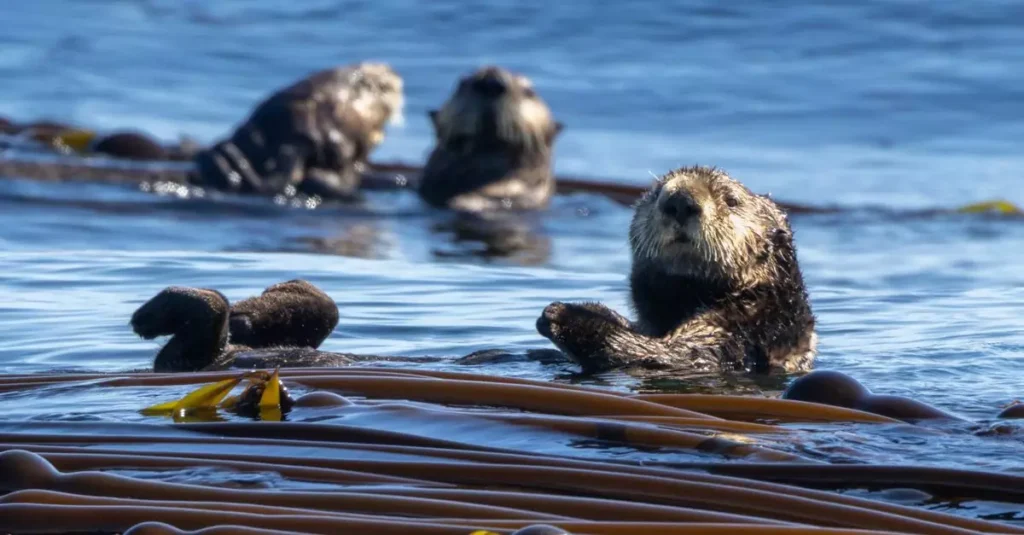
If you’re hoping to catch a glimpse of these charming marine mammals, knowing where to look is key. This guide reveals the best places to see sea otters along North America’s coastlines. You’ll discover prime viewing spots from the kelp forests of California’s Central Coast to the rugged shores of Olympic National Park in Washington and the wildlife-rich waters of Alaska. We’ll cover specific locations, the ideal times for sightings, and tips for making the most of your experience, whether you prefer watching from shore, a kayak, or a boat tour. Get ready to explore the habitats of these fascinating creatures and learn how to spot them in their natural environment.
California’s Central Coast: Prime Sea Otter Habitat
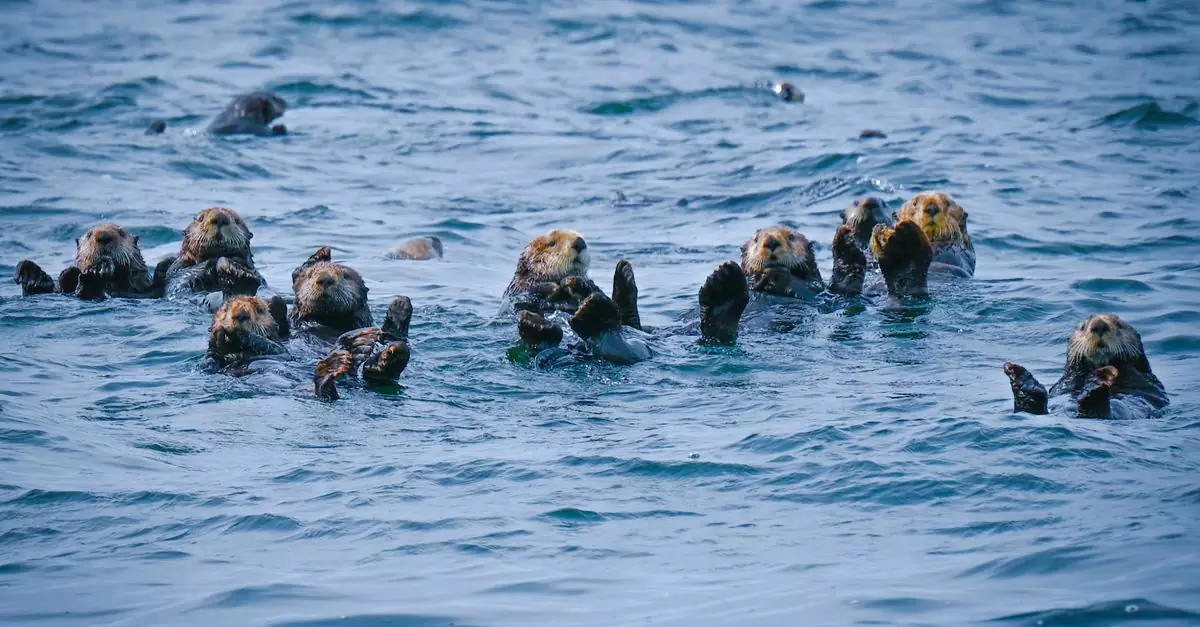
The California coast is arguably the most accessible and rewarding region for spotting sea otters in North America. These charismatic marine mammals thrive along this stretch of shoreline, thanks to abundant kelp forests and a robust food supply. Planning a visit here offers a high probability of seeing them in their natural environment, often just a short distance from shore.
Monterey Bay National Marine Sanctuary: A Sea Otter Hotspot
Monterey Bay is a renowned destination for marine wildlife, with sea otters as a significant part of its appeal. The protected waters of the Monterey Bay National Marine Sanctuary provide an ideal environment for these animals. Look for them bobbing in the kelp beds, particularly in areas with dense vegetation like Pacific Grove and near the Elkhorn Slough entrance.
Sea otters are often seen in groups called rafts, especially during warmer months. The best viewing times are typically early morning and late afternoon when the water is calmer and the light is softer. Bring binoculars for a closer look at their playful antics and grooming behaviors.
Elkhorn Slough: Kayaking with Sea Otters
For an up-close experience, consider a kayaking trip in Elkhorn Slough, a National Estuarine Research Reserve near Moss Landing. This protected estuary serves as a nursery for many marine species and is a favorite haunt for sea otters. Guided kayak tours are highly recommended, as knowledgeable guides know the best spots and ensure respectful observation distances.
Kayaking allows you to glide quietly through the water, often putting you at eye level with otters as they forage, groom, or rest on their backs. The slough’s calm waters make it accessible for most skill levels. Remember to maintain a safe distance and avoid disturbing the wildlife.
Elkhorn Slough Sea Otter Viewing Tips:
- Timing: Early morning offers the best light and often the most active otters.
- Transportation: Drive to Moss Landing and rent kayaks or join a guided tour.
- What to Bring: Binoculars, a waterproof camera, sunscreen, and a hat.
Morro Bay: Otters Around the Rock
Further south along the coast, Morro Bay is another excellent location for sea otter sightings. The iconic Morro Rock serves as a backdrop to a vibrant harbor where sea otters frequently gather. They are often seen in the calm waters of the bay, foraging for shellfish among the piers and rocky outcrops.
Walking along the Embarcadero provides ample opportunities to spot them. Keep an eye on the water near the power plant outfall, as the warmer water can attract a variety of marine life, including otters. Boat tours are also available and can take you to areas within the bay where otters are commonly found.
Sea Otter Viewing Comparison: Monterey Bay vs. Morro Bay
| Feature | Monterey Bay | Morro Bay |
|---|---|---|
| Primary Habitat | Kelp forests, open ocean near shore | Harbor, estuary, nearshore rocky areas |
| Viewing Method | Shoreline, boat tours, kayaking (Elkhorn Slough) | Shoreline, boat tours |
| Scenery | Dramatic coastline, kelp beds | Iconic Morro Rock, harbor activity |
| Accessibility | High, easily accessible from Highway 1 | High, easily accessible from Highway 1 |
| Best Time | Early morning/late afternoon | Throughout the day, calmer mornings are good |
Olympic National Park, Washington: Coastal Encounters
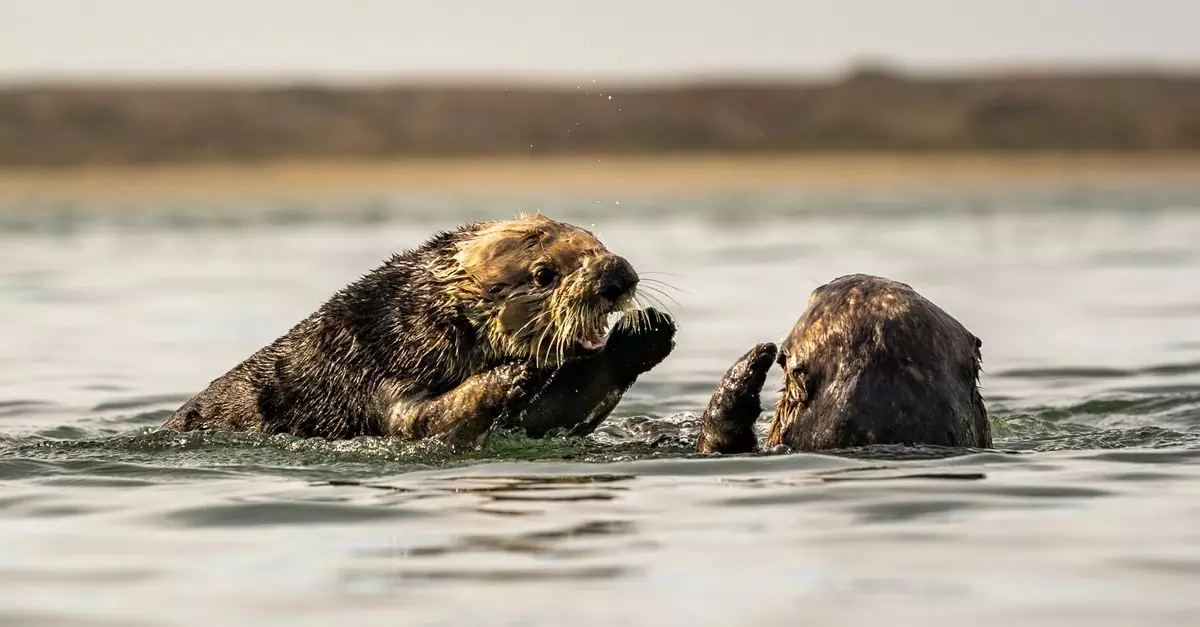
Olympic National Park offers a rugged, wild coastline where encountering sea otters is a distinct possibility. Unlike more managed wildlife viewing areas, here you’ll find these charismatic marine mammals in their natural, untamed habitat. The park’s extensive Pacific coastline, characterized by sea stacks, driftwood-strewn beaches, and kelp forests, provides an ideal environment for sea otters to forage and thrive. While sightings are never guaranteed, the sheer expanse of accessible shoreline increases your chances.
Rialto Beach and Ruby Beach: Spotting Otters from Shore
Rialto Beach and Ruby Beach are two of the most accessible and scenic coastal areas within Olympic National Park, making them prime locations for sea otter observation. These beaches are famous for their dramatic sea stacks and the sheer volume of driftwood that washes ashore, creating a unique landscape. Sea otters are often seen in the kelp beds just offshore, bobbing on their backs as they feed on shellfish. Look for areas where the water appears calmer or where you see rafts of kelp. Binoculars are highly recommended to spot them at a distance.
Parking at both Rialto and Ruby beaches can fill up quickly, especially during peak season. Arriving early in the morning or later in the afternoon can improve your chances of finding parking and may coincide with higher otter activity as they forage. These beaches are part of the park’s extensive coastal strip, which stretches for over 70 miles.
La Push Beaches: Exploring Otter Territories
The Quileute Nation manages the La Push beaches, which include First, Second, and Third Beach. These locations offer a more remote feel and are known for their stunning natural beauty and opportunities to see marine life. Second Beach, accessible via a short, relatively easy hike, is particularly popular for its iconic sea stacks and tide pools. Sea otters are frequently observed in the waters surrounding these formations.
Accessing these beaches involves a short trek, which can deter some crowds, potentially offering a more intimate wildlife viewing experience. Be prepared for uneven terrain and potentially muddy trails, especially after rain. Respect signage and any restrictions in place as these are tribal lands.
Best Time to See Sea Otters in Olympic National Park
The best time to see sea otters in Olympic National Park generally aligns with calmer seas and favorable weather, though they are present year-round. Late spring through early fall, from May to October, often offers the most pleasant conditions for beachcombing and wildlife watching. During these months, daylight hours are longer, and the likelihood of clear skies increases, providing better visibility.
However, sea otters are active throughout the year. During the winter months, you might experience fewer crowds, but the weather can be challenging with strong winds and heavy rain. If you visit during the winter, be sure to check weather forecasts and dress in warm, waterproof layers. Dawn and dusk are often the most active feeding times for sea otters, so planning your visit around these periods can maximize your chances of a sighting.
| Season | Otter Activity | Weather Conditions | Crowd Levels |
|---|---|---|---|
| Spring (May-June) | Moderate | Mild, increasing sunshine, occasional rain | Moderate |
| Summer (July-Aug) | High | Warmest, driest, longest daylight hours | High |
| Fall (Sept-Oct) | Moderate | Cooler, crisp air, potential for storms | Moderate |
| Winter (Nov-Apr) | Moderate | Cold, wet, windy, short daylight hours | Low |
Alaska: Where to Find Sea Otters in the Last Frontier
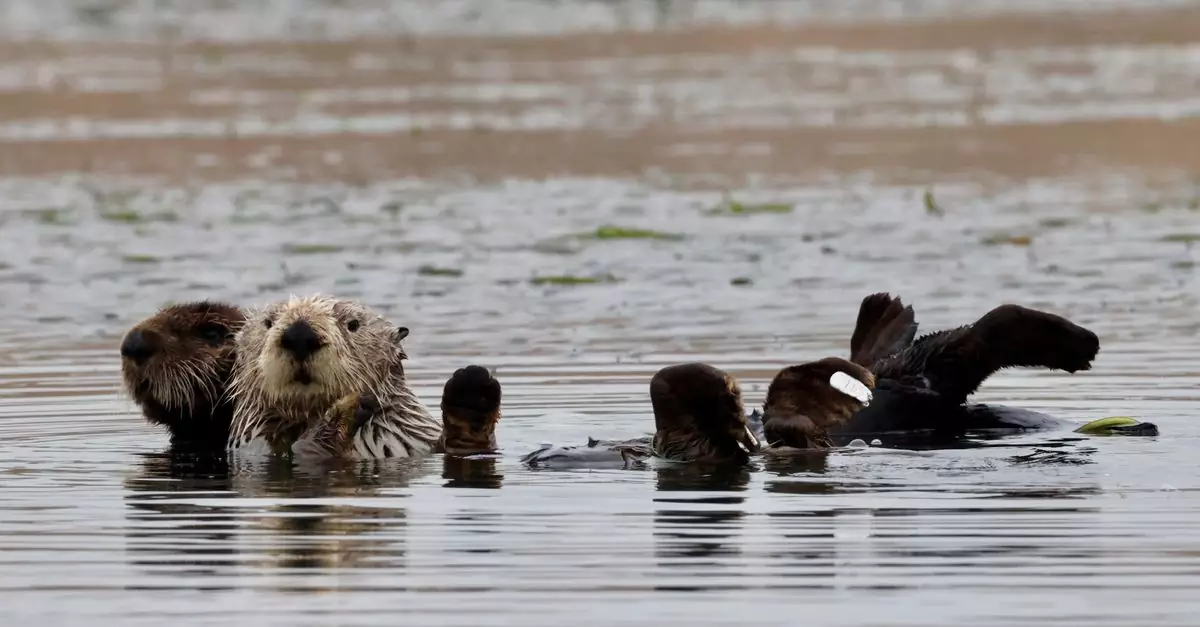
Alaska’s rugged coastline and abundant marine life make it a prime location for spotting sea otters. These charismatic mammals thrive in the cold, nutrient-rich waters of the North Pacific. For travelers hoping to see them in their natural habitat, several Alaskan destinations offer excellent opportunities.
Ketchikan’s Misty Fjords National Monument
Ketchikan, often called the “Salmon Capital of the World,” serves as a gateway to the breathtaking Misty Fjords National Monument. This protected wilderness area is accessible primarily by boat or floatplane, offering a remote and stunning setting for wildlife observation. Sea otters are frequently seen in the calmer waters within the fjords, often near kelp beds where they forage.
Boat tours departing from Ketchikan are a popular way to access the monument. Many of these tours focus on wildlife viewing, and captains are skilled at locating sea otters, as well as other marine mammals like seals, sea lions, and whales. The best times to visit are during the summer months, from May through September, when daylight hours are long and weather conditions are generally more favorable for sea travel. Remember that Alaska’s weather can be unpredictable, so packing layers is essential.
Homer Spit: A Hub for Wildlife Viewing
Located on Alaska’s Kenai Peninsula, Homer Spit is a unique geographical feature extending over four miles into Kachemak Bay. This narrow strip of land is a renowned destination for its abundant wildlife, and sea otters are a common sight here. The spit itself is lined with businesses catering to outdoor enthusiasts, including charter companies, lodges, and restaurants with bay views.
Visitors can often spot sea otters from the shore, particularly in areas with dense kelp forests. For closer encounters, consider booking a wildlife viewing tour that navigates Kachemak Bay. These tours provide opportunities to see otters swimming, playing, and grooming themselves. Kayaking or paddleboarding in the bay also offers an intimate way to observe these marine mammals, though it requires a degree of comfort with being on the water and awareness of potential wildlife encounters. Local tour operators can provide guidance on safe viewing distances and best practices.
Sea Otter Cruises in Southeast Alaska
Southeast Alaska, characterized by its intricate network of islands, fjords, and temperate rainforests, is a significant stronghold for sea otter populations. Taking a dedicated cruise through this area offers a comprehensive way to experience the region’s natural beauty and its resident wildlife. Many cruise lines, from large vessels to smaller expedition ships, include stops or scenic cruising through areas known for sea otter activity.
When choosing a cruise, look for itineraries that specifically mention wildlife viewing or focus on the Inside Passage. Destinations like Glacier Bay National Park and Preserve and the waters around Juneau are particularly good bets. These cruises often employ naturalists who can help spot and identify sea otters, as well as explain their behavior and ecological importance. While sea otters can be seen year-round, summer offers the mildest weather and the highest likelihood of encountering active animals.
| Location | Best Time to Visit | Typical Viewing Method | Potential for Other Wildlife |
|---|---|---|---|
| Misty Fjords (Ketchikan) | May – September | Boat tours, floatplane tours | Whales, seals, sea lions |
| Homer Spit (Kenai Pen.) | Year-round (peak summer) | Shore viewing, boat tours, kayaking, paddleboarding | Puffins, eagles, seals |
| Southeast Alaska Cruises | May – September | Expedition cruises, wildlife tours | Whales, sea lions, bears |
Oregon Coast: Scenic Views and Otter Sightings
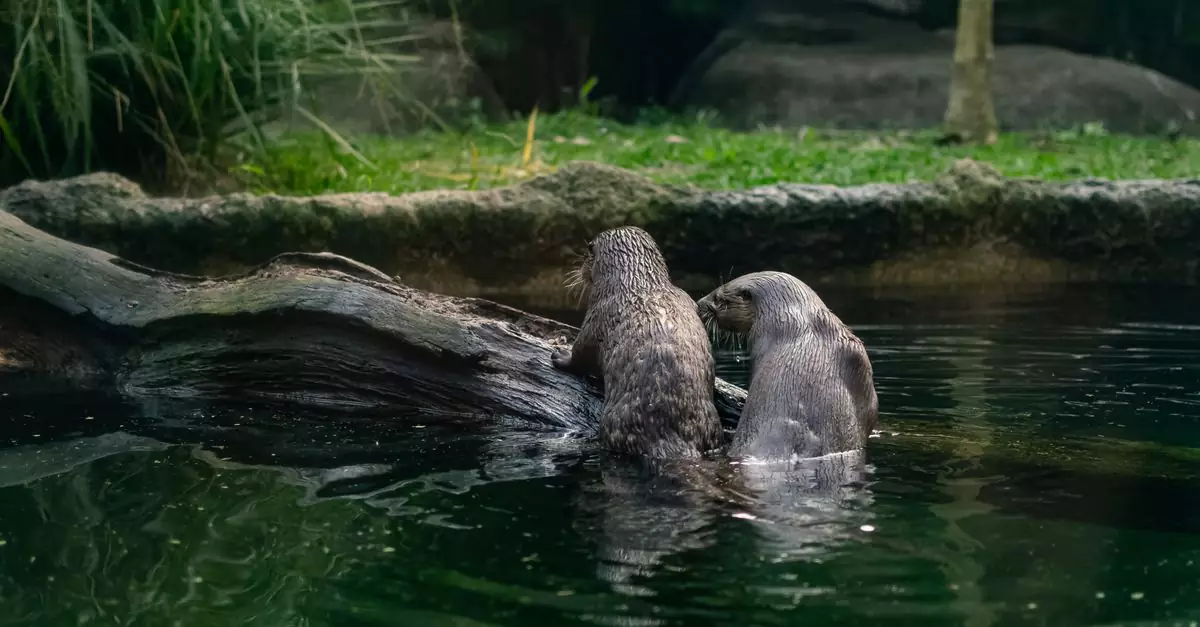
The Oregon Coast is a prime location for spotting sea otters, thanks to its rugged shoreline, kelp forests, and protected marine areas. Several charming towns offer excellent opportunities to observe these charismatic marine mammals in their natural habitat. Planning your visit around the tides and local wildlife tours can significantly enhance your chances of a memorable encounter.
Depoe Bay: Whale Watching Capital and Otter Haven
Depoe Bay, often called the “Whale Watching Capital of Oregon,” is also a reliable spot for seeing sea otters. The town’s dramatic cliffs and rocky shore provide a stunning backdrop for wildlife viewing. Sea otters are frequently seen lounging in the kelp beds just offshore, cracking open shellfish on their chests.
To maximize your chances, consider visiting the Depoe Bay Sea Otter Cam, which offers live footage, or join a local whale watching tour that often ventures into areas where otters are known to congregate. These tours can provide a closer look and valuable insights from experienced guides.
Traveler Tip: While sea otters are present year-round, they are most active in the morning and late afternoon. Check the tide charts; lower tides can sometimes make otters more visible closer to shore.
Newport’s Yaquina Head Outstanding Natural Area
Yaquina Head Outstanding Natural Area, located just north of Newport, is a must-visit for nature enthusiasts. This protected area features Oregon’s tallest lighthouse and a rich intertidal zone. Sea otters are commonly observed around the rocky outcrops and kelp forests surrounding the headland.
The interpretive center at Yaquina Head offers educational exhibits about the local marine life, including sea otters. Walking trails around the headland provide numerous vantage points for spotting otters, seals, and a variety of seabirds. Binoculars are highly recommended for observing distant otters and their behaviors.
Logistics: Access to Yaquina Head requires a day-use permit. The area is easily accessible by car, with ample parking available. The trails are generally well-maintained, though some can be uneven.
Cannon Beach: Iconic Scenery and Marine Life
Cannon Beach, famous for its iconic Haystack Rock, is another excellent location to see sea otters along the Oregon Coast. The rock formations and tide pools create a diverse marine ecosystem that attracts these playful mammals. Sea otters are often seen bobbing in the water near the shore, particularly during calm weather.
During low tide, exploring the tide pools around Haystack Rock reveals a fascinating array of marine life, and you might spot otters foraging nearby. The town itself offers charming shops and restaurants, making it a great base for a coastal getaway. For dedicated viewing, consider a boat tour from a nearby harbor that can take you closer to offshore otter habitats.
Comparison: While Depoe Bay and Newport offer more dedicated wildlife viewing facilities and tours, Cannon Beach provides a stunning scenic backdrop alongside potential otter sightings, appealing to those who prioritize both natural beauty and wildlife.
When Is the Best Time to See Sea Otters?
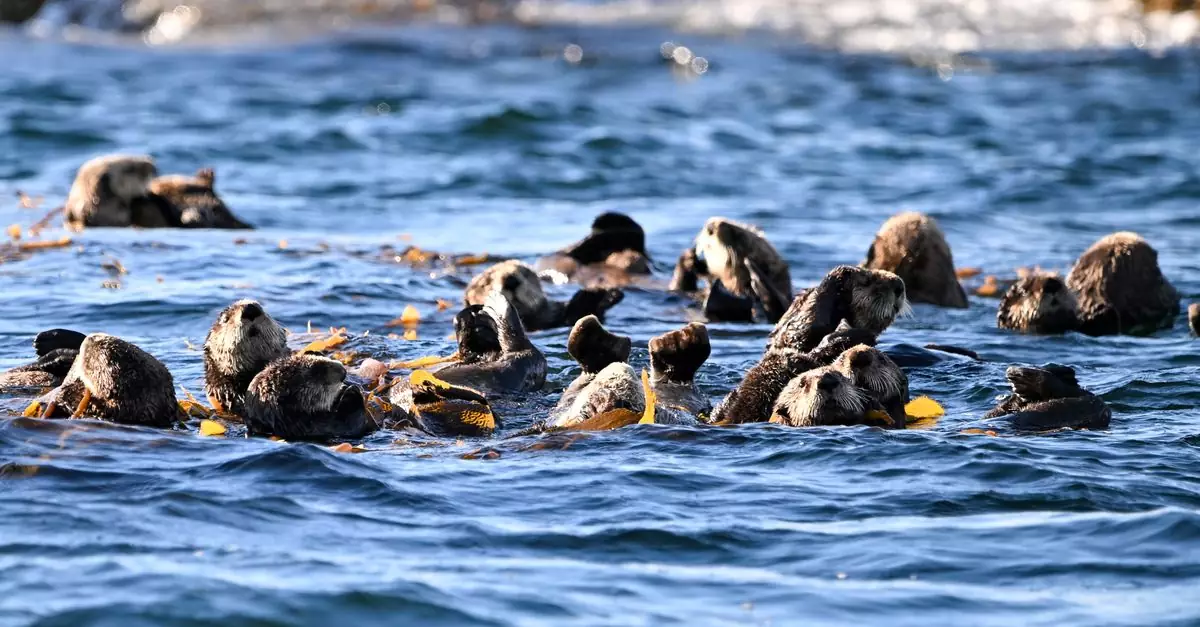
Timing your visit is crucial for maximizing your chances of spotting sea otters. While these charismatic marine mammals are present year-round along the North American coastlines where they inhabit, certain periods offer a higher probability of sightings and a more comfortable viewing experience. Understanding their natural behaviors and the environmental conditions will significantly enhance your trip.
Seasonal Otter Activity Patterns
Sea otters don’t migrate in the traditional sense, meaning you can find them in their established territories throughout the year. However, their activity levels can fluctuate. In many areas, particularly along the California coast, you’ll find resident populations that are active and visible daily. Peak activity often occurs in the morning and late afternoon, as they forage for food.
Breeding season for sea otters typically spans from late summer through winter, depending on the specific population. While this might not directly impact general viewing, it can sometimes lead to more concentrated groups of females with pups in certain areas. Observing mothers with their young is a particularly heartwarming experience for many visitors.
Understanding Breeding and Feeding Times
Sea otters are known for their voracious appetites, spending a significant portion of their day foraging. This constant need for food means they are frequently visible at sea, diving for shellfish and other invertebrates. Mornings and early evenings are often prime times for feeding, making these periods excellent for otter watching.
The breeding season, while not a direct viewing event, can influence where otters congregate. Females often seek calmer, more sheltered areas to give birth and care for their pups. Observing these interactions, though sometimes from a distance, provides a unique glimpse into their social structure.
Ideal Weather Conditions for Viewing
Clear, calm days offer the best conditions for spotting sea otters. Visibility is significantly improved when the water is smooth, allowing you to see them bobbing on the surface or diving. Overcast or foggy conditions, common along parts of the Pacific coast, can make spotting them more challenging.
Windy days can also create rough seas, making it harder to see otters and potentially less comfortable for boat tours or shore viewing. Therefore, checking the weather forecast for your chosen destination is a practical step for planning your otter-watching excursions. Mild temperatures, typically in spring and fall, make for the most pleasant viewing experience.
| Season | Visibility | Activity Level | Comfort Level | Notes |
|---|---|---|---|---|
| Spring | Good | High | High | Pleasant temperatures, active foraging. |
| Summer | Very Good | High | High | Warmest, best for clear water, can be crowded. |
| Autumn | Good | High | High | Cooler, less crowded, still excellent viewing opportunities. |
| Winter | Fair | Moderate | Moderate | Can be foggy/rainy, but otters are still present and active. |
Frequently Asked Questions About Seeing Sea Otters
What are the best ways to spot sea otters?
The most effective method for spotting sea otters is to observe them from shorelines with good visibility, particularly in kelp forests where they often rest and forage. Look for areas with calm waters, as sea otters are more likely to be visible then. Binoculars or a spotting scope can significantly enhance your viewing experience, allowing you to see details without disturbing the animals. Patience is key; spend time scanning the water’s surface and areas where rafts of kelp are present.
Are there any specific tours for sea otter viewing?
Yes, numerous guided tours cater to sea otter enthusiasts. Many coastal communities, especially along the Pacific coast of North America, offer kayak tours, boat excursions, and wildlife-watching cruises specifically designed for observing marine mammals. These tours are often led by knowledgeable guides who can help locate otters and provide insights into their behavior and habitat. Some tours might focus on specific regions known for high sea otter populations, such as parts of California or Alaska.
What should I bring for a sea otter watching trip?
Packing appropriately can greatly improve your sea otter watching experience. Essential items include:
- Binoculars or a spotting scope: Crucial for clear viewing from a distance.
- Camera: To capture memories, but remember to use zoom lenses to avoid disturbing the animals.
- Sunscreen, hat, and sunglasses: Even on cloudy days, sun exposure can be significant near the water.
- Waterproof jacket and layers: Coastal weather can change quickly, and staying dry and warm is important.
- Comfortable walking shoes: For exploring shorelines and viewpoints.
- Water and snacks: Especially if you plan to spend an extended period watching.
How close can I get to sea otters?
Maintaining a safe and respectful distance is paramount when observing sea otters. Federal and state regulations protect marine mammals, including sea otters, and it is illegal to harass, pursue, or disturb them. A general guideline is to maintain at least 100 yards (about 91 meters) from sea otters. If an otter changes its behavior in response to your presence, you are too close. Always prioritize the well-being of the animals and observe them from a distance that does not impact their natural activities.