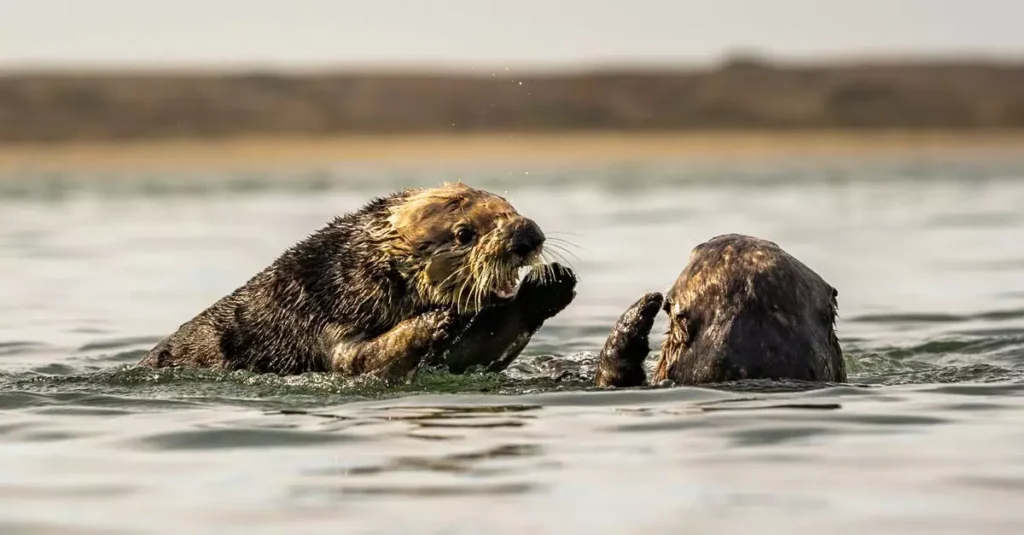
Discovering the best sea otter destinations offers a unique glimpse into the playful world of these beloved marine mammals. From the kelp-rich waters of California’s coast to the rugged shores of the Pacific Northwest and the wild inlets of Vancouver Island, North America boasts several prime locations for spotting these charismatic creatures. This guide will lead you to the top spots where you can observe southern and northern sea otters in their natural habitats. You’ll learn about the ideal times to visit, the best ways to view them responsibly—whether by kayak, boat tour, or from shore—and what to pack for an unforgettable wildlife adventure. Prepare to be charmed by their antics as you explore the coastlines where these adorable otters thrive.
Monterey Bay: California’s Sea Otter Hotspot
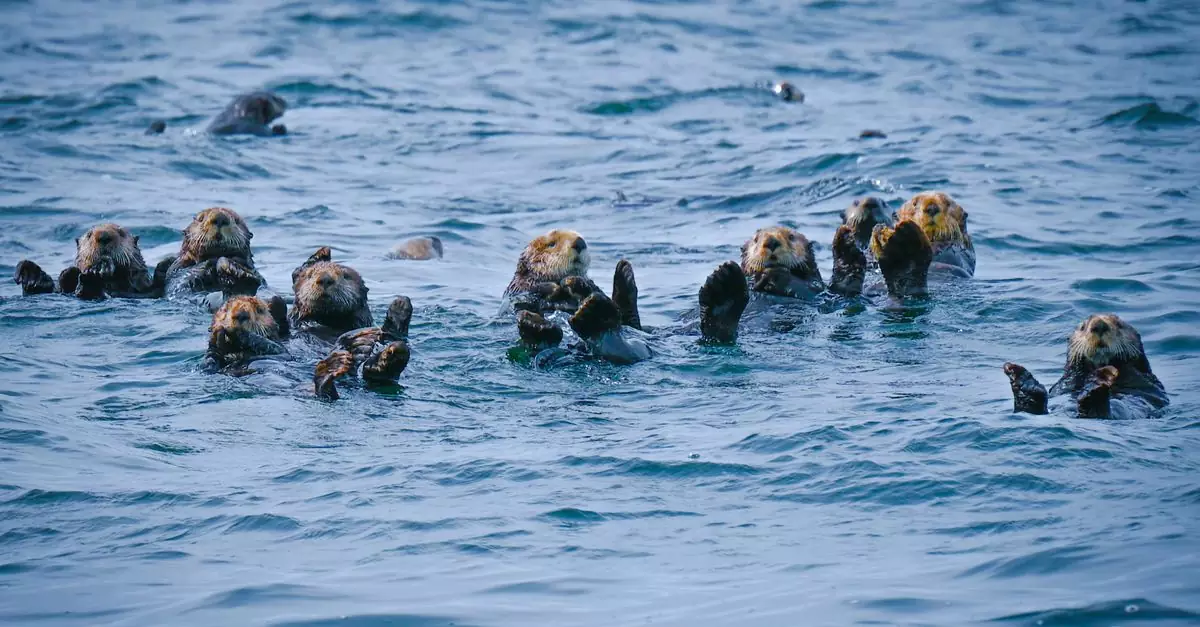
Monterey Bay, California, consistently ranks among the best sea otter destinations, offering abundant opportunities to observe these charismatic marine mammals in their natural habitat. The bay’s rich kelp forests and protected waters create an ideal environment for southern sea otters, a species once on the brink of extinction. Planning a visit here means anticipating sightings not just of otters, but also of seals, sea lions, and a variety of seabirds.
Elkhorn Slough: Kayaking with Sea Otters
For an up-close experience, kayaking in Elkhorn Slough is unparalleled. This National Estuarine Research Reserve is a haven for sea otters, often seen playfully grooming, cracking open shellfish on their chests, or nursing their pups. The calm, protected waters are suitable for paddlers of all skill levels.
When visiting Elkhorn Slough, consider renting a kayak from local outfitters in Moss Landing. Many offer guided tours led by naturalists who can help you spot otters and other wildlife while sharing insights into their behavior and the delicate ecosystem. Early morning or late afternoon typically yield the most active otter sightings.
- Best time for kayaking: Spring and fall offer pleasant weather and fewer crowds.
- What to bring: Binoculars, a waterproof camera, layers of clothing, and sun protection.
- Rental options: Several kayak and paddleboard rental companies in Moss Landing offer both self-guided and guided tours.
Moss Landing: Birdwatching and Otter Spotting
Moss Landing, a small fishing town at the northern end of Monterey Bay, is an excellent location for wildlife viewing. In addition to serving as a gateway to Elkhorn Slough, the harbor itself is frequently visited by sea otters. You can often spot them lounging near the docks or foraging in shallow waters.
This area is also a critical stopover for migratory birds, making it a top destination for birdwatchers. Combining a morning of otter spotting with an afternoon of birdwatching provides a comprehensive wildlife experience. The working harbor atmosphere adds unique charm, with fishing boats coming and going.
A short drive south along the coast leads to the Monterey Bay National Marine Sanctuary Exploration Center, which features educational exhibits about marine life found in the bay, including the sea otter. This is a great place to learn more about conservation efforts.
Cannery Row: Historic Charm and Marine Life
Once known for its sardine canneries, Cannery Row in Monterey has transformed into a vibrant tourist destination while still embracing its marine heritage. The Monterey Bay Aquarium, located on the former site of the Hovden Food Products cannery, is world-renowned for its exhibits on local marine life, including a dedicated sea otter habitat.
Visiting the aquarium offers an excellent opportunity to observe sea otters at close range and learn about their biology and conservation status. Docent talks and feeding demonstrations provide valuable insights. Outside the aquarium, along the coastline of Cannery Row, you may sometimes spot wild sea otters in the kelp beds just offshore, particularly near Lover’s Point Park.
For a broader understanding of the region’s marine ecosystems, consider a whale watching tour departing from nearby Fisherman’s Wharf. While the primary focus is on whales, these excursions often encounter sea otters, dolphins, and numerous seabird species. These tours provide a different perspective on spotting marine mammals in the vastness of the Pacific.
Olympic National Park: Washington’s Coastal Otter Encounters
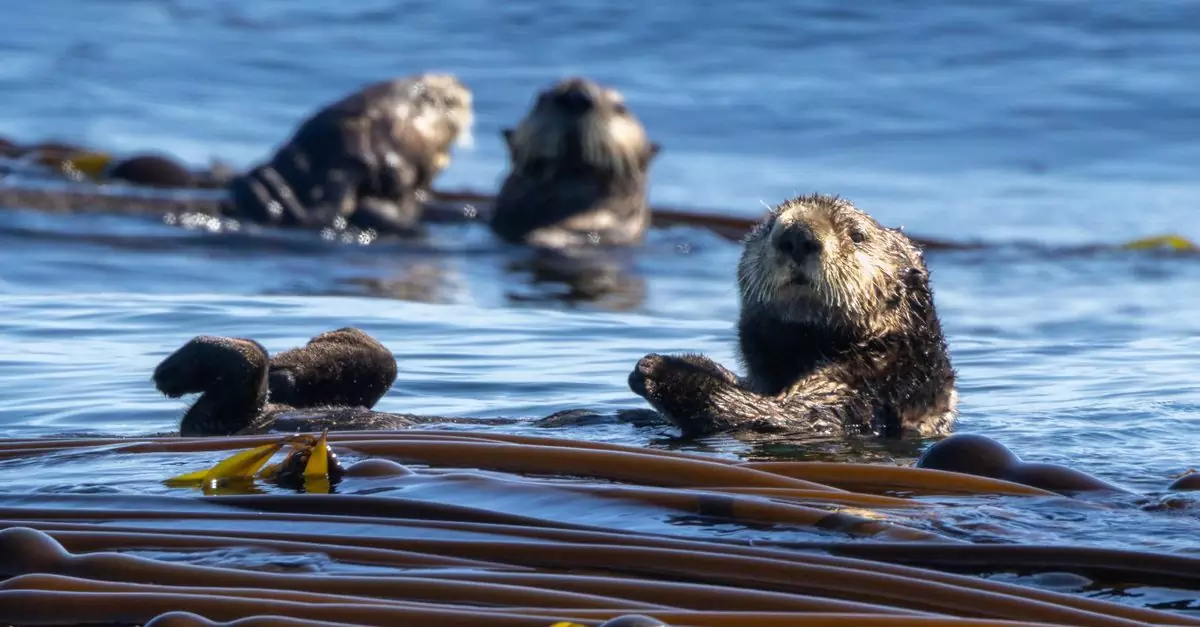
Olympic National Park on Washington’s rugged coast offers a more remote experience for spotting sea otters. This UNESCO World Heritage Site protects a vast expanse of diverse ecosystems, from temperate rainforests to windswept beaches. The park’s northern and western coastlines are prime habitats for the threatened southern sea otter, making it one of the best destinations for those seeking a true wilderness adventure.
Rialto Beach: Dramatic Scenery and Wildlife
Rialto Beach is an iconic Olympic National Park location, known for its dramatic sea stacks, driftwood-strewn shores, and abundant marine life. Sea otters are frequently observed in the kelp beds just offshore, particularly in the calmer waters near Hole-in-the-Wall, a natural arch accessible during low tide. Keep an eye out for them bobbing in the waves, grooming, or cracking open shellfish on their chests.
Beyond otters, the tide pools teem with anemones, starfish, and crabs, while bald eagles often soar overhead. The sheer scale of the landscape here is breathtaking, with the Pacific Ocean stretching endlessly to the horizon.
Getting There: Rialto Beach is accessible via a paved road from Highway 101. Parking can be limited during peak season, so arriving early is recommended.
Best Time to Visit: Summer and early autumn offer the most stable weather, with fewer storms. However, sea otters are present year-round.
What to Bring: Sturdy, waterproof footwear is essential for navigating the rocky beach. Binoculars will enhance wildlife viewing.
La Push Beaches: Quileute Culture and Otter Sightings
La Push comprises three beaches—First, Second, and Third Beach—managed by the Quileute Indian Nation. Second Beach, with its impressive sea stacks and offshore islands, is particularly good for spotting sea otters. The surrounding waters are rich in the kelp forests that these marine mammals depend on for food and shelter.
Visiting La Push offers a unique cultural dimension, as you’ll be on Quileute tribal land. Respectful engagement with the local culture is encouraged. The dramatic scenery, with jagged rocks and powerful waves, provides a stunning backdrop for wildlife viewing.
Logistics: Access to the beaches involves a short hike. Second Beach requires a walk through a lush forest to reach the shore.
Wildlife Viewing Tips: Look for otters in the kelp beds closer to shore, especially in the morning and late afternoon. Harbor seals and various seabirds are also common.
Cultural Considerations: Be mindful of any posted signs or regulations regarding land use and photography.
Hoh Rainforest Day Trip: Inland Escape with Coastal Potential
While the Hoh Rainforest is famous for its moss-draped trees and ancient forest trails, it’s worth noting its proximity to the coast. A day trip into the rainforest can be combined with an afternoon visit to nearby coastal areas like Ruby Beach or Kalaloch Beach. These beaches, south of La Push, also offer opportunities to spot sea otters in their natural habitat.
The contrast between the dense, verdant rainforest and the exposed, dynamic coastline is striking. After immersing yourself in the quiet grandeur of the Hoh, heading to the coast provides a chance to witness a different facet of Olympic National Park’s natural beauty and its marine inhabitants.
Combining Activities: Plan your route to maximize time. A morning in the Hoh Rainforest followed by an afternoon on the coast is a popular itinerary.
Coastal Access: Ruby Beach and Kalaloch Beach have accessible viewpoints and trails leading down to the shore, where sea otters can sometimes be seen foraging.
Traveler Observation: While the rainforest itself is inland, the park’s coastal areas are easily reachable for those looking to experience both environments in a single visit.
Vancouver Island, British Columbia: Kayaking and Coastal Wildlife
Vancouver Island, off the west coast of Canada, is an excellent location for spotting sea otters, particularly in its protected marine areas. The island’s rugged coastline, temperate rainforests, and abundant kelp forests provide ideal habitats for these charismatic mammals. Travelers seeking opportunities to see sea otters in their natural environment will find numerous options, from dedicated wildlife tours to independent exploration.
Tofino: Surfing, Rainforests, and Sea Otters
Tofino, situated on the western edge of Vancouver Island, is renowned for its dramatic surf breaks and ancient rainforests. It’s also a fantastic spot for observing sea otters. You can often see them lounging in the kelp beds just offshore, especially around Meares Island or along the Broken Group Islands. Many local tour operators offer guided kayaking or boat tours that focus on wildlife viewing, increasing your chances of a close encounter.
Visiting Tofino during spring and fall provides a good balance of milder weather and active wildlife. While sea otters are present year-round, their activity can vary. Pack layers of clothing, as coastal weather can change quickly, and waterproof gear is essential. Accommodation options range from rustic campgrounds to upscale lodges, catering to various budgets.
Ucluelet: Wild Pacific Rim National Park Reserve
Just south of Tofino, Ucluelet serves as another gateway to the stunning Pacific Rim National Park Reserve. This area boasts a wilder, more remote feel, with extensive shorelines and sheltered inlets perfect for sea otter habitats. The park’s waters are rich with marine life, making it a rewarding destination for nature enthusiasts.
Sea otters are frequently sighted in the waters surrounding Ucluelet, particularly within the Broken Group Islands, which are accessible by boat from Ucluelet. Taking a guided boat tour is highly recommended, as it allows you to cover more ground and access prime viewing spots safely. Keep an eye out for otters foraging for shellfish or grooming themselves on floating kelp.
Kayaking Tours in Barkley Sound
Barkley Sound, a vast and intricate network of inlets and islands on the west coast of Vancouver Island, is a true haven for sea otters and other marine wildlife. This area is particularly appealing for those who enjoy multi-day kayaking expeditions or prefer a more immersive wilderness experience. The sheltered waters are ideal for paddling, and the rich marine ecosystem supports a healthy population of sea otters.
Several tour operators based in Ucluelet and Bamfield offer guided sea kayaking trips specifically designed for wildlife viewing in Barkley Sound. These tours often include opportunities to camp on remote beaches and observe otters at close range from your kayak. The best times for kayaking in Barkley Sound are typically from late spring through early fall, when the weather is most favorable and daylight hours are longer. Booking in advance is advisable, especially for popular multi-day excursions.
When is the Best Time to See Sea Otters?
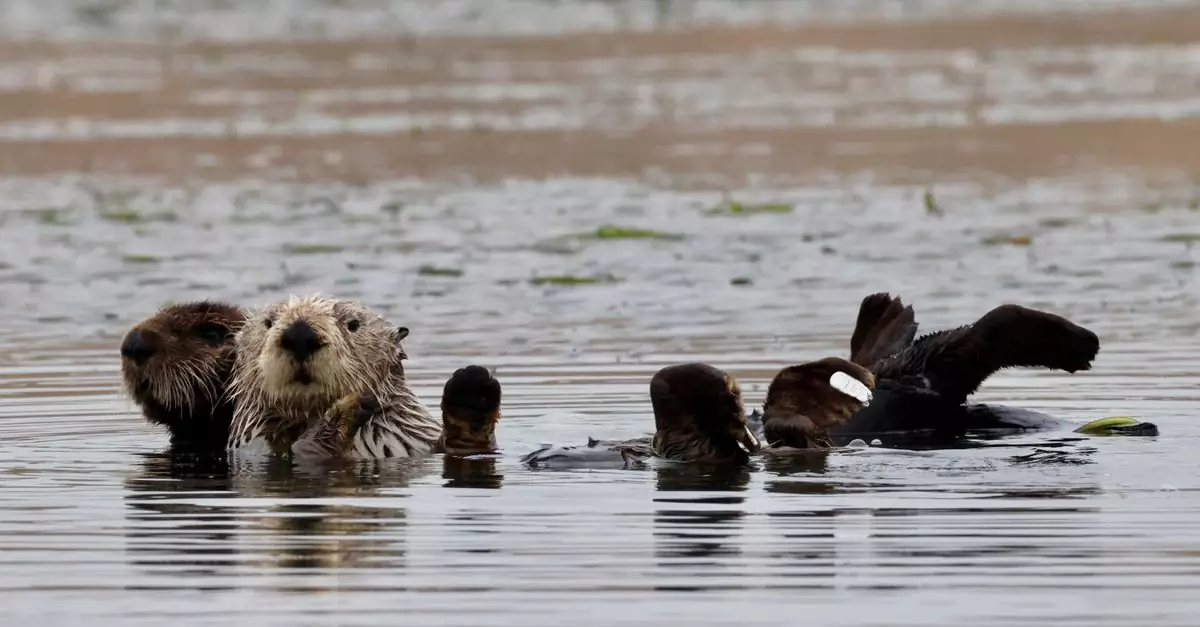
Understanding the best time to spot sea otters involves considering their natural behaviors, local environmental conditions, and regional variations. While sea otters are present year-round in many habitats, certain periods offer enhanced viewing opportunities.
Seasonal Otter Activity Patterns
Sea otters, particularly the Southern sea otter (Enhydra lutris nereis) found along the California coast, exhibit consistent activity throughout the year. They do not migrate seasonally like many other marine mammals. Their daily routines are influenced more by tidal cycles and food availability. You can observe them foraging, grooming, and resting in kelp beds or near shore at any time of year. However, breeding and pupping seasons can sometimes lead to more concentrated sightings in specific areas as mothers protect their young. In Alaska, where the Northern sea otter (Enhydra lutris kenyoni) resides, a similar year-round presence is the norm, though harsh winter weather can occasionally limit access to prime viewing spots.
Understanding Weather and Tides for Sightings
Favorable weather and tidal conditions significantly improve your chances of seeing sea otters. Calm seas and clear skies make for easier spotting from shore or boat. Rough waters can obscure their presence and make boat tours less comfortable or even impossible. Tides play a crucial role; sea otters often forage in shallower waters during low tide, bringing them closer to shore and making them more visible. Conversely, high tide can see them venturing further out to sea or resting in kelp forests away from the immediate coastline. Always check local tide charts and weather forecasts before planning your viewing excursion. For instance, the coast of Monterey Bay is known for accessible shoreline viewing, where understanding these factors is key.
Peak Viewing Opportunities Throughout the Year
While sea otters are visible year-round, certain times can offer a slight advantage for observation. In California, late spring and summer (May through September) often bring the most pleasant weather for coastal exploration, with calmer seas and generally sunny conditions. This period coincides with peak tourist season, meaning more boat tours are available. However, it’s important to note that this can also mean more crowds at popular viewing locations.
For those seeking fewer crowds and still excellent viewing, autumn (October and November) can be a fantastic option. The weather often remains mild, and the summer tourist rush has subsided. Winter (December through February) can be unpredictable, with potential for storms, but the otters are still present and actively feeding. Spring (March and April) offers a good balance, with increasing daylight hours and a chance to see mothers with very young pups, often held close to their chests.
In Alaska, the summer months (June through August) provide the best weather and longest daylight hours for spotting sea otters in places like Kodiak Island. While sea otters are present in winter, colder temperatures, shorter days, and potential sea ice can make access more challenging.
A general guideline for peak viewing:
| Region | Best Months | Notes |
|---|---|---|
| California | May – September (pleasant weather) | Higher chance of calm seas, more boat tours, but also more visitors. |
| California | October – November (fewer crowds) | Good weather often persists, less competition for viewing spots. |
| Alaska | June – August (longest days, best weather) | Essential for accessibility and comfortable viewing conditions. |
| Alaska | September – October (shoulder season) | Can still offer good opportunities before severe winter weather sets in. |
Regardless of the season, consistent observation often comes down to knowing where to look and being patient. Coastal areas with abundant kelp forests, rocky shorelines, and protected bays are generally the most reliable spots across North America.
Planning Your Sea Otter Adventure: What Travelers Need to Know
Spotting sea otters in their natural habitat requires preparation and respect for these charismatic marine mammals. Understanding their behavior, the best times to visit, and how to observe them responsibly will significantly enhance your experience. This section provides essential planning advice for anyone seeking to witness these fascinating creatures along the coast.
Responsible Wildlife Viewing Guidelines
Observing sea otters ethically is paramount to their well-being. Always maintain a respectful distance; federal law protects them, and approaching too closely can cause stress. Avoid feeding them, as this disrupts their natural diet and can be harmful. When on a boat, keep your engine noise low and avoid sudden movements. If you see otters surfacing or diving, it’s a sign you’re close enough to observe without disturbing them. Following these guidelines ensures that future generations can also enjoy seeing sea otters thrive.
Packing Essentials for Coastal Exploration
A successful trip to see sea otters involves smart packing for coastal environments. Binoculars are essential for spotting them from shore or a distance on the water, allowing for detailed observation without intrusion. Waterproof and windproof outerwear is crucial, as coastal weather can change rapidly. Comfortable, sturdy walking shoes are important for exploring rocky shorelines or trails. Don’t forget sun protection, including sunscreen, a hat, and sunglasses, even on cloudy days. Bringing a camera with a zoom lens will help capture memorable moments.
Choosing the Right Accommodation Near Otter Habitats
Selecting lodging near sea otter hotspots offers convenience and maximizes your viewing opportunities. Many coastal towns popular for otter sightings provide a range of options, from cozy inns to vacation rentals. Consider locations within walking distance of public beaches or harbors where otters are frequently seen. Booking in advance is advisable, especially during peak seasons.
Here’s a look at typical accommodation types and their general cost considerations:
| Accommodation Type | Typical Cost (USD per night) | Pros | Cons |
|---|---|---|---|
| Budget Motel | $80 – $150 | Affordable, basic amenities | Limited views, may be further from coast |
| Mid-Range Hotel | $150 – $250 | Comfortable, good location, some amenities | Can be busy, less unique |
| Boutique Inn | $200 – $350 | Charming, personalized service, often coastal | Higher price point, limited availability |
| Vacation Rental | $150 – $400+ | Kitchen facilities, more space, privacy | Requires booking further in advance |
When choosing a place to stay, think about how much time you want to spend actively searching for otters versus relaxing. Staying closer to known viewing areas means less travel time and more spontaneous otter encounters.
Frequently Asked Questions About Sea Otter Destinations
Are sea otters dangerous to humans?
Sea otters are generally not dangerous to humans. They are wild animals and should be observed from a safe distance, but they typically avoid contact with people. Their primary diet consists of invertebrates like sea urchins and clams, not larger mammals. While rare, aggressive encounters can occur if an otter feels threatened or is protecting young. Always maintain a respectful distance and avoid feeding them.
What is the best way to photograph sea otters?
Photographing sea otters requires patience and the right equipment. Using a telephoto lens (200mm or longer) is essential to capture clear shots without disturbing the animals. Early morning or late afternoon light often provides the best conditions. Look for otters resting in kelp beds or foraging near shore. Binoculars can help you spot them before you set up your camera. Many coastal areas in North America offer excellent opportunities for viewing and photographing these marine mammals.
Can I swim with sea otters?
Swimming with sea otters is generally not recommended or permitted. While they are curious creatures, getting too close can be stressful for them and potentially dangerous for you. Sea otters can be unpredictable, and their powerful bite, used for cracking shells, can cause serious injury. Respecting their space ensures their well-being and your safety. Instead of swimming with them, consider kayaking or joining a boat tour for close-up viewing from a safe distance.