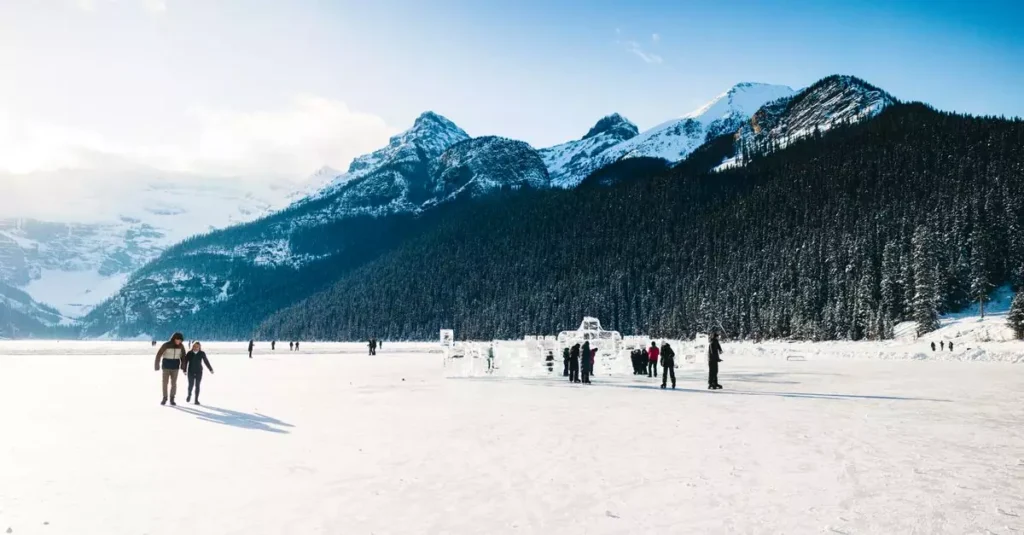
When winter graces the Canadian Rockies, Lake Louise transforms into a breathtaking spectacle, boasting one of the most iconic natural ice rinks in the world. This guide serves as your essential resource for experiencing the magic of ice skating on Lake Louise. Here, you’ll discover the best times to visit for optimal ice conditions, practical tips for getting there, and what to expect on the pristine frozen surface. We’ll cover everything from rental information and safety tips to nearby accommodations and prime photography spots. Prepare to glide across a frozen wonderland, surrounded by unparalleled alpine beauty.
When Can You Go Ice Skating on Lake Louise?
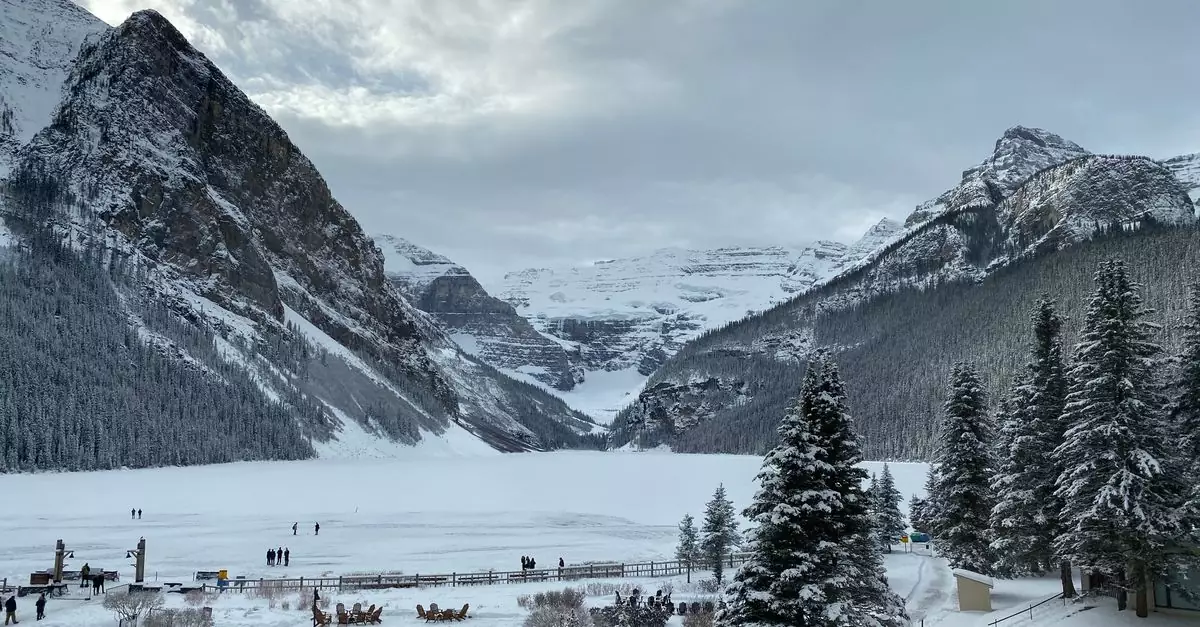
Planning a trip to skate on the iconic frozen surface of Lake Louise requires understanding the specific winter conditions in the Canadian Rockies. The opportunity for this magical experience is dictated by nature, making timing crucial for visitors.
Best Months for Lake Louise Ice Skating
The prime season for ice skating on Lake Louise typically runs from mid-December through March. During these months, the lake’s surface is usually frozen solid enough to support skaters. Early December may offer skating opportunities, but this is dependent on early cold snaps. By April, warmer temperatures typically signal the end of the skating season as the ice begins to melt.
For the most reliable conditions, aim for January and February, as these months generally present the coldest temperatures and the most stable ice. However, always check local conditions before your visit, as weather patterns can vary annually.
Understanding Lake Louise’s Winter Weather Patterns
Lake Louise experiences a continental climate characterized by long, cold winters. Average daily temperatures in January, the coldest month, hover around -15°C (5°F) but can plummet to -30°C (-22°F) or lower with wind chill. Snowfall is common throughout the winter, contributing to the picturesque scenery and providing a soft blanket around the skating area.
While the cold is essential for freezing the lake, extreme cold snaps can lead to temporary closures of outdoor activities for safety reasons. Conversely, unseasonably warm periods, though less common in mid-winter, can also affect ice stability. Staying informed about the daily forecast is key to a successful trip. You can find detailed weather information for the region on various North American weather sites.
Ice Thickness and Safety for Skating
Safety is paramount when considering ice skating on Lake Louise. The lake, being a natural body of water, has its freezing process influenced by several factors, including water depth, currents, and ambient temperature. Parks Canada and the Fairmont Chateau Lake Louise monitor ice thickness diligently.
For public skating, a minimum ice thickness of at least 8 inches (20 cm) for a single skater or 12 inches (30 cm) for a group is generally considered safe. The Zamboni-prepared skating rink near the Fairmont Chateau Lake Louise is usually the first area cleared and maintained, providing a controlled environment.
| Month | Average Temperature (°C) | Typical Ice Conditions | Notes |
|---|---|---|---|
| December | -10 to -5 | Freezing begins, potential for skating | Early season; conditions can be variable. |
| January | -15 to -10 | Solid, ideal for skating | Peak season for reliable ice. |
| February | -12 to -7 | Solid, excellent for skating | Still very good conditions, but days start to lengthen. |
| March | -8 to -3 | Skating continues, potential melt | Late season; ice may soften, especially in sunny areas. |
Always heed posted signs and official advisories regarding ice safety. If you venture beyond the maintained rink, be aware that ice thickness can vary significantly. For those planning a trip to the Canadian Rockies, understanding the local winter conditions is essential for trip planning.
Getting to Lake Louise for Your Skating Adventure
Reaching the iconic frozen expanse of Lake Louise is a key part of the winter experience in the Canadian Rockies. While the journey itself offers stunning scenery, understanding your transportation options will make your trip smoother. Whether you’re coming from a major city or a nearby mountain town, planning your transit in advance is crucial, especially during peak winter months.
Driving to Lake Louise from Calgary or Banff
The most common way to reach Lake Louise is by car, providing flexibility and the chance to stop at scenic viewpoints along the Trans-Canada Highway. From Calgary International Airport (YYC), the drive is approximately 200 kilometers (125 miles) and takes about two hours without significant stops or winter driving delays. The route is well-maintained, but winter tires or chains are highly recommended and legally required on many mountain highways from October 1 to March 31.
If you’re starting from Banff, the drive is much shorter, around 60 kilometers (37 miles), or less than an hour. This makes Lake Louise a popular day trip or a convenient stop en route to other destinations. Be aware that during busy periods, such as holidays and weekends, traffic can increase, and parking lots at Lake Louise fill quickly. Consider departing early in the morning to secure a spot.
Public Transportation Options to Lake Louise
For those who prefer not to drive, several public transportation services connect Calgary and Banff to Lake Louise. Roam Transit operates bus services from Banff to Lake Louise, with routes running multiple times daily during the winter season. This is an excellent option for travelers staying in Banff who want to experience ice skating at Lake Louise without the hassle of parking.
Several private shuttle companies also offer services from Calgary and Banff to Lake Louise. These can be a convenient and comfortable way to travel, often including hotel pick-ups and drop-offs. Booking these shuttles in advance is highly recommended, as they often have limited capacity and can sell out. While generally more expensive than driving yourself (factoring in rental car costs and gas), they eliminate parking concerns and the need to navigate winter road conditions.
| Transportation Option | Estimated Cost (CAD) | Travel Time (Approx.) | Notes |
|---|---|---|---|
| Driving (Calgary) | $50-$100 (Gas/Tolls) | 2 hours | Requires winter tires; parking fees may apply. |
| Driving (Banff) | $20-$40 (Gas) | <1 hour | Convenient for day trips from Banff. |
| Roam Transit (Banff) | $10-$20 (Round Trip) | ~1 hour | Operates seasonally; check schedules. |
| Private Shuttle | $70-$150 (Round Trip) | 2-3 hours | Offers door-to-door service; book ahead. |
Parking at Lake Louise in Winter
Parking at Lake Louise during winter can be a significant challenge, especially on weekends and holidays. The main parking lot at the Fairmont Chateau Lake Louise often fills by mid-morning. Visitors arriving later may need to use overflow parking areas, which can require a considerable walk to the lakefront.
To manage congestion, Parks Canada and Alberta Parks often implement special parking regulations and shuttle services during peak times. It’s essential to check the official Parks Canada website or Alberta Parks advisories for the most up-to-date information on parking availability, fees, and any required reservations or shuttle systems. Some hotels in Lake Louise village may offer parking for their guests, which can be a good alternative if you’re staying nearby. For a stress-free experience, consider utilizing public transport or booking a shuttle service that handles all logistics for you.
What to Expect on the Lake Louise Ice Rink
The Iconic Natural Ice Rink Experience
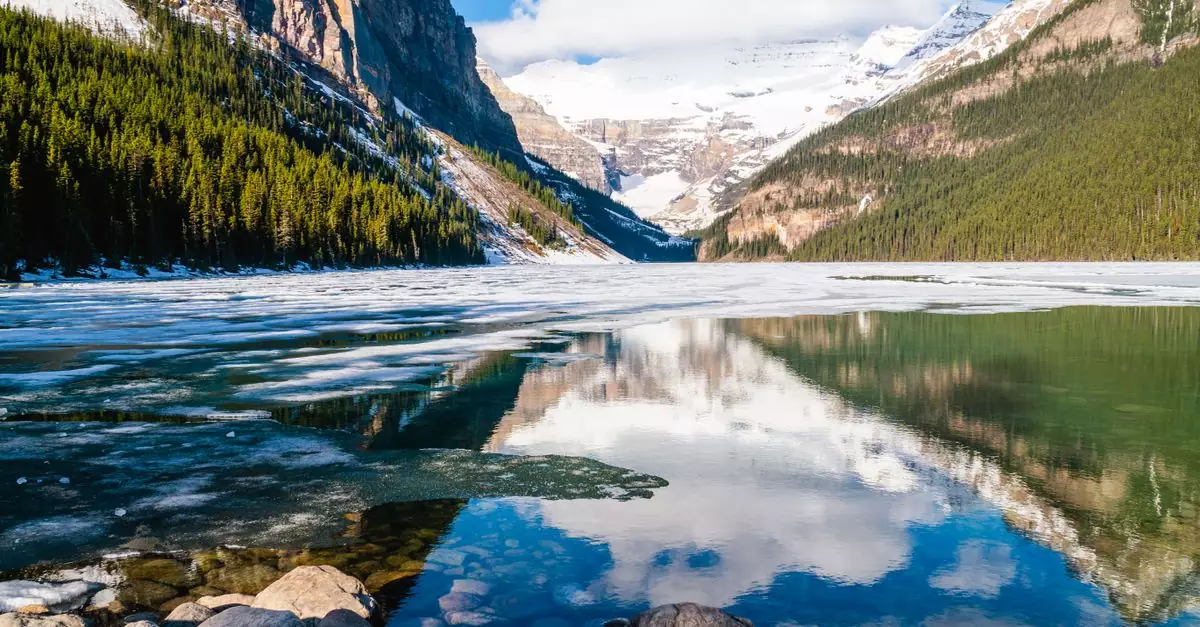
When winter transforms the Canadian Rockies, Lake Louise becomes a world-renowned natural ice rink. The sheer scale of the frozen lake, set against the backdrop of the Victoria Glacier and the iconic Fairmont Chateau Lake Louise, creates a breathtaking spectacle. Visitors can expect a vast, cleared area of ice, meticulously maintained by the resort. The crisp mountain air and panoramic views make for an unforgettable skating experience, often cited as one of the most beautiful outdoor rinks in North America. It’s a chance to glide across a frozen masterpiece, surrounded by unparalleled alpine scenery.
The natural rink typically opens in mid-December and remains accessible through March, weather permitting. The ice surface is usually well-maintained, but conditions can vary. It’s advisable to check local conditions before your visit, especially if traveling early or late in the season. The sheer size of the lake means there’s plenty of space, even on busier days, allowing for a sense of freedom as you skate.
Skate Rentals and Facilities at the Fairmont Chateau
For those who don’t have their own equipment, skate rentals are readily available. The Fairmont Chateau Lake Louise offers convenient rental services directly on-site, making it easy to transition from arrival to the ice. This service is essential for many travelers who wish to experience the magic of ice skating at Lake Louise without the hassle of transporting their own skates. Beyond rentals, the hotel also provides warm indoor spaces where skaters can rest, change, and enjoy refreshments.
The rental process is straightforward, with staff on hand to help you find the right fit. Prices are competitive for a resort destination, and booking in advance is recommended during peak winter seasons. While the primary facilities are at the Chateau, other nearby lodges and hotels may also offer rentals or can direct you to local services. Planning your rental needs in advance ensures a smooth start to your skating adventure.
Beyond Skating: Other Lake Louise Winter Activities
While ice skating on Lake Louise is a primary draw, the surrounding area offers a wealth of other winter activities. Visitors can embark on guided snowshoeing tours through pristine mountain trails, providing a different perspective of the snowy landscape. For the more adventurous, ski touring and backcountry skiing opportunities abound, with guides available for safe exploration. The nearby Lake Louise Ski Resort provides world-class downhill skiing and snowboarding, attracting enthusiasts from around the globe.
Other popular pursuits include horse-drawn sleigh rides, a charming and romantic way to see the winter wonderland. Ice climbing on frozen waterfalls is another unique option for thrill-seekers. Many visitors also enjoy simply strolling along the lakeshore, taking in the majestic views and tranquil atmosphere. A visit to Lake Louise in winter is about embracing the elements and enjoying the diverse outdoor recreation available in this stunning part of the Canadian Rockies. For a broader overview of winter adventures in the region, consult resources on winter travel in North America.
Planning Your Lake Louise Ice Skating Day Trip
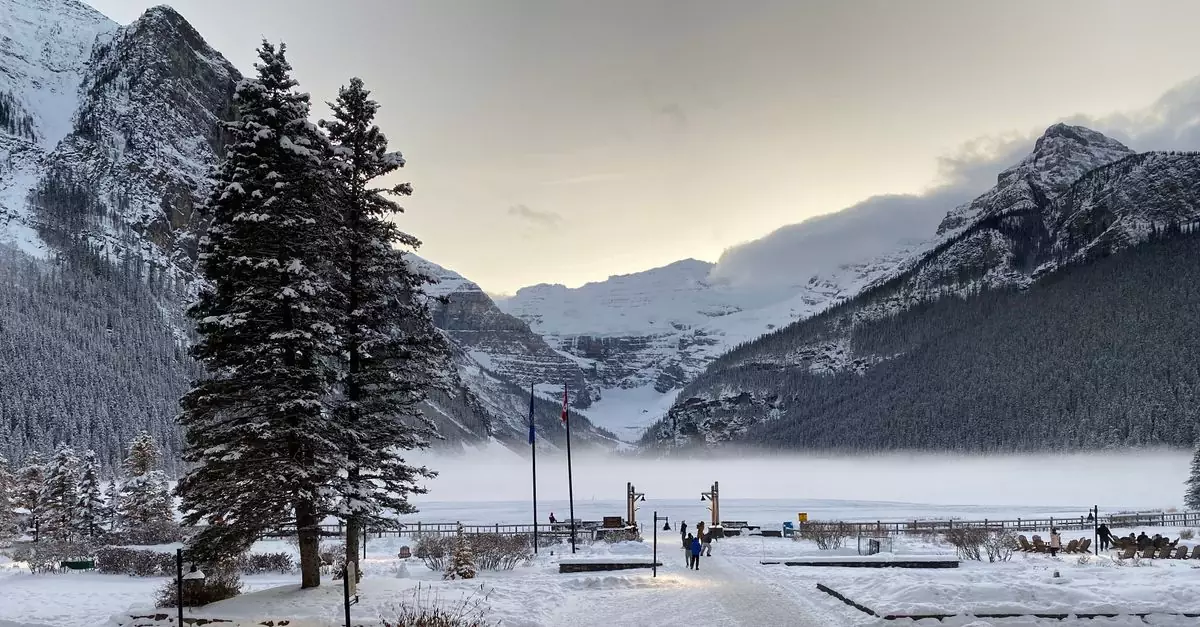
A day trip to ice skating at Lake Louise requires careful planning to maximize your experience amidst the stunning Canadian Rockies. Understanding the logistics, from when to go to what to pack, will ensure a smooth and memorable adventure on the ice. Consider the time of year, as the frozen lake is a seasonal phenomenon, typically available from mid-December to early April, depending on winter conditions.
Sample Itinerary: One Day at Lake Louise
This itinerary assumes you are arriving from Banff or Canmore, common base towns for visitors.
| Time | Activity | Notes |
|---|---|---|
| 8:00 AM | Depart from Banff/Canmore | Allow ample time for the scenic drive and potential winter road conditions. |
| 9:30 AM | Arrive at Lake Louise | Park at the Lake Louise Parkade (fee applies) or the overflow parking lot if the main lot is full. |
| 10:00 AM | Rent Skates & Prepare for Ice | Head to the Fairmont Chateau Lake Louise or a local rental shop for skates. Change into warm layers. |
| 10:30 AM | Ice Skating on Lake Louise | Enjoy the vast, groomed ice surface with the iconic Victoria Glacier as your backdrop. |
| 12:30 PM | Lunch | Options range from casual at the Lake Louise Village Grill to a more upscale experience at the Fairmont. Pack a thermos of hot soup for a budget-friendly option. |
| 1:30 PM | Explore the Lakeshore & Snowshoeing (Optional) | Take a leisurely walk along the cleared lakeshore path. Consider renting snowshoes for a short trek into the surrounding snowy landscape. |
| 3:00 PM | Warm Up & Hot Chocolate | Visit a cafe in Lake Louise village or enjoy a hot beverage at your accommodation. |
| 4:00 PM | Depart for Accommodation | Begin your drive back, allowing for potential sunset views over the mountains. |
Packing Essentials for Ice Skating in the Rockies
Dressing in layers is crucial for comfort and safety when ice skating at Lake Louise. The mountain weather can change rapidly, and temperatures can drop well below freezing.
- Base Layers: Moisture-wicking thermals (long johns and long-sleeved shirt) are essential for staying dry and warm.
- Mid Layers: Fleece or down jackets provide necessary insulation.
- Outer Layer: A waterproof and windproof jacket and pants will protect you from the elements.
- Headwear: A warm hat that covers your ears is vital.
- Gloves: Insulated, waterproof gloves are a must. Consider bringing a spare pair.
- Socks: Wool or synthetic socks designed for cold weather are ideal. Avoid cotton.
- Footwear: Wear comfortable shoes for walking to and from the ice. Rental skates will be worn on the ice.
- Sun Protection: Even in winter, the sun’s reflection off the snow and ice can be intense. Pack sunglasses and sunscreen.
- Hydration: Bring a reusable water bottle. Staying hydrated is important, even in cold weather.
- Snacks: Energy bars, nuts, or dried fruit can provide a quick boost on the ice.
Photography Hotspots Around the Frozen Lake
Lake Louise is a photographer’s dream, especially when frozen over. The vast expanse of ice, framed by towering peaks and the majestic Fairmont Chateau Lake Louise, offers endless opportunities for stunning shots.
For panoramic views, position yourself near the Fairmont hotel, looking out across the ice towards Victoria Glacier. The early morning light can create beautiful alpenglow on the mountains, while late afternoon offers softer, warmer tones. Walking along the cleared lakeshore path provides different perspectives, allowing you to capture the scale of the landscape.
Consider using a tripod for sharper images, especially in lower light conditions. Wide-angle lenses are excellent for capturing the grandeur of the surrounding peaks. Don’t forget to look for interesting ice formations and the reflections of the mountains on the glassy surface. For a unique perspective, try capturing the skaters themselves as they glide across the ice, adding a sense of scale and life to your photographs. Many visitors also find the area around the Bow River near the lake offers picturesque winter scenery, just a short distance from the main ice-skating area.
Accommodation Options Near Lake Louise
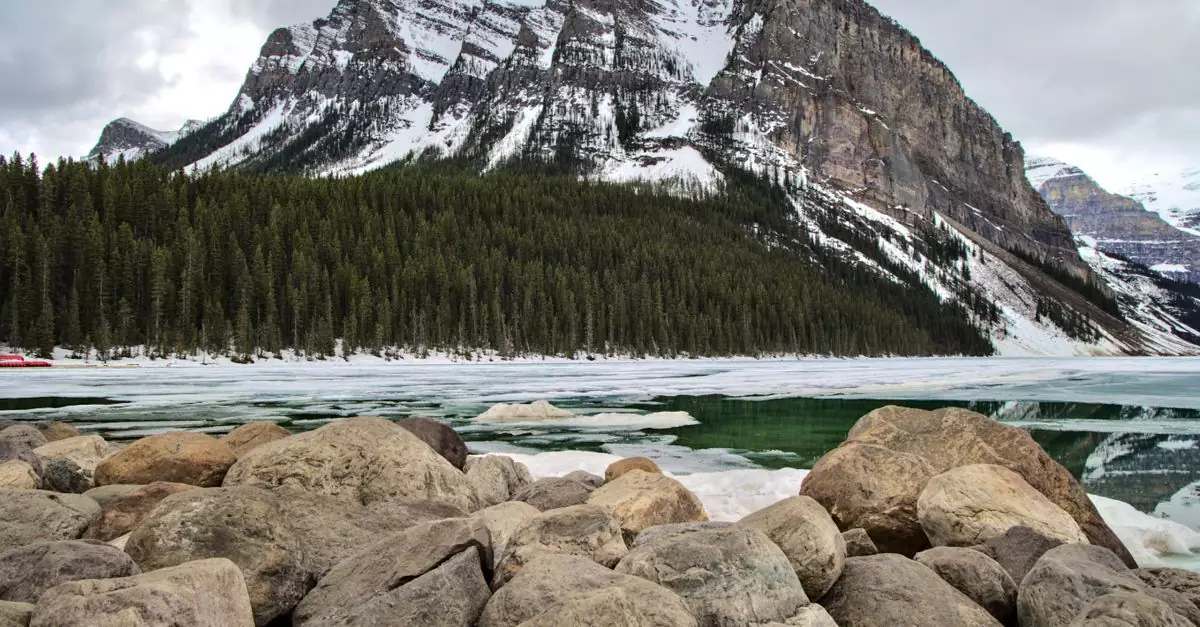
Choosing where to stay near Lake Louise significantly impacts your experience, from convenience to budget. While the lake itself offers unparalleled views, lodging options range from historic luxury hotels directly on the waterfront to more affordable choices in the nearby village and even further afield in Banff. Consider your priorities for proximity, amenities, and cost when making your selection.
Luxury Stays at the Fairmont Chateau Lake Louise
For an iconic experience, the Fairmont Chateau Lake Louise is the premier choice. This historic grand hotel sits directly on the lakeshore, offering breathtaking views of the turquoise water and Victoria Glacier from many of its rooms and public spaces. Staying here provides immediate access to the ice skating rink on the frozen lake and the surrounding hiking trails.
The chateau boasts several dining options, from fine dining to casual cafes, and offers amenities like a spa, fitness center, and guided activities. While it represents a significant investment, the convenience and unparalleled setting make it a memorable splurge for many visitors seeking the ultimate Lake Louise experience. Booking well in advance is crucial, especially during peak winter months.
Budget-Friendly Hotels in Lake Louise Village
Lake Louise Village, located a short drive (about 5-10 minutes) from the lake, offers more budget-conscious accommodation. Here, you’ll find a selection of hotels and lodges that provide comfortable stays without the premium price tag of the chateau. These options remain convenient for accessing the lake, often with shuttle services or easy driving access.
Hotels in the village typically include standard amenities like free Wi-Fi, on-site restaurants or breakfast services, and parking. While you won’t have direct lake views from your room, you’ll be close enough to easily visit the ice skating area and other attractions. This area is a practical choice for travelers wanting to experience Lake Louise without overspending on accommodation.
| Accommodation Type | Approximate Price Range (CAD per night) | Proximity to Lake Louise | Key Features |
|---|---|---|---|
| Fairmont Chateau Lake Louise | $800+ | On the lake | Iconic views, direct lake access, luxury amenities |
| Lake Louise Village Hotels | $200 – $400 | 5-10 min drive | Comfortable, convenient, more affordable |
| Banff Hotels | $150 – $300 | 45-60 min drive | Wide range of options, town amenities |
Alternative Lodging in Banff for Day Trips
For travelers seeking a wider array of lodging choices, including more budget-friendly hostels and a broader selection of hotels and vacation rentals, staying in the town of Banff is a viable option. Banff is situated approximately a 45-minute to one-hour scenic drive from Lake Louise, allowing for easy day trips to enjoy ice skating on the lake and explore the surrounding national park.
Choosing Banff as your base means you’ll have access to a larger town with more dining, shopping, and entertainment options. Transportation to Lake Louise from Banff is straightforward, with regular shuttle services available or the option to drive your own vehicle. This strategy can be particularly appealing for longer stays or for those wanting to explore more of Banff National Park beyond just the immediate vicinity of the lake.
Frequently Asked Questions About Ice Skating Lake Louise
Is ice skating on Lake Louise free?
Yes, accessing the natural ice rink on Lake Louise is generally free. The Fairmont Chateau Lake Louise often maintains the ice surface, especially in the areas directly in front of the hotel. However, access to the lake itself and the opportunity for skating are part of the natural landscape. Be aware that parking fees may apply, particularly during peak seasons.
Can I bring my own skates?
Absolutely. Bringing your own ice skates is a great way to save money and ensure a comfortable fit. Many visitors opt to bring their own equipment. If you arrive without skates, you can rent them from various locations in Lake Louise village or directly from the Fairmont Chateau Lake Louise, though these rentals come at a cost.
What are the best times for photos on the ice?
For stunning photography, aim for the “golden hours” – shortly after sunrise and before sunset. The soft, warm light casts a beautiful glow on the surrounding mountains and the ice surface. Mid-morning can also offer good light before the sun becomes too harsh. Weekdays are generally less crowded, providing clearer shots without many people in the background.
Are there restaurants near the ice rink?
Yes, several dining options are available near the ice rink. The most convenient is the Fairmont Chateau Lake Louise, which offers several restaurants and cafes with views of the lake. For more casual or budget-friendly choices, you can find eateries in the nearby Lake Louise village. These range from cafes to pubs and delis, providing a variety of options after your skating session.