Discover the raw, untamed beauty of New Brunswick’s coastline with our guide to unforgettable Fundy National Park experiences. This park, home to the world’s highest tides, features a dramatic landscape shaped by the powerful Bay of Fundy. Whether you’re an avid hiker seeking challenging trails, a kayaker eager to explore the coast, or a nature enthusiast wanting to witness unique geological formations, Fundy National Park has something to captivate you.
In this guide, you’ll find the best times to visit, from the vibrant colors of autumn to the full bloom of summer, and learn how to plan your itinerary effectively. We’ll cover essential packing tips, accommodation options, and practical advice to ensure your adventure is both memorable and smooth. Prepare to be amazed by the natural wonders and diverse activities that await in this remarkable Canadian gem.
Discover the Magic of Fundy National Park Experiences
Fundy National Park offers a stunning coastal landscape shaped by the world’s highest tides. Planning your visit around these unique natural phenomena is essential for unlocking unforgettable experiences. From challenging hikes to serene kayaking adventures, the park provides a range of activities for every traveler.
Hiking the Fundy Footpath: A Challenging Coastal Trek
For experienced hikers seeking a true wilderness adventure, the Fundy Footpath is a must-do. This rugged 41-kilometer trail winds along the Bay of Fundy’s coastline, offering breathtaking views and a genuine sense of isolation. Known for its challenging terrain, the footpath includes steep ascents, descents, and river crossings, making it unsuitable for casual day hikers.
Hikers should be prepared for remote conditions. Planning is crucial, including arranging transportation to the trailhead and securing backcountry permits. Carrying a detailed map, compass, and communication device is advisable. The best time to tackle the Fundy Footpath is during the summer months, from late June to September, when weather conditions are generally favorable, though fog can still occur. Allow at least three to four days to complete the trek and enjoy the raw beauty of the Fundy coast.
Kayaking the Bay of Fundy Tides: An Adventurous Perspective
Experiencing the Bay of Fundy from the water provides a unique perspective on its immense tidal power. Kayaking excursions let you navigate the coastline and witness the dramatic changes in water levels firsthand. Guided tours are highly recommended, especially for those unfamiliar with the bay’s currents and tides.
Local outfitters provide kayaks, safety equipment, and knowledgeable guides who can explain the local ecology and history. Paddling during slack tide, the period between high and low tide when the water is relatively calm, is crucial for safety and enjoyment. A popular route involves paddling near the sea stacks and observing marine life, such as seals and various seabirds. Some tours even offer the chance to land on the ocean floor during low tide, a truly remarkable aspect of Fundy National Park experiences.
Exploring the Hopewell Rocks: Iconic Fundy National Park Landmark
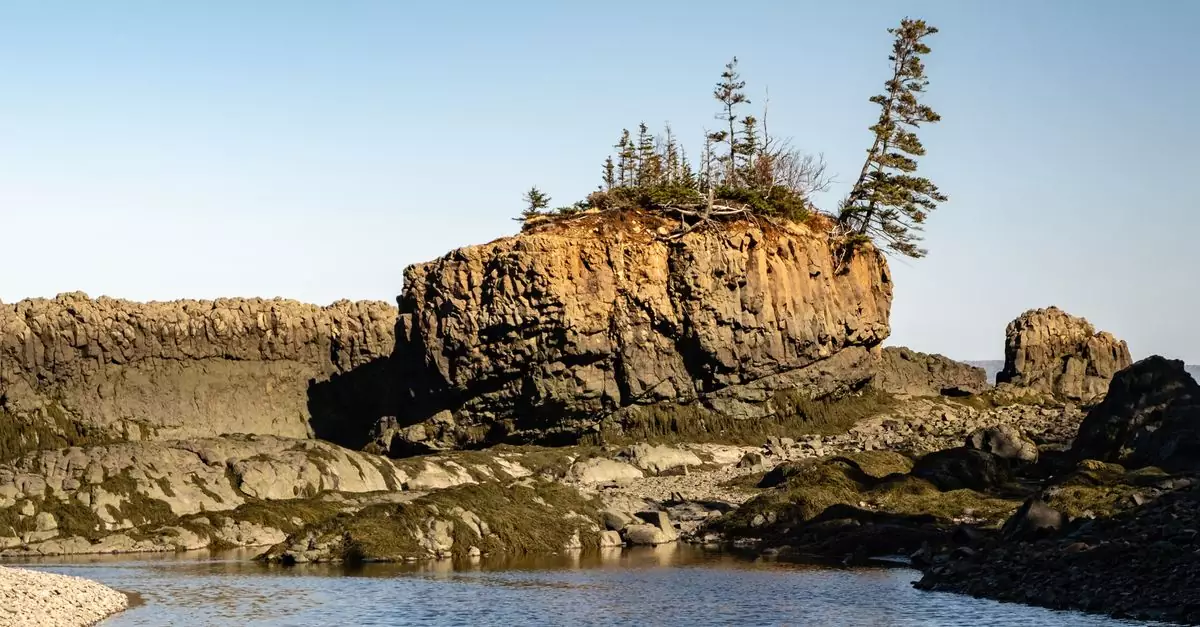
The Hopewell Rocks are perhaps the most famous natural attraction associated with Fundy National Park, although they are located just outside the park boundaries in a provincial park. These massive flowerpot-shaped rock formations, sculpted by millennia of tidal erosion, are a photographer’s dream. The true magic of Hopewell Rocks lies in witnessing the extreme tidal range.
At low tide, visitors can walk on the ocean floor, often hundreds of meters from the shore, to explore the base of the formations. This is the ideal time to get close to the rocks and notice the distinct layers of sandstone and the vegetation that clings to their tops. As the tide rushes in, the water level rises dramatically, submerging the base of the rocks and leaving only the “flowerpots” visible above the waves. Visiting during both low and high tide is highly recommended to appreciate the full spectacle. Check the local tide times to plan your visit effectively, as the window for walking on the ocean floor is limited.
Best Time to Experience Fundy National Park’s Wonders
Choosing the right season to visit Fundy National Park significantly shapes your experience, from available activities to natural scenery. Each period offers a unique perspective on the Bay of Fundy’s dramatic tides and the park’s diverse landscapes. Understanding these seasonal differences will help you plan the most rewarding trip.
Summer: Warm Weather and Full Park Access
Summer, from late June through August, is the most popular time to visit Fundy National Park. The weather is generally warm and pleasant, with average daytime temperatures ranging from the low to mid-20s Celsius (70s Fahrenheit). All facilities, campgrounds, and hiking trails are fully operational during this time.
The ocean water remains cool even in summer, so swimming is generally for the brave. This season is ideal for a wide range of Fundy National Park experiences, including extensive hiking, kayaking along the coast, and attending ranger-led programs. Due to peak season demand, booking accommodations and campsites well in advance is highly recommended.
Autumn: Vibrant Fall Foliage and Cooler Hiking
September and October bring a spectacular display of autumn colors to Fundy National Park. The air becomes crisp and cool, with daytime temperatures typically ranging from 10-15°C (50-60°F), making it a fantastic time for hiking. The vibrant reds, oranges, and yellows of the deciduous forests contrast beautifully with the evergreen trees, creating stunning vistas.
While some park facilities begin to wind down in early October, most main trails remain accessible. This season offers a more tranquil experience compared to summer crowds. The cooler weather is perfect for longer hikes, such as the challenging trails leading to Caribou Plain or Point Wolfe. Campgrounds typically close by mid-October, so checking specific operational dates is crucial for overnight stays. The dramatic tides are still a major draw, offering a different visual appeal against the autumnal landscape.
Spring: Witnessing the Snowmelt and Early Bloom
Late April through May marks the beginning of spring in Fundy National Park. This transitional period sees the last remnants of snow melt, and the landscape slowly awakens. Temperatures are cool, often hovering between 5-15°C (40-60°F), and can be unpredictable, with a chance of late snowfalls or rain.
While not all hiking trails may be fully open or dry early in the season due to lingering snow and mud, many lower-elevation paths become accessible. The park’s waterfalls, fed by the snowmelt, are particularly impressive during this time. Spring offers a quieter visit, with fewer crowds and a chance to see the park’s flora begin to bloom. Campground facilities and visitor services are generally limited at the start of spring and gradually expand as the season progresses. It’s a good time for nature observation, with wildlife becoming more active.
Seasonal Comparison Table
To help you decide when to plan your visit, consider this overview of Fundy National Park experiences by season:
| Feature | Summer (June-August) | Autumn (September-October) | Spring (Late April-May) |
|---|---|---|---|
| Temperature | Warm (15-25°C / 60-77°F) | Cool (10-15°C / 50-60°F) | Cool (5-15°C / 40-60°F) |
| Crowds | High | Moderate | Low |
| Activities | Hiking, kayaking, camping, programs | Hiking, photography, tide viewing | Hiking (limited), waterfalls, wildlife |
| Scenery | Lush green, vibrant wildflowers | Fall foliage, dramatic tides | Snowmelt, early blooms, flowing waterfalls |
| Facilities | All open | Most open, some closures in late October | Limited, gradually opening |
| Accommodation | Book well in advance | Book in advance | Availability increases throughout May |
Planning Your Fundy National Park Itinerary: 3-Day Adventure
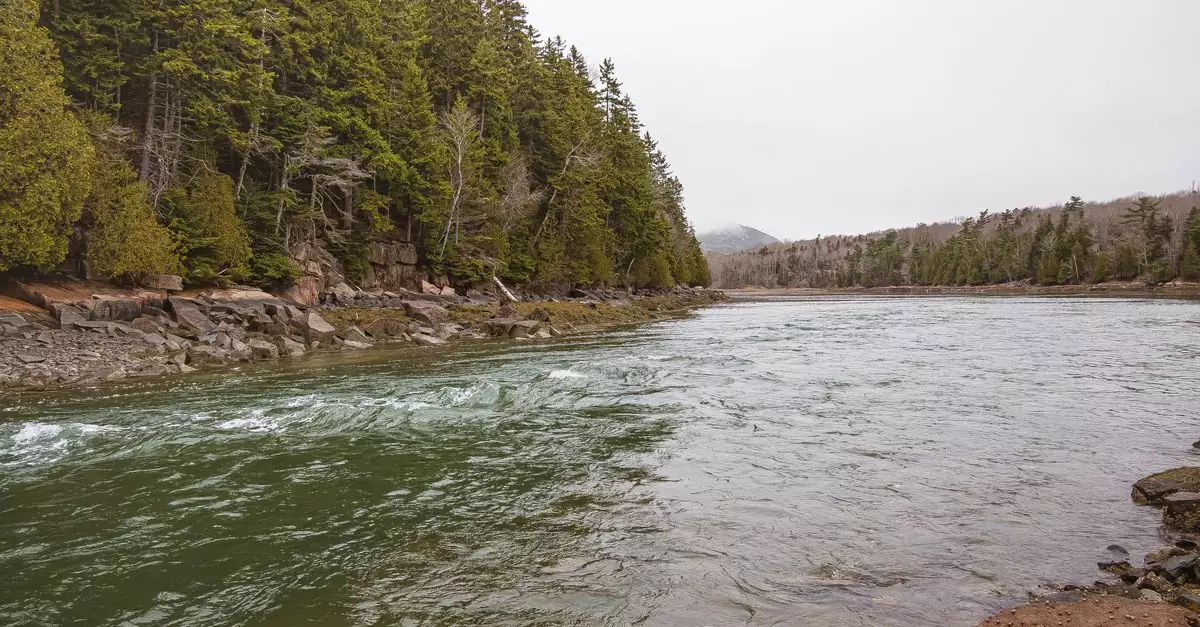
A three-day visit to Fundy National Park offers a balanced introduction to its dramatic coastal landscapes and lush interior. This itinerary focuses on maximizing your time to experience the park’s most iconic Fundy National Park experiences, from the world’s highest tides to serene forest trails. Consider visiting during the summer months (June to August) for the warmest weather and full access to park facilities, though autumn provides stunning foliage without the peak crowds.
Day 1: Coastal Exploration and Tide Watching
Begin your adventure by heading straight to the coast. The Bay of Fundy’s powerful tides are the park’s main draw. For an unforgettable experience, visit the Hopewell Rocks (just outside the park, but a must-see) to witness the dramatic rise and fall of the sea. At low tide, you can walk on the ocean floor, marveling at the unique rock formations carved by centuries of tidal action. Remember to check the tide tables in advance; arriving a few hours before low tide gives you ample time to explore the exposed seabed.
After experiencing the low tide, allow time to see the water return. The tide can rise over 10 meters (30 feet) in a matter of hours, transforming the landscape. For a different perspective within the park, drive to Cape Enrage. This historic lighthouse offers panoramic views of the bay and is a fantastic spot for tide watching. The coastal trail here also provides scenic walking opportunities.
Logistics Tip: Wear sturdy, waterproof footwear for walking on the ocean floor at Hopewell Rocks. Parking is available at both Hopewell Rocks and Cape Enrage, with small fees typically associated.
Day 2: Inland Trails and Forest Immersion
Day two shifts focus to Fundy’s verdant interior. The park boasts over 100 kilometers of hiking trails, ranging from easy strolls to more challenging climbs. A highly recommended experience is the hike to Carleton Brook Falls. This moderate trail winds through a dense Acadian forest, leading to a beautiful waterfall. The shaded trails offer a refreshing escape from the coastal sun and a chance to spot local wildlife.
For a more challenging trek, consider the Fundy Footpath, a multi-day backpacking route, or a section of it if time is limited. Shorter, accessible options include the Point Wolfe Trail, which offers coastal views and leads to the historic Point Wolfe Settlement ruins, or the Dickson Falls Trail, a paved loop that showcases several picturesque waterfalls.
Trail Safety: Always inform someone of your hiking plans, carry water and snacks, and be aware of your surroundings. While wildlife sightings are possible, encounters with bears are rare; make noise to avoid surprising any animals.
Day 3: Scenic Drives and Local Flavors Near Fundy
Your final day can be dedicated to scenic drives and experiencing the local culture just outside the park’s boundaries. The Fundy National Park Scenic Drive itself is a rewarding experience, offering numerous pull-offs with stunning vistas of the coastline and forests. Stop at points like Point Wolfe Campground for a different coastal view and to explore the remnants of the former lumber and shipbuilding village.
For a taste of local life, venture to nearby towns such as Alma. This charming fishing village is a great place to enjoy fresh seafood, particularly lobster, at one of its local eateries. Alma is also the gateway to some of the park’s most accessible coastal areas. If time permits, consider a short drive to explore more of the scenic coastal highway, stopping at viewpoints that catch your eye.
Budget Considerations: While park entry fees are applicable, many of the best Fundy National Park experiences, like hiking and tide watching, are included. Dining in Alma offers a range of prices, from casual lobster rolls to sit-down restaurant meals.
Where to Stay: Accommodation Options Near Fundy National Park
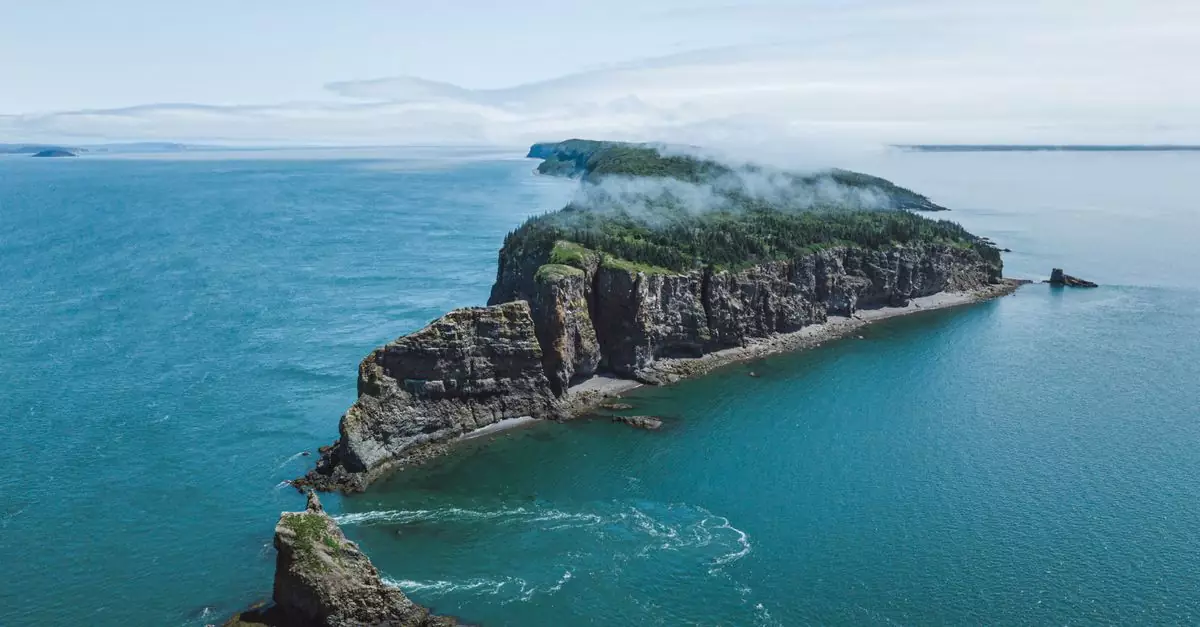
Choosing the right base camp significantly enhances your Fundy National Park experiences. Options range from immersive camping within the park to convenient stays in nearby towns. Consider your priorities: proximity to trails, desired amenities, and budget when making your decision.
Camping within Fundy National Park: Rustic to Modern Sites
For those seeking a true immersion in nature, camping directly within Fundy National Park offers unparalleled access to its stunning landscapes. The park features several campgrounds, each with varying levels of amenities.
Point Wolfe Campground provides a more rustic experience, with unserviced sites ideal for tents and smaller RVs. Its secluded location offers a peaceful escape, perfect for stargazing and enjoying the quiet of the forest. Access to hiking trails is a major draw here.
Headquarters Campground is the park’s largest and most developed option, offering a mix of serviced and unserviced sites. Here, you’ll find amenities like flush toilets, showers, and kitchen shelters. It’s a convenient choice for families and those who prefer more creature comforts while still being surrounded by nature. Reservations are highly recommended, especially during the peak summer season from late June to early September.
| Campground Name | Site Types | Key Amenities | Best For |
|---|---|---|---|
| Point Wolfe Campground | Unserviced, Tent, Small RV | Pit toilets, some sites near water | Rustic campers, hikers, quiet retreat seekers |
| Headquarters Campground | Serviced (E/W/S), Unserviced | Showers, flush toilets, kitchen shelters | Families, RV travelers, convenience seekers |
Cozy Cottages in Alma: Your Gateway to the Park
The charming village of Alma, located just outside the park’s main entrance, is a popular choice for visitors seeking comfortable and convenient lodging. Alma offers a range of accommodations, from quaint bed and breakfasts to self-catering cottages and vacation rentals. Staying in Alma provides easy access to the park’s main attractions, including the famous Hopewell Rocks, which are a short drive away.
Many cottages in Alma are ideal for families or groups, offering full kitchens, multiple bedrooms, and often scenic views of the Bay of Fundy. The village itself boasts local restaurants, craft shops, and a small grocery store, making it easy to stock up on supplies. Evenings can be spent enjoying fresh seafood or simply relaxing after a day of exploring. Booking well in advance is crucial, as Alma’s limited capacity fills up quickly during the summer months.
Hotels in Nearby Moncton: Convenience and Amenities
For travelers who prefer a wider range of amenities and services, the city of Moncton, approximately a 45-minute to one-hour drive from Fundy National Park, offers numerous hotel options. Moncton is the largest urban center in the region, providing everything from budget-friendly motels to upscale hotels.
Choosing Moncton as your base means having access to a variety of dining establishments, shopping centers, and entertainment options. It’s a practical choice for those planning a multi-day trip that includes visiting Fundy National Park alongside other regional attractions. The drive to the park is straightforward, making day trips feasible. Consider checking accommodation availability in Moncton if you’re traveling during peak season and struggling to find lodging closer to the park.
Essential Fundy National Park Packing List for All Seasons

Fundy National Park experiences are best enjoyed when you’re prepared for its dynamic coastal environment. Maritime weather can shift rapidly, so packing strategically is key, regardless of when you visit. A well-equipped pack ensures you can comfortably engage in activities from scenic hikes to exploring the dramatic Bay of Fundy tides.
Layering Clothing for Variable Maritime Weather
The most crucial aspect of packing for Fundy National Park is embracing a layering system. Temperatures can fluctuate significantly throughout the day, and a sudden sea breeze can bring a chill even in summer. Start with a moisture-wicking base layer, such as synthetic or merino wool.
Add an insulating mid-layer, like a fleece jacket or a down vest, for warmth. Your outer layer should be waterproof and windproof to shield you from rain and coastal winds. Even during warmer months, carrying a lightweight rain jacket and a warmer sweater is advisable for early mornings and evenings.
Consider bringing quick-drying pants or convertible hiking pants, as conditions can change rapidly. Comfortable, broken-in hiking boots with good ankle support are essential for navigating the park’s varied terrain. Don’t forget extra socks, preferably wool or synthetic, to keep your feet dry and prevent blisters.
Must-Have Gear for Hiking and Tide Pooling
When planning your Fundy National Park adventures, specific gear will enhance your experience, especially for its signature activities. For hiking, a sturdy backpack is necessary to carry water, snacks, a first-aid kit, and extra layers. A reliable map and compass, or a GPS device, are recommended, as cell service can be spotty in some areas.
For tide pooling, which is a highlight of any visit to the Bay of Fundy, pack waterproof footwear like rubber boots or old sneakers that you don’t mind getting wet. These will protect your feet from sharp rocks and cold water. A small net and a bucket can be useful for observing marine life, but remember to practice catch-and-release and avoid disturbing the ecosystem.
Sun protection is also vital, even on cloudy days. A wide-brimmed hat, sunglasses, and reef-safe sunscreen are important for protecting your skin from the sun’s rays reflecting off the water. Insect repellent is a good idea, particularly during the warmer months, to ward off mosquitoes and black flies.
Wildlife Viewing and Photography Essentials
Fundy National Park offers opportunities to spot diverse wildlife, from seabirds to marine mammals. Binoculars are essential for getting a closer look at birds on the cliffs or seals in the bay without disturbing them. A good pair of binoculars will significantly enhance your wildlife viewing.
If you’re a keen photographer, consider bringing a telephoto lens to capture animals from a distance. A waterproof camera or a protective camera bag is advisable given the coastal environment and potential for sudden rain showers. Remember to pack extra batteries and memory cards, as you won’t want to miss a moment.
When observing wildlife, always maintain a safe distance and never feed the animals. Respecting their space is crucial for their well-being and ensures they continue to inhabit the park. Understanding the local fauna and their habitats can also enrich your appreciation of the park’s natural beauty.
Frequently Asked Questions About Fundy National Park Experiences
Are Fundy National Park’s tides dangerous?
The Bay of Fundy boasts the highest tides in the world, a spectacular natural phenomenon. While awe-inspiring, these tides can be dangerous if you’re unprepared. It’s crucial to be aware of the tide schedule and never venture onto the ocean floor too far from shore. Always know when high tide is expected and allow ample time to return to higher ground. Local signage and visitor center staff provide essential safety information. Respecting the power of the tides is paramount for a safe visit.
What are the best Fundy National Park viewpoints for photos?
For breathtaking panoramic views, consider the viewpoints along the Fundy Trail Parkway. The overlooks near the park’s main entrance offer expansive vistas of the coastline and the Bay of Fundy. For dramatic shots of the sea stacks and coastal erosion, head to the areas around St. Martins or Hopewell Rocks. The park’s network of hiking trails also provides unique perspectives. Trails like the Point Wolfe trail or those leading to the Fundy Footpath offer stunning, less-crowded photo opportunities, showcasing the rugged beauty of this part of North America.
Can you see whales from Fundy National Park?
While Fundy National Park itself focuses on its coastal geology and terrestrial landscapes, whale watching tours operate from nearby coastal towns. These excursions venture into the Bay of Fundy, a rich feeding ground for various whale species, including humpbacks, fin whales, and minkes. If whale watching is a priority, plan to book a dedicated boat tour departing from a harbor like Saint John or Digby, Nova Scotia. Seeing these magnificent creatures in their natural habitat is one of the most rewarding Fundy National Park experiences, though it requires a separate excursion.