Guatemala, a land of vibrant cultures, ancient wonders, and breathtaking landscapes, offers an incredible array of experiences for every traveler. From the colonial charm of Antigua to the mystical Mayan ruins of Tikal and the serene beauty of Lake Atitlán, this Central American gem is filled with unforgettable adventures. This guide will help you discover the best destinations in Guatemala, focusing on must-see locations that highlight the country’s rich history, stunning natural beauty, and unique traditions. You’ll learn about regional highlights, practical tips for getting around, and what makes each place a special part of any Guatemalan journey. Prepare to be captivated by a country that consistently surprises and delights.
Discover Antigua Guatemala: Colonial Charm and Volcanic Views
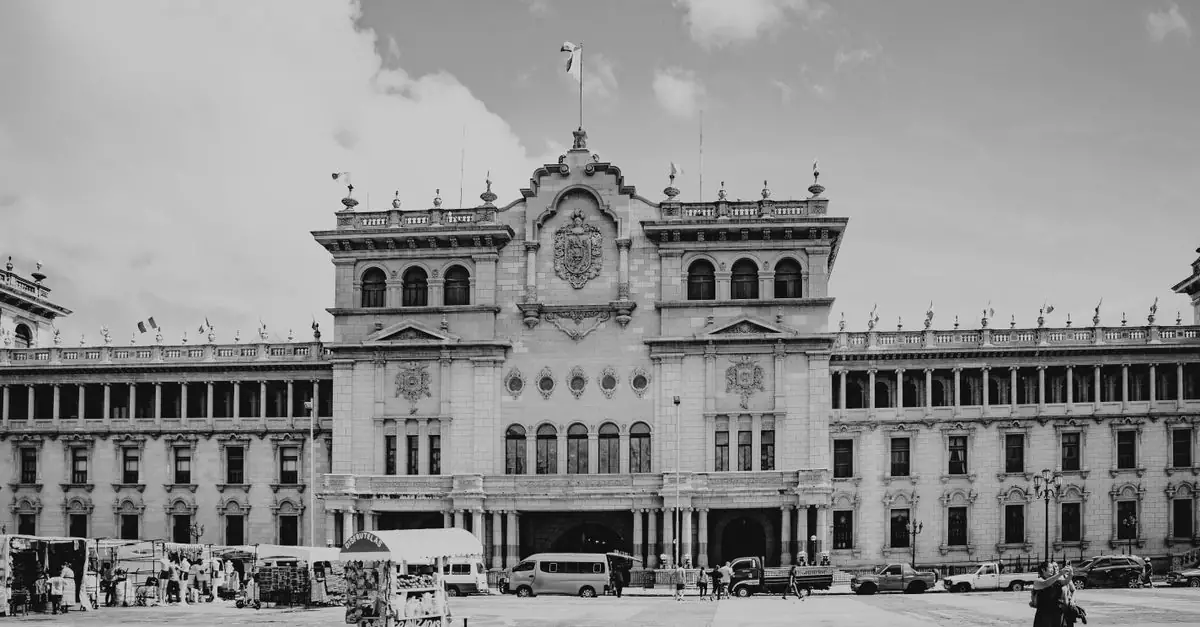
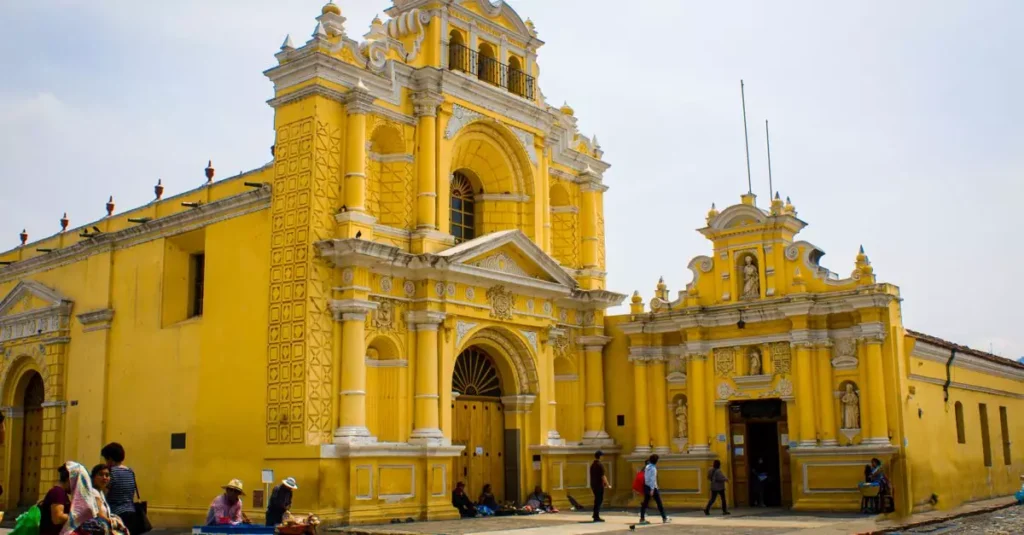
Antigua Guatemala is a captivating jewel among the best destinations in Guatemala, attracting visitors with its well-preserved Spanish colonial architecture, vibrant culture, and dramatic volcanic backdrop. This UNESCO World Heritage city offers a delightful mix of history, adventure, and relaxation, making it a must-visit for any traveler. Its compact size and walkable streets further enhance its appeal, allowing for easy exploration on foot.
Exploring the Colorful Cobblestone Streets of Antigua
Wandering through Antigua’s cobblestone streets is an experience in itself. The city bursts with color, featuring pastel-hued buildings lining narrow lanes, often adorned with bougainvillea spilling over balconies. Many former convents and churches, now in ruins due to past earthquakes, add poignant beauty to the cityscape. Allow ample time to get lost, discovering hidden courtyards, artisan shops, and local eateries tucked away from the main thoroughfares.
Must-See Landmarks: Santa Catalina Arch and La Merced Church
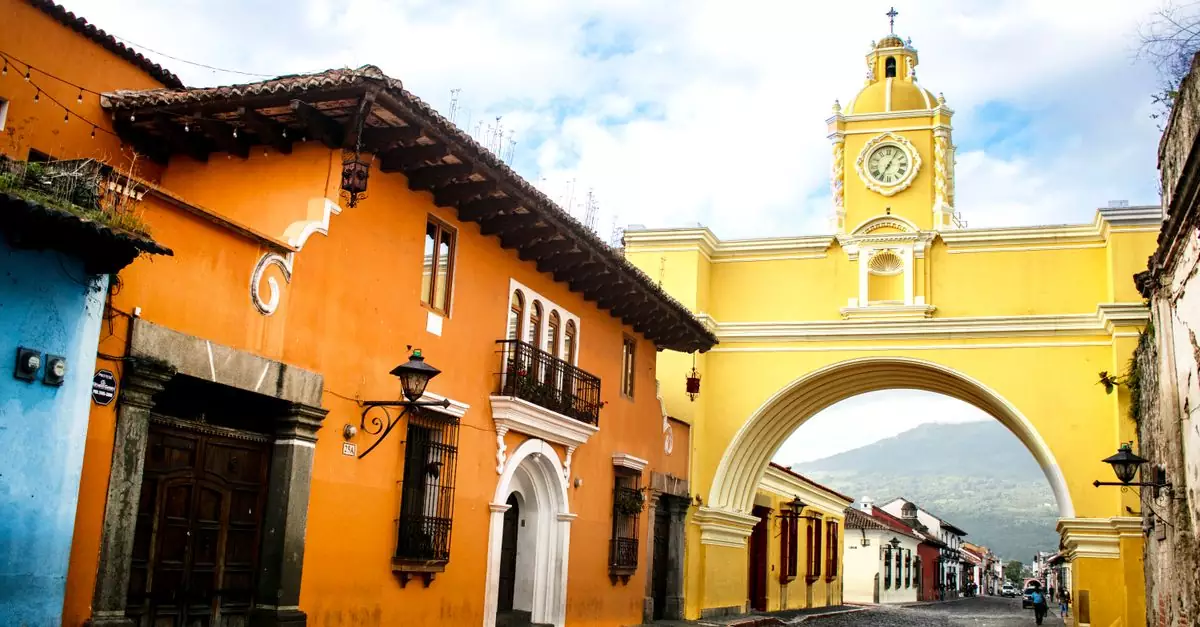
No visit to Antigua is complete without seeing the iconic Santa Catalina Arch, a striking yellow structure framing a perfect view of Volcán de Agua. Originally part of a convent, it now serves as a picturesque landmark and a popular photo spot. Another essential stop is the Church and Convent of La Merced, renowned for its elaborate Baroque facade and interior, offering a glimpse into the grandeur of colonial religious architecture.
Hiking Pacaya Volcano for Panoramic Vistas
For adventure seekers, a hike up Pacaya Volcano is highly recommended. This active volcano offers a relatively accessible trek, with guided tours typically taking around 4-5 hours round trip. The journey involves walking over volcanic ash and hardened lava fields, with opportunities to roast marshmallows over volcanic heat vents—a unique experience. From the summit, you’re rewarded with breathtaking panoramic views of the surrounding valleys and other volcanoes, including Agua, Fuego, and Acatenango.
Pacaya Volcano Hike Logistics:
- Duration: 4-5 hours (round trip)
- Difficulty: Moderate
- What to Bring: Sturdy hiking shoes, water, sunscreen, hat, light jacket.
- Tours: Easily booked through hotels or tour agencies in Antigua.
Best Accommodations in Antigua for Every Budget
Antigua offers a wide range of lodging options, catering to various travel styles and budgets. From luxurious boutique hotels housed in colonial mansions to cozy guesthouses and budget-friendly hostels, you’ll find comfortable places to stay.
| Accommodation Type | Average Price (USD) | Key Features |
|---|---|---|
| Luxury Hotels | $150+ | Historic buildings, fine dining, spa services |
| Mid-Range Hotels | $70 – $140 | Comfortable rooms, often with courtyards, good amenities |
| Guesthouses | $40 – $70 | Homely atmosphere, personalized service, local feel |
| Hostels | $15 – $35 | Dorms and private rooms, social atmosphere, budget-friendly |
Consider booking accommodations in advance, especially during peak tourist seasons from November to April. Many hotels are conveniently located within walking distance of major attractions, simplifying your exploration of the city.
Lake Atitlán: A Stunning Highland Oasis
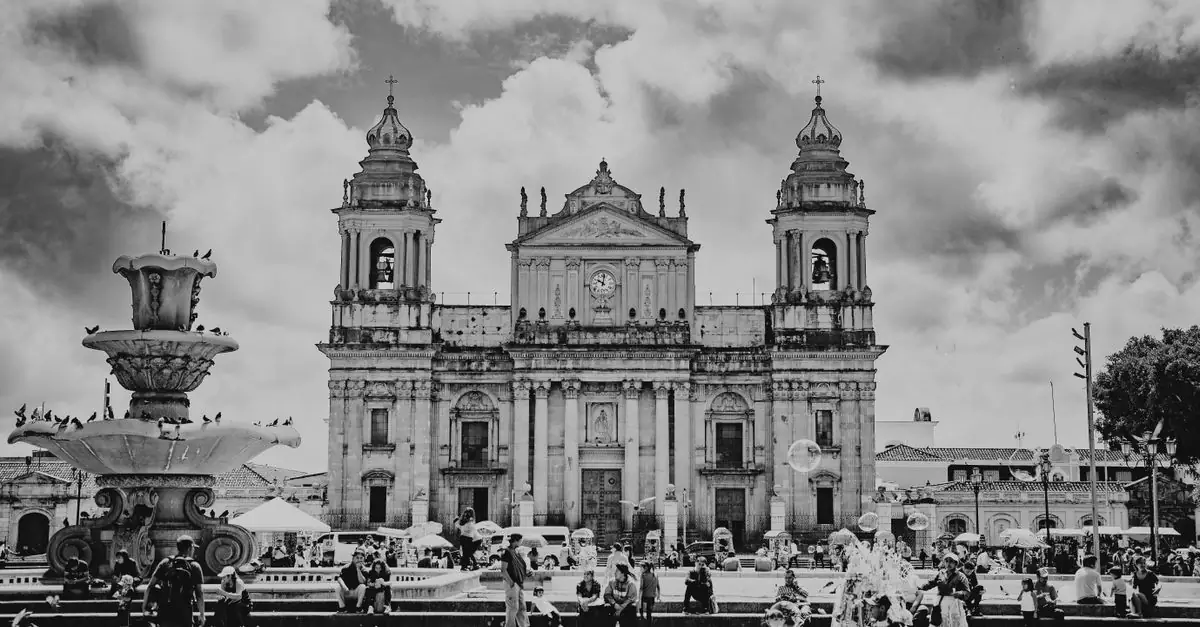
Lake Atitlán, often regarded as one of the most beautiful lakes in the world, is a must-visit among the best destinations in Guatemala. This vast body of water is cradled by three imposing volcanoes and surrounded by lush, rolling hills, creating a dramatic and serene landscape. The lake is dotted with distinct villages, each offering a unique atmosphere that attracts a diverse range of travelers, from backpackers seeking adventure to those looking for tranquility.
Navigating Between Charming Lakeside Villages: Panajachel, San Pedro, San Marcos
Getting around Lake Atitlán is an experience in itself, primarily via public and private lanchas (small motorboats). These boats provide a scenic and efficient way to hop between the various lakeside towns. Panajachel serves as the main gateway to the lake, bustling with amenities. San Pedro La Laguna is known for its lively backpacker scene, Spanish schools, and stunning volcano views. In contrast, San Marcos La Laguna attracts visitors with its bohemian vibe, yoga retreats, and focus on spiritual wellness. Other villages like Santiago Atitlán offer deeper cultural insights into traditional Tz’utujil Mayan life.
When planning your village hopping, consider purchasing a day pass or simply paying per trip. Boat frequency varies but generally runs from early morning until late afternoon.
Activities on Lake Atitlán: Kayaking, Paddleboarding, and Boat Tours
Beyond the stunning views, Lake Atitlán offers a wealth of activities. Renting a kayak or paddleboard allows for intimate exploration of the shoreline and discovery of hidden coves at your own pace. For a more guided experience, various boat tours are available, often including stops at different villages and scenic viewpoints, sometimes even opportunities for swimming. Sunrise and sunset boat tours provide particularly spectacular vistas as the volcanoes cast long shadows across the water.
Many accommodations and local operators in the main villages offer equipment rentals and tour bookings. It’s worth comparing prices and options before committing.
Cultural Immersion in Indigenous Mayan Communities
The regions surrounding Lake Atitlán are rich in Mayan culture, and visiting local communities offers profound insight into ancient traditions. In Santiago Atitlán, you can learn about the veneration of Maximón, a folk saint, and witness traditional weaving techniques. Exploring local markets allows for interaction with artisans and the chance to purchase unique handicrafts directly from the source. Always ask permission before photographing people, and be mindful of local customs.
Consider hiring a local guide for a more in-depth cultural experience. They can provide valuable historical context and facilitate meaningful interactions.
Day Trip to Chichicastenango Market from Lake Atitlán
One of the most vibrant markets in Central America is located in Chichicastenango, accessible via a 45-minute to 1-hour drive or shuttle from Panajachel. Held on Thursdays and Sundays, the Chichi market is a sensory explosion of color, sound, and scent. Indigenous vendors from surrounding villages gather to sell textiles, pottery, masks, fresh produce, livestock, and traditional medicinal herbs. The Santo Tomás church, with its unique blend of Catholic and Mayan rituals, is also significant within the town.
Organized shuttle services are readily available from most Lake Atitlán villages. Allow ample time to navigate the bustling market and be prepared for crowds, especially on Sundays.
Tikal National Park: Journey into the Mayan Jungle
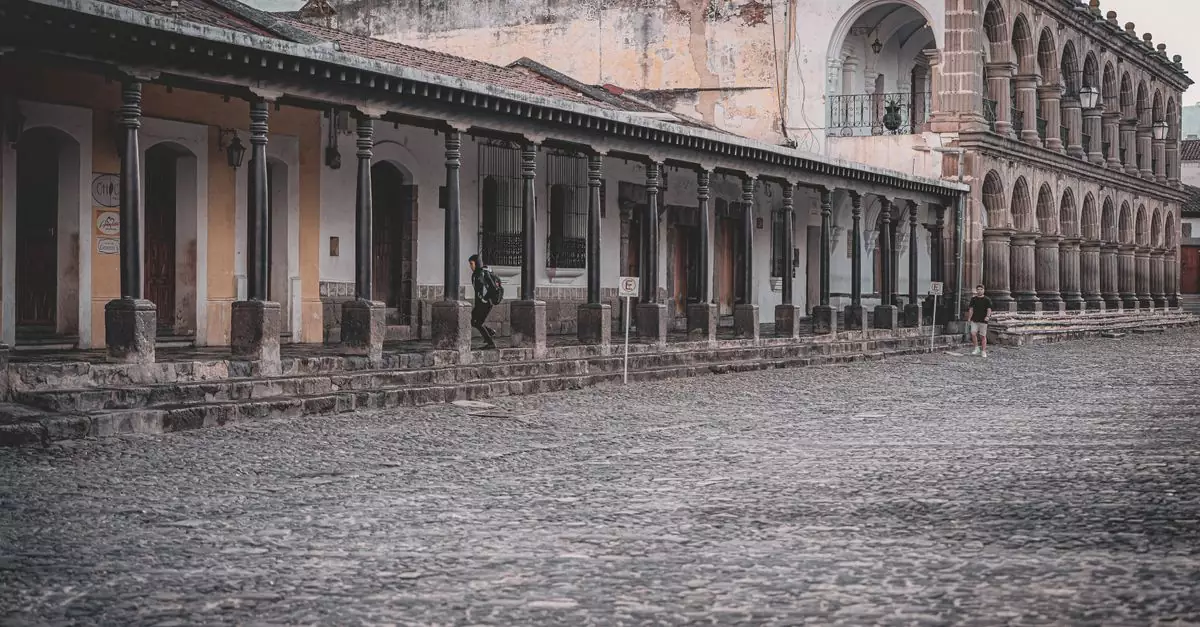
Tikal National Park is a paramount destination among the best Guatemala destinations, offering an unparalleled glimpse into the grandeur of the ancient Maya civilization. This UNESCO World Heritage site, located deep within the Petén Basin, immerses visitors in a dense jungle landscape punctuated by towering pyramids and intricate temples. Exploring Tikal is not just a historical tour; it’s an adventure through a living ecosystem where the echoes of the past meet the vibrant present.
Exploring the Magnificent Pyramids and Temples of Tikal
The sheer scale of Tikal’s ruins is breathtaking. The Great Plaza, flanked by the imposing Temple I (Temple of the Great Jaguar) and Temple II (Temple of the Masks), serves as a central point for understanding the city’s layout and significance. Climbing the steep steps of Temple IV, the park’s tallest structure, rewards visitors with panoramic views over the jungle canopy, revealing the extent of this once-thriving metropolis. Other significant structures include the North Acropolis and the Central Acropolis, each providing insights into Mayan architecture, astronomy, and daily life. Allow at least a full day to appreciate the site fully.
Best Times for Wildlife Spotting Within Tikal’s Jungle
Beyond its archaeological marvels, Tikal is a haven for wildlife. The best times for spotting animals are early morning and late afternoon when the jungle is most active. Look for howler monkeys, spider monkeys, coatis, and a dazzling array of bird species, including toucans and parrots. The humid climate means wildlife is present year-round, but visiting during the dry season (November to April) can make navigating the trails easier and offers clearer visibility through the foliage. Early morning tours are particularly rewarding for observing creatures before the midday heat sets in.
Sunrise and Sunset Tours for a Magical Experience
Experiencing Tikal at dawn or dusk offers a profoundly different perspective. Sunrise tours, often starting before first light, allow you to witness the jungle awakening while the ancient city is bathed in soft, golden hues. As the sun rises, mist often hangs low, creating an ethereal atmosphere. Sunset tours provide a similar sense of magic, with fading light casting long shadows across the plazas and temples. These tours require advance booking and often involve an early start or late finish, but the unique ambiance is well worth the effort.
Where to Stay Near Tikal for Convenient Access
Accommodation options range from rustic lodges within the park to more comfortable hotels in the nearby town of El Remate or the larger city of Flores. Staying inside the park, such as at Jaguar Inn Tikal, offers unparalleled early access to the ruins before the crowds arrive. For those seeking more amenities, El Remate provides a charming lakeside setting, while Flores, an island town on Lake Petén Itzá, offers a wider range of hotels and a vibrant atmosphere. Getting to Tikal from these locations typically involves a taxi or shuttle service, with journey times varying from 15 minutes to over an hour.
Semuc Champey: Natural Pools and Lush Rainforest
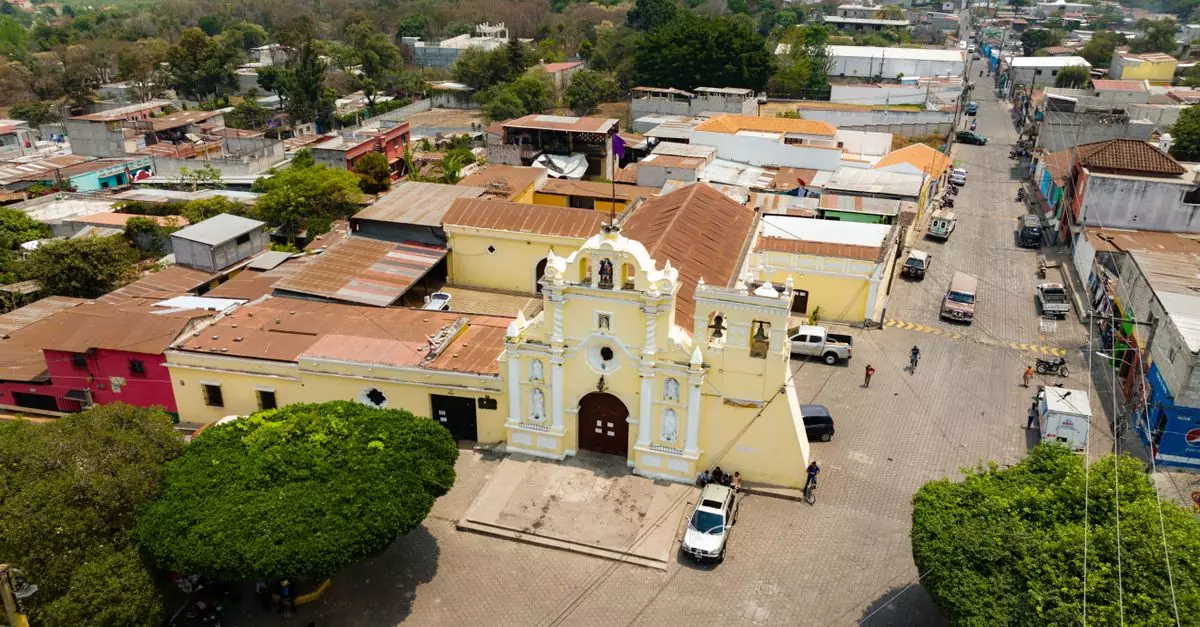
Semuc Champey, a natural wonder in Guatemala, offers a stunning escape into turquoise pools and verdant jungle. This remote destination requires a bit more effort to reach but rewards visitors with unparalleled natural beauty and tranquility. It’s a must-visit for those seeking adventure and a break from the usual tourist trails.
Swimming and Exploring the Turquoise Pools of Semuc Champey
The main draw of Semuc Champey is its series of stepped, natural limestone pools, each a vibrant shade of turquoise or emerald. Fed by a river, these pools cascade over a natural bridge, creating a breathtaking spectacle. Visitors can swim and float in the refreshing, clear waters, moving from one pool to another. The temperature is consistently pleasant, making it inviting for hours of relaxation. Remember to wear water shoes for better grip on the smooth limestone surfaces.
Hiking to the El Mirador Viewpoint for Breathtaking Scenery
For the most iconic view of Semuc Champey, a hike to the El Mirador viewpoint is essential. The steep trail can be challenging, especially in the humidity, but the panoramic vista at the top is well worth the effort. From this vantage point, you can truly appreciate the scale and beauty of the tiered pools against the dense rainforest canopy. It’s an ideal spot for photography and a moment to soak in the grandeur of this natural marvel. Aim to go early in the morning to avoid midday heat and crowds.
Exploring the K’an Ba Caves Near Semuc Champey
Beyond the pools, the area around Semuc Champey offers further adventure, including the K’an Ba caves. Guided tours involve wading and swimming through subterranean chambers illuminated by flickering candlelight. It’s a unique and thrilling experience, providing a different perspective on the region’s geological formations. Participants are often provided with candles to navigate the dark, water-filled passages. Safety is paramount, and guides ensure a secure journey through the caves.
Getting to Semuc Champey: Transportation Tips and Challenges
Reaching Semuc Champey is part of the adventure, as it’s not directly accessible by paved roads. The nearest town with services is Lanquín, about a 45-minute to 1-hour drive away. From Lanquín, the final stretch to Semuc Champey is typically made in a 4×4 pickup truck—a bumpy but scenic ride.
Here’s a breakdown of typical transportation options:
- From Antigua/Guatemala City: Most travelers opt for an overnight shuttle bus to Lanquín, a long journey often taking 8-10 hours.
- From Lanquín to Semuc Champey: Shared 4×4 pickup trucks depart frequently from Lanquín’s central park, taking about 45 minutes to an hour, though the ride can be jarring due to unpaved roads.
- From Semuc Champey to Cobán: Arrange return transport in a similar 4×4 truck back to Lanquín, then catch a public bus or shared shuttle to Cobán.
Tips for the Journey:
- Book shuttle services in advance, especially during peak season.
- Pack light to make the bumpy rides more comfortable.
- Bring snacks and water, as services are limited en route.
- Be prepared for a rustic travel experience.
While the journey can be challenging, the secluded beauty of Semuc Champey makes it one of the most rewarding best Guatemala destinations for nature lovers.
Quetzaltenango (Xela): Guatemala’s Cultural and Adventure Hub
Quetzaltenango, commonly known as Xela, offers a distinctly different Guatemalan experience compared to its more tourist-trodden counterparts. This vibrant highland city serves as a major hub for indigenous culture, Spanish language learning, and outdoor adventure, making it a compelling destination for travelers seeking depth and authenticity. Nestled in a valley surrounded by volcanoes, Xela provides a cooler climate and a grounded atmosphere, attracting backpackers, students, and seasoned travelers alike. Its elevation means even during warmer months, evenings can be crisp, so packing layers is advisable.
Hiking the ‘Three Volcanoes’ Trail from Xela
For avid hikers, the “Three Volcanoes” trail originating from Xela is a quintessential Guatemalan adventure. This challenging trek typically involves ascending Volcán Santa María, Volcán Santiaguito (often viewed from a safe distance due to its active nature), and Volcán Tajumulco, Central America’s highest peak. While it can be done independently, hiring a local guide is highly recommended for safety and navigation, particularly on Tajumulco. The journey offers breathtaking panoramic views of the surrounding landscape and a profound sense of accomplishment. Many travelers opt for guided tours that include camping and meals, simplifying logistics significantly. Plan for at least two to three days to complete this epic circuit.
Exploring the Vibrant Local Markets and Indigenous Culture in Xela
Xela’s heart beats in its bustling markets, particularly the Central Market (Mercado Minerva) and the Saturday market. Here, you can immerse yourself in the region’s daily life, witnessing an incredible display of local produce, textiles, and handicrafts. Indigenous communities from surrounding villages gather to sell their wares, providing an excellent opportunity to observe and appreciate traditional dress and customs. Bargaining is expected, but always do so respectfully. Beyond the markets, exploring the city’s colonial architecture, visiting the Municipal Theater, and simply observing daily life enriches the cultural experience.
Spanish Language Schools and Immersion Programs in Quetzaltenango
Quetzaltenango is renowned as one of the best places in Guatemala to learn Spanish. The city boasts numerous reputable language schools offering intensive courses tailored to various skill levels. What sets Xela apart is its affordability and the immersive environment it provides. Students often live with local host families, allowing for daily language practice and a deeper understanding of Guatemalan culture. Programs typically range from one week to several months, with many travelers finding that even a few weeks can significantly improve their fluency.
Hidden Gems and Off-the-Beaten-Path Experiences Near Xela
Beyond well-trodden paths, Xela offers several lesser-known attractions. A short drive away, the Fuentes Georginas hot springs provide a natural and therapeutic retreat with steaming pools set amidst lush cloud forest. For those interested in archaeology, the nearby ruins of San Juan Ostuncalco offer a glimpse into pre-Hispanic history without the crowds found at larger sites. Another worthwhile excursion is to the village of Salcajá, famous for its traditional backstrap loom weaving, where you can witness artisans at work and purchase exquisite textiles. These excursions offer a more intimate encounter with the region’s natural beauty and cultural heritage.
Frequently Asked Questions About Visiting Guatemala
What is the best time of year to visit Guatemala’s best destinations?
The dry season, from November to April, is generally considered the best time to visit Guatemala. During these months, expect sunny days with minimal rainfall, making it ideal for outdoor activities like hiking volcanoes and exploring ancient Mayan sites. Temperatures are pleasant, though evenings can be cool, especially at higher elevations.
The wet season runs from May to October. While rain is more frequent, it often comes as heavy afternoon downpours, leaving mornings and evenings clear. This period can offer lush green landscapes and fewer crowds, potentially at lower prices. However, travel can sometimes be affected by road conditions.
Is Guatemala safe for tourists? Essential safety tips
Guatemala is generally safe for tourists, especially in popular destinations and when basic precautions are taken. Petty crime like pickpocketing can occur in crowded areas, so staying aware of your surroundings is key. It’s advisable to avoid displaying expensive electronics or jewelry.
- Transportation: Opt for reputable shuttle services or official taxis rather than hailing random vehicles, especially at night.
- Night Travel: Avoid traveling long distances or on remote roads after dark.
- Valuables: Keep your passport and important documents secure. Consider making copies and storing them separately.
- Local Guidance: If unsure about an area, ask your hotel or a trusted local source for advice.
How to get around Guatemala: Transportation options
Getting around Guatemala offers several practical options, catering to different budgets and travel styles. For intercity travel between the best Guatemala destinations, tourist shuttle buses are a popular and convenient choice. These services connect major towns like Antigua, Panajachel (for Lake Atitlán), and Semuc Champey.
Chicken buses, the brightly decorated former US school buses, are the most economical way to travel locally and between smaller towns. While an authentic experience, they can be crowded and less direct. For longer distances or more comfort, consider domestic flights, though these are limited to a few routes. Renting a car is also an option, but road conditions can be challenging, and navigation requires confidence.
| Transportation Type | Typical Cost (USD) | Best For | Notes |
|---|---|---|---|
| Tourist Shuttles | $10 – $30 per trip | Intercity travel, convenience | Door-to-door service, book in advance |
| Chicken Buses | $1 – $10 per trip | Local travel, budget travelers | Authentic experience, can be slow and crowded |
| Private Transfers | $50+ per trip | Groups, luxury, direct routes | Most expensive, flexible |
| Domestic Flights | $50 – $150 per leg | Speed between major hubs (e.g., Guatemala City to Flores) | Limited routes, requires airport transfers |
What should I pack for a trip to Guatemala?
Packing for Guatemala depends on your itinerary and the time of year. For the highlands and volcano hikes, layers are essential. Include a waterproof jacket, comfortable hiking boots, and warm clothing for cooler evenings. Sunscreen, a hat, and insect repellent are crucial, even during the dry season, especially at lower altitudes.
For exploring cities and towns, light, breathable clothing like t-shirts, long-sleeved shirts, and comfortable trousers or shorts are suitable. Remember to pack modest clothing if you plan to visit churches or more conservative rural areas. Don’t forget a reusable water bottle to stay hydrated and reduce plastic waste. A small backpack for day trips is also highly recommended.