South America beckons with a tapestry of natural beauty, offering some of the world’s most scenic road trips for those eager to explore its diverse landscapes. From the rugged plains of Patagonia to the surreal high-altitude deserts bordering the Andes, this continent promises journeys that are as transformative as they are visually stunning. This guide will equip you with the knowledge to plan your unforgettable adventure, detailing iconic routes like Chile’s Carretera Austral and the Salar de Uyuni to Atacama crossing. You’ll find essential tips on vehicle selection, navigating challenging terrain, budgeting for fuel and accommodation, and understanding the best times to visit each unique region. Prepare to be inspired by the untamed splendor that awaits on these incredible South American drives.
The Ultimate South American Scenic Road Trip Bucket List
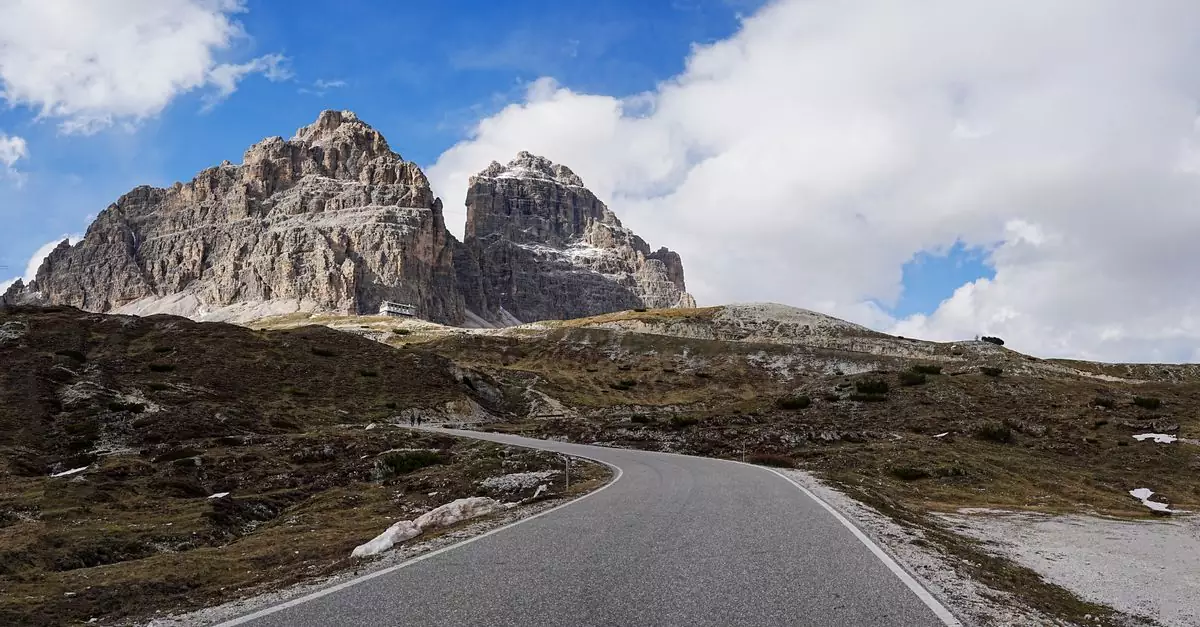
South America, a continent of staggering diversity, offers some of the most breathtaking road trip experiences. From the rugged Patagonian wilderness to the high-altitude Andean landscapes, these routes promise adventure, stunning scenery, and a deep dive into local cultures. Planning a road trip here requires careful consideration of conditions, vehicle choice, and timing, but the rewards are immeasurable. These journeys focus not just on the destination but on the raw beauty encountered along the way.
Driving the Carretera Austral: Patagonia’s Wild Frontier
The Carretera Austral, or Southern Highway, in Chile is a legendary route for those seeking untamed landscapes. This gravel road stretches over 1,200 kilometers through Chilean Patagonia, connecting remote villages and providing access to national parks, glaciers, and fjords. Expect dramatic mountain vistas, turquoise rivers, and opportunities for hiking, kayaking, and wildlife spotting.
Key Considerations for the Carretera Austral:
- Best Time to Visit: The summer months (December to February) offer the most stable weather, though conditions can still be unpredictable. The shoulder seasons (October-November, March-April) may be beautiful but are typically cooler and wetter.
- Vehicle: A 4×4 vehicle with high clearance is strongly recommended due to the gravel and often rough road conditions.
- Logistics: Fuel stations are sparse; plan your refills carefully. Accommodations range from basic campsites and refugios to small guesthouses in towns like Coyhaique and Cochrane.
- Budget: Expect higher costs in Patagonia compared to other parts of South America. Consider fuel, vehicle rental, and park entrance fees in your budget.
- Safety: Road conditions can change rapidly. Inform someone of your travel plans and carry essential safety equipment.
Conquering the Salar de Uyuni to Atacama Desert Route
This iconic overland journey links Bolivia’s vast Salar de Uyuni, the world’s largest salt flat, with the arid beauty of Chile’s Atacama Desert. The route is typically undertaken in a 4×4 vehicle, often with a guide and driver, as navigation across the salt flats and remote desert landscapes can be challenging. Highlights include the surreal expanse of the Salar, colorful lagoons filled with flamingos, geysers, and stark volcanic scenery.
Route Highlights:
- Salar de Uyuni (Bolivia): Experience the disorienting beauty of the salt flats, visit Isla Incahuasi with its giant cacti, and witness stunning sunsets.
- Laguna Colorada & Laguna Verde (Bolivia): These high-altitude lakes showcase vibrant colors and attract Andean flamingos.
- Sol de Mañana Geysers (Bolivia): Witness steaming fumaroles and bubbling mud pots in this geothermal area.
- Salar de Atacama (Chile): Explore lagoons, salt flats, and dramatic desert landscapes.
- Valle de la Luna (Chile): Famous for its moon-like rock formations and sand dunes.
Traveler Insights:
This trip is best done with a guided tour, especially for first-time visitors, due to the remote nature and potential for difficult driving conditions. Tours often include basic accommodations and meals. Acclimatization is crucial due to the altitude, so travelers should be prepared for basic lodging and significant temperature fluctuations between day and night.
Exploring the Trans-Amazonian Highway’s Untamed Beauty
The Trans-Amazonian Highway (BR-230) is one of the most ambitious and challenging road projects in South America, traversing the Amazon rainforest. While much of it remains unpaved and can be impassable during the rainy season, certain sections offer a glimpse into the heart of the Amazon. This journey is for the truly adventurous, focusing on the immense biodiversity, indigenous cultures, and the sheer scale of the world’s largest rainforest.
Navigating the Amazon:
- Conditions: Large portions of the highway are unpaved and can degrade significantly during the rainy season (typically November to May). Travel is often slow and requires a robust 4×4 vehicle.
- Destinations: Key points along the route include Marabá, Altamira, and Itaituba in Brazil, which provide access to river ports and opportunities to explore the rainforest.
- Logistics: Services are extremely limited. Plan for self-sufficiency with fuel, food, water, and spare parts. Local guidance is invaluable.
- Experience: This journey focuses less on speed and more on immersion. Expect to encounter remote communities, unique wildlife, and a profound sense of wilderness. For broader insights into the region, consider resources like nationalgeographic.com/travel/destination/south-america.
Navigating the Andean Highlands: Ecuador’s Avenue of Volcanoes
Ecuador’s Avenue of Volcanoes, running along the Inter-Andean Valley, offers a more accessible yet equally spectacular scenic road trip. This route connects Quito to Cuenca, passing by numerous iconic volcanoes, including Cotopaxi, Chimborazo, and Tungurahua. It’s a journey through vibrant indigenous markets, colonial towns, and stunning volcanic landscapes, ideal for those seeking a blend of culture and natural beauty.
Key Stops and Activities:
- Quito: Start in the historic capital, a UNESCO World Heritage site.
- Cotopaxi National Park: Home to the majestic Cotopaxi volcano, offering hiking and climbing opportunities.
- Baños: A popular adventure town at the foot of Tungurahua volcano, known for its hot springs and waterfalls.
- Riobamba: The gateway to Chimborazo, Ecuador’s highest peak.
- Cuenca: A beautiful colonial city rich in cultural heritage.
Practical Advice:
- Timing: The dry seasons (June to August and December to January) are generally best for clear views and easier driving.
- Transportation: A regular car is usually sufficient for most of the route, though a 4×4 can be beneficial for accessing some park areas. Public buses are also a viable option for inter-city travel.
- Altitude: Be mindful of high altitudes. Acclimatize properly in Quito before heading south.
- Accommodation: A wide range of options are available, from hostels and budget hotels to charming haciendas.
Carretera Austral: A Journey Through Chilean Patagonia’s Majestic Landscapes
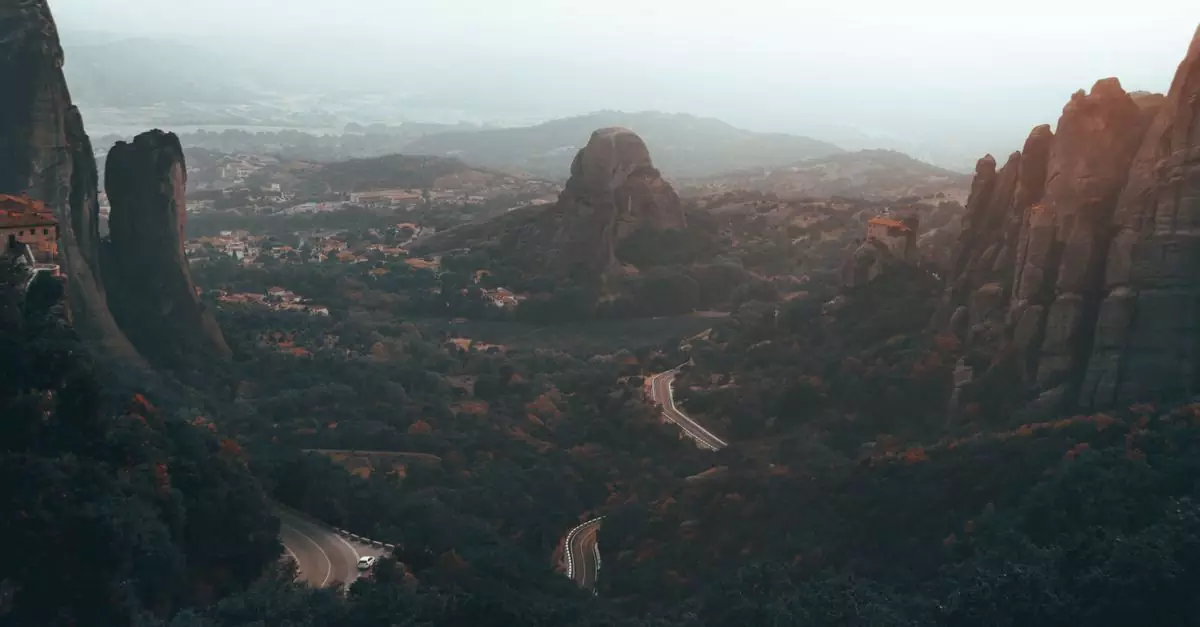
The Carretera Austral, or Route 7, is more than just a road; it’s a legendary path winding through the heart of Chilean Patagonia. This 1,240-kilometer gravel and paved highway offers some of the most dramatic and untouched scenery in South America, making it a premier scenic road trip for adventurous travelers. Expect towering granite peaks, turquoise glacial lakes, dense temperate rainforests, and vast fjords. Driving here is an immersive experience, often involving remote stretches, ferry crossings, and a deep connection with nature.
Key Stops: Marble Caves, Queulat National Park, and Cerro Castillo
Along the Carretera Austral, several iconic natural wonders demand attention. The Marble Caves (Capillas de Mármol) on General Carrera Lake are a highlight, accessible by boat from Puerto Río Tranquilo. These intricate rock formations, shaped by millennia of wave action, glow with an ethereal blue light reflected from the lake’s waters. Further north, Queulat National Park shelters the Ventisquero Colgante, a stunning hanging glacier that spills down a sheer cliff face, often veiled in mist. For hikers, Cerro Castillo National Park offers challenging trails with breathtaking views of its jagged, castle-like peaks and vibrant turquoise lagoon. These stops are essential for understanding the raw beauty of Patagonia.
Best Time to Drive the Carretera Austral for Optimal Views
The prime season for tackling the Carretera Austral is during the Patagonian summer, from December to February. Days are longest, and the weather, while still unpredictable, is generally more stable with less rainfall. This allows for better road conditions, especially on unpaved sections, and maximizes daylight hours for sightseeing.
Traveling in the shoulder seasons, October-November and March-April, can also be rewarding. You’ll encounter fewer crowds and potentially lower prices, with the added bonus of autumn foliage in April. However, be prepared for colder temperatures, increased rain, and shorter daylight hours. Winter (May-September) presents significant challenges due to snow, ice, and road closures, making it unsuitable for most travelers seeking the best scenic road trips.
| Month | Average Temperature (°C) | Rainfall (mm) | Daylight Hours | Road Conditions |
|---|---|---|---|---|
| December | 10-15 | 50-80 | 16-17 | Good |
| January | 11-16 | 50-80 | 15-16 | Good |
| February | 10-15 | 50-80 | 14-15 | Good |
| March | 8-12 | 60-100 | 12-13 | Fair |
| April | 5-9 | 70-120 | 10-11 | Fair to Poor |
Essential Vehicle Preparation for Patagonian Roads
Embarking on the Carretera Austral requires careful vehicle preparation, as much of the route consists of gravel roads that can be rough and unpredictable. A sturdy 4×4 vehicle is highly recommended, especially if you plan to venture onto less-traveled sections or travel during shoulder seasons. Ensure your tires are in excellent condition, and consider carrying a spare tire, a jack, and basic repair tools.
Fuel availability can be sparse in remote areas, so plan your refueling stops meticulously. It’s wise to fill up whenever you pass a service station, even if your tank isn’t low. Check your vehicle’s fluids, brakes, and suspension before departure. If considering a rental, opt for a vehicle with good ground clearance and inquire about insurance coverage for gravel roads, as this can be a significant logistical consideration for this incredible journey through Chilean Patagonia.
Salar de Uyuni & Atacama: Desert Wonders and Salt Flat Grandeur
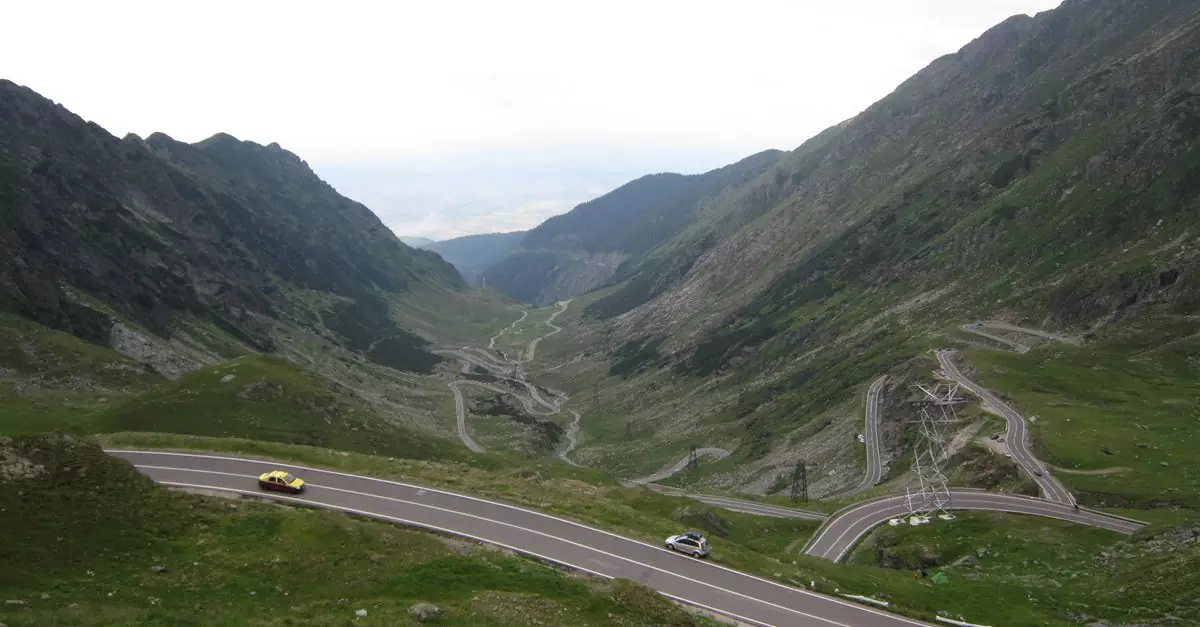
This high-altitude journey connects two of South America’s most otherworldly landscapes: Bolivia’s vast salt flats and Chile’s arid desert. It’s a route that demands preparation but rewards travelers with stunning vistas and unique geological formations, making it one of the best scenic road trips in the world for those seeking dramatic natural beauty.
From Bolivian Salt Flats to Chilean Moonscapes: A 4×4 Itinerary
The classic route typically begins in Uyuni, Bolivia, and concludes in San Pedro de Atacama, Chile, or vice versa. Most travelers opt for organized tours, which are highly recommended due to the challenging terrain and remote nature of the region. These tours almost exclusively use 4×4 vehicles, essential for navigating the rough tracks and sandy dunes.
A common itinerary spans 3 to 4 days. Day one often focuses on the immense Salar de Uyuni itself, visiting the “Train Cemetery,” Isla Incahuasi (a “fish island” covered in cacti), and experiencing the disorienting perspective of the salt flats. Days two and three usually involve crossing into Chile, traversing the Eduardo Avaroa Andean Fauna National Reserve. Here, you’ll encounter surreal landscapes like the Dali Desert, geysers at Sol de Mañana, hot springs (Termas de Polques), and vibrantly colored lagoons such as Laguna Colorada, home to flamingos. The final leg leads to San Pedro de Atacama, the gateway to the Atacama Desert’s attractions.
Logistically, booking a tour from Uyuni to San Pedro is straightforward, with numerous agencies in Uyuni offering this service. The reverse route is also popular. While independent travel is possible, it requires significant experience with off-road driving and self-sufficiency in remote environments.
Photography Hotspots: Capturing the Surreal Beauty
The Salar de Uyuni and the Atacama Desert provide photographers an unparalleled canvas. The vast, flat expanse of the salt flats creates optical illusions and a sense of infinite horizon, especially during the wet season (December to April) when a thin layer of water transforms the Salar into a giant mirror reflecting the sky. This “mirror effect” is a photographer’s dream for surreal, creative shots.
Beyond the salt flats, the multi-colored lagoons of the Bolivian Altiplano, such as Laguna Colorada with its red hues and resident flamingos, are stunning. In Chile’s Atacama, the Valle de la Luna (Moon Valley) and Valle de la Muerte (Death Valley) offer dramatic rock formations, sand dunes, and stark desert landscapes that are particularly captivating at sunrise and sunset. The clear, unpolluted skies also make this region exceptional for astrophotography. Remember to bring extra batteries, as the cold can drain them quickly.
Navigating High Altitudes: Health and Safety Tips
This region sits at very high altitudes, with Uyuni at around 3,656 meters (11,995 ft) and San Pedro de Atacama at approximately 2,400 meters (7,874 ft). Many parts of the tour, especially in the national reserve, exceed 4,000 meters (13,123 ft). Altitude sickness (soroche) is a serious concern.
To mitigate the effects:
- Acclimatize: Spend at least a day in a lower-altitude city like Sucre or La Paz before heading to Uyuni, or in San Pedro before venturing into higher areas.
- Hydrate: Drink plenty of water and avoid alcohol and caffeine, which can dehydrate you.
- Eat Lightly: Opt for easily digestible foods.
- Medication: Consult your doctor about altitude sickness medication like Diamox. Coca leaves or tea are traditional remedies available locally.
- Pace Yourself: Avoid strenuous activity upon arrival.
Safety on the road is paramount. Stick with reputable tour operators who maintain their vehicles well and employ experienced drivers. Roads can be unpaved, bumpy, and at high elevations, conditions can change rapidly. Always follow your guide’s instructions. The harsh desert sun requires constant protection; wear sunscreen, a hat, and sunglasses, and stay hydrated.
Beyond the Tourist Trail: Hidden Gems on South American Road Trips
While iconic routes like the Carretera Austral in Chile or the Trans-Amazonian Highway are celebrated for their dramatic landscapes, venturing off the beaten path reveals South America’s quieter, yet equally spectacular, road trip destinations. These less-traveled routes offer a chance to connect with nature and local culture away from the crowds, providing some of the best scenic road trips in the world for the adventurous traveler.
Discovering the Serranía de la Macarena in Colombia
For an unforgettable journey into a unique ecosystem, consider a road trip towards the Serranía de la Macarena National Natural Park in Colombia. This remote mountain range is a biodiversity hotspot, famously home to the “River of Five Colors,” Caño Cristales. Reaching this area typically involves a combination of driving and local flights or boat transfers, as direct road access is limited and requires careful planning with local guides.
The best time to visit Caño Cristales is during the dry season, from June to November, when water levels are ideal for the aquatic plants to display their vibrant hues of red, yellow, green, and blue. Road conditions leading to the gateway towns can be challenging, often unpaved and subject to weather. Travelers should arrange transport and accommodation in advance, usually through tour operators based in Villavicencio or La Macarena town. This region offers a profound connection with nature, showcasing a side of Colombia rarely seen by most visitors.
Exploring the Lençóis Maranhenses National Park, Brazil
The Lençóis Maranhenses National Park in northeastern Brazil presents a surreal desert landscape unlike any other. Vast expanses of white sand dunes are interspersed with crystal-clear freshwater lagoons, creating a breathtaking spectacle, especially after the rainy season (typically from May to September). While the park itself is primarily accessible by 4×4 vehicles from the nearby towns of Barreirinhas, Santo Amaro, or Atins, the journey to these gateway towns is part of the adventure.
Driving to the region involves navigating coastal roads, which can vary in quality. The most scenic way to experience the dunes is with a local guide in a 4×4, as navigating the sandy terrain requires expertise. Day trips or overnight stays in rustic pousadas within the park offer immersive experiences. The unique landscape and the seasonal filling of the lagoons make this one of the best scenic road trips for photographers and nature lovers seeking a truly otherworldly destination. Plan your visit for the period when the lagoons are full to witness their full splendor.
Venturing to the Guiana Highlands: Kaieteur Falls’ Majesty
The Guiana Highlands, spanning parts of Venezuela, Guyana, Suriname, and French Guiana, hold some of South America’s most pristine wilderness and dramatic waterfalls. Kaieteur Falls in Guyana, the world’s largest single-drop waterfall by volume, is a prime example. Accessing this remote wonder is typically done via small aircraft from Georgetown, but for those seeking a more adventurous route, overland travel to the edge of the highlands, followed by guided expeditions, is possible, though extremely challenging and not for the faint of heart.
The journey involves navigating rough tracks and requires significant logistical preparation, including permits and experienced guides. The landscape is characterized by vast rainforests, tepuis (table-top mountains), and incredible biodiversity. While not a traditional road trip due to the extreme terrain, the spirit of adventure and the reward of witnessing such raw natural beauty make it a compelling destination for intrepid travelers. The dry season (roughly December to April) often offers clearer skies and more accessible routes for any overland portions. A visit here offers a glimpse into one of the last truly wild frontiers on [https://www.nationalgeographic.com/travel/destination/south-america](South America).
Planning Your South American Road Trip: Logistics and Essentials
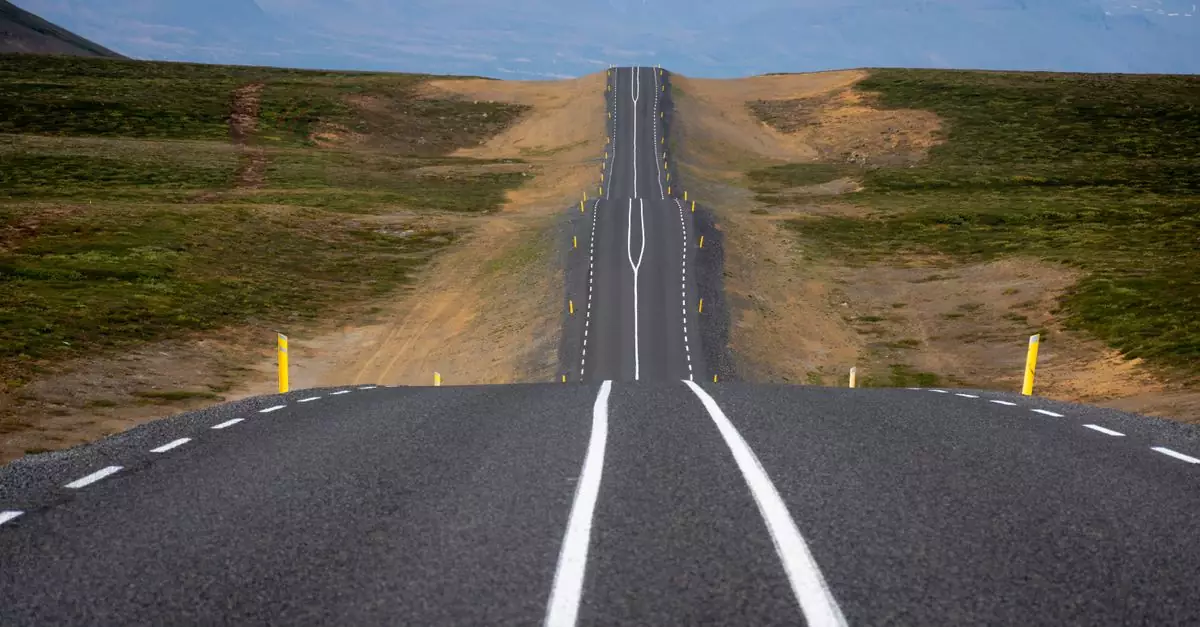
Embarking on one of the best scenic road trips in the world through South America requires careful preparation. The continent’s vastness and diverse landscapes, from the Andes mountains to the Amazon rainforest, present unique logistical challenges. Understanding these essentials will smooth your journey and allow you to focus on the breathtaking vistas.
Choosing the Right Vehicle for Diverse Terrains
The vehicle you choose will significantly impact your ability to traverse South America’s varied terrain. For well-maintained highways and coastal routes, a standard 2WD car might suffice. However, many of the most rewarding drives involve unpaved roads, gravel tracks, and potential river crossings. A 4×4 vehicle is highly recommended for accessing remote areas, navigating the Andes, or exploring Patagonia. If planning an extended trip, consider renting a vehicle with sufficient cargo space for camping gear or luggage.
When selecting a rental, inquire about mileage limits and whether you can take the vehicle across international borders. Some companies have restrictions, and unauthorized border crossings can lead to significant fines or vehicle confiscation. It’s also wise to ensure your rental comes with a spare tire, jack, and basic toolkit.
Budgeting for Fuel, Accommodation, and National Park Fees
A realistic budget is crucial for any extended South American road trip. Fuel costs can fluctuate significantly across countries; for instance, fuel prices in Venezuela have historically been very low, while in Chile, they can be considerably higher. Research average fuel prices for your intended route to estimate this major expense.
Accommodation options range from budget-friendly hostels and campsites to mid-range hotels and luxury lodges. Camping can be an excellent way to save money and immerse yourself in nature, especially within national parks. Be aware that entrance fees for national parks and protected areas can add up, particularly if you plan to visit several iconic sites like Torres del Paine in Chile or Machu Picchu in Peru.
Here’s a general comparison of daily costs for a solo traveler on a road trip:
| Category | Budget (USD) | Mid-Range (USD) |
|---|---|---|
| Fuel (per day) | 15-30 | 30-60 |
| Accommodation (per night) | 10-25 | 40-80 |
| Food (per day) | 15-30 | 30-50 |
| Park Fees (average) | 5-15 | 10-25 |
| Total Daily Estimate | 45-100 | 110-215 |
Note: These are rough estimates and can vary greatly by country and travel style.
Navigating Border Crossings and International Driving Permits
Crossing international borders in South America can range from straightforward to complex. Each country has its own customs and immigration procedures. It’s essential to have all your documentation in order well in advance. This includes your passport, visa (if required), vehicle registration, and proof of insurance.
An International Driving Permit (IDP) is highly recommended, and in some countries, it’s legally required. While your home country’s license may be accepted in some places, an IDP serves as an official translation and can prevent misunderstandings with local authorities. Ensure your IDP is issued by a recognized authority before you depart.
When crossing with a rented vehicle, you’ll likely need special authorization from the rental company, which often incurs an additional fee. This document, sometimes called a “Permiso de Salida” or similar, is critical for border officials. Always declare your vehicle and any goods you are carrying to avoid issues. Researching specific border crossing requirements for each country on your itinerary is vital for a smooth journey.
Packing Guide: Essentials for Extreme Weather Conditions
South America’s climates are incredibly varied, and road trip conditions can change rapidly. Packing smart is key to comfort and safety. For mountainous regions like the Andes, be prepared for cold temperatures, even in summer. Layers are your best friend: a moisture-wicking base layer, an insulating fleece or down jacket, and a waterproof and windproof outer shell are essential. Don’t forget a warm hat, gloves, and sturdy, waterproof hiking boots.
For desert areas or lower-altitude regions, sun protection is paramount. Pack high SPF sunscreen, a wide-brimmed hat, sunglasses, and lip balm. Lightweight, breathable clothing is also important for warmer climates.
Regardless of the specific region, consider these essentials:
- First-aid kit: Comprehensive and well-stocked.
- Navigation tools: GPS device or reliable offline maps, along with a physical map as a backup.
- Water purification: A filter or purification tablets for accessing safe drinking water.
- Headlamp or flashlight: With extra batteries.
- Multi-tool or knife: Always handy for various tasks.
- Emergency supplies: Jumper cables, tow rope, and a basic repair kit for your vehicle.
Understanding the local weather patterns for your travel time is crucial for packing appropriately. For instance, traveling through Patagonia in winter (June-August) requires significantly different gear than a summer trip (December-February). Consulting resources like nationalgeographic.com/travel/destination/south-america can provide valuable insights into regional climates and travel conditions.
Frequently Asked Questions About South America’s Best Scenic Road Trips
What are the most challenging but rewarding scenic drives?
For those seeking an adrenaline rush alongside stunning vistas, the Carretera Austral in Chile and the Andes Highway (partially) in Peru offer significant challenges. The Carretera Austral, often unpaved and remote, requires a sturdy vehicle and careful planning, rewarding drivers with pristine Patagonia. The high-altitude passes of the Andes can be demanding due to thin air and unpredictable weather, but the dramatic mountain scenery is unparalleled. These routes demand self-sufficiency and a spirit of adventure, making the journey itself a significant part of the reward.
Can I rent a car and drive these routes independently?
Yes, renting a car is feasible for many of these routes, especially those with better infrastructure like parts of Argentina’s Ruta 40 or Brazil’s coastal roads. However, independence comes with considerations. Ensure your rental agreement allows travel across borders if planning multi-country trips. Off-road capabilities are essential for routes like the Carretera Austral. For more remote or challenging drives, consider a 4×4. Always check road conditions beforehand, as they can change rapidly, particularly in mountainous or unpaved regions. Thoroughly research rental car insurance policies for South America.
What is the best time of year to visit these regions for road trips?
The optimal timing for South American road trips varies significantly by region. Generally, the dry season, typically from May to October, is best for most of the continent, offering more predictable weather and clearer roads. This is particularly true for Patagonia and the Andes. However, shoulder seasons (April/May and September/October) can offer fewer crowds and still pleasant conditions. Coastal areas might have different peak seasons; for example, the Brazilian coast is popular during its summer months (December-March), though this is also the rainy season in some parts of the interior. Always check the specific climate for your chosen route.
| Region | Best Time to Visit (Dry Season) | Shoulder Seasons | Notes |
|---|---|---|---|
| Patagonia | November – March | October, April | High winds are common; book accommodations early. |
| Andes (Peru) | May – October | April, November | High altitude; be prepared for cold nights. |
| Atacama Desert | March – November | Extremely dry year-round; cooler in winter. | |
| Brazilian Coast | December – March | September, April | Can be hot and humid; hurricane season is rare. |
Are there organized tours for these scenic road trips?
Absolutely. For travelers who prefer not to drive themselves or want expert guidance, numerous organized tours cater to South America’s best scenic road trips. These range from small-group adventure tours that provide 4×4 vehicles and guides to luxury coach tours covering more accessible routes. Companies specializing in adventure travel in South America often have dedicated road trip itineraries. These tours handle logistics, accommodation, and navigation, allowing you to fully immerse yourself in the stunning landscapes of South America. They can be a fantastic option for tackling more remote or complex routes like the Salar de Uyuni in Bolivia or the high passes of the Andes.