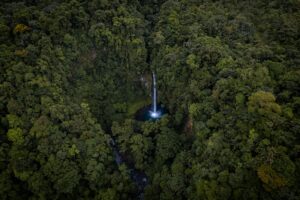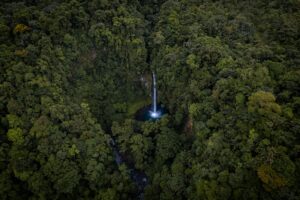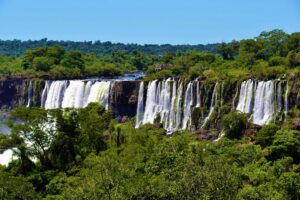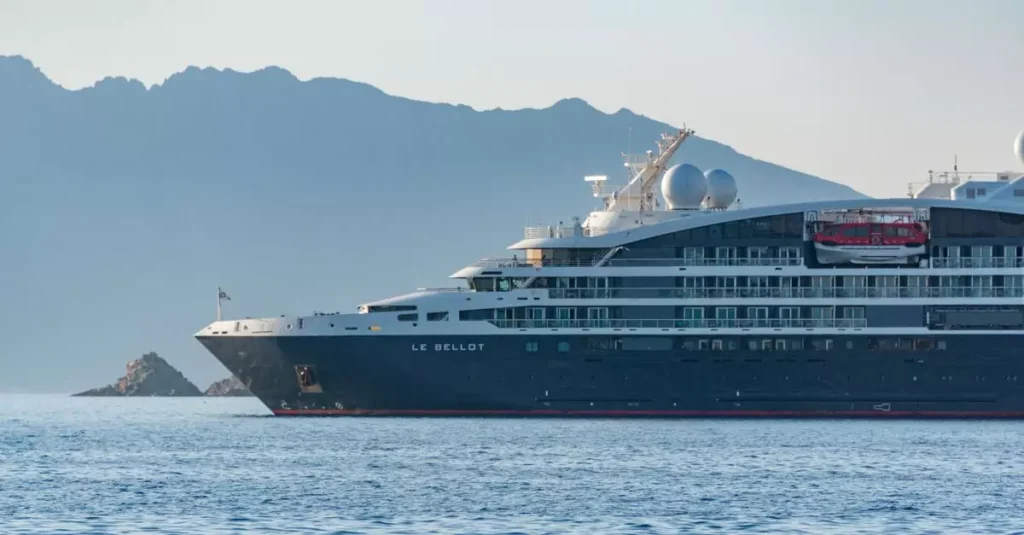
Embarking on an expedition cruise through South America offers an unparalleled opportunity to explore some of the planet’s most remote and awe-inspiring landscapes. These voyages are tailored for the curious traveler, emphasizing intimate encounters with nature and culture over crowded ports. If you’re dreaming of navigating glacial fjords, witnessing unique wildlife in its natural habitat, or venturing into the heart of the Amazon, understanding the nuances of expedition travel is essential. This guide will help you discover the best expedition cruises South America has to offer in 2026, detailing unique experiences, top destinations like Patagonia and the Galápagos, and what sets these adventurous journeys apart from traditional cruising. We’ll cover the best times to travel, how to choose the right operator, and what to expect onboard, ensuring your planning is as exciting as the voyage itself.
Why Choose a South America Expedition Cruise in 2026?
Expedition cruising provides a unique gateway to South America’s most captivating and often inaccessible destinations. Unlike traditional voyages that focus on port-intensive itineraries, expedition cruises prioritize immersive experiences in remote natural landscapes and cultural encounters. In 2026, the allure of these intimate journeys is stronger than ever, driven by a desire for authentic adventure and a deeper connection with the planet.
Unveiling Remote Wonders: The Allure of Expedition Cruising
South America is a continent rich in biodiversity and dramatic geography, from the icy fjords of Patagonia to the vibrant Amazon rainforest and the stark beauty of the Galápagos Islands. Expedition cruises take you to the heart of these wild places. Small, maneuverable ships provide access to secluded bays, narrow channels, and areas unreachable by larger vessels. Zodiac excursions, led by expert naturalists and guides, bring you face-to-face with wildlife and offer intimate perspectives of the landscapes. These voyages are for travelers seeking more than just a vacation; they cater to those who crave discovery and a profound appreciation for the natural world.
Comparing Expedition Cruises vs. Traditional Cruises in South America
The distinction between expedition and traditional cruises in South America is significant, impacting everything from the itinerary to the onboard experience. Traditional cruises often sail along the coast, stopping at popular cities and beach resorts, with a focus on onboard entertainment and dining. Expedition cruises, in contrast, emphasize the destination itself. They typically feature smaller ship sizes (under 200 passengers), facilitating deeper exploration and more personalized service. The emphasis is on learning, with lectures from scientists, historians, and wildlife experts, alongside active excursions like kayaking, hiking, and snorkeling.
| Feature | Expedition Cruise | Traditional Cruise |
|---|---|---|
| Ship Size | Small (50-200 passengers) | Large (1,000-5,000+ passengers) |
| Destinations | Remote, wilderness areas, hard-to-reach locations | Major ports, popular cities, resort towns |
| Activities | Zodiac landings, hiking, kayaking, wildlife viewing | Shore excursions, shopping, onboard entertainment |
| Focus | Nature, wildlife, adventure, education | Relaxation, entertainment, dining |
| Onboard Experts | Naturalists, scientists, historians | Limited, focus on entertainment staff |
| Pace | Active, immersive, destination-focused | Relaxed, port-intensive, onboard-focused |
The Rise of Sustainable Expedition Travel in the Region
As travelers become more conscious of their environmental impact, sustainable expedition travel in South America is gaining prominence. Responsible operators are committed to minimizing their footprint and contributing positively to the regions they visit. This includes adhering to strict environmental guidelines, supporting local communities, and educating passengers about conservation efforts. For instance, many voyages in the Galápagos Islands collaborate with the Galápagos National Park Directorate to ensure minimal disturbance to the unique ecosystem. Choosing a cruise that prioritizes sustainability allows you to experience the wonders of South America with peace of mind, knowing your journey supports the preservation of these precious environments for future generations. This commitment to responsible tourism is a key reason why expedition cruises are an excellent choice for discerning travelers in 2026.
Top Expedition Cruise Destinations in South America
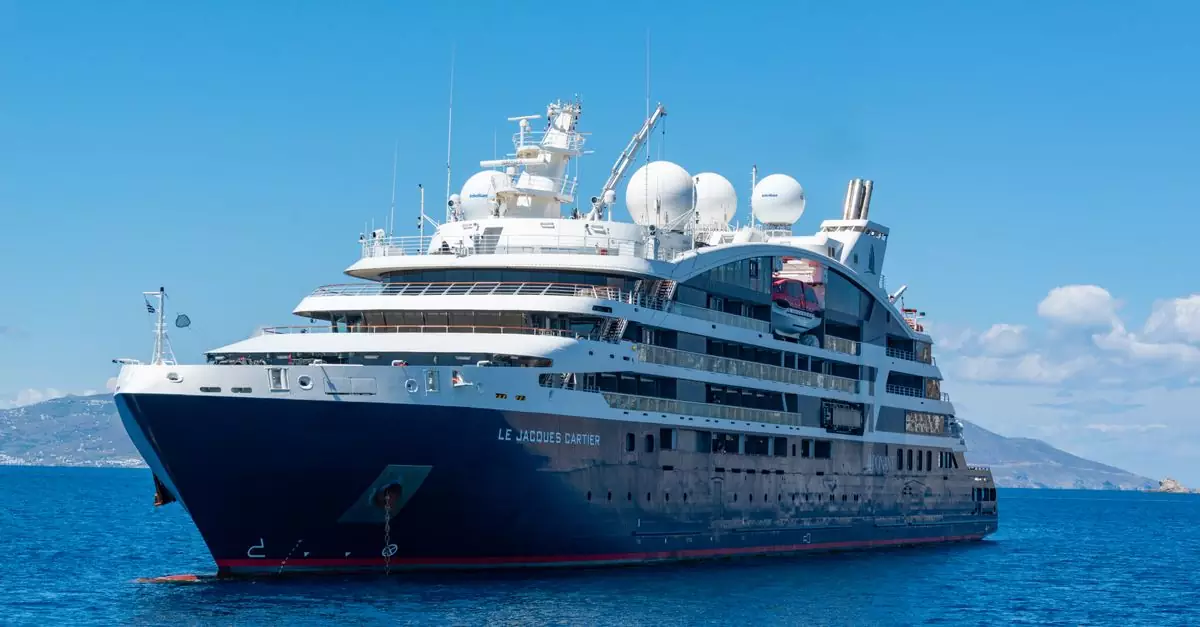
South America offers a diverse range of expedition cruise experiences, from icy polar landscapes to dense tropical rainforests. The best expedition cruises cater to different interests, whether you’re drawn to wildlife, dramatic scenery, or cultural immersion. Planning your trip involves considering the unique climate and logistical needs of each region.
Exploring the Glacial Fjords of Chilean Patagonia
Chilean Patagonia boasts a rugged and awe-inspiring landscape, characterized by dramatic granite peaks, immense glaciers, and deep, sheltered fjords. Expedition cruises here focus on navigating intricate waterways, offering close-up views of calving glaciers and opportunities for Zodiac excursions to remote shorelines. Expect to see diverse birdlife, including condors and various seabirds, as well as marine mammals like dolphins and sea lions.
The prime season for cruising Chilean Patagonia is during the Southern Hemisphere’s summer, from October to April. During these months, the weather is generally milder, though still unpredictable, with longer daylight hours. Cruises typically depart from Punta Arenas or Puerto Montt and can last from a few days to over two weeks, exploring areas like Alberto de Agostini National Park and the Beagle Channel. Packing layers is essential, as conditions can change rapidly from sunshine to rain and wind.
Wildlife Encounters in the Galapagos Islands
The Galapagos Islands are a world-renowned wildlife sanctuary, offering unparalleled opportunities to observe endemic species in their natural habitat. Expedition cruises are the most effective way to experience this archipelago, as they allow access to remote islands and provide expert guides to interpret the unique evolutionary marvels. Visitors can expect to see giant tortoises, marine iguanas, blue-footed boobies, sea lions, and a variety of finches, often with minimal fear of humans.
Cruises operate year-round, but distinct seasons offer different advantages. The warm season (December to May) brings calmer seas and excellent snorkeling conditions, while the dry season (June to November) offers cooler temperatures and more active marine life, attracting whales and dolphins. Most voyages last between 5 and 15 days and depart from Baltra or San Cristobal islands. It’s crucial to book well in advance, as permits and ship capacity are limited to protect the fragile ecosystem.
Navigating the Amazon River’s Biodiversity Hotspots
An Amazon River expedition cruise takes you deep into the world’s largest rainforest, a region teeming with an astonishing array of flora and fauna. These trips focus on immersion into the jungle’s biodiversity, with daily excursions via smaller boats and guided jungle walks. Wildlife spotting opportunities include monkeys, sloths, river dolphins, caimans, and an incredible variety of birds and insects.
The best time to visit depends on your preference for water levels. The high-water season (December to May) allows boats to navigate further into tributaries, bringing you closer to the flooded forest. The low-water season (June to November) reveals more riverbanks and hiking trails, concentrating wildlife around remaining water sources. Cruises typically depart from Iquitos, Peru, or Manaus, Brazil, and usually last between 4 to 8 days. Be prepared for hot and humid conditions, and bring effective insect repellent.
Antarctic Peninsula Adventures from Ushuaia, Argentina
While not strictly on the South American continent, Ushuaia, Argentina, serves as the primary gateway for expedition cruises to the Antarctic Peninsula. These voyages offer a chance to witness vast ice sheets, dramatic icebergs, and an abundance of polar wildlife, including penguins, seals, and whales. Zodiac landings on the continent and surrounding islands are a highlight, allowing for exploration of research stations and pristine landscapes.
The Antarctic cruise season runs from November to March, coinciding with the Southern Hemisphere’s summer. Each month offers unique experiences: November and March provide pristine snowscapes and fewer ships, while December and January offer the warmest temperatures and peak penguin breeding activity. Cruises range from 10 days to over three weeks, with most including crossings of the Drake Passage. Given the remote and sensitive nature of Antarctica, choosing a reputable operator with strong environmental protocols is paramount. You can find more information about the continent through resources like National Geographic.
What Makes a Cruise an ‘Expedition’ Cruise?
Expedition cruising offers a distinct travel experience, prioritizing immersive exploration over onboard entertainment. These voyages are designed for travelers eager to connect with nature and culture in remote destinations. Unlike traditional cruises, expedition trips focus on active engagement with the environment and learning from onboard experts. The emphasis is on destinations that are often difficult to access and offer unique wildlife or cultural encounters.
Small Ship Size and Maneuverability
A defining characteristic of expedition cruises is the use of smaller vessels, typically accommodating fewer than 200 passengers. This allows for greater flexibility and access to more intimate locations. Smaller ships can navigate shallow waters, dock in remote harbors, and maneuver closer to shorelines, providing unparalleled proximity to natural wonders. This intimate scale fosters a stronger sense of community among passengers and crew, enhancing the overall travel experience.
Expert Guides and Lecturers Onboard
Expedition cruises are distinguished by the presence of highly qualified guides and lecturers. These experts, often naturalists, historians, geologists, or biologists, enrich the journey with their deep knowledge. They lead excursions, deliver engaging presentations on local ecosystems, history, and culture, and are readily available to answer passenger questions. Their insights transform a scenic voyage into an educational adventure, deepening understanding of the regions visited.
Focus on Exploration and Active Excursions (Kayaking, Hiking, Zodiac Tours)
The core of any expedition cruise lies in its active approach to exploration. Passengers are encouraged to disembark and engage directly with the destination. Activities commonly include guided hikes through diverse landscapes, kayaking along coastlines or fjords, and zodiac tours that allow for close-up wildlife viewing and landings on remote beaches. These excursions immerse travelers in their surroundings, offering memorable experiences far beyond what a typical cruise can provide.
Access to Remote Ports and Uncharted Territories
Expedition cruises excel at reaching destinations that are inaccessible to larger cruise ships. This includes remote coastlines, isolated islands, and less-visited regions of continents like South America. The smaller ship size and experienced crews enable voyages to places like the Antarctic Peninsula, the Galapagos Islands, or the Amazon River basin, offering opportunities to witness pristine environments and unique wildlife in their natural habitats. This access to the world’s wild places is a primary draw for those seeking true adventure.
When is the Best Time for Expedition Cruises in South America?
Planning an expedition cruise to South America hinges on understanding the distinct seasons across its diverse regions. From the wildlife-rich Galapagos to the icy landscapes of Antarctica, timing is crucial for optimizing your experience and encountering the best of what each destination offers.
Peak Season for Galapagos Wildlife Viewing
The Galapagos Islands offer year-round wildlife viewing opportunities, but certain months stand out for specific phenomena. The warmer, wetter season, from December to May, brings lush vegetation and increased nesting activity for many species, including sea turtles and land iguanas. Expect calmer seas and warmer water temperatures, making snorkeling and diving more pleasant.
Conversely, the cooler, drier Garúa season runs from June to November. This period sees the arrival of nutrient-rich currents, attracting more marine life like whales and sharks. It’s also prime time for observing waved albatrosses on Española Island. While seas can be choppier, the abundant marine activity and unique birdlife make this a compelling time for a Galapagos adventure.
Ideal Months for Patagonian Fjords Exploration
Exploring the dramatic Patagonian fjords, shared by Chile and Argentina, is best undertaken during the Southern Hemisphere’s summer. From October to April, this region experiences its most favorable weather. Days are longer, and temperatures are milder, averaging between 10-15°C (50-59°F).
Within this window, the shoulder months of October-November and March-April offer a good balance. You’ll encounter fewer crowds than in the peak summer months of December and January, yet still benefit from relatively stable weather. This period also coincides with the breeding seasons for many of the region’s iconic wildlife, including penguins and various seabirds. Be prepared for unpredictable weather at any time; Patagonia is known for its rapid changes.
Navigating the Amazon’s High and Low Water Seasons
The Amazon rainforest presents two distinct seasons, each offering a unique perspective for expedition cruising. The high-water season, typically from December to May, sees river levels rise significantly. This allows vessels to navigate deeper into tributaries, getting closer to the dense jungle canopy and providing better access to flooded forests, known as várzea. Wildlife spotting from the boat can be excellent, as many animals come closer to the water’s edge.
The low-water season, from June to November, reveals more of the riverbanks and exposes sandbars and beaches. This period is ideal for jungle trekking, as more land becomes accessible. Fishing is also more productive during these months. While some smaller tributaries may become impassable, the main river remains navigable, and wildlife often congregates around shrinking water sources, making them easier to spot.
Antarctic Cruise Season: November to March
The Antarctic expedition cruise season aligns with the Antarctic summer, running from November to March. This period offers the most accessible and rewarding travel to the continent.
| Month | Key Features | Wildlife Highlights | Weather Considerations |
|---|---|---|---|
| November | Early season, pristine snow, penguin courtship and egg-laying | Penguin colonies begin to establish; whales start arriving. | Colder temperatures, but generally calmer seas than later in the season. Ice conditions can still be challenging. |
| December | Peak of summer, long daylight hours, penguin chicks hatching | Abundant penguin chicks; seal pups visible on ice floes; peak whale activity. | Milder temperatures, though still sub-zero. Longest daylight hours. Seas generally good for landings and Zodiac cruising. |
| January | Mid-summer, continued penguin chick activity, seal pups growing | Penguin chicks are growing rapidly; seal pups are more active. | Similar to December, with good conditions for wildlife observation and landings. |
| February | Late summer, penguin chicks fledging, increased whale sightings | Penguin chicks are fledging, preparing for the sea; excellent whale watching as they feed before migration. | Temperatures begin to cool slightly. Seas can become rougher as autumn approaches. |
| March | End of season, fewer tourists, stunning light for photography, whale activity | Last chance to see penguins before they head to sea; continued strong whale presence. | Colder temperatures return; daylight hours shorten. Ice begins to form again, potentially impacting navigation in some areas. |
During these months, the sea ice recedes, allowing ships to navigate the Drake Passage and reach the Antarctic Peninsula and surrounding islands. Daylight hours are extensive, providing ample opportunities for exploration and wildlife encounters. Early season (November) offers pristine landscapes and the start of penguin breeding, while late season (February-March) boasts excellent whale watching and migrating wildlife.
Choosing the Best Expedition Cruise Line and Itinerary
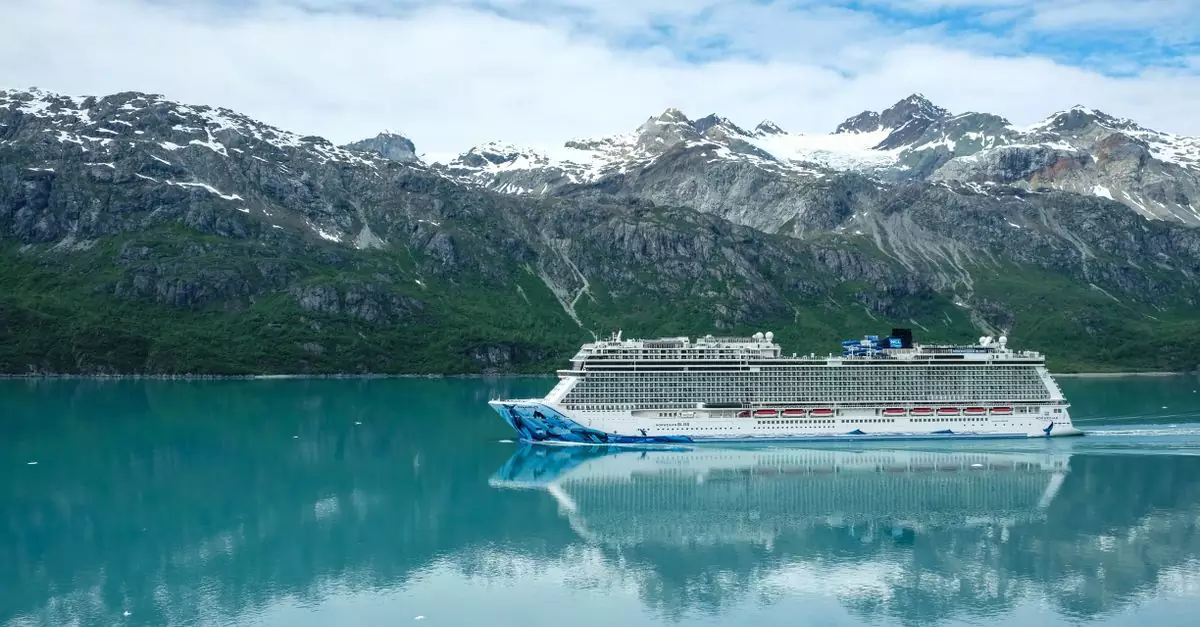
Selecting the right expedition cruise operator and crafting your ideal itinerary are crucial steps in planning an unforgettable journey through South America. The continent’s vastness and diverse ecosystems offer a range of experiences, from the icy landscapes of Antarctica accessible via South American ports to the lush biodiversity of the Amazon rainforest. Careful consideration of cruise lines, routes, and onboard offerings will ensure your adventure aligns with your expectations and budget.
Comparing Top Expedition Cruise Operators for South America
Several reputable expedition cruise lines cater to the South American market, each with distinct strengths. Companies like Hurtigruten, Lindblad Expeditions, and Quark Expeditions are known for their focus on educational programming, expert guides, and robust exploration vessels. These operators often emphasize wildlife encounters, scientific lectures, and immersive excursions. Other lines may offer a more comfortable, luxury-oriented experience with fewer, but perhaps more curated, landings.
When comparing operators, consider their vessel size, passenger capacity, and the specific expertise of their expedition teams. Smaller ships generally offer more intimate experiences and can access shallower waters or more remote landing sites. The quality and number of onboard naturalists, historians, and scientists can significantly enhance your understanding of the regions you visit. Researching recent reviews and specific expedition team members can provide valuable insights.
Selecting an Itinerary: From Ushuaia to the Amazon
South America’s expedition cruise itineraries are as varied as its landscapes. For many, the ultimate adventure involves sailing to the Antarctic Peninsula, with voyages typically departing from Ushuaia, Argentina, or Punta Arenas, Chile. These trips focus on stunning glacial scenery, penguin colonies, seals, and whales. Another popular option explores the Chilean fjords and Patagonia, showcasing dramatic mountain ranges, glaciers, and unique wildlife.
Alternatively, cruises can venture into the heart of the Amazon basin, departing from ports like Iquitos, Peru, or Manaus, Brazil. These itineraries focus on the incredible biodiversity of the rainforest, with opportunities to see monkeys, sloths, exotic birds, and river dolphins. It’s important to match the itinerary to your interests; an Antarctic cruise requires a different mindset and preparation than an Amazonian voyage.
Consider the duration of your trip. Antarctic expeditions often range from 10 to 20 days, while Amazon cruises can be shorter, typically 5 to 10 days. The timing of your cruise is also critical, as weather conditions and wildlife activity vary significantly throughout the year.
Understanding Cabin Options and Onboard Amenities
Expedition cruise accommodations range from basic, comfortable cabins to luxurious suites. Many expedition vessels prioritize functionality and access to the elements over opulent interiors. Standard cabins may offer porthole windows or limited views, while higher-tier options provide private balconies and more spacious layouts. Regardless of cabin type, onboard amenities often include lecture lounges, libraries, dining rooms, and observation decks.
Many expedition cruises operate on an all-inclusive or near all-inclusive model. This typically covers meals, beverages (including alcoholic ones), excursions, and sometimes even gratuities. However, it’s essential to verify what is included in your fare, as some operators may charge extra for premium drinks, Wi-Fi, or specific activities. Understanding these inclusions will help you budget effectively and avoid unexpected costs.
Budgeting for Your Expedition Cruise: What’s Included?
The cost of an expedition cruise to South America can vary significantly based on the operator, itinerary, cabin choice, and duration. Prices can range from approximately $5,000 per person for shorter, more basic trips to $15,000 or more for longer, more comprehensive Antarctic voyages or luxury suites.
A key aspect of budgeting is understanding what is typically included in the cruise fare. Most expedition cruises bundle the following:
- Accommodation: Your chosen cabin type.
- Meals: All onboard dining, often including specialized dietary options.
- Excursions: Guided landings, Zodiac tours, and shore activities.
- Lectures and Presentations: Educational programs by onboard experts.
- Gear Rental: Often includes rubber boots for landings and sometimes parkas.
- Beverages: Usually includes a selection of wines, spirits, and non-alcoholic drinks.
Items that may incur additional costs include:
- Flights: To and from the departure port.
- Pre- and Post-Cruise Accommodation: If needed.
- Travel Insurance: Highly recommended for expedition travel.
- Optional Activities: Such as kayaking or diving, if offered.
- Gratuities: Sometimes not included.
- Personal Expenses: Souvenirs, laundry, and premium bar items.
Carefully review the cruise line’s booking details to confirm all inclusions and exclusions. Planning your budget well in advance will allow you to secure your preferred itinerary and cabin, especially for popular voyages that book up months or even years ahead. For those seeking a comprehensive overview of the continent’s natural wonders, researching expeditions through National Geographic can provide further inspiration.
Frequently Asked Questions About South America Expedition Cruises
What is the average cost of an expedition cruise in South America?
The cost for expedition cruises in South America varies significantly based on the itinerary length, the specific region visited, and the level of luxury offered by the cruise line. Shorter voyages focusing on coastal areas might start around \$5,000 per person, while longer, more in-depth journeys to remote destinations like the Antarctic Peninsula via South America can range from \$10,000 to \$25,000 or more. These prices typically include accommodation, meals, and guided excursions, but exclude flights to the departure port and optional activities.
Are expedition cruises safe for families and solo travelers?
Yes, expedition cruises are generally very safe for both families and solo travelers. Reputable cruise lines adhere to strict safety protocols, and their vessels are equipped with advanced navigation and safety equipment. Experienced expedition teams provide thorough briefings on safety procedures, especially during landings and wildlife viewing. For solo travelers, these cruises offer a structured environment with opportunities to meet like-minded individuals through shared activities and excursions.
What should I pack for a South America expedition cruise?
Packing for a South America expedition cruise requires preparation for diverse and often unpredictable weather conditions. Layers are key. Essential items include waterproof and windproof outer layers, thermal base layers, fleece or down mid-layers, comfortable walking shoes or hiking boots, and waterproof trousers. Don’t forget sun protection like hats, sunglasses, and high SPF sunscreen, as well as insect repellent for certain regions. Binoculars are highly recommended for wildlife viewing. Most expedition ships provide specialized gear like rubber boots for landings, but it’s wise to confirm this with your cruise operator.
What are the visa and health requirements for these voyages?
Visa and health requirements for South America expedition cruises depend heavily on your nationality and the specific countries visited. It’s crucial to research the entry requirements for each destination on your itinerary well in advance. Many South American countries require visas for certain nationalities, while others offer visa-free entry for short stays.
For health, consult your doctor or a travel clinic about recommended vaccinations for the regions you’ll be visiting. Common recommendations might include Hepatitis A, Typhoid, and Tetanus. Depending on the itinerary, malaria precautions might also be advised. Most expedition ships have onboard medical facilities, but it’s wise to have comprehensive travel insurance that covers medical emergencies and evacuation. Always carry any personal prescription medications in their original packaging.