The sheer power and beauty of cascading water draw travelers from across the globe, creating moments of awe and connection with nature. Planning a journey to witness some of the world’s best waterfalls requires careful consideration of each destination’s unique characteristics, from the thunderous roar of Iguazu to the ethereal mist of Angel Falls. This guide will help you navigate the logistics and uncover the most breathtaking natural spectacles.
You’ll learn about the prime visiting seasons for iconic falls like Victoria Falls and Niagara Falls, discover the best ways to reach remote wonders such as Angel Falls, and find essential tips to maximize your experience at each location. Whether you’re seeking adventure, natural beauty, or a moment of tranquility, these key details will ensure your trip to these magnificent waterfalls is unforgettable.
Top 10 Best Waterfalls in the World for Unforgettable Views
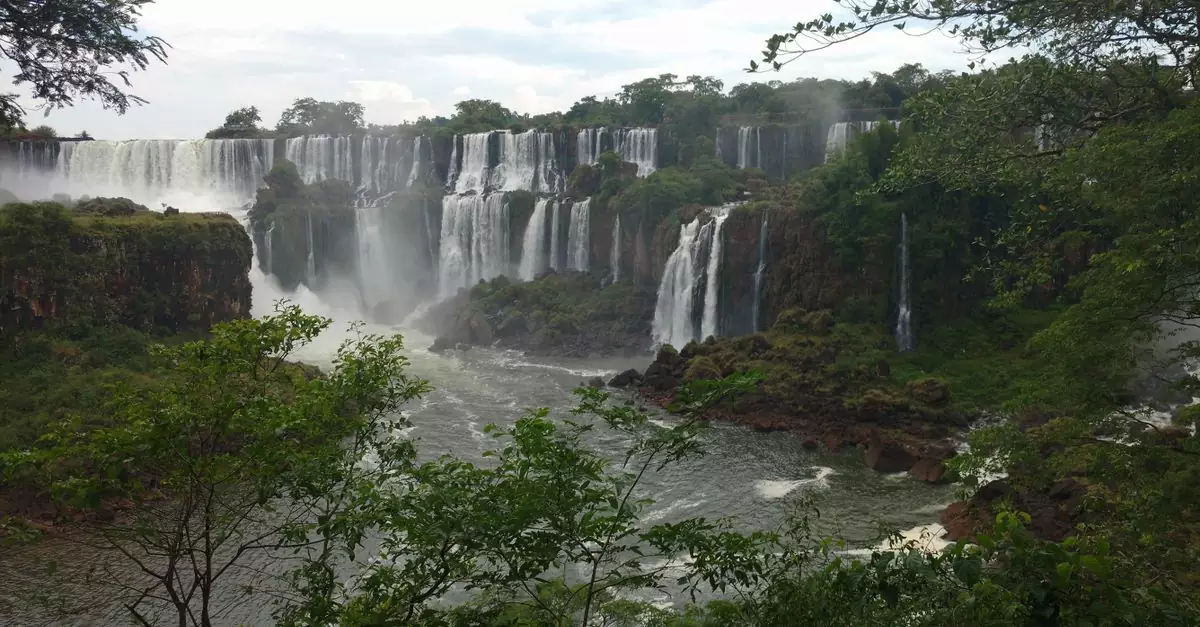
When seeking the planet’s most awe-inspiring natural spectacles, few sights rival the sheer beauty and force of a world-class waterfall. These cascading giants offer dramatic landscapes, refreshing mists, and a powerful reminder of nature’s might. Planning a trip to experience the best waterfalls necessitates considering logistics, timing, and what makes each one unique.
Iguazu Falls: Argentina and Brazil’s Majestic Border
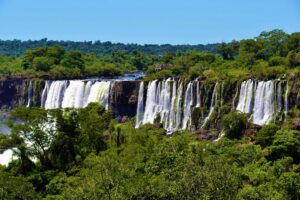
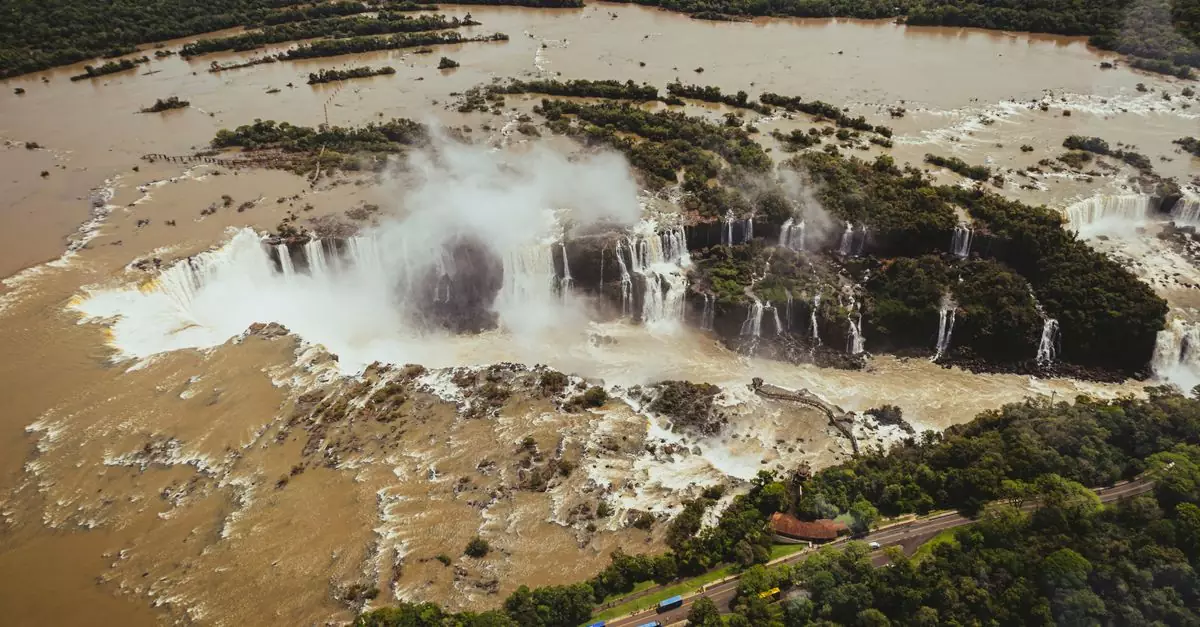
Spanning the border between Argentina and Brazil, Iguazu Falls consists of 275 individual cascades stretching over nearly three kilometers. The sheer scale is overwhelming, with the “Devil’s Throat” (Garganta del Diablo) being the most impressive section, a U-shaped chasm where half the river’s flow plunges into a roaring abyss. Visitors can experience the falls from both countries, each offering distinct perspectives.
On the Argentine side, pathways allow you to walk directly above and beside the falls, feeling the spray and hearing the thunderous roar up close. The Brazilian side provides panoramic vistas, ideal for capturing the immense scope of the entire system.
Logistics:
- Getting there: The closest airports are Puerto Iguazú (IGR) in Argentina and Foz do Iguaçu (IGU) in Brazil. Both cities have extensive bus and taxi services to the falls.
- Best time to visit: The rainy season (December to February) offers the most powerful flow, while the shoulder seasons (March-May and September-November) provide pleasant weather and fewer crowds.
- Accommodation: Options range from budget hostels in nearby towns to luxury hotels with falls views.
Victoria Falls: The Smoke That Thunders in Southern Africa
Located on the Zambezi River, bordering Zambia and Zimbabwe, Victoria Falls is one of the largest waterfalls in the world by its combined width and height, creating the largest sheet of falling water. Known locally as “Mosi-oa-Tunya” (The Smoke That Thunders), the sheer volume of water creates a perpetual mist visible from miles away, accompanied by a deafening roar.
The falls are accessible from both Victoria Falls town in Zimbabwe and Livingstone in Zambia. Activities abound, from exhilarating white-water rafting on the Zambezi below to helicopter tours offering a bird’s-eye view of this natural wonder.
Visitor Tips:
- Visa Requirements: Check visa regulations for both Zambia and Zimbabwe, as you may need separate visas depending on your nationality.
- Seasonal Flow: The highest water levels are typically from February to April, while the lowest occur from September to November. The rainy season in this region is generally November to March.
- Packing Essentials: Rain gear is essential, even on sunny days, due to the constant spray.
Angel Falls: Venezuela’s Soaring Natural Wonder
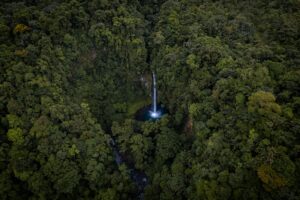
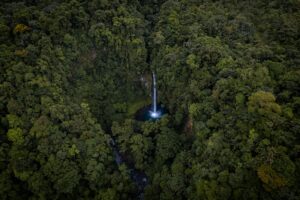
Angel Falls, or Salto Ángel, is the world’s tallest uninterrupted waterfall, plunging an astonishing 979 meters (3,212 feet) from the Auyán-tepui tabletop mountain in Venezuela’s Canaima National Park. Its remote location in the heart of the jungle adds to its mystique. The water drops from a sheer cliff face, often dissipating into a fine mist before reaching the base, especially during the dry season.
Reaching Angel Falls is an adventure in itself, typically involving a flight to Canaima camp followed by a multi-hour motorized canoe trip up the Carrao River. The journey offers a glimpse into the pristine Amazonian rainforest.
Travel Considerations:
- Accessibility: Due to its remote location, reaching Angel Falls requires a significant commitment. Flights to Canaima are operated by local airlines and are subject to weather conditions.
- Best Viewing Season: The falls are most impressive from May to November during the rainy season when water flow is at its peak.
- Safety: Travelers should stay informed about current travel advisories for Venezuela.
Niagara Falls: Iconic Power on the US-Canada Border
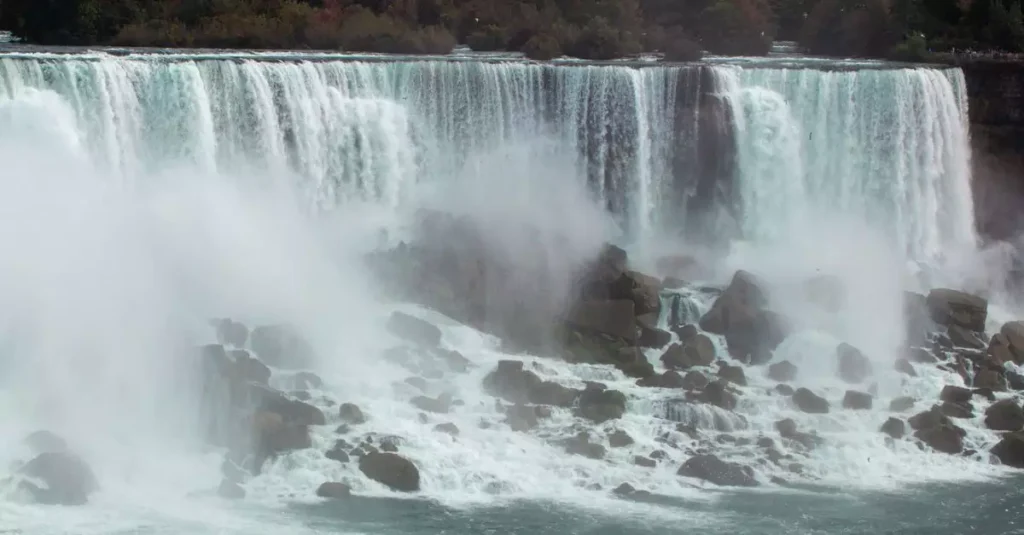
Niagara Falls, straddling the border between New York, USA, and Ontario, Canada, is a trio of waterfalls renowned for their accessibility and raw power. While not the tallest, the sheer volume of water flowing over the Horseshoe Falls (Canadian side), American Falls, and Bridal Veil Falls makes it one of the most famous and visited natural attractions globally.
Both the American and Canadian sides offer distinct experiences. The Canadian side provides panoramic views of all three falls, while the American side offers a closer perspective of the American and Bridal Veil Falls. Boat tours like the Maid of the Mist (USA) and Hornblower Niagara Cruises (Canada) take visitors right into the heart of the spray.
Planning Your Visit:
- Transportation: Easily accessible by car from major East Coast cities. Buffalo Niagara International Airport (BUF) in the US and Toronto Pearson International Airport (YYZ) in Canada are the closest major airports.
- Crowds: Niagara Falls is a year-round destination, but summer months (June-August) are the busiest. Consider visiting in spring or fall for a more relaxed experience.
- Budget: Entry to view the falls from the parks is free. Paid attractions like boat tours, observation towers, and casinos add to the cost.
Planning Your Visit to the World’s Best Waterfalls
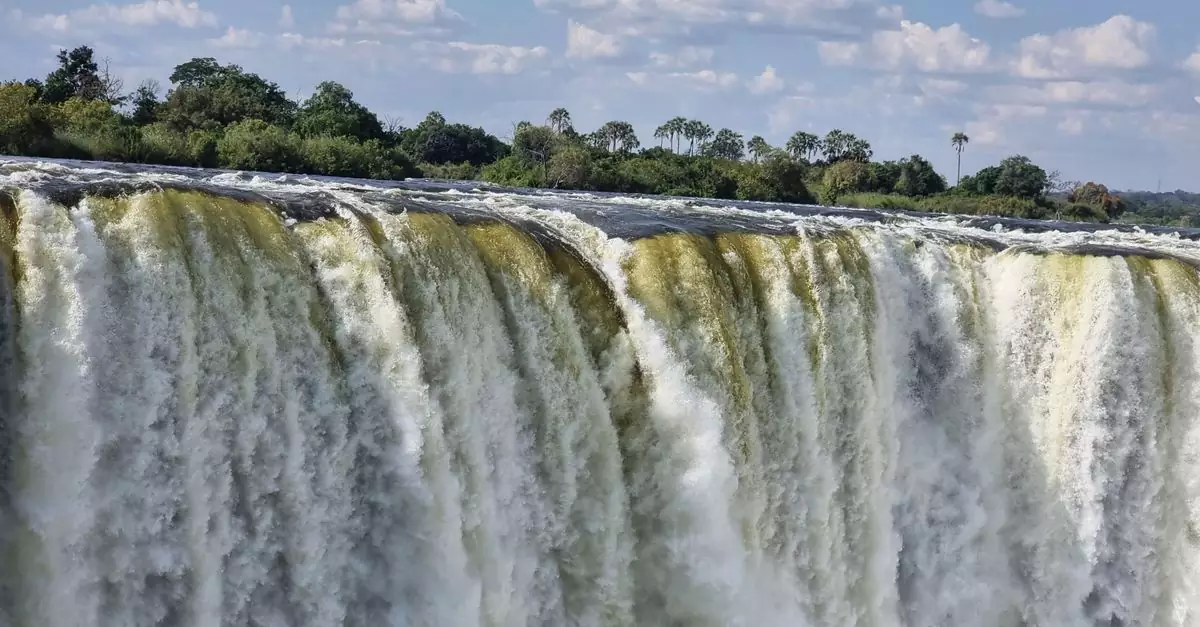
Choosing when to visit the world’s most spectacular waterfalls significantly impacts the experience, from water volume and surrounding lushness to crowd levels and accessibility. Understanding seasonal patterns for major cascades like Iguazú, Victoria, and Angel Falls is crucial for planning an unforgettable trip.
Best Time to Visit South America’s Iguazú Falls
For a truly awe-inspiring view of Iguazú Falls, the shoulder seasons of March to May and September to November are often recommended. During these periods, the weather is generally pleasant, with fewer crowds than in the peak summer months. The water flow is robust, ensuring a dramatic display of power. Visiting during the South American rainy season (December to February) can mean higher water levels, which might obscure some of the individual cascades but amplifies the sheer volume of water. Conversely, the dry season (June to August) can see reduced flow, though the surrounding rainforest remains vibrant. Travelers should consider visiting both the Argentine and Brazilian sides for comprehensive views, as each offers a unique perspective. Access to the national parks is generally good year-round, but checking local conditions is advisable.
Optimal Season for Victoria Falls in Zimbabwe and Zambia
Victoria Falls, known locally as “Mosi-oa-Tunya” (The Smoke That Thunders), is most impressive during the late dry season, from August to October. By this time, the Zambezi River’s flow is at its lowest, yet the falls still thunderously cascade. This period offers the best chance to see the full width of the falls without the immense spray obscuring the view and makes the surrounding gorges more accessible. The high-water season, typically from February to April, sees the Zambezi at its peak, creating a magnificent spectacle of raw power. However, the sheer volume of mist can make viewing difficult and limit access to certain viewpoints. For those interested in activities like swimming in the Devil’s Pool (on the Zambian side), the dry season is essential. When planning your visit, remember that both Zimbabwe and Zambia offer access to the falls, with different entry fees and viewpoints.
When to Experience Angel Falls’ Full Glory in Venezuela
To witness Angel Falls, the world’s tallest uninterrupted waterfall, in its full, magnificent glory, the rainy season from May to November is the prime time. During these months, the skies are often overcast, but the increased rainfall ensures a powerful and consistent flow over the 3,212-foot drop. Visiting outside this period, during the dry season (December to April), can result in a significantly diminished flow, with the water sometimes appearing as a mere trickle or a series of small cascades rather than the colossal single drop. Reaching Angel Falls requires a journey, typically involving a flight to Canaima National Park and then a boat trip up the Carrao River. The accessibility of the river can be affected by water levels, making the rainy season crucial for a complete experience. While Venezuela’s political climate can be a consideration, reputable tour operators manage logistics for this remote adventure.
Navigating the Seasons at North America’s Niagara Falls
Niagara Falls, shared by Canada and the United States, offers a dramatic spectacle year-round, but the experience varies significantly with the seasons. The spring (April to May) and fall (September to October) provide pleasant weather for exploring the viewing platforms and taking boat tours, with moderate water flow. Summer (June to August) is the peak tourist season, offering warm weather and the full power of the falls, but also the largest crowds. During winter (December to March), parts of the falls can freeze, creating a uniquely beautiful, icy landscape. While the main cascades continue to flow, the surrounding areas transform into a winter wonderland. Boat tours may operate with limited schedules or be unavailable due to ice. Niagara Falls is easily accessible via major airports in Buffalo, New York, or Toronto, Ontario, and offers a wide range of accommodations and activities regardless of the season.
How to Reach These Global Waterfall Wonders
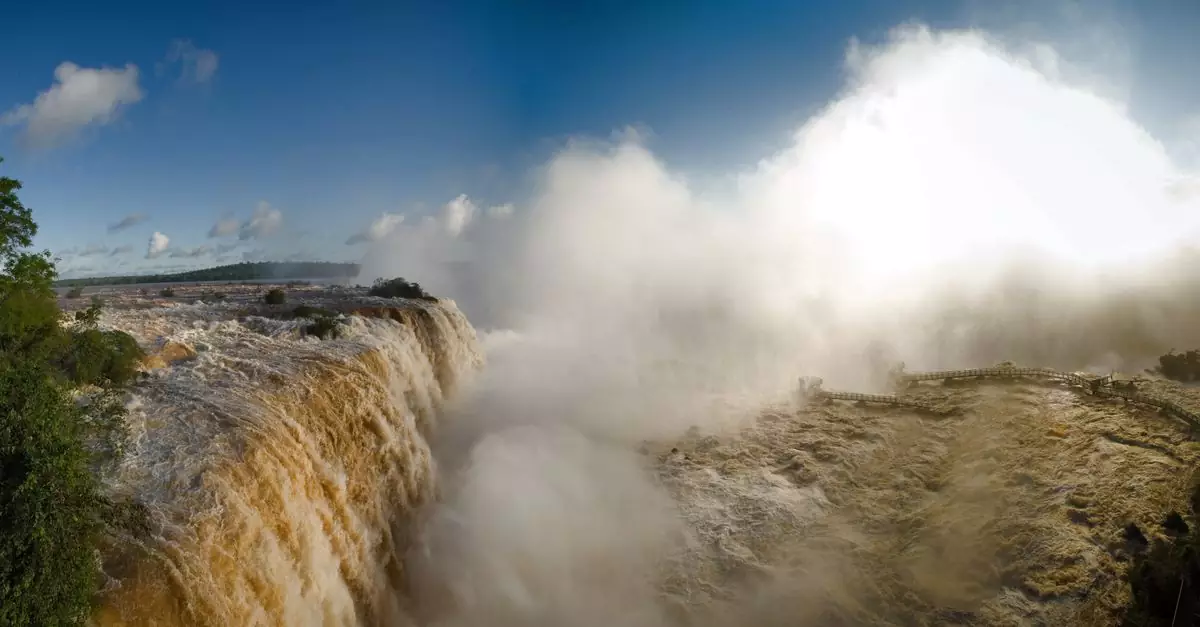
Reaching the world’s most spectacular waterfalls often involves a journey, combining flights with local transport. Understanding these logistics is key to planning your adventure to witness these powerful natural displays.
Getting to Iguazu Falls: Flights and Local Transport
Iguazu Falls, straddling the border of Argentina and Brazil, is accessible via two main gateway cities: Puerto Iguazú in Argentina and Foz do Iguaçu in Brazil. Both cities have airports that receive domestic and international flights.
- Flights: The most common way to reach the falls is by flying into either Puerto Iguazú International Airport (IGR) or Foz do Iguaçu/Cataratas International Airport (IGU). Major airlines operate routes to these airports from Buenos Aires, São Paulo, and other South American hubs.
- Local Transport: Once in either city, taxis and Ubers are readily available to take you to your accommodation or directly to the park entrances. Public buses also run frequently between the towns and the falls, offering a budget-friendly option. Many travelers opt to visit both sides of the falls, which requires crossing the border. This can be done via taxi or bus, but ensure you have the necessary travel documents.
Travel Options to Victoria Falls from Major Hubs
Victoria Falls, one of the largest waterfalls by volume, is located on the border of Zambia and Zimbabwe. The primary gateway is Victoria Falls Airport (VFA) in Zimbabwe.
- Flights: Direct flights to VFA are available from Johannesburg, South Africa, and other regional centers. Travelers coming from further afield will likely connect through Johannesburg. Livingstone, Zambia (LVI), also has an airport and serves as an alternative entry point, especially if you plan to focus on the Zambian side of the falls.
- Ground Transport: From the airport, taxis and pre-booked shuttles can transfer you to hotels in Victoria Falls town or Livingstone. The falls are a short drive from most accommodations. For those arriving by road from other parts of Zimbabwe or Zambia, buses and private car hire are options, though these are significantly longer journeys.
Accessing Angel Falls: Flights to Canaima National Park
Angel Falls, the world’s tallest uninterrupted waterfall, is located deep within Venezuela’s Canaima National Park. Reaching it is an adventure in itself, requiring multiple stages.
- Flights: The journey typically begins with a flight to Simón Bolívar International Airport (CCS) in Caracas, Venezuela. From Caracas, you’ll need to take a domestic flight to Canaima Camp, the jumping-off point for Angel Falls. These flights are often operated by small charter companies and are essential as there are no roads leading to Canaima.
- River Travel: Once in Canaima, the only way to reach the base of Angel Falls is by motorized dugout canoe (curiara). This involves a scenic, multi-hour trip upriver, often including an overnight stay in a hammock at a jungle camp. This remote access contributes to the falls’ mystique but requires careful planning and booking through local tour operators.
Transportation to Niagara Falls: Car, Bus, and Train
Niagara Falls, a collective name for three waterfalls on the border of Canada and the United States, is one of the most accessible major waterfalls globally.
- Car: Driving is a popular option, especially for visitors from nearby regions. Major highways connect to Niagara Falls, New York, and Niagara Falls, Ontario. Parking is available, though it can be costly during peak season.
- Bus and Train: Both cities have bus terminals and train stations. Amtrak serves Niagara Falls, New York, while GO Transit and VIA Rail connect to Niagara Falls, Ontario. These are convenient options for those arriving from cities like New York, Buffalo, Toronto, or Hamilton.
- Airports: The closest major airports are Buffalo Niagara International Airport (BUF) in New York and John C. Munro Hamilton International Airport (YHM) in Ontario. Toronto Pearson International Airport (YYZ) is another option, though it’s a longer drive to the falls. From these airports, rental cars, airport shuttles, or public transport can be used to reach the falls.
| Waterfall | Primary Gateway Airport(s) | Main Access Method(s) | Typical Travel Time (from major hub) | Budget Considerations |
|---|---|---|---|---|
| Iguazu Falls | IGR (Argentina), IGU (Brazil) | Flights, then taxi/bus | 3-5 hours (from Buenos Aires/São Paulo) | Moderate (flights, park entry fees) |
| Victoria Falls | VFA (Zimbabwe), LVI (Zambia) | Flights, then taxi/shuttle | 3.5-5 hours (from Johannesburg) | Moderate (flights, park entry fees, visas) |
| Angel Falls | CCS (Venezuela) to CAJ | Flights (multiple), then river canoe | 2-3 days (from Caracas, including river) | High (charter flights, guided tours, remote access) |
| Niagara Falls | BUF (USA), YHM/YYZ (Canada) | Car, bus, train, flights to nearby airports, then shuttle/rental | 1-2 hours (from Buffalo/Toronto) | Low to Moderate (driving, public transport, parking) |
Must-Do Activities Near the World’s Top Waterfalls
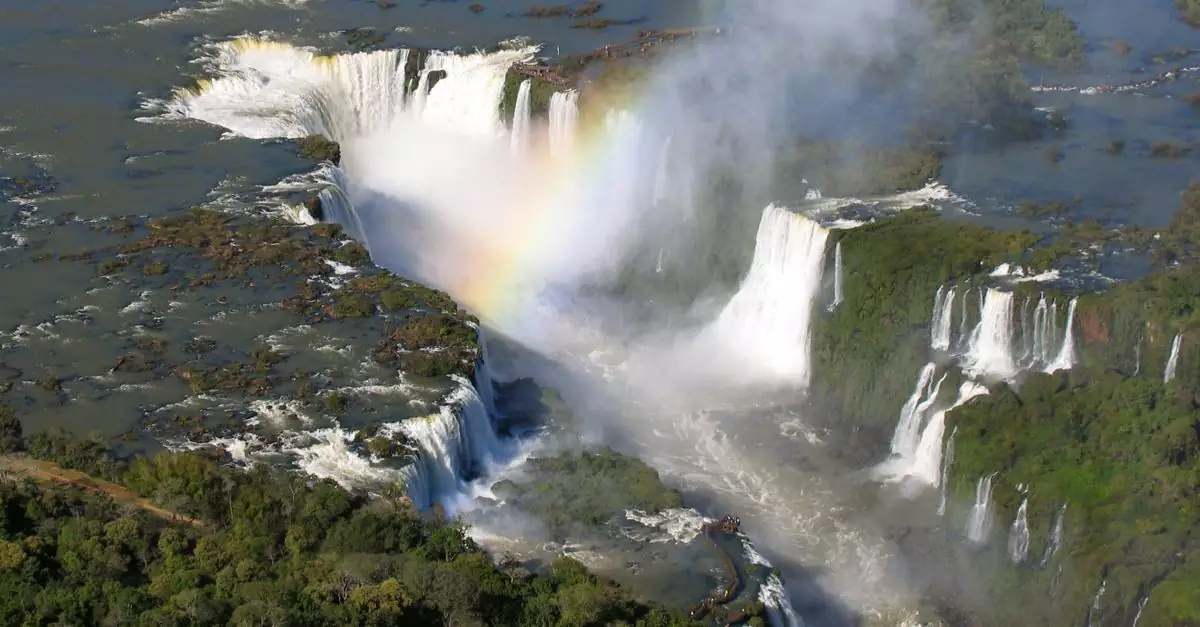
While the sheer spectacle of the world’s best waterfalls is reason enough to visit, the surrounding areas often offer a wealth of adventure and natural beauty. Planning your trip around these unique activities can elevate your waterfall experience from a day trip to a truly memorable journey.
Exploring the Iguazu Falls Trails and Boat Tours
The Iguazu Falls, straddling the border of Argentina and Brazil, are a vast system of hundreds of individual cascades. To truly appreciate their scale, dedicate time to exploring the extensive network of walkways. On the Argentinian side, the Upper Circuit offers panoramic views from above the falls, while the Lower Circuit brings you closer to the thundering water.
For an adrenaline rush, the “Gran Aventura” boat tour is a must. These robust zodiac boats navigate the Iguazu River, taking you right to the base of some of the most powerful falls, like the “Devil’s Throat.” Be prepared to get soaked – a waterproof bag for your essentials is highly recommended.
Logistics Tip: Purchase tickets for the national parks in advance, especially during peak season. Consider staying in the nearby town of Puerto Iguazú, Argentina, or Foz do Iguaçu, Brazil, for convenient access.
Adventure Activities Around Victoria Falls: Helicopter Rides and Bungee Jumping
Victoria Falls, often called the “Smoke That Thunders,” is one of the largest and most awe-inspiring waterfalls on Earth. Located on the Zambezi River between Zambia and Zimbabwe, its immense spray can be seen from miles away. Beyond simply viewing the falls from the rainforest walking paths, thrill-seekers have several options.
A helicopter or microlight flight offers a breathtaking aerial perspective of the falls and the surrounding landscape, highlighting the sheer breadth of the cascade. For those seeking an extreme thrill, the Victoria Falls Bridge is a popular spot for bungee jumping, offering an unforgettable plunge with the falls as your backdrop. For a slightly less intense but still exhilarating experience, consider a gorge swing or zip-line across the chasm.
Safety Note: Always book adventure activities with reputable, licensed operators to ensure your safety.
Jungle Expeditions to Angel Falls Base Camp
Angel Falls in Venezuela, the world’s tallest uninterrupted waterfall, plunges an astonishing 3,212 feet from the Auyán-tepui. Reaching its base camp is an adventure in itself, typically involving a flight to Canaima National Park, followed by a multi-day river trip in a motorized dugout canoe (curiara) through the jungle.
The journey upriver is as much a part of the experience as the destination, offering glimpses of indigenous communities, unique wildlife, and the dramatic tabletop mountains that define the region. Once at the base, a hike through the dense rainforest leads to the viewpoint for the majestic falls. This trip requires a good level of fitness and an adventurous spirit, offering a true immersion into the Venezuelan wilderness.
Traveler Insight: This expedition is best suited for those comfortable with basic accommodations and a rugged travel style. The dry season (December to April) is generally preferred for easier river navigation.
Experiencing Niagara Falls: Maid of the Mist and Cave of the Winds
Niagara Falls, a collection of three waterfalls on the border of Canada and the United States, is one of the most accessible and iconic natural wonders in North America. While viewing platforms offer impressive vistas, getting up close is key to understanding its power.
The “Maid of the Mist” boat tour (operating from the U.S. side) and its Canadian counterpart, “Hornblower Niagara Cruises,” take visitors directly into the mist at the base of Horseshoe Falls, the most powerful of the three. Ponchos are provided, but expect to get damp.
For a different kind of immersion, the “Cave of the Winds” attraction on the American side allows you to walk on wooden walkways just feet away from the Bridal Veil Falls. You’ll don a special poncho and sandals to navigate the powerful spray.
Budget Consideration: Both U.S. and Canadian sides offer excellent viewing opportunities. The Canadian side often provides more expansive panoramic views and a wider range of attractions, while the U.S. side offers a more intimate experience with the falls, particularly at Cave of the Winds.
Where to Stay: Accommodation Options Near Famous Waterfalls
Choosing the right place to stay near a world-renowned waterfall can significantly enhance your travel experience. Proximity, amenities, and views are key considerations. Whether you’re seeking luxury or a budget-friendly option, destinations near the planet’s most impressive cascades offer a range of choices. This guide details accommodation strategies for visitors to some of the best waterfalls the world has to offer.
Lodging in Puerto Iguazú, Argentina
Puerto Iguazú, Argentina, serves as a primary gateway to the awe-inspiring Iguazú Falls. The town offers a spectrum of lodging, from high-end resorts to comfortable guesthouses. Many hotels provide easy access to the national park’s entrances, often arranging transportation or offering guided tours.
For those prioritizing convenience, staying within the town center allows for quick access to restaurants and shops after a day of waterfall exploration. Consider hotels like the Gran Meliá Iguazú, which boasts direct views of the falls, or opt for smaller, family-run hostels for a more intimate experience. Booking in advance is highly recommended, especially during peak travel seasons from June to August and December to February.
Hotels and Guesthouses in Victoria Falls Town, Zimbabwe
Victoria Falls Town, Zimbabwe, is the hub for experiencing the majestic Mosi-oa-Tunya, or “The Smoke That Thunders.” Accommodation options here range from opulent colonial-style hotels to modest lodges and backpacker hostels. The town itself is relatively compact, making most accommodations within reasonable distance of the falls’ entrance and local amenities.
Luxury seekers might choose The Victoria Falls Hotel for its historic charm and proximity to the falls. Budget travelers will find numerous guesthouses and hostels offering clean, comfortable stays. Many establishments can assist with booking activities like helicopter tours over the falls or arranging transfers from Victoria Falls Airport. It’s wise to book at least three to six months ahead for stays between July and October, the driest period which offers the most dramatic views of the water volume.
Canaima Camp Options for Angel Falls Visitors
Reaching Angel Falls, the world’s tallest uninterrupted waterfall, involves a journey into Venezuela’s Canaima National Park. The most common way to experience the falls is by staying at a “camp” – basic but comfortable lodges that are often the only option for visitors. These camps are typically accessed by small aircraft and then by motorized canoe up the river.
Camps like Ucaima Camp or Kavac Camp offer rustic accommodations, usually with shared bathrooms and communal dining. The experience is immersive, placing you directly within the stunning natural landscape. Electricity can be intermittent, and amenities are simple, focusing on providing a base for exploring the jungle and the falls. Booking these tours, which often include accommodation, is essential and usually done through tour operators in Caracas or Puerto Ordaz. Due to the remote location, advance planning is critical, often requiring months of preparation.
Niagara Falls Hotels: Views and Amenities on Both Sides
Niagara Falls straddles the border between Canada and the United States, offering distinct accommodation experiences on each side.
Canadian Side (Niagara Falls, Ontario): This side is known for its vibrant atmosphere and extensive hotel infrastructure, many with direct or partial views of the Horseshoe Falls. Hotels range from budget-friendly motels to upscale resorts. Clifton Hill, a popular entertainment district, is nearby, offering attractions for families.
U.S. Side (Niagara Falls, New York): The U.S. side provides a more naturalistic park setting. Hotels here are often located a short walk or drive from the falls, with fewer properties offering direct, unobstructed views compared to the Canadian side. However, it provides a quieter, more park-focused experience.
A comparison of lodging can be helpful:
| Location | Accommodation Style | Proximity to Falls | Typical View | Budget Range (USD) |
|---|---|---|---|---|
| Niagara Falls, ON | High-rise hotels, resorts, motels | Very close, many with direct views | Panoramic, Horseshoe Falls | $$$ – $$$$ |
| Niagara Falls, NY | Standard hotels, motels, some inns | Walking distance to parks, short drive to falls | Park views, partial falls visibility | $$ – $$$ |
When booking, always verify the specific view offered by your room. The best times to visit for clear views are typically spring and fall, avoiding the summer crowds and the winter ice formations. For a comprehensive look at attractions and planning, resources like Niagara Parks are invaluable.
Frequently Asked Questions About Visiting World Waterfalls
What are the best hidden gem waterfalls to visit?
While the world’s most famous cascades draw crowds, many equally stunning, less-trafficked waterfalls await discovery. For a truly off-the-beaten-path experience, consider Plitvice Lakes National Park in Croatia, where a series of interconnected lakes and falls create a magical landscape. Another often-overlooked marvel is Kilt Falls in Scotland’s Isle of Skye, offering dramatic coastal scenery alongside its impressive flow. In Southeast Asia, consider the tranquil beauty of Kuang Si Falls near Luang Prabang, Laos, with its turquoise pools perfect for a refreshing dip.
Are there any waterfall scams or tourist mistakes to avoid?
Common tourist mistakes often involve underestimating the remoteness or accessibility challenges of some waterfall locations. Always research the best time to visit, as seasonal variations can drastically affect water flow and trail conditions. Be wary of unofficial guides offering shortcuts or “special access” at famous sites; stick to marked paths and official park entrances. Another pitfall is not carrying enough water or snacks, especially for hikes to more secluded falls. Always check local regulations regarding swimming or drone usage, as these are often restricted.
What should I pack for a waterfall trip?
Packing for waterfall excursions requires preparation for varied conditions. Essential items include waterproof hiking boots with good traction, as trails can be slippery and muddy. Quick-drying clothing is a must, along with a waterproof jacket. Don’t forget insect repellent, especially for tropical or forested locations. A dry bag or waterproof phone case is highly recommended to protect electronics. For longer hikes, a reusable water bottle and high-energy snacks are crucial. Consider bringing a small first-aid kit for minor injuries.
Which waterfalls are best for photography?
Capturing the grandeur of the best waterfalls the world offers requires strategic planning. For dramatic, wide-angle shots, consider Iguazu Falls on the border of Argentina and Brazil; its sheer scale is unparalleled. Victoria Falls, straddling Zambia and Zimbabwe, provides incredible photographic opportunities, especially during the full moon when a “moonbow” can be seen. For ethereal mist and rainbows, Skógafoss in Iceland is a photographer’s dream. If you’re interested in unique geological formations and vibrant colors, the travertine terraces of Pamukkale in Turkey, while not a traditional waterfall, offer a surreal photographic subject. Always use a tripod for long exposures, especially in low light or to achieve the silky water effect.