South America is a continent rich in biodiversity, offering some of the most remarkable wildlife encounters on Earth. If you’re eager to check extraordinary animal sightings off your travel list, exploring this vast region is a must. This guide highlights the best wildlife bucket list trips across South America, from the unique evolutionary wonders of the Galapagos Islands to the vibrant Amazon rainforest. You’ll learn where to find elusive jaguars in the Pantanal, witness the grandeur of Patagonia’s landscapes alongside its native inhabitants, and uncover lesser-known yet spectacular wildlife havens. We’ll cover prime locations, optimal times for sightings, and practical tips to help you plan an unforgettable adventure into the wild heart of South America.
Galapagos Islands: Darwin’s Living Laboratory
The Galapagos Islands present an unparalleled wildlife adventure, truly living up to their reputation as one of the best wildlife bucket list destinations. This remote archipelago, straddling the equator off the coast of Ecuador, serves as a living museum of evolution. Its isolation has allowed unique species to thrive without natural predators, resulting in fearless animals that invite close observation. Planning a trip here requires careful logistical considerations, as access is primarily via flights from mainland Ecuador to Baltra or San Cristobal islands.
Encounter Giant Tortoises and Marine Iguanas on Santa Cruz Island
Santa Cruz Island is often the first stop for visitors, offering immediate immersion into the Galapagos’ unique fauna. The highlands are home to the iconic Galapagos giant tortoise, and witnessing these ancient reptiles lumber through the vegetation is a humbling experience. Several reserves, such as the Charles Darwin Research Station, provide opportunities to learn about conservation efforts and observe tortoises of all ages. Along the coast, particularly at Tortuga Bay, you can see marine iguanas, the world’s only sea-going lizards, basking on black lava rocks or grazing on algae.
Snorkel with Sea Lions and Penguins off San Cristobal
San Cristobal Island, the easternmost island in the Galapagos, is a prime spot for marine encounters. Kicker Rock (León Dormido) is a dramatic volcanic tuff cone known for exceptional snorkeling and diving. Here, you can swim alongside playful Galapagos sea lions, glide past graceful sea turtles, and even spot Galapagos penguins darting through the water. The abundance of marine life, from colorful reef fish to larger pelagics like sharks and rays, makes this a highlight for many travelers. Playa Mann, near Puerto Baquerizo Moreno, is another accessible location where sea lions frequently haul out onto the beach, offering close-up views.
Birdwatching Paradise: Blue-Footed Boobies and Frigatebirds on Española
Española Island is a birdwatcher’s dream and a must-visit for those interested in avian wonders. This southern island hosts a large Waved Albatross colony that nests from April to December, where you can witness their elaborate courtship dances. Española is also one of the best places to observe the vibrant blue feet of the blue-footed booby, often performing comical mating rituals. The magnificent frigatebirds, with their striking red gular pouches, are abundant here as well. Punta Suarez offers a rugged coastal trail with numerous opportunities to observe these and other endemic species, including Galapagos hawks and mockingbirds.
Best Time to Visit the Galapagos for Wildlife Sightings
The Galapagos Islands are a year-round destination, each season offering distinct advantages. The “warm season” runs from December to May, characterized by calmer seas, warmer water temperatures, and lush vegetation—ideal for land-based activities and observing nesting birds. The “cool season,” from June to November, brings cooler air and water temperatures, often accompanied by cloud cover, but also stimulates marine life activity. This period is fantastic for diving and snorkeling, as nutrient-rich currents attract more sea life.
Here’s a general overview of seasonal expectations:
| Season | Months | Water Temp (°C / °F) | Air Temp (°C / °F) | Key Wildlife Highlights |
|---|---|---|---|---|
| Warm Season | December-May | 24-27 / 75-81 | 25-30 / 77-86 | Nesting birds, active land iguanas, green sea turtles |
| Cool Season | June-November | 21-24 / 70-75 | 20-26 / 68-79 | Whales, dolphins, penguins, sea lions, albatross |
While specific animal migrations and breeding cycles vary, the Galapagos consistently offers remarkable wildlife viewing regardless of the time of year. Booking a Galapagos cruise or planning island-hopping itineraries requires advance reservation, especially during peak travel months.
Amazon Rainforest: Biodiversity Hotspot for Wildlife Enthusiasts
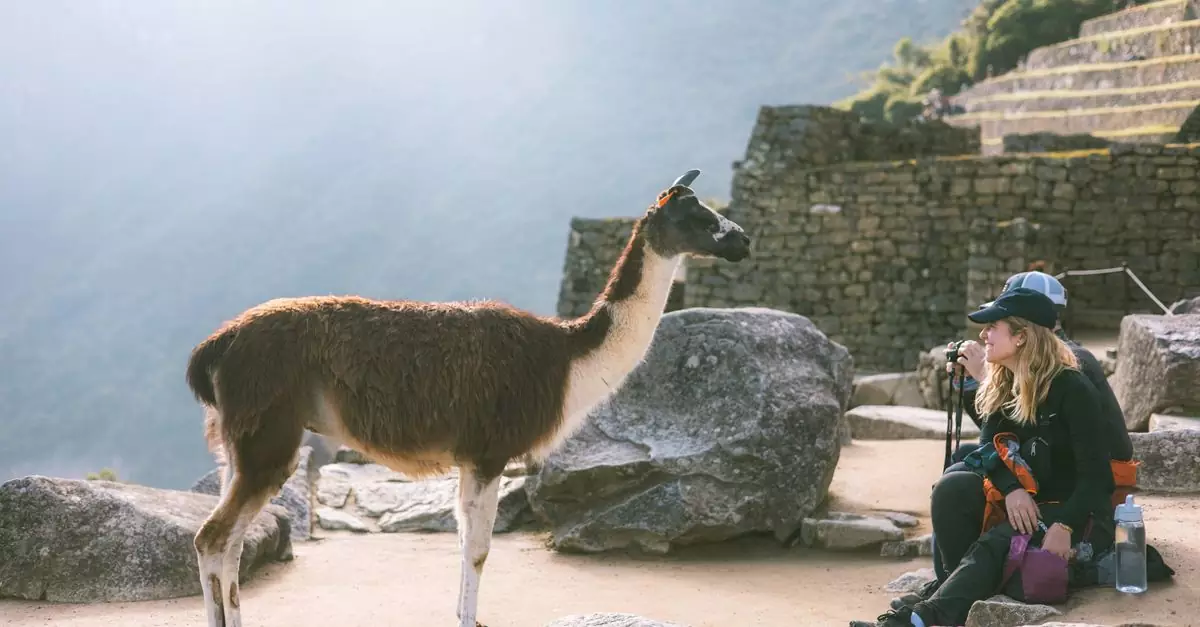
The Amazon basin, an expanse of unparalleled biodiversity, provides some of the most thrilling wildlife bucket list trips for adventurers. This legendary rainforest spans nine countries in South America, with its most accessible and well-developed tourism infrastructure found in Ecuador, Peru, and Brazil. Planning a trip here involves choosing a specific region and lodge, as experiences vary greatly due to the Amazon’s sheer size.
Spot Pink River Dolphins on the Napo River, Ecuador
Ecuador’s Amazon region, particularly around the Napo River, is ideal for encountering unique aquatic life. Yasuni National Park, a UNESCO Biosphere Reserve, is known for its incredible biodiversity. Here, boat excursions on the Napo River provide excellent opportunities to spot the elusive pink river dolphins, known locally as bufeos. These intelligent creatures are often seen playing in the river’s tributaries.
Beyond dolphins, the riverbanks teem with life. Look for capybaras, giant otters, and a dazzling array of bird species, including macaws and toucans. Many lodges in the area offer guided canoe trips, allowing for quiet and intimate wildlife observation. The best time to visit is during the drier months, from June to December, when lower water levels make wildlife more visible.
Jungle Trekking and Night Safaris in Manu National Park, Peru
Manu National Park in Peru is often cited as one of the most biodiverse places on Earth. This expansive protected area encompasses diverse ecosystems, from Andean cloud forests to lowland Amazonian jungle. Access typically occurs via Puerto Maldonado or Cusco, followed by a river journey.
Trekking through Manu’s dense jungle allows for close encounters with monkeys, peccaries, and a stunning variety of insects and amphibians. Experienced guides are essential for navigating the trails safely and spotting camouflaged animals. Night safaris are a highlight, revealing the rainforest’s nocturnal inhabitants, such as caimans, owls, and various mammals. The park’s remoteness contributes to its pristine condition, making it a truly wild experience.
Canopy Walks and Macaw Clay Licks in Tambopata, Peru
The Tambopata National Reserve, also accessed from Puerto Maldonado, offers a slightly more developed yet equally rewarding Amazonian adventure. This region is famous for its macaw clay licks, where colorful parrots and macaws gather to consume mineral-rich clay. Visiting a clay lick at dawn is an unforgettable spectacle of sound and color.
Tambopata also features extensive canopy walkways, allowing visitors to walk among the treetops and offering a unique perspective on the rainforest ecosystem. This is a chance to see arboreal wildlife like sloths, monkeys, and toucans up close. Many lodges in Tambopata include these canopy tours as part of their activity packages. The dry season (May to October) is generally preferred for easier travel and better wildlife viewing.
Choosing Your Amazon Lodge: From Basic to Luxury
Selecting the right Amazon lodge is crucial for your wildlife experience. Options range from rustic, eco-friendly camps to luxurious lodges with private bungalows and gourmet dining. Consider your budget, desired comfort level, and the types of wildlife activities you’re most interested in.
- Basic Eco-Lodges: Offer simple accommodations, often with shared bathrooms, focusing on guided excursions and immersion in nature. These are typically the most budget-friendly.
- Mid-Range Lodges: Provide more comfort with private rooms, en-suite bathrooms, and a wider range of activities.
- Luxury Lodges: Feature high-end amenities, gourmet food, personalized service, and often exclusive access to prime wildlife viewing areas.
When researching lodges, pay attention to their location within or near protected areas, sustainability practices, and the qualifications of their naturalist guides. Recent reviews can provide valuable insights into current wildlife sightings and overall guest satisfaction. Transportation to lodges usually involves a combination of road travel and boat transfers, often arranged by the lodge itself.
Pantanal Wetlands: The Ultimate Big Cat Safari Destination

The Pantanal, a vast tropical wetland in South America, offers some of the best wildlife viewing opportunities on the planet, particularly for those seeking to spot jaguars. Spanning parts of Brazil, Bolivia, and Paraguay, this immense ecosystem teems with life, making it a prime destination for unforgettable wildlife bucket list trips. Unlike the more crowded safaris in Africa, the Pantanal provides a more intimate and accessible experience with its incredible biodiversity.
Jaguar Spotting Safaris along the Transpantaneira Highway
The Transpantaneira Highway in Brazil’s Mato Grosso do Sul state is the gateway to prime jaguar territory. This unpaved road stretches over 140 kilometers, acting as a raised dike through the flooded plains and offering unparalleled access to wildlife. Jaguar sightings are exceptionally high here, especially during the dry season when the animals congregate near water sources. Boat safaris and guided drives along the highway provide excellent vantage points. Keep your eyes peeled for these magnificent big cats lounging on riverbanks or swimming across channels. Beyond jaguars, you’ll encounter capybaras, caimans, giant otters, and a dazzling array of birdlife.
Birdwatching Extravaganza: Hyacinth Macaws and Toco Toucans
While jaguars attract many visitors, the Pantanal is a birdwatcher’s paradise, hosting over 650 species. The endangered hyacinth macaw, the largest parrot species, is commonly seen, their brilliant blue plumage contrasting strikingly against the green foliage. The iconic Toco toucan, with its enormous, colorful bill, is also easily spotted, along with numerous kingfishers, herons, and jabiru storks. Early mornings and late afternoons are the best times for birdwatching, as many species are most active during these cooler hours.
Capybara and Caiman Encounters in the Southern Pantanal
The southern Pantanal, particularly around the Porto Jofre region, is renowned for its dense populations of capybaras and caimans. These large rodents and reptiles are ubiquitous, often seen basking in the sun or wading in the water. Boat tours offer close-up views of caimans, some reaching impressive sizes, and allow you to observe the social dynamics of capybara families. The sheer abundance of these animals creates a constant sense of wildlife immersion.
Best Season for Jaguar Sightings in the Pantanal
The optimal time for jaguar spotting in the Pantanal is during the dry season, typically from June to October. During these months, water levels recede, concentrating wildlife, including jaguars, along remaining riverbanks and waterholes, making them easier to find and observe from boats or vehicles. The wet season (November to May) brings heavy rains that flood large areas and disperse wildlife, making sightings more challenging. However, the wet season offers lush scenery and is excellent for birdwatching. Planning your trip within the dry season significantly increases your chances of ticking jaguars off your wildlife bucket list.
| Season | Months | Jaguar Sightings | Birdwatching | Accessibility |
|---|---|---|---|---|
| Dry Season | June – October | High | Moderate | Good |
| Wet Season | November – May | Low | High | Challenging |
Patagonia: Where Glaciers Meet Guanacos and Condors

Patagonia, a vast and wild region spanning the southern reaches of South America, offers some of the most dramatic landscapes and compelling wildlife encounters for nature enthusiasts. This land features towering granite peaks, immense glaciers, windswept steppes, and a coastline teeming with marine life. Planning a trip here requires attention to detail, especially regarding weather and logistics, but the rewards are unparalleled for those seeking unforgettable wildlife bucket list trips.
Trekking to see Southern Right Whales in Peninsula Valdes, Argentina
Peninsula Valdes, a UNESCO World Heritage site on Argentina’s Atlantic coast, is a prime destination for observing Southern Right Whales. These magnificent creatures migrate to the sheltered bays of the peninsula to breed and calve from June to December, with peak activity typically occurring between August and October. Boat tours depart from Puerto Pirámides, offering close-up views of mothers and their calves. Beyond the whales, the peninsula is home to elephant seals, sea lions, and Magellanic penguins, creating a diverse wildlife hotspot.
Getting to Peninsula Valdes usually involves flying into Trelew or Puerto Madryn. From there, renting a car or arranging transport is recommended for exploring the vast distances between wildlife viewing areas. Accommodation options range from rustic estancias to comfortable hotels in Puerto Pirámides and Puerto Madryn.
Pumas and Condors in Torres del Paine National Park, Chile
Torres del Paine National Park in Chilean Patagonia is renowned for its stunning mountain scenery and resident puma population. Spotting pumas requires patience, often best achieved through guided tours, yet the chances are higher here than in most other locations. Early morning and late evening are optimal for sightings, often near the park’s open grasslands. The park also boasts a healthy population of Andean condors, the largest flying birds in the world, whose impressive wingspans are a common sight soaring above the peaks.
Travelers can access Torres del Paine via Puerto Natales, a gateway town with numerous tour operators and accommodation options. The park itself offers a range of lodging, from luxury hotels to basic refugios and campsites, which often book up months in advance, especially during the peak season from November to March. Hiking is the primary activity, with trails ranging from day hikes to multi-day treks like the famous “W” circuit.
Penguin Colonies on Magdalena Island, Punta Arenas
Magdalena Island, located in the Strait of Magellan near Punta Arenas, Chile, hosts one of the largest Magellanic penguin colonies in South America. From October to March, over 100,000 penguins inhabit the island, creating a remarkable spectacle. Boat trips to the island allow visitors to walk among the penguins on designated paths, observing their nesting behaviors and interactions. The journey often offers sightings of other marine life, including dolphins and various seabirds.
Punta Arenas serves as the main departure point for these excursions. The season for visiting the penguin colony aligns with the austral summer, ensuring milder weather and active penguin populations. It’s wise to book tours in advance, as they depend on sea conditions and can be canceled due to rough weather.
Packing Essentials for Patagonia’s Wild Weather
Patagonia’s weather is notoriously unpredictable, with sunshine, rain, and strong winds often occurring within the same day. Layering is key for comfort and preparedness.
| Item | Recommendation |
|---|---|
| Outerwear | Waterproof and windproof jacket and pants |
| Mid-layers | Fleece or down jacket |
| Base layers | Moisture-wicking thermal tops and bottoms |
| Footwear | Waterproof hiking boots, broken in beforehand |
| Accessories | Warm hat, gloves, scarf, sunglasses, sunscreen |
| Other | Reusable water bottle, backpack rain cover, camera |
Given the rugged terrain and potential for remote travel, sturdy, broken-in hiking boots are essential. Sun protection is also crucial, as the sun’s rays are intense at these latitudes, even on cloudy days.
Unique Wildlife Encounters Beyond the Usual Bucket List
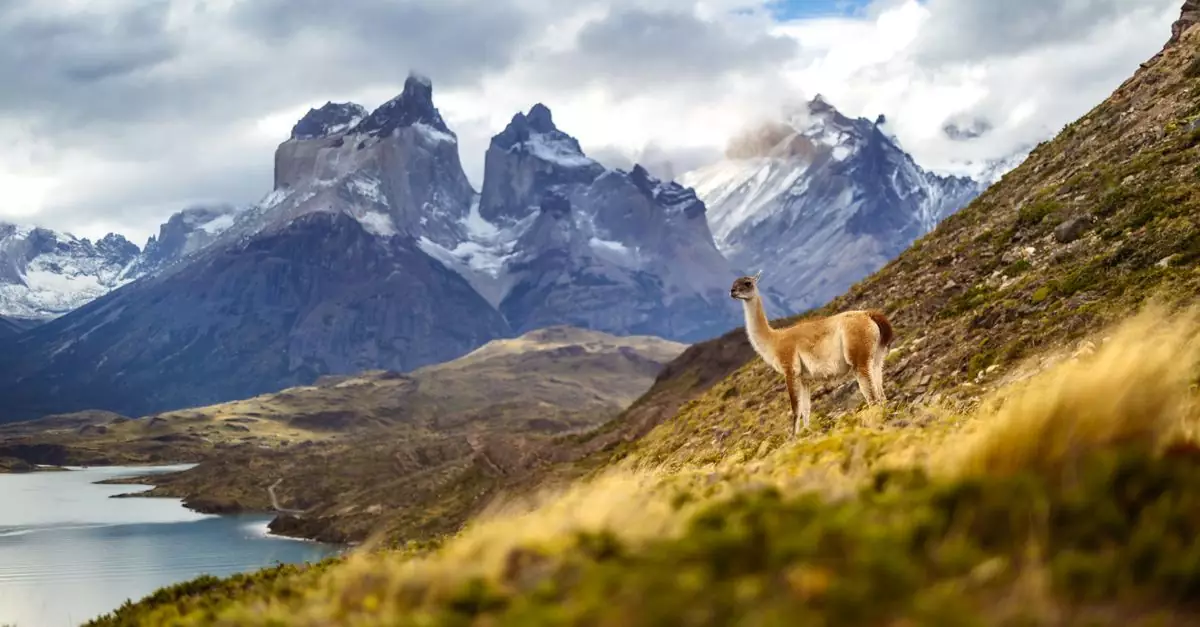
While many travelers dream of seeing jaguars in the Pantanal or penguins in Patagonia, South America offers a wealth of extraordinary wildlife experiences that often fly under the radar. These destinations provide intimate encounters with unique species in stunning, less-crowded environments. Planning a trip to see these animals requires attention to specific seasons and logistical considerations, but the rewards are truly unforgettable.
Spectacled Bears in Peru’s Andean Cloud Forests
Peru’s cloud forests, particularly in regions like Manu National Park or the Sacred Valley, are among the few places on Earth where you can spot the elusive spectacled bear (also known as the Andean bear). These gentle giants are largely herbivorous and incredibly shy. Trekking through the dense, misty forests with a knowledgeable local guide offers the best chance of a sighting.
The prime viewing season typically aligns with the dry months, from May to October, when bears descend to lower altitudes to forage for fruits and berries. Early mornings and late afternoons are the most active times. Accommodation options range from rustic jungle lodges to more comfortable eco-resorts near park entrances.
Flamingo Spectacles in the Bolivian Salt Flats
Salar de Uyuni, the world’s largest salt flat, is not only a surreal landscape but also a vital breeding ground for several species of flamingos. During the wet season, from roughly December to April, shallow lakes form on the salt crust, attracting large flocks of James’s flamingos, Andean flamingos, and Chilean flamingos. The stark white of the salt flats provides a dramatic backdrop for their vibrant pink plumage.
Visiting the Eduardo Avaroa Andean Fauna National Reserve, which surrounds the salt flats, is essential for flamingo viewing. Tours typically depart from Uyuni and often include multi-day excursions across the altiplano. Travelers should be prepared for high altitudes and significant temperature fluctuations, even within a single day.
Howler Monkeys and Sloths in Brazil’s Atlantic Forest
Brazil’s Atlantic Forest (Mata Atlântica) is a biodiversity hotspot with a high number of endemic species, including several types of monkeys and the iconic two-toed and three-toed sloths. While national parks like Serra do Mar or Ilha Grande offer opportunities for sightings, many travelers overlook this rich ecosystem in favor of the Amazon.
The best time to visit is during the drier months, generally from April to September, when wildlife is more active and visible. Guided walks are essential, as the dense forest can make spotting animals challenging. Many coastal towns offer boat tours and trail access, providing diverse ways to experience the forest’s inhabitants.
Hidden Gem: The Dry Forest Wildlife of Northwest Argentina
Northwest Argentina, particularly regions like the Calchaquí Valleys and the Yungas, boasts a unique dry forest ecosystem that harbors fascinating wildlife. While not as globally renowned as other South American habitats, it’s an excellent destination for spotting species like vicuñas, guanacos, and various condors and raptors. The arid landscapes and dramatic canyons offer a distinct wildlife viewing experience.
The dry season, from May to October, is ideal for exploring these regions. Travelers can combine wildlife spotting with visits to indigenous ruins and traditional villages. Self-driving can be a good option for flexibility, but guided tours are recommended for accessing more remote areas and understanding the local ecology. This part of South America provides a less-touristed approach to discovering its natural wonders.
Planning Your South American Wildlife Bucket List Trip: FAQs
What is the best time of year for wildlife viewing across South America?
The optimal timing for your wildlife bucket list trip depends heavily on the specific region you plan to visit. Generally, the dry season, typically from May to October, offers the best conditions for spotting animals in many areas. Wildlife congregates around dwindling water sources, making them easier to find. However, some destinations, like the Amazon rainforest, are best visited during the wet season (November to April) when water levels rise, allowing boat access to deeper jungle areas and revealing unique aquatic species.
Consider these seasonal highlights:
| Region | Best Viewing Season | Key Wildlife Sightings |
|---|---|---|
| Amazon Basin | Nov – Apr (Wet) | Pink river dolphins, jaguars, anacondas, diverse birds |
| Pantanal | May – Oct (Dry) | Jaguars, capybaras, caimans, hyacinth macaws |
| Galapagos | Year-round (variable) | Giant tortoises, marine iguanas, blue-footed boobies |
| Patagonia | Sep – Mar (Spring/Summer) | Whales, penguins, guanacos, pumas |
How do I get around to these remote wildlife destinations?
Reaching South America’s prime wildlife locations often involves multiple modes of transport. International flights will typically land you in major hubs like Lima, Santiago, or Buenos Aires. From there, domestic flights are often necessary to reach gateway cities closer to national parks or reserves. For instance, flying into Iquitos or Manaus is common for Amazon expeditions, while flights to Cuiabá serve as a gateway to the Pantanal.
Once near your destination, transportation varies:
- Boats: Essential for navigating the Amazon and Pantanal waterways. River cruises or smaller motorboats are frequently used.
- 4×4 Vehicles: Crucial for accessing remote areas in the Pantanal and parts of Patagonia, especially on unpaved roads.
- Walking/Hiking: Guided treks are common within national parks for closer wildlife encounters.
- Specialized Aircraft: In some very remote regions, small bush planes may be the only way in or out.
Planning your itinerary well in advance is key, as connections can be infrequent.
What are the typical costs for a wildlife safari in South America?
The cost of a wildlife bucket list trip in South America can vary significantly, from budget-friendly independent travel to luxury all-inclusive safaris. Generally, a week-long trip can range from $1,500 to $6,000+ per person, excluding international flights.
Factors influencing cost include:
- Accommodation: Eco-lodges and remote lodges are typically more expensive than hotels in gateway cities.
- Tour Type: Private guided tours are pricier than small group excursions.
- Duration: Longer trips naturally increase overall expenses.
- Inclusions: All-inclusive packages covering meals, activities, and transfers offer convenience but come at a premium.
- Destination: Some areas, like the Galapagos Islands, are inherently more expensive due to conservation fees and logistical challenges.
It’s advisable to budget for park entrance fees, guide services, and local transportation.
Is it safe to travel to these wildlife areas?
Safety is a valid concern when planning adventures in remote natural environments. For the most part, popular wildlife destinations across South America are well-accustomed to international visitors, and safety records are generally good. However, it’s crucial to take standard precautions and stay informed.
- Wildlife Encounters: Always follow your guide’s instructions. Maintain a safe distance from all animals and never attempt to feed them.
- Health: Consult your doctor about necessary vaccinations (e.g., Yellow Fever for the Amazon) and malaria precautions. Pack a comprehensive first-aid kit.
- Local Conditions: Be aware of your surroundings, especially in less developed areas. It’s recommended to travel with reputable tour operators who understand local logistics and safety protocols.
- Insects: Mosquitoes and other biting insects are common. Use insect repellent and wear protective clothing.
By choosing experienced operators and preparing adequately, your wildlife viewing experiences can be both thrilling and secure.