Zimbabwe offers an exceptional safari experience, showcasing breathtaking landscapes and abundant wildlife that beckon adventurous spirits. When exploring the best wildlife destinations Zimbabwe has to offer, several iconic national parks stand out, promising unforgettable encounters with Africa’s magnificent creatures. This guide highlights these premier locations, detailing what makes each unique. You’ll discover distinct safari experiences, from intimate walking safaris along the Zambezi to tracking rhinos through ancient granite hills. We’ll cover the wildlife you can expect to see, the best times to visit each park, and how to plan your journey for maximum immersion in this captivating country. Prepare to explore the heart of Africa’s untamed beauty.
Discover Zimbabwe’s Premier Wildlife Hotspots
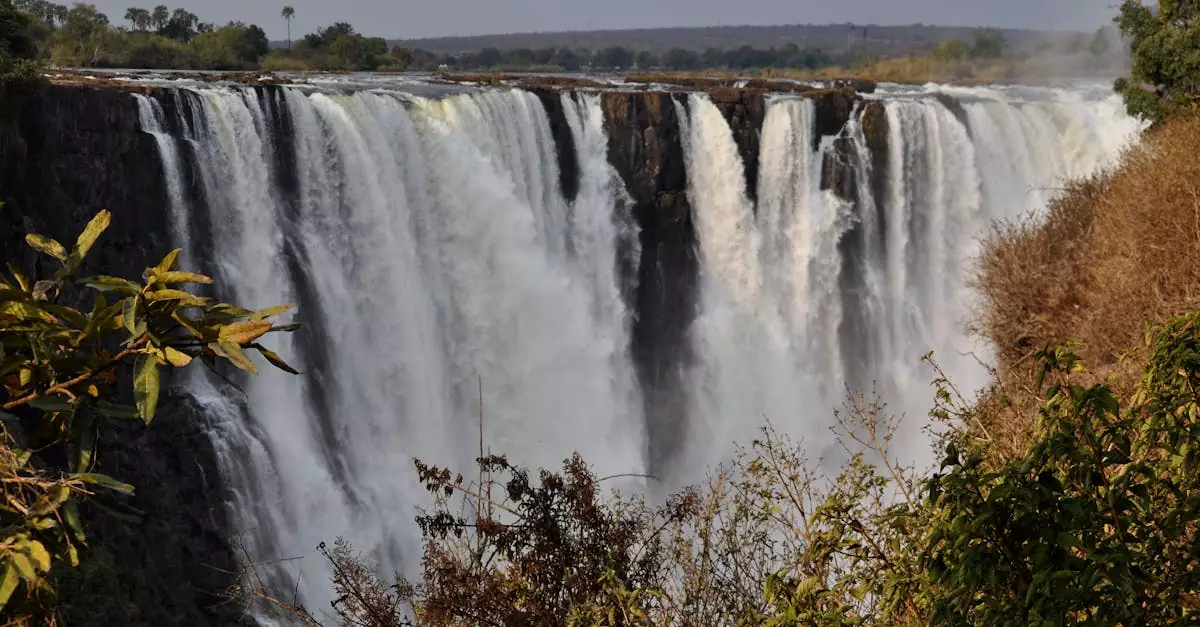
Zimbabwe is home to some of Africa’s most rewarding safari experiences, boasting diverse landscapes and rich wildlife. When planning a trip centered around observing animals in their natural habitat, certain national parks stand out for their exceptional offerings. These destinations are renowned for their high concentrations of game, unique safari activities, and the raw beauty of their environments. Understanding what each park offers can help you tailor your itinerary to your interests, whether you’re eager to track rhinos on foot or observe massive elephant herds.
Mana Pools National Park: Walking Safaris and Riverine Beauty
Mana Pools National Park, a UNESCO World Heritage Site along the Zambezi River, is celebrated for its intimate safari experiences. It’s one of the few places in Africa where walking safaris take center stage, allowing visitors to connect deeply with the wilderness. Guides lead small groups on foot, offering perspectives on the bush that are impossible to gain from a vehicle. You can learn about tracking, identify smaller flora and fauna, and truly feel the pulse of the wild.
The park’s floodplains, dotted with acacia and mahogany trees, attract a vast array of animals, especially during the dry season when they gather around remaining water sources. Expect to see large herds of elephants, buffalo, zebra, and various antelope species. Predators like lions, wild dogs, and cheetahs also roam the park, and the chance to witness a hunt from a safe distance is a thrilling prospect. Birdlife is prolific, making it a paradise for ornithologists.
Logistics and Timing: The best time to visit Mana Pools is during the dry season, from May to October, when animals congregate. Access can be challenging; self-drive is possible for those with suitable vehicles and experience, but many opt for fly-in safaris or guided transfers. Accommodations range from basic campsites to comfortable lodges, so booking well in advance is crucial. The park’s remote nature contributes to its unspoiled atmosphere.
Hwange National Park: Elephant Herds and Diverse Ecosystems
As Zimbabwe’s largest national park, Hwange is a cornerstone of wildlife viewing in the country. Its sheer size and varied terrain, from acacia woodlands to vast open grasslands and desert-like sand pans, support an incredible diversity of species. Hwange is particularly famous for its enormous elephant population, with herds often numbering in the hundreds, especially around the park’s pumped waterholes during the dry season.
Beyond elephants, Hwange hosts a significant number of predators, including lions, leopards, and cheetahs, as well as African wild dogs. You’ll also encounter large numbers of buffalo, sable antelope, gemsbok, and other plains game. The park provides a classic safari experience with game drives, and some camps offer guided walks and night drives for a comprehensive view of the ecosystem. The likelihood of spotting the “big five” (lion, leopard, elephant, buffalo, and rhino) is high here.
Getting There and Staying: Hwange is relatively accessible, located about a two-hour drive from Victoria Falls, making it a popular addition to itineraries that include the falls. A range of accommodation options exists, from self-catering chalets and campsites within the park to luxurious lodges and tented camps located both inside and on private concessions bordering the park. Game viewing can be excellent year-round, but the dry season (June to October) offers the most concentrated animal sightings at waterholes.
Matobo National Park: Rhino Tracking and Granite Landscapes
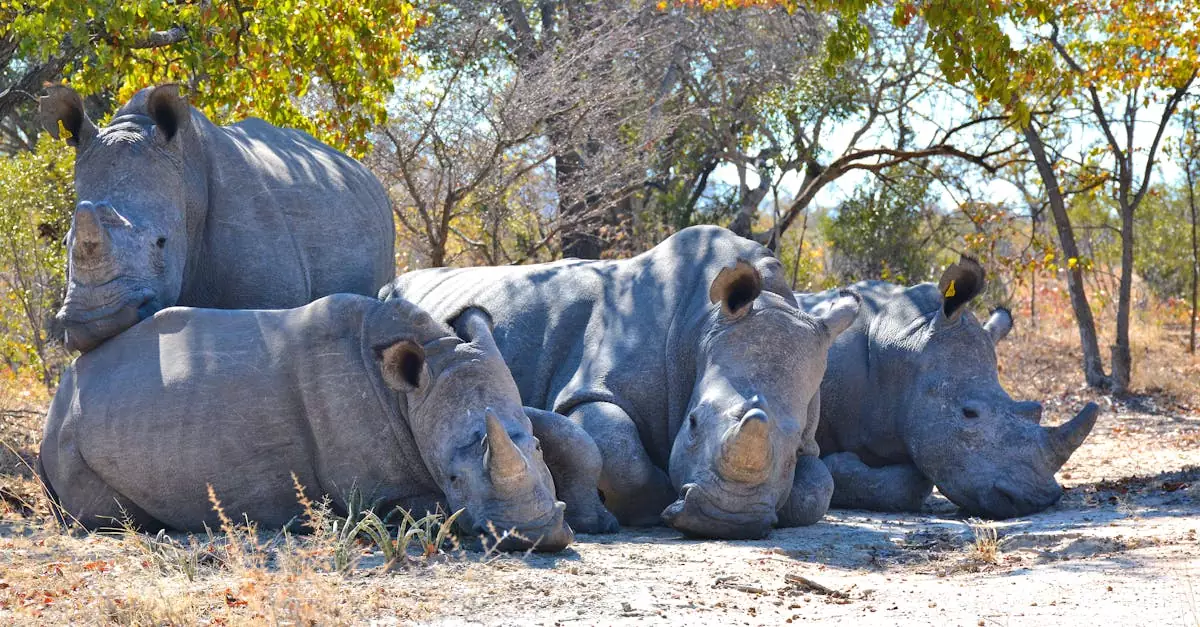
Matobo National Park blends exceptional wildlife viewing with dramatic geological formations. The park is renowned for its ancient granite kopjes (rocky outcrops) and balancing rocks, creating a stunning landscape. This UNESCO World Heritage site is also a crucial sanctuary for both black and white rhinos. Matobo is one of the best places in Africa for rhino tracking on foot, guided by experienced rangers.
The thrill of tracking rhinos through rugged hills and valleys, often spotting them within meters, is deeply rewarding. Beyond rhinos, the park is home to a healthy population of leopards, which are frequently seen resting on the kopjes, along with other plains game like zebras and wildebeest. The birdlife is notable too, featuring a high concentration of raptors, including the world’s largest population of black eagles.
Traveler Considerations: Matobo is easily accessible from Bulawayo, Zimbabwe’s second-largest city, making it a convenient destination. The park offers a mix of accommodation, including lodges within the park and private game lodges on its periphery. The dry season provides better visibility for tracking, but the landscape is beautiful year-round. The combination of rhino tracking, cultural heritage sites within the park (like Cecil Rhodes’ grave), and striking scenery makes Matobo a distinct and memorable destination.
Planning Your Zimbabwe Wildlife Adventure: Key Considerations
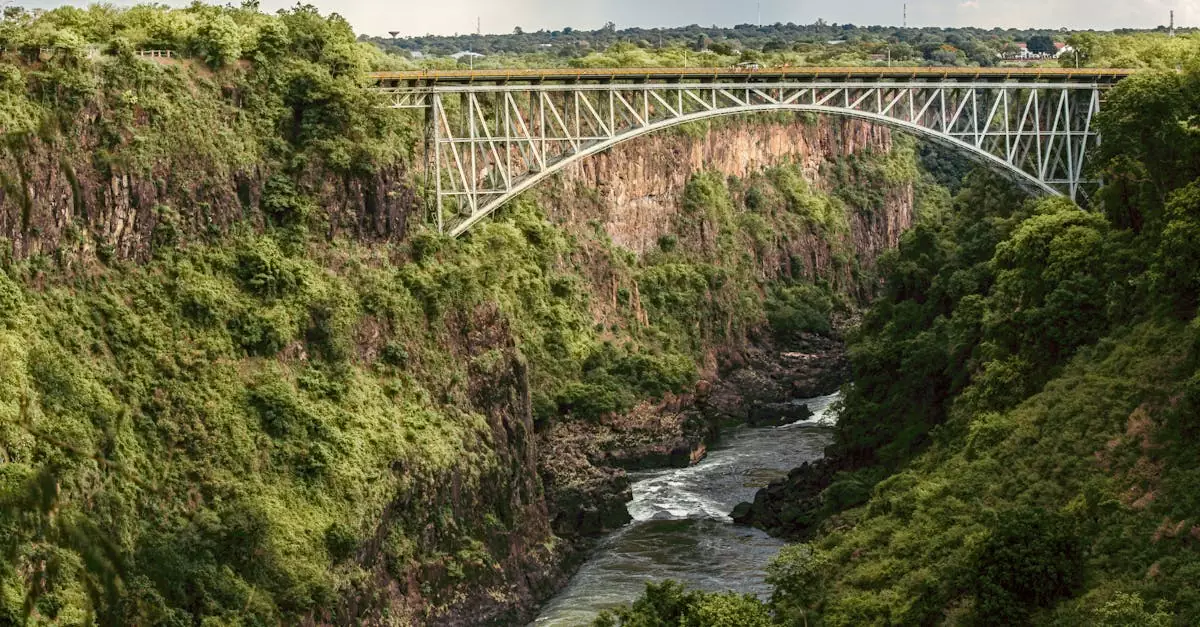
Embarking on a safari in Zimbabwe promises unparalleled wildlife encounters, but proper planning is essential for a seamless experience. Understanding the nuances of timing, transportation, and budgeting will significantly enhance your trip. This section provides practical insights to help you organize your adventure to some of Zimbabwe’s best wildlife destinations.
When is the Best Time for Wildlife Viewing in Zimbabwe?
The optimal time for wildlife viewing in Zimbabwe generally aligns with the dry season, which runs from May to October. During these months, vegetation thins out, and water sources become scarce, forcing animals to congregate around rivers and waterholes, making them easier to spot.
- May – July (Early Dry Season): Temperatures cool, and the landscape begins to dry. Wildlife viewing is good, and early rains haven’t completely depleted water sources. This is a comfortable time to travel, with fewer crowds than peak season.
- August – October (Peak Dry Season): This is prime time for safaris. Water scarcity leads to excellent concentrations of animals at remaining water sources, often resulting in dramatic wildlife sightings. However, it can be hotter, especially in October, and is the busiest tourist season.
- November – April (Green Season/Rainy Season): This period brings lush vegetation and migratory birds, making it ideal for birdwatchers. However, game viewing can be more challenging as animals disperse and the bush thickens. Roads may also become difficult to navigate, especially in remote areas. While less ideal for spotting large mammals, the landscape is beautiful, and prices are often lower.
Navigating Zimbabwe: Flights, Road Travel, and Park Entry
Getting to and around Zimbabwe involves several logistical steps. Most international travelers arrive at Robert Gabriel Mugabe International Airport (HRE) near Harare or Victoria Falls International Airport (VFA). From these hubs, you have several options for reaching your safari destinations.
Internal flights are a convenient, though more expensive, way to cover long distances quickly. Companies like Wilderness Air offer scheduled and charter flights directly to many remote lodges and airstrips within national parks, making it easier to access areas like Hwange or Mana Pools without lengthy drives.
Road travel is common and provides a more immersive experience of the country. Renting a 4×4 vehicle is highly recommended for navigating park roads, especially during the green season. Alternatively, many lodges arrange transfers or have their own safari vehicles. Driving between major towns like Harare and Victoria Falls is feasible, but distances can be significant. Ensure your vehicle is in good condition and carry sufficient fuel and water.
Park entry fees vary depending on the park and your nationality. Fees are typically charged per person per day and for vehicles. It’s advisable to check the latest fee structures with the Zimbabwe Parks and Wildlife Management Authority or your lodge in advance.
Here’s a general overview of common transportation methods:
| Transport Method | Pros | Cons | Best For |
| :——————– | :——————————————— | :————————————————– | :————————————————- |
| International Flights | Direct access to major hubs (Harare, Vic Falls) | Can be costly, requires connecting flights | International travelers |
| Internal Flights | Saves time, access to remote areas | Expensive, limited schedules | Travelers with limited time, remote lodge access |
| 4×4 Vehicle Rental| Flexibility, self-drive safaris, bush access | Requires good driving skills, potential road issues | Independent travelers, exploring national parks |
| Lodge Transfers | Hassle-free, comfortable, expert guides | Less flexibility, tied to lodge schedule | Travelers seeking convenience and guided experiences |
Budgeting for Your Zimbabwean Safari: Costs and Tips
The cost of a safari in Zimbabwe varies widely based on accommodation choices, the duration of your stay, and selected activities. Options range from luxury tented camps to budget-friendly lodges and self-catering facilities.
Luxury lodges often include all meals, drinks, and guided safari activities (game drives, walking safaris) in their rates, typically ranging from $500 to over $1,500 per person per night. Mid-range options may offer a simpler experience, with rates typically between $250 and $500 per person per night, sometimes on a full-board basis. For budget-conscious travelers, self-catering chalets or camping within national parks can cost between $50-$150 per night, but this requires self-sufficiency for food and transport.
Beyond accommodation and activities, factor in:
- Park Entry Fees: Charged daily and can add up, especially for longer stays in multiple parks.
- Transportation: Internal flights, fuel for self-drive, or transfer costs.
- Visas: Check requirements for your nationality.
- Tips: For guides, trackers, and lodge staff.
- Souvenirs and Personal Expenses.
To manage costs, consider traveling during shoulder seasons (May, November) when prices may be lower. Traveling in a group can also help share costs for vehicle rentals and some activities. Booking through a reputable tour operator can sometimes secure better rates and package deals. Always carry some United States Dollars in cash for smaller purchases and tips.
Crafting Your Ultimate Zimbabwe Safari Itinerary
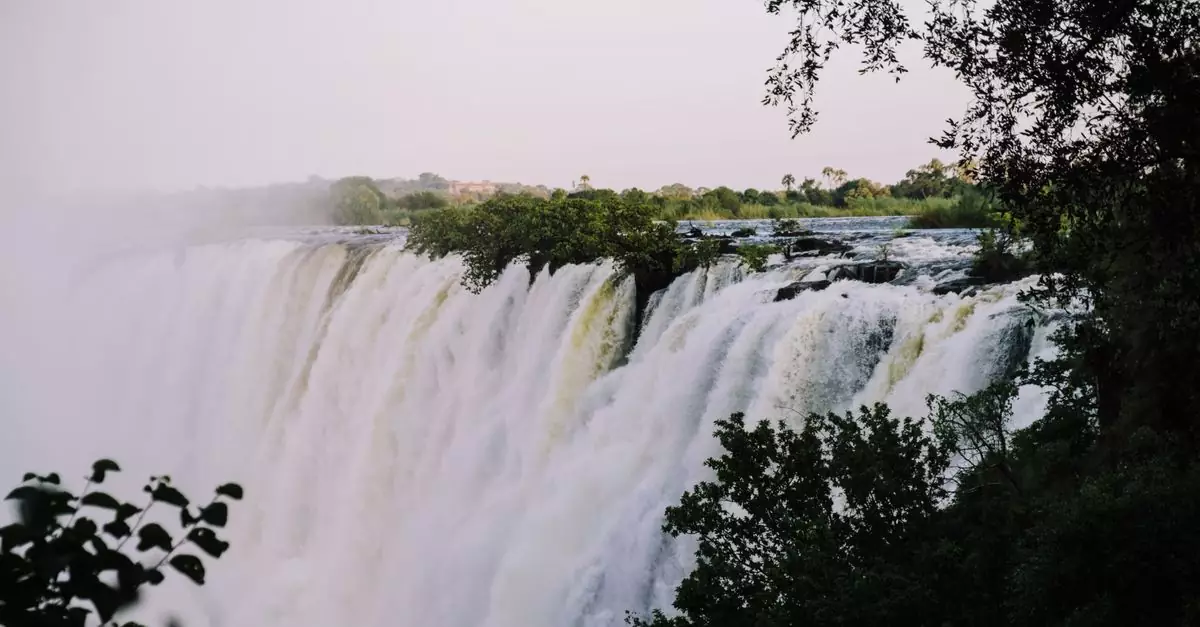
Planning a trip to Zimbabwe presents an opportunity for exceptional wildlife encounters. Whether you have a week or longer, structuring your itinerary around its premier national parks and unique attractions will maximize your experience. Consider what you most want to see and do, from tracking the Big Five to marveling at ancient ruins or experiencing the thunderous spray of Victoria Falls.
A 7-Day Zimbabwe Wildlife Itinerary: Parks and Activities
A week allows for focused exploration of Zimbabwe’s renowned wildlife areas. A classic route often begins in Hwange National Park, famous for its vast elephant herds and diverse plains game. Spend 3-4 nights here, engaging in game drives and guided walks to spot lions, wild dogs, and numerous antelope species. The park’s waterholes are particularly active, offering excellent viewing opportunities, especially during the dry season (May to October).
From Hwange, transition to Mana Pools National Park for the remaining 3-4 nights. This UNESCO World Heritage site offers a more intimate safari experience, where visitors can often walk unguided (with a guide) in certain areas, getting close to wildlife like elephants, hippos, and crocodiles along the Zambezi River. Canoeing safaris on the Zambezi provide a unique way to observe wildlife from a different perspective.
Sample 7-Day Itinerary:
| Day | Location | Activities | Accommodation Type |
|—–|——————-|————————————————–|——————–|
| 1-3 | Hwange National Park | Game drives, walking safaris, birdwatching | Safari Lodge/Camp |
| 4 | Travel Day | Transfer to Mana Pools | Lodge/Camp |
| 5-7 | Mana Pools NP | Walking safaris, canoeing, game drives, fishing | Safari Lodge/Camp |
Travel between these parks may involve light aircraft flights for speed and convenience, or road transfers that provide a more scenic, albeit longer, journey. Booking accommodation in advance is crucial, especially for popular lodges during peak season.
Combining Victoria Falls with a National Park Excursion
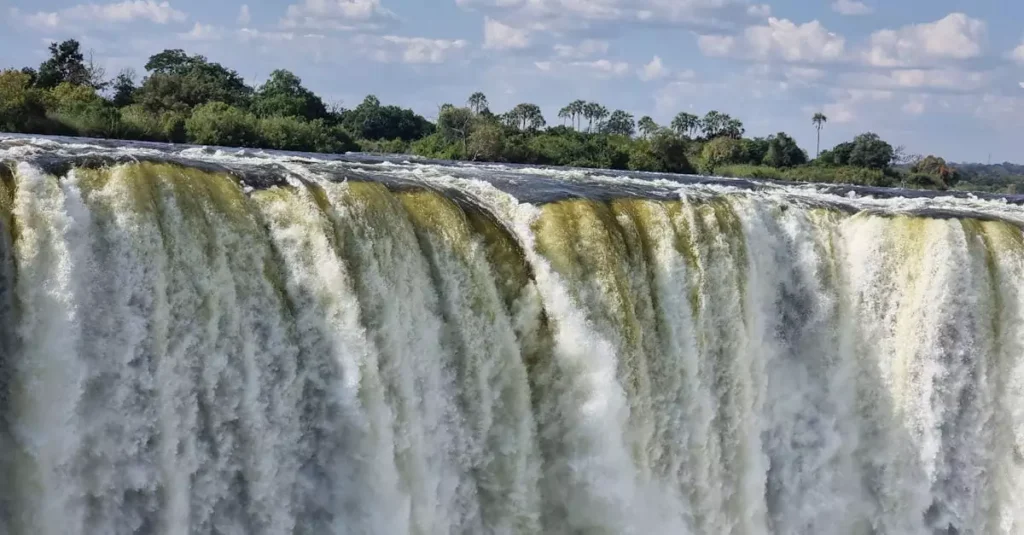
Many travelers choose to pair the awe-inspiring spectacle of Victoria Falls with a safari experience. A common approach is to spend 2-3 nights at Victoria Falls, exploring the falls themselves, taking a sunset cruise on the Zambezi River, and possibly engaging in adventure activities like bungee jumping or white-water rafting.
Following your time at the falls, a short transfer or flight can take you to a nearby national park. Hwange National Park is the most accessible option, located about a 2-3 hour drive from Victoria Falls. This creates a well-rounded itinerary that includes both natural wonders and abundant wildlife viewing without excessive travel time. Alternatively, some may choose to fly into Victoria Falls and then take a connecting flight to a more remote park like Mana Pools for a different safari atmosphere.
This combination offers a fantastic overview of Zimbabwe’s diverse attractions. Be sure to factor in travel time between locations when planning your days. The African Tourism Board can provide further insights into regional travel planning.
Focusing on Birdwatching Hotspots in Zimbabwe
Zimbabwe is a paradise for birdwatchers, boasting over 600 recorded species. While most national parks offer excellent birding opportunities, certain areas are particularly renowned. Mana Pools National Park is a highlight, especially during the wetter months (November to April) when migratory birds are present and the landscape is lush. The Zambezi River and its associated floodplains attract a wide array of waterbirds, raptors, and endemic species.
Another significant area for ornithological enthusiasts is the Eastern Highlands, particularly around Nyanga National Park and Chimanimani National Park. These mountainous regions offer unique montane habitats, supporting species like the Cape Eagle-Owl, Gurney’s Sugarbird, and various sunbirds and weavers. The cooler climate and different vegetation provide a contrast to the bushveld environments found elsewhere.
For dedicated birders, consider incorporating specialized birding tours or hiring local guides who possess intimate knowledge of the best viewing spots and seasonal movements of different species. Timing your visit to coincide with breeding seasons can also enhance your chances of seeing spectacular plumage and active nesting behaviors.
Beyond the Big Five: Unique Wildlife Encounters in Zimbabwe
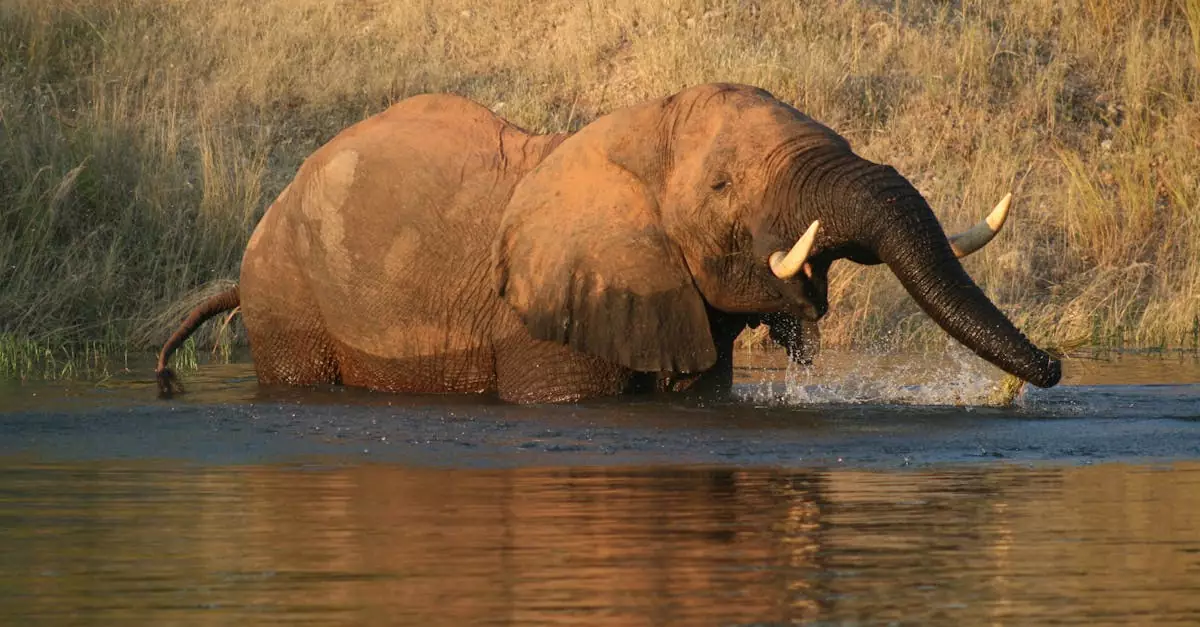
While the iconic Big Five (lion, leopard, elephant, rhino, and buffalo) draw many visitors to Zimbabwe, the country’s wild spaces offer a wealth of other remarkable animal sightings. Venturing beyond the most famous species reveals a richer tapestry of African fauna, providing deeper insights into conservation efforts and the intricate ecosystems of this southern African nation.
Spotting Wild Dogs and Cheetahs in Gonarezhou National Park
Gonarezhou National Park, often overshadowed by Hwange, presents a compelling case for being among the best wildlife destinations Zimbabwe has to offer, particularly for those seeking elusive predators. Its rugged terrain and vast wilderness are prime habitats for African wild dogs, whose complex social structures and efficient hunting strategies are a marvel to observe. Cheetahs, adapted for speed across open plains, also frequent the park’s more accessible areas.
Visiting Gonarezhou requires careful planning. The park is remote, and self-drive safaris necessitate robust 4×4 vehicles and experienced drivers. Accommodations range from basic campsites to more comfortable lodges, often requiring advance booking. The best time to visit for game viewing is during the dry season, from May to October, when water sources become scarce, concentrating wildlife. Early mornings and late afternoons offer the highest chances of spotting active predators.
Experiencing the Painted Dog Conservation Project
Zimbabwe plays a crucial role in the survival of the African painted dog, an endangered species facing numerous threats. The Painted Dog Conservation (PDC) project, primarily based near Hwange National Park, offers visitors a unique opportunity to learn about and contribute to these vital conservation efforts. Witnessing these highly social animals in their natural environment, understanding the challenges they face, and seeing the dedication of conservationists provides a profound safari experience.
The PDC center offers guided tours that explain their research, anti-poaching patrols, and rehabilitation programs. While not a guaranteed sighting location, visiting the center increases your awareness and appreciation for these magnificent creatures. Many safari operators in the Hwange region partner with or support the PDC, and can arrange visits or incorporate painted dog viewing into your itinerary. This engagement offers a different perspective than a typical game drive, focusing on the human element of wildlife protection.
Exploring Zimbabwe’s Lesser-Known Wildlife Sanctuaries
Beyond the major national parks, Zimbabwe boasts several smaller sanctuaries and conservancies that provide excellent wildlife viewing opportunities with fewer crowds. Mana Pools National Park, a UNESCO World Heritage Site, is renowned for its walking safaris, allowing for intimate encounters with wildlife like elephants, hippos, and a variety of birdlife. The Zambezi River forms a stunning backdrop, and the park’s floodplains attract large herds.
For those interested in specific species, Matobo National Park offers a chance to track rhinos on foot, a thrilling and rewarding experience guided by experienced rangers. The park’s unique granite kopjes also provide habitat for leopards and a rich diversity of bird species, including the world’s largest concentration of black eagles. These less-visited areas often create a more authentic and personal connection with Zimbabwe’s wild heritage.
| Destination | Key Wildlife Highlights | Best Time to Visit (Dry Season) | Accommodation Options | Accessibility |
| :——————————- | :—————————————————- | :—————————— | :—————————– | :——————————– |
| Gonarezhou National Park | Wild dogs, cheetahs, elephants, diverse birdlife | May – October | Campsites, lodges | Remote, 4×4 required |
| Hwange National Park (PDC area) | Painted dogs, elephants, lions, diverse plains game | May – October | Lodges, tented camps | Good road access, fly-in options |
| Mana Pools National Park | Elephants, hippos, crocodiles, diverse birdlife | May – October | Campsites, lodges | Accessible by 4×4, fly-in options |
| Matobo National Park | Rhinos, leopards, rock hyrax, diverse birdlife | May – October | Lodges, guesthouses | Good road access |
When planning your trip to see these best wildlife destinations Zimbabwe has to offer, consider that the dry season (May to October) is generally optimal for game viewing. However, the green season (November to April) brings lush landscapes and migratory birds, offering a different kind of beauty. For international travelers, flights typically arrive at Robert Gabriel Mugabe International Airport in Harare or Victoria Falls International Airport. From there, internal flights or road transfers are necessary to reach most safari locations. Engaging with local tourism bodies like the African Tourism Board can also provide valuable insights and connect you with reputable tour operators.
Where to Stay: Accommodation Options for Every Traveler
Zimbabwe offers a diverse range of accommodations, catering to various budgets and travel styles, from opulent lodges to rustic campsites. When planning your safari, consider how your lodging choice will enhance your overall wildlife viewing experience and comfort.
Luxury Safari Lodges in Hwange and Mana Pools
For an immersive and high-end safari experience, Zimbabwe’s luxury lodges in prime wildlife areas like Hwange National Park and Mana Pools National Park are unmatched. These lodges often provide exclusive access to prime game viewing areas, guided walks, and drives led by expert rangers. Expect gourmet dining, elegant suites with stunning views, and personalized service. Many luxury properties are situated on private concessions, offering a more intimate safari adventure away from the main park crowds.
Consider lodges that offer unique activities, such as night drives in Hwange, which can reveal nocturnal species like genets, civets, and owls. In Mana Pools, lodges often provide canoeing safaris on the Zambezi River, allowing for close encounters with hippos, crocodiles, and a variety of birdlife from a different perspective. Booking well in advance is crucial, especially during peak safari seasons from May to October.
Budget-Friendly Campsites and Guesthouses
Travelers on a tighter budget will find numerous affordable options across Zimbabwe. National Parks like Hwange, Mana Pools, and Matobo offer designated campsites where you can pitch your own tent or rent basic safari tents. These sites often have shared ablution facilities and sometimes braai (barbecue) areas. Staying at these campsites fosters a genuine connection with nature and the thrill of being close to wildlife, though it requires a more self-sufficient approach.
Beyond the national parks, many towns and cities have guesthouses and backpacker lodges, offering clean, comfortable rooms and a more local feel. These serve as excellent bases for day trips to nearby attractions or for organizing budget-conscious safari excursions. Some lodges even provide self-catering facilities, further reducing costs. When selecting budget accommodation, always check reviews for cleanliness and safety.
| Accommodation Type | Typical Price Range (USD per night) | Key Features | Best For |
| :—————– | :———————————- | :—————————————– | :—————————————— |
| Luxury Safari Lodge | $500 – $2000+ | All-inclusive, private guides, exclusive areas | Honeymooners, luxury travelers, photography |
| Mid-Range Lodge | $200 – $500 | Comfortable rooms, guided activities, good food | Families, couples, general safari-goers |
| Campsite (National Park) | $15 – $50 | Basic facilities, self-catering options | Budget travelers, adventurers, families |
| Guesthouse/Boutique Hotel | $50 – $150 | Comfortable rooms, local experience | Budget travelers, independent explorers |
Family-Friendly Resorts Near Major Wildlife Areas
Zimbabwe offers several resorts and lodges that cater well to families traveling with children. These properties often feature amenities like swimming pools, children’s play areas, and family rooms or interleading suites. Many also provide tailored activities for younger guests, such as nature walks, educational talks, or engaging games, making the safari experience enjoyable for all ages.
Resorts located on the outskirts of major parks or near attractions like Victoria Falls provide a convenient base, balancing wildlife viewing opportunities with the comforts and entertainment that families appreciate. When selecting a family-friendly option, inquire about specific child policies, available activities, and proximity to wildlife viewing points. Some lodges are specifically designed with safety in mind for younger visitors, ensuring peace of mind for parents.
Frequently Asked Questions About Zimbabwe’s Wildlife Destinations
Is Zimbabwe safe for tourists visiting wildlife parks?
Zimbabwe is generally safe for tourists, particularly in its well-established national parks and safari areas. These locations are accustomed to international visitors and have experienced guiding staff. As with any travel destination, it’s wise to stay informed about current conditions and follow advice from your lodge or tour operator. Common-sense precautions, such as not walking alone at night outside secure lodge areas and keeping valuables out of sight, are recommended. The country’s tourism infrastructure is geared towards providing a secure and enjoyable safari experience, making it a reliable choice for wildlife viewing.
What should I pack for a safari in Zimbabwe?
Packing for a safari in Zimbabwe requires versatile clothing suitable for changing temperatures and activities. Aim for neutral, muted colors like khaki, olive green, and beige, which help you blend in with the environment and avoid startling wildlife.
Key items to include:
- Clothing: Lightweight, breathable long-sleeved shirts and trousers for sun protection and insect deterrence, especially during early mornings and evenings. Comfortable shorts and t-shirts for warmer daytime hours. A warm fleece or jacket for cool mornings and evenings.
- Footwear: Comfortable walking shoes or hiking boots, plus sandals or flip-flops for relaxing at the lodge.
- Sun Protection: A wide-brimmed hat, sunglasses, and high SPF sunscreen are essential.
- Insect Repellent: A strong repellent containing DEET is highly recommended.
- Binoculars: Crucial for spotting distant wildlife.
- Camera: With extra batteries and memory cards.
- Personal First-Aid Kit: Including any personal medications.
- Adapter: For charging electronics.
Consider packing a small backpack for day trips and game drives to carry essentials like water, sunscreen, and your camera.
Can I self-drive to Zimbabwe’s national parks?
Self-driving to Zimbabwe’s national parks is possible, but requires careful planning and consideration. Roads can vary in condition, especially those leading to more remote areas. Major routes are generally paved, but gravel roads are common within parks and can be challenging, particularly after rain.
If you plan to self-drive:
- Vehicle: A sturdy 4×4 vehicle is highly recommended for navigating park roads and potential off-road conditions. Ensure your vehicle is in excellent mechanical condition.
- Navigation: GPS devices or reliable offline maps are indispensable. Familiarize yourself with park layouts before you go.
- Fuel: Carry extra fuel, as filling stations can be scarce between towns and inside some parks.
- Park Entry: Be prepared for park entry fees, typically paid in local currency or USD.
- Safety: While self-driving offers flexibility, be aware of wildlife on roads, especially at dawn and dusk. It’s often advisable to have a satellite phone or a way to communicate in emergencies, as mobile reception can be spotty.
Many visitors opt for guided tours or transfers arranged by their lodges, which removes the stress of navigation and vehicle maintenance, allowing them to focus entirely on wildlife viewing. For those seeking an adventure, self-driving can be a rewarding way to see the country.