Africa beckons with the promise of unparalleled wildlife encounters and breathtaking landscapes, solidifying its status as the ultimate safari continent. For those dreaming of witnessing the majestic Great Migration or spotting the elusive Big Five in their natural habitat, the allure of the African wilderness is undeniable. This continent offers a profound connection to nature that is increasingly rare in our modern world, providing a chance to immerse yourself in raw, untamed beauty.
This guide delves into the best safari destinations in Africa, highlighting seven exceptional locations that promise an unforgettable adventure. You’ll discover parks renowned for their dramatic wildlife spectacles, from vast plains teeming with predators to lush forests offering intimate primate encounters. We’ll explore what makes each destination unique, from iconic wildlife sightings to diverse ecosystems, helping you choose the perfect spot for your dream safari. Prepare to be captivated by the magic of Africa’s wild heart.
Why Choose Africa for Your Ultimate Safari Experience?
Africa remains the quintessential safari destination, synonymous with untamed wilderness and unparalleled wildlife viewing. For many, the dream of witnessing the Great Migration or spotting the Big Five begins with the allure of the African wilderness. This continent fosters a profound connection to nature that is increasingly rare today.
The Allure of the African Wilderness
The vastness of Africa’s national parks and private reserves offers a sense of raw, untouched beauty. Imagine the sun rising over a golden savannah, the distant roar of a lion, or the quiet grace of a giraffe browsing acacia trees. These moments define an African safari. The continent’s commitment to conservation ensures these wild spaces and their inhabitants are protected for future generations, making a trip here both responsible and rewarding.
Iconic Wildlife Encounters You Can’t Miss
An African safari is defined by its incredible wildlife. The “Big Five”—lion, leopard, elephant, rhino, and buffalo—are a primary draw for many visitors. However, the continent teems with a diversity of species that extends far beyond this iconic group. Witnessing a herd of zebras thundering across the plains, observing playful chimpanzees in dense forests, or marveling at the sheer scale of a migrating wildebeest herd are unforgettable spectacles. Each region offers unique viewing opportunities, from the dense jungles of Uganda to the sprawling plains of the Serengeti.
Diverse Landscapes: From Savannah to Rainforest
Africa’s landscapes are as varied as its wildlife. Journey from the sun-drenched savannahs of East Africa, dotted with acacia trees and large mammals, to the lush, misty rainforests of Central Africa, home to primates and a unique array of birdlife. Consider the dramatic escarpments of the Great Rift Valley, the vast deserts of the Kalahari, or the unique flora of the Cape Floral Kingdom. This geographical diversity allows for safaris tailored to different interests and adventure levels, offering a multifaceted experience of the natural world. For those planning a trip, understanding these varied ecosystems is key to choosing the best safari destinations in Africa.
Top 3 Best Safari Destinations in Africa for Big Cat Sightings
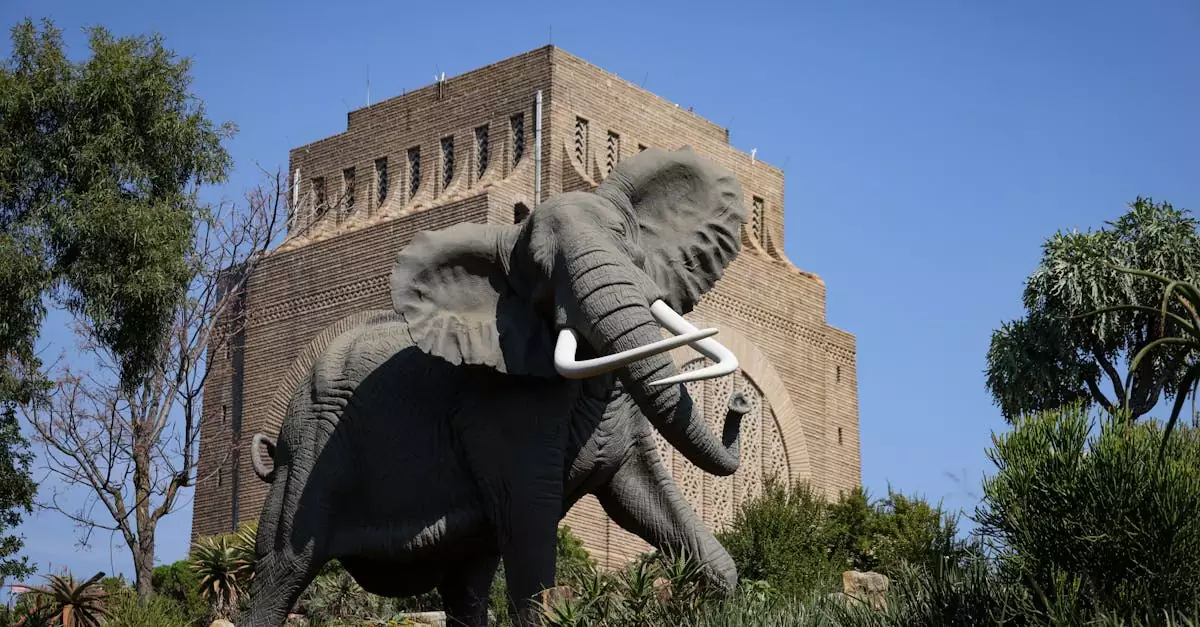
When planning an African safari focused on big cats, certain destinations consistently deliver exceptional opportunities. These locations are renowned for their thriving predator populations, increasing your chances of witnessing thrilling wildlife action.
Serengeti National Park, Tanzania: The Great Migration Spectacle
The Serengeti is arguably the most famous wildlife park globally, primarily due to the Great Migration, where over two million wildebeest, zebras, and gazelles traverse the plains. This immense movement of prey attracts a significant number of predators, making it a prime location for big cat sightings. Lions are abundant throughout the park, often seen lounging in prides near kopjes or actively hunting. Cheetahs are frequently spotted on the open grasslands, while leopards inhabit the acacia woodlands and riverine areas, offering a rewarding sighting for dedicated observers.
Timing your visit to coincide with the migration’s river crossings (typically July-October) provides the most dramatic predator-prey interactions. However, the Serengeti offers excellent big cat viewing year-round, with different areas being more productive depending on the season. The central Seronera region is particularly known for its resident big cats and leopard sightings.
Getting there: Most visitors fly into Kilimanjaro International Airport (JRO) and then take a domestic flight to one of the Serengeti’s airstrips. Road access is also possible but significantly longer.
Accommodation: Options range from luxury tented camps and lodges within the park to more budget-friendly guesthouses and campsites. Booking accommodations inside the park provides the most immersive experience.
Masai Mara National Reserve, Kenya: Predator Paradise
Adjacent to the Serengeti, the Masai Mara is a natural extension of the same ecosystem and shares many of its wildlife riches. This iconic reserve is celebrated for its high concentration of lions, often found in large prides that are accustomed to vehicles. The open savannah, dotted with acacia trees and riverine forests, provides ideal hunting grounds for predators. Cheetahs are also a common sight, especially in the more open grasslands, where they can be seen stalking their prey. Leopards are present but are more challenging to spot due to their solitary nature.
The Great Migration passes through the Mara, usually from July to October, bringing even more opportunities for thrilling predator sightings, including dramatic wildebeest river crossings. Outside of migration season, the Mara remains superb for big cat photography and general wildlife viewing.
Logistics: Visitors typically fly into Nairobi’s Jomo Kenyatta International Airport (NBO) and then take a short domestic flight to one of the Mara’s airstrips. Road travel is an option but involves a longer journey.
Best time for big cats: While year-round viewing is good, the migration period (July-October) offers heightened activity.
Kruger National Park, South Africa: The ‘Big Five’ Hotspot
Kruger National Park is one of Africa’s largest and most well-known wildlife reserves, offering a different safari experience compared to the East African plains. Its well-developed infrastructure, including a network of tarred roads and numerous rest camps, makes it highly accessible. Kruger boasts a healthy population of all the “Big Five,” with lions and leopards being particularly prevalent. Lions are often seen in prides across the park, and leopards are frequently spotted in trees along riverbanks, especially in the southern and central regions.
Self-drive safaris are very popular here, offering flexibility and a budget-friendly approach. For those seeking a more guided experience, numerous private lodges bordering the park provide exclusive game drives in unfenced concessions, often leading to exceptional big cat encounters.
Budget considerations: Kruger offers a range of options, from self-catering accommodation in national park rest camps to ultra-luxury private lodges. Self-driving and staying in rest camps can be significantly more affordable than flying into East African parks.
Timing: Kruger is a year-round destination, but the dry season (May to October) often concentrates animals around water sources, making sightings easier. The summer months (November to April) offer lush scenery and excellent birding, with newborn animals also appearing.
| Destination | Primary Attraction for Big Cats | Ease of Sightings | Typical Predator Density | Best Time for Big Cats (General) | Budget Range (per day) |
|---|---|---|---|---|---|
| Serengeti National Park | Great Migration, Lions | High | Very High | July-October | $$$ – $$$$$ |
| Masai Mara National Reserve | Lions, Cheetahs, Migration | High | Very High | July-October | $$$ – $$$$$ |
| Kruger National Park | Lions, Leopards | High | High | May-October | $$ – $$$$$ |
Beyond the Big Five: Unique Wildlife Experiences in Africa
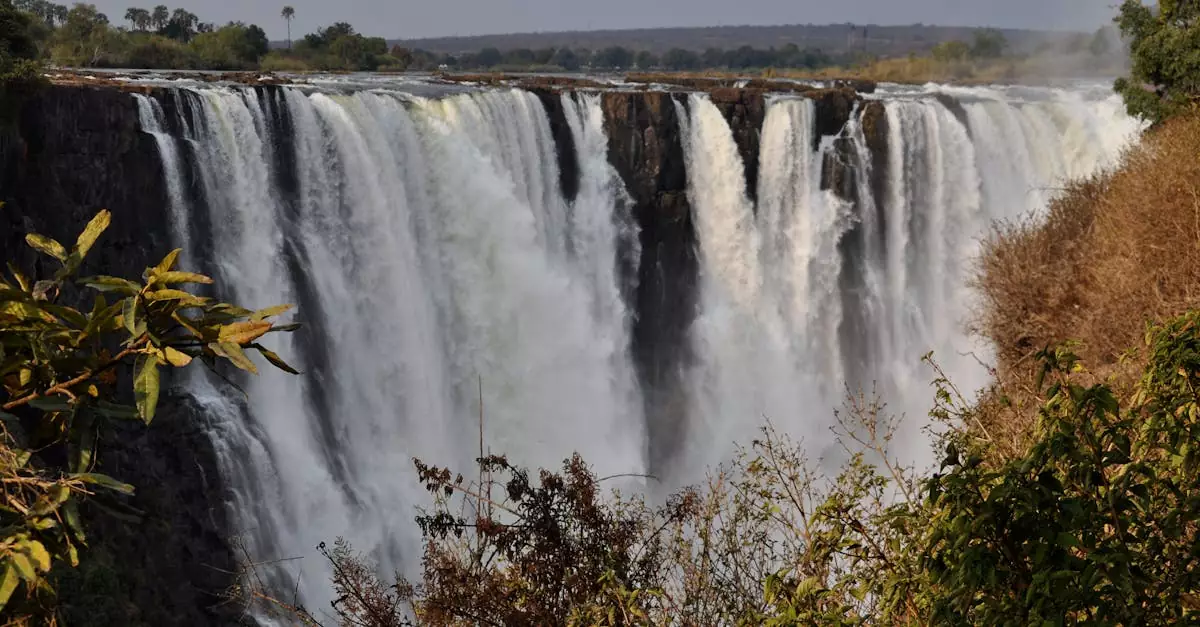
While the iconic “Big Five” are a major draw for many visitors, Africa offers a wealth of wildlife encounters that extend far beyond these celebrated species. For travelers seeking unique adventures, consider destinations specializing in primate tracking, exceptional birdwatching, or intimate experiences with less commonly sought-after animals. These safaris often provide a deeper connection with the natural world and reveal the continent’s incredible biodiversity.
Gorilla Trekking in Uganda’s Bwindi Impenetrable Forest
For an unparalleled primate experience, a gorilla trek in Uganda’s Bwindi Impenetrable Forest stands out. This UNESCO World Heritage site is home to a significant population of critically endangered mountain gorillas. Trekking through the dense, ancient rainforest to spend an hour observing a habituated gorilla family is profoundly moving. The forest itself teems with life, offering sightings of chimpanzees, colobus monkeys, and over 350 bird species.
Planning Your Gorilla Trek:
- Permits: Gorilla permits are essential and must be booked well in advance, often months ahead, due to limited availability. The cost is substantial but directly contributes to conservation efforts and local communities.
- Fitness: The trek can be physically demanding, involving hiking on steep, muddy terrain. Participants should be in reasonable physical condition.
- Best Time to Visit: The dry seasons (June to August and December to February) offer the easiest trekking conditions, though gorillas can be visited year-round.
- Accommodation: Lodges range from basic to luxurious, often situated on the fringes of the park, providing stunning views and convenient access to tracking points.
Chobe National Park, Botswana: Elephant Herds and River Safaris
Botswana’s Chobe National Park is renowned for its colossal elephant population, especially along the Chobe Riverfront. During the dry season, hundreds—sometimes thousands—of elephants congregate to drink and bathe, creating spectacular photographic opportunities. Beyond elephants, Chobe hosts diverse wildlife, including lions, leopards, hippos, crocodiles, and abundant birdlife.
The park’s unique offering is its extensive river-based safaris. Boat safaris on the Chobe River provide a different perspective, allowing close encounters with hippos, crocodiles, and water-dwelling birds. This is also an excellent way to observe elephants as they wade into the river.
Chobe Safari Highlights:
- Elephant Abundance: Expect to see large herds, particularly in the dry season (May to October).
- River Safaris: A must-do for unique wildlife viewing from the water.
- Diverse Habitats: The park encompasses floodplains, mopane woodland, and the riverfront, supporting varied species.
- Proximity to Victoria Falls: Chobe is easily combined with a visit to the magnificent Victoria Falls, a popular addition for many travelers.
South Luangwa National Park, Zambia: Leopard Haven and Walking Safaris
Often cited as one of the best places in Africa for leopard sightings, South Luangwa National Park offers an exceptional safari experience. The park is a pioneer of the walking safari, allowing visitors to immerse themselves in the bush with experienced guides and armed rangers. This intimate approach provides a deeper understanding of the ecosystem, from tracking animal spoor to identifying medicinal plants.
Leopards are frequently seen here due to the park’s high density of these elusive cats, often spotted resting in trees or hunting at dusk. Beyond leopards, South Luangwa is home to large prides of lions, herds of buffalo, Thornicroft’s giraffe, and over 400 bird species, making it a birdwatcher’s paradise. The Luangwa River is a focal point, attracting hippos and crocodiles while supporting diverse wildlife along its banks.
Why Choose South Luangwa:
- Walking Safaris: Offers a unique, immersive way to experience the bush.
- Leopard Sightings: Considered one of the top destinations globally for seeing leopards.
- Low Visitor Numbers: Generally less crowded than some major African parks, providing a more exclusive feel.
- Excellent Guiding: Known for highly skilled and knowledgeable guides.
These destinations showcase the incredible diversity of African wildlife and offer experiences that go beyond the typical safari, providing unforgettable adventures for discerning travelers.
Planning Your African Safari: When to Go and What to Expect
Embarking on a safari across Africa is a dream for many, but understanding the nuances of timing and cost is crucial for a successful adventure. The continent’s vastness means diverse climates and wildlife behaviors, influencing the best times for viewing and the overall expense of your trip.
Best Time to Visit Africa for Optimal Wildlife Viewing
The ideal time for wildlife viewing often hinges on the dry season, which typically runs from June to October across much of East and Southern Africa. During this period, vegetation thins out, and animals congregate around dwindling water sources, making them easier to spot. Migratory birds may be less common, but resident species are highly visible. For destinations like the Serengeti or the Maasai Mara, this aligns with the Great Migration, offering an unparalleled spectacle. Conversely, the wet season, from November to May, brings lush landscapes and newborn animals but can complicate tracking due to denser foliage and scattered waterholes.
Understanding Safari Seasons: Dry vs. Wet
Safari seasons are broadly categorized into dry and wet periods, each offering distinct advantages and disadvantages for travelers.
Dry Season (Roughly June – October):
- Pros: Excellent game viewing as animals gather at water sources; easier to navigate park roads; lower malaria risk in some regions.
- Cons: Higher visitor numbers; can be cooler, especially in Southern Africa; less dramatic landscapes.
Wet Season (Roughly November – May):
- Pros: Lush, green scenery; newborn animals and breeding displays; fewer crowds; often lower prices.
- Cons: Denser vegetation can obscure wildlife; some roads may become impassable; higher malaria risk in certain areas.
The shoulder months, such as May and November, can offer a good balance, with fewer crowds and decent wildlife viewing opportunities as the seasons transition.
Average Safari Costs and Budgeting for Your Trip
A safari in Africa can range significantly in price, from budget camping trips to ultra-luxury lodge experiences. Understanding the factors that influence cost is key to planning.
| Category | Budget Range (per person, per day) | Mid-Range (per person, per day) | Luxury (per person, per day) |
|---|---|---|---|
| Accommodation | $100 – $250 | $300 – $600 | $700+ |
| Park Fees | $30 – $80 | $40 – $100 | $50 – $120 |
| Activities/Guides | $50 – $150 | $150 – $300 | $300+ |
| Food & Drink | $30 – $70 | $70 – $150 | $150+ |
| Total Estimate | $210 – $550 | $560 – $1150 | $1200+ |
These figures are approximate and can vary based on the specific country, park, type of lodge, and duration of your stay. For instance, Botswana’s renowned Okavango Delta typically falls at the higher end of the price spectrum due to its exclusive nature and conservation efforts. Conversely, safaris in countries like Uganda or Zambia can offer more affordable options, especially when focusing on gorilla trekking or walking safaris.
When budgeting, remember to factor in international flights, visa fees, travel insurance, vaccinations, and any pre- or post-safari accommodation. Many reputable tour operators, such as those listed by the African Tourism Board, can provide detailed quotes and help tailor a trip to your budget. Tipping guides and lodge staff is customary and should be included in your financial planning.
Navigating Your Safari Adventure: Accommodation and Transportation
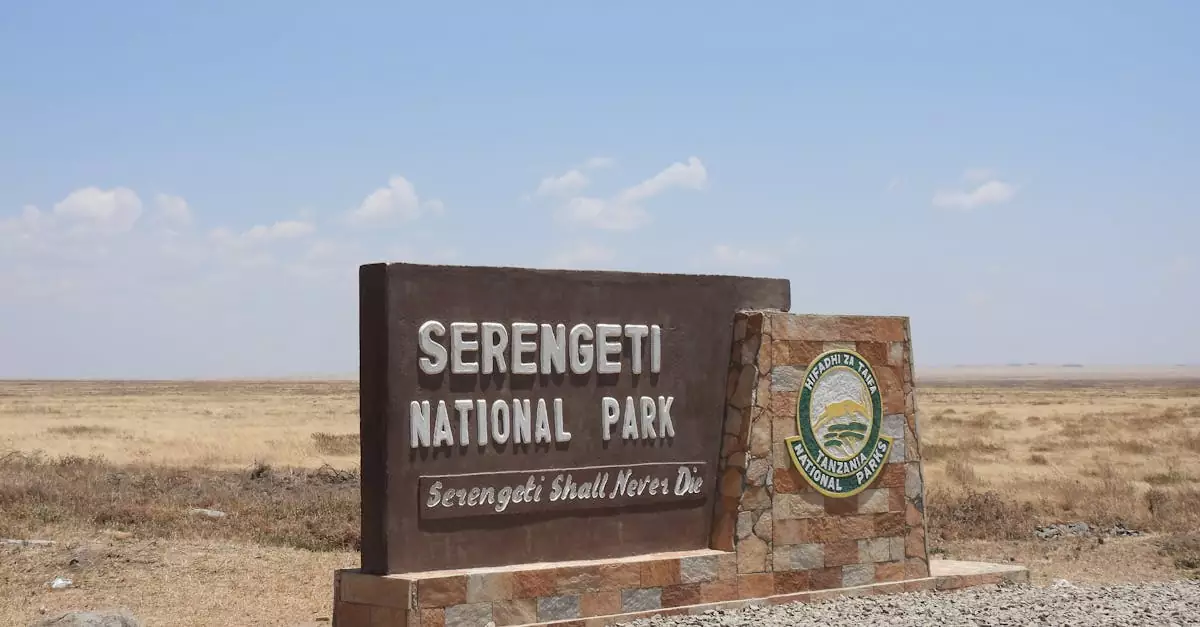
Choosing the right accommodation and understanding transportation options are crucial for a seamless African wildlife adventure. The continent offers a spectrum of lodging, from opulent lodges to immersive tented camps, each providing a distinct way to experience the wilderness. Similarly, navigating between destinations and within parks requires careful planning, often involving a combination of flights, private vehicles, and sometimes local transport.
Luxury Lodges vs. Tented Camps: Choosing Your Stay
When planning your trip to the best safari destinations in Africa, the decision between a luxury lodge and a tented camp significantly shapes your experience. Luxury lodges often provide expansive grounds, swimming pools, fine dining, and extensive amenities, offering a comfortable base with a refined atmosphere. These are excellent choices for travelers seeking comfort and convenience after a day of game drives.
Tented camps offer a more intimate and rustic connection with nature. While many modern tented camps feature en-suite bathrooms and comfortable bedding, they retain an element of adventure. Waking up to the sounds of the bush outside your canvas walls provides a unique and memorable immersion. Some camps are permanent structures, while others are more transient, moving with wildlife migrations.
Consider your comfort level and desired immersion. For those prioritizing pampering and extensive facilities, a lodge is likely the better fit. If you crave a closer connection to the natural environment and a sense of adventure, a tented camp may be more appealing. Many travelers find a combination of both types of accommodation provides a well-rounded safari experience.
| Accommodation Type | Key Features | Best For |
|---|---|---|
| Luxury Lodge | Pools, fine dining, spas, extensive amenities | Travelers seeking comfort, families, honeymooners |
| Tented Camp | Close to nature, immersive experience, rustic charm | Adventurous travelers, wildlife enthusiasts, couples |
Getting Around: Flights, 4×4 Vehicles, and Local Transport
Movement within Africa and between safari locations often involves a multi-modal approach. For long distances between countries or major parks, light aircraft flights are common and efficient. These “bush planes” can access remote airstrips, saving considerable travel time compared to overland journeys. Booking these internal flights is usually done through your tour operator or lodge.
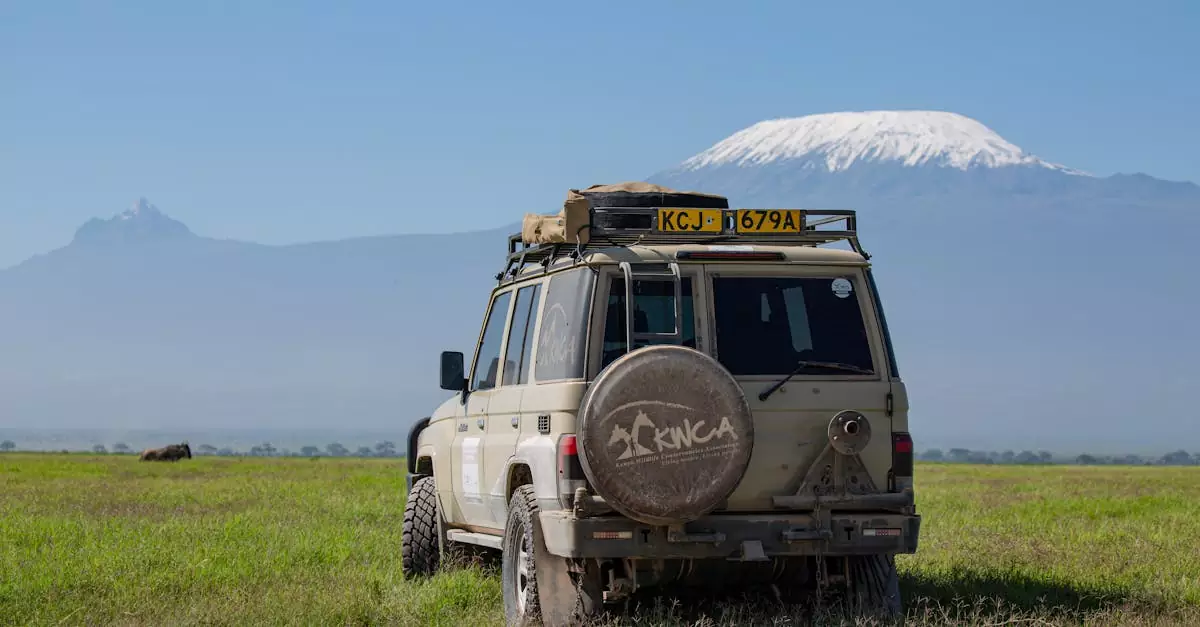
Once at your destination, a sturdy 4×4 vehicle is standard for game drives. These vehicles are designed to handle rough terrain, offering excellent vantage points for wildlife viewing. Most safari operators provide these vehicles with experienced guides, who are essential for spotting animals and understanding their behavior. Self-driving is possible in some parks but is generally not recommended for first-time visitors due to road conditions and the need for expert guiding.
Local transport, such as public buses or shared taxis, is rarely used by tourists for safari travel due to its unreliability and limited access to park areas. However, for getting to and from airports in major cities like Nairobi or Cape Town, these options might be available, though private transfers or ride-sharing services are often more convenient and safer. Always confirm your transportation arrangements well in advance, especially when traveling between different regions or countries.
Essential Packing List for an African Safari
Packing for an African safari requires a strategic approach to ensure comfort and practicality. Neutral-colored clothing is essential; avoid bright colors that can startle wildlife or attract insects. Think khaki, olive green, beige, and brown. Layers are key, as mornings and evenings can be cool, while midday temperatures can be warm.
Key items include long-sleeved shirts and trousers for sun protection and to ward off mosquitoes, a wide-brimmed hat, sunglasses, and comfortable walking shoes. Binoculars are vital for spotting distant animals. A good quality camera with extra batteries and memory cards will help you capture the incredible sights. Don’t forget a reusable water bottle, sunscreen, insect repellent, and a basic first-aid kit.
While many lodges offer laundry services, packing light and considering quick-drying fabrics is wise. A small backpack for day trips and game drives is useful for carrying essentials like water, snacks, and your camera. For specific destinations or seasons, consult your tour operator for tailored advice. For instance, packing a warm jacket is crucial for safaris in cooler climates like South Africa’s Kruger National Park during winter months.
For more detailed information on planning your trip to the continent, the African Tourism Board offers valuable resources.
Frequently Asked Questions About the Best Safari Destinations in Africa
Is it safe to go on an African safari?
For the vast majority of travelers, safaris in Africa are very safe. Reputable tour operators prioritize guest well-being, employing experienced guides and adhering to strict safety protocols within national parks and reserves. These professionals are trained to handle wildlife encounters and navigate remote areas.
It’s crucial to choose well-established safari companies and follow your guide’s instructions at all times. This includes staying within vehicles during game drives, not approaching wildlife, and being aware of your surroundings. Many areas have low crime rates, especially within protected wildlife areas. For broader travel advice concerning the continent, consulting resources like the African Tourism Board can be beneficial.
What are the essential vaccinations for an African safari?
Vaccination requirements can vary by country and even region within a country. It’s essential to consult your doctor or a travel clinic at least 4–6 weeks before your trip. Common recommendations for many safari destinations in Africa include:
- Yellow Fever: Often mandatory for entry into certain countries, with proof of vaccination required.
- Hepatitis A and B: Recommended for most travelers due to potential exposure through food and water.
- Typhoid: Also recommended, particularly if you plan to eat outside major hotels.
- Tetanus/Diphtheria/Pertussis: Routine booster shots are advised.
- Malaria Prevention: Many safari regions are malaria-endemic. Your doctor will advise on appropriate antimalarial medication based on your specific destination and the time of year.
Always check the latest health advisories for Africa from your national health authorities.
Can I combine multiple safari destinations in one trip?
Absolutely. Combining multiple safari destinations is a popular and rewarding way to experience the diverse wildlife and landscapes Africa offers. Many travelers choose to visit two or three countries or regions within a single trip to maximize their adventure.
For example, you could start in Kenya’s Maasai Mara for the Great Migration and then fly to Tanzania’s Serengeti for a different perspective on the same phenomenon. Alternatively, a trip could include gorilla trekking in Rwanda or Uganda followed by a classic savanna safari in Botswana.
When planning a multi-destination safari, consider the logistics of travel between locations. Flights are often the most efficient method but can add to the overall cost. Overland travel is possible in some cases but requires more time.
Here’s a brief look at popular combinations:
| Combination | Primary Focus | Typical Duration | Transportation Between |
|---|---|---|---|
| Kenya & Tanzania | Great Migration, Big Five, diverse landscapes | 10-14 days | Flights, Road |
| Botswana & Victoria Falls (Zambia/Zimbabwe) | Okavango Delta, Chobe, waterfalls | 7-12 days | Flights, Road |
| Uganda & Rwanda | Gorilla trekking, chimpanzee tracking, savanna | 10-15 days | Flights, Road |
| South Africa & Namibia | Diverse wildlife, unique desert landscapes | 12-18 days | Flights, Road |
Careful planning is key to a seamless multi-destination safari. Working with an experienced tour operator can help streamline these complex itineraries.