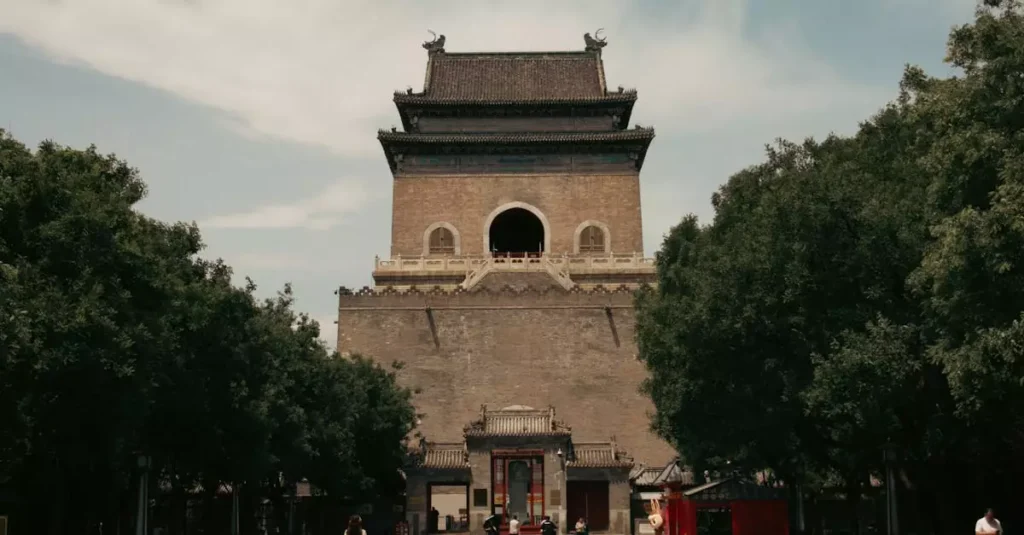
China’s vast landscape is a tapestry woven with millennia of history, offering an unparalleled journey through ancient civilizations, imperial dynasties, and groundbreaking innovations. For travelers eager to connect with the past, the country boasts a wealth of meticulously preserved sites that tell compelling stories. Understanding the best historical attractions in China involves identifying locations that showcase architectural marvels while providing deep insights into the nation’s rich cultural heritage. These sites are more than mere monuments; they are gateways to understanding the evolution of Chinese society, art, and power.
This guide will navigate you through some of China’s most significant historical destinations, from the imperial grandeur of Beijing’s Forbidden City to the silent legions of the Terracotta Army in Xi’an, and the awe-inspiring scale of the Great Wall. Discover ancient city walls that once protected dynasties, explore sacred Buddhist grottoes, and wander through perfectly preserved ancient towns. Prepare to step back in time and uncover the enduring legacies that have shaped this remarkable country.
Unveiling the Best Historical Attractions in China
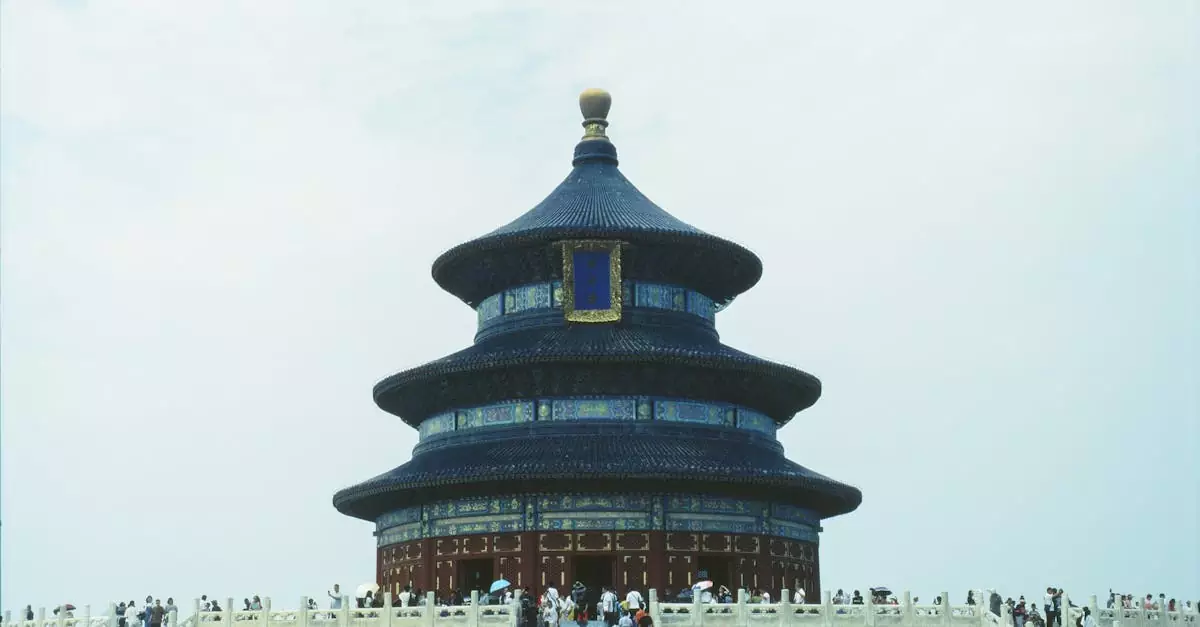
China’s landscape is a rich tapestry of history, offering travelers a unique opportunity to engage with its ancient civilizations, imperial dynasties, and innovations. The country is home to numerous meticulously preserved sites that tell captivating stories. To understand the best historical attractions in China, it’s essential to highlight locations that not only showcase architectural marvels but also provide insights into the nation’s cultural heritage. These sites serve as gateways to understanding the evolution of Chinese society, art, and power.
The Forbidden City: Imperial Grandeur in Beijing
The Forbidden City in Beijing stands as a testament to China’s imperial past, a sprawling palace complex that served as the home of emperors and the ceremonial and political center of the Chinese government for nearly 500 years. Its construction, completed in 1420, involved over a million workers and immense resources, reflecting the absolute power of the Ming Dynasty. Walking through its vast courtyards and ornate halls, visitors can envision the lives of emperors, empresses, and eunuchs who resided within its crimson walls.
Logistics and Visiting: The Forbidden City is expansive, and a thorough exploration can take half a day. Arrive early to avoid large crowds, especially during peak tourist seasons. Tickets are best purchased online in advance, as daily visitor numbers are capped. The main entrance is the Meridian Gate (Wumen) on the south side, with visitors exiting through the Gate of Divine Might (Shenwumen) on the north. The nearest subway stations are Tian’anmen East and Tian’anmen West.
Key Areas to See: Don’t miss the Hall of Supreme Harmony, where major ceremonies took place, and the Palace of Heavenly Purity, the emperor’s residence. The Imperial Garden offers a serene escape from the grandeur of the main halls. Hiring a guide or using an audio guide can enhance your understanding of the historical significance of each building and artifact.
Terracotta Army: Qin Dynasty’s Silent Guardians in Xi’an
Located near Xi’an, the Terracotta Army is one of the most significant archaeological discoveries of the 20th century. Unearthed in 1974, this vast collection of life-sized terracotta sculptures depicts the armies of Qin Shi Huang, the first Emperor of China. The figures, including warriors, chariots, and horses, were buried with the emperor in 210–209 BCE to protect him in the afterlife. Each soldier is unique, showcasing the incredible craftsmanship of the Qin Dynasty.
Visiting the Site: The Terracotta Army Museum is divided into three main pits, with Pit 1 being the largest and most impressive. Pit 2 contains cavalry and infantry units, while Pit 3 is believed to be the command post. Allocate at least 2–3 hours to explore the pits and exhibition halls. Xi’an is a major transportation hub, and the museum is accessible via public bus from the city center.
Understanding the Context: The sheer scale of the army, estimated to comprise over 8,000 soldiers, is awe-inspiring and offers a glimpse into the military might and beliefs of the Qin Dynasty. The meticulous detail in each figure highlights the advanced artistry and organizational capabilities of the era. For those interested in ancient Chinese history, visiting Xi’an is essential.
The Great Wall of China: Iconic Fortifications Across Northern China
Stretching for thousands of miles, the Great Wall of China is an unparalleled feat of engineering and a symbol of China’s enduring strength. Constructed over centuries, primarily during the Ming Dynasty, its purpose was to protect Chinese states and empires from raids and invasions. Today, several sections of the Wall are accessible to visitors, each offering a unique perspective on its scale and grandeur.
Popular Sections and Comparisons:
| Section | Location | Accessibility | Scenery | Crowd Level | Best For |
|---|---|---|---|---|---|
| Badaling | Beijing | Very High | Moderate | High | First-time visitors, families |
| Mutianyu | Beijing | High | Dramatic | Moderate | Photographers, those seeking views |
| Jinshanling | Hebei Province | Moderate | Wild, Rugged | Low | Hikers, history enthusiasts |
| Simatai | Hebei Province | Moderate (some parts closed) | Dramatic, Original | Very Low | Adventurous travelers, night tours (limited) |
Planning Your Visit: Each section offers a different experience. Badaling is the most famous and restored, making it the easiest to access but also the most crowded. Mutianyu provides stunning vistas and is well-maintained, with options for cable cars and toboggans. For a more authentic experience, consider Jinshanling or Simatai, which require more physical effort but reward visitors with breathtaking landscapes. Transportation to these sections typically involves private cars, organized tours, or a combination of public transport and taxis.
Ancient Capitals and Dynastic Legacies
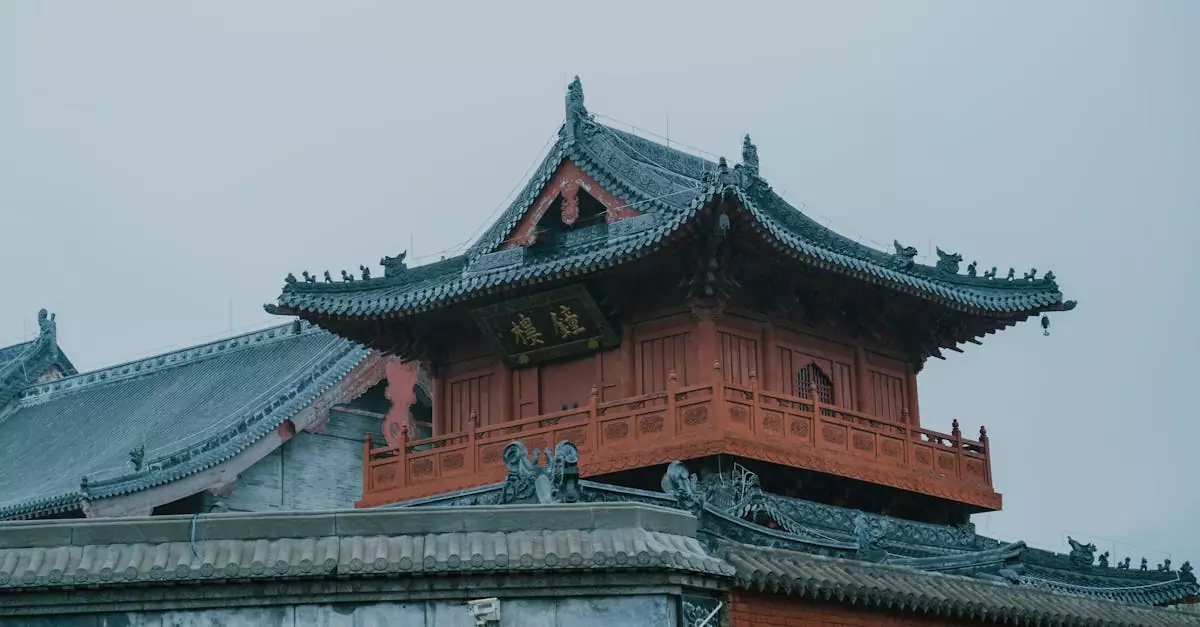
China’s historical landscape is vast, dotted with cities that once served as centers of imperial power. These ancient capitals provide tangible connections to the dynasties that shaped the nation’s trajectory, offering profound insights into its rich past. For travelers keen on understanding China’s dynastic legacies, these cities are essential stops.
Xi’an’s Ancient City Walls: Cycling Through History
Xi’an, formerly known as Chang’an, was the capital of thirteen dynasties, including the Tang dynasty, a golden age of Chinese civilization. The most striking testament to its imperial past is the remarkably well-preserved Ancient City Wall. This massive fortification, stretching over 13 kilometers, encircles the old city and offers a unique perspective on urban history.
Constructed during the Ming Dynasty, the wall is one of the oldest and most complete ancient city walls in China. Visitors can rent bicycles at various gates along the wall and embark on a leisurely ride, enjoying panoramic views of both the modern city and historical structures within. Cycling allows you to cover significant ground while pausing at watchtowers and gates that have stood for centuries.
Practical Tips for Visiting Xi’an’s City Wall:
- Best time to visit: Spring (April-May) and Autumn (September-October) provide pleasant temperatures for cycling.
- Bike rental: Available at most major gates, with hourly rates. E-bikes are also an option for those seeking less strenuous travel.
- Time needed: Allow at least 2-3 hours to cycle the full circumference, more if you plan to stop and explore.
- Getting there: Accessible by metro line 2, with stops near Yongning Gate and Zhongshan Gate.
Luoyang: Home to the Longmen Grottoes
Luoyang, another ancient capital, boasts a history stretching back over 3,000 years and served as the capital for eight dynasties. Its most significant historical treasure lies just south of the city: the Longmen Grottoes. This UNESCO World Heritage site is a masterpiece of Buddhist cave art, featuring tens of thousands of statues carved into limestone cliffs along the Yi River.
The grottoes were primarily created during the Northern Wei and Tang dynasties, with construction spanning over four centuries. The sheer scale and artistic detail are breathtaking. The most famous statue, the Fengxian Temple’s Vairocana Buddha, is believed to represent Empress Wu Zetian. Wandering through these caves, you can witness the evolution of Buddhist sculpture and the artistry of ancient Chinese craftsmen.
Visiting the Longmen Grottoes:
- Location: Approximately 12 kilometers south of Luoyang city center.
- Transportation: Local buses (e.g., Bus 81) run regularly from Luoyang Railway Station. Taxis or ride-sharing services are also available.
- Entrance Fee: Varies by season, typically around 100-120 CNY.
- Time: Plan for a minimum of 3-4 hours to fully appreciate the main grottoes and surrounding areas.
Nanjing: Echoes of the Ming Dynasty
Nanjing, situated on the Yangtze River, has served as the capital for several dynasties and republican governments, making it a city steeped in historical significance. Its most prominent Ming Dynasty legacy is the Mausoleum of the First Ming Emperor, Hongwu, alongside the remnants of the massive city walls he commissioned.
When completed, the Nanjing City Wall was the longest in the world, a formidable defense built with over 35 million cubic meters of bricks. While much has been lost to urban development, significant sections remain, particularly around the Zhongshan Gate and the Xuanwu Lake area. These preserved portions offer insight into the scale and ambition of Ming Dynasty engineering. Exploring these ramparts provides a deeper understanding of Nanjing’s strategic importance throughout Chinese history.
Nanjing Historical Highlights:
- Ming Xiaoling Mausoleum: The tomb of the Hongwu Emperor, set within a beautiful park.
- City Wall Sections: Accessible at various points, offering walking and cycling opportunities.
- Presidential Palace: A significant site from the Republican era.
Comparing these ancient capitals reveals distinct historical narratives. Xi’an offers tangible military and urban history through its wall, Luoyang showcases profound religious art, and Nanjing presents the grandeur of imperial construction alongside later republican history. Each city provides a unique lens through which to view China’s dynastic past.
Exploring China’s Rich Cultural Heritage Sites
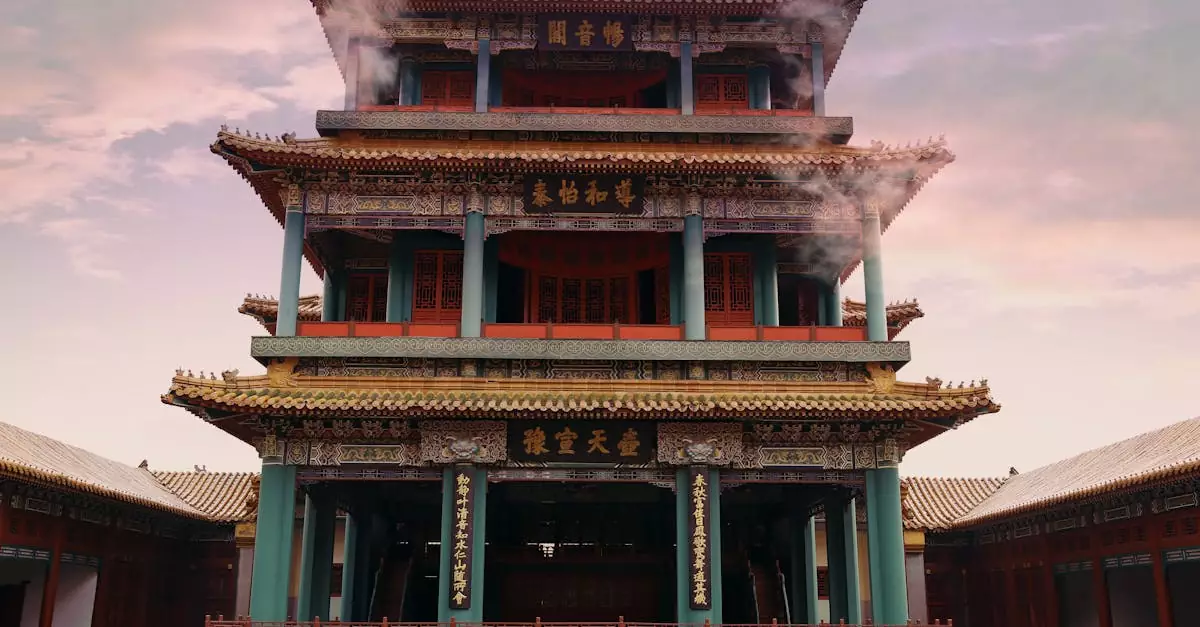
China’s landscape is punctuated by sites that whisper tales of ancient dynasties, spiritual devotion, and imperial grandeur. These best historical attractions in China offer a profound glimpse into the nation’s complex past. Planning a trip to these significant locations requires understanding their unique contexts, from accessibility to the best times for visiting.
Temple of Heaven: Beijing’s Sacred Ritual Site
The Temple of Heaven in Beijing is a remarkable example of Ming Dynasty architecture and imperial ritual. Constructed in 1420, it was here that emperors performed solemn ceremonies, praying for good harvests. The complex is renowned for its symbolic design, particularly the Hall of Prayer for Good Harvests, an iconic circular building with a triple-eaved roof.
Visiting the Temple of Heaven is most pleasant during spring (April-May) and autumn (September-October) when the weather is mild. The site is easily accessible via Beijing’s efficient subway system, with Line 5 stopping at Tiantandongmen Station. Allow at least half a day to wander through the vast park and explore the various halls and altars. Be aware that the park is a popular spot for locals to exercise and socialize, creating a vibrant atmosphere.
Summer Palace: Imperial Gardens and Retreats
Northwest of Beijing lies the Summer Palace, a sprawling masterpiece of Chinese landscape garden design. Originally built in 1750, it served as an imperial summer retreat. The palace seamlessly integrates hills, lakes, and pavilions, creating a harmonious and picturesque environment. Key sights include Kunming Lake, Longevity Hill, and the Long Corridor, adorned with thousands of exquisite paintings.
Getting to the Summer Palace is straightforward; take Subway Line 4 to Beigongmen Station or Xiyuan Station. It’s advisable to visit on a clear day to fully appreciate the scenic beauty. Consider renting a boat on Kunming Lake for a different perspective of the imperial architecture. The sheer scale of the Summer Palace means a full day is recommended to see its main attractions without feeling rushed.
Potala Palace: Lhasa’s Spiritual Heart
Perched atop Marpori Hill in Lhasa, Tibet, the Potala Palace is an awe-inspiring fortress and monastery. This UNESCO World Heritage site, originally built in the 7th century, served as the winter residence of the Dalai Lamas and a center for Tibetan Buddhism. Its imposing white and red walls dominate the Lhasa skyline, housing countless chambers, chapels, and stupas filled with religious artifacts and murals.
Access to the Potala Palace requires a permit and booking tickets in advance, especially during peak seasons. Due to the high altitude of Lhasa, acclimatization is crucial. Visitors should plan their trip to allow a few days in the city before ascending to the palace. The best times to visit are generally spring (April-May) and autumn (September-October), though weather can be unpredictable. Transportation within Lhasa is typically by taxi or local bus. Remember that photography is restricted in many interior areas, and respectful attire is expected.
Beyond the Landmarks: Lesser-Known Historical Gems
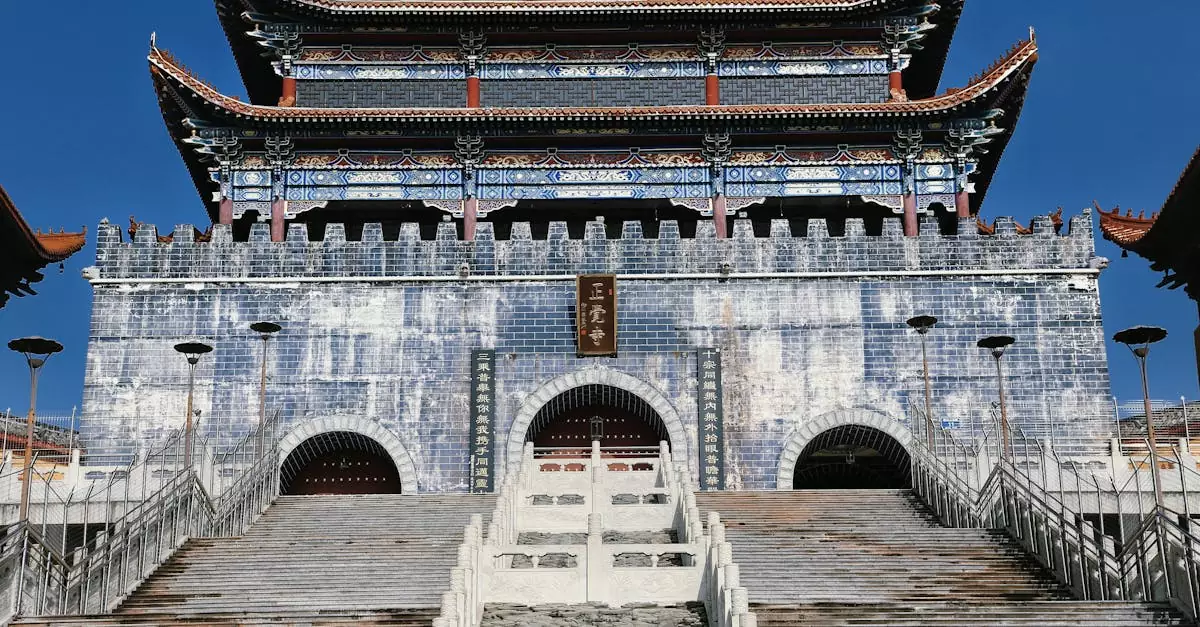
While iconic sites like the Great Wall and the Forbidden City draw millions, China’s rich history is also preserved in its less-visited corners. These locations offer a more intimate glimpse into the country’s past, often with fewer crowds and a more authentic atmosphere. For travelers seeking to delve deeper into China’s historical tapestry, these destinations provide invaluable experiences.
Pingyao Ancient City: A Perfectly Preserved Ming Dynasty Town
Stepping into Pingyao Ancient City feels like traveling back to the 14th century. This remarkably well-preserved walled city in Shanxi Province offers a unique window into Ming and Qing Dynasty urban life. Its grid layout, traditional courtyard homes, and intact city walls transport visitors to a bygone era.
Wandering its narrow, unpaved streets, you can visit ancient government offices, bustling marketplaces, and traditional banks that once served the entire region. The sheer scale of preservation is astounding, earning it UNESCO World Heritage status. Unlike many historical sites that have been modernized, Pingyao retains its authentic charm.
Logistics for Visiting Pingyao:
- Getting There: Pingyao is accessible by high-speed train from major cities like Beijing and Xi’an. The nearest airport is in Taiyuan, about 1.5 hours away by car or bus.
- Accommodation: Many traditional guesthouses within the city walls offer an immersive experience. Booking in advance is recommended, especially during peak seasons.
- Best Time to Visit: Spring (April-May) and Autumn (September-October) provide pleasant weather for walking. Winters can be very cold, while summers can be hot and humid.
Hutongs of Beijing: Traditional Courtyard Neighborhoods
Beyond the grand imperial palaces, Beijing’s hutongs represent the city’s historical residential heart. These narrow alleyways, lined with traditional courtyard homes known as siheyuan, have been the fabric of Beijing life for centuries. While many have been demolished for modern development, pockets of these atmospheric lanes still exist, offering a glimpse into traditional Beijing living.
Exploring the hutongs by bicycle or on foot is the best way to soak in the atmosphere. You’ll see locals going about their daily lives, drying laundry, playing chess, and gathering in communal courtyards. Some hutongs have been gentrified with trendy cafes and boutique shops, while others remain remarkably unchanged, providing a stark contrast to the bustling metropolis surrounding them.
Experiencing Beijing’s Hutongs:
- Recommended Areas: Nanluoguxiang is popular but can be crowded. For a more serene experience, consider the hutongs around the Drum and Bell Towers or the Dashilar area.
- Guided Tours: A guided tour, often by rickshaw, can provide historical context and help you navigate the maze-like alleys effectively.
- Cultural Insights: Look for opportunities to visit a siheyuan museum or a local family’s home for a deeper understanding of traditional life.
Shuhe Ancient Town: Lijiang’s Serene Neighbor
While Lijiang Old Town is a UNESCO World Heritage site, its quieter neighbor, Shuhe Ancient Town, offers a more tranquil historical experience. Located just a few kilometers north of Lijiang in Yunnan Province, Shuhe was once an important trading post on the ancient Tea Horse Road. Its well-preserved architecture, cobblestone streets, and picturesque canals reflect the Naxi culture.
Shuhe feels more like a living town than a tourist attraction, with fewer commercialized shops and more authentic local businesses. You can wander along the streams, visit old workshops, and enjoy stunning views of the Jade Dragon Snow Mountain. It’s an ideal place to escape the crowds and appreciate the subtle beauty of traditional Naxi settlements.
Planning a Visit to Shuhe:
- Getting There: Shuhe is easily accessible from Lijiang by taxi or local bus. It can also be a pleasant walk or bike ride from Lijiang Old Town.
- Activities: Enjoy a leisurely stroll, visit small museums showcasing local crafts, or simply relax by the water. The town is less about specific sights and more about its overall ambiance.
- Comparison to Lijiang: Shuhe offers a more laid-back atmosphere and a more authentic feel compared to the heavily touristed Lijiang Old Town. It’s an excellent option for those seeking historical charm without the bustle.
Planning Your Historical China Itinerary
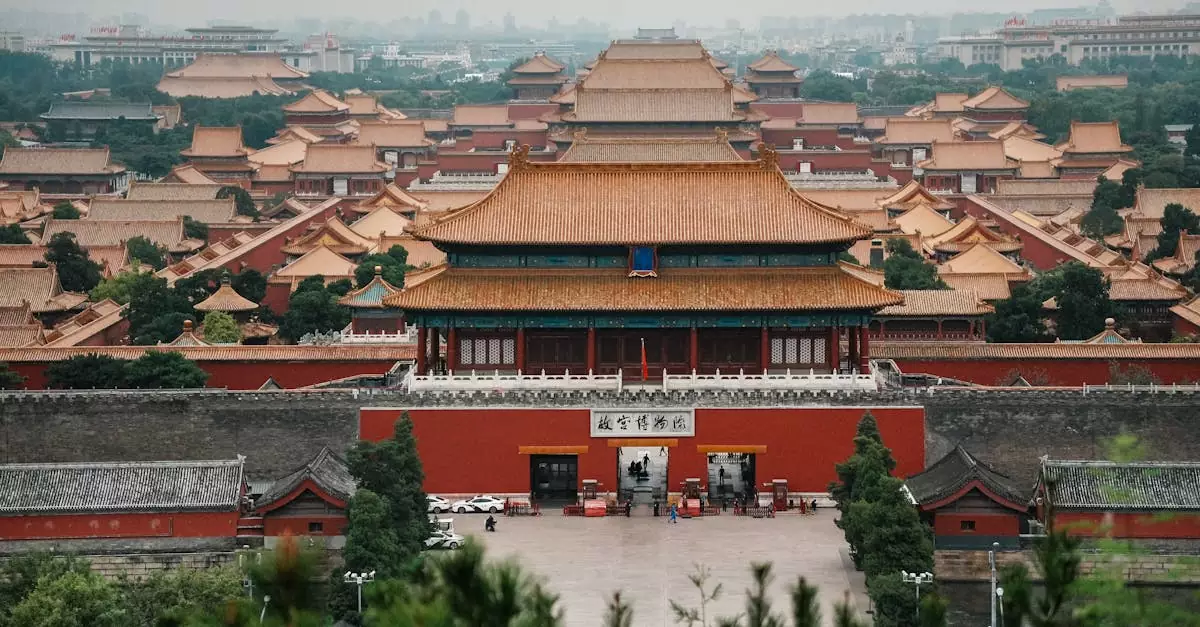
When planning a journey to uncover China’s rich past, strategic planning is key to maximizing your experience. Understanding the best times to visit, how to navigate the vast country, and a sample itinerary can set you on the right path to discovering its most significant historical attractions.
Best Time to Visit China’s Historical Sites
The ideal periods for exploring China’s historical sites are spring (April to May) and autumn (September to October). During these months, the weather is generally pleasant across much of the country, offering comfortable temperatures for outdoor exploration.
- Spring: Mild temperatures and blooming flora make this season visually appealing. However, it can coincide with the May Day holiday, leading to larger crowds at popular attractions.
- Autumn: Crisp air and vibrant fall foliage create a beautiful backdrop for historical sites. This season generally sees fewer tourists than spring, making for a more relaxed visit.
Summer (June to August) brings heat and humidity, particularly in southern regions, and is peak tourist season due to school holidays. Winter (November to March) can be very cold, especially in northern China, with snow potentially impacting travel, though it offers fewer crowds and lower prices.
Navigating China: Transportation Options for Travelers
China’s extensive transportation network makes it relatively easy to move between major cities and historical hubs. High-speed trains are a popular and efficient choice for intercity travel, connecting key destinations like Beijing and Xi’an in just a few hours.
| Transportation Type | Speed | Cost (Approx.) | Comfort Level | Notes |
|---|---|---|---|---|
| High-Speed Rail | Up to 350 km/h | $$ | High | Efficient, comfortable, frequent departures |
| Domestic Flights | Fast for long distances | $$$ | Moderate | Good for crossing vast distances quickly |
| Overnight Trains | Slower, but saves on accommodation | $ | Basic/Moderate | Offers sleeper berths for overnight journeys |
| Buses | Slow, best for local or short trips | $ | Basic | Connects smaller towns and remote areas |
| Taxis/Ride-Sharing | Convenient for within-city travel | $–$$ | High | Essential for reaching sites not near transit hubs |
Within cities, subways are a cost-effective and efficient way to get around, especially in large metropolises. Taxis and ride-sharing apps are readily available for more direct routes to historical landmarks. For those venturing to more remote areas, domestic flights or overnight trains can be practical options. Planning your travel in advance, especially during peak seasons, is advisable.
Suggested 7-Day Historical China Itinerary: Beijing & Xi’an Focus
A week-long trip can provide a solid introduction to China’s historical grandeur, with Beijing and Xi’an offering a wealth of iconic sites. This itinerary focuses on two of the country’s most historically significant cities, allowing for in-depth exploration without feeling overly rushed.
Day 1-3: Beijing
Arrive in Beijing and immerse yourself in imperial history. Key attractions include the Forbidden City, the Temple of Heaven, and Tiananmen Square. Dedicate a full day to the Great Wall of China, perhaps visiting the Mutianyu section for its well-preserved ramparts and scenic views. The Summer Palace offers a beautiful escape with its intricate gardens and lakes.
Day 4: Travel to Xi’an
Take a morning high-speed train from Beijing to Xi’an. This journey typically takes around 4.5 to 6 hours. Settle into your accommodation and begin exploring Xi’an’s historic center.
Day 5-6: Xi’an
Xi’an’s primary draw is the Terracotta Army, a must-see archaeological wonder. Allocate ample time for this site, located outside the city center. Explore the ancient City Wall, one of the oldest and best-preserved in China, by bicycle or on foot. Visit the Great Mosque, a unique blend of Chinese and Islamic architecture, and wander through the Muslim Quarter for a taste of local culture and cuisine.
Day 7: Departure
Enjoy a final Chinese breakfast before departing from Xi’an. This focused itinerary ensures you experience two foundational pillars of China’s historical narrative. For travelers interested in ancient civilizations, Xi’an is an unparalleled destination. Those seeking imperial grandeur will find Beijing equally compelling.
Frequently Asked Questions About Visiting China’s Historical Sites
What are the must-see historical attractions in China?
China boasts an incredible array of historical treasures. Beyond the iconic Great Wall of China, essential sites include the Terracotta Army in Xi’an, a testament to the First Emperor’s power. The Forbidden City in Beijing offers a glimpse into imperial China’s grandeur, while the Summer Palace provides a serene escape. For ancient wonders, the Mogao Caves near Dunhuang showcase Buddhist art, and the Potala Palace in Lhasa, Tibet, stands as a spiritual and architectural marvel.
How can I get around to see the best historical attractions in China?
Navigating China to visit its best historical attractions is surprisingly efficient. High-speed trains are an excellent option for inter-city travel, connecting major historical hubs like Beijing, Xi’an, and Shanghai. Within cities, subways offer a cost-effective and fast way to reach attractions. For more remote sites or specific excursions, consider hiring private drivers or joining organized tours, especially for day trips from major cities. Taxis are also readily available.
| Transportation Mode | Speed | Cost | Comfort | Best For |
|---|---|---|---|---|
| High-Speed Train | Very Fast | Moderate | High | Inter-city travel, long distances |
| Subway | Fast | Low | Moderate | Intra-city travel, major urban areas |
| Private Driver | Variable | High | High | Remote sites, flexible itineraries |
| Tour Bus | Variable | Moderate | Moderate | Group travel, guided experiences |
What is the best way to experience the Great Wall of China?
Experiencing the Great Wall depends on your desired intensity and crowd tolerance. For a classic, well-restored section with stunning views, Mutianyu near Beijing is a popular choice, offering cable car access and fewer crowds than Badaling. Jinshanling provides a more rugged, less restored experience, ideal for hiking and photography. If you seek an adventurous trek, consider sections like Jiankou, which is wild and unrestored but requires good physical condition and potentially a guide for safety. Visiting early in the morning or late in the afternoon can help avoid peak crowds.
Are there any historical sites in China suitable for families?
Yes, many historical sites in China offer engaging experiences for families. Beijing’s Forbidden City and Summer Palace are vast enough to spark children’s imaginations with tales of emperors and empresses. The Terracotta Army in Xi’an is often a hit with its thousands of life-sized warrior figures. For a more interactive experience, consider the Shaolin Temple in Henan province, famous for its martial arts demonstrations, which can captivate younger audiences. Some sections of the Great Wall, like Mutianyu, are accessible via cable car, making them easier for families with young children.
