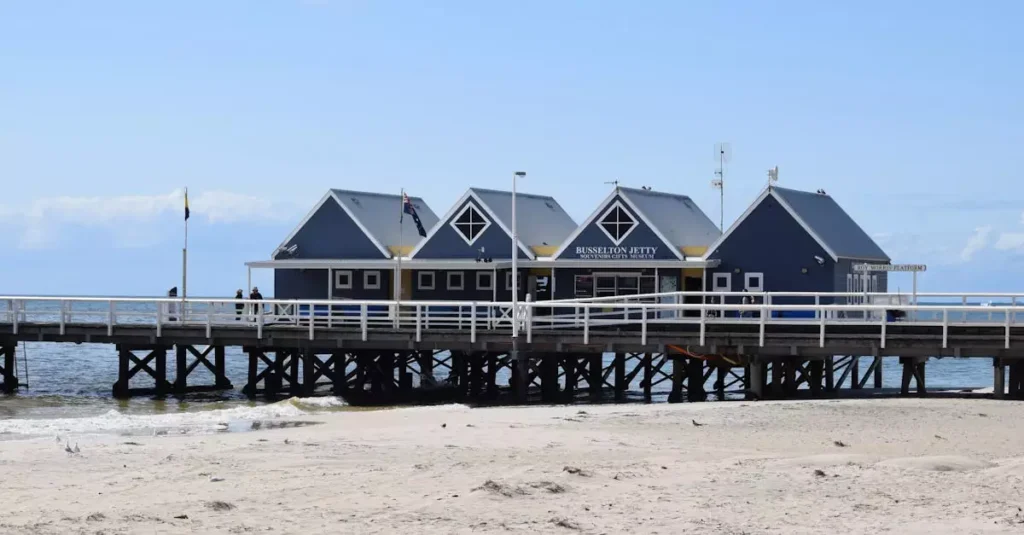
Dreaming of vast landscapes, unique wildlife, and vibrant cities? Planning a trip Down Under can feel overwhelming with so much to see and do. This guide to the best places to visit in Australia for 2026 is designed to help you navigate your options and craft an unforgettable adventure. Whether you envision exploring the iconic Sydney Opera House, diving in the vibrant Great Barrier Reef, or connecting with ancient Indigenous culture at Uluru, we’ve got you covered. Discover essential destinations, practical tips for getting around, the ideal times to visit different regions, and sample itineraries to suit any timeframe. Get ready to explore the diverse beauty and captivating spirit of the land of kangaroos and koalas.
Iconic Australian Destinations You Can’t Miss
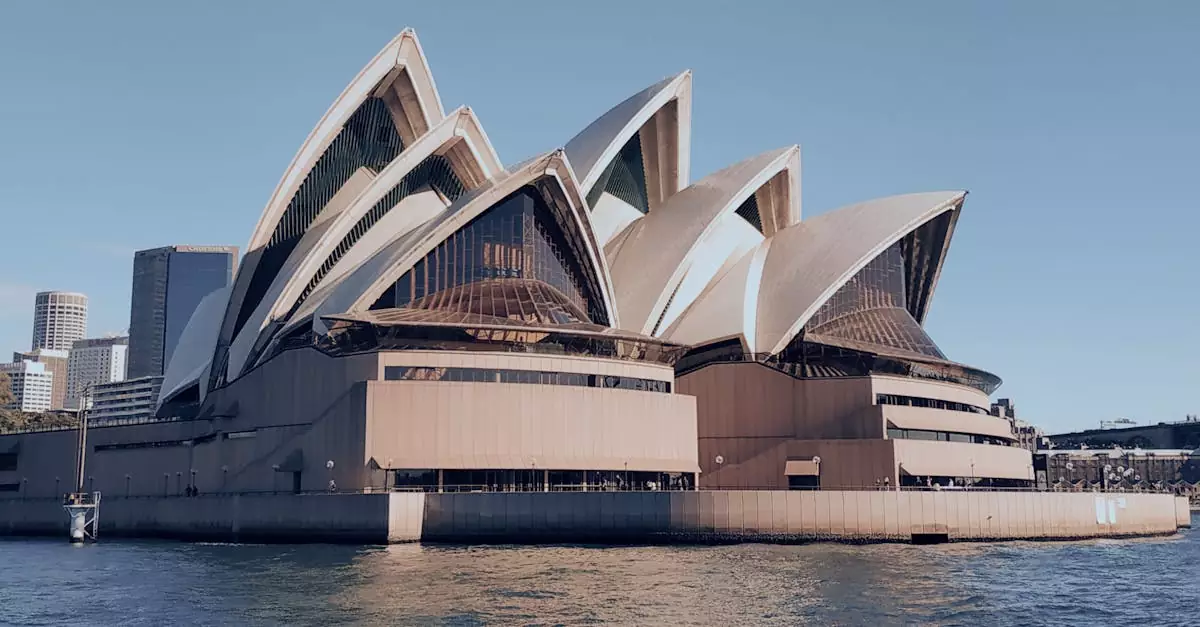
Australia offers a rich tapestry of landscapes and experiences, from bustling cityscapes to ancient natural wonders. For travelers seeking the quintessential Australian adventure, certain landmarks stand out as must-visit sites. These iconic destinations provide a deep dive into the country’s unique culture, history, and breathtaking beauty. Planning your trip around these key sites ensures you capture the essence of this vast continent.
Sydney Opera House & Harbour Bridge: A Visual Masterpiece
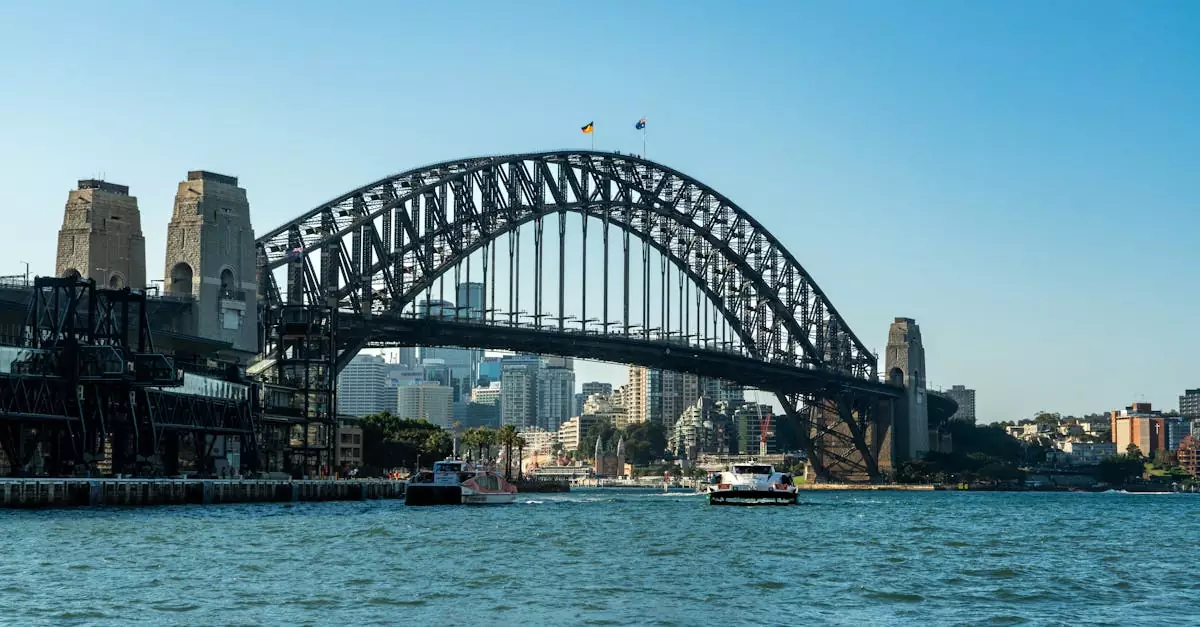
Sydney’s harbor is unforgettable, dominated by the sail-like architecture of the Sydney Opera House and the imposing arch of the Harbour Bridge. These landmarks symbolize not just the city but Australia itself. Visitors can admire their grandeur from various vantage points, including ferry rides across the harbor, waterfront restaurants, or by embarking on a thrilling bridge climb.
The Sydney Opera House offers guided tours that delve into its design, history, and performance spaces, while attending a show provides a memorable cultural experience. The Harbour Bridge, affectionately known as “The Coathanger,” offers panoramic views of the city and its surroundings. For a less strenuous but equally rewarding perspective, consider walking or cycling across the bridge’s pedestrian walkway.
Logistics for Visiting Sydney:
- Getting There: Sydney Kingsford Smith Airport (SYD) is the primary international gateway. Public transport, including trains and buses, connects the airport to the city center.
- Getting Around: Sydney boasts an extensive public transport network comprising trains, buses, ferries, and light rail. Purchasing an Opal card is recommended for easy travel.
- Best Time to Visit: Spring (September-November) and Autumn (March-May) offer pleasant weather with fewer crowds than the summer months.
Great Barrier Reef: Underwater Wonders of Queensland
Stretching over 2,300 kilometers along the Queensland coast, the Great Barrier Reef is the world’s largest coral reef system and a UNESCO World Heritage site. This living masterpiece is home to an incredible diversity of marine life, making it a prime destination for snorkeling, diving, and boat tours. Its sheer scale and vibrant underwater ecosystems are unmatched.
Popular departure points for reef excursions include Cairns and Port Douglas. Day trips and multi-day liveaboard adventures cater to various budgets and timeframes. Expect to see colorful coral formations, tropical fish, sea turtles, and perhaps even larger marine creatures like reef sharks and whales during migration seasons. Responsible tourism practices are crucial for preserving this delicate environment.
Great Barrier Reef Experience Options:
| Activity | Description | Typical Duration | Budget Range (AUD) |
|---|---|---|---|
| Snorkeling | Observing marine life from the surface with mask and snorkel. | Full Day | $150 – $300 |
| Scuba Diving | Exploring deeper underwater with certified instructors. | Full Day | $200 – $400 |
| Glass-Bottom Boat | Viewing the reef from above without getting wet. | 2-3 Hours | $80 – $150 |
| Scenic Flight | Aerial views of the reef’s vastness and patterns. | 30-60 Minutes | $200 – $500 |
Uluru-Kata Tjuta National Park: The Red Centre’s Spiritual Heart
Located in the heart of Australia’s Northern Territory, Uluru-Kata Tjuta National Park is home to Uluru (Ayers Rock) and the domes of Kata Tjuta (The Olgas). This sacred landscape holds immense cultural significance for the Anangu people, the traditional custodians of the land. Visiting Uluru offers a profound connection to Australia’s ancient Indigenous heritage and its dramatic desert scenery.
Sunrise and sunset at Uluru are particularly magical, as the rock’s color shifts and glows with the changing light. While climbing Uluru is no longer permitted out of respect for its sacred status, visitors can walk around its base, taking in its immense scale and intricate surface details. The Talinguru Nyalu Interpretation Centre provides valuable insights into Anangu culture and the park’s natural environment.
Visiting Uluru-Kata Tjuta National Park:
- Getting There: The nearest airport is Ayers Rock Airport (AYQ), with flights typically connecting through major cities like Sydney, Melbourne, or Alice Springs.
- Park Entry: A park pass is required for entry, contributing to conservation and Indigenous ranger programs.
- Accommodation: Options range from campgrounds to luxury resorts in the nearby Yulara township. Booking accommodation well in advance is highly recommended, especially during peak seasons.
- Respectful Tourism: Always follow signage, stay on marked paths, and refrain from taking photographs of sacred sites or people without permission.
Beyond the Postcards: Discovering Australia’s Hidden Gems
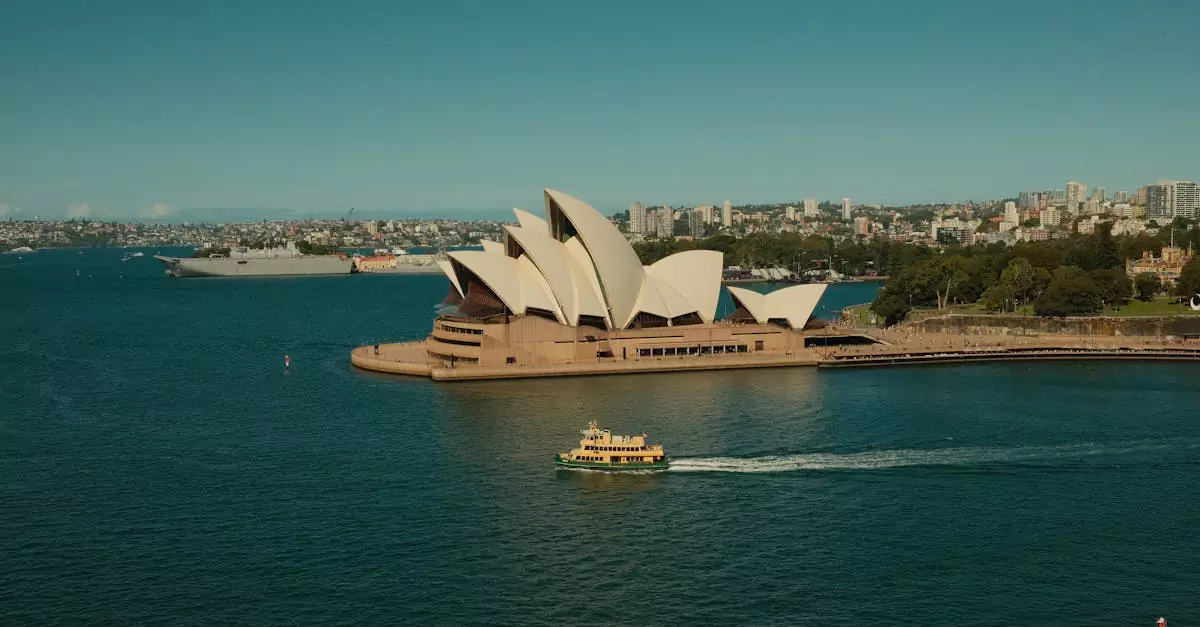
While iconic landmarks like the Sydney Opera House and the Great Barrier Reef often steal the spotlight, Australia’s true magic lies in its diverse, less-trodden paths. For travelers seeking unique experiences beyond the usual tourist trails, the continent offers a wealth of natural beauty and cultural richness. These destinations provide a deeper connection to the Australian landscape and its vibrant local communities.
The Whitsunday Islands: Pristine Beaches and Sailing Adventures
The Whitsunday Islands, a collection of 74 tropical islands off the coast of Queensland, are renowned for their breathtaking white silica sand beaches and crystal-clear turquoise waters. Whitehaven Beach, consistently ranked among the world’s best, is a must-visit for its powdery sand that remains cool underfoot even on the hottest days. Beyond lounging on the beach, the Whitsundays are a sailor’s paradise.
Sailing excursions range from day trips to multi-day adventures, allowing visitors to hop between islands, snorkel vibrant coral reefs, and enjoy the serene ocean environment. Many tours depart from Airlie Beach, a popular mainland hub offering a range of accommodation and tour options.
Getting There:
- By Air: Fly into Proserpine (Whitsunday Coast Airport – PPP) or Hamilton Island (HTI).
- By Sea: Ferries connect the mainland to several of the larger islands.
Best Time to Visit:
- May to October: This period offers dry weather, lower humidity, and pleasant temperatures, making it ideal for outdoor activities.
Kangaroo Island: Wildlife Encounters in South Australia
Just off the coast of South Australia, Kangaroo Island is a haven for wildlife and a testament to the country’s pristine natural heritage. It’s often described as a “zoo without fences,” where you can easily spot kangaroos, wallabies, koalas, seals, and an abundance of birdlife in their natural habitat. Seal Bay Conservation Park is a highlight, offering guided walks among Australian sea lions.
Beyond the fauna, the island boasts dramatic coastal landscapes, including the Remarkable Rocks and Admirals Arch, sculpted by wind and sea over millennia. Exploring the island is best done with a car, as distances between attractions can be significant. Consider basing yourself in Kingscote, the island’s main town, which provides essential services and accommodation.
Logistics:
- Getting to the Island: A ferry service operates from Cape Jervis on the mainland to Penneshaw on Kangaroo Island. Alternatively, you can fly into Kingscote Airport.
- Accommodation: Options range from self-contained cottages and campsites to hotels and lodges. Booking in advance is recommended, especially during peak season.
Fremantle’s Historic Charm: Western Australia’s Coastal Gem
Fremantle, or “Freo” as locals affectionately call it, offers a distinct historical and cultural experience on the western coast. This vibrant port city is celebrated for its beautifully preserved Victorian-era architecture, bustling markets, and laid-back atmosphere. A visit to the Fremantle Prison, a UNESCO World Heritage site, provides a fascinating glimpse into Australia’s convict past.
The Fremantle Markets, open on weekends, are a sensory delight, filled with local produce, artisan crafts, delicious street food, and live music. Spend your days wandering through the charming streets, browsing boutiques, and enjoying the cafes and breweries that dot the city. Its proximity to Perth makes it an easy day trip or a perfect base for exploring the broader region.
Getting Around:
- From Perth: Fremantle is easily accessible by train from Perth’s central station, taking approximately 30 minutes.
- Within Fremantle: The city center is highly walkable, with most attractions concentrated within a few blocks.
Local Culture: Fremantle has a strong artistic and bohemian vibe, reflected in its independent shops, galleries, and lively pub scene.
When is the Best Time to Plan Your Australian Adventure?
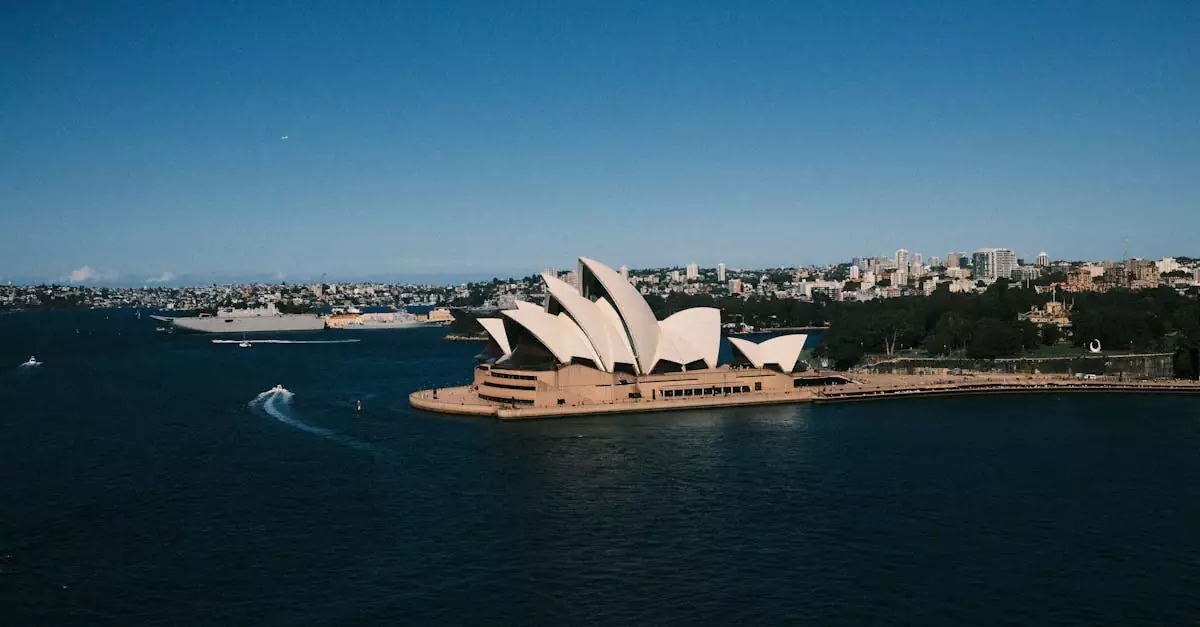
Australia is a vast continent with diverse climates, meaning the “best time to visit” depends on your planned activities and destinations. Understanding the seasons across this diverse landscape is key to planning a successful trip. Here’s a breakdown by season to help you pinpoint the ideal timing for your Australian adventure.
Summer (December-February): Coastal Escapes and Festivals
Australian summers are generally hot and humid, particularly in the north, with a risk of cyclones along the coast. The southern parts of the country experience warm to hot temperatures, making it prime time for beach holidays and outdoor activities. This period coincides with school holidays, so expect larger crowds and higher prices, especially in popular coastal destinations like the Gold Coast or the Great Ocean Road.
Many vibrant festivals and events take place during summer, including Sydney’s iconic New Year’s Eve celebrations and the Melbourne International Comedy Festival. For those seeking a classic beach experience, this season is unparalleled, but be prepared for the heat and book accommodations and flights well in advance.
Autumn (March-May): Mild Weather for City Exploration
Autumn offers a sweet spot for many travelers, with milder temperatures and less humidity across much of the country. This season is excellent for exploring major cities like Sydney, Melbourne, and Adelaide, where you can comfortably wander through parks, visit museums, and enjoy outdoor dining. The Great Barrier Reef region also sees pleasant weather, with reduced rainfall and fewer stingers, making it a good time for snorkeling and diving.
The autumn colors in regions like Tasmania and Victoria can be spectacular, offering beautiful scenery for those who appreciate cooler climes. Prices for flights and accommodation tend to be more reasonable than in summer, and the crowds begin to thin out, providing a more relaxed travel experience.
Winter (June-August): Northern Tropics and Ski Resorts
Australia’s winter presents a unique dichotomy. In the southern states, it’s cold and wet, but this is the prime season for hitting the ski slopes in the Australian Alps (Victoria and New South Wales). For travelers seeking sunshine and warmth, the tropical north, including Darwin and Cairns, experiences its dry season. This period offers warm, sunny days with low humidity and minimal rainfall, making it ideal for visiting Kakadu National Park, exploring the Outback, or enjoying the northern beaches.
Winter in the north is also a fantastic time for experiencing the Great Barrier Reef, with clear skies and calm seas. If you’re planning a trip to the Outback or the northern tropics, winter is undoubtedly the best time to go, avoiding the intense heat and humidity of the summer months.
Spring (September-November): Wildflowers and Pleasant Temperatures
Spring brings a resurgence of life across Australia. Temperatures begin to warm up, and wildflowers bloom in abundance, particularly in Western Australia, offering breathtaking displays of color. This season is generally pleasant for visiting most regions, with comfortable temperatures for outdoor activities and city exploration.
The transition from winter to summer means you can enjoy a wider range of experiences, from hiking in the cooler southern regions to enjoying the warmer northern coasts. It’s a good shoulder season, often offering a balance between good weather and manageable crowds before the peak summer holiday rush.
Here’s a brief comparison of seasonal travel benefits:
| Season | Southern Australia Focus | Northern Australia Focus | Key Activities | Considerations |
|---|---|---|---|---|
| Summer | Coastal holidays, beach towns | Hot, humid, wet season, cyclones possible | Beaches, festivals, water sports | Crowded, expensive, very hot in some areas |
| Autumn | City exploration, wine regions, Tasmania | Pleasant, less humid, good for reef | Hiking, city tours, wine tasting, diving | Mild weather, fewer crowds, moderate prices |
| Winter | Ski resorts, cooler city breaks | Dry season, warm and sunny | Skiing, Outback tours, Kakadu, Great Barrier Reef | Cold in south, warm in north, good for reef |
| Spring | Wildflowers, pleasant hiking | Warming up, good for northern coasts | Wildflower viewing, hiking, early beach visits | Good all-rounder, moderate crowds, pleasant temps |
Navigating Australia: Transportation Options for Every Traveler
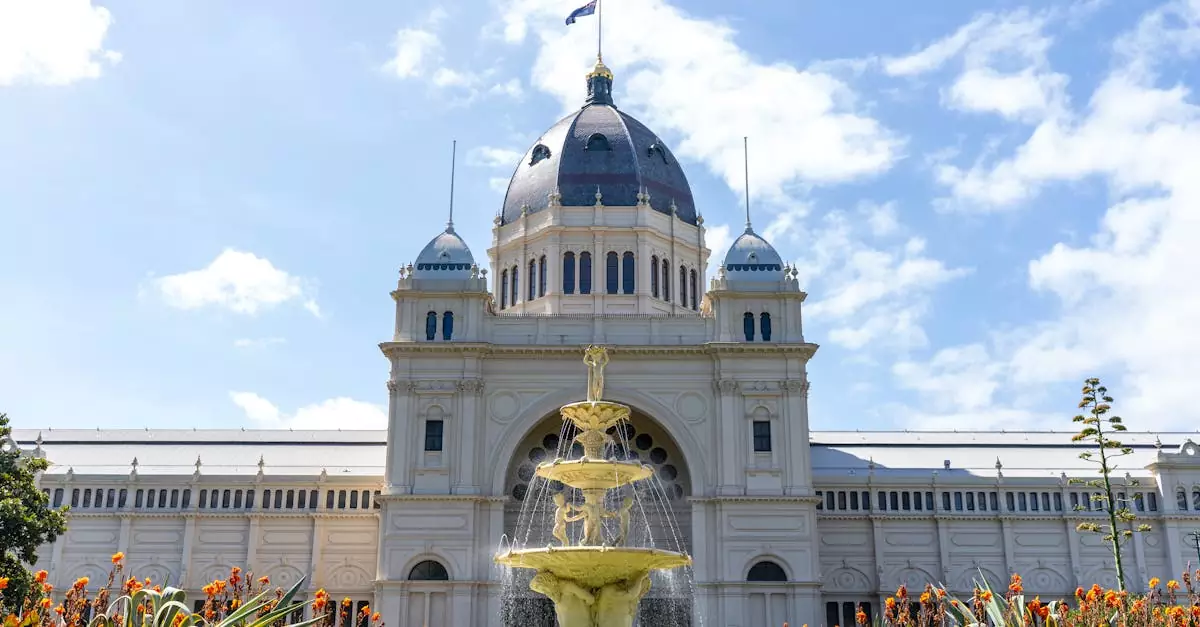
Australia is a vast continent, and getting around efficiently is key to maximizing your visit. Whether you prefer the speed of flying, the freedom of a road trip, or the charm of scenic rail journeys, diverse transportation options are available to suit every traveler’s needs and budget. Understanding these choices will help you craft a seamless itinerary for your Australian adventure.
Domestic Flights: Connecting Major Cities Efficiently
For travelers looking to cover significant distances between Australia’s major hubs, domestic flights are often the most practical choice. Airlines like Qantas, Virgin Australia, and Jetstar offer frequent services connecting cities such as Sydney, Melbourne, Brisbane, Perth, and Adelaide. Booking in advance, especially during peak seasons, can secure better fares. Consider budget airlines for shorter hops, but always factor in baggage fees.
- Tip: Look for flights into secondary airports near major cities, as they can sometimes be cheaper, though factor in the extra travel time and cost to reach your final destination.
Car Hire and Road Trips: Freedom to Explore
Renting a car provides unparalleled freedom to explore Australia’s diverse landscapes at your own pace. This is particularly beneficial for accessing national parks, coastal routes like the Great Ocean Road, or the wine regions of South Australia. Major rental companies operate at all international and domestic airports. Remember that Australia drives on the left, and be aware of long driving distances between towns.
- Considerations:
- Cost: Rental fees, fuel, and insurance can add up.
- Distance: Plan your routes carefully, as distances can be deceptive.
- Road Conditions: While main roads are excellent, some remote areas may require a 4WD vehicle.
Public Transport in Sydney, Melbourne, and Brisbane
Australia’s major cities boast comprehensive public transport networks.
Sydney offers an integrated system of trains, buses, ferries, and light rail. The Opal card is a convenient way to pay for travel across all modes. Ferries provide a particularly scenic way to navigate the harbor and reach destinations like Manly or Taronga Zoo.
Melbourne relies heavily on its extensive tram network, the largest in the world. Buses and trains complement the trams, covering the metropolitan area. A Myki card is used for fare payment.
Brisbane features a CityCat ferry service along the Brisbane River, offering both transport and sightseeing. The TransLink network includes buses and trains for getting around the city and its surrounding suburbs. A go card is used for fares.
Interstate Train Travel: Scenic Journeys Across the Continent
For those who prefer a leisurely and scenic way to travel between cities, Australia’s interstate train services offer a unique experience.
The Ghan runs from Adelaide to Darwin (or vice versa), traversing the heart of the continent. This journey showcases spectacular outback scenery, often undertaken over several days.
The Indian Pacific connects Sydney and Perth, crossing the Nullarbor Plain and offering a different perspective on the Australian landscape.
These journeys focus on the experience rather than speed and are generally more expensive than flying, often including meals and accommodation. They are a fantastic option for travelers seeking a slower pace and breathtaking views.
| Route | Origin | Destination | Duration (Approx.) | Experience Focus |
|---|---|---|---|---|
| The Ghan | Adelaide | Darwin | 3 days | Outback landscapes |
| Indian Pacific | Sydney | Perth | 4 days | Cross-continental views |
| Spirit of the Outback | Brisbane | Longreach | 24 hours | Queensland outback |
Crafting Your Perfect Australian Itinerary: From 7 Days to 3 Weeks
Australia is a vast continent, and planning your visit requires careful consideration of how much time you have. Whether you’re looking for a whirlwind introduction or an in-depth exploration, here are some itinerary frameworks to help you make the most of your trip to this incredible country. Each option balances iconic sights with practical travel logistics, ensuring a memorable experience.
A Week in Australia: Sydney and the Blue Mountains
For travelers with limited time, focusing on one major city and its surrounding natural beauty offers a rewarding experience. Sydney, with its iconic harbor and vibrant urban life, is an excellent starting point for a 7-day Australian adventure. The city itself provides ample activities, from exploring the historic Rocks district to taking a ferry across the sparkling waters.
Day Trip to the Blue Mountains: A short train ride or organized tour from Sydney transports you to the majestic Blue Mountains National Park. Here, dramatic cliffs, eucalyptus forests, and cascading waterfalls await. Key sights include the Three Sisters rock formation and Scenic World’s railway and cable car rides. This combination offers a taste of both urban excitement and breathtaking natural landscapes.
Logistics for a Week:
- Accommodation: Sydney offers a wide range, from luxury hotels in the CBD and Rocks to boutique stays in Surry Hills and budget-friendly hostels in areas like Bondi.
- Transportation: Sydney’s public transport system is efficient, with trains, buses, and ferries connecting most attractions. A travel card like the Opal card is essential.
- Budget: Expect to spend approximately AUD $200-$350 per person per day, covering accommodation, food, transport, and activities.
Two Weeks: East Coast Highlights (Sydney, Melbourne, Cairns)
With two weeks, you can expand your journey to encompass more of Australia’s diverse East Coast. This popular route connects three distinct and captivating destinations, offering a blend of culture, city life, and natural wonders. Flying between cities is the most time-efficient method for this itinerary.
Sydney: Dedicate 3-4 days to Sydney, covering the Opera House, Harbour Bridge, Bondi Beach, and perhaps a day trip to the Blue Mountains.
Melbourne: Fly to Melbourne for 3-4 days. Known for its laneway culture, vibrant arts scene, and excellent coffee, Melbourne offers a different urban vibe. Explore its street art, catch a tram, and visit the Queen Victoria Market. Day trips to the Great Ocean Road or the Yarra Valley wine region are also feasible.
Cairns & the Great Barrier Reef: Spend the remaining 4-5 days in Cairns, the gateway to the Great Barrier Reef and the Daintree Rainforest. This tropical north Queensland hub is essential for experiencing Australia’s marine and ancient forest ecosystems.
East Coast Itinerary Overview:
| Duration | City/Region | Key Activities | Travel Between Cities |
|---|---|---|---|
| 3-4 Days | Sydney | Opera House, Harbour Bridge, Bondi Beach, Blue Mountains | Flight to Melbourne |
| 3-4 Days | Melbourne | Laneways, Queen Vic Market, Great Ocean Road (day trip) | Flight to Cairns |
| 4-5 Days | Cairns | Great Barrier Reef, Daintree Rainforest, Kuranda Railway | Departure |
Traveler Insight: Booking flights between these cities well in advance can significantly reduce costs. Consider the time of year for Cairns; the wet season (roughly November to April) can bring humidity and potential disruptions, while the dry season (May to October) offers more predictable weather for reef and rainforest activities.
Three Weeks: A Grand Tour Including the Red Centre
A three-week itinerary allows for a more comprehensive journey, including a visit to Australia’s iconic Outback. This extended trip provides a deeper immersion into the country’s varied landscapes and unique cultural heritage.
Sydney & Melbourne: Allocate 5-7 days for Sydney and Melbourne, allowing for more in-depth exploration of each city and their day trip possibilities.
The Red Centre (Uluru & Kata Tjuta): Fly into Ayers Rock Airport (Connellan Airport) for 3-4 days to experience the spiritual heart of Australia. Witnessing Uluru at sunrise and sunset is a profound experience. Explore the base of the monolith, visit the Cultural Centre, and marvel at the domes of Kata Tjuta (The Olgas).
Cairns & Tropical North Queensland: Dedicate the remaining 7-9 days to Cairns and its surroundings. This provides ample time for multi-day trips to the Great Barrier Reef, exploring the Daintree Rainforest, visiting the Atherton Tablelands, and experiencing local Indigenous culture.
Logistics for a Grand Tour:
- Flights: This itinerary relies heavily on internal flights. Booking a multi-city ticket or a regional flight pass can be cost-effective.
- Red Centre Transport: Tours are highly recommended for visiting Uluru and Kata Tjuta, as public transport options are limited. Car hire is also available but requires advance booking.
- Accommodation: Options range from luxury resorts near Uluru to budget hostels in Cairns and boutique hotels in Sydney and Melbourne. Booking in advance is crucial, especially for popular periods.
- Budget: A 3-week trip of this nature can range from AUD $400-$700+ per person per day, depending on accommodation choices, activity levels, and flight deals.
This flexible framework allows travelers to tailor their Australian adventure to their interests and available time, ensuring a memorable journey across this vast and diverse continent.
Frequently Asked Questions About Visiting Australia
What is the safest way to travel around Australia?
Navigating Australia is generally safe and straightforward. For long distances between major cities, flying is the most efficient method. Domestic airlines like Qantas and Virgin Australia offer frequent services. Within cities, public transport systems, including buses, trains, and trams, are reliable and extensive. Consider purchasing a travel card for easy tap-and-go payments. For exploring regional areas or national parks, renting a car or campervan provides the most flexibility. Always check road conditions, especially in remote areas, and be aware of wildlife on the roads.
What are some unique local foods to try in Australia?
Australian cuisine is a delightful fusion of multicultural influences. Don’t miss trying a classic meat pie, a savory pastry filled with minced meat and gravy, often enjoyed as a quick lunch. For seafood lovers, fresh oysters, particularly from Coffin Bay in South Australia, are a must-try. Sample some Lamingtons, sponge cake coated in chocolate sauce and desiccated coconut, for a sweet treat. Another iconic item is the “sausage sizzle,” a grilled sausage served in a bun with onions and sauce, a staple at community events. For a truly unique experience, consider trying Vegemite on toast, a salty yeast extract spread that’s a beloved Australian institution.
How much does a typical trip to Australia cost?
The cost of a trip to Australia can vary significantly based on your travel style, duration, and specific destinations. Budget travelers can expect to spend around AUD $70-100 per day, covering hostels, self-catering, and free activities. Mid-range travelers might budget AUD $150-250 per day for comfortable hotels, restaurant meals, and paid attractions. Luxury travelers could spend AUD $300+ per day. International flights are often the most significant expense.
Here’s a general breakdown of daily costs:
| Category | Budget (AUD) | Mid-Range (AUD) | Luxury (AUD) |
|---|---|---|---|
| Accommodation | 30-50 | 100-150 | 250+ |
| Food | 30-40 | 60-80 | 100+ |
| Activities/Tours | 10-20 | 40-60 | 80+ |
| Local Transport | 5-10 | 15-25 | 20+ |
| Daily Total | 75-120 | 215-315 | 450+ |
Note: This excludes international flights and major tours.
What should I pack for a trip to Australia?
Packing for Australia depends heavily on the region and time of year you plan to visit. Given its vast size, the climate varies dramatically.
- Clothing: Pack light, breathable clothing like t-shirts, shorts, and skirts for warmer weather. Include a light jacket or sweater for cooler evenings, especially in southern regions or during winter. A waterproof jacket is advisable year-round.
- Footwear: Comfortable walking shoes are essential. Consider sandals for beaches and hiking boots if you plan on extensive trekking.
- Sun Protection: Australia has a high UV index. Pack a wide-brimmed hat, sunglasses, and high SPF sunscreen.
- Insect Repellent: Especially important for tropical areas like Queensland and the Northern Territory to protect against mosquitoes and other biting insects.
- Swimwear: You’ll likely want to enjoy the beaches or hotel pools.
- Adapter: Australia uses Type I electrical plugs and a voltage of 230V.
Remember to check the specific weather for Australia based on your travel dates and chosen destinations.