Australia is a continent rich in unique wildlife, and its dedicated wildlife parks offer an exceptional chance to see native animals in their natural or semi-natural habitats. From iconic kangaroos and koalas to ancient reptiles and vibrant birdlife, these destinations provide vital insights into the country’s incredible biodiversity. To plan your trip to the best wildlife parks in Australia, it’s essential to understand what each location offers, the best times for specific sightings, and practical tips for getting there and getting around.
In this guide, we’ll explore top wildlife parks across the country, highlighting their unique inhabitants and experiences. You’ll learn where to find everything from saltwater crocodiles in Kakadu to the elusive Southern Cassowary in the Daintree Rainforest, as well as the best times to plan your visit for unforgettable animal encounters. We’ll also cover essential logistics, accommodation options, and responsible travel tips to help you maximize your Australian wildlife adventure.
Top Wildlife Parks for Unforgettable Australian Animal Encounters
Australia is a continent teeming with unique wildlife, and visiting its dedicated parks offers an exceptional opportunity to see native animals in their natural or semi-natural habitats. From kangaroos and koalas to ancient reptiles and vibrant birdlife, these destinations provide crucial insights into the country’s biodiversity. Planning a trip to see the best wildlife parks in Australia requires understanding what each location offers and how to experience it fully.
Kakadu National Park: Crocodiles and Aboriginal Culture
Kakadu National Park in the Northern Territory is a UNESCO World Heritage site celebrated for its dramatic landscapes, rich Aboriginal culture, and abundant wildlife. This vast park is ideal for spotting saltwater crocodiles in their natural habitat. Boat tours on the Yellow Water Billabong offer close-up views of these formidable reptiles, along with a stunning variety of bird species like jabirus, magpie geese, and kingfishers.
In addition to crocodiles, Kakadu is home to kangaroos, wallabies, and dingoes. The park’s ancient Aboriginal rock art sites provide a cultural dimension to the wildlife viewing, enhancing your understanding of the land and its inhabitants.
Logistics for Kakadu:
- Best Time to Visit: The dry season (May to October) offers more accessible roads and pleasant weather, while the wet season (November to April) brings dramatic storms and lush landscapes but can make some areas inaccessible.
- Getting There: Fly into Darwin and rent a 4WD vehicle, as many roads within Kakadu are unsealed and require it.
- Accommodation: Options range from camping and caravan parks to lodges and hotels in Jabiru and Cooinda.
Daintree Rainforest National Park: Cassowaries and Ancient Ecosystems
The Daintree Rainforest in Queensland is the world’s oldest tropical rainforest and a biodiversity hotspot. It is one of the few places where rainforest meets the Great Barrier Reef. Here, you can search for the elusive Southern Cassowary, a large flightless bird with striking blue and red wattles, often seen foraging on the forest floor. Guided walks enhance your chances of spotting this magnificent creature and learning about the intricate ecosystem.
Other wildlife includes tree kangaroos, possums, and a vibrant array of insects and amphibians. The Cape Tribulation section offers a unique opportunity to explore where the rainforest meets the sea.
Daintree Rainforest Experience:
- Timing: Year-round, though the wet season (December to March) can bring heavy rainfall. Shoulder seasons (April-May and September-October) often provide a good balance of weather and fewer crowds.
- Transportation: Driving is the most practical way to access the Daintree. The Daintree Ferry crosses the river, connecting the northern and southern parts of the park.
- Activities: Rainforest walks, crocodile-spotting cruises on the Daintree River, and snorkeling tours from Cape Tribulation.
Kangaroo Island: Australian Sea Lions and Quokkas
Kangaroo Island, off the coast of South Australia, is often described as a “zoo without fences.” It’s a sanctuary for an impressive concentration of Australian wildlife. Seal Bay Conservation Park is famous for its colony of Australian sea lions, offering guided walks along the beach for intimate encounters. You can also find Australian fur seals here.
While quokkas are not native to Kangaroo Island, they can be found in some sanctuaries on the mainland and are sometimes present in managed areas. The island’s diverse landscapes support kangaroos, wallabies, koalas, echidnas, and various bird species.
Planning a Kangaroo Island Visit:
- Getting There: Fly into Adelaide and take a short flight to Kangaroo Island or drive to Cape Jervis and take a ferry.
- Accommodation: Options include self-contained cottages and farm stays to hotels and campgrounds.
- Must-See Wildlife: Australian sea lions at Seal Bay, kangaroos and wallabies in Flinders Chase National Park, and koalas in eucalyptus trees.
Taronga Zoo Sydney: Iconic Australian Fauna with Harbour Views
For visitors to Sydney, Taronga Zoo offers an accessible introduction to Australian animals, set against the stunning backdrop of Sydney Harbour. While a zoo, Taronga is dedicated to conservation and provides excellent opportunities to see native species up close. It’s a great option for those with limited time or who prefer a more curated wildlife experience.
You can observe kangaroos and wallabies in their open enclosures, see koalas resting in eucalyptus trees, and learn about conservation efforts for these beloved animals. The zoo also houses a vast collection of other Australian fauna, including platypus, echidnas, wombats, and numerous bird species.
Taronga Zoo Practicalities:
- Getting There: A scenic ferry ride from Circular Quay is the most popular way to arrive, offering spectacular views of the Opera House and Harbour Bridge.
- Tickets: Purchase tickets online in advance to save time.
- Highlights: Daily keeper talks and animal encounters provide educational insights into the animals’ behaviors and conservation status.
When is the Best Time to Visit Australia’s Wildlife Hotspots?
Choosing the right time to visit Australia’s diverse wildlife parks can significantly enhance your experience, from spotting elusive creatures to enjoying comfortable weather. Each region and park offers unique seasonal highlights, making it worthwhile to plan your trip around specific natural events or optimal viewing conditions.
Dry Season vs. Wet Season: Wildlife Viewing in Kakadu
Kakadu National Park presents two distinct seasons that dramatically impact wildlife viewing. The dry season, from May to October, provides the most accessible and predictable encounters. During this period, water sources become concentrated, attracting crocodiles, various bird species, and kangaroos to the remaining billabongs and rivers. The weather is more pleasant, with lower humidity and less rainfall, making it easier to explore trails and take boat tours on the Yellow Water Billabong.
Conversely, the wet season, from November to April, features heavy rainfall and high humidity. While some areas may become inaccessible due to flooding, this season is vital for the park’s ecosystem. It’s an excellent time for birdwatching, as migratory birds arrive, and the lush environment supports abundant life. Visitors should prepare for potential travel disruptions and consider guided tours equipped to handle wet season conditions.
Optimal Months for Birdwatching in the Daintree
The Daintree Rainforest is a birdwatcher’s paradise. Although it is a year-round destination, certain months offer superior birding opportunities. The shoulder seasons, generally April to June and September to November, provide a good balance of pleasant weather and active birdlife. During these periods, humidity is less intense than in the peak wet season, and many species are more active.
The transition months between the wet and dry seasons can be particularly rewarding. After the rains have subsided, the forest teems with insect life, making many bird species vocal and visible. Early mornings and late afternoons are consistently the best times for spotting a wide array of species, from the vibrant Eclectus Parrot to the elusive Southern Cassowary. Booking a guided birdwatching tour can provide expert insights and access to prime viewing locations.
Seasonal Highlights for Kangaroo Island’s Marine Life
Kangaroo Island is known for its diverse wildlife, including significant marine populations. The timing of your visit can greatly influence sightings of seals, sea lions, and whales. The summer months (December to February) are ideal for observing Australian sea lions at Seal Bay, as pups are often seen playing on the beach. This period also offers excellent conditions for exploring the island’s rugged coastline.
The winter months (June to August) are prime time for whale watching, with humpback whales migrating along the coast. Southern right whales also frequent these waters during this season, offering spectacular viewing opportunities from coastal lookouts. For those interested in seeing fur seals, the breeding season occurs in November, providing lively spectacles. The island’s wildlife is active year-round, but these specific periods offer concentrated viewing of its marine inhabitants.
Year-Round Attractions at Taronga Zoo
Taronga Zoo in Sydney guarantees an accessible wildlife experience, offering curated encounters with native Australian animals and exotic species, making it a reliable option regardless of the season. Located on the shores of Sydney Harbour, the zoo provides stunning views alongside its animal exhibits. Visitors can see kangaroos and wallabies in spacious enclosures, observe koalas in eucalyptus trees, and marvel at native birds of prey during daily shows.
Taronga Zoo’s accessibility by ferry from Circular Quay makes it an easy addition to any Sydney itinerary. The zoo’s educational programs and keeper talks are held daily, ensuring that visitors can learn about the animals and their conservation status year-round. While specific breeding seasons might offer unique sights, the zoo’s design ensures that its diverse collection of animals is engaging throughout the year.
Planning Your Australian Wildlife Adventure: Itineraries & Logistics
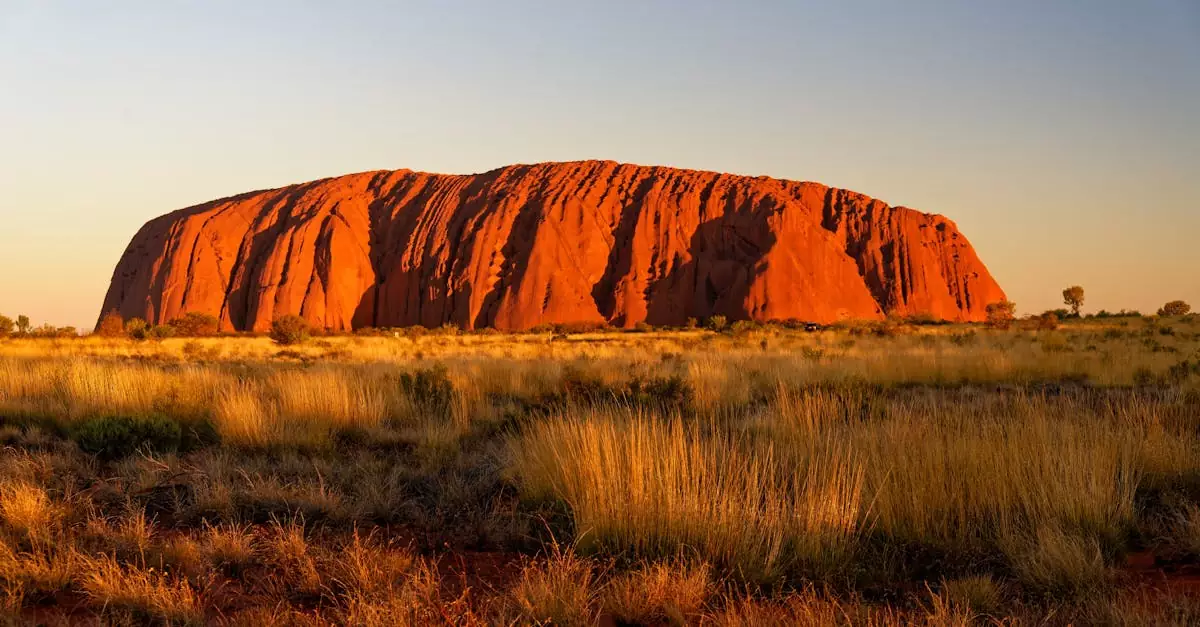
Australia’s vastness and biodiversity offer unparalleled wildlife encounters, but planning is key to a successful trip. Whether you dream of spotting a platypus in Tasmania or observing kangaroos in their natural habitat, understanding the logistics will enhance your experience. This section provides practical advice on crafting itineraries, navigating the country, and traveling responsibly.
A 7-Day Wildlife Itinerary: Darwin to Kakadu
For an immersive experience in the Northern Territory, a 7-day itinerary focusing on Darwin and Kakadu National Park is highly recommended. Begin in Darwin, visiting Crocodylus Park or the Museum and Art Gallery of the Northern Territory for an introduction to local fauna and culture. From Darwin, rent a 4WD vehicle for the roughly 3-hour drive to Kakadu.
Spend at least 3-4 days in Kakadu, utilizing lodges or campgrounds. Focus on areas like Yellow Water for sunrise or sunset cruises to see saltwater crocodiles, Jabiru for access to Ubirr rock art sites and stunning escarpment views, and the Jim Jim Falls area (seasonally accessible) for dramatic landscapes and birdwatching. Remember that the wet season can impact access to certain areas.
Exploring Kangaroo Island in 3 Days
Kangaroo Island offers a concentrated dose of Australian wildlife. A 3-day visit allows for a comprehensive overview. Fly into Kingscote or take the ferry from Cape Jervis. Renting a car is essential for independent exploration.
Prioritize visits to Flinders Chase National Park, home to the Remarkable Rocks and Admirals Arch, where you can often see Australian sea lions. Seal Bay Conservation Park is a must for observing sea lions on the beach. Stokes Bay offers swimming and wildlife spotting opportunities, and Hanson Bay Wildlife Sanctuary is known for its koala population. Consider staying near Kingscote or in remote lodges for an immersive experience.
Getting to and Around Australia’s Remote Parks
Reaching Australia’s best wildlife parks often involves significant travel. Major international airports are located in Sydney, Melbourne, Brisbane, Perth, and Adelaide, connecting to domestic flights to regional centers. For parks like Kakadu, flying into Darwin is the most practical gateway. For Kangaroo Island, Adelaide is the closest major city.
Domestic flights are efficient for covering long distances. For instance, a flight from Sydney to Hobart is necessary for accessing Tasmania’s wildlife sanctuaries. Once at your destination, car rental is often the most flexible option, especially for national parks with dispersed attractions. In some cases, guided tours can simplify logistics, particularly for remote areas or for travelers who prefer not to drive.
| Mode of Transport | Typical Use | Estimated Cost (AUD) | Notes |
|---|---|---|---|
| Domestic Flights | Inter-state travel | $150 – $500+ per leg | Book in advance for best prices. |
| Car Rental (4WD recommended for some parks) | Regional travel, park access | $70 – $150+ per day | Factor in fuel costs. |
| Ferries | Kangaroo Island, Fraser Island | $50 – $100+ return | Check schedules and book ahead. |
| Guided Tours | Remote park access, convenience | Varies widely | Can be cost-effective for solo travelers. |
Eco-Friendly Travel Tips for Wildlife Parks
Responsible tourism is crucial for preserving Australia’s unique ecosystems and wildlife. When visiting parks, always adhere to designated paths and viewing areas to minimize disturbance. Never feed wild animals, as this can disrupt their natural behaviors and diets.
Choose accommodations and tour operators committed to sustainability, such as those participating in eco-certification programs. Properly dispose of all waste, and consider carrying reusable water bottles and bags. Educate yourself about the local environment and any specific guidelines for the parks you visit. This mindful approach ensures that these natural wonders can be enjoyed by future generations.
Where to Stay Near Australia’s Premier Wildlife Sanctuaries
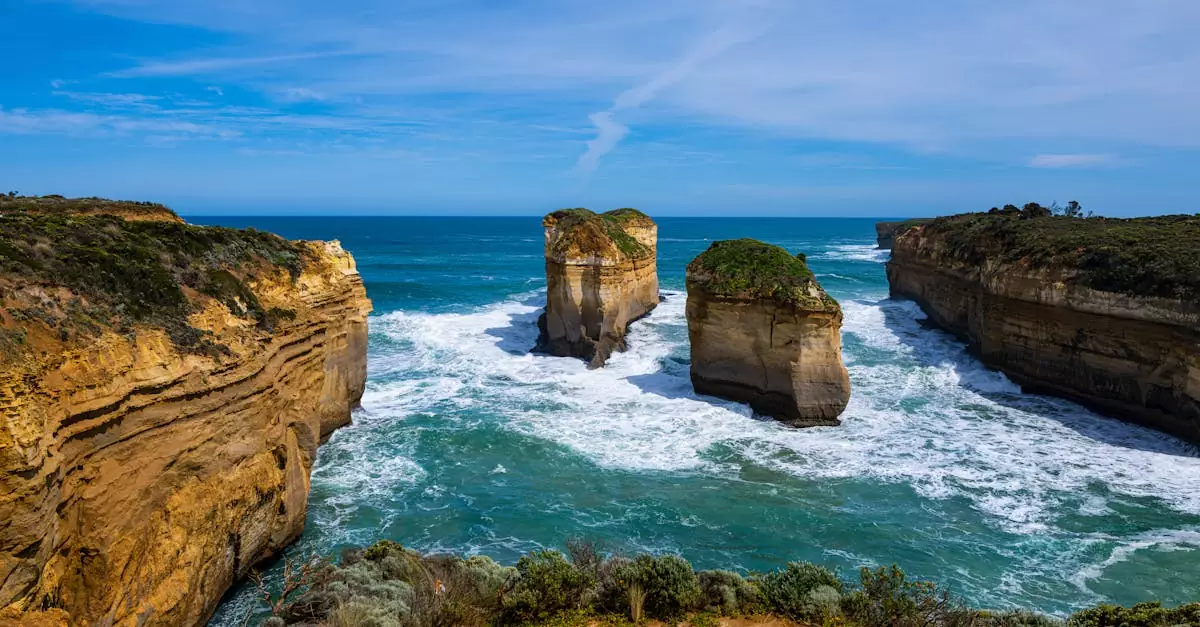
Planning your accommodation near Australia’s most iconic wildlife destinations is key to maximizing your experience. Whether you’re seeking luxury eco-lodges, convenient city hotels, or rustic farm stays, options abound to suit various budgets and travel styles. Proximity to these natural wonders often means embracing unique lodging experiences that complement the wild encounters themselves.
Accommodation Options in Jabiru for Kakadu Access
Jabiru, the main town within Kakadu National Park, offers a range of accommodations catering to different traveler needs. For those prioritizing convenience and amenities, hotels and motels in Jabiru provide comfortable bases for day trips into the park. Expect standard hotel services, with some properties offering swimming pools and on-site dining.
For a more immersive experience, consider staying at the Gagudju Lodge Cooinda, located near Yellow Water Billabong, a prime spot for crocodile spotting and birdwatching. This lodge offers a variety of room types, from basic cabins to more comfortable motel-style rooms, and is an excellent starting point for guided tours. Booking in advance is highly recommended, especially during the peak dry season (May to October).
Boutique Stays and Eco-Lodges in the Daintree
The Daintree Rainforest, a UNESCO World Heritage site, features a selection of boutique hotels and eco-lodges that blend seamlessly with the natural environment. These accommodations often focus on sustainability and offer unique opportunities to connect with the rainforest. Many feature open-air designs, private verandas overlooking the canopy, and guided nature walks led by local experts.
Consider staying at lodges like Daintree Eco Lodge & Spa, which provides an intimate rainforest experience with stunning views and direct access to the forest. For those looking for a more secluded escape, private holiday homes and cabins are available for rent in areas like Cow Bay or Cape Tribulation, offering self-catering options and a true sense of wilderness. Transport within the Daintree typically involves a car, and many lodges are accessible via the Daintree Ferry.
Farm Stays and Guesthouses on Kangaroo Island
Kangaroo Island is renowned for its abundant wildlife and offers a charming array of farm stays and guesthouses. These accommodations provide a more personal and authentic Australian experience, often hosted by locals who can share insights into island life and its unique ecosystems. Many farm stays allow interaction with farm animals while remaining close to prime wildlife viewing spots like Seal Bay and Flinders Chase National Park.
Options range from self-contained cottages on working farms to bed and breakfast establishments in towns like Kingscote or Penneshaw. Staying in these types of properties allows for a slower pace, encouraging you to truly absorb the island’s tranquility. When booking, consider your proximity to the ferry terminal at Penneshaw or the airport at Kingscote for easier logistics.
Hotels and Serviced Apartments in Sydney for Taronga Zoo
For visitors focused on seeing native Australian animals within a city setting, Sydney’s Taronga Zoo is an excellent choice. The zoo is easily accessible from the city center, with a wide range of hotels and serviced apartments serving as convenient bases. Staying in the Sydney CBD, The Rocks, or Circular Quay areas provides easy access to public transport, including the ferry that takes you directly to the zoo.
Hotels in Sydney cater to all budgets, from luxury five-star options to more affordable three-star establishments. Serviced apartments are a great choice for families or longer stays, offering kitchen facilities and more space. For a unique experience, consider the Taronga Zoo Sydney, which occasionally offers overnight “Roar and Snore” camping experiences, allowing you to sleep amongst the animals.
What Australian Animals Can You See and Where?
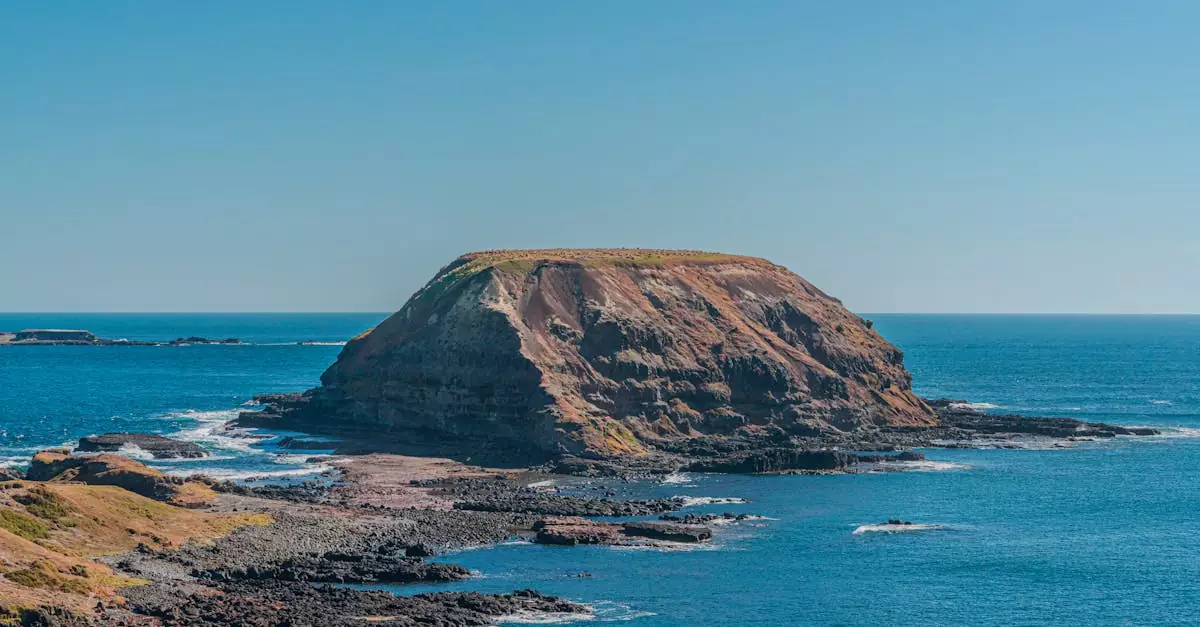
Australia’s unique ecosystem hosts an astonishing array of wildlife, from iconic marsupials to vibrant birds and fascinating marine creatures. Planning a trip to see these animals often involves visiting dedicated wildlife parks and sanctuaries, which provide excellent opportunities for close encounters and learning about conservation efforts. Understanding where to find specific species will help you craft the perfect Australian wildlife itinerary.
Spotting Kangaroos and Wallabies in Their Natural Habitat
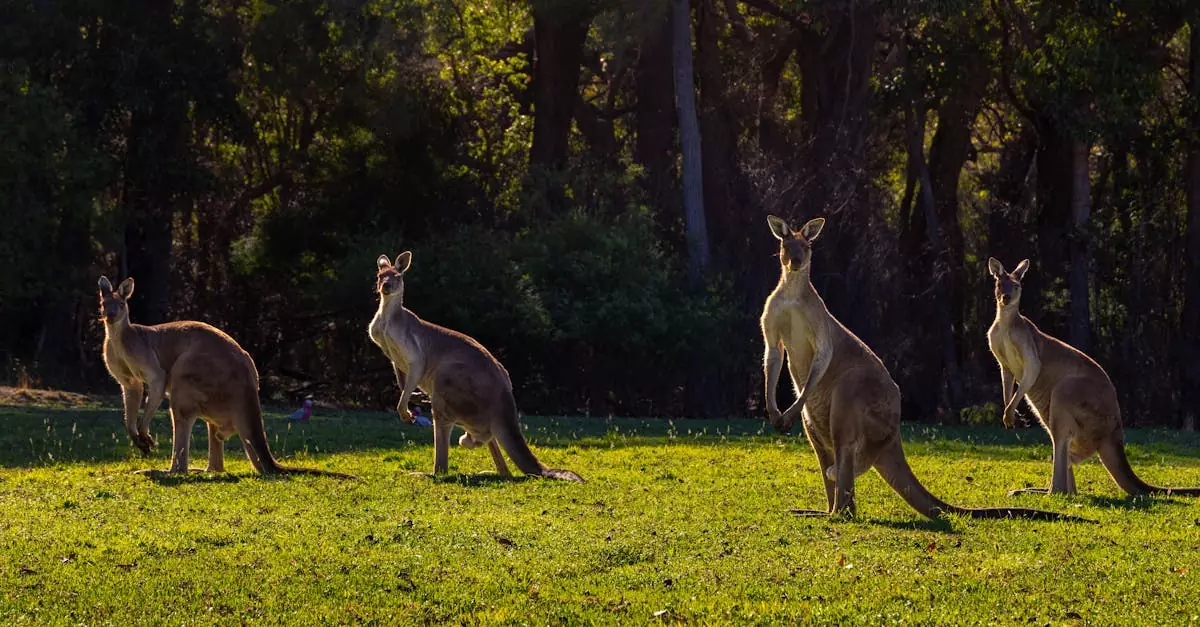
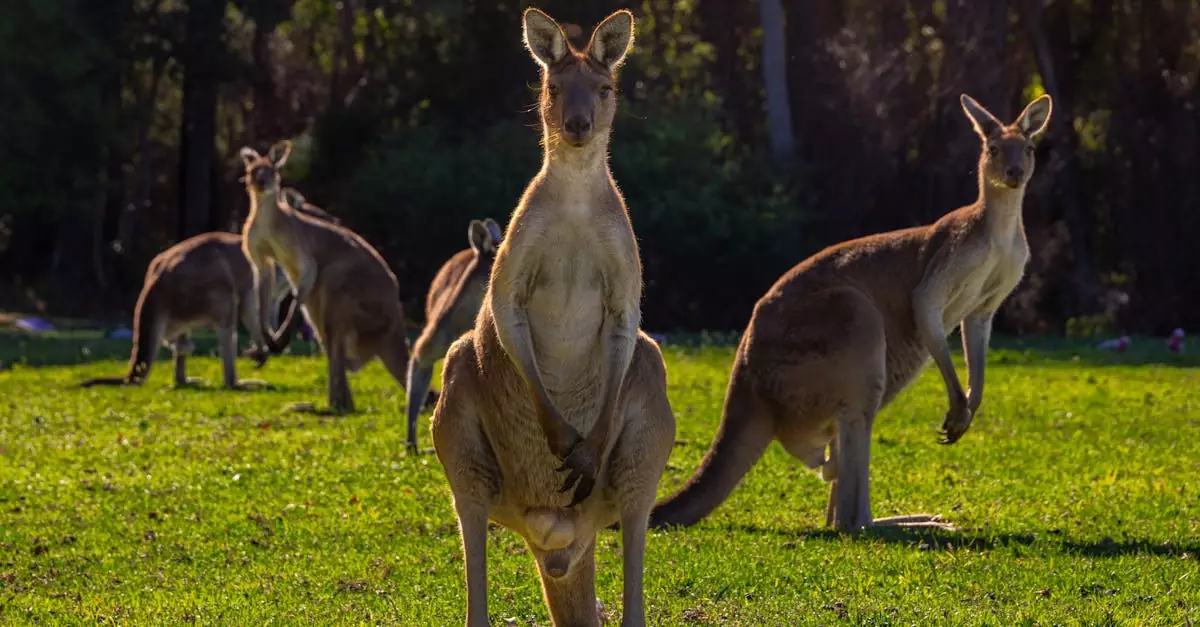
Kangaroos and wallabies are among the most recognizable Australian animals. Various species inhabit national parks and open woodlands across the continent. For high chances of sightings, consider areas like Grampians National Park in Victoria, known for its abundant Eastern Grey Kangaroos, or Kangaroo Island, which boasts a healthy population of Tammar Wallabies and the endangered Kangaroo Island Kangaroo. Many wildlife parks also guarantee sightings, providing a reliable way to see these powerful marsupials up close.
Finding Koalas in Eucalyptus Forests
Spotting a koala in the wild requires patience, as they spend much of their time sleeping high in eucalyptus trees. Prime locations include Great Otway National Park in Victoria, particularly around Kennett River, and the eucalyptus forests of Queensland’s Sunshine Coast. Wildlife sanctuaries and koala conservation centers, such as Lone Pine Koala Sanctuary in Brisbane, offer guaranteed viewing opportunities and educational experiences about these beloved marsupials. These parks are invaluable for learning about the threats koalas face, including habitat loss and climate change.
Marine Life: Whales, Dolphins, and Sea Lions
Australia’s extensive coastline is a haven for marine life. Whale watching tours are popular during migration seasons, with humpback whales often seen off the coasts of New South Wales and Queensland from May to November, and Southern Right Whales migrating along the southern coastlines between May and October. Places like Hervey Bay in Queensland are renowned for humpback whale encounters. Dolphins are frequently spotted in coastal waters and bays across the country, including Jervis Bay in New South Wales. For seals and sea lions, consider destinations like Seal Bay Conservation Park on Kangaroo Island or the rocky shores of Victoria’s Great Ocean Road.
Unique Birds: Emus, Cassowaries, and Kookaburras
Australia is home to an incredible diversity of birdlife. The Emu, the country’s largest bird, can be seen in many national parks and rural areas. For a chance to see the spectacular and elusive Southern Cassowary, head to the tropical rainforests of Far North Queensland, such as Daintree National Park or areas around Mission Beach. The Laughing Kookaburra, with its distinctive call, is widespread and commonly found in forests and woodlands throughout eastern Australia. Many wildlife parks also feature aviaries showcasing these and other unique Australian birds like cockatoos and parrots.
Frequently Asked Questions About Visiting Australian Wildlife Parks
Are there guided tours available for wildlife spotting?
Yes, many wildlife parks and sanctuaries across Australia offer guided tours. These can range from general park tours led by rangers to specialized experiences like nocturnal walks or behind-the-scenes keeper talks. Guided tours often provide deeper insights into animal behavior, conservation efforts, and the specific species you encounter. Booking in advance is recommended, especially during peak seasons.
What should I pack for a wildlife park visit in Australia?
Packing essentials depend on the park’s location and the time of year. Generally, bring comfortable walking shoes, sun protection (hat, sunscreen, sunglasses), insect repellent, a reusable water bottle, and a light jacket or rainproof outer layer. Binoculars can enhance your viewing experience, and a camera is essential for capturing memories. Check the specific park’s website for any unique recommendations.
Is it safe to visit these wildlife parks?
Australian wildlife parks prioritize visitor safety. Animals are typically housed in secure enclosures, and designated viewing areas are maintained. Always adhere to park signage and instructions from staff regarding animal interaction and proximity. While most encounters are safe, it’s wise to maintain a respectful distance from all wildlife, including native species you might see outside enclosures.
Can I feed the animals in Australian wildlife parks?
In most managed wildlife parks and zoos, feeding the animals is strictly prohibited unless it is part of a supervised feeding demonstration or a specific, sanctioned interaction program. Providing animals with incorrect food can harm their health and diets. Always follow the guidance of park staff regarding any opportunities for feeding or interaction.