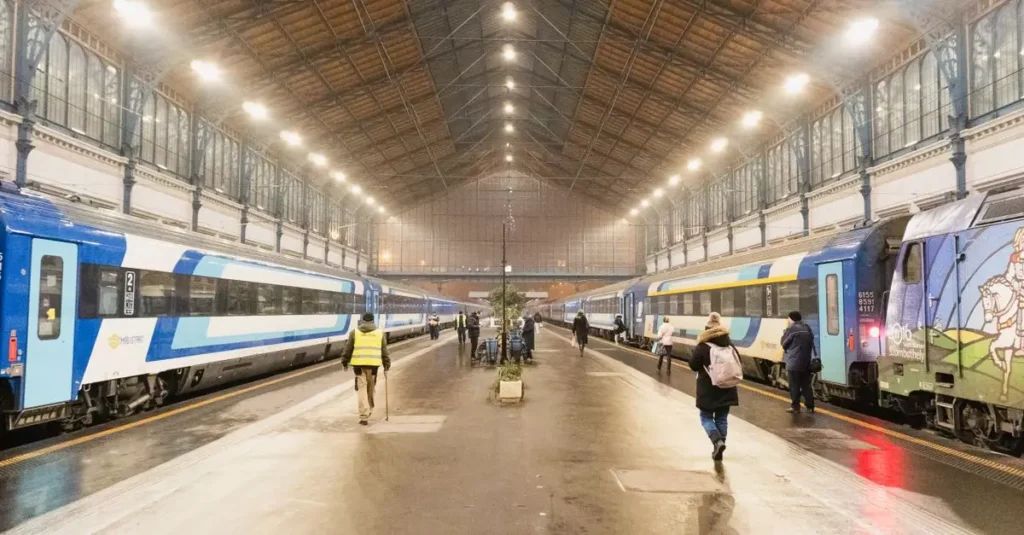
Embracing the philosophy of slow travel means prioritizing the journey itself, not just the destination. Europe, with its intricate rail network and diverse landscapes, is perfectly suited for this unhurried approach. Opting for train travel over quicker, less immersive methods allows you to connect with the continent, observing subtle shifts in scenery, culture, and atmosphere as you glide from one region to the next.
This article delves into the best train journeys for slow travel across Europe, highlighting routes that transform transit into an integral part of the adventure. You’ll discover iconic itineraries that showcase breathtaking natural beauty, from the Swiss Alps to the Portuguese Douro Valley, and learn about the unique experiences each journey offers. Prepare to explore how these scenic rail adventures can enrich your understanding of Europe and provide a more meaningful way to travel.
Embracing Slow Travel: Why Europe by Train is Unbeatable
The Philosophy of Slow Travel by Rail
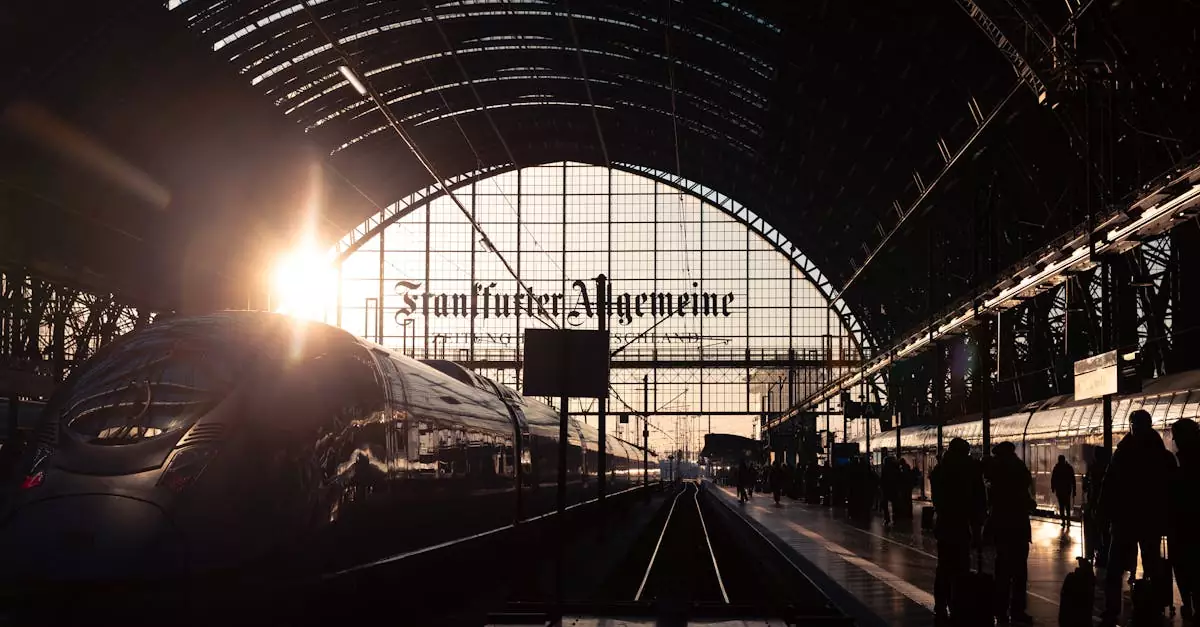
Slow travel by rail in Europe goes beyond ticking off landmarks. It’s about immersing yourself in the journey, not just the destination. This approach prioritizes meaningful experiences, deeper cultural understanding, and a more sustainable way to see the world. Instead of rushing between cities, you have time to observe changing landscapes, interact with locals, and truly absorb the essence of each place you visit. The rhythm of the train encourages a slower pace, allowing for reflection and a more profound connection with the places you pass through. This philosophy is especially well-suited to the intricate rail networks spanning Europe.
Benefits of Train Journeys for Deeper Exploration
Opting for train travel supports a more in-depth exploration of Europe. Unlike flying, train stations are typically located in city centers, meaning you arrive directly where you want to be, ready to begin your adventure without lengthy airport transfers. This proximity allows for spontaneous detours and a greater appreciation for urban environments. Furthermore, train travel offers a unique perspective on the continent’s geography. You witness gradual transitions between countries, from rolling hills to dramatic coastlines, gaining a tangible sense of scale and diversity that is lost at 30,000 feet.
The accessibility of train travel also plays a significant role. Many routes cater to various budgets, offering options from economical regional services to comfortable intercity and high-speed lines. Planning is straightforward, and the extensive network allows you to often change plans on the fly, embracing the serendipitous nature of slow travel. This flexibility is a key advantage for those looking to move beyond pre-packaged itineraries and craft a truly personal journey.
Connecting with Landscapes: The Scenic Advantage
The most compelling reason to choose train travel for slow exploration is the unparalleled connection it offers with the landscape. As the train glides through picturesque valleys, alongside sparkling rivers, or over majestic mountain passes, you become an active observer of Europe’s diverse natural beauty. Unlike fleeting glimpses from a car window, train journeys provide extended periods to appreciate the unfolding scenery.
Consider the iconic routes that showcase this connection: the Swiss Alps offer breathtaking panoramas of snow-capped peaks and emerald valleys, while the coastal railways of Italy’s Cinque Terre provide stunning sea views. Even seemingly ordinary journeys reveal subtle shifts in flora, architecture, and light that paint a richer picture of the continent. These visual narratives enhance the overall travel experience, turning simple transit into a memorable part of the adventure. The best train journeys for slow travel often highlight these scenic advantages, making the transit itself a primary attraction.
The Glacier Express: Switzerland’s Iconic Slow Travel Route
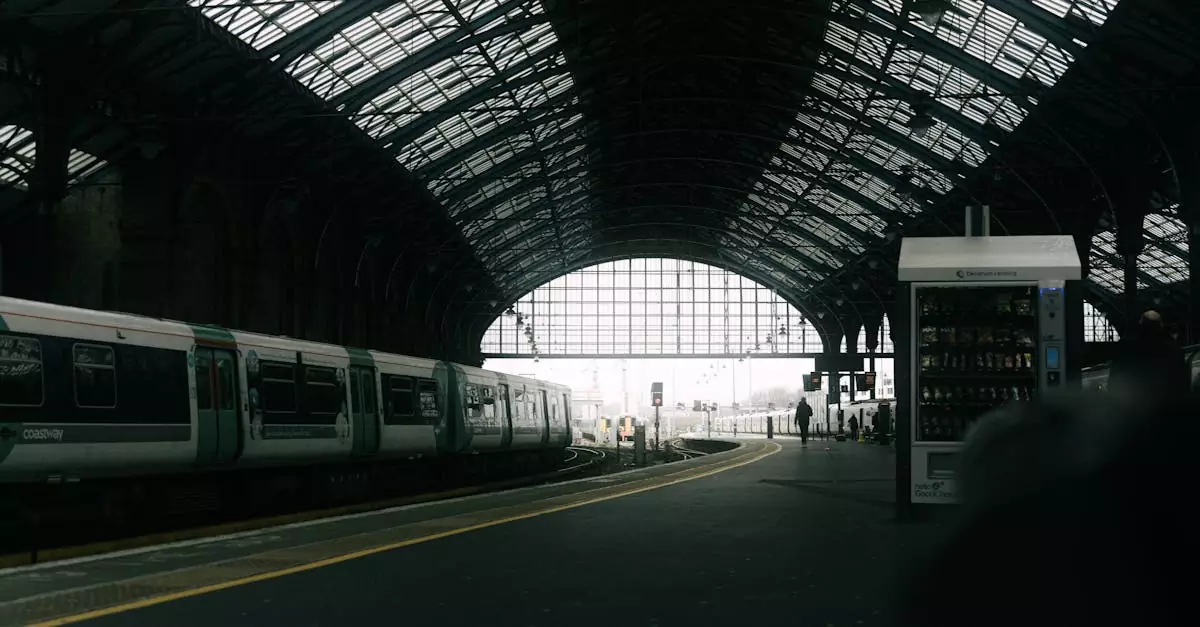
When considering the best train journeys for slow travel in Europe, the Glacier Express in Switzerland stands out. This route is not about speed; it’s an experience designed to showcase breathtaking alpine scenery at a leisurely pace. Often called the “slowest express train in the world,” it connects two of Switzerland’s most famous mountain resorts, Zermatt and St. Moritz, traversing dramatic landscapes, 291 bridges, and 91 tunnels. The journey itself is the destination, offering panoramic views through large windows that immerse you in the Swiss Alps.
Zermatt to St. Moritz: A Panorama of Alpine Beauty
The route from Zermatt, home to the iconic Matterhorn, to glamorous St. Moritz offers an unparalleled visual feast. As the train winds its way through the mountains, you’ll witness snow-capped peaks, lush green valleys dotted with chalets, and turquoise glacial lakes. The journey takes approximately eight hours, allowing ample time to absorb the changing scenery. It’s a comfortable ride, with dining cars serving regional specialties and panoramic windows ensuring no vista is missed. This is slow travel at its finest, where the train’s deliberate movement encourages appreciation for the natural grandeur.
Must-See Stops: Visp, Brig, and Chur
While the Glacier Express is designed for continuous viewing, certain stops offer unique opportunities. Visp and Brig, in the Rhone Valley, are important railway hubs and gateways to other Swiss regions. Chur, the oldest town in Switzerland, is particularly worthwhile. Its charming medieval old town provides a fascinating glimpse into centuries of history, contrasting sharply with the modern engineering of the train itself. You can disembark, spend a few hours or even a day exploring Chur, and then re-board a later train to continue your journey. This flexibility enhances the slow travel aspect, allowing for deeper exploration of the regions traversed.
Experiencing Local Swiss Cuisine Onboard
A significant part of the Glacier Express experience is the onboard dining. The train offers a multi-course meal, prepared fresh and served directly to your seat. The menu typically features regional Swiss delicacies, such as creamy Rosti, tender veal dishes, and local cheeses. Paired with fine Swiss wine, dining on the Glacier Express becomes a culinary highlight, complementing the visual splendor outside. Booking your meal in advance is highly recommended, especially during peak season, to secure a spot and ensure you can savor the authentic tastes of Switzerland as you glide through its magnificent landscapes.
Best Time to Ride the Glacier Express for Snow or Sun
The Glacier Express operates year-round, offering different but equally stunning experiences depending on the season. Summer (June to September) brings vibrant green valleys, wildflowers, and clear blue skies, ideal for appreciating the lush alpine scenery. This is the busiest period, so booking well in advance is essential.
Winter (December to March) transforms the landscape into a snowy wonderland. The route becomes a magical journey through frosted forests and snow-covered peaks, offering quintessential Swiss winter postcard views. This season is popular for those seeking a classic alpine winter escape.
Spring (April to May) and Autumn (October to November) can be more variable, with potential for snow at higher elevations and blooming or autumnal colors at lower ones. These shoulder seasons often offer fewer crowds and potentially lower prices, though some services might be limited.
Here’s a brief seasonal comparison:
| Season | Scenery Highlights | Crowd Levels | Booking Recommendation |
|---|---|---|---|
| Summer | Green valleys, wildflowers, clear skies | High | 6+ months in advance |
| Autumn | Fall foliage, crisp air | Medium | 3–4 months in advance |
| Winter | Snow-covered landscapes, festive atmosphere | High | 6+ months in advance |
| Spring | Thawing snow, early blooms | Medium | 3–4 months in advance |
The West Highland Line: Scotland’s Dramatic Rail Adventure
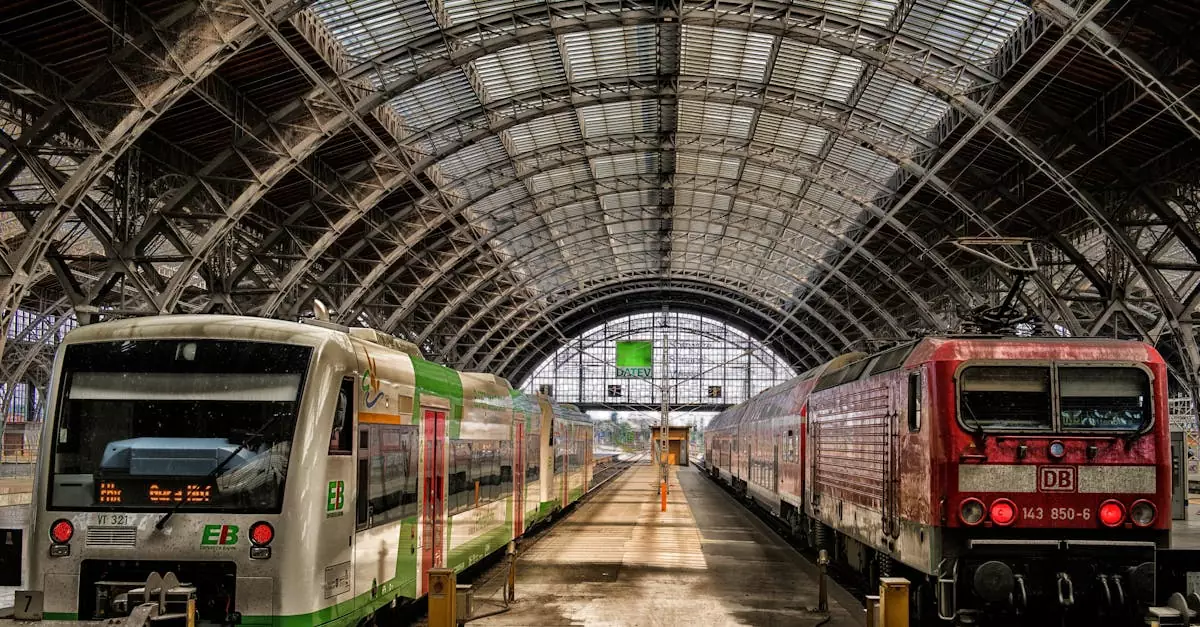
Embarking on a journey along the West Highland Line is a quintessential slow travel experience in Europe. This iconic route, often cited as one of the world’s most scenic rail lines, traverses some of Scotland’s most breathtaking landscapes. It’s a path that demands to be savored, offering a moving panorama of lochs, mountains, and rugged coastlines. For travelers seeking an immersive, unhurried exploration of the Scottish Highlands, this train journey is unparalleled.
Glasgow to Mallaig: Journey Through Lochs and Glens
The adventure begins in Glasgow, a vibrant city with a rich industrial heritage. From there, the train winds its way north, gradually leaving urban sprawl behind for the untamed beauty of the Highlands. The route is characterized by vast open spaces, shimmering lochs, and dramatic mountain vistas. Keep an eye out for Loch Lomond, the largest inland stretch of water in Great Britain, its shores dotted with picturesque villages. The further north you travel, the wilder the scenery becomes, with remote glens and heather-covered moors dominating the landscape.
This section of the journey is best appreciated at a leisurely pace, allowing for spontaneous moments of awe. The train itself becomes a moving viewpoint, offering perspectives rarely seen from the road. It’s a core part of the appeal of the best train journeys for slow travel, where the transit is as significant as the destination.
Key Stops: Fort William and Glenfinnan Viaduct
While the entire route is captivating, certain points stand out. Fort William, nestled beneath the shadow of Ben Nevis, the UK’s highest peak, serves as a major hub. It’s an excellent place to break the journey, offering opportunities for hiking, exploring local history, or simply enjoying the mountain air. From Fort William, many travelers continue to Mallaig, a bustling fishing port.
The most famous landmark on the line is undoubtedly the Glenfinnan Viaduct. This impressive 21-arch railway bridge, immortalized in the Harry Potter films, offers a spectacular sight as the train crosses it. For the best views of the viaduct, consider disembarking at Glenfinnan station and walking to a vantage point overlooking the structure. The Jacobite Steam Train, a popular heritage service that runs during the summer months, also uses this line and provides an even more nostalgic experience.
Photography Tips for Capturing the Scenery
Capturing the dramatic beauty of the West Highland Line requires a bit of foresight. Given the ever-changing light and the speed of the train, planning your shots is key.
- Golden Hour: Aim for early morning or late afternoon light, which casts a warm glow over the landscapes and creates dramatic shadows.
- Window Reflections: Be mindful of window reflections. Using a polarizing filter can help reduce glare.
- Fast Shutter Speed: Many shots will be taken from a moving train, so a faster shutter speed is essential to avoid motion blur.
- Wide-Angle Lens: A wide-angle lens is useful for capturing the vastness of the Highland scenery, including the sweeping curves of the Glenfinnan Viaduct.
- Vantage Points: For iconic shots of the Glenfinnan Viaduct, consider timing your journey with the Jacobite Steam Train and positioning yourself at the viewpoint before its arrival.
Remember that the journey itself is an experience; don’t let the pursuit of the perfect photograph detract from simply enjoying the views.
Accommodation Options Near the Route
The West Highland Line offers a range of accommodation choices, catering to different budgets and preferences. Whether you’re looking for a cozy B&B or a more substantial hotel, there are options to suit most travelers.
| Location | Accommodation Type | Price Range (GBP) | Notes |
|---|---|---|---|
| Glasgow | Hotels, Hostels, B&Bs | £70 – £250+ | Wide variety, book in advance |
| Fort William | Hotels, Guesthouses, B&Bs | £80 – £200 | Popular stopover, good amenities |
| Mallaig | Guesthouses, B&Bs, Inns | £90 – £180 | Quaint seaside village charm |
| Smaller Villages | B&Bs, Self-Catering | £70 – £150 | More remote, peaceful, limited options |
Booking accommodation in advance is highly recommended, especially during peak season (summer) and for popular stops like Fort William. For those truly embracing slow travel, consider staying a night or two in one of the smaller villages along the route to soak in the local atmosphere and enjoy the tranquility. This allows for more in-depth exploration of the surrounding natural beauty, moving beyond simple transit.
The Bernina Express: Italy and Switzerland’s Trans-Alpine Marvel
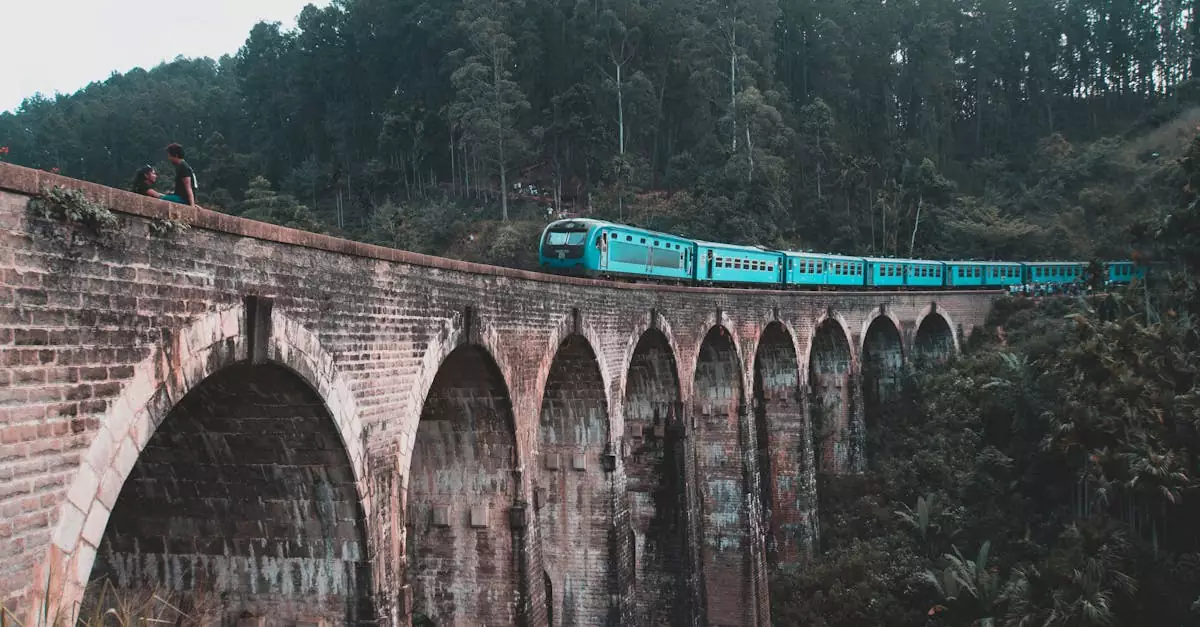
The Bernina Express offers one of the most visually stunning ways to experience slow travel through the Alps. This route, recognized by UNESCO, connects Chur in Switzerland with Tirano in Italy, traversing dramatic landscapes that shift from snowy peaks to palm-lined Italian lakes. It’s a journey designed for appreciating the scenery, making it a prime candidate for those seeking the best train journeys for slow travel in Europe.
Chur to Tirano: UNESCO World Heritage Scenery
The 4-hour journey from Chur, Switzerland’s oldest city, to Tirano, Italy, is a masterclass in engineering and natural beauty. The train navigates steep gradients and sharp curves, crossing 196 bridges and passing through 55 tunnels. This route is part of the Rhaetian Railway in the Albula/Bernina Landscapes, a UNESCO World Heritage site, and the views are consistently breathtaking. Expect to see glaciers, alpine meadows, and dramatic gorges.
The most iconic section is the Bernina Pass itself, reaching an elevation of 2,253 meters. Here, the landscape feels truly remote and wild. As you descend into Italy, the climate noticeably warms, and the vegetation becomes more Mediterranean. This dramatic environmental shift within a single train ride adds to its appeal.
Highlights: St. Moritz, Poschiavo, and the Brusio Viaduct
While the entire route is scenic, certain stops and landmarks stand out. St. Moritz, an elegant resort town, is a popular starting or mid-point option, offering opportunities for luxury shopping and outdoor activities. Further south, the charming town of Poschiavo provides a glimpse into traditional Swiss-Italian culture with its well-preserved historic center.
The most photographed structure on the line is undoubtedly the Brusio Viaduct. This striking circular viaduct, built to overcome a steep gradient, allows the train to gain altitude without an incline. It’s a remarkable feat of engineering and an unforgettable sight as the train snakes its way around the spiral. Planning your seating on the side facing the viaduct can enhance the experience.
Exploring the Italian Lakes Region Post-Journey
Arriving in Tirano places you at the doorstep of Italy’s stunning lake district. From Tirano, it’s a short bus or train ride to Lake Como, one of Italy’s most famous and beautiful lakes. Towns like Bellagio, Varenna, and Menaggio offer picturesque settings, charming villas, and boat trips across the water.
This post-train exploration is a natural extension of the slow travel ethos. Instead of rushing to your next destination, you can spend several days soaking in the relaxed atmosphere, enjoying Italian cuisine, and taking leisurely strolls along the lakefront. The contrast between the alpine grandeur of the train journey and the serene beauty of the Italian lakes creates a well-rounded European adventure.
Budgeting for Your Bernina Express Adventure
The Bernina Express operates as a scenic, panoramic train, and fares reflect this. While it’s possible to use regular Swiss Travel Passes or Interrail passes, reservations are mandatory and come with an additional fee. Ticket prices can vary significantly based on the season and how far in advance you book.
Estimated Costs (per person, one-way, excluding accommodation):
| Item | Low Season Estimate | High Season Estimate | Notes |
|---|---|---|---|
| Bernina Express Ticket | CHF 70 | CHF 90 | Base fare; reservation fee included. |
| Seat Reservation | CHF 16 | CHF 16 | Mandatory for all passengers. |
| Accommodation (Chur) | CHF 100 | CHF 180 | Mid-range hotel per night. |
| Accommodation (Tirano) | CHF 80 | CHF 140 | Mid-range hotel per night. |
| Food (per day) | CHF 60 | CHF 90 | Varies based on dining choices. |
Note: Prices are approximate and can fluctuate. CHF is Swiss Francs.
Traveling outside of peak summer months (July-August) can offer savings on both tickets and accommodation. Consider purchasing a Swiss Travel Pass if you plan to do extensive travel within Switzerland before or after the Bernina Express. For budget-conscious travelers, using a standard train ticket and hopping on regional trains that follow a similar route can be more economical, though it requires more planning and potentially more changes.
The Douro Line: Portugal’s Riverside Wine Region by Rail
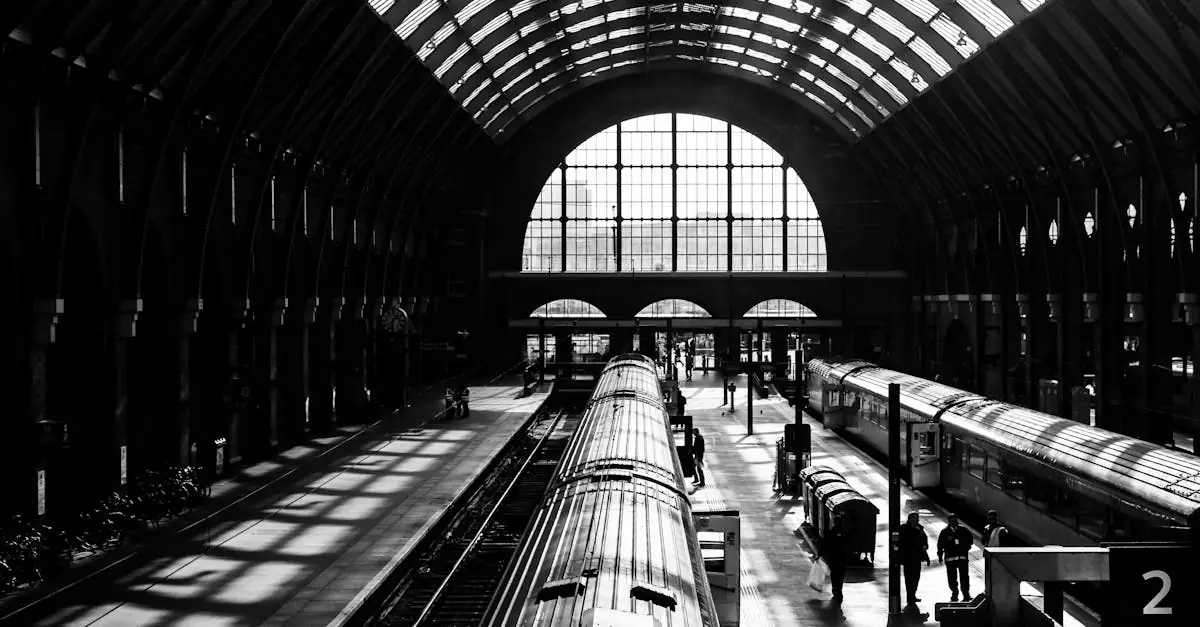
The Douro Line offers one of Europe’s most scenic train journeys, winding through the heart of Portugal’s iconic wine country. This route exemplifies the best train journeys for slow travel, allowing you to immerse yourself in the dramatic landscapes and rich culture of the Douro Valley. Traveling by train here is not just transportation; it’s an integral part of the experience, providing unparalleled views of terraced vineyards clinging to steep hillsides.
Porto to Pocinho: A Journey Through Terraced Vineyards
The Douro Line officially runs from Porto’s São Bento station to Pocinho, a journey of approximately 3.5 hours one way. The most captivating stretch begins after leaving the city’s urban sprawl and entering the valley. As the train hugs the Douro River, the scenery transforms into a breathtaking panorama of meticulously cultivated vineyards, interspersed with traditional quintas (wine estates) and small riverside villages. The line is single-track, adding to the intimate feel of the journey.
Consider departing from Porto early in the morning to maximize daylight hours for sightseeing. Tickets are generally affordable, making this an accessible adventure. While the train is reliable, be aware that schedules can be less frequent on weekends and holidays. Booking tickets in advance is advisable, especially during peak season, though often not strictly necessary for this route.
Day Trips from Pinhão and Régua
While the full journey to Pocinho is rewarding, many travelers opt to base themselves in charming towns like Pinhão or Peso da Régua for shorter excursions. Pinhão, centrally located, is a hub for wine tourism and offers easy access to boat tours and vineyard visits. From here, you can take short train rides in either direction to further explore the Douro Valley.
Peso da Régua, often referred to as the capital of the Douro, provides a slightly larger town feel with more amenities. It’s also home to the Douro Museum, offering insights into the region’s winemaking heritage. Using the train for day trips allows for flexibility, letting you spend more time at specific viewpoints or wineries that capture your interest.
Savoring Port Wine and Local Portuguese Dishes
No visit to the Douro Valley is complete without indulging in its world-famous Port wine. Many quintas along the river offer tastings and tours, and some are conveniently located within walking distance or a short taxi ride from train stations. The experience of tasting Port directly from the source, surrounded by the vineyards where it was produced, is unforgettable.
Beyond wine, local cuisine is a highlight. Expect hearty, rustic dishes featuring fresh river fish, roasted meats, and regional cheeses. Look for restaurants in towns like Pinhão and Régua that serve traditional Portuguese fare. Enjoying a leisurely meal with a view of the Douro River complements the slow travel ethos of this journey.
Best Train Carriages for Scenic Views
When boarding the Douro Line, aim for seats on the right-hand side of the train when traveling from Porto towards Pocinho. This side offers the most consistent and dramatic views of the river and the terraced vineyards. While specific carriage numbers aren’t always guaranteed, arriving at the station a little early allows you to select a carriage with good window visibility.
Modern trains on this line often feature comfortable seating and large windows. Some services might include open-air compartments or observation cars, though these are less common on standard regional trains. The focus here is on the natural spectacle outside, so any seat with a clear view is a good choice. The slow pace of the train itself is conducive to appreciating the unfolding landscape, making it one of the truly best train journeys for slow travel in Europe.
Frequently Asked Questions About Europe’s Best Train Journeys
How do I book tickets for these slow travel routes?
Booking tickets for European train journeys involves several options. For individual legs, you can often purchase directly from national rail operators like Deutsche Bahn (Germany), SNCF (France), or Trenitalia (Italy). Websites like Trainline or Omio aggregate schedules and prices across many countries, simplifying comparison. For longer, multi-country itineraries, consider a rail pass. Eurail passes offer flexibility for non-European residents, while Interrail passes are for European citizens. Booking in advance, especially for popular routes or during peak season, is crucial for securing the best prices and availability.
What is the average cost of a European train journey?
The cost of European train travel varies significantly based on the country, route, class of service, and how far in advance you book. A typical one-way ticket for a medium-distance journey (2-3 hours) might range from €30 to €70. High-speed routes, like Paris to Lyon, can cost more, sometimes exceeding €100 if booked last minute. Overnight sleeper trains also come with a premium for private compartments. Budgeting an average of €50-€100 per day for train travel, including a mix of shorter and longer journeys, is a reasonable starting point for planning your trip. Rail passes can offer cost savings for extensive travel across multiple countries.
Are overnight sleeper trains a good option for slow travel?
Overnight sleeper trains are an excellent fit for slow travel. They allow you to cover significant distances while you sleep, saving valuable daytime hours for sightseeing at your destination. This method maximizes your time and reduces the need for a hotel stay for that night, contributing to both efficiency and budget. Most sleeper trains offer various accommodation levels, from reclining seats to private berths and compartments with beds. Booking these in advance is highly recommended, as they are popular and have limited capacity.
What should I pack for a multi-day train trip in Europe?
Packing for a multi-day European train trip requires a focus on practicality and versatility. Lightweight, wrinkle-resistant clothing is ideal, as you’ll likely be moving your luggage frequently. Consider layers, as temperatures can fluctuate. Essential items include comfortable walking shoes, a portable power bank for charging devices, a reusable water bottle, and any necessary travel adapters. Pack a small daypack for excursions and a larger, manageable suitcase or backpack that can be easily stored in overhead compartments or luggage racks on the train. Don’t forget essential toiletries and any personal medications.