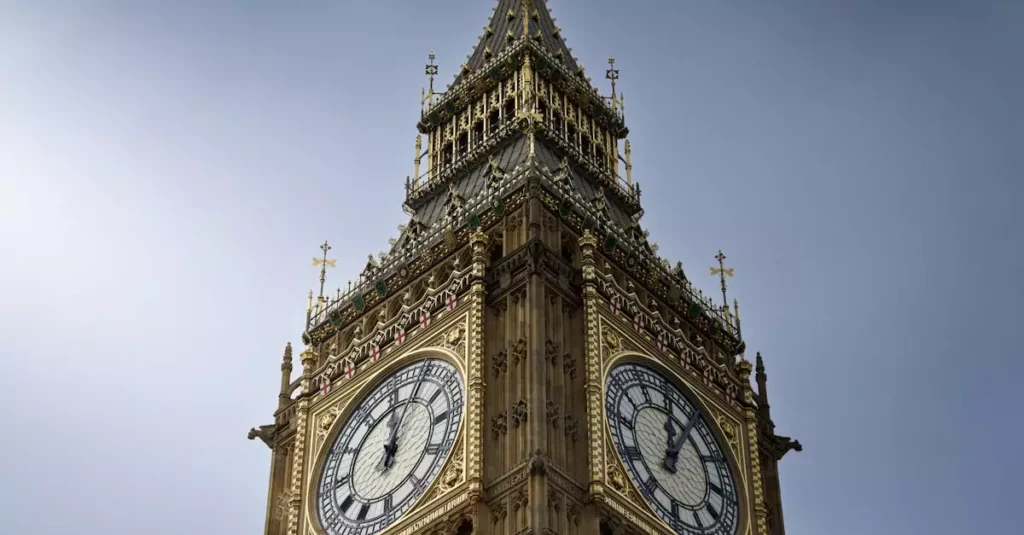
London, a city where history resonates through its ancient streets and iconic landmarks, offers a remarkable journey into the past. For travelers planning a visit in 2026, exploring the best historic places in London will undoubtedly form the backbone of an unforgettable itinerary. This guide will navigate you through centuries of British heritage, from the formidable walls of royal palaces and the revered halls of ancient abbeys to the hidden corners of historically rich neighborhoods. You’ll discover the significance of each site, practical tips for visiting in the coming year, and ways to immerse yourself in the stories that have shaped this magnificent capital. Prepare to step back in time and uncover the enduring legacy of London’s most captivating historical treasures.
Unveiling the Best Historic Places in London for 2026
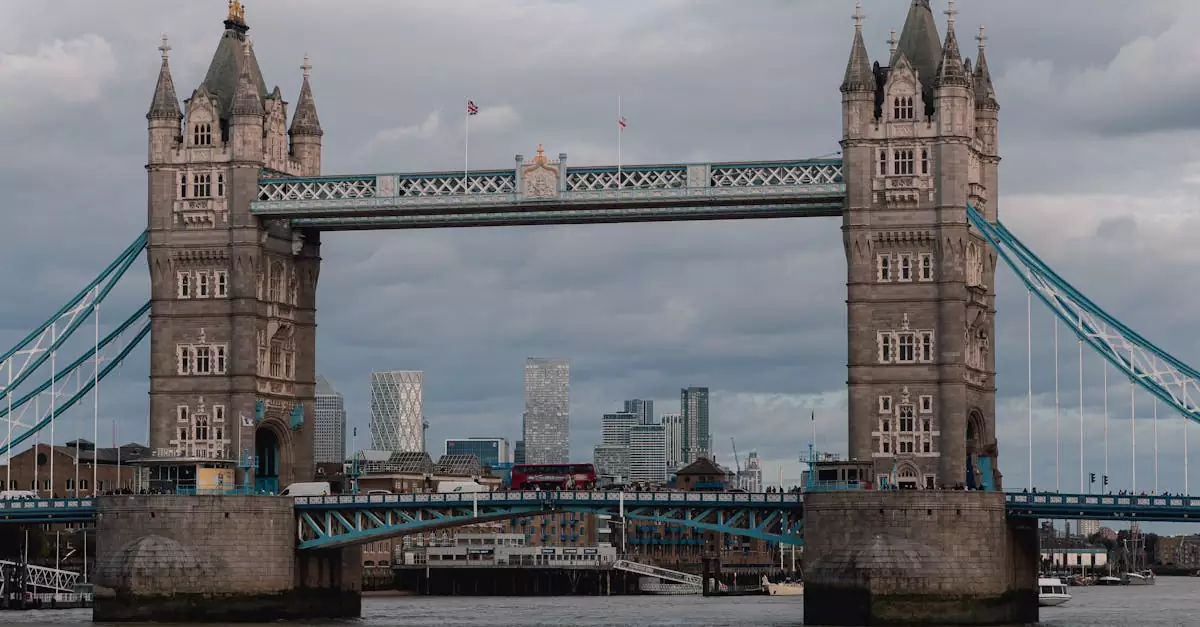
London, steeped in history, offers a wealth of ancient sites and royal residences. For those planning a visit in 2026, understanding the most intriguing historic places will shape an unforgettable itinerary. From formidable fortresses to elegant palaces, these landmarks provide a tangible connection to centuries of British heritage. To navigate these sites effectively, a bit of planning is essential, considering transportation, ticket booking, and optimal visiting times.
Tower of London: Centuries of Royal History and Crown Jewels
The Tower of London stands as a formidable testament to England’s turbulent past. Originally built by William the Conqueror in the 11th century, it has served as a royal palace, a notorious prison, and a treasury. Visitors can walk the ramparts, marvel at the dazzling Crown Jewels, and hear tales of intrigue and execution from the Yeoman Warders. Allocate at least half a day to fully appreciate its vast collections and exhibits.
Visitor Tips:
- Getting There: The Tower Hill Underground station (Circle and District lines) is a short walk away. Several bus routes also stop nearby.
- Tickets: Booking tickets online in advance is highly recommended to avoid long queues, especially during peak season. Consider the London Pass if you plan to visit multiple attractions.
- Best Time to Visit: Arrive shortly after opening to see the Crown Jewels before the crowds build. Weekdays outside of school holidays are generally less busy.
Westminster Abbey: Coronation Church and Royal Tombs
Westminster Abbey is more than just a stunning Gothic church; it’s the site of every English and British coronation since 1066. Its hallowed halls house the tombs and memorials of countless monarchs, poets, scientists, and national heroes, including Elizabeth I, Isaac Newton, and Geoffrey Chaucer. The sheer density of history within its walls is breathtaking.
Logistics:
- Timing: A visit typically takes 1.5 to 2 hours. Audio guides are invaluable for understanding the significance of the various tombs and chapels.
- Access: Located next to the Houses of Parliament, it’s easily accessible via Westminster Underground station (Jubilee, District, and Circle lines).
- Dress Code: As it is a place of worship, modest dress is appreciated.
Hampton Court Palace: Tudor Grandeur and Royal Intrigue
Journey a little further afield to Hampton Court Palace, a magnificent former royal residence that offers a fascinating glimpse into the lives of Henry VIII and his six wives. This sprawling palace boasts stunning Tudor architecture, the famous Great Hall, and extensive Baroque gardens, including the world’s largest historic maze. Its sheer scale and the stories it holds make it a captivating day trip.
Planning Your Visit:
- Getting There: Trains run regularly from London Waterloo station to Hampton Court station, which is directly opposite the palace entrance.
- Activities: Don’t miss the Magic Garden, the Great Vine, and the historical re-enactments that often take place during warmer months.
- Budget: Entry fees can add up, so factor this into your overall travel budget. Pack a picnic to enjoy in the gardens and save on food costs.
These historic sites represent just a fraction of London’s rich past, offering profound insights into the nation’s heritage for any traveler in 2026.
Exploring London’s Historic Neighborhoods
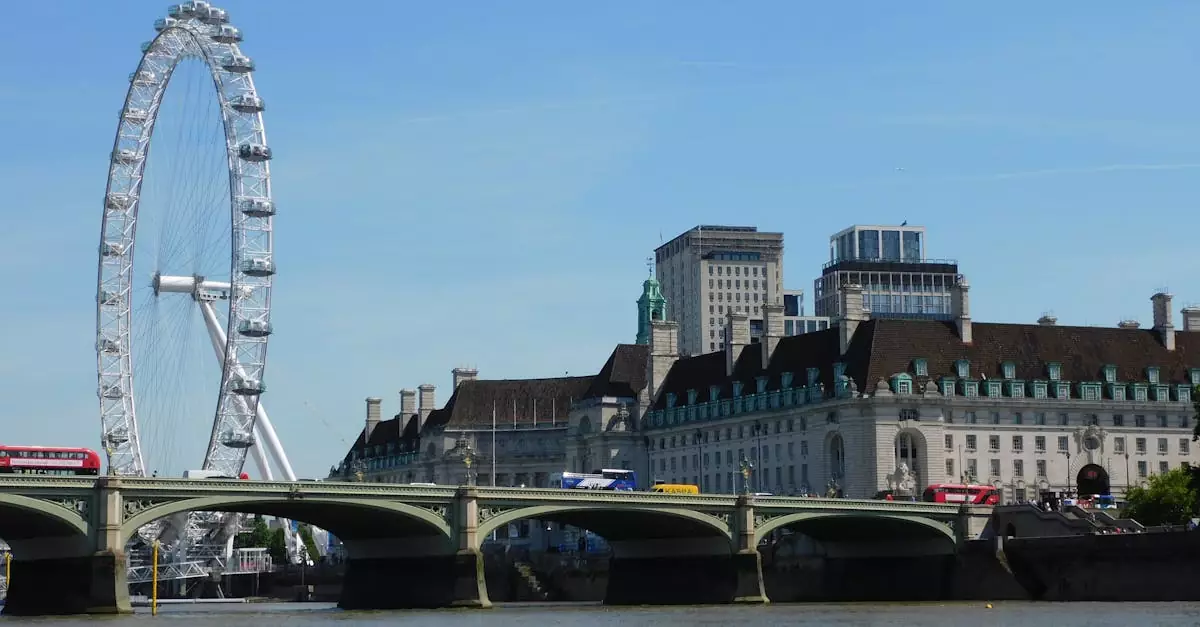
London’s rich history extends beyond individual landmarks; it is woven into the fabric of its distinct neighborhoods. Exploring these areas provides a layered understanding of the city’s evolution, from its Roman foundations to its modern-day status. Each district tells a story through its architecture, street layout, and preserved sites, offering a tangible connection to centuries past.
The City of London: Ancient Roman Roots and Financial Hub
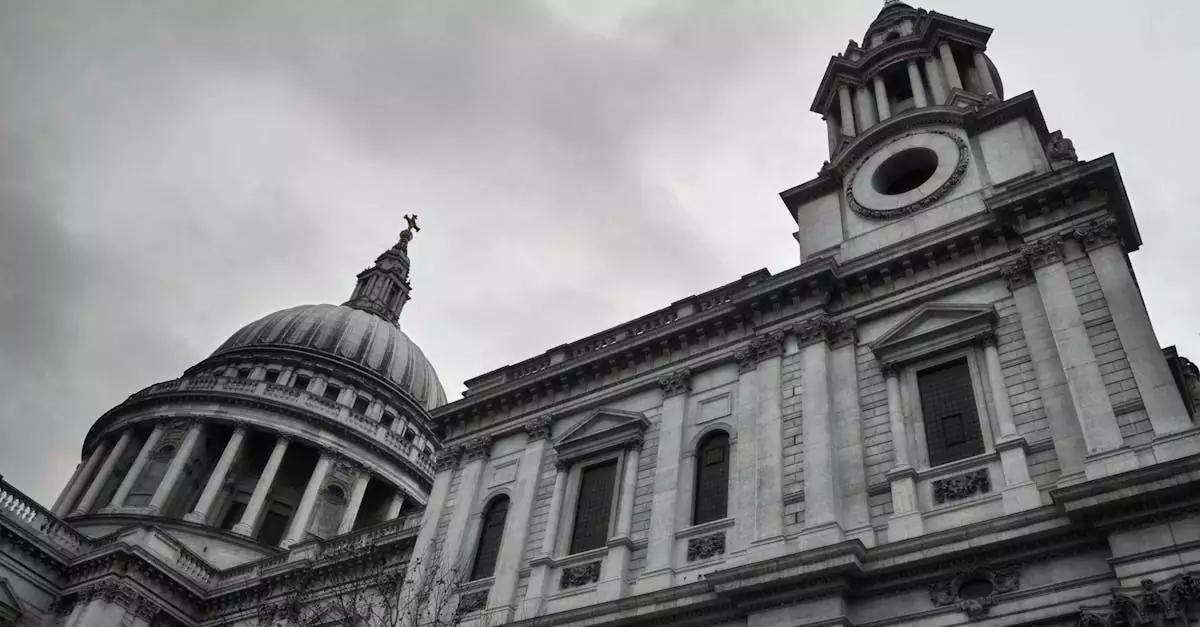
The City of London, often referred to as the “Square Mile,” is the historical heart of the capital and its primary financial district. Its origins trace back to Roman Londinium, founded around 43 AD. Evidence of this ancient past can still be seen, most notably at the Museum of London, which houses artifacts from the Roman, Saxon, and medieval periods. Walking through the City today, you’ll encounter a fascinating juxtaposition of gleaming modern skyscrapers and centuries-old churches, like St. Paul’s Cathedral, a masterpiece of Baroque architecture designed by Sir Christopher Wren after the Great Fire of 1666.
Navigating the City is best done on foot, allowing for serendipitous discoveries of hidden courtyards and ancient alleyways. The nearest major transport hubs are Liverpool Street and Bank stations, offering access to multiple Underground lines. While it’s a bustling business district on weekdays, its historic charm becomes more apparent during weekends when the crowds thin.
Southwark’s Medieval Past: Shakespeare’s Globe and Borough Market
Southwark, situated on the south bank of the River Thames, boasts a vibrant medieval history, famously associated with entertainment and trade. This area was once home to numerous theatres, including the original Globe Theatre, where many of William Shakespeare’s plays were first performed. The reconstructed Shakespeare’s Globe offers a unique opportunity to experience Elizabethan theatre as it was intended, with performances held during the warmer months.
Adjacent to the Globe is Borough Market, one of London’s oldest and most renowned food markets, with records dating back to the 11th century. It’s a sensory delight, offering everything from artisanal produce to international street food. Exploring Southwark can be combined with a visit to the Tate Modern, housed in a former power station, showcasing contemporary art against a backdrop of industrial heritage.
Getting to Southwark is straightforward via the Jubilee and Northern lines to London Bridge station, or the Bakerloo and Northern lines to Elephant & Castle. The area is highly walkable, with most attractions within easy reach of each other.
Kensington’s Royal Residences and Museums
Kensington is synonymous with royal history and world-class cultural institutions. The most prominent landmark is Kensington Palace, a working royal residence that has been home to various members of the British royal family for centuries. Visitors can tour the State Apartments and explore the beautiful gardens, which have witnessed significant historical events.
Beyond the palace, Kensington is a hub for museums, forming part of “Albertopolis,” the cultural district established after the Great Exhibition of 1851. The Victoria and Albert Museum (V&A), the Science Museum, and the Natural History Museum are all located here, offering vast collections spanning art, design, science, and natural history. These institutions are free to enter, making them accessible for all budgets.
Kensington High Street offers excellent shopping and dining, while the surrounding streets are lined with elegant Victorian architecture. The area is well-served by the District and Circle lines to High Street Kensington station, and the Piccadilly line to South Kensington station. The museums and palace are all within walking distance of these stations.
Beyond the Landmarks: Hidden Historic Gems in London
While the Tower of London and Westminster Abbey draw crowds for good reason, London’s rich history is also preserved in more intimate, lesser-known sites. These locations offer a unique glimpse into specific eras and personal stories, providing a quieter, often more profound, historical experience. For travelers looking to delve deeper than the iconic monuments, these hidden gems are essential stops.
Sir John Soane’s Museum: A Curious Collector’s Mansion
Sir John Soane’s Museum in Holborn is unlike any other historic house in London. This former home of the neoclassical architect Sir John Soane is filled with an astonishing collection of art, antiquities, and curiosities gathered over his lifetime. The house itself is a masterpiece of architectural innovation, featuring ingenious use of space, hidden doorways, and dramatic lighting.
Visiting requires booking a timed entry slot, especially for the popular evening openings that feature atmospheric lighting. Allow at least two hours to wander through the labyrinthine rooms, from the Picture Gallery with its ingenious folding screens revealing more artwork to the Egyptian sarcophagus in the basement. Photography is not permitted, encouraging visitors to be fully present. The museum offers a fascinating, if sometimes overwhelming, insight into the mind of a passionate collector.
Leighton House Museum: An Aesthetic Movement Masterpiece
Located in Holland Park, Leighton House Museum transports visitors to the heart of the Victorian Aesthetic Movement. This opulent former home and studio of the artist Frederic, Lord Leighton, is most famous for its breathtaking Arab Hall, adorned with intricate Islamic tiles, a central fountain, and a dome painted with celestial scenes.
Beyond the Arab Hall, the house showcases Leighton’s own paintings and a collection of works by his contemporaries. The studio itself, with its grand scale and natural light, offers a glimpse into the working life of a prominent Victorian artist. It’s a wonderfully preserved example of late 19th-century artistic ambition and taste. The nearest Tube station is High Street Kensington, and the house is easily accessible from other parts of West London.
Dennis Severs’ House: Immersive Georgian Living History
For a truly unique historical immersion, Dennis Severs’ House in Spitalfields offers an experience that blurs the lines between museum and theatre. This meticulously preserved Georgian house is presented as if its inhabitants have just stepped out, with flickering candlelight, the scent of woodsmoke, and the sounds of daily life filling the air.
Visitors walk through the rooms in silence, guided only by the atmosphere and the subtle clues left behind. It’s an evocative journey through the lives of Huguenot silk weavers and subsequent residents. Tours are often conducted by candlelight, enhancing the immersive quality. Booking in advance is essential, as capacity is limited. This destination is perfect for those who appreciate sensory storytelling and a deeply atmospheric encounter with the past.
Navigating London’s Historic Sites: Tips for 2026 Visitors
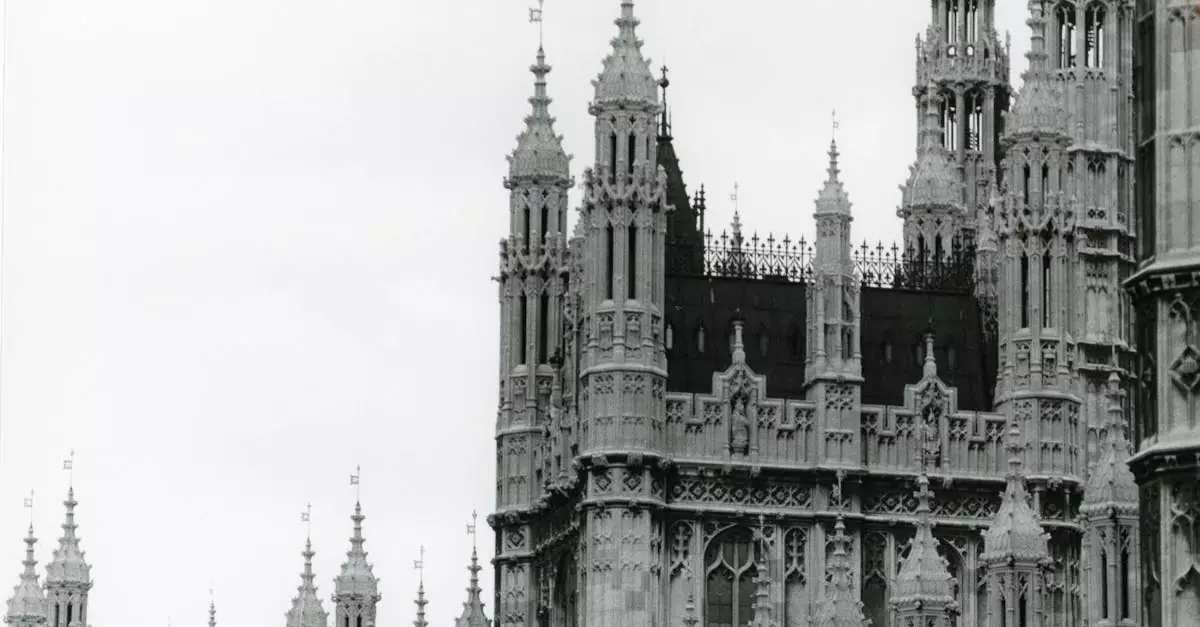
Planning a journey to London’s rich tapestry of historic places requires foresight, especially for 2026. This guide offers practical advice to ensure your exploration of the city’s past is smooth and memorable. Understanding transportation, optimal visiting times, and budget considerations will significantly enhance your experience.
Getting Around: Public Transport for Historic Exploration
London’s extensive public transport network is your best ally for reaching its many historical landmarks. The Underground, or “Tube,” connects most major attractions efficiently, while the iconic red double-decker buses offer a more scenic, albeit slower, way to travel. For a comprehensive overview of navigating the city, consult Transport for London’s official resources.
Consider purchasing an Oyster card or using contactless payment for seamless travel. These methods offer daily capping, ensuring you won’t overspend, regardless of how many journeys you take. For those visiting multiple sites spread across different areas, planning your routes in advance using apps like Citymapper or Google Maps can save considerable time.
Here’s a quick comparison of common transport options for reaching historic sites:
| Transport Mode | Average Cost (per journey) | Travel Time (to Central London) | Best For |
|---|---|---|---|
| London Underground | £2.50 – £6.00 | 15-45 minutes | Speed, access to most locations |
| Bus | £1.75 | 30-90 minutes | Scenic views, budget-conscious travelers |
| Taxi/Ride-share | £15.00+ | 10-30 minutes | Convenience, direct routes, late nights |
| Walking | Free | Varies | Short distances, experiencing neighborhoods |
Best Times to Visit London’s Historic Attractions
The best time to visit London’s historic attractions largely depends on your tolerance for crowds and your preference for weather. Shoulder seasons, typically spring (April-May) and autumn (September-October), often provide a good balance. You’ll encounter fewer tourists than in peak summer, and the weather is generally more pleasant, with fewer rainy days than in winter.
Summer (June-August) offers the longest daylight hours and the warmest weather, making it ideal for outdoor exploration. However, be prepared for larger crowds at popular sites like the Tower of London and Westminster Abbey. Winter (November-March) brings fewer visitors and festive decorations, but daylight is limited, and the weather can be cold and wet.
Here’s a look at seasonal considerations:
- Spring (April-May): Mild temperatures, blooming gardens, moderate crowds.
- Summer (June-August): Warmest weather, longest days, peak tourist season.
- Autumn (September-October): Crisp air, beautiful foliage, decreasing crowds.
- Winter (November-March): Cold, potential for rain/snow, fewest crowds, festive atmosphere.
Booking tickets online in advance is highly recommended, especially during busy periods, to avoid long queues and sometimes secure better prices.
Budgeting for Historic London: Tickets and Experiences
London’s historic sites offer a wide range of experiences, from free entry to world-class museums to ticketed attractions like the Houses of Parliament. A realistic budget is crucial for enjoying these historical gems without financial strain. Many of the city’s most significant museums, such as the British Museum and the National Gallery, offer free general admission, though special exhibitions may have a fee.
For paid attractions, consider purchasing a London Pass or similar city passes if you plan to visit many ticketed sites. These passes can offer significant savings by bundling entry to multiple attractions. However, do the math to ensure the pass aligns with your planned itinerary; sometimes, individual ticket purchases are more economical.
When budgeting, also factor in transportation costs, food, and any desired souvenirs. A typical day visiting one major paid attraction, using public transport, and having lunch could range from £50 to £100 per person, depending on your choices. Exploring the historic streets of areas like Westminster or the City of London on foot is a fantastic way to absorb the atmosphere without additional cost.
Immersive Historic Experiences in London
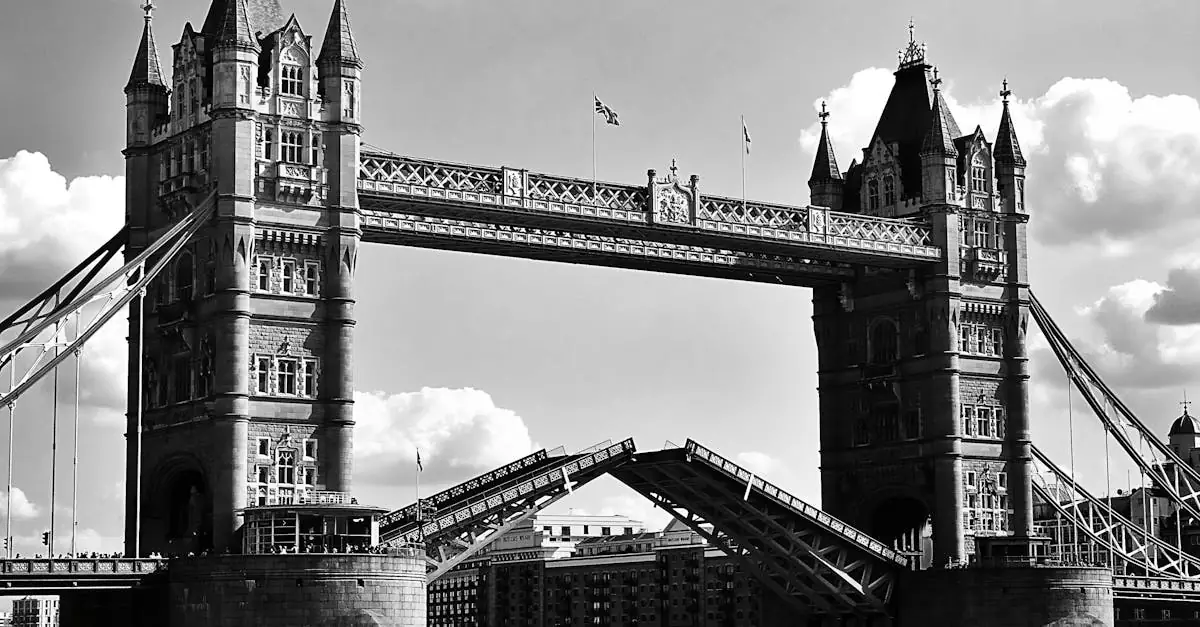
London’s rich tapestry of history offers countless opportunities for deep dives into the past. Beyond simply seeing landmarks, engaging with these sites through immersive experiences provides a more profound understanding of their significance. From the theatrical echoes of Elizabethan England to the tense atmosphere of wartime bunkers, these are some of the best historic places in London to truly feel history come alive.
Attending a Play at Shakespeare’s Globe
For a truly transportive experience, attending a performance at Shakespeare’s Globe is essential. This faithful reconstruction of the original Elizabethan playhouse on the South Bank brings you as close as possible to how audiences would have experienced Shakespeare’s works in the 16th and 17th centuries. Standing in the “yard” as a “groundling” offers a unique, energetic atmosphere, with the audience close to the action and the actors.
The Globe stages a repertoire of Shakespeare’s plays throughout the warmer months, typically from April to October. Booking tickets in advance is highly recommended, especially for the popular “groundling” spots, which are the most affordable. Consider dressing for the weather, as the yard is open to the elements, and be prepared for a lively, interactive performance. The closest Tube station is Blackfriars.
A Royal Walking Tour of Westminster
Westminster is the heart of British power and pageantry, boasting a concentration of historic royal and governmental sites. Embarking on a walking tour here allows you to trace centuries of history, from medieval monarchs to modern-day statecraft. Key stops often include the Houses of Parliament, Westminster Abbey, and Buckingham Palace.
A self-guided walk can be undertaken at your own pace, allowing ample time to admire the architecture and absorb the atmosphere. Alternatively, numerous guided tours are available, often led by knowledgeable guides who can illuminate the intricate histories of each location. Many tours start near Westminster Tube station. Plan for at least half a day to comfortably cover the main attractions and consider checking the schedule for the Changing of the Guard ceremony at Buckingham Palace for an added spectacle.
Exploring the Churchill War Rooms
Step back into the tense atmosphere of World War II at the Churchill War Rooms, a remarkably preserved underground bunker that served as Prime Minister Winston Churchill’s command center. Located beneath the Treasury building in Westminster, this complex offers a tangible connection to Britain’s wartime efforts. Visitors can walk through the actual rooms where crucial decisions were made, including the Map Room and Churchill’s bedroom.
The Churchill War Rooms are part of the Imperial War Museums and provide an unparalleled insight into the strategic operations and daily life of those working within the bunker. Allow at least two hours for your visit to fully appreciate the exhibits and the historical context. The site is accessible via Westminster or St. James’s Park Tube stations. Booking tickets online in advance is strongly advised to secure your entry time, as it is a very popular attraction.
Frequently Asked Questions About London’s Historic Places
What are the most accessible historic places in London?
Many of London’s most significant historic sites are well-equipped for visitors with mobility challenges. The Tower of London, for instance, offers accessible routes to many of its key areas, though some ancient structures may present limitations. The Houses of Parliament can be toured with advance notice for accessibility needs. For a more universally accessible experience, consider the British Museum, which houses historical artifacts within a modern, navigable building. The Underground, while historic, is undergoing continuous upgrades to improve accessibility, but not all stations are fully accessible. Planning your journey using the Transport for London website is recommended.
Are there any ghost tours focusing on historic London?
Yes, London’s rich and often dark history makes it a prime location for ghost tours. Several companies offer walking tours that delve into the macabre past of areas like the City of London, Whitechapel, and Westminster. These tours often focus on notorious figures, unsolved mysteries, and alleged hauntings connected to specific historic buildings and alleyways. Tours typically run in the evenings, offering a unique perspective on the city’s atmosphere after dark.
What are some family-friendly historic sites in London?
Several historic sites in London cater well to families. The Tower of London, beyond its more serious history, offers engaging displays and the chance to see the Crown Jewels, often captivating younger visitors. The Houses of Parliament provide educational tours that can be adapted for children, explaining the workings of government in a historical context. For a more interactive experience, consider the Churchill War Rooms, where children can learn about wartime history in an immersive environment. Many of London’s museums, like the Natural History Museum and the Science Museum, also offer extensive historical exhibits in engaging formats.