France is a treasure trove of history and culture, recognized globally through its numerous UNESCO World Heritage Sites. These designated locations offer a unique opportunity to connect with the past, featuring ancient Roman ruins, grand Gothic cathedrals, meticulously planned urban landscapes, and breathtaking natural wonders.
This guide will help you discover the best UNESCO sites France has to offer. You’ll explore their historical and cultural significance, marvel at architectural feats across various regions, and find practical tips for planning your itinerary. Whether you’re drawn to royal palaces, ancient abbeys, or dramatic coastal vistas, France’s heritage sites promise an enriching journey. Prepare to be captivated by the enduring appeal of these globally significant places.
Why Visit France’s UNESCO World Heritage Sites?
France boasts an extraordinary collection of UNESCO World Heritage Sites, each providing a unique window into its rich history, diverse culture, and remarkable artistic achievements. These officially recognized locations symbolize a commitment to preserving global heritage for future generations. Visiting them offers an unparalleled opportunity to connect with the past and understand the forces that have shaped this influential European nation.
The Enduring Appeal of French UNESCO Landmarks
The allure of France’s UNESCO sites lies in their variety and profound historical resonance. From ancient Roman ruins to grand Gothic cathedrals and the meticulously planned urban landscapes of Paris, these sites narrate compelling stories of human ingenuity and societal evolution. Travelers are drawn to the tangible evidence of centuries of artistic, architectural, and political development embodied in these landmarks. Planning a trip to France often centers on experiencing these globally significant places, offering a deeply rewarding journey.
Cultural Significance of France’s Heritage Listings
France’s UNESCO listings are more than just tourist attractions; they are cornerstones of national identity and global cultural understanding. They showcase the country’s pivotal role in art history, scientific advancement, and philosophical thought. Each site, whether the vineyards of Champagne or the historic city of Lyon, reflects a specific aspect of French civilization and its contribution to the world. Understanding this cultural weight enriches the travel experience, transforming a visit into an educational immersion.
Uncovering Unique Architectural Marvels
The architectural diversity found within France’s UNESCO sites is staggering. Visitors can witness the evolution of building techniques and aesthetic styles across different eras. Consider the Roman amphitheater in Nîmes, a testament to ancient engineering, or the opulent Palace of Versailles, a masterpiece of Baroque design. Even lesser-known sites often house intricate details and innovative construction methods that continue to inspire architects today. Exploring these marvels offers both a visual feast and a deep appreciation for human creativity.
Top UNESCO Sites in Northern France: From Abbeys to Medieval Towns
Northern France boasts an impressive array of UNESCO World Heritage sites, providing a deep dive into the region’s rich history and architectural marvels. These locations connect visitors to centuries past, from soaring Gothic cathedrals to fortified medieval towns and dramatic coastal landscapes. Planning a visit requires understanding their unique offerings and logistical considerations.
The Historic Site of Amiens Cathedral: Gothic Grandeur
Amiens Cathedral, officially the Cathedral of Notre-Dame of Amiens, exemplifies French Gothic architecture at its zenith. This colossal structure, a UNESCO World Heritage site since 1981, is the largest of the classic Gothic cathedrals from the 13th century, measuring over 145 meters in length. Its intricate facade, adorned with thousands of sculpted figures, tells biblical stories and reflects local life.
Inside, the soaring nave creates an awe-inspiring atmosphere, enhanced by vibrant stained-glass windows that cast colorful light throughout the space. Visitors should allocate at least two hours to fully appreciate the cathedral’s scale and detail, including a closer look at the renowned labyrinth on the floor. The cathedral is easily accessible by train from Paris, making it a popular day trip. Consider visiting during off-peak hours, such as weekday mornings, to avoid larger crowds.
The UNESCO Listed Medieval City of Provins
Step back in time with a visit to Provins, a remarkably preserved medieval fortified town located about 80 kilometers southeast of Paris. This UNESCO site transports you to an era of powerful counts and bustling trade fairs, with its intact ramparts, towers, and underground passages. The most iconic structure is Caesar’s Tower, offering panoramic views of the town and surrounding countryside.
Exploring Provins involves walking its cobblestone streets and discovering its historical treasures. Key attractions include the Grange aux Dîmes (tithe barn), the Saint-Quiriace Collegiate Church, and the underground tunnels, which were once used for defense and smuggling. The town comes alive during its medieval festivals, held annually in June and November, featuring jousting, falconry, and craft markets. Traveling to Provins is straightforward via train from Paris, taking approximately 1.5 hours. Comfortable walking shoes are essential for navigating the uneven terrain.
Mont-Saint-Michel: A Tidal Island Wonder
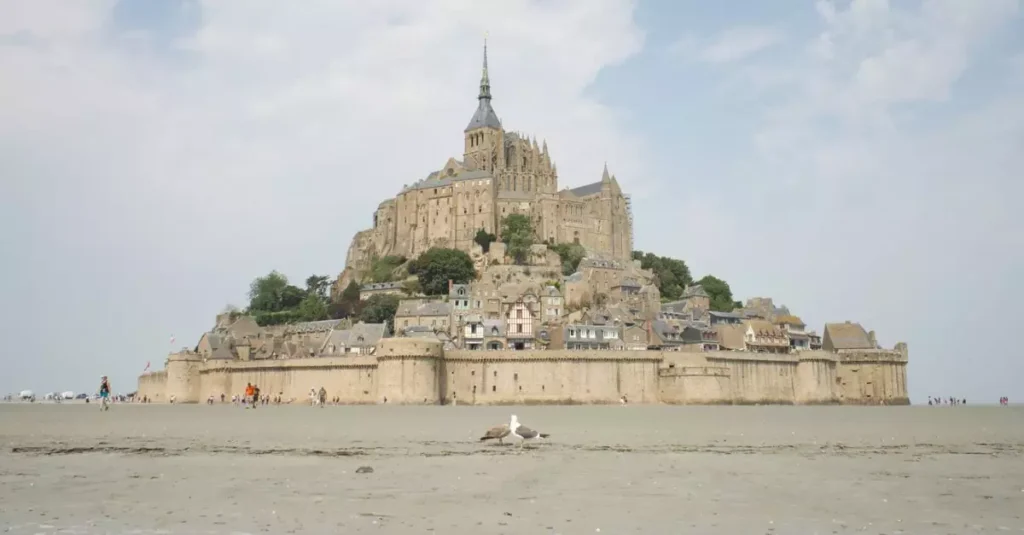
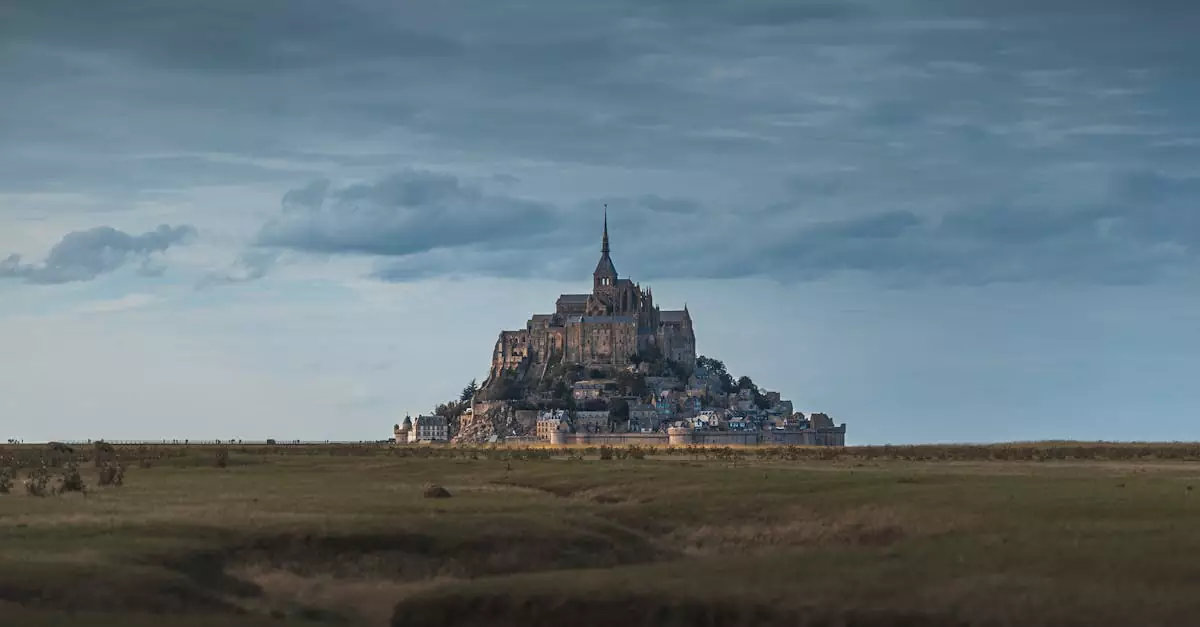
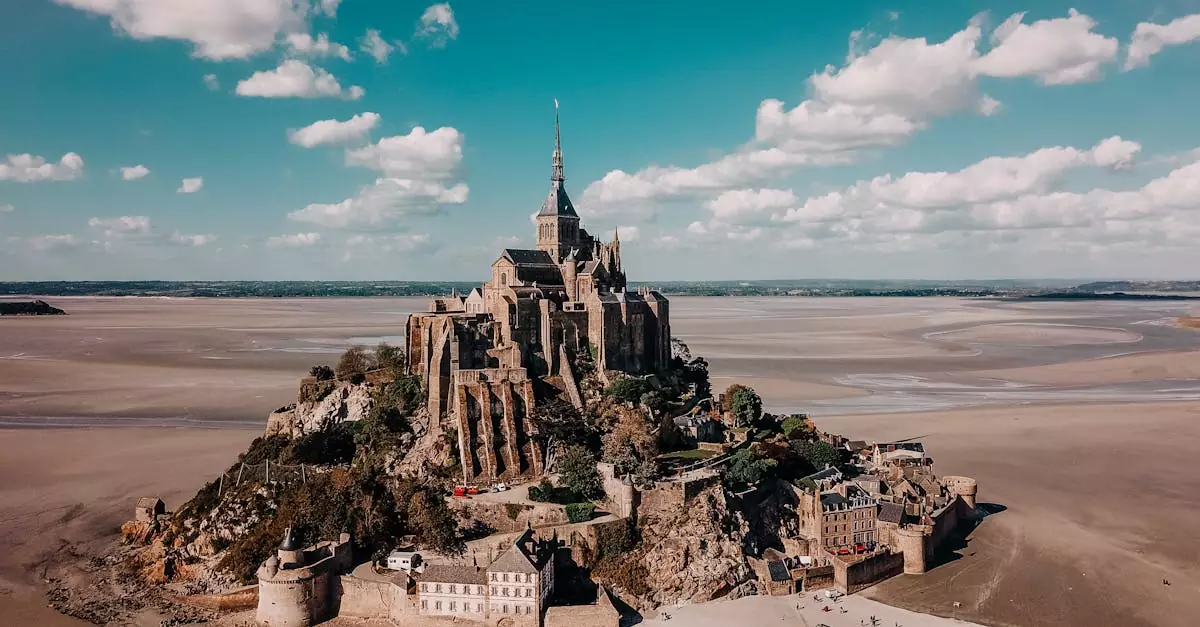
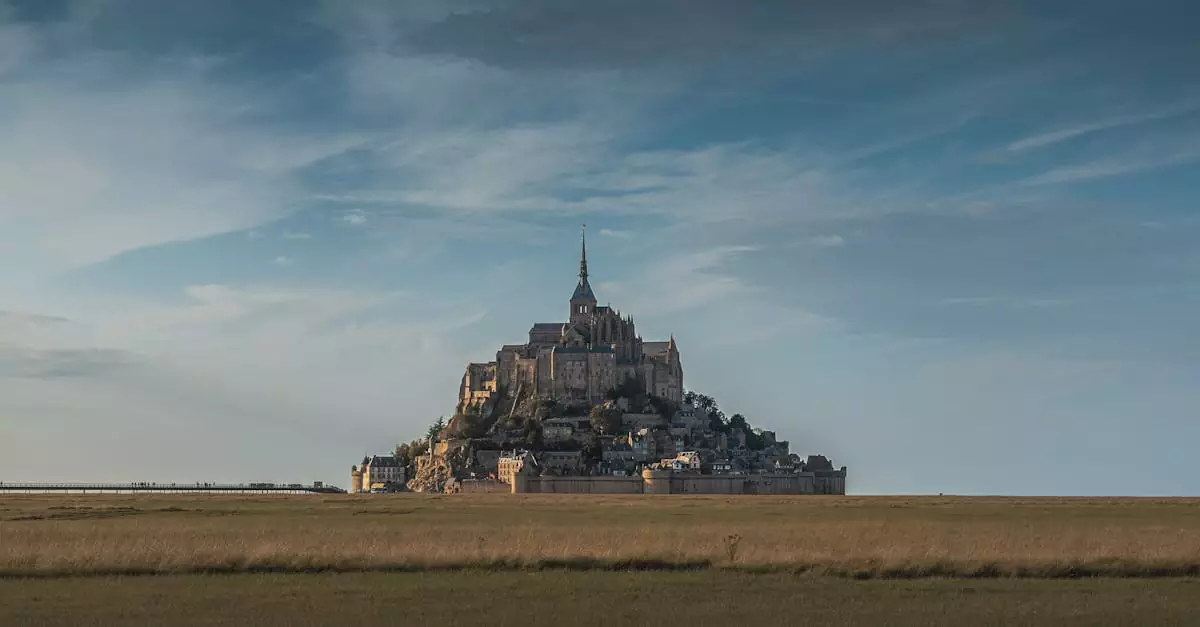
Perched atop a rocky islet, Mont-Saint-Michel is an iconic symbol of France and a UNESCO World Heritage site of immense beauty and historical significance. This tidal island, crowned by its magnificent abbey, presents a breathtaking sight that changes dramatically with the tides and light. The journey to the mount itself is often a scenic walk across a modern causeway.
The abbey, a marvel of medieval architecture, is the primary draw, featuring monastic cloisters, a refectory, and stunning views from its ramparts. Beyond the abbey, the narrow, winding streets of the village are lined with charming shops and restaurants, offering a glimpse into life on this unique island. Due to its popularity, Mont-Saint-Michel can become very crowded, especially during peak season (summer) and weekends. Visiting early in the morning or late in the afternoon can provide a more serene experience. Parking is available on the mainland, with shuttle buses or walking paths leading to the island. For a more immersive experience, consider staying overnight in one of the limited accommodations on the mount or nearby.
| Site Name | Location | Primary Attraction | Best Time to Visit | Travel Time from Paris |
|---|---|---|---|---|
| Amiens Cathedral | Amiens | Gothic architecture, sculpted facade | Spring, Autumn | ~1.5 hours by train |
| Provins | Seine-et-Marne | Medieval ramparts, towers, underground passages | Spring, Summer | ~1.5 hours by train |
| Mont-Saint-Michel | Normandy | Abbey, tidal island setting, medieval village | Spring, Autumn | ~4 hours by train/bus |
Exploring UNESCO Treasures in Eastern and Central France
France’s UNESCO World Heritage Sites provide a unique glimpse into the nation’s rich history and vibrant culture. From royal palaces to ancient abbeys, these protected locations offer unforgettable travel experiences. This region of France holds some of its most iconic historical landmarks.
The Palace and Park of Versailles: Royal Opulence
A short journey southwest of Paris, the Palace of Versailles stands as a breathtaking testament to the absolute monarchy of France. Once the principal royal residence of King Louis XIV, this sprawling complex is renowned for its Hall of Mirrors, lavish apartments, and meticulously landscaped gardens. Allow a full day to truly appreciate the scale of Versailles, from the grandeur of the palace interiors to the expansive beauty of the Grand Canal and its surrounding groves.
Getting to Versailles is straightforward. Frequent RER C train services run from central Paris to the Versailles Château Rive Gauche station, about a 40-minute journey. Tickets for the palace and gardens are best purchased in advance online to avoid long queues, especially during peak season from April to October. Consider visiting on a weekday to mitigate crowds.
Vézelay Abbey: A Romanesque Masterpiece
Further east, in the Burgundy region, the Basilica of Sainte-Marie-Madeleine de Vézelay represents a pinnacle of Romanesque art and architecture. Perched atop a hill, this abbey served as a crucial starting point for pilgrims on the Way of St. James. The basilica’s nave, with its distinctive striped arches and sculpted capitals, is particularly striking. The spiritual atmosphere and panoramic views over the surrounding countryside make Vézelay a profoundly moving destination.
Accessing Vézelay typically involves driving or taking a train to a nearby town like Clamecy or Avallon, followed by a local bus or taxi. The journey from Paris is longer, often requiring a TGV to Lyon or Dijon and onward connections. Visiting during the shoulder seasons of spring or autumn can provide a more tranquil experience and pleasant weather for exploring the hilltop village.
The Historic Churches of Paris: Notre-Dame and Sainte-Chapelle
In the heart of Paris, two UNESCO-listed churches offer distinct yet equally compelling historical and artistic narratives. While Notre-Dame Cathedral continues its restoration following the 2019 fire, its exterior remains a powerful symbol of Parisian heritage. Nearby, Sainte-Chapelle, a jewel of Gothic architecture, captivates visitors with its breathtaking stained-glass windows depicting biblical scenes in vibrant detail.
Both sites are easily accessible via the Paris Métro. Notre-Dame is on the Île de la Cité, served by the Cité station (Line 4). Sainte-Chapelle is also on the Île de la Cité, a short walk from Notre-Dame. Tickets for Sainte-Chapelle should be booked online in advance, especially for timed entry slots. While Notre-Dame is currently not fully accessible, viewing its exterior and learning about its history remains a significant experience.
| Site Name | Location | Primary Appeal | Best Time to Visit | Travel Time from Paris (approx.) |
|---|---|---|---|---|
| Palace of Versailles | Versailles | Royal history, opulent architecture, gardens | Spring, Autumn | 40 minutes (RER C) |
| Vézelay Abbey | Burgundy | Romanesque architecture, pilgrimage history | Spring, Autumn | 3-4 hours (train + local) |
| Sainte-Chapelle | Paris (Île de la Cité) | Gothic architecture, stunning stained glass | Year-round | N/A (within Paris) |
Southern France’s UNESCO Gems: Roman Ruins and Coastal Beauty
Southern France features a rich tapestry of UNESCO World Heritage sites, blending ancient history with breathtaking landscapes. From well-preserved Roman amphitheaters to medieval fortifications and unique Mediterranean cultural areas, this region offers a profound journey through time. Planning a trip here involves understanding the best times to visit and how to navigate between these remarkable destinations.
The Roman Theatre and Its Surroundings of Orange
The ancient city of Orange, nestled in the Provence-Alpes-Côte d’Azur region, is home to one of the most impressive Roman theaters still standing. Its remarkably intact stage wall, towering 37 meters high, offers a powerful glimpse into the grandeur of Roman entertainment. Adjacent to the theater, the Triumphal Arch of Orange stands as another testament to the city’s imperial past.
Visiting Orange is best done in spring or autumn to avoid the summer heat and crowds. The site is easily accessible by car, with parking available nearby, or by train to the Orange station, followed by a short walk into the city center. Most visitors dedicate a half-day to fully appreciate the theater and arch.
- Timing: Spring (April-May) and Autumn (September-October) offer pleasant weather.
- Getting There: Train to Orange station, then a 15-minute walk. Driving is also convenient with nearby parking.
- Key Sights: Roman Theatre, Triumphal Arch.
Carcassonne: The Fortified City
Carcassonne, a UNESCO World Heritage site in the Occitanie region, is a magnificent example of a medieval fortified city. Its double-walled ramparts, 52 towers, and picturesque drawbridges transport visitors back to the age of knights and sieges. The Cité, the fortified upper town, is a labyrinth of cobblestone streets, charming shops, and historic buildings.
Exploring the Cité requires comfortable walking shoes, as the terrain is uneven and involves many stairs. While the site is open year-round, summer can be particularly busy. Consider visiting during shoulder seasons for a more tranquil experience. Accommodation options range from hotels within the Cité itself to more budget-friendly choices in the lower town, Ville Basse.
| Season | Pros | Cons |
|---|---|---|
| Spring | Pleasant weather, fewer crowds | Some attractions may have limited hours |
| Summer | All attractions open, lively atmosphere | Very crowded, hot weather |
| Autumn | Mild weather, harvest festivals | Days get shorter |
| Winter | Quiet, festive atmosphere | Colder, some outdoor activities limited |
The Causses and Cévennes: Cultural Landscape of a Mediterranean Agropastoral Tradition
This vast UNESCO site in southern France represents a unique cultural landscape shaped by centuries of Mediterranean agropastoralism. The Causses are limestone plateaus, while the Cévennes are rugged mountains, both characterized by dry-stone architecture, ancient sheep tracks, and a deep connection between people and their environment. This area offers a glimpse into a traditional way of life that has endured.
Travelers interested in hiking, nature, and rural heritage will find the Causses and Cévennes particularly rewarding. The best time to visit is from late spring to early autumn when hiking trails are accessible and the weather is suitable for outdoor activities. Exploring this region often involves driving, as public transport is limited between the small villages and natural sites. Consider basing yourself in towns like Millau or Florac for access to various points of interest.
- Activities: Hiking, exploring traditional villages, enjoying local cuisine.
- Logistics: Car rental is highly recommended for flexibility.
- Accommodation: Guesthouses (chambres d’hôtes) and rural gîtes are common.
Planning Your UNESCO France Itinerary: Best Time to Visit and Travel Tips
When planning a journey to France’s significant historical and cultural landmarks, timing and preparation are key. Understanding the best seasons, efficient travel methods, and budgeting will enhance your experience exploring these World Heritage sites.
Optimal Seasons for Exploring UNESCO Sites
France’s climate offers distinct advantages for visiting its UNESCO World Heritage sites throughout the year, though some periods are more favorable than others.
- Spring (April-June): This is a popular time, with pleasant temperatures and blooming landscapes. Crowds are generally smaller than in summer, making it easier to enjoy sites like the Palace of Versailles or the historic city of Carcassonne without overwhelming numbers.
- Summer (July-August): While the weather is warmest, this is also peak tourist season. Expect larger crowds and higher prices, particularly in coastal areas and major cities. However, longer daylight hours allow for extended sightseeing.
- Autumn (September-October): Many consider this the sweet spot. The summer crowds dissipate, the weather remains mild, and the autumn foliage adds a beautiful backdrop to sites like the Loire Valley châteaux.
- Winter (November-March): This is the low season, offering the fewest crowds and lowest prices. While some outdoor attractions might be less appealing in colder weather, indoor sites like Mont-Saint-Michel Abbey or the Roman Theatre of Orange are still accessible and provide a more intimate experience.
Navigating Between France’s World Heritage Locations
France boasts an excellent transportation network, making it relatively straightforward to travel between its diverse UNESCO destinations.
- High-Speed Rail (TGV): The TGV is an efficient and comfortable way to cover long distances. Major cities like Paris, Lyon, and Marseille are well-connected, providing easy access to regions with numerous World Heritage sites. Booking tickets in advance can secure better prices.
- Regional Trains (TER): For reaching smaller towns or specific sites not directly on TGV lines, regional trains are invaluable. They connect many of the historic villages and rural landscapes that house France’s cultural treasures.
- Car Rental: Renting a car offers the most flexibility, especially for exploring rural areas like the prehistoric sites of the Vézère Valley or the vineyards of Burgundy. It allows for spontaneous stops and access to more remote locations. Be mindful of parking availability and costs in popular tourist hubs.
- Buses: Intercity bus services can be a more budget-friendly option for certain routes, though they are generally slower than trains.
| Mode of Transport | Best For | Average Cost (per hour/km) | Travel Time Comparison |
|---|---|---|---|
| TGV | Long distances, city-to-city | €0.10 – €0.30 per km | Fastest |
| TER | Regional travel, smaller towns | €0.05 – €0.15 per km | Moderate |
| Car Rental | Flexibility, rural exploration | €30 – €70 per day | Variable |
| Intercity Bus | Budget travelers, specific routes | €0.02 – €0.08 per km | Slowest |
Budgeting for Your French UNESCO Adventure
The cost of visiting France’s UNESCO sites can vary significantly based on travel style, accommodation choices, and dining preferences.
- Accommodation: Budget travelers can find affordable hostels and guesthouses, especially outside major cities. Mid-range hotels offer comfort, while luxury options abound near popular attractions. Booking in advance, particularly during peak season, is advisable.
- Food: Eating at local boulangeries for breakfast and lunch, and enjoying picnics with market finds, can significantly reduce food costs. While Michelin-starred restaurants offer exquisite experiences, bistros and brasseries provide delicious and moderately priced meals.
- Site Entrance Fees: Many UNESCO sites charge entrance fees, which can add up. Consider purchasing a museum pass if you plan to visit multiple attractions in a city or region.
- Transportation: As outlined above, train travel can be cost-effective when booked ahead, while car rental adds daily fees and fuel costs.
A reasonable daily budget for a mid-range traveler, excluding major transport between cities, might range from €100 to €200 per person, covering accommodation, meals, and site entry fees.
Accommodation Options Near Key Sites
Choosing the right accommodation can greatly enhance your visit to France’s UNESCO treasures.
- In Historic Centers: Staying within the walls of a medieval city like Carcassonne or Avignon places you at the heart of history. This often means charming boutique hotels or apartments, though parking can be limited.
- Near Major Landmarks: For sites like the Palace of Versailles or Mont-Saint-Michel, hotels are available in the immediate vicinity, offering convenience and early access.
- Rural Guesthouses (Chambres d’hôtes): In regions like the Loire Valley or Burgundy, charming bed and breakfasts provide a personal touch and local insights, along with beautiful settings.
- City Hotels: For sites located within larger cities, such as Lyon or Bordeaux, standard city hotels offer a range of options from budget to luxury, with easy access to public transport connecting to heritage areas.
Frequently Asked Questions About France’s UNESCO Sites
What are the most popular UNESCO sites in France?
The most visited UNESCO World Heritage sites in France often attract large crowds due to their iconic status and historical significance. The Palace and Park of Versailles is a perennial favorite, showcasing French royal grandeur. In Paris, the Banks of the Seine, encompassing landmarks like Notre Dame Cathedral and the Louvre Museum, consistently ranks high. The Mont Saint-Michel abbey, dramatically perched on its tidal island, also draws significant visitors year-round.
How can I best experience the UNESCO sites in Paris?
Experiencing Paris’s UNESCO sites requires strategic planning. For the Banks of the Seine, consider purchasing a Paris Museum Pass to access multiple attractions like the Louvre and Musée d’Orsay without repeated ticket purchases. Walking is often the best way to appreciate the cityscape, but the RATP public transport system offers efficient metro and bus routes to reach different areas. Visiting popular spots like Notre Dame early in the morning or late in the afternoon can help you avoid peak crowds.
Are there guided tours available for these historic locations?
Yes, guided tours are widely available for most of France’s UNESCO sites. Many sites offer official tours led by knowledgeable guides, providing in-depth historical context. For locations like Versailles or Mont Saint-Michel, booking a guided tour can significantly enhance your understanding and appreciation of the site’s history and architecture. Numerous private tour operators also provide specialized tours in Paris and other regions, catering to various interests, from art history to culinary experiences.
What are some lesser-known UNESCO sites worth visiting in France?
Beyond the headline attractions, France boasts many equally fascinating but less crowded UNESCO sites. The Causses and Cévennes, Mediterranean agropastoral landscape, offer stunning natural beauty and a glimpse into traditional rural life. The Prehistoric Sites and Decorated Caves of the Vézère Valley preserve remarkable cave art. For those interested in industrial heritage, the Routes of Santiago de Compostela in France, with its numerous medieval churches and pilgrim hospitals, provide a unique historical journey. Visiting these sites often allows for a more personal and immersive experience with France’s rich heritage.