
Embarking on a culinary exploration of Europe reveals a vibrant world of flavors found not only in Michelin-starred restaurants but also on bustling street corners and in lively market squares. From the savory embrace of a perfectly grilled bratwurst in Germany to the sweet warmth of a pastel de nata in Portugal, the continent showcases an incredible diversity of delicious, accessible eats. Discovering the best street foods in Europe is an adventure in itself, offering an authentic taste of local culture and a budget-friendly way to dine. This guide will take you through iconic dishes, highlighting must-try specialties from Paris to Prague and beyond, while providing insights on how to best experience these culinary treasures. Prepare to tantalize your taste buds as we delve into Europe’s beloved street food traditions.
Uncovering the Best Street Foods in Europe’s Capital Cities
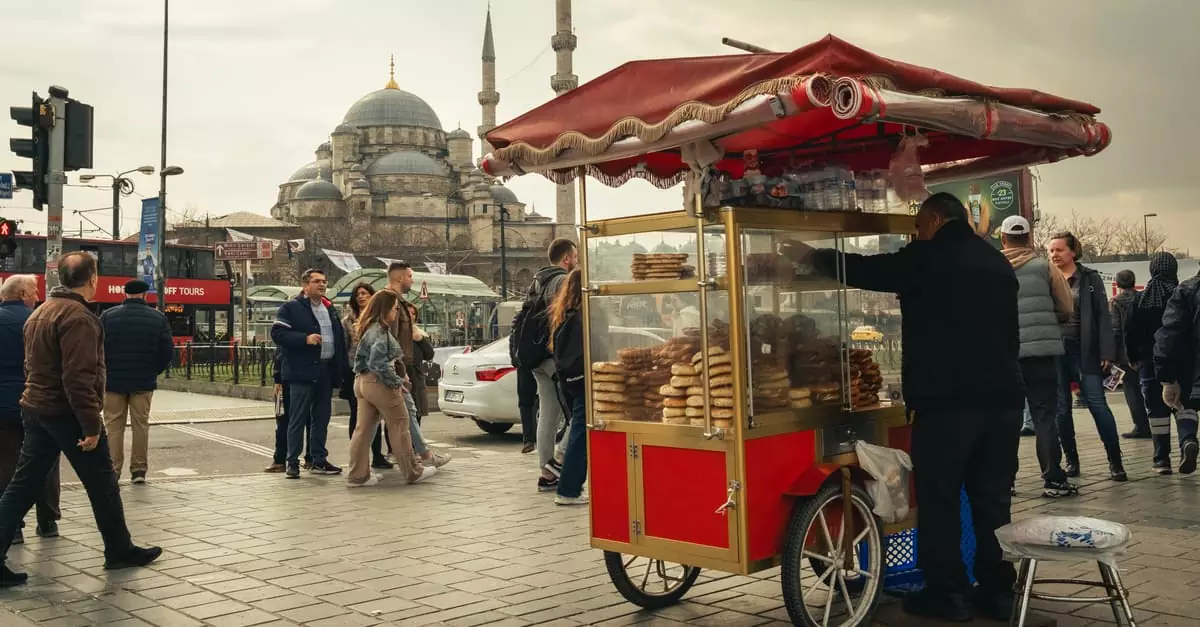
Europe’s cities offer a rich tapestry of flavors, with street food playing a crucial role in the culinary landscape. From iconic snacks to regional specialties, exploring these mobile kitchens provides a genuine taste of local life and a cost-effective way to dine. Discovering the best street foods in Europe’s capital cities means diving headfirst into delicious traditions.
Must-Try Street Eats in Paris: From Crêpes to Croque Monsieur
Paris, often celebrated for its fine dining, also excels in accessible street food. Crêpes, both sweet and savory (galettes), are ubiquitous and beloved. Vendors can be found on almost every corner, offering quick, warm, and satisfying meals. Look for a crêpe stand with a line; it usually indicates quality.
Beyond crêpes, the croque monsieur or croque madame (a grilled ham and cheese sandwich, often topped with a fried egg) can be found at food trucks and casual eateries. For a sweet treat, consider pain au chocolat from a boulangerie or a scoop of artisanal ice cream from a cart on a warm day. Navigating Paris by metro makes it easy to hop between neighborhoods and sample various offerings.
Berlin’s Iconic Street Food: Currywurst and Beyond
Berlin’s street food scene is famously dominated by Currywurst. This grilled pork sausage, sliced and smothered in a spiced ketchup-like sauce and dusted with curry powder, is a must-try. It’s a hearty, flavorful dish often served with fries. Numerous Imbiss (snack stands) across the city specialize in this Berlin staple.
However, Berlin’s offerings extend far beyond currywurst. Turkish influence brings delicious Döner Kebab and Lahmacun (Turkish pizza) to the streets, particularly in areas like Kreuzberg. You’ll also find international options like Vietnamese Banh Mi and American-style burgers from established food trucks. Exploring Berlin’s diverse neighborhoods by public transport reveals a wide array of culinary delights.
Rome’s Delicious Street Food Finds: Pizza al Taglio and Supplì
In Rome, street food is an art form. Pizza al taglio (pizza by the slice) is a cornerstone, offering a quick and customizable meal. Vendors display various toppings on large rectangular pizzas, which are then cut to your desired size and weight. Look for pizzerias with busy counters; this usually indicates fresh, high-quality ingredients.
Another Roman classic is supplì, a fried rice ball typically filled with ragù, rice, and a molten mozzarella center. These are perfect for a portable snack. Trapizzino, a modern street food invention, offers a triangular pizza pocket filled with traditional Roman stews, providing a delicious and convenient way to experience local flavors. Rome’s compact center is walkable, making it easy to stumble upon these savory treats.
Barcelona’s Tapas Trail: Exploring Catalan Street Food
Barcelona’s culinary identity is deeply intertwined with tapas. While not exclusively street food, many bars and market stalls offer small, flavorful bites perfect for grazing. Think patatas bravas (fried potatoes with spicy sauce and aioli), pan con tomate (bread rubbed with tomato and olive oil), and various pinchos (small snacks, often skewered).
The vibrant La Boqueria Market on Las Ramblas is a prime location to sample a wide variety of tapas and fresh juices. Beyond traditional tapas, food trucks and small eateries offer Catalan specialties like butifarra (sausage) sandwiches. Getting around Barcelona is straightforward with its efficient public transportation system, allowing easy access to different culinary hotspots.
Eastern European Street Food Delights You Can’t Miss
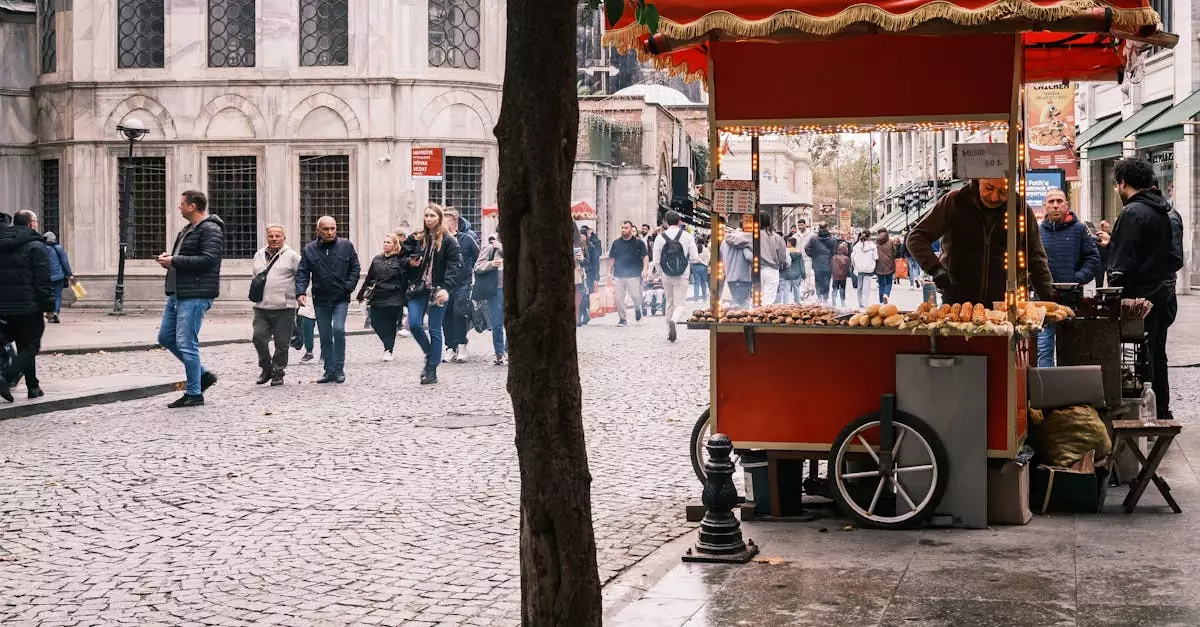
Eastern European cuisine offers a rich tapestry of hearty flavors, and its street food scene is no exception. From savory pies to sweet pastries, these on-the-go treats provide an authentic taste of local culture and culinary tradition. Exploring these dishes is a delicious way to experience cities across the region.
Krakow’s Zapiekanka: A Polish Street Food Staple
In Krakow, Poland, the zapiekanka reigns supreme as a quintessential street food. This open-faced baguette, typically halved lengthwise, is baked with toppings like mushrooms, cheese, and ham, then finished with a generous drizzle of ketchup. You’ll find dedicated zapiekanka stalls, especially in the Kazimierz district, a historic Jewish quarter now bustling with nightlife and eateries. For the best experience, look for vendors offering a variety of creative toppings beyond the classic. Prices are very affordable, usually ranging from 10-20 PLN (approximately $2.50-$5 USD). A zapiekanka makes for a satisfying and budget-friendly meal, especially after a day of sightseeing in Krakow.
Budapest’s Lángos: Deep-Fried Hungarian Goodness
Budapest, Hungary, is famous for lángos, a deep-fried flatbread that’s both crispy and chewy. Traditionally served with garlic butter, sour cream, and grated cheese, lángos is a comforting and substantial snack. Street vendors and market stalls across the city serve this beloved dish, with popular spots found at the Great Market Hall and various food courts. While the classic toppings are delicious, adventurous eaters can find variations with smoked meat, onions, or even sweet options. A lángos typically costs between 800-1500 HUF (around $2-$4 USD). It’s best enjoyed hot, fresh from the fryer, making it a perfect warm-up during cooler months.
Prague’s Trdelník: Sweet Pastry Perfection on the Go
While its exact origins are debated, the trdelník has become an iconic sweet treat in Prague, Czech Republic. This coiled pastry is made from dough wrapped around a stick, grilled, and then rolled in sugar, cinnamon, and nuts. You’ll see many vendors in Prague’s Old Town and Charles Bridge area preparing them fresh. The aroma alone is enticing. While often sold plain, you can also find trdelník filled with ice cream, chocolate, or fruit, turning it into a more elaborate dessert. Expect to pay around 70-120 CZK (approximately $3-$5 USD) for a standard trdelník. It’s a delightful way to punctuate a walk through the historic streets of Prague.
Southern European Street Food: Sun-Kissed Flavors and Local Favorites
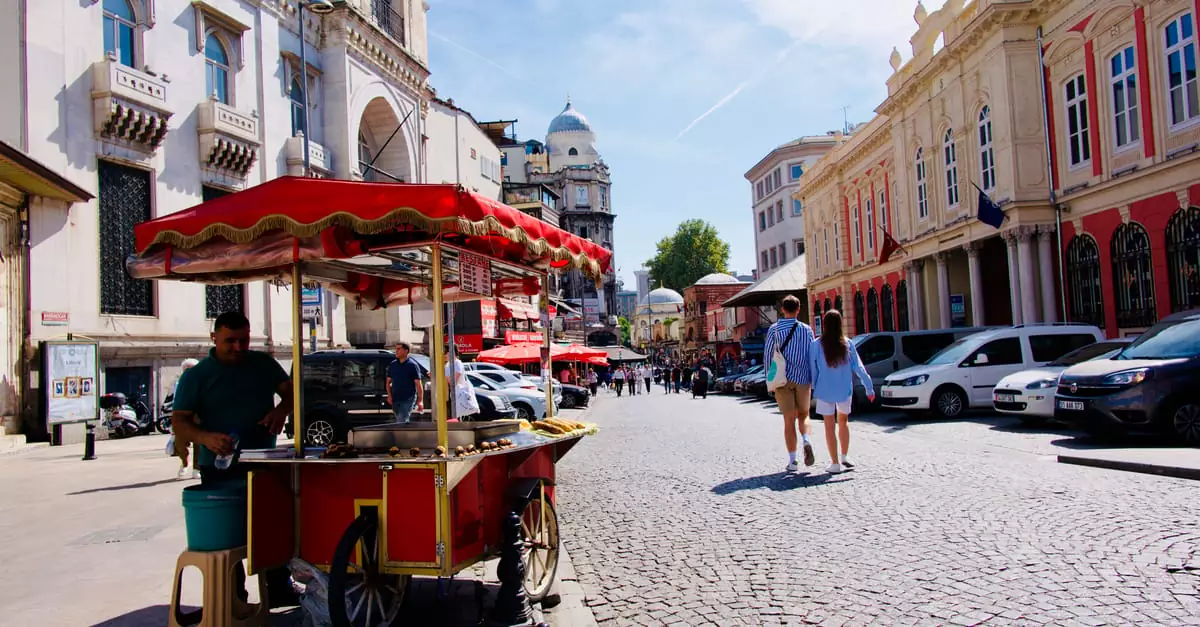
Southern Europe offers a vibrant tapestry of street food, where centuries of culinary tradition meet the convenience of quick, delicious bites. From the Atlantic coast of Portugal to the ancient streets of Greece and the bustling piazzas of Italy, these regions provide some of the best street foods Europe has to offer. Travelers can embark on a flavorful journey, sampling iconic dishes that are as integral to local culture as the historic landmarks.
Lisbon’s Pastéis de Nata and Beyond: Coastal Street Treats
Lisbon’s most famous street food export is undoubtedly the pastel de nata, a rich, creamy egg tart with a flaky crust, often dusted with cinnamon. While readily available in bakeries, you can find them warm from the oven at various street vendors and cafes, especially around popular tourist spots like Belém. Beyond this iconic pastry, Lisbon’s street food scene includes bifanas, simple yet satisfying pork sandwiches marinated in garlic and white wine, often served in a soft roll. For a taste of the sea, look for grilled sardines during the summer months, a true local delicacy.
When exploring Lisbon’s charming neighborhoods, like Alfama or Bairro Alto, keep an eye out for small kiosks and tascas that offer these local favorites. The best way to experience them is on foot, allowing you to stumble upon hidden gems and enjoy the city’s atmosphere. A pastel de nata pairs perfectly with a bica, a strong Portuguese espresso, for an energizing break.
Athens’ Souvlaki and Gyros: A Taste of Greek Street Cuisine
In Athens, the heart of Greek street food beats with the rhythm of sizzling meats and fragrant herbs. Souvlaki, small skewers of grilled meat (often pork or chicken), is a staple, frequently served in a pita wrap with tomatoes, onions, and tzatziki sauce. Equally popular is the gyros, thinly sliced meat (pork or chicken) cooked on a vertical rotisserie and served in a soft, folded pita with similar accompaniments. These dishes are not just quick meals; they are a fundamental part of Athenian daily life, enjoyed by locals and visitors alike.
You’ll find countless souvlaki and gyros stands across Athens, particularly in areas like Monastiraki and Psiri, which are always bustling with activity. For an authentic experience, seek out places that appear busy with locals. The affordability and deliciousness make them a top choice for budget-conscious travelers. Consider trying both souvlaki and gyros to compare their unique flavors and textures.
Naples’ Pizza Fritta: The Fried Pizza Experience
While Naples is the birthplace of classic Neapolitan pizza, its street food scene also boasts a unique specialty: pizza fritta. This is not your typical pizza; it’s a deep-fried calzone, often filled with ricotta cheese, pork cracklings (ciccioli), salami, and provola cheese. The dough is fried until golden and puffed, creating a wonderfully crispy exterior that encases a molten, savory filling. It’s a hearty and incredibly satisfying street food experience.
The best pizza fritta can be found in the historic center of Naples, particularly in the dense network of alleys known as Spaccanapoli. Look for small bakeries and friggitorie (fry shops) that specialize in this culinary delight. It’s a true taste of authentic Neapolitan ingenuity and a delicious way to sample some of the best street foods Europe has to offer. Be prepared for a rich and filling meal that is best enjoyed hot.
Northern European Street Food: Unexpected Culinary Gems
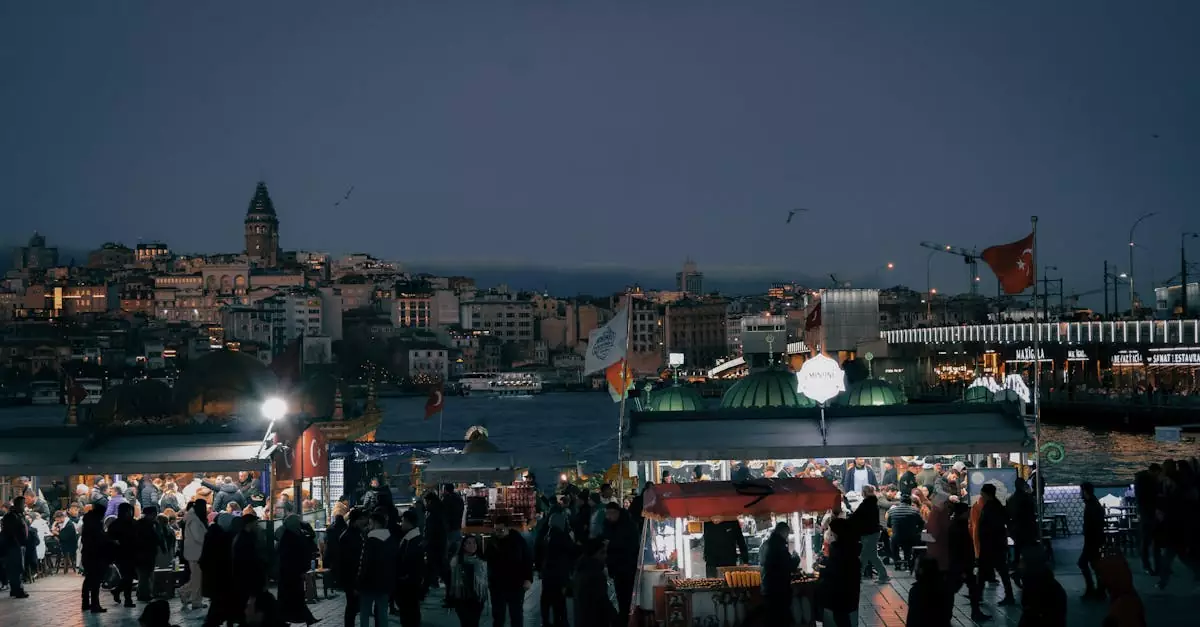
Northern Europe might be known for its cooler climates, but its street food scene offers a warm embrace of hearty, flavorful dishes. From open-faced sandwiches to sweet pastries, these northern culinary traditions provide a delicious glimpse into local life. Travelers seeking the best street foods in Europe will find satisfying options that are both accessible and authentic.
Copenhagen’s Smørrebrød and Pølser: Danish Street Food Essentials
Copenhagen’s street food is an accessible introduction to Danish flavors. Smørrebrød, the iconic open-faced sandwich, is a versatile delight. Traditionally served on rye bread, toppings range from pickled herring and shrimp to roast beef and remoulade. While often enjoyed in sit-down restaurants, many bakeries and dedicated stalls offer smaller, portable versions perfect for a quick bite.
For a truly classic Danish street food experience, seek out a pølsevogn (sausage cart). These ubiquitous carts serve various sausages, most famously the “ristet hotdog” (fried hot dog) with crispy fried onions, pickles, and a range of condiments. Grabbing a hot dog and a cold beer from a pølsevogn is a quintessential Copenhagen pastime, especially after a day of sightseeing. These carts are generally budget-friendly, making them an excellent choice for travelers watching their spending.
Stockholm’s Korv and Kanelbullar: Swedish Street Snacks
Stockholm offers a delightful array of street snacks that capture the essence of Swedish comfort food. Korv, or Swedish sausage, is a staple found at kiosks and street vendors across the city. Often served in a bun, similar to a hot dog, the Swedish version can be grilled or boiled and is typically accompanied by ketchup, mustard, and a sweet relish called “remoulad.” For a more substantial meal, try a “korv stroganoff,” a creamy sausage stew often served with rice.
No Swedish culinary journey is complete without a kanelbulle, or cinnamon bun. While commonly found in cafes, many bakeries also sell them for takeaway, making them an ideal portable treat. These soft, sweet pastries, often topped with pearl sugar, are best enjoyed warm with a cup of coffee. The sweet and spicy aroma of cinnamon is a familiar and comforting scent throughout Stockholm’s streets.
Amsterdam’s Stroopwafels and Frites: Dutch Street Food Classics
Amsterdam’s street food is synonymous with two irresistible treats: stroopwafels and frites. The stroopwafel, a thin waffle cookie filled with a layer of caramel syrup, is a national treasure. Freshly made stroopwafels, still warm from the iron, are a must-try. You’ll find vendors selling them at markets like Albert Cuyp Market and often from dedicated street carts. They are relatively inexpensive and offer a sweet, satisfying energy boost.
Frites, or thick-cut fries, are another Dutch specialty. Served in a paper cone and typically accompanied by a generous dollop of mayonnaise (or one of the many other sauces available), they are a hearty and delicious snack. Look for “patatje oorlog” (war fries) for a classic combination of mayonnaise, raw onions, and peanut sauce. These frites are best enjoyed hot and crispy, making them a popular choice for a quick lunch or evening treat. The availability of frites stalls throughout the city makes them easy to find for any visitor.
Navigating Europe for the Best Street Food Experiences
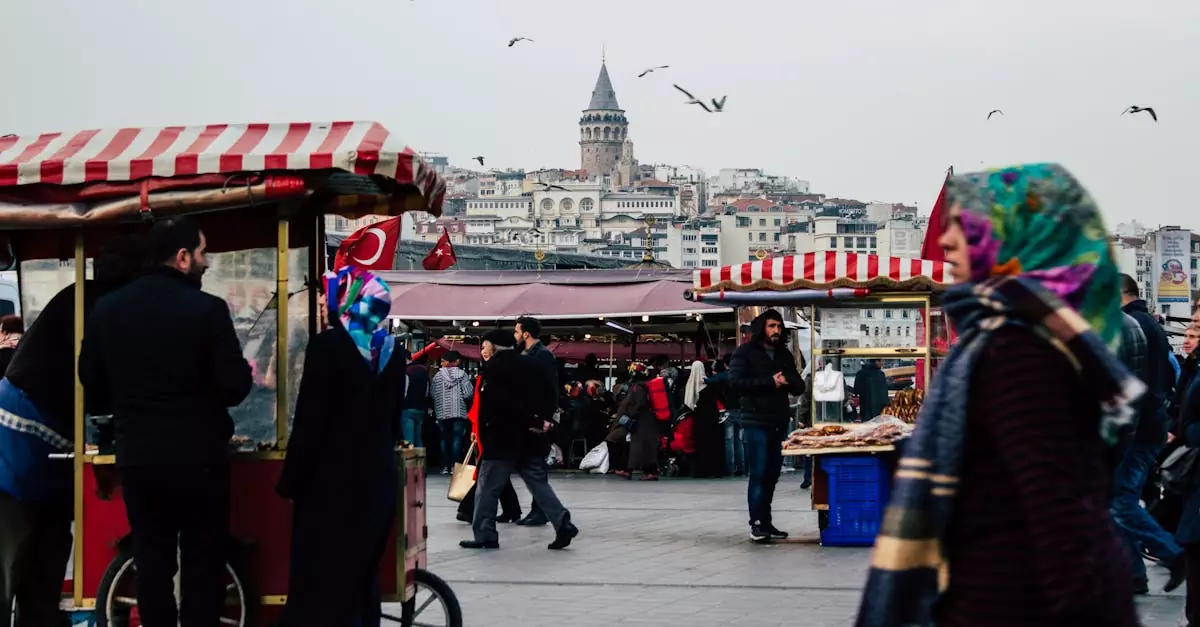
Embarking on a culinary journey across Europe to discover its best street foods requires thoughtful planning. From timing your visit to align with local festivals to understanding how to navigate between cities efficiently, a little preparation goes a long way in maximizing your gastronomic adventures. This section offers practical advice to help you eat your way through the continent like a seasoned traveler.
Best Times to Visit Europe for Street Food Festivals
Timing your European trip to coincide with local street food festivals can significantly enhance your experience. Many cities host vibrant markets and events that showcase regional specialties and international flavors. Summer months, particularly July and August, are peak seasons for outdoor food festivals across Southern and Central Europe, offering warm weather ideal for al fresco dining.
However, shoulder seasons like late spring (April-May) and early autumn (September-October) often provide a more relaxed atmosphere with pleasant temperatures and fewer crowds. These periods are excellent for exploring established food markets that operate year-round, such as Markthalle Neun in Berlin or Borough Market in London. Northern European cities might see their most lively outdoor food scenes during their shorter summer window. Researching specific city event calendars well in advance is crucial for catching the most celebrated street food gatherings.
Budget-Friendly Street Food Tours in Major European Cities
Street food is inherently a budget-friendly way to experience local cuisine, and many European cities offer excellent value. In cities like Lisbon, a delicious pastel de nata or a bifana sandwich can be enjoyed for just a few euros. Similarly, in Warsaw, pierogi from a milk bar (bar mleczny) offer a hearty and inexpensive meal.
For a structured yet affordable approach, consider joining a local street food tour. These tours often focus on specific neighborhoods or types of cuisine and can introduce you to hidden gems you might otherwise miss. Prices for such tours typically range from €50 to €100 per person, often including substantial tastings and valuable insights from a local guide. Cities like Rome, Barcelona, and Budapest are particularly well-known for their diverse and affordable street food scenes, making them prime destinations for budget-conscious foodies.
Here’s a general comparison of street food costs in select popular cities:
| City | Typical Street Food Item | Estimated Cost (EUR) | Notes |
|---|---|---|---|
| Lisbon | Pastel de Nata | 1.00 – 1.50 | Iconic custard tart |
| Berlin | Currywurst | 3.50 – 5.00 | Classic German street snack |
| Rome | Pizza al Taglio | 3.00 – 6.00 | Pizza by the slice |
| Budapest | Lángos | 2.00 – 4.00 | Fried dough with toppings |
| Amsterdam | Stroopwafel | 2.00 – 3.50 | Caramel-filled waffle cookie |
Getting Around Europe: Public Transport for Foodie Adventures
Efficient public transportation is key to navigating Europe and accessing its best street food offerings, especially when moving between cities or exploring large urban areas. Most major European cities boast extensive and reliable public transport networks, including metro systems, trams, and buses. Purchasing day passes or multi-day travel cards can be cost-effective for frequent use.
For inter-city travel, high-speed trains are an excellent option, connecting major capitals and culinary hubs quickly. Companies like Deutsche Bahn in Germany or SNCF in France offer comfortable and scenic journeys. Budget airlines also provide affordable flights for longer distances, though remember to factor in travel time and cost to and from airports. When in doubt, consult local tourism websites or use apps like Citymapper for real-time public transport information within cities. This will help you reach those tucked-away food stalls and bustling market squares with ease.
Frequently Asked Questions About Europe’s Street Food Scene
What are the most popular street foods across Europe?
Europe boasts an incredible diversity of street food, reflecting its rich culinary heritage. In Italy, the best street foods in Europe often include crispy pizza al taglio (pizza by the slice) and savory arancini (fried rice balls) in Sicily. Germany is famous for its hearty Bratwurst served in a bun with mustard, while Spain offers a vast array of tapas from small carts, particularly in cities like Seville. France contributes classics like sweet crêpes and savory galettes. Eastern Europe delights with stuffed pastries like Polish pierogi or Hungarian lángos (fried dough). The United Kingdom offers iconic fish and chips, often enjoyed by the seaside.
Are European street food prices affordable for travelers?
Generally, European street food is an excellent budget-friendly option for travelers looking to experience local flavors without breaking the bank. Prices can vary significantly by country and city, with Western European capitals like Paris or London typically being more expensive than smaller towns or cities in Eastern or Southern Europe. You can often find a satisfying meal for €3-€7 in many regions. For instance, a substantial Bratwurst in Berlin might cost around €3, while a slice of pizza in Rome could be €2-€4. This makes exploring the best street foods Europe has to offer accessible for most budgets.
What are some common street food scams to avoid in Europe?
While most street food vendors are honest, it’s wise to be aware of potential tourist traps. Overcharging is common in highly touristed areas; always check prices beforehand or look for clearly displayed menus. Some vendors might offer a “sample” that you then feel obligated to buy at an inflated price. Be cautious of vendors who are overly aggressive in their sales tactics. It’s also a good idea to observe what locals are buying and where they are queuing. Sticking to busy stalls with high turnover is often a good indicator of quality and fair pricing.
What is the safest way to enjoy street food in European cities?
Ensuring safety when enjoying street food involves a few simple practices. Look for vendors with high customer traffic, as this usually means the food is fresh and prepared in good volumes. Observe the cleanliness of the stall and the vendor’s hygiene practices – are they handling money and food separately? If you have a sensitive stomach, opt for freshly cooked items over those that have been sitting out for a long time. Many European cities have official street food markets or designated areas, which often have higher standards of regulation and safety. Always ensure drinks are sealed if purchased from a vendor.