Berlin is a city of distinct personalities, with each neighborhood presenting a unique atmosphere and set of experiences. Choosing the right base can profoundly influence your visit, whether you’re drawn to historical landmarks, vibrant nightlife, or a family-friendly vibe. This guide will help you navigate the diverse urban landscape and discover the best Berlin neighborhoods for every type of traveler.
You’ll explore the historical heart of Mitte, the bohemian charm of Kreuzberg, the family-centric appeal of Prenzlauer Berg, and the sophisticated elegance of Charlottenburg. Additionally, we’ll highlight emerging areas like Neukölln and Schöneberg, revealing hidden gems and local favorites. From understanding local culture to finding ideal accommodations and culinary delights, this article provides practical insights and inspiration for planning your unforgettable Berlin adventure.
Which Berlin Neighborhoods Offer the Best Vibe for First-Time Visitors?
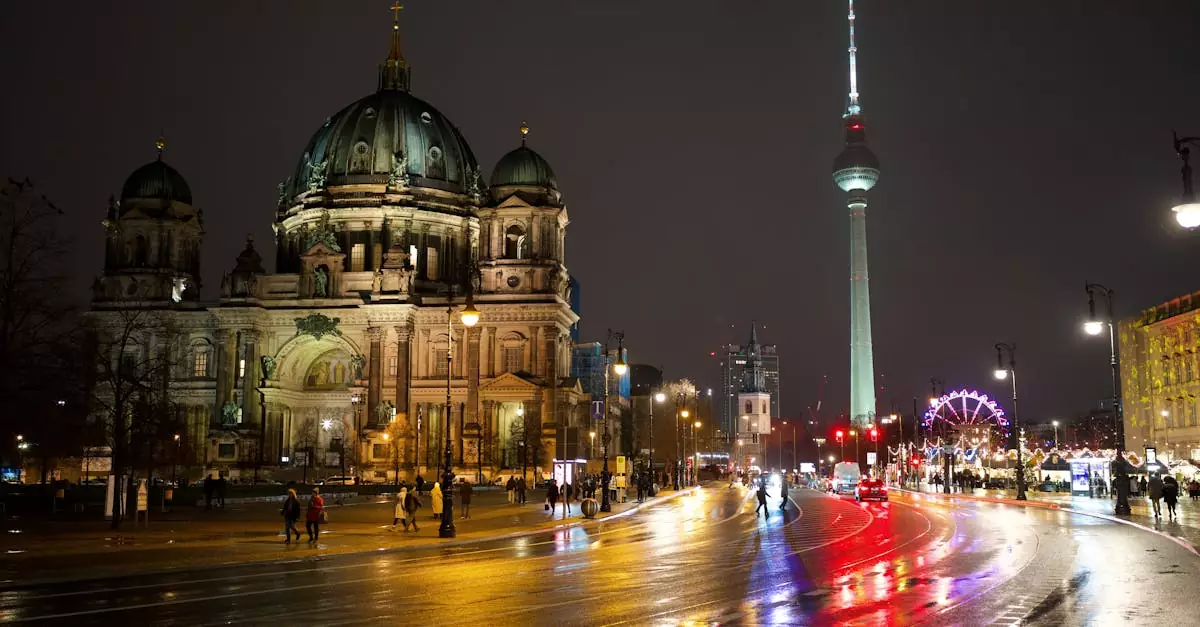
Navigating Berlin for the first time can feel overwhelming due to its vast size and distinct districts. For newcomers, selecting the right neighborhood can significantly shape your initial impression of this dynamic European capital. The best Berlin neighborhoods for first-time visitors blend iconic sights, accessible amenities, and a taste of the city’s diverse character.
Exploring Mitte: History, Landmarks, and Central Access
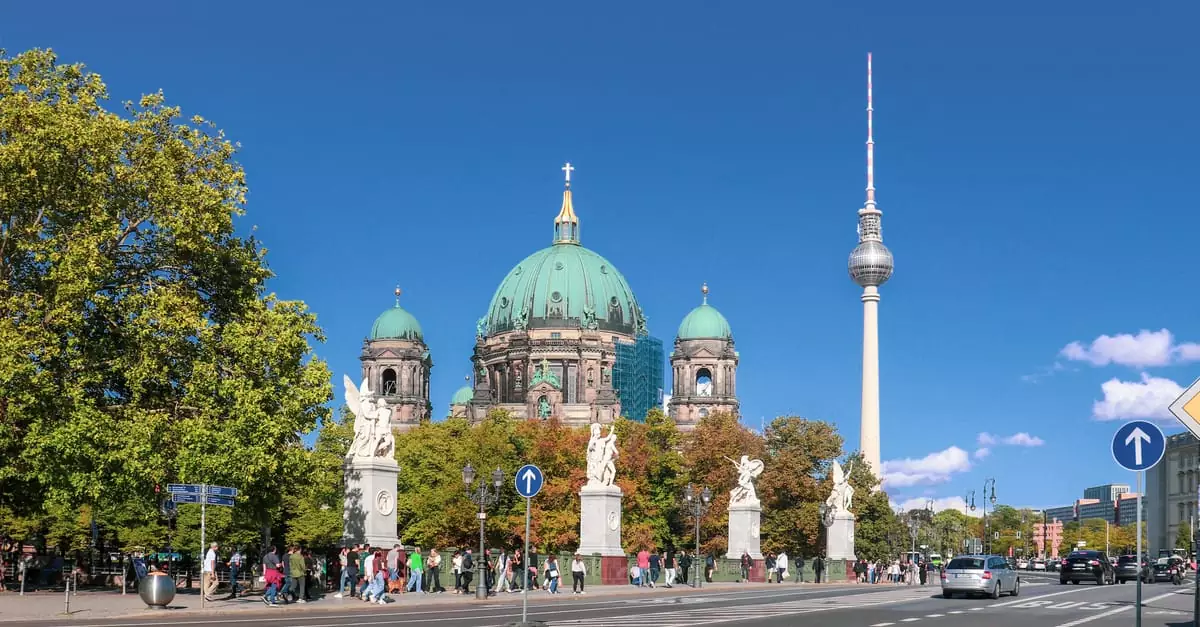
Mitte, meaning “center,” truly embodies its name as Berlin’s historical and geographical heart. Here, you’ll find many of the city’s most famous landmarks, including the Brandenburg Gate, the Reichstag Building, and Museum Island. For travelers who want to stay close to major attractions and appreciate a well-connected base, Mitte is an excellent choice.
Getting around from Mitte is easy, with multiple U-Bahn (subway) and S-Bahn (urban rail) lines serving the area. This central location simplifies access to other parts of the city for day trips or evening excursions. While accommodations in Mitte can be pricier than in some outer districts, its sightseeing convenience is undeniable. You’ll find a range of hotels, from luxury establishments to budget-friendly options, catering to various traveler needs.
Why Prenzlauer Berg is Perfect for Families and a Relaxed Pace
Prenzlauer Berg offers a more laid-back and residential atmosphere, making it a favorite for families and those seeking a quieter Berlin experience. This charming neighborhood features beautiful Altbau (old buildings) with ornate facades, leafy streets, and numerous playgrounds. The Kollwitzplatz area, in particular, is known for its weekend markets and family-friendly cafes.
Life in Prenzlauer Berg moves at a slower pace than in the city center. It’s an excellent spot for leisurely strolls, browsing independent boutiques, and enjoying coffee in one of the many cozy cafes. Public transport links are strong, with several tram lines and U-Bahn stations providing easy access to other parts of Berlin. While it lacks the immediate proximity to major historical sites found in Mitte, its pleasant ambiance and abundance of local amenities offer a different, yet equally rewarding, Berlin experience.
Understanding Kreuzberg’s Alternative Culture and Vibrant Nightlife
For travelers attracted to Berlin’s alternative scene, street art, and buzzing nightlife, Kreuzberg is the place to be. Historically a hub for artists, students, and immigrants, Kreuzberg retains a distinctly bohemian and multicultural vibe. The area around Oranienstraße is famous for its eclectic bars, clubs, and live music venues, showcasing Berlin’s legendary nightlife.
Kreuzberg is also a fantastic destination for food lovers, featuring a vast array of international restaurants, street food stalls, and vibrant markets like Markthalle Neun. Getting around is straightforward via the U-Bahn and bus network, though the neighborhood itself encourages walkability, promoting spontaneous exploration. While it can be lively late into the night, many visitors find the energy infectious and an essential part of the Berlin experience. Safety is generally not a concern, though, as in any urban area, it’s wise to remain aware of your surroundings, especially after dark.
Finding Your Ideal Stay: Accommodation Options in Berlin’s Top Neighborhoods
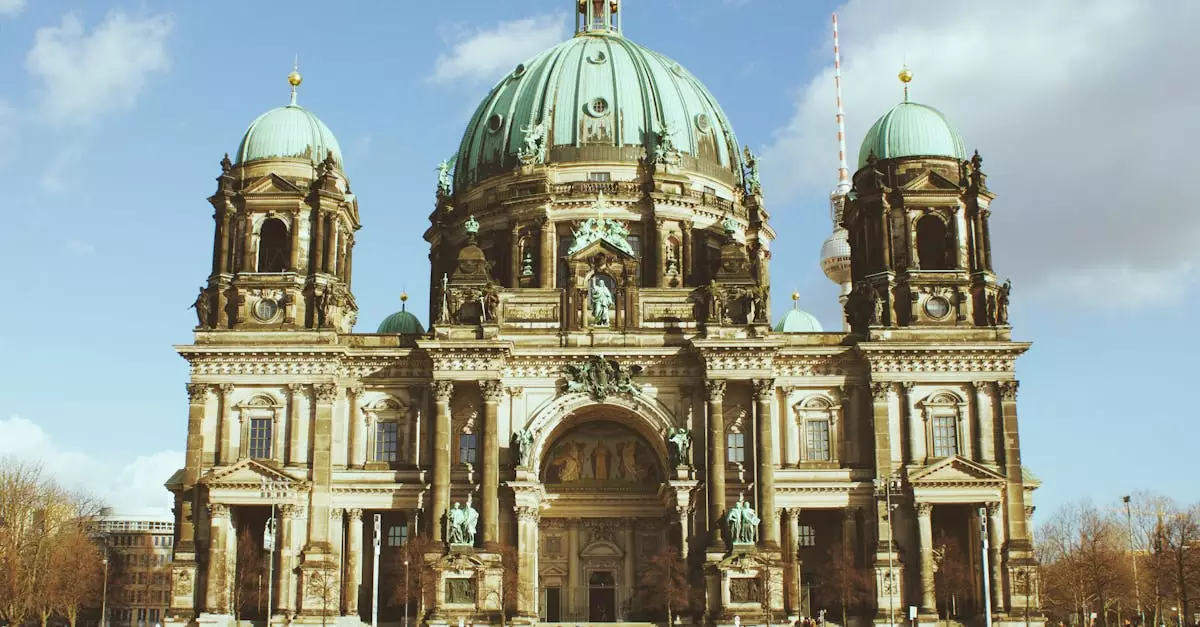
Berlin offers a wide range of accommodations, from trendy boutique hotels to budget-friendly hostels, catering to every traveler’s needs and preferences. The best Berlin neighborhoods for accommodation often reflect their unique character, providing an immersive experience alongside practical comfort. Understanding the options within distinct districts is key to planning a successful trip.
Boutique Hotels and Guesthouses in Prenzlauer Berg
Prenzlauer Berg is known for its charming streets lined with pre-war buildings, independent boutiques, and family-friendly cafes. This makes it an appealing location for those seeking a more relaxed, local atmosphere. Accommodation tends toward stylish boutique hotels and cozy guesthouses, often housed in beautifully renovated historic buildings. These establishments typically offer personalized service and a quieter environment than the city center.
Expect rooms with unique decor that blends classic Berlin architecture with modern design. Many guesthouses provide breakfast featuring local produce, enhancing the neighborhood’s authentic feel. While not always the cheapest option, staying in Prenzlauer Berg grants easy access to beautiful parks like Volkspark Friedrichshain and a wealth of independent shops and restaurants. Public transport links, especially trams and U-Bahn lines, efficiently connect you to other parts of the city.
Budget-Friendly Hostels and Apartments in Friedrichshain
For travelers prioritizing affordability and vibrant nightlife, Friedrichshain stands out as a prime choice. This dynamic district is famous for its alternative culture, street art, and buzzing clubs. Consequently, accommodation options lean heavily toward budget-friendly hostels and a wide selection of serviced apartments. Hostels in Friedrichshain are often modern, clean, and social, offering dorm rooms and private options, along with communal kitchens and bars that encourage interaction.
Serviced apartments provide a good middle ground for those wanting privacy and self-catering facilities without the high cost of central hotels. They are particularly well-suited for longer stays or small groups. The area’s excellent public transport, including the Ostkreuz transport hub, makes navigating Berlin easy. Dining options are plentiful and generally inexpensive, reflecting the district’s youthful and dynamic spirit. Safety is comparable to other major European cities; standard precautions are advised, especially late at night around entertainment venues.
Luxury Stays and Historic Charm in Charlottenburg
Charlottenburg, located in the west of Berlin, exudes an air of old-world elegance and sophistication. This district is home to grand boulevards, upscale shopping streets like Kurfürstendamm, and impressive historic architecture. Accommodation here caters to those seeking luxury, with many high-end hotels and classic establishments offering refined service and amenities. You’ll find spacious rooms, fine dining restaurants, and often historical details that reflect Berlin’s grand past.
This area is also a good base for exploring cultural institutions such as the Charlottenburg Palace and the Deutsche Oper. While the price point is higher, the quality of service and refined atmosphere justify the cost for many visitors. Transportation is excellent, with multiple U-Bahn and S-Bahn stations connecting you efficiently to the rest of the city, including Schönefeld Airport (now part of Berlin Brandenburg Airport). For travelers who appreciate classic European grandeur and premium comfort, Charlottenburg offers an unparalleled experience.
Experiencing Local Flavors: Culinary Highlights in Berlin’s Neighborhoods
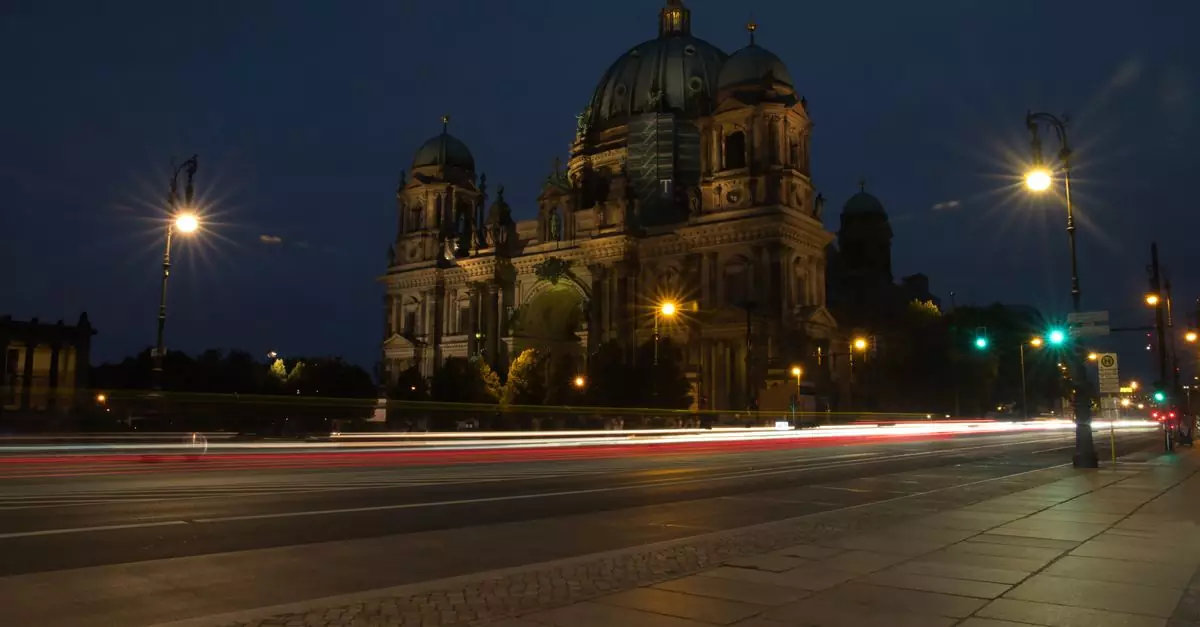
Berlin’s diverse culinary scene reflects its vibrant multicultural identity. From bustling street food markets to intimate bistros, each neighborhood offers a unique gastronomic journey. Planning your meals around these local flavors can significantly enhance your visit to the German capital.
Must-Try Street Food and International Cuisine in Kreuzberg
Kreuzberg is renowned for its energetic atmosphere and equally vibrant food culture, particularly its incredible street food. Here, you’ll find some of the best Döner Kebab outside of Turkey, with Mustafa’s Gemuese Kebap being a legendary, albeit often queue-heavy, choice. Beyond kebabs, the neighborhood boasts a vast array of international eateries. Vietnamese pho, authentic Indian curries, and Middle Eastern mezze platters are readily available, often in casual, affordable settings. Exploring the streets around Kottbusser Tor or Oranienstraße will reveal countless hidden gems.
For a quick and delicious bite, the markets and Imbiss stands scattered throughout Kreuzberg are essential stops. Consider visiting Markthalle Neun for a curated selection of artisanal food vendors, especially during its Street Food Thursday events. This is an excellent way to sample a wide variety of international dishes in one location.
Traditional German Eateries and Cafes in Prenzlauer Berg
Prenzlauer Berg offers a more relaxed and family-friendly vibe, which extends to its culinary offerings. While it has embraced international trends, the neighborhood retains a strong presence of traditional German restaurants and cozy cafes. Look for establishments serving classic dishes like Schnitzel, Königsberger Klopse, and hearty potato dishes. Many of these places offer a warm, inviting ambiance, making them perfect for a leisurely lunch or dinner.
The cafes in Prenzlauer Berg are particularly noteworthy. They are ideal spots for enjoying a Kaffee und Kuchen (coffee and cake) in the afternoon, a cherished German tradition. Many cafes also serve excellent breakfast and brunch options, featuring local breads, cheeses, and cold cuts. Exploring streets like Kastanienallee or Kollwitzplatz will lead you to charming spots where locals gather.
When visiting Prenzlauer Berg, especially on a weekend, consider an early start for brunch. Popular spots can fill up quickly, particularly those known for their extensive breakfast buffets. This neighborhood provides a comforting taste of German culinary heritage.
Trendy Restaurants and International Dining in Mitte
As Berlin’s central district, Mitte is a hub for high-end dining and a dynamic international food scene. You’ll find a concentration of Michelin-starred restaurants alongside innovative eateries pushing culinary boundaries. This area caters to a wide range of tastes, from modern European cuisine to fusion dishes and sophisticated Asian flavors.
Beyond upscale options, Mitte also offers numerous cafes, bistros, and international restaurants that are more accessible for everyday dining. The areas around Hackescher Markt and Rosenthaler Platz are particularly lively, with a wealth of choices for lunch or dinner. If you’re interested in exploring some of the best Berlin neighborhoods for diverse culinary experiences, Mitte provides a sophisticated yet varied selection.
For travelers seeking a memorable meal, Mitte offers a chance to experience some of the city’s most acclaimed culinary establishments. Booking reservations in advance is highly recommended, especially for popular restaurants or during peak dining hours.
Beyond the Tourist Trail: Hidden Gems in Berlin’s Lesser-Known Districts
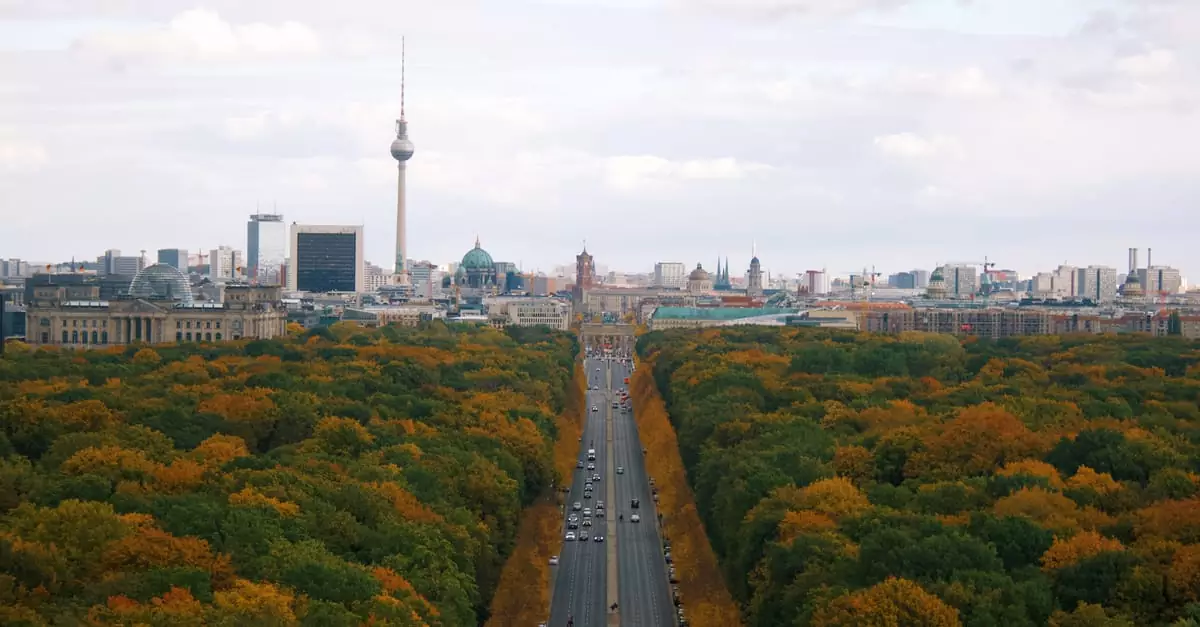
While Mitte and Kreuzberg often steal the spotlight, Berlin’s true character can be found by venturing into its less-trodden neighborhoods. These districts offer a more authentic glimpse into local life, vibrant art scenes, and unique historical narratives, providing a richer experience for travelers keen to go beyond the usual sights. Discovering these areas often involves navigating Berlin’s efficient public transport system, which makes reaching even the furthest corners of the city straightforward.
Discovering the Artistic Hub of Neukölln
Neukölln has rapidly transformed from a working-class district into a dynamic cultural hotspot, attracting artists, musicians, and entrepreneurs. Its gritty charm is evident in its diverse street art, independent galleries, and a burgeoning food scene that ranges from traditional Turkish eateries to trendy vegan cafes. The area around Weserstraße is particularly lively, buzzing with bars and small clubs that stay open late.
For those interested in the creative pulse of the city, Neukölln offers a compelling alternative to more established art districts. The neighborhood’s affordability has long drawn creatives, fostering a unique ecosystem of studios and performance spaces. While it can feel a bit rough around the edges in parts, its energy is undeniable.
Getting to Neukölln is simple via U-Bahn lines U7 and U8. Accommodation options here tend to be more budget-friendly than in central tourist zones, with a good selection of hostels and independent guesthouses. It’s a neighborhood that rewards slow exploration, so consider dedicating a full day to wander its streets.
Exploring the Green Spaces and Local Life of Schöneberg
Schöneberg offers a more relaxed and residential atmosphere, known for its beautiful pre-war architecture, leafy streets, and welcoming community feel. It appeals to families and those seeking a quieter side of Berlin without sacrificing access to amenities. The iconic Rathaus Schöneberg, where John F. Kennedy famously delivered his “Ich bin ein Berliner” speech, stands as a historical landmark.
The area boasts numerous parks and squares, including the expansive Viktoriapark with its waterfall and panoramic city views, and the more intimate Rudolph-Wilde-Park. Schöneberg’s main shopping street, Hauptstraße, is lined with boutiques, department stores, and cafes, providing ample opportunities for leisurely browsing. The district also has a vibrant LGBTQ+ scene, centered around Nollendorfplatz.
Travelers can easily reach Schöneberg using U-Bahn lines U2, U3, and U4, as well as various bus routes. The district provides a range of accommodations, from charming boutique hotels to serviced apartments, catering to those who prefer a more settled stay. Its walkability and abundance of green spaces make it a refreshing change of pace.
Uncovering the History and Charm of Wedding
Wedding, located in the northern part of Berlin, is a district undergoing significant regeneration, retaining much of its authentic working-class character while embracing new developments. It’s a place where history is palpable, from its industrial past to its role in shaping modern Berlin. The Soldiner Straße area offers a glimpse into traditional Berlin life, with local markets and family-run businesses.
The district is home to the interesting documentary film museum and the historic Plötzensee Memorial Center, a somber reminder of Nazi Germany’s atrocities. Wedding also benefits from proximity to Tempelhofer Feld, the vast former airport turned public park, offering unique recreational opportunities. Its growing popularity among younger residents and artists is slowly changing its landscape.
Public transport connections to Wedding are excellent, with U-Bahn lines U6 and U9 providing quick access to other parts of the city. Accommodation here is generally more affordable, making it an attractive option for budget-conscious travelers. Exploring Wedding offers a chance to see a Berlin that is still very much in flux, a fascinating blend of old and new.
Navigating Berlin: Getting Around the Best Neighborhoods
Berlin is a sprawling metropolis, and understanding its public transportation is key to efficiently moving between its vibrant neighborhoods. Fortunately, the city boasts an excellent and integrated system that makes navigation a breeze, whether you’re heading to a trendy cafe in Prenzlauer Berg or a historical site in Mitte.
Understanding Berlin’s Public Transportation System (U-Bahn, S-Bahn, Trams)
Berlin’s public transport network is managed by the BVG and comprises several key components: the U-Bahn (subway), S-Bahn (urban rail), trams, and buses. These systems are remarkably punctual and cover almost every corner of the city. For visitors exploring the best Berlin neighborhoods, purchasing a day ticket or a multi-day pass is usually the most cost-effective option. Tickets are valid across all modes of transport within their designated zones (typically zones A and B for central Berlin, with C extending to the airport). Remember to validate your ticket before your first journey to avoid fines.
| Ticket Type | Validity | Price (approx.) | Best For |
|---|---|---|---|
| Single Ticket | 2 hours | €3.20 | Short, one-way trips |
| Day Ticket | 24 hours | €8.80 | Multiple journeys within a single day |
| 7-Day Ticket | 7 days | €36.00 | Extended stays or frequent travel |
| Welcome Card | 48/72 hours | €21.00/€27.00 | Sightseeing with transport and discounts |
Cycling as a Primary Mode of Transport in Berlin
Berlin is an exceptionally bike-friendly city, with dedicated bike lanes becoming increasingly common. For many locals and savvy travelers, cycling is the preferred way to experience the city’s diverse districts. It offers a unique perspective, allowing you to weave through charming streets, stop spontaneously at local markets, and soak in the atmosphere of each area. Bike rental shops are abundant, and many accommodations offer bike hire. Be mindful of tram tracks, which can be a hazard for cyclists, and always lock your bike securely.
Tips for Using Ride-Sharing and Taxis Effectively
While public transport and cycling are excellent, ride-sharing services and taxis are readily available for convenience, especially late at night or when carrying luggage. Apps like Uber and Bolt operate extensively in Berlin and can be a straightforward way to reach your destination. Traditional taxis are also plentiful and can be hailed on the street or found at designated taxi stands. For longer journeys or when traveling with a group, a taxi might provide a comfortable and direct route. It’s advisable to have your destination written down in German or displayed on a map to ensure accurate communication with the driver.
Frequently Asked Questions About Berlin Neighborhoods
What are the safest neighborhoods in Berlin?
Berlin is generally a safe city, and most neighborhoods experience low crime rates. Areas like Charlottenburg, Grunewald, and Dahlem are often cited for their residential feel and perceived safety, attracting families and those seeking a quieter atmosphere. These districts tend to have well-lit streets and a strong community presence, contributing to a secure environment for residents and visitors alike. When considering safety, it’s also helpful to be aware of your surroundings, as you would in any large European city.
Which Berlin neighborhoods are best for nightlife?
For those seeking vibrant nightlife, Kreuzberg and Friedrichshain are the undisputed hubs. Kreuzberg, particularly around Oranienstraße, offers a diverse range of bars, clubs, and live music venues catering to various tastes, from punk to electronic music. Friedrichshain, especially the area near Warschauer Straße and Simon-Dach-Straße, boasts a high concentration of bars and clubs, including iconic spots like Berghain. Prenzlauer Berg also offers a lively evening scene, with more upscale bars and pubs, particularly around Kollwitzplatz and Kastanienallee.
Is it easy to walk between neighborhoods in Berlin?
Berlin is a sprawling city, and while walking is a great way to experience individual neighborhoods, walking between them can be time-consuming. For instance, walking from Charlottenburg in the west to Friedrichshain in the east could take several hours. However, the city’s excellent public transportation system makes navigating between different districts incredibly efficient. The U-Bahn (subway) and S-Bahn (urban rail) networks connect virtually all parts of the city, allowing for seamless travel between the best Berlin neighborhoods for any traveler. A day ticket or a Berlin WelcomeCard offers cost-effective access to this extensive network.