Europe beckons with a unique blend of accessibility and untamed wilderness, making it an ideal continent for exploring the Arctic. If you’re dreaming of vast icy landscapes, the magical Northern Lights, or encounters with remarkable wildlife, this guide will help you discover the best Arctic destinations in Europe. You’ll learn about top cities and regions that offer unforgettable adventures—from the dramatic fjords of Norway to the winter wonderland of Finnish Lapland and the geothermal marvels of Iceland. We’ll explore the best times to visit for experiences like aurora hunting and enjoying the midnight sun, along with practical itinerary suggestions and essential travel tips to ensure your journey is seamless and spectacular. Prepare to be inspired as we uncover the extraordinary beauty and adventure awaiting you in Europe’s Arctic embrace.
Why Choose Europe for Your Arctic Adventure?
Europe serves as a compelling gateway to the Arctic, combining accessible infrastructure with raw wilderness. Travelers seeking the magic of the polar regions can experience everything from chasing the aurora borealis to encountering unique wildlife and marveling at dramatic icy landscapes. The continent’s northern reaches provide diverse destinations that cater to various interests and adventure levels, making it a prime choice for an unforgettable Arctic journey.
The Allure of the Northern Lights in Northern Europe
Witnessing the aurora borealis is a bucket-list item for many, and Northern Europe offers some of the most reliable and spectacular viewing opportunities. Countries like Norway, Sweden, and Finland, positioned within the Arctic Circle, feature vast expanses of dark skies far from light pollution. The prime season for aurora hunting typically runs from late September to March, when nights are longest and darkest. Choosing locations away from major cities enhances your chances of a clear, vibrant display. Many Arctic towns provide specialized tours, from snowmobile expeditions to glass igloo accommodations, designed to maximize your aurora viewing experience. Planning around the new moon can also improve visibility, as the absence of moonlight makes the aurora appear brighter.
Unique Arctic Wildlife Encounters in Scandinavia
The Scandinavian Arctic is a haven for wildlife enthusiasts. Here, you can encounter species uniquely adapted to the harsh environment. Reindeer roam freely, especially in Lapland, where you might spot them during a husky sledding tour or a Sami cultural experience. Further north, spotting majestic whales like orcas and humpbacks is possible, particularly during their feeding migrations. Birdwatchers will delight in diverse avian life, including puffins on coastal cliffs in summer. While Arctic foxes, with their distinctive winter coats, are more elusive, they can sometimes be seen. Responsible wildlife tourism is essential; choose operators who respect animal habitats to ensure these encounters remain sustainable and ethical.
The Dramatic Landscapes of Arctic Norway and Iceland
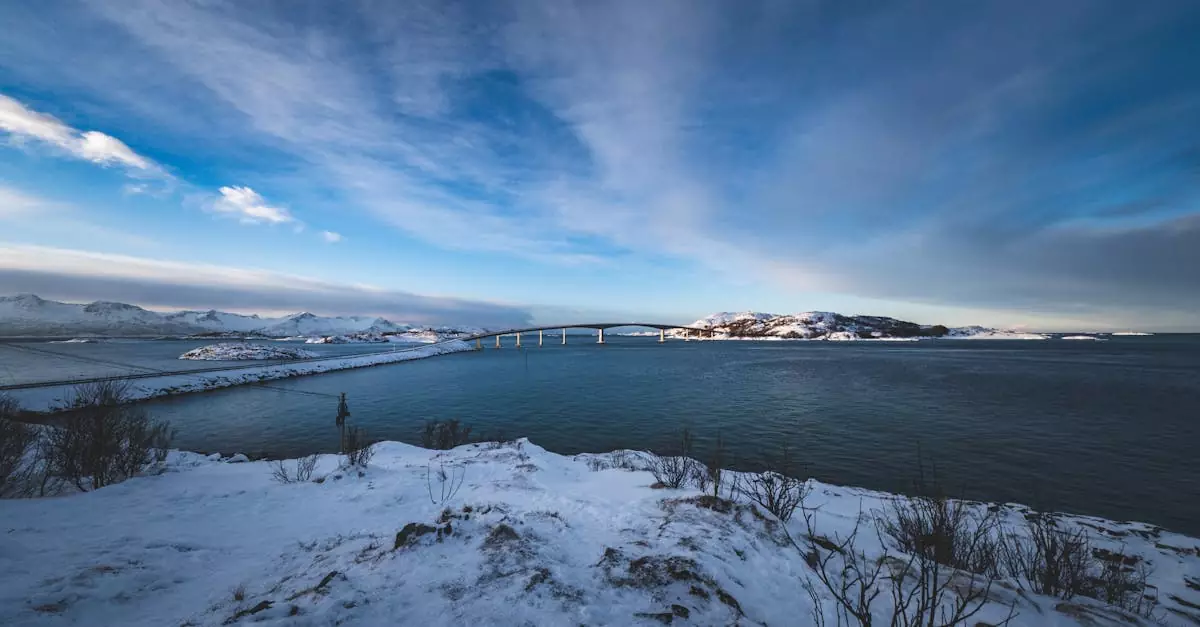
The coastlines and interiors of Arctic Norway and Iceland present some of the planet’s most breathtaking natural scenery. In Norway, the Lofoten Islands and the North Cape feature towering fjords, rugged mountains plunging into the sea, and vast, windswept plateaus. These areas are stunning year-round, but winter brings a stark, snowy beauty, while summer offers the phenomenon of the midnight sun. Iceland, although not entirely within the Arctic Circle, boasts an Arctic climate with glaciers, ice caves, geothermal hot springs, and powerful waterfalls. The volcanic activity in Iceland creates a unique juxtaposition of fire and ice, offering landscapes unlike anywhere else. For those interested in the geological wonders of this region, understanding its volcanic and glacial history can deepen your appreciation of these dynamic environments.
Top Arctic Cities and Regions in Europe
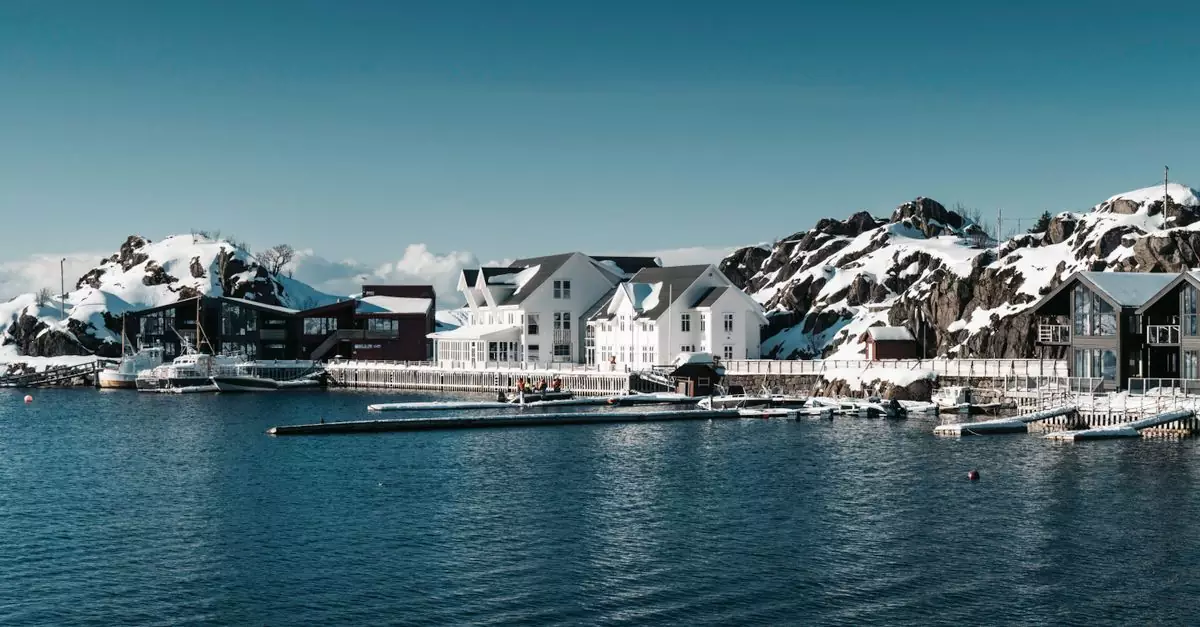
When planning a trip to the Arctic, Europe offers a diverse range of destinations, each with its unique appeal. From vibrant cities that serve as gateways to polar adventures to remote wilderness areas perfect for witnessing natural phenomena, these locations provide unforgettable experiences. Understanding what each place offers in terms of activities, accessibility, and natural beauty is key to choosing the best Arctic destinations in Europe for your travel style.
Tromsø, Norway: The Gateway to the Arctic
Tromsø, often called the “Gateway to the Arctic,” is a lively city situated well above the Arctic Circle. It’s an excellent spot for chasing the Northern Lights during winter, with numerous tours and activities designed to maximize your chances of seeing this spectacular display. Beyond aurora hunting, Tromsø offers dog sledding, reindeer encounters, and scenic fjord cruises. The city itself features a charming harbor, the iconic Arctic Cathedral, and the Polaria aquarium, providing cultural and educational experiences.
Getting to Tromsø is straightforward, with regular flights connecting it to major European hubs. Accommodation ranges from modern hotels to cozy guesthouses. Visitors should pack warm, layered clothing, as winter temperatures can be frigid.
Abisko, Sweden: Prime Aurora Borealis Viewing
For those prioritizing the Northern Lights, Abisko National Park in Swedish Lapland is a top contender. Its location, along with the dry climate and minimal light pollution, creates exceptionally clear skies, making it one of the best places on Earth to witness the aurora borealis. The park is home to the Aurora Sky Station, an observatory offering unparalleled views.
Abisko is more accessible than some remote Arctic locations, with a train station connecting it to Kiruna. Activities here focus heavily on nature and the aurora, including guided hikes, snowshoeing, and ice fishing. For travelers seeking a raw, natural Arctic experience centered around the lights, Abisko is an excellent choice.
Rovaniemi, Finland: Santa Claus Village and Arctic Charm
Rovaniemi, the official hometown of Santa Claus, offers a unique blend of Arctic adventure and festive magic. Located in Finnish Lapland, it’s an ideal destination for families, though it appeals to travelers of all ages. The Santa Claus Village is the main attraction, where you can meet Santa, cross the Arctic Circle, and send postcards from Santa’s Post Office.
Beyond the village, Rovaniemi provides opportunities for husky safaris, reindeer sleigh rides, and snowmobiling. In winter, the aurora can also be spotted here, though it’s less consistent than in Abisko. Rovaniemi is easily reachable by flight and train and offers a wide range of accommodations, from hotels to glass igloos.
Reykjavik, Iceland: Geothermal Wonders and Coastal Beauty
Reykjavik, Iceland’s capital, serves as a vibrant hub for exploring the island’s dramatic landscapes. While not as far north as Tromsø or Rovaniemi, it offers a distinct Arctic experience characterized by volcanic activity, glaciers, and geothermal wonders. The Blue Lagoon, geysers, and waterfalls are easily accessible from the city.
Winter in Reykjavik brings opportunities for Northern Lights tours, though sightings depend on weather conditions. The city itself is compact and walkable, featuring colorful streets, museums, and a lively culinary scene. Reykjavik is a popular choice for those who want to combine Arctic natural beauty with urban comforts and geological marvels.
Here’s a brief comparison of these top European Arctic destinations:
| Destination | Primary Appeal | Aurora Viewing Potential | Family Friendly | Accessibility |
|---|---|---|---|---|
| Tromsø, Norway | Northern Lights, Fjord Adventures, City Life | High | Moderate | Good |
| Abisko, Sweden | Aurora Borealis, National Park Wilderness | Very High | Moderate | Moderate |
| Rovaniemi, Finland | Santa Claus Village, Winter Activities, Charm | Moderate | High | Good |
| Reykjavik, Iceland | Geothermal Wonders, Glaciers, Coastal Views | Moderate | Moderate | Very Good |
Best Time to Visit Europe’s Arctic Havens
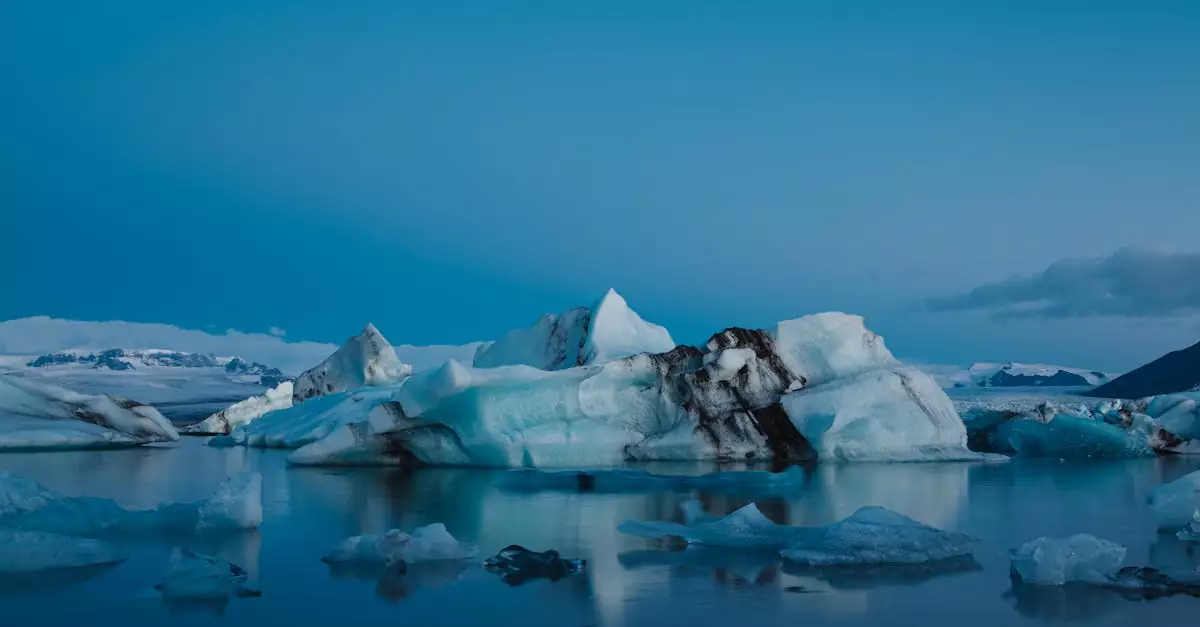
Choosing the right season significantly impacts your experience in Europe’s Arctic regions. Each period offers distinct natural phenomena and activities, from the ethereal glow of the Northern Lights to the perpetual daylight of the summer months. Understanding these seasonal differences is crucial for planning a trip that aligns with your interests, whether you seek adventure, natural wonders, or cultural immersion. The best Arctic destinations in Europe are truly shaped by the time of year you choose to visit.
Chasing the Northern Lights: September to March
The prime season for witnessing the Aurora Borealis typically runs from late September through March. During these months, the nights are long and dark, providing ideal conditions for this celestial display. Locations further north, such as Tromsø, Norway, and Abisko, Sweden, offer excellent chances due to minimal light pollution and favorable weather patterns.
- Key Considerations:
- Darkness: Essential for aurora viewing. The darkest months are December and January.
- Weather: Clear skies are crucial. Snowfall can obscure the lights, but cloudy conditions are the main obstacle.
- Temperatures: Expect very cold temperatures, often well below freezing. Proper layering is vital for comfort and safety.
- Activities: Besides aurora hunting, enjoy husky sledding, snowshoeing, and ice fishing.
Consider booking tours with experienced guides who know the best viewing spots and can track weather forecasts. Many accommodations in these regions offer aurora wake-up calls.
Midnight Sun Experiences: June to July
From late May to late July, many parts of the Arctic Circle experience the phenomenon of the Midnight Sun, where the sun remains visible 24 hours a day, offering endless daylight for activities and exploration. Places like Lofoten Islands, Norway, Lapland, Finland, and North Cape, Europe’s northernmost point, are bathed in this continuous daylight.
- Advantages:
- Extended Sightseeing: More hours to explore landscapes, hike, and enjoy outdoor activities.
- Unique Atmosphere: The perpetual daylight creates a surreal and energetic environment.
- Wildlife: This is a good time for whale watching tours and observing birdlife.
While the sun doesn’t set, it does dip toward the horizon, casting a beautiful golden light over the scenery, especially during what would typically be evening hours. This extended light makes it easy to pack a lot into your itinerary without worrying about darkness.
Winter Sports and Snowy Landscapes: December to February
For those drawn to snow-covered vistas and winter sports, December to February is the peak season. This period offers the quintessential Arctic winter experience, characterized by deep snow, frozen landscapes, and various winter activities. Destinations like Rovaniemi, Finland, known as the official hometown of Santa Claus, and Kiruna, Sweden, home to the famous Icehotel, are particularly popular.
- Popular Activities:
- Skiing and Snowboarding: Resorts in Norway and Sweden offer excellent slopes.
- Snowmobiling: Explore vast snowy terrains on guided tours.
- Reindeer and Husky Sledding: Traditional ways to traverse the snowy wilderness.
- Ice Fishing: Experience a unique way to catch local fish.
This period is also ideal for experiencing the magical winter wonderland aspect of the Arctic. Snowfall creates picturesque scenes, though it can impact travel plans, so flexibility is advised. Be prepared for very short daylight hours, with the sun barely rising above the horizon in some areas.
Planning Your Arctic Itinerary: From Fjords to Forests
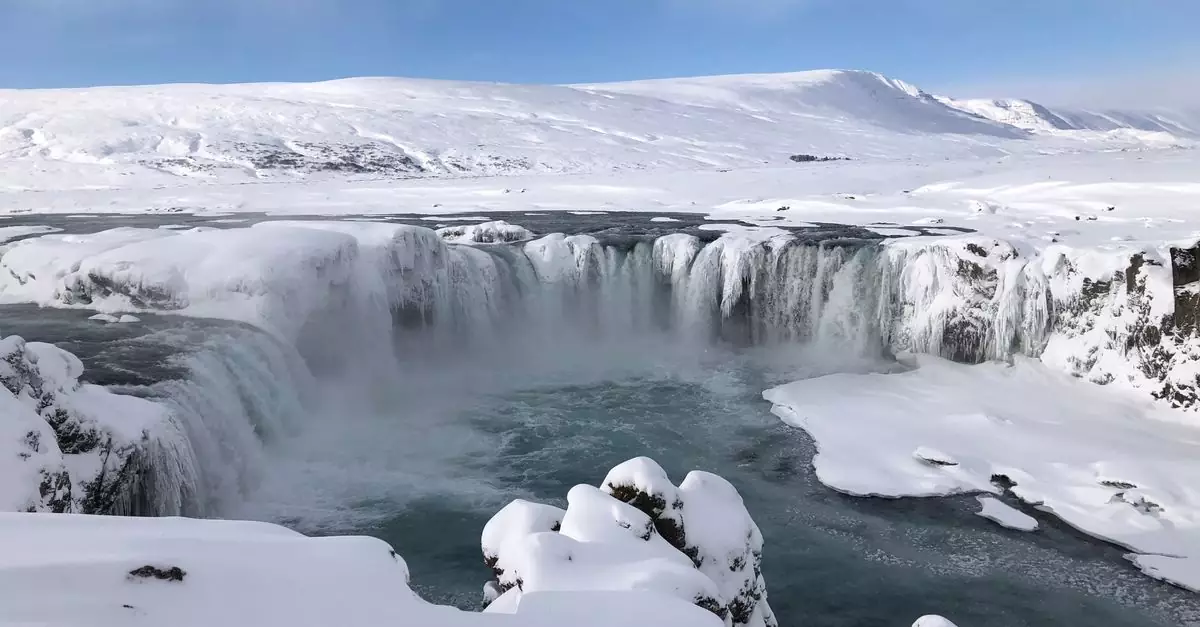
Deciding which of Europe’s Arctic regions best suits your travel style is the first step toward an unforgettable adventure. Each destination offers a unique blend of natural wonders, cultural experiences, and activities—from the dramatic coastal landscapes of Norway to the serene, snow-covered forests of Finland and the geothermally active wonders of Iceland. Considering your interests, the time of year you plan to visit, and your budget will help narrow down your options for your Arctic journey.
7-Day Arctic Norway Itinerary: Fjords, Whales, and Lights
An Arctic Norway itinerary typically centers around the Lofoten Islands and Tromsø, offering a dramatic visual feast. This region is renowned for its stunning fjords, picturesque fishing villages, and exceptional opportunities for whale watching during winter. The Northern Lights are also a major draw, with clear, dark skies providing excellent viewing conditions from September to March.
Travelers can arrive via Tromsø Airport (TOS), a well-connected hub. Getting around involves a combination of rental cars for flexibility, especially when exploring the Lofoten Islands, and local buses or ferries. Accommodation ranges from cozy guesthouses and traditional ‘rorbuer’ (fishermen’s cabins) to modern hotels. Budgeting for Arctic Norway can be moderate to high, particularly for activities like guided Northern Lights tours, whale safaris, and fjord cruises.
Sample 7-Day Arctic Norway Itinerary:
- Days 1-2: Tromsø. Arrive in Tromsø, the “Gateway to the Arctic.” Explore the city, visit the Polar Museum, and take the Fjellheisen cable car for panoramic views. Dedicate evenings to Northern Lights chasing.
- Days 3-5: Lofoten Islands. Travel south to the Lofoten Islands (via ferry or domestic flight to Leknes/Svolvær). Rent a car to explore iconic villages like Reine, Hamnøy, and Å. Hike scenic trails and enjoy the dramatic coastal scenery.
- Day 6: Coastal Exploration. Take a scenic ferry or drive along the coast, perhaps visiting Harstad or Narvik. Consider a wildlife tour focusing on sea eagles.
- Day 7: Departure. Return to Tromsø for your departure, or fly out from a Lofoten airport.
5-Day Finnish Lapland Itinerary: Reindeer, Aurora, and Santa
Finnish Lapland offers a traditional winter wonderland experience, especially around Rovaniemi, the official hometown of Santa Claus, and popular Levi or Ylläs ski resorts. This region is perfect for families and those seeking classic Arctic activities like reindeer sleigh rides, husky safaris, and meeting Santa Claus. The Aurora Borealis is visible here from late August through April, though winter months offer the best chances for snow-covered landscapes to enhance the experience.
Most visitors fly into Rovaniemi Airport (RVN) or Kittilä Airport (KTT). Within Lapland, transportation often relies on organized tours, taxis, or rental cars, though driving in winter conditions requires caution. Accommodations vary from glass igloos and log cabins with unique Aurora viewing opportunities to standard hotels and apartments. Finnish Lapland can be a more budget-friendly option compared to Norway, especially if opting for self-catering or fewer guided excursions.
Sample 5-Day Finnish Lapland Itinerary:
- Day 1: Rovaniemi Arrival. Arrive in Rovaniemi. Visit Santa Claus Village and the Arctic Circle. Enjoy an evening Aurora hunt.
- Day 2: Reindeer and Huskies. Experience a traditional reindeer sleigh ride and an exhilarating husky safari.
- Day 3: Snow Activities. Head to a resort like Levi or Ylläs for skiing, snowboarding, or snowshoeing.
- Day 4: Local Culture. Visit a Sámi museum or learn about local crafts. Enjoy a final night searching for the Northern Lights.
- Day 5: Departure. Depart from Rovaniemi or Kittilä.
A Week in Iceland’s Arctic Circle: Glaciers, Hot Springs, and Northern Lights
Iceland, while not entirely within the Arctic Circle, offers access to Arctic experiences in its northern regions and along its coast. The Snaefellsnes Peninsula and areas further north provide opportunities to witness the Northern Lights, explore dramatic volcanic landscapes, and experience unique geothermal activity. Winter (October to March) is prime time for aurora viewing and for experiencing Iceland’s stark, beautiful winter scenery.
Keflavík International Airport (KEF) is the main entry point, with domestic flights or a scenic drive to reach the more northerly regions. Renting a 4×4 vehicle is highly recommended for navigating Iceland’s roads, especially in winter. Accommodations include hotels, guesthouses, and farm stays. Iceland generally represents a higher budget destination due to transport costs and activity prices, but its unique geological wonders offer unparalleled value.
Sample Week in Iceland’s Arctic Circle Itinerary:
- Days 1-2: Reykjavik & Golden Circle. Arrive in Reykjavik. Explore the capital and take a day trip to the Golden Circle (Thingvellir National Park, Gullfoss waterfall, Geysir geothermal area).
- Days 3-4: Snaefellsnes Peninsula. Drive to the Snaefellsnes Peninsula, often called “miniature Iceland.” Explore its diverse landscapes, including black sand beaches, lava fields, and charming fishing villages. Look for the Northern Lights away from light pollution.
- Days 5-6: North Iceland Exploration. Travel north (consider a domestic flight to Akureyri or a longer drive). Visit Lake Myvatn for its geothermal wonders, Dettifoss waterfall, and potential whale watching tours from Húsavík.
- Day 7: Return & Departure. Drive or fly back to Keflavík for your departure.
Here’s a brief comparison to help you choose:
| Feature | Arctic Norway | Finnish Lapland | Iceland (Northern Regions) |
|---|---|---|---|
| Scenery | Dramatic fjords, coastal villages | Snow-covered forests, lakes | Volcanic landscapes, glaciers |
| Key Activities | Whale watching, Northern Lights, hiking | Reindeer/husky sledding, Santa, skiing | Northern Lights, geothermal, glaciers |
| Best Season | Winter (Oct-Mar) for Lights/Whales | Winter (Dec-Mar) for snow/activities | Winter (Oct-Mar) for Lights/snow |
| Budget | Moderate to High | Moderate | High |
| Family Focus | Moderate | High | Moderate |
Essential Arctic Travel Tips for European Explorers
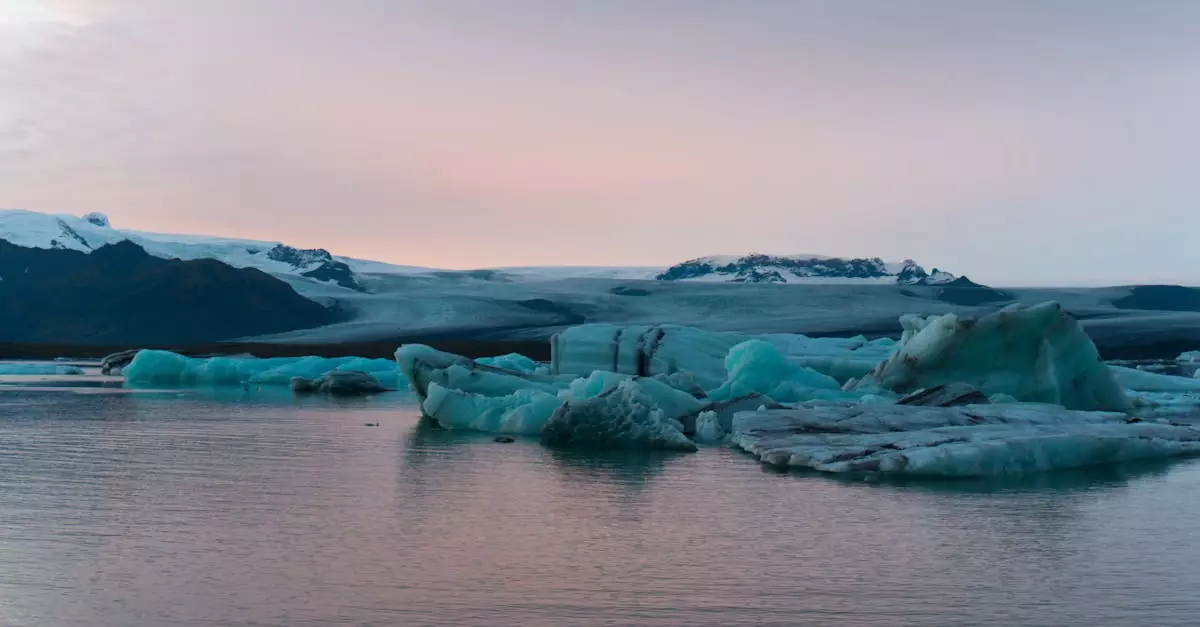
Planning a journey to the Arctic region of Europe offers a unique chance to witness dramatic landscapes and experience extreme conditions. Thorough preparation is key to ensuring a comfortable and safe adventure. This section provides practical advice covering packing, transportation, budgeting, and safety for your expedition.
Packing Essentials for Extreme Cold Weather
When visiting the best Arctic destinations in Europe, layering is paramount. Start with a moisture-wicking base layer, followed by an insulating mid-layer (like fleece or down), and finish with a waterproof and windproof outer shell. Thermal underwear, thick wool socks, and insulated, waterproof boots are essential. Don’t forget a warm hat that covers your ears, insulated gloves or mittens, and a scarf or balaclava to protect your face. Sunglasses are vital to combat glare from snow and ice, and high SPF sunscreen is necessary, even in winter. Consider bringing hand and foot warmers for extra comfort during prolonged outdoor activities.
Navigating Arctic Transportation: Flights, Trains, and Local Travel
Reaching European Arctic regions typically involves flights. Major hubs like Tromsø in Norway, Kiruna in Sweden, or Rovaniemi in Finland serve as gateways. From these cities, onward travel might involve domestic flights, trains, or buses. For instance, the scenic Norwegian railway network extends north, offering a comfortable way to see the landscapes unfold.
Within Arctic towns and cities, many areas are walkable, especially in summer. However, for excursions to more remote locations or during winter, consider:
- Rental Cars: Available in larger towns, but four-wheel drive is recommended in winter, and familiarity with driving on icy roads is crucial.
- Local Buses: A cost-effective option for inter-town travel.
- Taxis: Readily available but can be expensive.
- Organized Tours: Often include transportation to specific attractions like Northern Lights viewing spots or dog-sledding tours.
Budgeting for Your Arctic Trip: Costs and Savings
The Arctic can be an expensive travel region, largely due to the cost of living and specialized tourism infrastructure. However, strategic planning can help manage expenses.
| Category | Estimated Cost (per day, per person) | Savings Tips |
|---|---|---|
| Accommodation | €80 – €250+ | Stay in guesthouses or hostels; book well in advance, especially in peak season. |
| Food | €40 – €100 | Utilize self-catering options; look for local cafes rather than hotel restaurants. |
| Activities | €50 – €300+ | Prioritize a few key experiences; look for package deals. |
| Transportation | €20 – €80 | Use public transport where possible; book flights in advance. |
Traveling during the shoulder seasons (late spring or early autumn) can offer lower prices and fewer crowds. Consider self-catering accommodations with kitchen facilities to significantly reduce food costs. Many Arctic adventures, like hiking or simply observing the aurora, are free or low-cost.
Staying Safe in the Arctic Environment
Safety in the Arctic requires awareness and respect for the environment. Always inform someone of your plans if venturing outdoors, especially on solo hikes. Familiarize yourself with local weather forecasts, as conditions can change rapidly.
When participating in activities like dog sledding or snowmobiling, always go with reputable tour operators who provide necessary safety equipment and guidance. If you plan on any ice-related activities, such as ice fishing or walking on frozen lakes, ensure the ice is thick and stable—local knowledge is invaluable here. For those venturing into more remote wilderness areas, consider carrying a personal locator beacon (PLB) and understanding basic survival techniques. Respect wildlife from a distance; never approach or feed wild animals.
Frequently Asked Questions About Europe’s Best Arctic Destinations
Are the best Arctic destinations in Europe suitable for families?
Yes, many of Europe’s Arctic regions offer family-friendly activities. Destinations like Rovaniemi in Finnish Lapland are known for their Santa Claus Village, making them particularly appealing for younger travelers. Activities such as husky sledding, reindeer sleigh rides, and snowshoeing can be enjoyed by most ages, with some operators offering shorter, gentler experiences. It’s always wise to check age and height restrictions for specific tours.
What are the most photogenic spots in the Arctic Circle?
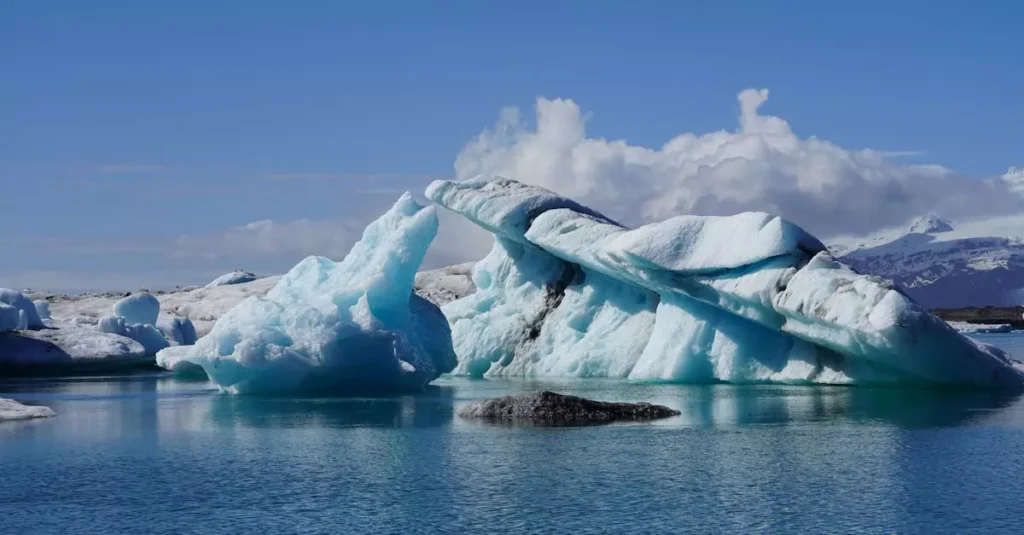
The Arctic Circle boasts numerous visually stunning locations. In Norway, the Lofoten Islands are renowned for their dramatic coastal scenery, with red fishing cabins set against jagged peaks. Iceland’s Jökulsárlón glacier lagoon, with its floating icebergs and seals, provides exceptional photographic opportunities. For those seeking unique landscapes, the ice caves of Vatnajökull National Park or the vast, snow-covered plains of Swedish Lapland offer stark beauty.
Can I see the Northern Lights from all these European Arctic locations?
While the Northern Lights (Aurora Borealis) are a common phenomenon across the Arctic, visibility depends on several factors. Locations further north generally offer a higher chance of sightings. Key considerations include clear skies, minimal light pollution, and solar activity. All the recommended European Arctic destinations, including Tromsø in Norway, Abisko in Sweden, and parts of Finnish Lapland, are excellent for aurora viewing, but success is never guaranteed. Traveling between September and March maximizes your chances.