
Greece’s culinary scene is a vibrant tapestry woven with centuries of tradition and the bounty of its fertile lands and sparkling seas. While iconic souvlaki and moussaka are beloved staples, discovering the best food experiences in Greece means delving deeper into regional specialties, understanding the art of sharing mezze, and savoring the social rituals surrounding coffee. This guide will take you beyond tourist menus to explore the authentic flavors of Crete, the fresh seafood of Santorini, the artisanal cheeses of Naxos, and the bustling markets and hidden tavernas of Athens. You’ll learn how to navigate local eateries, embrace communal dining, and uncover the secrets behind Greece’s celebrated olive oil and wine production, offering a truly immersive taste of Greek culture.
Savoring Authentic Greek Flavors: Beyond the Tourist Traps
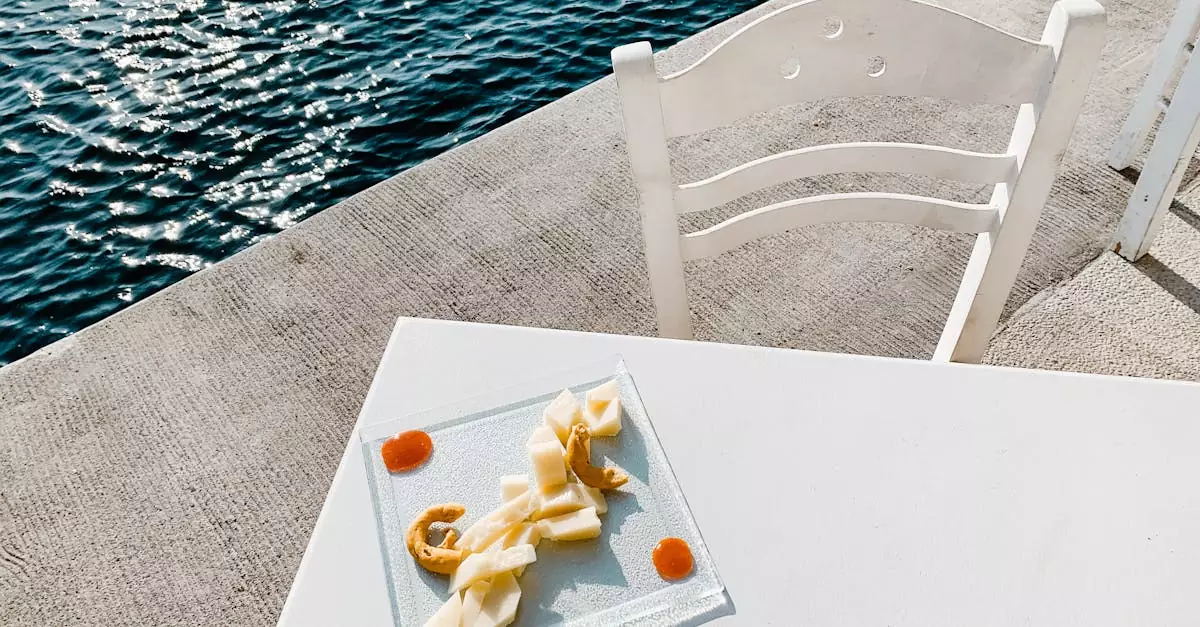
Greece offers a culinary landscape far richer than the ubiquitous souvlaki, inviting travelers to embark on a delicious journey through its diverse regions. To truly appreciate the best food experiences in Greece, venture beyond the well-trodden paths and seek out local tavernas and markets where tradition and fresh ingredients take center stage. Understanding regional specialties and embracing local dining customs will unlock a deeper connection with the country’s vibrant culture.
Discovering Regional Specialties: From Moussaka to Fava
While moussaka and pastitsio are beloved classics found across the country, each region boasts unique culinary treasures. On Crete, for instance, fava (a creamy split pea puree) is a staple, often seasoned with olive oil and lemon, while gamopilafo (a rich rice dish cooked in meat broth) is a celebratory favorite. In Epirus, expect hearty meat dishes and pies like pites filled with wild greens or cheese. The islands offer their distinct flavors, from the tomato fritters (domatokeftedes) of Santorini to slow-cooked lamb dishes in the Cyclades. Exploring these local dishes provides delicious insights into the history and geography of each area.
For those eager to experience these authentic tastes, consider visiting during the shoulder seasons of spring or autumn. This timing often means fewer crowds at popular restaurants and a more relaxed dining atmosphere, allowing for better interaction with chefs and owners. Researching local food festivals, often occurring during harvest seasons, can also lead to exceptional culinary discoveries.
The Art of Mezze: Sharing Small Plates Like a Local
Embracing the concept of mezze is essential to experiencing Greek dining culture. This tradition involves ordering a variety of small dishes to share, creating a communal and convivial meal. Think of it as the Greek equivalent of Spanish tapas or Middle Eastern meze. The selection can range from classic dips like tzatziki and melitzanosalata (eggplant dip) to grilled halloumi, fried calamari, dolmades (stuffed grape leaves), and various meat and vegetable preparations.
Ordering mezze allows you to sample a wide array of flavors and textures in one sitting. It encourages conversation and a slower pace of eating, fostering a more immersive dining experience. Don’t hesitate to ask your server for recommendations on local specialties or popular mezze combinations. A typical mezze spread might include:
- Dips: Tzatziki, Melitzanosalata, Taramosalata (fish roe dip)
- Vegetables: Horiatiki (Greek salad), Fried Zucchini, Grilled Mushrooms
- Seafood: Fried Calamari, Grilled Octopus, Gavros Tiganitos (fried anchovies)
- Meat: Keftedes (meatballs), Loukaniko (sausage), Lamb Chops
This style of dining is prevalent throughout Greece, from bustling city tavernas to quiet island eateries. It’s a budget-friendly way to taste more dishes and is particularly enjoyable with a group.
Experiencing Greek Coffee Culture: Frappé, Freddo Espresso, and Beyond
Coffee is more than just a morning beverage in Greece; it’s a social ritual. While traditional Greek coffee, brewed strong and served in small cups, remains popular, the modern coffee scene is dominated by iced concoctions. The frappé, a foamy iced coffee made with instant coffee, sugar, and water, is especially common during warmer months, offering a refreshing mid-afternoon break.
More recently, freddo espresso and freddo cappuccino have gained popularity. These espresso-based drinks are shaken with ice to create a frothy layer. The freddo espresso is chilled espresso, while the freddo cappuccino is topped with creamy milk foam. Many cafes offer customizable sweetness and milk options for both. Enjoying coffee, whether hot or cold, at an outdoor cafe—perhaps while people-watching or catching up with friends—is an essential Greek pastime, deeply ingrained in daily life across both the mainland and the islands.
Island Hopping for Epicureans: Crete’s Delicacies and Santorini’s Seafood

Crete: Unveiling the Secrets of Cretan Diet Dishes
Crete offers a profound culinary experience, deeply rooted in its island diet, celebrated globally for its health benefits. This is more than just food; it’s a way of life. The island’s fertile land yields an abundance of fresh produce, herbs, and exceptional olive oil, forming the foundation of its distinctive cuisine. When visiting, seek out dakos, a barley rusk topped with chopped tomatoes, feta cheese, and olive oil, or gamopilafo, a rich rice dish often prepared for celebrations.
Don’t miss kalitsounia, small cheese pies that can be sweet or savory, showcasing local myzithra cheese. For an authentic experience, visit a traditional taverna in a mountain village rather than a tourist hotspot. These establishments often prepare dishes using recipes passed down through generations. The best time to sample these dishes is spring, when wild greens are plentiful, or autumn, during the olive harvest.
Santorini: Fresh Catches and Volcanic Wine Pairings
Santorini’s dramatic volcanic landscape extends to its culinary scene, where fresh seafood and unique wines take center stage. The island’s waters provide a bounty of exquisite catches, best enjoyed at waterfront restaurants in villages like Ammoudi Bay. Here, you can savor grilled octopus, fava (a creamy split pea purée unique to the island), and tomatokeftedes (tomato fritters made with Santorini’s intensely flavored cherry tomatoes).
The island’s volcanic soil also produces distinctive wines, particularly the crisp, mineral-driven Assyrtiko. Many wineries offer tasting tours, providing a delightful way to pair local flavors with their renowned vintages. A sunset wine tasting overlooking the caldera is an unforgettable experience. Consider booking a table at a restaurant in Oia or Fira for prime sunset views, though reservations are highly recommended, especially during peak season from June to August.
Naxos: Exploring Traditional Cheeses and Local Honey
Naxos, known for its lush interior and fertile plains, is a haven for cheese and honey lovers. The island is famous for its graviera, a hard, nutty cheese, and arseniko, a sharp, aged cheese. Visiting a local dairy or farmer’s market is the best way to sample these artisanal products. Many tavernas proudly feature these Naxian specialties on their menus.
Beyond cheese, Naxos produces exceptional honey, infused with the scents of the island’s wild herbs. Look for honey from the thymari (thyme) plant for a particularly aromatic experience. Pairing this honey with thick Greek yogurt or drizzling it over galatopita (milk pie) is a simple yet sublime pleasure. Exploring the island’s interior villages, such as Halki, offers the chance to find smaller producers and taste their goods directly. This rural exploration is best enjoyed during the milder months of spring or autumn when the landscape is vibrant and the temperatures are comfortable for travel around Europe.
Athens’ Gastronomic Heartbeat: From Plaka Tavernas to Modern Bistros

Athens offers a vibrant tapestry of culinary experiences, moving far beyond the ubiquitous souvlaki to showcase the depth and diversity of Greek cuisine. From the bustling sensory overload of its central market to the intimate charm of hidden tavernas and the sophisticated offerings of upscale districts, the city provides a delicious introduction to the best food experiences in Greece. Planning your gastronomic journey through the capital requires a little local insight, but the rewards are immense.
Exploring the Central Market (Varvakios Agora) for Fresh Ingredients
A visit to the Varvakios Agora, Athens’ central food market, is an essential stop for any food lover. This sprawling marketplace is a riot of color, sound, and aroma, offering a direct connection to the fresh produce that forms the backbone of Greek cooking. Here, you can find everything from glistening Kalamata olives and sun-ripened tomatoes to freshly caught fish and prime cuts of lamb.
Wander through the meat and fish halls first to witness the day’s haul, then move to the produce section where vendors proudly display their seasonal offerings. It’s a fantastic place to sample local cheeses, dried herbs, and regional honey. For lunch, grab a simple, delicious psari plaki (baked fish) from one of the small eateries within the market. Arrive early, ideally between 8 AM and 11 AM, for the most vibrant atmosphere and the widest selection.
Finding Hidden Gem Tavernas in Psirri for Authentic Mezedes
The Psirri neighborhood, once a working-class district, has transformed into a hub for authentic Greek dining, particularly known for its mezedes—small, flavorful dishes meant for sharing. Forget the tourist traps; the real magic lies down the side streets. Look for tavernas with checkered tablecloths, locals gathered around tables, and the enticing aroma of grilled meats wafting through the air.
These establishments often serve a rotating menu based on what’s fresh and seasonal. Don’t miss trying saganaki (fried cheese), tzatziki (yogurt-cucumber dip), melitzanosalata (eggplant dip), and various grilled octopus or calamari preparations. The beauty of mezedes is the opportunity to sample a wide array of tastes and textures in one meal. Many of these tavernas are best experienced in the evening, starting around 7 PM, when the neighborhood truly comes alive.
Indulging in Upscale Greek Cuisine in Kolonaki
For a more refined dining experience, head to the upscale Kolonaki district. Here, you’ll find a concentration of modern Greek restaurants and bistros that elevate traditional flavors with contemporary techniques and presentation. These establishments often focus on high-quality ingredients, innovative twists on classic dishes, and an extensive wine list featuring both Greek and international selections.
Kolonaki offers a sophisticated ambiance, making it suitable for a special occasion or a leisurely, upscale meal. Expect to find dishes like slow-cooked lamb with fava puree, creative seafood preparations, and refined desserts. While prices are generally higher than in Psirri or Plaka, the quality of food, service, and atmosphere often justifies the expense. Reservations are highly recommended, especially for weekend evenings. The dining scene here is active throughout the week, but Fridays and Saturdays offer the most buzz.
What Are the Must-Try Street Foods for a Quick and Delicious Greek Bite?

Navigating Greece’s vibrant culinary landscape doesn’t always require a sit-down meal. Some of the most memorable and authentic flavors are found right on the street, offering a delicious and budget-friendly way to experience local tastes. These quick bites are perfect for fueling your explorations between ancient ruins and bustling markets.
The Ubiquitous Gyro: Finding the Best Pork and Chicken Versions
No discussion of Greek street food is complete without the gyro. This iconic wrap features thinly sliced, seasoned meat (typically pork or chicken) cooked on a vertical rotisserie, served in warm pita bread with tomatoes, onions, and a generous dollop of tzatziki sauce. While available everywhere, quality can vary significantly. Seek local recommendations for the best spots, often found in less touristy areas. Pork gyros tend to be the traditional choice, offering a rich, savory flavor, while chicken provides a lighter alternative. Look for places where the meat is freshly carved and the pitas are soft and warm.
Koulouri Thessalonikis: The Iconic Sesame Bread Ring
Originating from Thessaloniki, the koulouri is a simple yet satisfying snack. This ring-shaped bread, coated in sesame seeds, is a staple for breakfast or a mid-day treat throughout Greece. Its slightly chewy texture and nutty coating make it incredibly moreish. You’ll often see vendors selling them from carts, especially in busy squares and near public transport hubs. It’s a fantastic, inexpensive option for a quick energy boost and pairs well with strong Greek coffee.
Loukoumades: Sweet Fried Dough Balls Drizzled with Honey
For those with a sweet tooth, loukoumades are an absolute must. These small, golden-brown spheres are made from fried dough, puffed up to delightful lightness. The magic happens when they are drenched in sweet syrup, often made with honey and cinnamon, and sometimes sprinkled with nuts. While you can find them in dedicated dessert shops, many street vendors also offer fresh, hot loukoumades. They are best enjoyed immediately after preparation, offering a warm, syrupy burst of sweetness that’s quintessentially Greek.
Beyond the Plate: Immersive Food Experiences in Greece
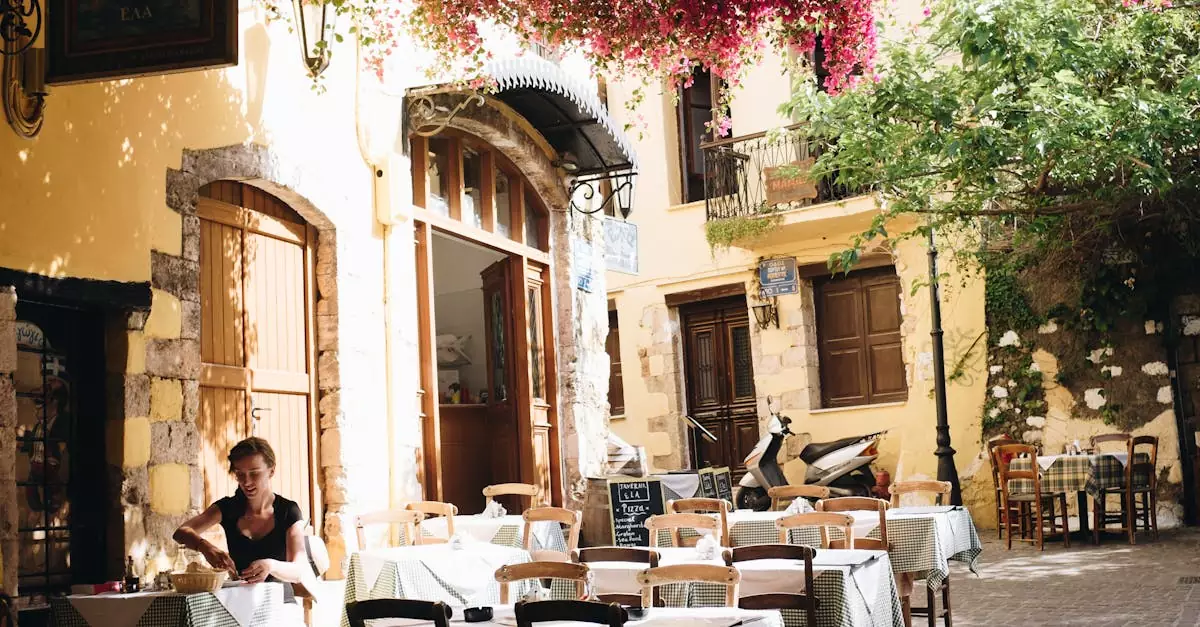
While iconic souvlaki and moussaka are essential tastes of Greece, the country’s culinary landscape offers far richer experiences for those willing to venture deeper. Engaging directly with local food traditions provides a profound connection to the culture and a deeper appreciation for the ingredients. These hands-on and tasting-focused activities invite you to participate in the very essence of Greek gastronomy.
Participating in a Greek Cooking Class in the Peloponnese
For an authentic taste of Greek home cooking, consider a hands-on cooking class, particularly in regions like the Peloponnese. Here, you can learn to prepare traditional dishes using fresh, seasonal ingredients often sourced directly from local farms. Classes typically involve more than just following a recipe; you’ll often start by visiting a local market or garden, understanding the provenance of your ingredients, and learning about regional specialties.
Many classes focus on dishes unique to the Peloponnese, such as pastitsio (a baked pasta dish), giaprakia (stuffed vine leaves), or various pies (pites) filled with wild greens and local cheeses. You’ll learn techniques passed down through generations, from kneading dough to balancing herbs and spices. The experience culminates in enjoying the meal you’ve prepared, often with local wine, fostering a convivial atmosphere.
- Logistics: Classes are widely available in towns like Nafplio and Kalamata. Booking in advance is recommended, especially during peak tourist season.
- Budget: Expect to pay €70-€120 per person, which often includes the meal and sometimes local produce to take home.
- Timing: Classes are usually held in the morning or early afternoon.
Visiting Olive Oil Estates for Tastings and Tours
Greece is synonymous with olive oil, and a visit to an olive oil estate offers fascinating insights into this vital part of its heritage and cuisine. Many estates, particularly in Crete, the Peloponnese, and the Ionian Islands, welcome visitors for guided tours and tastings. You’ll learn about different olive varietals, the cultivation process, and methods of oil extraction, from traditional stone mills to modern machinery.
The tasting experience is key, allowing you to discern the subtle differences in flavor profiles—from peppery and robust to mild and fruity—based on the olive type, harvest time, and processing. Many estates also produce other local products like olives, honey, or wine, which are often incorporated into the tasting, offering a tangible way to understand the quality and versatility of Greek olive oil.
- Regions: Look for estates in areas known for olive production like Messenia (Peloponnese) or Chania (Crete).
- What to Expect: Tours usually last 1-2 hours. Tastings often include bread or small mezes to highlight the oil’s characteristics.
- Considerations: Wear comfortable shoes for walking through groves. Some estates offer online booking for their tours and tastings.
Exploring Local Wineries and Ouzo Distilleries
Beyond its world-renowned olive oil, Greece boasts a growing wine industry and a deeply ingrained tradition of spirits like ouzo and tsipouro. Visiting a local winery or a traditional ouzo distillery provides a sensory journey into these beverages. Many wineries, especially in regions like Crete, Santorini, or the mainland’s northern areas, offer tours and tastings that showcase indigenous grape varietals such as Assyrtiko, Xinomavro, and Agiorgitiko.
At an ouzo distillery, you can witness the distillation process, learn about the anise and other botanicals that give ouzo its distinctive flavor, and understand the ritual of how it’s traditionally served with ice and water. These experiences are often intimate, allowing for direct interaction with the producers and a deeper understanding of the craftsmanship involved. It’s a chance to sample authentic Greek spirits and wines in their place of origin.
- Wine Regions: Santorini for its unique volcanic wines, Nemea in the Peloponnese for Agiorgitiko, and Naoussa for Xinomavro are popular choices.
- Ouzo: While found throughout Greece, distilleries in Mytilene (Lesbos) are particularly renowned.
- Logistics: Many wineries and distilleries are located in rural areas, so renting a car or arranging transport is often necessary. Check opening hours and tour availability in advance.
Frequently Asked Questions About Greek Food Experiences
What’s the best time of year to visit Greece for food festivals?
The best time to experience Greece’s vibrant food festivals often aligns with harvest seasons. Late summer and early autumn, from August through October, are particularly good for grape and olive harvests, often celebrated with local events. Many islands also host specific festivals for local products like cheese or honey during spring and summer months. Planning your trip around these celebrations can offer a unique glimpse into regional culinary traditions. For example, many wine festivals take place in late summer.
How much should I budget for food experiences in Greece?
Budgeting for food in Greece offers flexibility, catering to various travel styles. For a moderate budget, you can expect to spend €30-€50 per person per day, covering meals at tavernas, occasional street food, and a few drinks. Those seeking more upscale dining or frequenting wine bars might allocate €60-€100 daily. Street food, like a delicious gyro or spanakopita, can be as little as €3-€5, offering an affordable way to sample local flavors.
Here’s a general breakdown for daily food expenses:
| Experience Level | Daily Budget Per Person |
|---|---|
| Budget | €20 – €35 |
| Moderate | €35 – €60 |
| Upscale | €60+ |
This budget excludes accommodation and significant alcohol consumption. Prices can vary between popular tourist islands and mainland cities.
Are there specific dietary restrictions I should be aware of when dining in Greece?
While Greek cuisine is rich in fresh ingredients, some common dietary needs require specific attention. Many traditional dishes feature olive oil, cheese, and meat, which can be challenging for vegans or those with dairy intolerances. Gluten-free options are becoming more common, especially in larger towns and tourist areas, with many tavernas offering naturally gluten-free choices like grilled meats and fresh salads. However, cross-contamination can be a concern, so it’s always best to communicate your needs clearly. For those observing religious dietary laws, Greek Orthodox fasting periods (like Lent) mean many restaurants will offer Lenten (nistisima) dishes that are dairy-free and meat-free. Always inform your server about any allergies or restrictions.